Order Logo Patches for Ecommerce Brands on Caps and Hats
For many online labels, Logo Patches for Ecommerce brands are the difference between a cap that reads like a giveaway item and one that feels ready for a retail shelf. A patch changes the first impression quickly. It adds texture, gives the hat more perceived weight, and presents the brand mark with cleaner edges than a lot of direct-print methods, especially once the product is photographed, unboxed, and worn outside the studio.
Why logo patches for ecommerce brands stand out on hats
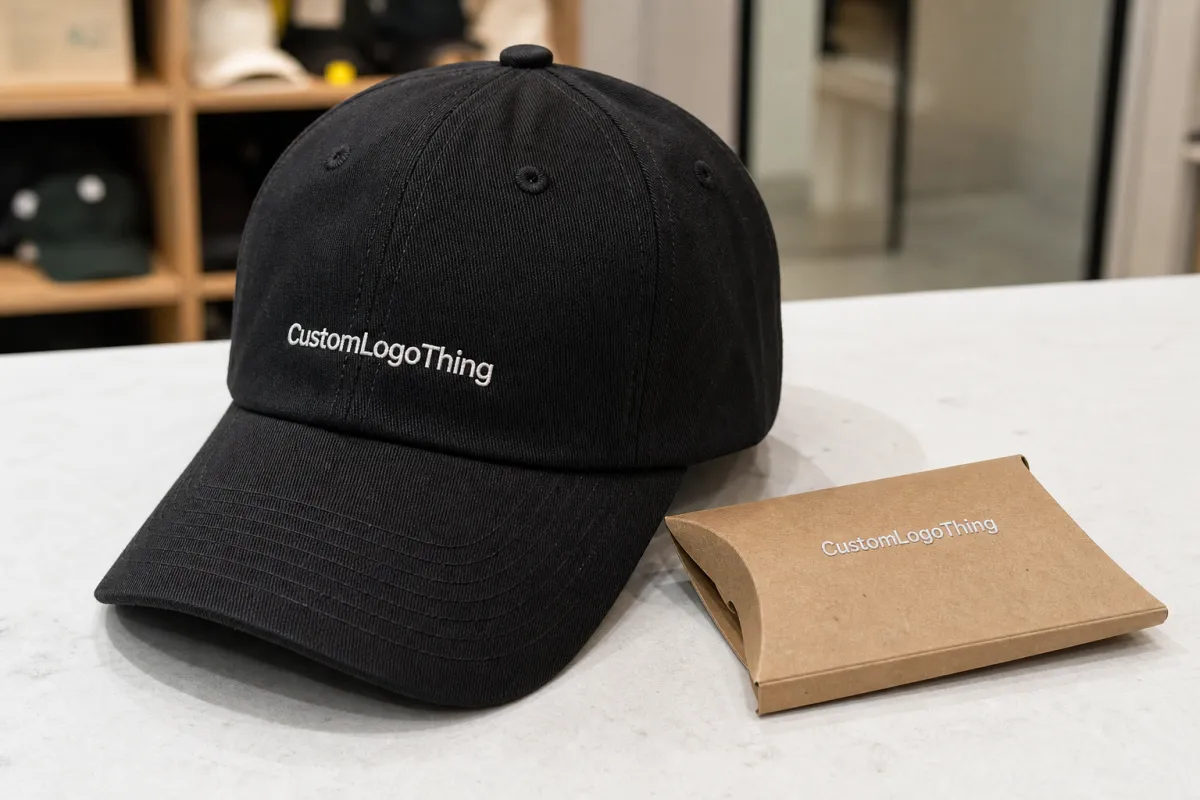
A hat patch has to do more than decorate a crown panel. It has to signal that the product was considered, not just decorated. That is why logo patches for ecommerce brands work so well on caps and hats: they create a stronger retail cue in a product photo, in a mailer, and on the customer’s head. A flat printed logo can disappear into the fabric. A patch adds edge definition, tactile weight, and a more finished silhouette.
The difference shows up fast on a product page. A structured snapback with a crisp patch photographs differently from a soft dad hat with the same logo. One reads sharp and assertive; the other reads relaxed and lifestyle-driven. Neither is inherently better. The patch style should match the brand promise, the fabric, and the way the hat will be sold.
That is where many teams miss the mark. They focus on the artwork alone, then wonder why the finished cap does not feel premium enough. The final result depends on shape, border finish, stitch density, color contrast, patch thickness, and how the patch sits on the front panel. On a crowded ecommerce shelf, those details decide whether the hat looks intentional or generic.
If you are sourcing logo patches for ecommerce brands, the first questions should be simple: What material is the patch? How will it attach? How is it made? What quantity are you ordering? Those four decisions drive cost, durability, and the way the final product reads online and in hand.
A patch is small, but it carries a lot of the brand story. If it looks cheap in the thumbnail, it usually looks cheap in hand too.
How patch construction works on caps and hats
Logo patches for ecommerce brands usually fall into five common formats: embroidered, woven, PVC, leather, and sublimated. Each one has a different strength. Embroidered patches create a classic raised texture and work best when the logo is bold and readable from a few feet away. Woven patches handle finer detail better because the weave is tighter, so small type and thin lines hold up more cleanly. PVC gives a molded, modern look that can be a strong fit for outdoor or utility-style branding. Leather feels premium and understated, while sublimated patches can handle gradients and full-color art that would get lost in stitches.
The build matters just as much as the style. A patch starts with a face material, then an edge treatment, then a backing. Borders may be merrowed, laser-cut, stitched, or molded. That border changes both appearance and durability. On hats, the patch also has to work with a curved surface, which means artwork that looks fine on a flat screen can distort once it lands on a crown panel. Artwork cleanup matters before sampling, especially for anything with small text or thin outlines.
Fine detail is usually the first thing to fail. Tiny taglines, hairline strokes, and tight gradients are trouble spots. If the logo has a line of text that needs to stay readable, a woven patch is often safer than embroidery. If the brand mark uses a blocky icon and a few solid colors, embroidered or PVC can look stronger. If the design relies on a soft, premium feel, leather or a low-profile woven patch may be the better fit.
Attachment also changes the final read. Heat-seal backing works well when the patch will be applied during hat production or with a press at the decorator. Sew-on backing is durable and dependable for curved surfaces and heavier use. Adhesive backings can help with placement checks, but they are rarely the final answer for a retail cap. Velcro is useful for tactical or removable badge styles, though that choice should be deliberate, not accidental.
There are practical production limits here. A deeply molded PVC badge can look excellent on a stiff crown, but it may feel too heavy on a soft hat. A thick embroidered patch can read rich in a close-up, then feel bulky on a low-profile front panel. The safest spec is usually the one that respects both the logo and the substrate.
How hat style changes the result
Hat style changes how a patch lands visually and mechanically. Structured snapbacks can carry a larger front patch because the crown has enough support. Dad hats usually look better with a slightly smaller, more restrained patch. Knit beanies can take a sewn-on patch, but the backing and stitch method need to respect stretch or the panel will pucker. None of that is decorative trivia. It is the difference between a hat that wears cleanly and one that warps after a few uses.
Front panel height matters too. A taller crown gives you more room for a wide logo and keeps the patch from crowding the seam line. Lower crowns need a calmer layout. On curved brims, the eye also reads the patch from an angle, so the artwork needs enough open space to stay legible in product images.
For logo patches for ecommerce brands, size usually lands somewhere around 2.25 to 3.5 inches wide on a standard front panel, but the correct dimension depends on the hat shape and the logo layout. Too large, and the patch swallows the crown. Too small, and it disappears in photography and fails to carry the brand signal.
Cost, pricing, MOQ, and quote drivers
Pricing for logo patches for ecommerce brands moves with a handful of predictable levers: size, material, color count, border complexity, backing choice, and order volume. A 2.5-inch woven patch with a simple shape is usually easier to price than a 4-inch PVC patch with layered molding and a custom cut line. The bigger the patch and the more detailed the finish, the more setup and production time it tends to require.
MOQ is another place where ecommerce teams get surprised. Lower quantities usually mean higher unit cost because setup, programming, proofing, and tooling do not disappear just because the order is small. For many patch suppliers, the practical MOQ range is around 100 to 500 pieces per design, though the actual floor depends on material and attachment style. If you need multiple colorways or multiple hat colors, quantity splits can raise unit cost quickly.
A useful quote should show more than one number. Look for setup fees, sample charges, production cost, shipping, and any special finishing charges. If a supplier gives only a unit price, comparison gets messy. A quote that looks low can become expensive once mold fees, rush charges, and per-color upcharges appear later.
For planning purposes, this table gives a realistic starting point. Treat it as a budget range, not a promise.
| Patch type | Best use | Typical unit range at 1,000 to 5,000 pcs | Notes |
|---|---|---|---|
| Embroidered | Bold logos, textured retail look | $0.18-$0.40 | Strong for simple artwork and visible thread texture |
| Woven | Fine detail, small type, clean edges | $0.22-$0.45 | Usually the safer choice for intricate logos |
| PVC | Outdoor, utility, modern brand feel | $0.35-$0.90 | Higher tooling complexity, strong dimensional look |
| Leather | Premium, understated lifestyle branding | $0.30-$0.80 | Works best when the logo can be simplified |
| Sublimated | Gradient-heavy or full-color art | $0.20-$0.50 | Best when stitch detail would limit the design |
Those numbers shift with order size, packaging, and whether the patch is a loose component or part of a finished hat. If the ecommerce model depends on premium unboxing, ask whether the quote includes polybagging, label application, carton packing, and pallet configuration that fits the warehouse flow. If outer packaging matters to your brand, transit testing should be part of the plan, not an afterthought. A carton that looks fine on paper can still crush corners, scuff patch surfaces, or create receiving problems if it is packed too loosely.
Production process and timeline for ecommerce drops
The path from artwork to shipped goods is usually straightforward, but there are a few places where time slips away. The normal sequence is file submission, artwork review, digital mockup, proof approval, sample or pre-production check if needed, manufacturing, and packing. For logo patches for ecommerce brands, the biggest delays usually happen before production even starts, when files need cleanup or the proof keeps changing.
Vector artwork saves time. If the logo arrives as AI, EPS, SVG, or a clean print-ready PDF, the supplier can usually move faster and quote more confidently. Raster images can still work, but they often need redrawing. That means more back-and-forth and a longer approval window. In practical terms, a clean file can shave days off the front end of the order.
A realistic timeline for custom hat patches is often 12 to 15 business days from proof approval for standard specs, with faster turns possible when the design is simple and the material is already in stock. If the patch needs a mold, a specialty backing, or a new color match, the schedule stretches. If you are planning a preorder or a seasonal launch, count backward from warehouse receiving, not only from production completion.
Fast schedules usually depend on three things: simple construction, quick approvals, and clear brand files. If the order needs to move fast, lock the size early, approve the artwork promptly, and avoid midstream changes that force a fresh proof. A lot of late shipments are really late approvals wearing a production label.
Shipping and receiving matter as much as manufacturing. An order can finish on time and still miss the launch if cartons arrive late, get held at intake, or are packed in a way the fulfillment team cannot receive cleanly. Build receiving time into the calendar. It is a small buffer that protects the entire drop.
Quality control checks that save an order
Quality control is where the details become visible. A good patch should have even borders, consistent color, clean edges, and the correct size after trimming. On a hat, the patch should sit flat without bubbles or puckering. If the patch is sewn, stitches should be tidy and evenly spaced. If it is heat-applied, the bond should hold without lifting at the corners.
Before approving bulk production, inspect the proof or sample for a few specific things. Check whether the text is readable at final size. Confirm that the border does not crowd the logo. Compare the color to the reference under neutral light, not just a warm office lamp. Make sure the patch thickness suits the hat style. Leather can darken after heat exposure; molded PVC can show minor variation in gloss; thread color can look lighter or darker once it sits on fabric instead of paper.
Those are normal material realities, not defects. Still, they matter. A patch that looks crisp in a render may feel heavy on the actual cap. A shiny thread may bounce too much light in studio photography. A dense woven patch may hold detail well but still feel too flat if the brand wanted stronger texture. The sample stage is where those tradeoffs become obvious enough to fix.
For ecommerce teams, one more check is worth the time: verify the patch on the exact hat style, not just on a generic template. A design that works on a structured five-panel cap may sit poorly on a low-profile six-panel dad hat. Mockups should show the actual product, because placement errors are easier to catch there than after inventory has arrived.
Choosing specs that fit your brand and fulfillment model
Spec selection is where the brand strategy shows up. With logo patches for ecommerce brands, you are not just choosing decoration; you are choosing how the customer reads the product before they touch it. A rugged outdoor brand often wants thicker texture, deeper contrast, and a tougher border. A minimalist streetwear label may want a simple leather or woven mark with restrained color. A giveaway cap can use a simpler patch, but a premium product should not look like a promo item.
Backing should match the way the hat enters the supply chain. Heat-seal backing works well when the patch will be applied during hat production or with a press at a decoration partner. Sew-on backing is durable and dependable for curved surfaces and higher-use items. Adhesive backings can help with placement checks or short-run testing, but they are rarely the final answer for retail. Velcro is useful for tactical or removable badge styles, though that direction should be intentional.
Think through fulfillment before you lock the spec. If the hat arrives fully finished, the patch needs to be integrated cleanly. If the patch ships as a separate component, the receiving team needs clear labeling and count control. If you are testing multiple colors or seasonal variants, a smaller pilot run can protect cash flow and show which version photographs and sells best. That matters more than people expect, because ecommerce performance often depends on subtle visual differences that are hard to judge from a mockup alone.
For most online sellers, the best choice is the one that balances visual impact, inventory flexibility, and how much complexity the warehouse can absorb without slowing down pick-and-pack. That is the real test for logo patches for ecommerce brands.
Common mistakes ecommerce teams make with patch orders
The first mistake is overdesigning the artwork. Thin lines, tiny words, and dense detail can disappear once the design is translated into thread, molded rubber, or leather grain. A logo that looks elegant on a screen might turn muddy on a 2.5-inch patch. If the type is not readable at thumbnail size, it is probably too small for the patch.
The second mistake is choosing the wrong backing for the hat style. A patch that works fine on a structured cap may pucker on a soft dad hat or sit awkwardly on a knit beanie. That is not a defect in the patch itself. It is a mismatch between the patch and the substrate. Hat fabric, crown shape, and stitch method all matter.
The third issue is skipping size checks. Ecommerce teams sometimes approve a patch because it looks correct in isolation, then discover that it feels cramped on the front panel or too small to register in a listing photo. Mockups should show the patch on the actual hat style, not floating on white space. If the supplier cannot do that, ask for a placement proof.
The fourth mistake is approving a proof without examining color, texture, and edge behavior together. A border that looks crisp on a flat render may feel heavy on the final cap. A leather patch may darken after heat exposure. A shiny thread color may reflect more under studio lights than expected. These are normal material behaviors, but they need to be checked before bulk production starts.
For logo patches for ecommerce brands, disciplined proof review prevents most of the expensive mistakes. Read the text, inspect the edge, confirm the size, and compare the finish to the actual hat style. If something feels off in the proof stage, it will usually feel worse once the box is opened.
What to confirm before you place an order
Before requesting quotes, gather the basics: vector logo files, target patch size, hat style, preferred backing, color references, and estimated quantity. That gives the supplier enough information to price accurately and suggest the right construction. If you only send a screenshot, the quote will be slower and less reliable.
Then compare suppliers on more than unit price. Review the spec sheet, the proof quality, how clearly the material is described, what the sample looks like, and whether the lead time fits the launch calendar. A lower price is not a win if the patch arrives looking flat, the border frays, or the carton plan creates a receiving problem.
A small pilot run is often the best way to reduce risk. Even 100 to 300 pieces can tell you a lot about feel, placement, and customer response. That is especially useful if you are moving from printed decoration into logo patches for ecommerce brands for the first time. A limited run gives you a chance to test artwork, price point, and packaging before larger inventory is committed.
A practical launch checklist looks like this:
- Confirm the art is vector and readable at final size.
- Lock the patch material and backing before proof approval.
- Check that the mockup matches the exact hat style.
- Verify pricing, setup, sampling, shipping, and packing in writing.
- Build receiving time into the launch calendar.
Handled well, those five checks reduce waste, protect the launch date, and give the product a better chance to feel worth its price tag. That is the real value of logo patches for ecommerce brands: not just putting a logo on a cap, but making the cap feel intentional, durable, and ready to sell.
What kind of logo patches work best for ecommerce hats?
Embroidered patches are a strong fit for bold logos and a classic retail look. Woven or PVC options usually work better when the design has fine detail or a more modern finish. The best choice depends on the hat style, the artwork, and the brand image you want customers to see online.
How much do logo patches for ecommerce brands usually cost?
Price is driven by size, material, backing, color count, and order quantity. Higher MOQs usually lower the unit cost, while small runs carry more setup overhead. A useful quote should separate production, setup, sampling, and shipping so you can compare suppliers clearly.
What is the normal turnaround for custom hat patches?
Most schedules include proofing, approval, production, and shipping, so total timing depends on how quickly each step moves. Simple specs and fast proof approval usually shorten the lead time. Custom finishes, sampling, or revisions can extend the turnaround.
Can patches be applied to different hat styles?
Yes, but the attachment method and patch size should match the hat structure. Structured snapbacks, soft dad hats, and knit beanies each handle patches a little differently. A good supplier will recommend the attachment style that fits the fabric and panel shape.
Do I need vector artwork to order logo patches?
Vector files are strongly preferred because they keep edges crisp and help convert artwork into a production-ready patch. AI, EPS, SVG, or print-ready PDF files are usually the easiest starting point. If you only have a raster image, expect cleanup time before quoting and proofing.

