Choosing the right Logo Patches Material guide for wine shops comes down to how the patch will be used, washed, handled, and seen. A patch on an apron gets folded, rubbed, and exposed to spills. A patch on a shirt has to survive regular laundering. A patch on a tote bag needs to stay legible after repeated handling and abrasion.
The visual side matters too. Wine shops often balance rustic, boutique, and modern cues at the same time. A patch that looks good in a mockup can fail at actual size if the details are too fine or the finish does not suit the garment. The best choice is usually the material that preserves the logo clearly and fits the service environment.
Why Wine Shop Patches Need More Than a Nice Look
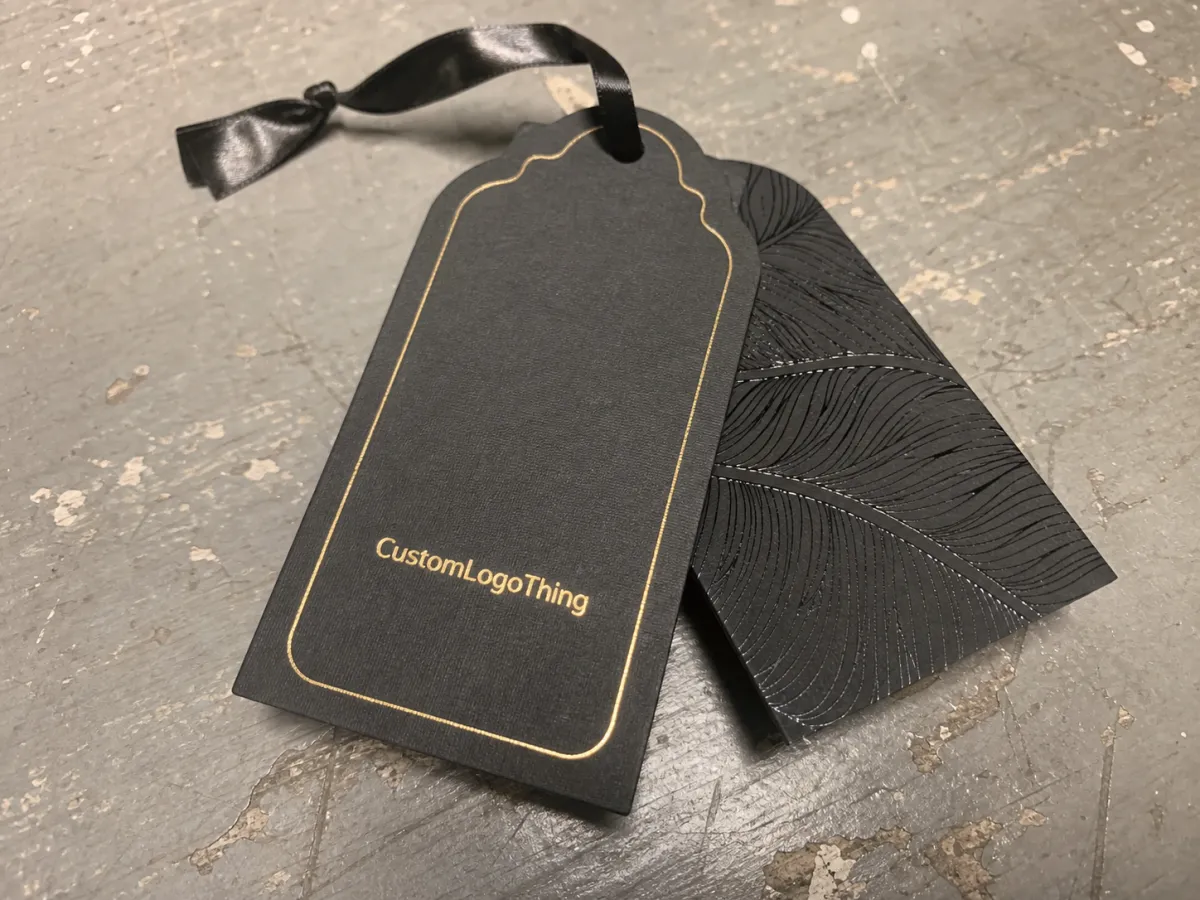
Wine shop branding appears on aprons, shirts, outerwear, and retail bags, so the patch has to do more than decorate. It becomes part of the customer’s first impression and has to stay readable in close-up settings like tasting rooms and checkout counters.
Different constructions send different signals. Woven patches usually look cleaner and handle small text well. Embroidery feels traditional and tactile. Leather and faux leather lean boutique or heritage. PVC and silicone are more modern and easy to wipe clean. Printed fabric is useful when the artwork includes gradients or other details that stitch-based methods may blur.
Because wine shops are active environments, durability matters as much as appearance. Staff move between shelving, pouring, packing, and register work. Aprons get folded repeatedly. Bags are set down and picked up all day. A patch that curls, cracks, or frays will weaken the brand quickly.
Brand fit matters too. A shop with earthy tones and natural materials may benefit from textured patch styles, while a minimalist retail space may need a sharper, cleaner finish. The patch should support the brand mood rather than compete with it.
How Patch Materials Perform on Aprons, Shirts, and Bags
Woven patches are often the strongest all-around choice for wine shop logos with fine lines, small text, or crest-style details. Because the artwork is formed from tightly woven threads, lettering stays more readable at smaller sizes and borders stay cleaner.
Embroidered patches bring depth and a classic hospitality look. They work well for simple logos on aprons, caps, and outerwear. The drawback is that very small text or thin lines can fill in, so embroidery is best when the design is bold and meant to be seen from a short distance.
Leather and faux leather patches suit wine shops that want a boutique, cellar-door, or artisan feel. They pair well with canvas totes and neutral uniforms. Debossing gives a subtle premium look, while laser engraving adds sharper definition. Real leather can age well, but it is less forgiving under frequent washing than faux leather or woven options.
PVC and silicone patches are useful when moisture resistance matters. They wipe clean easily and hold shape well, which makes them practical for aprons or merch that needs a contemporary finish. The tradeoff is that they can feel too technical for a shop aiming for a softer, traditional wine-country look.
Printed fabric patches are best when the artwork has gradients, shading, or many color transitions. They reproduce graphic detail more accurately than many stitch-based methods. The surface may feel less textured, but for detail-heavy logos that can be the right compromise.
| Patch material | Best use | Detail level | Wash resistance | Brand feel |
|---|---|---|---|---|
| Woven | Aprons, shirts, tote bags | High | Good | Refined, clean |
| Embroidered | Aprons, outerwear, caps | Medium | Good | Classic, tactile |
| Leather / faux leather | Totes, aprons, premium retail items | Medium | Fair to good, depending on care | Boutique, rustic |
| PVC / silicone | Moisture-prone or wipe-clean items | High | Excellent | Modern, bold |
| Printed fabric | Complex artwork or gradient logos | High for color, lower for texture | Good, depending on backing | Flexible, graphic |
Key Material Factors That Affect Branding, Durability, and Feel
Durability depends on where the patch sits and what it touches. Front-of-house aprons are folded and laundered often. Tote bags get pulled, stacked, and set on rough surfaces. Shirts have more skin contact and frequent washing. A patch that works on a display item may fail on a working uniform if the backing is too light.
Texture changes how the brand is perceived. A matte woven patch feels controlled and polished. A thick embroidered patch feels more traditional. Leather adds warmth and weight. PVC gives a cleaner, technical signal. The right texture depends on the shop’s style and the garment it will be attached to.
Color fidelity matters more than many buyers expect. Wine-shop logos often rely on fine contrast, serif details, or small icon elements. If the construction cannot preserve those details, the patch can read as generic. For this reason, review the smallest practical size, not just the largest artwork mockup.
Attachment method is just as important as the face material. Sew-on is usually the most durable for washable staffwear. Heat-seal can work when the fabric tolerates heat and the process is controlled. Adhesive backing is better for samples or temporary events than for long-term uniforms.
Edge finish affects both look and wear. Merrowed edges create a softer border for standard shapes. Laser-cut edges allow cleaner custom outlines, especially on leather-like or printed styles. Stitched borders add structure and help prevent curling or fraying after repeated handling.
In broader procurement, buyers often compare patch materials alongside packaging choices such as recycled materials, FSC certified paper, kraft paper inserts, corrugated cardboard, and biodegradable packaging. Those items do not change the patch itself, but they do affect how the full brand presentation feels. References from packaging.org and fsc.org can help when suppliers describe material claims.
Logo Patches Material Guide for Wine Shops: Step-by-Step Selection Process
Start with the use case. A tasting-room apron faces spills, motion, and washing. A retail tote bag faces abrasion and handling. A shirt has a smaller placement area, so legibility becomes more sensitive to line weight and border complexity. Clear use cases narrow the material list fast.
Then review the artwork honestly. Fine serif text, gradients, tiny icons, and crest details limit the options. Woven or printed construction is usually better for delicate copy. Embroidery works best when the logo is bold. Leather and faux leather are strongest for simplified icons and premium-looking marks.
Match the material to the shop’s tone after the artwork check. Rustic and heritage-driven brands often work well with leather, faux leather, or embroidery. Cleaner retail environments usually suit woven or PVC. A more eco-conscious identity may prefer muted textures and recycled components, but performance still has to come first.
Choose the backing and attachment method after the face material is set. Sew-on gives the most reliable hold for wash-heavy garments. Heat-seal can speed up production if the fabric is compatible. Adhesive is useful for samples and short-term events, but it is not the best long-term option for staffwear.
Proof the patch at actual size. This catches most problems before production. A logo that looks balanced in a file can become crowded when reduced. Small text may need widening, the border may need simplifying, and the contrast may need adjustment.
“The strongest patch is not the one with the most detail. It is the one that still reads cleanly after a wash cycle, a long shift, and a close look under uneven tasting-room lighting.”
Cost, Pricing, MOQ, and Unit Cost Considerations
Patch pricing depends on material, size, stitch count or print complexity, backing type, edge finish, and custom shaping. A simple woven badge with standard backing is usually easier to price than a layered leather patch with engraving and stitched borders.
Woven and printed fabric patches are often the most practical when a logo has detail or small text. Embroidery can also be cost-effective for simple artwork, though dense stitch counts increase machine time and thread use. Leather, faux leather, and specialty PVC usually cost more because of tooling and finishing complexity.
MOQ affects unit cost in a predictable way. Lower quantities usually cost more per piece because setup is spread across fewer patches. Larger orders reduce unit cost, but only if the shop truly needs the volume. Over-ordering just to lower the unit price can create waste if uniforms or branding change soon.
| Option | Typical cost position | Best for | Tradeoff |
|---|---|---|---|
| Woven | Budget-friendly to mid-range | Detailed logos, small text | Less texture than embroidery |
| Embroidered | Budget-friendly on simple designs | Classic, tactile branding | Can blur fine detail |
| Leather / faux leather | Mid-range to higher | Boutique or rustic identity | Care and wash limitations |
| PVC / silicone | Mid-range to higher | Wipe-clean, contemporary branding | Less traditional appearance |
| Printed fabric | Varies by artwork | Color-heavy or gradient logos | Less tactile than stitch options |
If possible, ask for quotes on two or three versions of the same logo. Side-by-side comparisons make the tradeoffs easier to see. One option may cost more but preserve detail better. Another may be cheaper but lose too much clarity at size.
Process and Lead Time: From Artwork to Finished Patch
The production flow usually starts with artwork review, then digitizing or layout preparation, then material selection, sample approval, bulk production, finishing, and final inspection. Clean artwork and simple construction move faster. If the logo needs cleanup, re-spacing, or size corrections, the schedule gets longer because each change must be checked again at final scale.
Delays usually happen in the same places. Pantone matching can add time when patch colors need to align with uniforms or packaging. Border corrections matter more when the shape is intricate. Sample revisions add days if the first proof shows that the text is too tight or the backing does not suit the garment.
Simpler woven or embroidered patches usually move faster than specialty leather or multi-layer PVC styles. The difference is mainly in the production steps, not the material label itself. Specialty finishes may need more tooling or trimming. If the patches are tied to a store opening or seasonal event, early approval helps protect the deadline.
Timeline planning works best when broken into three parts: sampling time, bulk production time, and shipping time. Buyers often hear one lead time and assume it covers everything. It usually does not. Shipping can vary just as much as production, so ask for a calendar from approval to receipt.
If the rollout also includes packaging, schedule that work at the same time. Kraft paper inserts, corrugated cardboard shipper boxes, and FSC certified cartons may all be part of the presentation. Coordinating those items prevents one piece of the brand set from arriving later than the rest.
Common Material Mistakes Wine Shops Should Avoid
The first mistake is choosing a material that looks premium in a mockup but turns unreadable at actual size. Ornate logos are the usual problem. On screen, the detail feels elegant. On a small patch, it becomes noise.
The second mistake is using too much texture for small text. If the patch needs to carry a store name, varietal reference, or tagline, heavy embroidery can swallow the detail. Woven or printed construction is usually safer when the copy matters.
The third mistake is ignoring garment care. Some patches can fade, crack, lift, or curl after repeated washing or heat drying. Backing choice and attachment method matter as much as the face material. Sew-on takes longer to install, but it is typically the safest choice for uniform programs that see real use.
The fourth mistake is underestimating stress on bags and aprons. These items are grabbed, stacked, folded, and pulled constantly. A patch that seems fine at first can start to peel or distort if the border and backing are too light for the application.
The fifth mistake is approving a sample without testing it on the actual garment fabric. A patch may look balanced on a neutral sample cloth but behave differently on navy twill, black canvas, or olive denim. Lighting also changes the read. Cream on navy, black on olive, and burgundy on tan can shift more than expected indoors.
Expert Tips for a Better Final Look and Next Steps
If the patch has to survive repeated laundering and daily handling, simplify the outline or use a thicker border. Clean geometry ages better than ornate cut lines, especially on aprons and shirts that are washed regularly.
Keep version control tight. A logo that works at 70 mm may need a simplified version at 35 mm. That is normal. Small-format branding has its own limits, and a tote bag proof does not automatically mean the same file will work on a shirt pocket.
Always test the patch against the final garment color. The contrast that works on a white proof sheet may feel too soft on navy, charcoal, or olive fabric. Too little contrast makes the logo disappear; too much can make the patch feel disconnected from the garment.
Ask for recommendations based on the exact use case instead of relying on one blanket quote. A good supplier should be able to explain why woven is better for one item, embroidery for another, and faux leather for a premium tote. That kind of guidance is often more valuable than the lowest number.
If you are narrowing the options, keep the checklist simple: gather the logo files, list each item the patch will be applied to, decide on wash frequency, choose the attachment method, and request sample comparisons before approval. That is the most reliable way to use a Logo Patches Material guide for wine shops.
FAQ
What is the best logo patch material for wine shop aprons?
Woven patches are often the best balance of clean detail and a polished look for aprons. Embroidery works well if the logo is simple and the shop wants a more classic, tactile feel. The final choice should depend on wash frequency, logo complexity, and the brand style you want on the floor.
Are woven or embroidered patches better for small logo text?
Woven patches usually handle small text better because the weave can capture finer detail. Embroidery adds texture, but it can soften very small lettering or thin lines. If the logo includes vineyard names or tiny copy, ask for a size check before final approval.
How much do custom logo patches cost for wine shops?
Pricing depends on material, size, complexity, backing, and order quantity. Simpler woven or printed designs are often more cost-efficient than specialty leather or high-detail embroidered styles. Request quotes for at least two material options so you can compare unit cost and appearance.
What is the usual turnaround for custom patches?
Turnaround depends on artwork readiness, sample approval, material choice, and order size. Straightforward woven or embroidered jobs often move faster than specialty finishes or multi-layer constructions. Build in extra time if the patches are needed for a store launch or seasonal event.
Can logo patches be washed often without damage?
Yes, if the right material and backing are chosen for the garment and care routine. Sew-on or properly heat-applied patches usually hold up better than temporary adhesive options. Always match the patch to the wash conditions and test it on the actual uniform fabric first.


