The small patch on a repair pouch, staff jacket, demo bag, or launch kit often gets touched more than the printed carton it shipped in. That is why a Logo Patches Supplier Quote for electronics sellers should do more than toss out a low unit price. It should clarify material, backing, artwork limits, color expectations, durability, packaging, and delivery timing before anyone approves production.
Why a Logo Patches Supplier Quote for Electronics Sellers Needs More Than a Unit Price
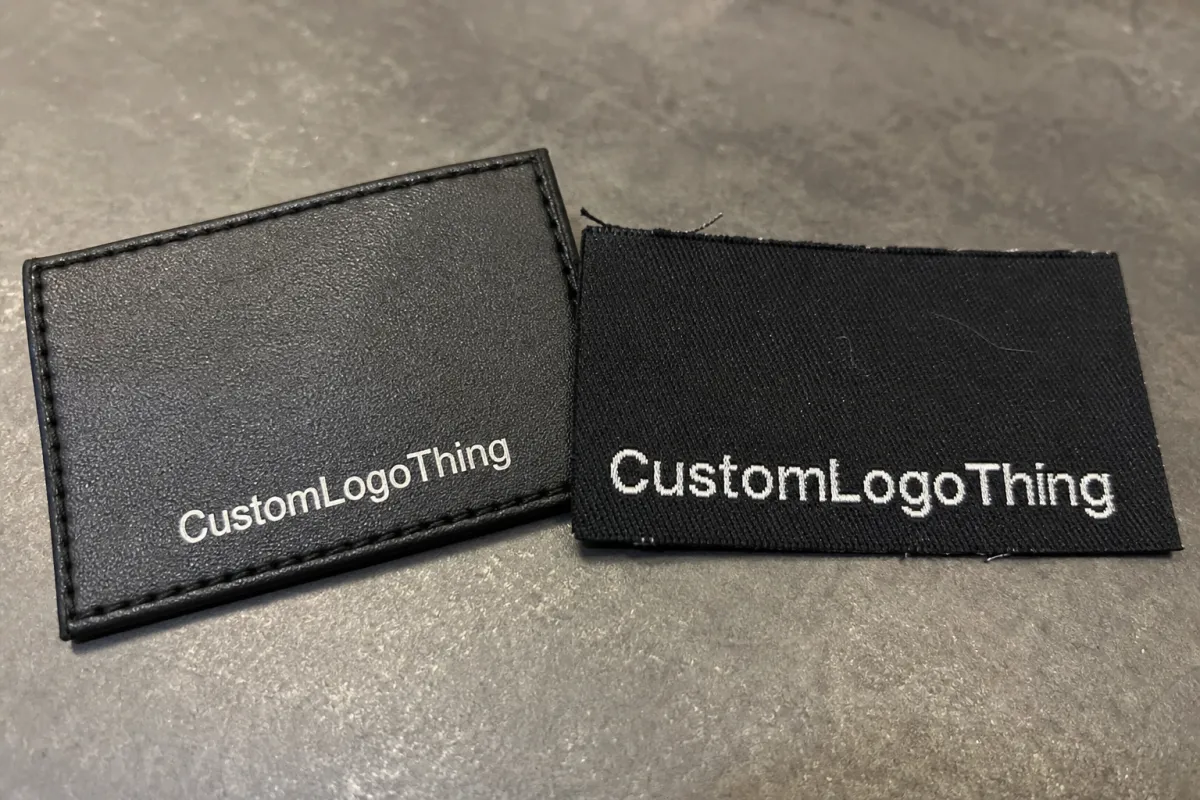
Electronics sellers tend to budget carefully for the obvious pieces: devices, accessories, protective packaging, cable inserts, printed manuals, warranty cards, retail trays, and launch collateral. Then the patch gets treated like a small afterthought. That is usually a mistake. A patch sitting on a field service jacket or branded accessory pouch becomes part of the product experience, especially if the customer handles it during setup, repair, onboarding, or a trade show demo.
A useful quote answers production questions before price becomes the only conversation. What material fits the job? Will the patch be sewn, heat pressed, supplied loose, or attached with hook-and-loop? Can the logo hold up at 2 inches wide, or does it need to move closer to 2.75 inches for readable text? Are the brand colors matched to Pantone references, or are they being interpreted from a screen image?
Those details change cost, lead time, and final appearance.
Patches are also flexible in a way many branded goods are not. Retail staff uniforms, trade show polos, warranty kits, field technician jackets, cable organizers, laptop sleeves, soft carrying cases, influencer seeding bundles, and product launch merchandise can share the same brand system without requiring a fully custom garment run. For purchasing teams juggling several channels, that consistency is useful.
The supplier’s job is to help compare embroidered, woven, PVC, soft rubber, faux leather, leather-look, and heat-transfer patch styles against the actual use case. Visual preference matters, but it is not the only variable. A dense embroidered patch may look right on a jacket. A woven patch may be better for fine text on a compact pouch. PVC can fit a rugged accessory kit. Heat-transfer labels make sense on stretch fabrics where a raised patch would feel bulky.
Practical callout: Electronics brands usually need clean edges, stable color, and a modern finish. Sloppy stitching, curled adhesive, fuzzy lettering, or a patch that feels too stiff next to high-spec products can weaken the buyer’s perception quickly.
The sections below cover what to send for an accurate quote, how specifications affect MOQ and unit cost, what production normally looks like, and which quality checks matter before placing an order with Custom Logo Things.
Patch Types That Fit Electronics Apparel, Kits, and Accessory Bags
The patch construction should match the surface, the brand style, and the handling conditions. One patch type is not automatically better than another. The right choice usually comes down to artwork detail, wash exposure, stiffness, application method, and the impression you want the buyer to feel when they pick up the item.
Embroidered patches
Embroidered patches are a strong choice for staff uniforms, workwear, caps, service jackets, and event apparel. They offer raised texture, good durability, and a familiar premium look. Standard thread coverage can be quoted by size and stitch density, with common backing options including sew-on, heat-seal, and hook-and-loop.
The limitation is detail. Very thin fonts, tiny icons, gradient effects, and circuit-board style artwork can close up when stitched. As a practical check, small lettering under roughly 0.25 inches high often needs review, simplification, or a larger patch size.
Woven patches
Woven patches use thinner yarns and a tighter weave, which helps preserve sharper lettering, fine lines, and clean brand marks. For electronics sellers with compact logos, technical typography, QR-style graphic elements, or detailed symbols, woven construction is often the safer route. It also gives a flatter profile than embroidery, which works well on pouches, soft cases, sleeves, and branded organizers.
Woven patches do not deliver the same raised thread texture as embroidery. That tradeoff can be positive for tech branding. A flatter patch often looks more controlled, especially beside molded plastic, brushed metal, smooth nylon, or minimalist packaging.
PVC and soft rubber patches
PVC patches and soft rubber labels fit tech brands that want a waterproof, dimensional, modern finish. They work well on tool bags, outdoor event gear, laptop sleeves, rugged kits, and accessory bundles where the patch may see moisture or rough handling. Mold setup can affect cost and timing, so a quote involving PVC should identify mold charges, color layers, thickness, and whether the design needs raised or recessed detail.
These patches reward bold artwork. Large icons, block lettering, and simple color separations usually reproduce better than fragile strokes or tiny registration marks. If the logo depends on hairline geometry, the proof should be reviewed with production constraints in mind, not just brand guidelines.
Faux leather, leather-look, and heat-transfer labels
Faux leather and genuine leather-look patches can suit premium accessory lines, lifestyle electronics bundles, subscription boxes, and higher-end kits. Debossing, foil, laser engraving, and edge finishing should be reviewed carefully so the patch still feels aligned with the brand’s clean technical identity. A warm leather-look patch can work on a cable roll or travel organizer; it may look out of place on a hard-shell diagnostic kit.
Heat-transfer and TPU-style labels are thinner options for performance apparel, stretch fabric, or minimalist pouches where bulk is not wanted. They depend heavily on fabric compatibility, application temperature, pressure, and dwell time. A transfer that performs well on one polyester blend may not behave the same way on coated nylon or textured woven fabric.
Application changes the quote. A patch sewn onto fabric has different handling from one ironed on by a distributor, attached with hook-and-loop, or supplied loose for later use. Backing, inspection, packing, and labeling all shift with that decision.
| Patch Type | Best Fit | Typical Strength | Common Watchout |
|---|---|---|---|
| Embroidered | Uniforms, caps, service jackets | Raised texture and durable appearance | Small text and fine lines may lose clarity |
| Woven | Pouches, sleeves, compact logos | Crisp detail and flat profile | Less raised texture than embroidery |
| PVC / Rubber | Rugged kits, bags, outdoor gear | Water resistance and dimensional detail | Mold setup can raise MOQ and lead time |
| Leather-look | Premium bundles and lifestyle accessories | Warm, upscale finish | Color and engraving contrast need review |
| Heat-transfer / TPU | Performance apparel and low-profile pouches | Thin, flexible branding | Application temperature and fabric compatibility matter |
Specifications to Confirm Before Pricing Custom Patches
Clear specifications make quoting faster and more accurate. Before requesting a Logo Patches Supplier Quote for electronics sellers, gather the finished size, shape, patch type, logo file, order quantity, number of colors, backing style, border style, expected application surface, packaging needs, and target delivery date. Missing one or two details is normal. The closer the request gets to the real use case, the more useful the quote becomes.
Size and shape are major cost drivers. A simple rectangle, oval, circle, or shield is usually easier to price than an intricate die-cut outline with narrow points, internal cutouts, or tight curves. A 2-inch woven patch may be practical for a sleeve, while a 3.5-inch PVC patch may make more sense on a rugged tool bag.
Bigger is not automatically better. The patch should sit naturally on the item without interfering with zippers, seams, pockets, stretch zones, ventilation panels, or fold lines. On small pouches, even a quarter-inch difference can make the branding feel either intentional or awkward.
Artwork matters just as much. Vector files such as AI, EPS, or editable PDF are preferred because they let the production team check outlines, simplify small elements, and prepare a clean proof. A high-resolution PNG or PSD can work for initial review, but redraw time may be needed before sampling or production. If the logo includes gradients, shadows, metallic effects, or very thin lines, expect a recommendation to simplify those elements for thread, yarn, rubber, or transfer film.
Color matching needs a practical conversation. Electronics brands often have tight color systems, so Pantone references are helpful. Still, thread, PVC, leather-look material, and printed transfers do not interpret color in exactly the same way. A navy thread, a molded navy rubber, and a printed navy transfer may all sit slightly differently under showroom lighting. If color is critical, ask about sampling or physical color review before bulk production.
Backing should match the application method:
- Sew-on backing: Best for permanence on uniforms, jackets, bags, and heavier fabrics.
- Heat-seal backing: Useful for controlled application with the right heat press settings, pressure, and dwell time.
- Adhesive backing: Often used for temporary placement before sewing, not usually for long-term wear.
- Hook-and-loop backing: Good for removable technician ID patches, event roles, or modular gear.
- Pressure-sensitive adhesive: Suitable for specific short-term uses where the surface and duration are understood.
Borders affect finish and production method. Merrowed edges suit classic circles, ovals, rectangles, and shields. Laser-cut or heat-cut edges are better for custom contours. A stitched border can give a cleaner technical appearance on woven or embroidered styles.
Packaging should not be left until the end. Specify whether patches should be bulk packed, individually bagged, barcode labeled, kit packed by design, or sorted by team, region, SKU, retailer program, or launch campaign. Packing sounds minor until 5,000 similar patches arrive in the same carton with two versions that differ by one line of text.
Pricing, MOQ, and Unit Cost Factors for Electronics Seller Patch Orders
Patch pricing is driven by quantity, size, material, complexity, color count, backing, packaging, and proofing or sampling needs. The fastest accurate quote comes from complete specifications, even if you are still comparing two construction options.
MOQ depends on the production method. Standard embroidered or woven patches may support lower trial quantities, which can be practical for pilot programs, trade show tests, or a small field service team. Molded PVC, rubber, specialty leather-look constructions, or highly customized shapes may require a higher starting quantity because tooling, molds, setup, and material handling have to be spread across the run.
As a broad planning range, simple woven or embroidered patches can sometimes land around $0.80 to $2.50 per piece at moderate quantities, depending on size, thread coverage, backing, and packaging. Larger PVC or specialty patches may move higher, often $1.50 to $5.00+ per piece, especially if there are multiple color layers, custom shape trimming, or mold charges. These are planning ranges, not fixed prices. The actual quote depends on the final specification.
Major cost drivers include patch area, material usage, color count, shape complexity, backing, and finishing labor. A 4-inch patch uses more thread, yarn, PVC, fabric, or transfer film than a 2-inch patch. Complex shapes slow cutting and inspection. More colors can increase setup time. Hook-and-loop, individual bags, barcode labels, and kit sorting all add material or handling cost.
There is also a difference between unit cost and landed decision cost. A quote may include or exclude artwork cleanup, sample charges, mold charges, freight, duty if applicable, split shipments, special labeling, or application labor. For a real purchasing comparison, ask for price breaks at several quantities, such as 250 pieces for a pilot, 1,000 pieces for a first production run, and 5,000 pieces for replenishment. That gives the team a clearer view of cash flow versus long-term unit cost.
| Quote Factor | How It Affects Cost | Buyer Tip |
|---|---|---|
| Quantity | Higher runs usually reduce unit cost by spreading setup across more pieces | Request pilot, launch, and restock price breaks |
| Size | Larger patches use more material and production time | Confirm the patch area on the actual garment or bag |
| Artwork complexity | Fine details may need redraw, woven construction, or larger sizing | Send vector files and brand guidelines early |
| Backing | Heat-seal, hook-and-loop, and specialty adhesive add material and labor | Match backing to the real application process |
| Packaging | Individual bags, labels, and SKU sorting increase handling | State packing needs before the quote is finalized |
The cheapest patch is not always the best buy. If a patch curls on a pouch, fails on a service jacket, or looks fuzzy beside a clean tech logo, the replacement cost and brand damage can exceed the few cents saved. Custom Logo Things can quote practical alternatives if you provide a target budget: simplify the shape, adjust the size, change the backing, or move from embroidered to woven when fine detail is the real priority.
Production Process and Timeline from Artwork Review to Delivery
A typical custom patch order follows a straightforward path: inquiry review, specification confirmation, artwork check, quote, digital proof, optional physical sample, approval, bulk production, quality inspection, packing, and shipment. The sequence sounds simple. Delays usually come from skipped details early in the process.
During artwork review, the production team checks whether lines are too thin, letters are too small, borders are too narrow, gradients need conversion, or colors need adjustment for thread, rubber, woven yarn, or print. This is production work, not just graphic design. A logo that looks sharp on a 27-inch monitor may not hold the same clarity on a 2.25-inch embroidered patch.
Digital proofing is the main control point. Review size, shape, colors, backing, border, spelling, logo orientation, and placement notes before approval. The approved proof becomes the production reference, so it should be treated like a contract drawing. If the patch is part of a larger packaging or kit program, compare the proof against the pouch, sleeve, apparel, or retail insert it will sit beside.
Physical sampling matters most for new brand launches, premium kits, retail-facing accessory bags, complex PVC molds, and high-volume uniform programs. A sample adds time, but it can prevent bulk disappointment. For PVC, sampling is especially useful because raised and recessed details, mold depth, and color fills can be hard to judge from a flat proof alone.
Lead time depends on patch type, quantity, approval speed, material availability, tooling, packaging complexity, and shipping method. A simple embroidered or woven patch may move faster than a molded PVC program with a new tool and individual barcode packing. Urgent orders should be flagged during the quote stage, not after approval, because rush feasibility depends on the queue, proof response time, and the selected material.
Build the schedule backward from the event, launch, retailer delivery window, onboarding date, or repair program rollout. Leave room for proof revision and freight transit. If your kits are being assembled by another supplier, align the patch arrival date with their receiving schedule and inspection process. Standards such as ISTA can also be useful when patch kits are shipping inside broader product or promotional packaging programs that need disciplined transit testing.
Quality Checks That Matter for Tech Brand Presentation
Electronics sellers are usually protecting a precision-oriented brand image, so patch quality control should go beyond a basic count. A proper inspection looks at logo clarity, edge consistency, backing adhesion, color alignment, thickness, flatness, and packaging accuracy. Small defects stand out quickly when the patch is placed beside molded plastic, anodized metal, smooth fabric, or clean printed packaging.
For embroidered patches, inspection should cover thread density, loose threads, puckering, border alignment, stitch direction, color consistency, and whether small text remains readable at the chosen size. A dense stitch field can look rich, but too much stitch tension can warp the patch. A border that drifts 1 or 2 millimeters may not sound like much; on a small logo, it can look careless.
For woven patches, check fine-line sharpness, straight edges, legibility, weave tension, fraying control, and flat profile. Woven patches should not curl excessively or show uneven tension across the face. If the patch includes technical typography, inspect several pieces, not just the top sample, because consistency across the run matters.
For PVC and rubber patches, inspection points include mold definition, surface cleanliness, color fill, raised and recessed detail, thickness consistency, and trimming around custom shapes. Dust, flash, uneven fill, or soft mold edges can make a tech brand feel less precise. If the patch is going on a rugged kit, also review flexibility so it does not crack or feel awkward on the chosen surface.
Backing deserves its own check. Heat-seal backing should be clean and even. Hook-and-loop should be securely bonded or stitched. Adhesive should match the intended short-term or positioning use. Sew-on patches should not be so stiff that they fight the sewing operation or sit poorly on curved apparel areas.
Packaging accuracy matters when electronics sellers manage multiple teams, regions, launch kits, or channel-specific SKUs. A good supplier labels designs clearly, separates versions, and prevents mixed counts. For paper-based tags, bags, or shipper components that may be part of a larger branded kit, buyers can also review responsible sourcing expectations through organizations such as the Forest Stewardship Council when FSC-certified packaging is requested.
Custom Logo Things treats patch work as a practical manufacturing project. The goal is not just to make a patch that looks good in a proof. The better measure is whether the construction survives real handling, matches the brand system, and arrives packed in a way the team can actually use.
Next Steps to Request a Quote and Avoid Revision Delays
A clear first request saves time. Send the logo file, desired patch size, estimated quantity, preferred patch type, backing method, target use, delivery location, required date, and any Pantone colors or brand guidelines. If you are not sure which patch type fits best, say that. A good quote can compare two or three options instead of forcing one early decision.
Photos help more than people expect. Send pictures of the garment, bag, pouch, sleeve, kit, or accessory case where the patch will be used. Include a ruler or rough placement size if possible. The supplier can then recommend the right stiffness, border, backing, and application method. A patch for a soft cable pouch is not built the same way as a patch for a field technician jacket.
State how the patches will be handled after delivery. Will they arrive loose? Will a local decorator apply them? Will a garment supplier sew them on? Will they be packed into launch kits by SKU? These details affect packaging, labeling, and inspection. If another decorator will apply the patches, share their heat press, sewing, or receiving requirements before production starts.
Ask for construction options if the artwork is detailed or the budget is tight. Woven versus embroidered may be the key decision for small text. PVC versus woven may decide whether a rugged kit looks dimensional or stays lightweight. Sew-on versus heat-seal depends on fabric, wash expectations, and application control.
After you submit the request through Contact Us, the Custom Logo Things team reviews the artwork and specifications, confirms any missing details, prepares a quote with relevant options, and moves to proofing after approval. For a Logo Patches Supplier Quote for electronics sellers, the most useful first message is not long. It just needs to be specific enough to price the real patch, not a placeholder.
FAQ
What should I send to get a logo patch supplier quote for an electronics brand?
Send your logo file, preferred patch size, quantity, patch type, backing choice, target application, delivery address, and deadline. If you have brand colors, include Pantone references or a brand guide so expectations are clear before proofing. Photos of the garment, pouch, bag, or kit also help the supplier recommend the right construction.
Which logo patch type is best for electronics sellers with small text or fine logo details?
Woven patches usually handle small lettering and fine line details better than standard embroidery. PVC can work well for bold, modern designs, but very tiny recessed details may need adjustment. If readability is critical, request a proof or sample before bulk production.
How does MOQ affect a custom logo patches quote for electronics sellers?
MOQ depends on material, setup, tooling, and production method. Embroidered and woven patches may allow more flexible starting quantities than molded PVC or specialty materials. Request price breaks at several quantities so you can compare pilot order cost against restock pricing.
Can logo patches be supplied loose for later application to tech apparel or bags?
Yes. Patches can be supplied loose with sew-on, heat-seal, adhesive, or hook-and-loop backing. The right backing depends on the fabric, application equipment, wash expectations, and whether the patch must be removable. If another decorator will apply the patches, share their requirements before production.
How long does the custom patch quote and production process usually take?
Quoting is fastest when artwork and specifications are complete from the start. The full timeline depends on proof approval, sampling needs, patch type, quantity, packaging, and shipping method. For event launches or retail deadlines, provide the required delivery date before the quote is prepared.


