For vitamin brands, packaging does not just hold a formula. It carries the first impression, the repeat impression, and often the shipping impression as well. That is why a Logo Patches Supplier Quote for vitamin brands is not a minor line item. It is part of the brand’s visual system, and in a crowded supplement category, visual systems do real work.
A patch adds a tactile cue that printed labels cannot always deliver. It changes surface, depth, and perceived finish. On cartons, mailers, inserts, staff apparel, or subscription-kit extras, it can make a product feel deliberate rather than assembled from generic components.
The challenge is that patch sourcing is full of variables that are easy to overlook on a first quote. Material, backing, size, artwork complexity, and production method all affect cost and lead time. A buyer who understands those trade-offs gets a cleaner quote and fewer surprises later.
Why vitamin brands use logo patches to protect premium shelf appeal
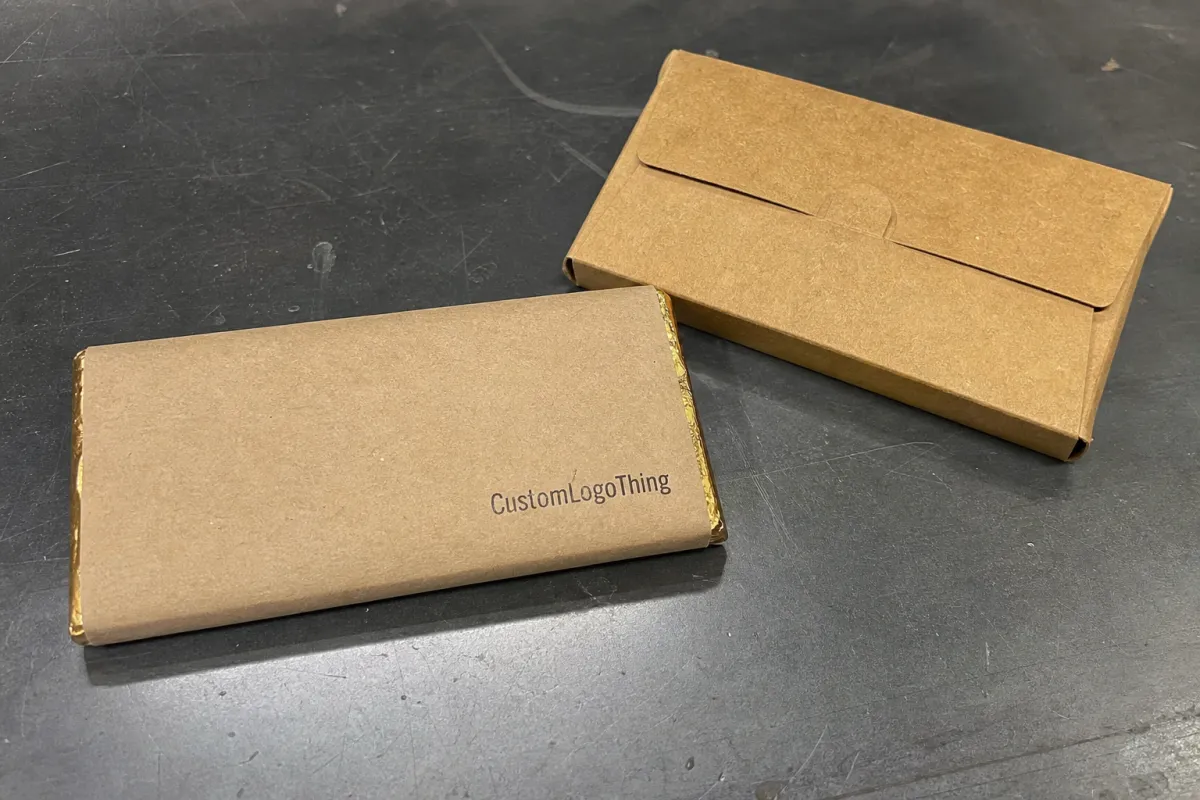
Vitamin packaging often has to signal two things at once: credibility and distinction. If it looks too clinical, it can feel cold. If it looks too decorative, it can feel untrustworthy. A patch sits in the middle. It adds texture without changing the primary package format, which is useful when the bottle, jar, or label is already locked in.
That flexibility matters in supplement operations. A patch can be used on outer cartons, reusable pouches, branded totes, shipping inserts, welcome kits, or event merchandise. The same logo treatment can move across channels without requiring a full packaging redesign.
There is also a practical reason buyers keep coming back to patches: they create a stronger memory cue than flat print alone. In retail, a raised detail can make a carton stand out from several feet away. In direct-to-consumer fulfillment, it can turn an otherwise ordinary mailer into something that feels curated. That kind of finish influences perceived value, even when the formula inside does not change.
For vitamin brands, where repeat purchase is common and packaging is seen in fragments, that consistency matters. A subscriber may see the box on a kitchen counter one week and the insert in a drawer the next. A patch can make those touchpoints feel connected.
“If the base package is functional, the patch is the part that makes the brand memorable by touch as much as by sight.”
When reviewing a Logo Patches Supplier Quote for vitamin brands, the useful question is not only what the patch looks like, but where it will live. A woven patch that reads beautifully in a mockup may be too delicate for rough fulfillment handling. A PVC or silicone piece may be too modern for a clean-label brand that relies on natural cues. The right answer depends on the packaging surface, the customer setting, and the visual language of the product line.
Patch types, materials, and backing options that fit supplement packaging
Patch construction is where the commercial decision becomes technical. A good supplier will not just ask for a logo and quantity. They will ask where the patch is going, how it will be applied, and how much detail needs to survive production. For vitamin brands, the most common constructions are embroidered, woven, PVC, silicone, TPU, leather or leather-look, and printed patches.
- Embroidered patches: Strong texture and traditional appeal. Best for bold logos and apparel-style applications.
- Woven patches: Better for small text and sharper edges than embroidery. Useful when detail matters.
- PVC patches: Durable and flexible, with a modern finish. Common for high-contrast branding.
- Silicone patches: Soft-touch feel with good resistance to wear. Often chosen for contemporary packaging and merch.
- TPU patches: Lightweight and versatile. Works well when a smoother, more technical look is preferred.
- Leather or leather-look patches: Fit natural, boutique, or craft-oriented wellness branding.
- Printed patches: Useful for gradients, very fine type, or artwork that would lose clarity in thread or molded relief.
The choice is not purely aesthetic. It affects legibility, durability, and how the patch feels in hand. Embroidery has depth, but it can swallow thin lines. Woven construction sharpens detail but may look flatter. PVC and silicone preserve shape well, though not every brand wants that material story attached to its packaging.
Backing options deserve the same attention as the patch face. The backing determines how the patch attaches and how long it stays attached.
- Sew-on: Best for permanent attachment to fabric goods and reusable merch.
- Iron-on: Practical for apparel, though less useful for most packaging materials.
- Adhesive backing: Good for cartons, inserts, and short-run promotional placement.
- Velcro: Useful when the patch needs to move between items or be swapped seasonally.
- Heat-press: Suitable for certain garments and fabric-based brand kits, depending on substrate.
For packaging, adhesive-backed patches are often the simplest option, but not all adhesives behave the same way. Gloss-coated paperboard, uncoated carton, corrugated mailers, and poly mailers each present a different surface energy and grip profile. A patch that stays put on one substrate may curl or lift on another. Suppliers should be able to explain which adhesive works best for which surface instead of treating every pack as interchangeable.
Durability is another point buyers should check early. If a patch sheds, cracks, or peels during shipping, the premium effect disappears quickly. If the product will face distribution stress, distribution testing standards such as ISTA test methods are relevant for the full package even when the patch is decorative. The decoration is only useful if it survives the journey.
Specification checklist for artwork, size, and color accuracy
Quotes get clearer when the input is specific. Vague artwork usually creates vague pricing. Approximate dimensions often create extra revision rounds. A strong request should include the logo file type, size, intended use, color references, backing method, and finish expectations before the supplier starts building the quote.
Vector artwork is the cleanest starting point. AI, EPS, or editable PDF files are usually preferred because they preserve shape and scale. If the logo includes thin strokes, tiny type, or fine detail, say so directly. That can determine whether embroidery is feasible or whether the design should move to woven or printed production to keep the mark legible.
Size needs to match the final use. A 1.5-inch patch may fit a cap or small pouch perfectly, but it can disappear on a shipping mailer. A 3-inch patch may look balanced on a subscription box and oversized on a folded insert. For vitamin brands, useful sizes often fall somewhere between 1.25 inches and 3.5 inches, though the best choice depends on surface area and viewing distance.
Color deserves more discipline than many buyers give it. Provide Pantone references when brand color matters, especially for wellness labels built around greens, whites, muted neutrals, or clinical blues. Digital proofs help with layout, but they do not predict material behavior perfectly. Thread, mold, print, and backing materials all shift color slightly. A supplier should disclose the acceptable tolerance before production starts.
A few mistakes show up over and over again:
- Submitting a raster logo with no vector version.
- Leaving out exact dimensions.
- Forgetting to specify the backing method.
- Expecting one patch type to reproduce every detail of the artwork.
- Skipping finish notes such as matte, gloss, raised relief, or edge treatment.
Proof approval is the most effective way to avoid expensive rework. Once the spec sheet is complete, revision cycles usually shrink, and that protects both launch timing and budget. For broader packaging standards and material guidance, the Institute of Packaging Professionals remains a useful reference point for production-minded buyers.
Logo patch supplier quote: cost, MOQ, and unit cost factors
The quote number alone does not tell the whole story. Buyers Need to Know what is driving that number and what is included in it. A logo patches supplier quote for vitamin brands can shift significantly depending on patch type, dimensions, color count, attachment method, artwork complexity, and how the supplier packs the finished pieces.
Embroidery and woven constructions tend to price differently from molded or printed patches because the production methods are different. Labor intensity, tooling, and artwork translation all affect the final rate. A simple woven patch with limited colors may stay relatively economical. A custom-shaped silicone patch with multiple levels of relief will usually cost more because the mold and setup are doing more work.
MOQ, or minimum order quantity, is where many buyers first feel the economics. Smaller runs usually carry higher per-unit pricing because the setup costs are spread across fewer pieces. Larger runs lower the unit cost and often improve consistency. That is normal manufacturing math, not a supplier trick. The issue is how that math fits the brand’s actual demand.
| Patch type | Typical MOQ behavior | Relative unit cost | Best use case |
|---|---|---|---|
| Woven | Moderate; often workable for mid-sized runs | Low to medium | Detailed logos, fine text, packaging inserts |
| Embroidered | Moderate to high depending on stitch count | Low to medium | Apparel, premium gifts, bold identity marks |
| PVC / silicone | Often higher because tooling is involved | Medium to high | Modern merch, durable outer packaging accents |
| Printed / TPU | Varies by finish and size | Medium | Small text, gradients, technical branding |
Setup charges deserve their own line. Some suppliers include them in unit price. Others separate them as digitizing, tooling, or mold fees. Two quotes can look similar on paper and still differ once the setup charges, sampling fees, and freight are added. For that reason, buyers should ask for an itemized quote and compare landed cost, not just the headline unit price.
Typical price ranges vary widely by region, material, and order size, but a rough buying pattern usually holds: simple woven or embroidered patches at larger quantities are the most cost-efficient; molded PVC and silicone pieces tend to carry higher setup costs; custom shape, special backing, and finish upgrades raise price faster than many teams expect. The more detail and dimensionality the patch needs, the more the quote moves upward.
Vitamin brands can often reduce unit cost without weakening the design by simplifying the build. Fewer colors help. Standardized sizes help. Reusing the same stitch file or mold across variants helps even more. Consolidating orders also matters; one planned run is usually cheaper than several urgent replenishments.
A credible quote should list the following clearly:
- Sample or proof fee, if any
- Tooling or digitizing cost
- Unit price by quantity tier
- Packaging or bagging format
- Shipping terms
- Rush fee, if applicable
Some buyers focus only on unit pricing and miss the handling charges that appear later. That is an expensive way to learn the difference between quoted cost and actual cost. If the supplier cannot explain the full cost stack, the quote is incomplete.
Production steps, proofing, and lead time from quote to delivery
The strongest orders follow a predictable sequence. First comes the brief. Then artwork review. Then proofing. Then sample approval if needed. Mass production should begin only after the design, size, color, and backing are confirmed. Suppliers that keep this sequence visible are easier to work with because the buyer can see where the order stands and what needs approval next.
A standard workflow usually looks like this:
- Submit artwork, quantity, and backing preference.
- Supplier reviews feasibility and suggests material options.
- A digital proof or mockup is issued.
- A sample or pre-production sample is approved, if required.
- Production begins.
- Final inspection and pack-out occur.
- Shipment is booked and dispatched.
Lead time depends on three main variables: material selection, revision count, and order volume. A simple woven patch can move quickly if the artwork is final. A molded silicone or PVC patch with custom tooling will take longer. Supplier backlog also matters; even a well-run job can slow down during seasonal peaks or after a large order lands in the queue.
For many standard runs, a realistic planning window is often 12 to 15 business days from proof approval. Tooling-heavy jobs, larger quantities, or custom shapes may take longer. That is a planning range, not a promise. Shipping method, production load, and revision speed all influence the final timeline.
Fast orders usually come from fast decisions, not from pressure alone. A clean brief, one complete approval cycle, and a clear deadline beat multiple partial revisions every time. Buyers who want a firm schedule should ask for milestone dates for proof approval, sample approval, production start, inspection, and dispatch. That kind of visibility keeps the project from drifting.
“The quickest jobs are not the loudest. They are the ones with the fewest ambiguities.”
What separates a reliable patch partner for vitamin brands
A reliable partner is not simply the lowest-priced source. It is the supplier that can reproduce the logo correctly, explain material choices clearly, and keep the order visible from quote through delivery. That matters in supplements because packaging is part of the trust signal. A sloppy patch can make an otherwise polished product look underdeveloped.
Consistency is the first test. Can the supplier hold color, edge quality, and finish across the full run? Can they explain the difference between a woven and embroidered build without sounding vague? Do they know which backing suits which surface? Those answers reveal more than any marketing copy.
Quality control should be specific. Ask how color matching is checked, how edges are trimmed, how adhesion is tested, and how finished pieces are inspected before shipment. Suppliers who describe these checks in plain terms are usually more dependable than those who only say the work is “high quality” and leave it there.
Documentation is another useful marker. A proper quote should be itemized. A proof should show size and placement clearly. Approval records should be written down. That paper trail matters if the order changes, because it reduces disputes and helps finance, marketing, and operations stay aligned.
Design support also saves real time. If the supplier can flag artwork issues early, the buyer avoids rework. If they can recommend a smaller size or a different construction for fine text, they are adding value. If they can explain the effect of tooling on price and lead time, they are doing the kind of work that protects a launch calendar.
There is also a packaging responsibility angle. Brands that are moving toward more traceable or lower-impact sourcing should ask whether the supplier can document material choices or offer substrate options aligned with recognized standards. Where paper-based components are involved, guidance from the Forest Stewardship Council can help teams think more clearly about paper sourcing and chain-of-custody expectations.
At this point, a well-prepared logo patches supplier quote for vitamin brands should read like a production plan. It should explain what will be made, how it will be attached, what it will cost at each quantity tier, and how long it will take. If any of those pieces are missing, the quote is not ready for a serious buying decision.
Next steps to request a quote and move into production
Before asking for pricing, gather the essentials: logo file, desired size, quantity, patch type, backing preference, target delivery date, and the final use case. A patch for a carton, mailer, insert, garment, or merch item may need a different construction. That context changes the recommendation and, often, the price.
It is wise to ask for two scenarios. One should reflect the lower-MOQ test or launch run. The other should show the better value at a larger quantity. That comparison tells you whether the supplier is thinking in terms of actual production planning or just sending a flat quote with no cost logic behind it.
Request a proof before final approval, especially for retail-facing packaging. On screen, many patches look cleaner than they will in hand, and scale is often the first thing to shift. A quick proof now is cheaper than a correction later.
When comparing vendors, focus on four items: what is included in the quote, how clear the proof is, the MOQ, and the lead time. One supplier may be cheaper but slower. Another may be faster but charge for revisions or freight in ways that reduce the value. The best choice depends on the launch calendar, margin pressure, and how much risk the team can tolerate.
The practical path is straightforward: send complete specs, compare itemized quotes, review the proof carefully, and choose the supplier that can deliver the right patch on the right surface at the right cost. That is how a logo patches supplier quote for vitamin brands becomes a controlled production order instead of a guessing exercise. If you need a starting point for scoping options, you can Contact Us or review our Case Studies for examples of packaging decisions shaped by real purchasing constraints.
What should I include in a logo patches supplier quote request for vitamin brands?
Include artwork files, patch size, quantity, preferred material, backing type, color references, and target delivery date. Add the packaging use case too, because a patch for a carton, pouch, or apparel item may need a different build.
Which patch material works best for vitamin brand packaging and merch?
Woven and embroidered patches suit apparel and premium gift sets well. Silicone, PVC, and printed options often work better when the design needs crisp detail, a cleaner finish, or better durability on packaging surfaces.
How does MOQ affect the unit price in a patch quote?
Lower MOQs usually raise unit cost because setup and tooling are spread across fewer pieces. Higher quantities generally reduce per-piece pricing and can improve consistency across the order.
How long does production usually take after I approve the proof?
Lead time depends on material, quantity, and complexity, but proof approval is the key trigger for production start. Straightforward runs can often move in around 12 to 15 business days, while tooling-heavy jobs or large orders may take longer.
Can I get a sample before placing a full order?
Yes, many suppliers can provide a digital proof, physical sample, or pre-production sample. Sampling is especially useful when color accuracy and finish matter for premium vitamin branding.


