Fast Logo Patches Supplier Quote for Stationery Brands
When a Patch Becomes the First Thing a Buyer Touches
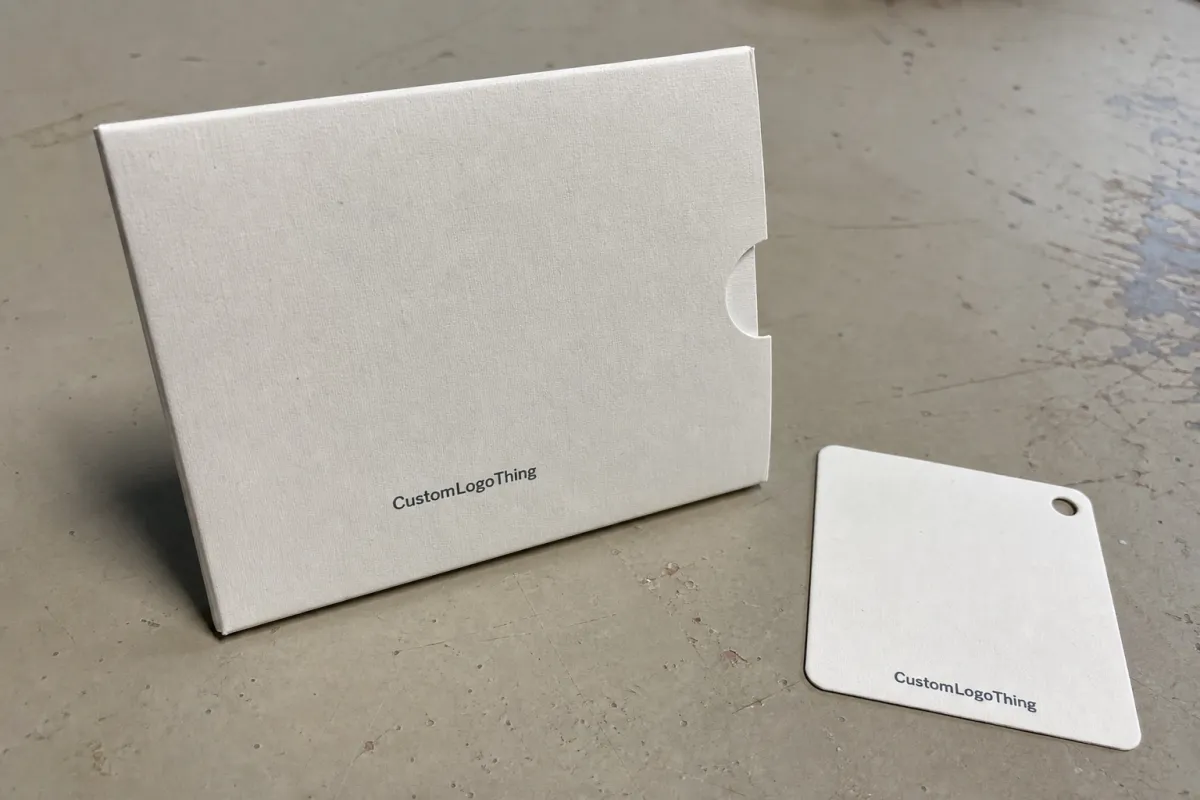
A planner can be nearly finished and still look oddly anonymous on the shelf. Then a small brand patch changes the read: weight under the thumb, contrast against cloth or PU, a point of recognition before the buyer opens the cover. A useful Logo Patches Supplier Quote for stationery brands should start from that physical reality, not from a vague unit price.
Notebook sleeves, pencil pouches, desk organizers, journal covers, binder tabs, elastic bands, and gift sets all put branding through more handling than a flat label suggests. A paper belly band tears. A sticker scuffs. A printed insert gets removed. A woven, embroidered, molded, printed, debossed, or leather-look patch stays with the product after purchase, during use, and sometimes through years of refilling, repacking, or gifting.
Stationery is not apparel. It is stacked flat, shrink-wrapped, pressed into paperboard trays, packed in rigid gift boxes, or displayed face-up under retail lighting. A patch must look intentional while tolerating compression, carton movement, finger oils, abrasion, and occasional misalignment during assembly.
That is why a quote has to connect the visible detail to the production method. Size, material, backing, edge finish, artwork complexity, order quantity, and packing route all affect cost. So does whether the patches ship loose, counted in bundles, sorted by SKU, individually bagged, labeled for retail, or sent directly to an assembly partner.
Most quote delays are not caused by difficult logos. They come from missing basics. A supplier can price and advise faster when the first message includes vector artwork, target dimensions, order quantity, application surface, preferred backing, delivery destination, and launch timing. Without those details, the first quote is usually a placeholder dressed up as a price.
Logo Patches Supplier Quote for Stationery Brands: What Is Included
A proper logo patches Supplier Quote for Stationery Brands should read more like a production outline than a number beside a quantity. It should define patch type, dimensions, artwork method, color count, backing, edge finish, quantity breaks, sample cost, setup charge, bulk lead time, packing terms, shipping method, and any sorting or labeling fees.
Common constructions include woven patches for fine lettering, embroidered patches for raised texture, PVC or silicone patches for molded color and flexibility, faux leather or genuine leather patches for planners and organizers, and printed fabric patches for full-color artwork. Each one prices differently because the labor, tooling, material waste, and finishing steps are different.
Stationery brands often need a flatter profile than outerwear or bag brands. A thick merrowed embroidered badge can look strong on a backpack, then create a ridge under shrink film or make a notebook set stack unevenly. For planners, sleeves, pouches, and board-backed accessories, a profile around 0.6 mm to 1.5 mm is often easier to pack than a heavy raised patch. There are exceptions, especially for soft pouches and textile cases, but thickness should be part of the quote conversation.
Practical quoting rule: if the patch affects retail presentation, quote the patch and the packing method together. A low patch price can become expensive once carton marks, SKU sorting, labels, or individual bags are added later.
Some items are not included unless requested. Individual polybags, barcode labels, retail header cards, adhesive testing, sewing service, heat application, carton marks, third-party inspection records, restricted-material declarations, and compliance paperwork may all appear as separate line items. If a retailer requires mixed SKU separation or carton labeling, put that requirement in the first brief.
Ask for tiered pricing. A single quantity quote is hard to use for margin planning. Price breaks at 500, 1,000, 2,500, 5,000, and 10,000 pieces show how setup, mold, digitizing, die cutting, loom preparation, or sampling costs spread across volume. Sometimes the difference between 1,000 and 2,500 pieces is modest. Sometimes it is not. The quote should make that visible.
Material and Finish Options That Fit Stationery Products
Woven patches are usually the first option to evaluate for small stationery branding. They handle thin lines, compact typography, and small icon marks better than embroidery because the threads form a flatter surface rather than building up in stitches. For notebook tabs, elastic pen loops, pouch corners, fabric sleeves, and slim cases, woven damask can keep a logo readable at roughly 25 mm to 50 mm wide.
Embroidered patches have their own strength. They give a raised textile feel that suits bold marks, monograms, campus-style stationery, craft brands, and heritage product lines. The caution is height. Dense stitching and satin borders add bulk, and that bulk can leave pressure marks under tight packaging film or against rigid inserts.
Faux leather and genuine leather patches work well on journals, desk pads, organizers, and premium notebook covers. Debossing produces a restrained mark. Embossing adds dimension. Foil stamping can lift a retail display if the surface accepts the foil cleanly. PU leather is usually more consistent in color and thickness than natural leather; genuine leather may vary by hide and batch. That variation can be attractive, but it should be approved on a physical sample rather than assumed from a photo.
Cork, felt, cotton twill, polyester twill, microfiber suede, TPU, silicone, and PVC all have legitimate uses. Cork pairs naturally with recycled paper and kraft packaging, although its edges need durability review. Felt feels warm but can attract lint. TPU and silicone are flexible and washable. PVC holds molded shapes and color-filled logos well, though tooling costs and minimums are usually higher than basic woven or embroidered patches.
| Patch Type | Best Fit for Stationery | Typical Cost Drivers | Practical Watchout |
|---|---|---|---|
| Woven | Small logos, fine lettering, flat notebook or pouch branding | Size, thread count, color count, backing, edge cut | Tiny text may need simplification below about 2 mm letter height |
| Embroidered | Bold monograms, textured marks, craft or collegiate looks | Stitch density, coverage area, thread colors, border style | Can be too thick for tight shrink wrap or flat stacking |
| Faux Leather | Journals, planners, organizers, desk accessories | Material grade, deboss depth, foil, die cutting, backing | Heat and adhesive compatibility must be tested on the final surface |
| PVC or Silicone | Molded logos, durable pouches, kids' stationery sets | Mold charge, colors, thickness, 2D or 3D detail, quantity | Higher setup cost and often higher MOQ than woven patches |
| Printed Fabric | Full-color art, gradients, illustration-based branding | Print method, fabric base, coating, cutting, backing | Print durability and abrasion resistance should be checked |
Finish decisions change both price and behavior. Merrowed edges give a classic rounded border, but laser-cut or heat-cut edges sit flatter. Satin stitch borders look polished on embroidery. Woven damask gives crisp detail. Debossing, embossing, screen printing, foil stamping, matte coating, and color-filled molded details each add a different constraint.
Adhesive-backed patches deserve skepticism. Pressure-sensitive adhesive can work for temporary placement, sampling, or light-duty paperboard use, but permanent bonding on canvas, felt, PU leather, textured board, or coated fabric needs testing. For bulk production, sewing, heat seal backing, or a product-specific adhesive system may be safer. The right answer depends less on the patch and more on the surface it must survive.
Specifications to Prepare Before Requesting a Quote
The fastest accurate quote starts with complete specifications. Send vector artwork, exact patch width and height, target quantity, preferred patch type if known, Pantone references, backing preference, edge finish, application surface, delivery destination, and packing requirements. If the material is undecided, say so and ask for two or three options rather than forcing one construction too early.
Size changes more than appearance. A 30 mm woven patch and a 60 mm woven patch can differ sharply in thread usage, loom time, cut waste, packing density, and freight weight. For molded PVC, the same size jump increases mold area and material volume. For leather or PU, it changes die cutting yield. For heat-applied patches, size can affect dwell time, pressure, and the chance of visible marks on the finished cover.
Artwork should be supplied as AI, EPS, SVG, or editable PDF whenever possible. PNG and JPG files are useful for reference, but they often require vector cleanup before production. Pantone references reduce color ambiguity, especially when matching thread, PVC compound, PU leather, foil, or printed ink. Small lettering may need to be enlarged, simplified, or moved to a woven or printed construction instead of embroidery.
- Artwork: vector file plus brand guideline notes for color, spacing, and minimum size.
- Dimensions: width and height in millimeters, with tolerance expectations if the patch fits a recess.
- Quantity: pilot quantity, launch quantity, and expected reorder quantity if available.
- Backing: sew-on, iron-on, heat seal, adhesive, hook-and-loop, no backing, or custom lamination.
- Surface: canvas, PU leather, paperboard, felt, cotton, cork, elastic, polyester, or coated fabric.
- Packing: bulk loose, counted bundles, individual polybags, SKU sorting, barcode labels, or carton marks.
Backing is not a footnote. Sew-on patches are reliable on fabric covers and pencil cases. Heat seal can work on compatible textiles but needs pressure, temperature, and dwell-time testing. Adhesive is convenient but may fail on textured or dusty surfaces. Hook-and-loop is useful for removable badges, although it is usually too bulky for most notebooks. No backing may be best if the patch will be stitched into a seam or laminated into another assembly.
Photos and material swatches are valuable. A supplier can recommend a better construction when they know whether the patch sits on canvas, PU leather, coated board, felt, cotton twill, cork, or synthetic fabric. If the stationery line carries responsible sourcing requirements, resources from the Forest Stewardship Council can help frame paper and board sourcing discussions alongside the patch specification.
Cost, Pricing, MOQ, and Unit Cost Factors
Patch pricing is usually driven by material, size, quantity, artwork complexity, color count, backing, edge finish, setup needs, sample work, packing, and freight. The logo alone rarely explains the price. Two marks of the same width can land in different cost brackets if one uses two colors and bold shapes while the other has eight colors, thin outlines, and small lettering.
Typical cost categories include setup or digitizing fees, sample fees, production unit cost, special material surcharges, packing charges, inspection, shipping, and rush service. As a rough buying pattern, a simple woven patch at 500 pieces may look expensive because preparation costs sit on a small run. At 5,000 pieces, the same setup cost becomes far less visible. A molded PVC patch may carry a higher initial mold charge, then become more economical on reorders if the design stays unchanged.
MOQ depends on construction. Woven and embroidered patches can often support smaller trial runs than molded PVC, silicone, metal-detail patches, or specialty leather programs. Cork, branded backing papers, unusual foils, custom-dyed materials, and color-matched TPU may carry material minimums as well. Not always. Often enough to ask before the launch calendar is locked.
Useful quote breaks should match real business decisions. A pilot run might be 300 to 500 pieces. A launch run might be 1,000 to 3,000 pieces. A reorder might be 5,000 pieces or more. The lowest unit price is not automatically the best choice if it ties up cash before the product proves itself, yet a small run can look unfairly expensive when setup fees are buried inside the unit cost.
Hidden costs are common. Undersized artwork may require redesign. Unsupported adhesive claims can force a backing change. Last-minute color revisions can trigger resampling. Mixed-SKU sorting adds labor. Shipping patches to the wrong location creates extra freight and may delay final assembly. A clean quote separates those costs so the buyer can see what is being purchased.
Compare suppliers on the same basis. One quote may include 100-piece inner bags, barcode labels, and export cartons. Another may include only bulk patches in a plain bag. That difference affects landed cost, receiving accuracy, and production control. If the patches feed into a third-party assembly line, a few cents saved on packing can disappear in counting labor.
Process, Timeline, and Production Steps from Artwork to Delivery
The normal workflow is direct: submit artwork and specifications, receive a construction recommendation and quote, approve a digital proof, produce a pre-production sample, review the physical sample, confirm the bulk order, begin production, inspect, pack, and ship. It moves faster when each approval has an owner and a deadline.
Digital proof approval and physical sample approval are not the same. A proof confirms layout, size, color placement, and construction intent. A physical sample confirms texture, thickness, stitch density, molded depth, color feel, backing performance, and how the patch looks on the real product. Flat stationery makes defects obvious. A slight bow, shadow, bump, or crooked placement can show more on a notebook cover than it would on a soft garment.
Lead time depends on patch type, order quantity, material availability, artwork revisions, sample shipping, holiday schedules, inspection requirements, and packing complexity. Routine woven or embroidered programs often move faster than molded or specialty material programs. Timelines stretch when brand colors are hard to match, tooling is required, or multiple SKUs need sorting.
Build in time for application testing. Heat seal, adhesive, and sewn patches behave differently on canvas, PU leather, felt, cotton, coated board, cork, and synthetic fabric. Heat may leave a gloss mark on PU. Sewing may pucker thin fabric. Adhesive may lift from textured felt or dusty board. A 24-hour hold test, rub test, peel check, and basic pack-out review can prevent a much larger problem after goods are assembled.
For transport testing and general distribution planning, standards from ISTA are useful reference points, especially if finished stationery kits will move through parcel networks or retail distribution centers. The patch is small, but it can affect carton fit, surface abrasion, compression behavior, and presentation after vibration.
The fastest route is not skipping specifications. It is sending complete artwork, confirming the application surface, approving proofs promptly, and avoiding material changes after sampling. A supplier can rush certain steps. No supplier can reliably guess through missing technical details and still protect the launch.
Common Quote Mistakes That Delay Stationery Launches
The most common mistake is asking for “a patch price” without size, quantity, material, backing, and application method. That forces the supplier to guess. The result may arrive quickly, but it is not a fair comparison because each supplier may be pricing a different construction.
A logo screenshot slows the process too. Screenshots rarely contain clean paths, correct scale, or separable colors. The supplier may need vector cleanup, color separation, stitch interpretation, or design simplification before confirming whether the mark can be made as woven, embroidered, molded, printed, debossed, or foil stamped.
Choosing a patch style only from a photo is another trap. A bulky embroidered patch can look premium online, then cause stacking issues on planners, binders, notebook sets, or flat-packed desk accessories. A molded PVC badge can look crisp, then feel too playful for a linen journal. Photos help narrow direction; samples and thickness specs protect the order.
Color mismatch remains one of the easiest problems to underestimate. Without Pantone references, approved brand standards, or an agreed tolerance, thread, PVC, leather, ink, and foil can interpret the same color differently. White on a screen is not white thread. Tan PU leather is not kraft board. Black foil reflects light differently than black embroidery.
Freight and assembly details are often added too late. State whether patches ship to an office, packaging plant, cut-and-sew partner, or final assembly vendor. Routing affects carton size, export marks, label format, timing, and landed cost. If several suppliers are being compared, ask each one to quote freight to the same destination under the same delivery assumption.
For more examples of how branded components affect finished product presentation, Custom Logo Things keeps practical production references on the Case Studies page. Use those examples as a starting point, then match the patch construction to the actual stationery surface and packing plan.
Next Steps to Get an Accurate Patch Quote
A dependable quote starts with a short, complete brief. Upload vector artwork, specify patch size, choose a preferred material or ask for recommendations, share quantity targets, confirm backing type, describe the stationery product surface, and provide the delivery location.
If the brand is still balancing look and budget, request two or three construction options. Woven versus embroidered is a useful comparison for fabric pouches. Faux leather versus debossed PU can clarify choices for journals and planners. PVC versus printed fabric may make sense for colorful school supplies, kids' stationery, or accessory kits.
- Send artwork in AI, EPS, SVG, or editable PDF format.
- Give exact dimensions, such as 35 mm wide by 18 mm high, instead of “small.”
- List target quantities, including pilot, launch, and reorder volumes.
- Identify the surface, such as canvas, PU leather, felt, coated board, or cotton twill.
- State the preferred backing and whether application service is needed.
- Ask the supplier to separate sample cost, setup cost, bulk unit price, packing, and freight.
Include launch timing, approval deadlines, and retail compliance needs. Barcode labels, carton marks, SKU sorting, restricted-material requirements, and inspection documentation belong in the quote request, not in a late email after the purchase order is issued.
If you need help narrowing the construction before quoting, send the brief through Contact Us and include product photos if available. A useful recommendation should consider material feel, application method, retail presentation, and total landed cost, not only the lowest patch price.
The best logo patches supplier quote for stationery brands gives enough detail to make a buying decision without guesswork. It should help compare woven, embroidered, faux leather, PVC, silicone, cork, felt, and printed options against the product surface, order volume, packing method, and launch schedule. Small components can carry large retail consequences. Treat the patch like part of the product architecture, not decoration added at the end.
FAQ
What should I send to get a logo patch supplier quote for stationery products?
Send vector artwork, desired patch size, estimated quantity, product photos, application surface, backing preference, color references, delivery location, and any packing or retail labeling requirements. Specific briefs reduce assumptions and make quotes easier to compare.
Which logo patch type is best for stationery brands with small lettering?
Woven patches are often the best starting point for small lettering and fine logo lines because the threads create cleaner detail than raised embroidery at compact sizes. For very small type or gradients, printed fabric may also be worth reviewing.
What MOQ should stationery brands expect for custom logo patches?
MOQ depends on material and construction. Woven and embroidered patches may suit smaller trial runs, while molded PVC, silicone, leather, cork, or specialty finishes may require higher minimums due to tooling, material buying, or setup work.
Can logo patches be applied directly to notebooks, planners, or pencil cases?
Yes, but the right method depends on the surface. Fabric covers may support sewing or heat seal, while PU leather, coated board, felt, cork, or textured materials need testing before bulk application to confirm adhesion, appearance, and durability.
How can I compare logo patch quotes from different suppliers fairly?
Compare the same size, material, backing, edge finish, quantity, sample terms, setup charges, packing, freight, and lead time. A low unit cost may exclude production services that another supplier has already included.


