Logo Patches Supplier Quote for Subscription Brands
Logo patches supplier quote for subscription brands: what buyers actually need
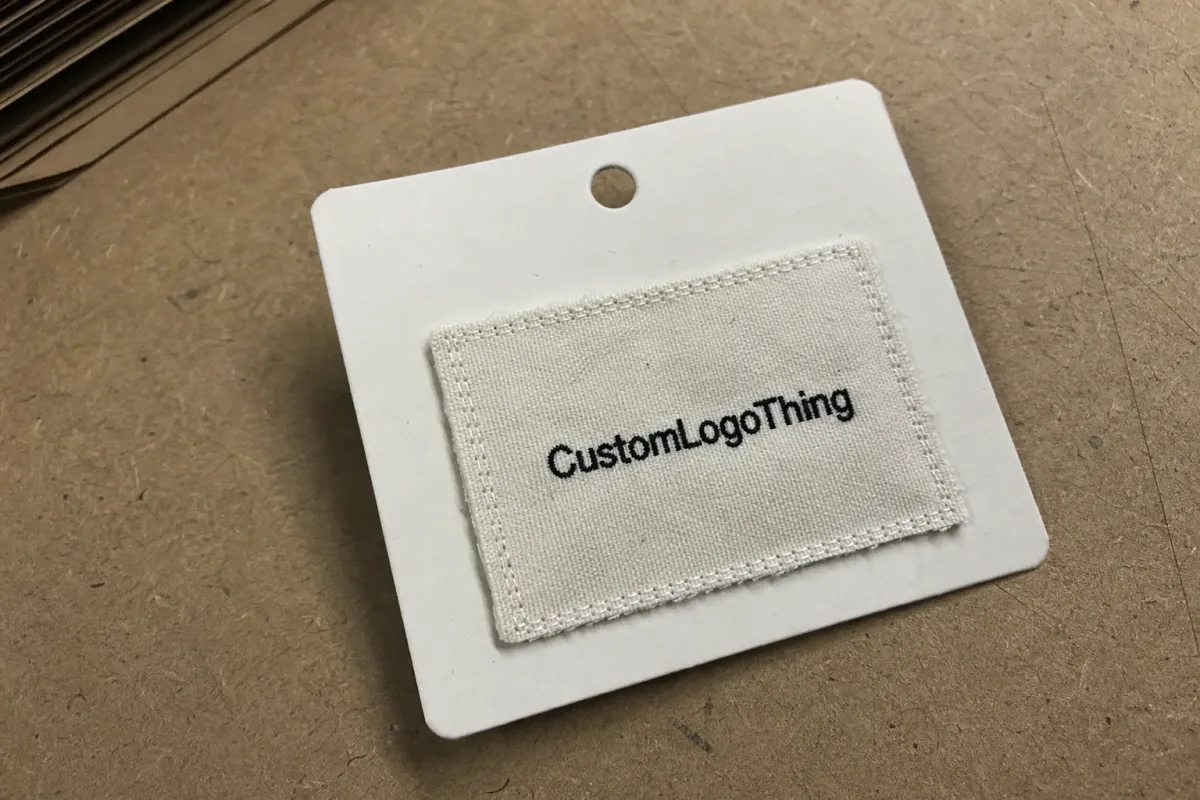
A subscription apparel box lands on a doorstep. The hoodie color is right, the insert card looks polished, the tissue paper survived transit, and then the patch looks cheap. Tiny label, big damage. Funny how that works. If you are asking for a Logo Patches Supplier Quote for subscription brands, you are not simply buying decoration. You are protecting perceived value across hundreds or thousands of boxes.
Subscription brands buy differently from one-off merch programs. A merch drop can survive a little variation if the buyer loves the design. A recurring box has less forgiveness. Subscribers compare one month to the next, post close-up photos, and notice if batch two looks thinner, glossier, duller, or sloppier than batch one.
That means your patch order needs repeatability, batch control, predictable cost, and reorder speed. The patch also has to behave on the actual product. A clean woven label on a table may look underwhelming on fleece. A beautiful leatherette patch can pucker on ribbed knit. PVC can feel premium on outdoor gear and strangely hard on a soft lounge set.
Logo patches work because they are small but loud. They can turn a plain beanie into a branded piece, make a denim jacket feel more limited, or give a loyalty gift a reason to stay out of the donation bin. Hoodies, caps, jackets, club drops, uniforms, pet apparel, and limited-edition inserts all use patches well if the spec matches the product.
The buyer action is simple: get a supplier quote that includes patch type, finished size, backing, border, quantity breaks, packaging, shipping assumptions, and production lead time. Not a mysterious one-line number. Not a catalog screenshot. A quote you can hand to procurement, creative, operations, and the warehouse without translating half of it.
A cheap patch that arrives late, curls at the edge, or cannot be sewn cleanly onto the garment is not cheap. It is a small problem multiplied by every subscriber.
Custom Logo Things helps buyers compare embroidered, woven, PVC, leatherette, chenille, and printed patches without pretending every option fits every subscription model. It does not. That would be convenient, but wrong.
Patch types that work for recurring apparel drops
Patch type sets the tone before the subscriber reads a single word. Texture, edge finish, thickness, color behavior, and flexibility all affect how the patch feels in the hand and how it photographs during unboxing. That last part matters more than some teams admit.
Embroidered patches are the classic choice. They give visible stitching, raised texture, and a familiar apparel feel. They work best for bold logos, mascot marks, club-style badges, simple lettering, and casual apparel. For many subscription brands, embroidered patches hit the middle ground: not the cheapest possible option, not overly precious, and easy to reorder if the production file is saved properly.
The catch is detail. Embroidery is thread, not ink. Small letters, tight counters, gradients, fine outlines, and complex mascots can blur quickly at 2 inches wide. A supplier may recommend simplifying a mark, increasing size, changing to woven, or using partial embroidery coverage. That is not creative sabotage. It is manufacturing reality.
Woven patches are flatter and cleaner. Choose woven if your logo has small typography, thin lines, or detail that embroidery will chew up. Brands often resist simplifying their mark. Happens constantly. Woven construction can keep the design readable at 1.5 to 3 inches, where embroidered stitches may start closing counters in letters like “a,” “e,” and “o.”
PVC patches make sense for outdoor, tactical, sport, kids, pet, and high-abuse products. They resist water, hold dimensional color, and can feel more durable than fabric patches. The tradeoff is cost, mold setup, and personality. PVC feels technical, not soft. Perfect for a trail box or dog gear program. Completely wrong for a cozy knitwear drop unless contrast is the point.
Leatherette patches fit beanies, denim, outerwear, coffee-club apparel, menswear boxes, and premium lifestyle subscriptions. They give warmth without genuine leather complications. Most buyers use debossed, laser-engraved, or printed leatherette around 1.5 to 3 inches wide. On ribbed knit, test first. A stiff leatherette patch on a soft cuff can pucker if the size is too large or the stitch path fights the fabric stretch.
Chenille patches are for varsity, streetwear, collegiate, and statement pieces. They look big, fuzzy, and intentional. They are not the answer for tiny detail or thin lettering. If your logo relies on a 0.5 mm line, chenille will not suddenly become a microscope because the mood board liked it.
| Patch Type | Best Use | Typical Strength | Watchout |
|---|---|---|---|
| Embroidered | Hoodies, caps, jackets, club badges | Texture and classic apparel value | Small text can lose detail |
| Woven | Fine logos, labels, pocket patches | Clean detail at smaller sizes | Flatter look than embroidery |
| PVC | Outdoor, sport, tactical, kids, pet | Water resistance and molded dimension | Mold costs and higher MOQ can apply |
| Leatherette | Beanies, denim, outerwear, lifestyle boxes | Warm premium look without real leather | Needs garment testing for flexibility |
| Chenille | Varsity, streetwear, statement patches | Bold texture and strong shelf appeal | Poor choice for tiny type |
Match the patch to customer expectation, garment fabric, shipping compression, unboxing presentation, and reorder consistency. A Logo Patches Supplier Quote for subscription brands should make those tradeoffs visible before anyone approves a bulk run.
Specs to lock before asking any supplier for pricing
Vague specs create vague pricing. A supplier can guess, sure. They can also guess wrong. If you want a clean quote, lock the details that actually change cost and production risk.
- Patch type: embroidered, woven, PVC, leatherette, chenille, printed, or a hybrid construction.
- Finished size: width and height in inches or millimeters, measured at the widest points.
- Shape: circle, rectangle, shield, oval, custom die-cut, or irregular brand shape.
- Colors: thread colors, molded PVC colors, printed colors, or Pantone references.
- Border: merrowed, laser-cut, stitched, heat-cut, molded, or no visible border.
- Backing: sew-on, iron-on, adhesive, hook-and-loop, or no backing.
- Quantity and deadline: include target in-hand date and delivery ZIP or country.
Size matters more than buyers expect. Small patches around 1 to 2 inches fit caps, sleeves, cuffs, and subtle loyalty details. Mid-size patches around 2.5 to 4 inches work for chests, pockets, tote corners, and front panels. Larger patches around 5 inches and up belong on backs, bags, varsity pieces, and statement inserts.
Bigger is not always better. Bigger can mean stiffer, heavier, more expensive, and harder to attach cleanly. On soft garments, the patch can start to behave like armor. On caps, a patch that ignores panel curve may never sit right.
Border selection affects both look and production. Merrowed edges suit classic round, square, rectangle, and oval patches. Laser-cut or heat-cut edges work for custom shapes. Stitched borders often make woven patches look cleaner. PVC patches use molded edges, which can be raised or flush depending on the design.
Backing is another place buyers accidentally waste money. Sew-on is durable and preferred for factory-sewn apparel programs. Iron-on is easier for application, but it needs heat, pressure, and fabric compatibility. Adhesive backing is usually temporary. Treating it like permanent construction is asking for complaints. Hook-and-loop backing works for removable patches, tactical products, kids’ gear, and swap-based collections.
Artwork needs to be production-ready. A screenshot from a slide deck is not production art. Send vector files such as AI, EPS, or editable PDF when possible, or clean high-resolution artwork if vector files are not available. Add Pantone colors, garment photos, placement notes, and prior sample photos if you have them. The first quote gets much better when the supplier is not playing detective.
Pricing, MOQ, and unit cost ranges without the fairy dust
Patch pricing is driven by quantity, size, construction, color count, backing, border, artwork complexity, sampling needs, packaging, freight, and deadline pressure. That is the list. Anyone giving one universal price for “custom patches” is skipping half the job.
Small custom patch orders have higher unit costs because setup, digitizing, mold work, proofing, and production prep get spread across fewer pieces. A 100-piece order can look expensive per unit even when the supplier margin is not wild. Volume fixes some of that, but not all of it. Oversized, layered, metallic, glow, reflective, individually packed, or highly detailed patches still cost more at scale.
For basic embroidered or woven patches, many buyers see meaningful price movement between 500 and 1,000 pieces, then again around 2,500 and 5,000 pieces. PVC, chenille, and specialty leatherette may carry higher minimums depending on mold, material, and finish. Not always. It depends on the construction and supplier setup.
Use ranges, not fake certainty. A simple 2.5-inch embroidered or woven patch at 1,000 pieces might land around $0.45 to $1.20 per unit depending on stitch coverage, border, backing, and freight. At 5,000 pieces, that same general type may move closer to $0.25 to $0.70. PVC might sit more like $0.85 to $2.50 depending on size, color layers, and mold cost. Chenille can run higher, especially above 4 inches or with felt layers. These are planning ranges, not a quote carved into stone.
| Quantity Tier | Common Buyer Use | Pricing Behavior | Quote Advice |
|---|---|---|---|
| 250 pcs | Test drop, limited club gift | Higher unit cost due to setup spread | Ask if setup or proof fees apply |
| 500 pcs | Small subscription run | First useful price break for many patch types | Compare embroidered and woven side by side |
| 1,000 pcs | Standard apparel insert | Better unit economics and easier packing plan | Request carton counts and ship weight |
| 2,500 pcs | Growing recurring program | Strong price movement on repeatable specs | Lock production notes for reorders |
| 5,000 pcs | High-volume monthly or seasonal box | Best spread of setup and production cost | Inspect bulk carefully before kitting |
Ask for tiered quotes at 250, 500, 1,000, 2,500, and 5,000 pieces. A Logo Patches Supplier Quote for subscription brands should show where the real price breaks happen. Compare landed cost, not just unit price. Freight, packaging, rejects, delays, and attachment labor all count.
Also ask what is excluded. Setup fees, digitizing, mold charges, pre-production samples, revised proofs, special packing, air freight, and split shipments may be separate line items. None of those are scandalous by themselves. The problem is discovering them after the internal budget has already been approved.
Production steps and timeline from artwork to repeat order
The production path is predictable when the inputs are clean: inquiry, artwork review, quote, digital proof, sample if needed, approval, bulk production, quality check, packing, shipping, and reorder file storage. Skip steps and the risk does not disappear. It waits until the expensive part.
Quote turnaround can be fast when specs are complete. A clean request with vector art, size, backing, quantity, and deadline can often be priced much faster than a request that says, “Need patches, what’s the cost?” Proofing depends on artwork clarity. Sampling adds time but reduces risk on larger subscription runs, new materials, or designs with tiny text.
Typical production timing depends on patch type, order quantity, factory load, material availability, custom molds, packaging requirements, and shipping method. Basic embroidered and woven patches may move faster than PVC or chenille with custom tooling. A rush order may be possible, but rush fees and freight upgrades can erase the savings buyers thought they had.
Build buffer before box kitting dates. Subscription brands have hard calendar pressure because one late component can stall the whole box. The patch may be small, but the warehouse does not care. If 3,000 boxes are waiting on one 2-inch patch, the 2-inch patch is now the boss. Annoying, but accurate.
Confirm approval deadlines, ship dates, transit method, and destination type. Are the patches going to your office, decorator, fulfillment center, or cut-and-sew factory? Each destination creates a different handoff. If patches need to arrive sorted by SKU, polybagged by design, or labeled for a warehouse receiving team, say that before quoting.
Repeat orders move faster when artwork, specs, color references, and production notes are saved correctly from the first run. Ask the supplier to store the approved proof, size, backing, border, thread or material references, packing notes, and prior production date. For recurring custom patches, documentation is not admin fluff. It is how you avoid remaking the same decision every month.
Quality checks subscription brands should demand before bulk production
Subscription brands need consistency across thousands of customers, not one pretty sample photographed under flattering light. Samples matter, but bulk control matters more. That is the part people skip because inspection sounds boring. Boring is cheaper than refunds.
Before bulk production, check logo scale, letter legibility, thread density, color match, edge finish, backing adhesion, stitch direction, material thickness, and cut accuracy. For embroidered patches, look at stitch coverage and whether the background fabric shows through in a way you did not approve. For woven patches, check if small letters remain readable at actual size. For PVC, inspect raised and recessed areas, color fill, edge cleanliness, and mold flashing.
Application testing is not optional if the patch will be attached to apparel. Sew-on patches should sit flat and not distort after stitching. Iron-on patches should bond to the intended fabric with the right heat, pressure, and dwell time. Adhesive patches should not be treated like permanent construction. Hook-and-loop patches should align cleanly and not curl at the corners.
Test patches on the actual garment whenever possible. A patch that looks great on a table can pucker on ribbed knit, sink into fleece, or feel stiff on lightweight cotton. A 3-inch leatherette patch may look premium on denim and ridiculous on a thin tee. Same patch, different fabric, different result.
Bulk inspection should include count accuracy, color consistency, border defects, loose threads, mold flashing on PVC, backing defects, and correct packing by design or SKU. If your fulfillment center needs carton labels, SKU separation, or barcode-ready bags, add those checks before shipping. For packaging transit planning, standards from ISTA can help teams think more clearly about distribution testing and package handling. For paper-based tags or packaging inserts paired with patches, FSC sourcing may matter to some buyers.
Quality control is a cost saver, not paperwork. Catching a border issue before 5,000 boxes ship is cheaper than explaining it to 5,000 subscribers. A serious quote should leave room for proof review, testing, and inspection instead of pretending production is just “print and ship.”
Why Custom Logo Things fits recurring brand programs
Custom Logo Things supports Buyers Who Need repeatable custom patches, clear specs, realistic pricing, and production files that can be reused instead of reinvented every order. That matters for subscription programs because the second order should not feel like starting from zero.
The team helps translate brand artwork into manufacturable patch options. Sometimes that means simplifying lines, enlarging text, reducing color count, changing backing, or switching patch type to protect the result. Many patch projects get saved before production, not after the boxes are packed.
Custom Logo Things coordinates common patch categories including embroidered, woven, PVC, chenille, leatherette, printed, iron-on, sew-on, and hook-and-loop patches. The useful part is not just having options. The useful part is knowing which option should be removed from the table because it does not fit the garment, deadline, budget, or subscriber expectation.
Quote clarity matters. Buyers should receive enough detail to compare options, not a mysterious one-line price that hides every variable until it is too late. A proper logo patches supplier quote for subscription brands should identify the patch construction, finished size, backing, border, quantity tier, production timing, packing method, and shipping assumptions.
Subscription-specific support may include tiered pricing, reorder planning, kitting-friendly packing, multiple designs, seasonal drops, limited editions, and delivery coordination with decorators or fulfillment centers. If you need examples of how branded items are planned across different project types, review the Custom Logo Things case studies for practical context.
No miracle claims are needed. Every deadline is not easy. Every design should not become a chenille patch. Every cheap quote is not a win. The value is getting the right patch specified, priced, produced, packed, and delivered without drama.
Next steps to get a usable patch quote today
Start with a clean request. Send logo artwork, preferred patch type, size, quantity, backing, border style, garment or product use, delivery ZIP or country, and target in-hand date. If you are not sure about patch type, say that. A good supplier can price two or three practical builds instead of forcing you to guess.
Ask for a budget build, a balanced build, and a premium build. The budget version might be a woven patch with sew-on backing at a standard size. The balanced option might add iron-on backing or a cleaner border. The premium option might use PVC, leatherette, chenille, metallic thread, or individual packaging. Seeing the tradeoffs in writing keeps the decision practical instead of emotional.
Request quantity breaks that match your subscription forecasts and reorder plans. If customer counts swing from 800 to 1,400 in a season, price 500, 1,000, and 2,500 pieces at minimum. If you are scaling harder, add 5,000. Also ask about reorder lead time, because a reorder is only useful if it arrives before your kitting window closes.
Include compliance, packaging, barcoding, sorting, or fulfillment requirements upfront. Individual polybags, SKU labels, carton marks, hang tags, barcode stickers, and mixed-design sorting can affect both cost and timeline. They are not tiny details to mention after approval. That is how change fees happen.
Review proofs carefully. Check spelling, confirm colors, approve one final version, and avoid last-minute artwork edits unless you enjoy paying for delays. Most people do not. If you are ready to price a real order, send your specs through Contact Us and include your target quantity tiers.
A useful patch quote gives you clear specs, real pricing tiers, production timing, and a product your subscribers actually want to keep. That is the difference between a branded detail and an expensive little disappointment.
FAQs
What should I include when requesting a custom logo patch supplier quote?
Send artwork, patch type, size, quantity, backing, border style, number of colors, garment use, delivery location, and deadline. Include reference photos if you like a certain patch style or finish. Ask for tiered pricing at several order volumes so you can compare real unit cost instead of guessing.
What is the best logo patch type for subscription apparel brands?
Embroidered patches work well for bold, classic apparel branding. Woven patches are better for small text and clean detail. PVC, chenille, and leatherette patches work best when the product theme supports their look, feel, MOQ, and cost. The best option depends on the garment, design, subscriber expectation, and attachment method.
How does MOQ affect a logo patches supplier quote?
Lower quantities usually have higher unit costs because setup, proofing, and production prep are spread across fewer pieces. Higher quantities usually unlock better price breaks, especially around 500, 1,000, 2,500, and 5,000 pieces. Some materials or molded designs may require higher MOQs than basic embroidered or woven patches.
How long does custom logo patch production take for subscription boxes?
Timing depends on artwork readiness, patch type, sampling, order quantity, production load, and shipping method. Sampling adds time, but it is smart for large runs, new materials, or patches going directly onto garments. Build buffer before kitting dates because a late patch can delay the entire subscription shipment.
Can I reorder the same logo patches for future subscription drops?
Yes, reorders are easier when the supplier stores your production specs, artwork, colors, backing, size, and approval notes. Confirm whether the same materials and colors are available before assuming a reorder will be identical. Ask for reorder pricing and lead time separately because costs can change with quantity, freight, and material availability.


