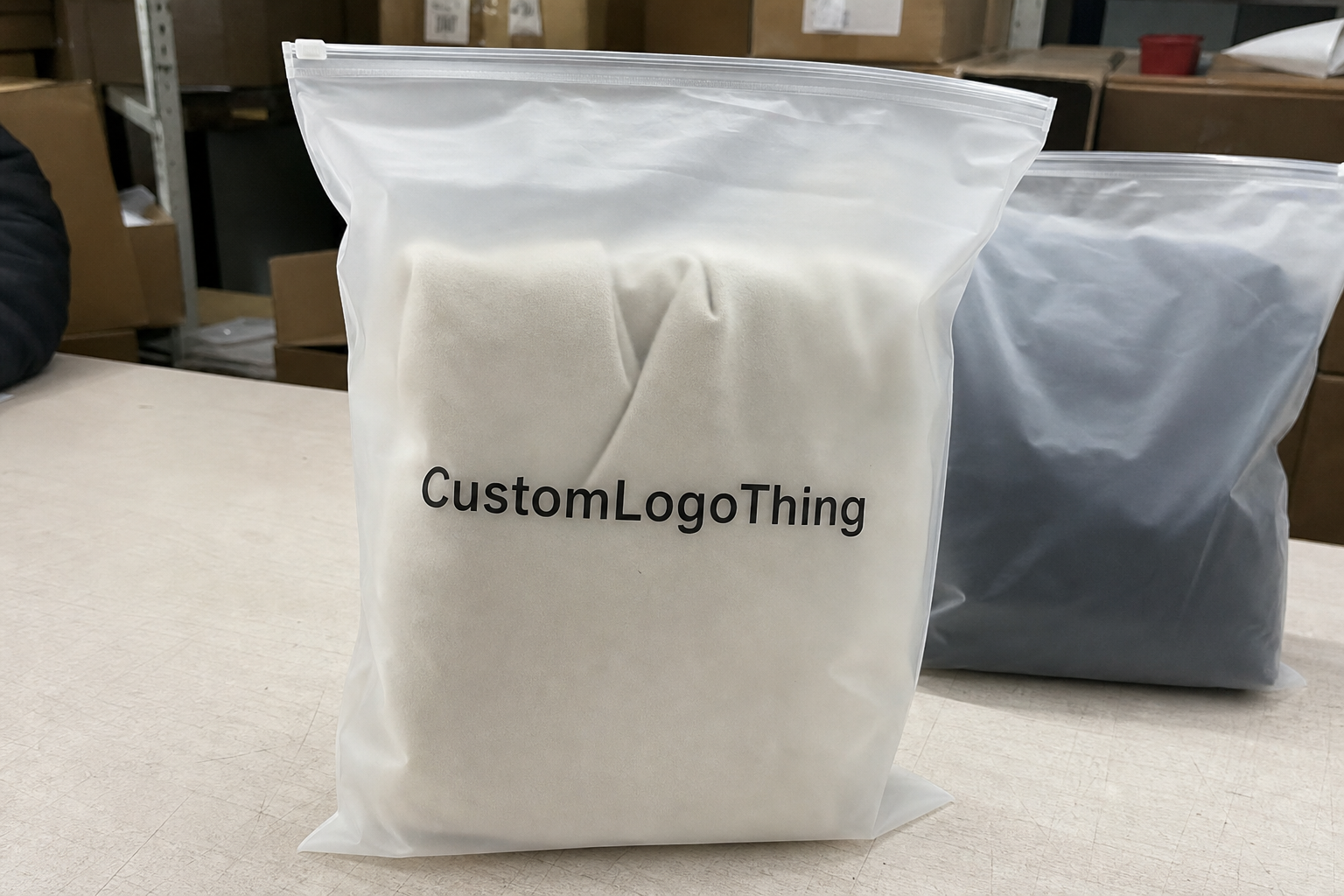
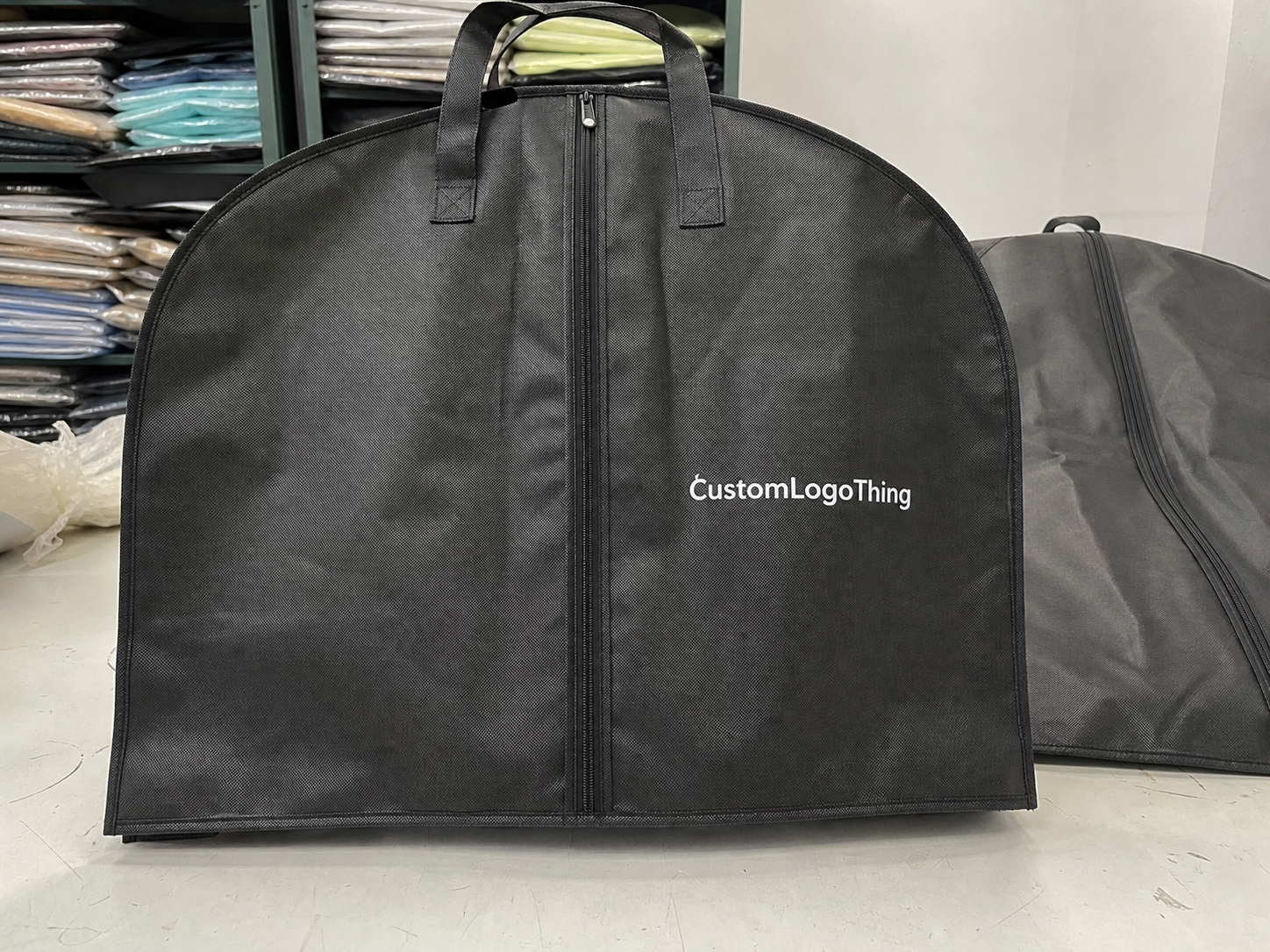
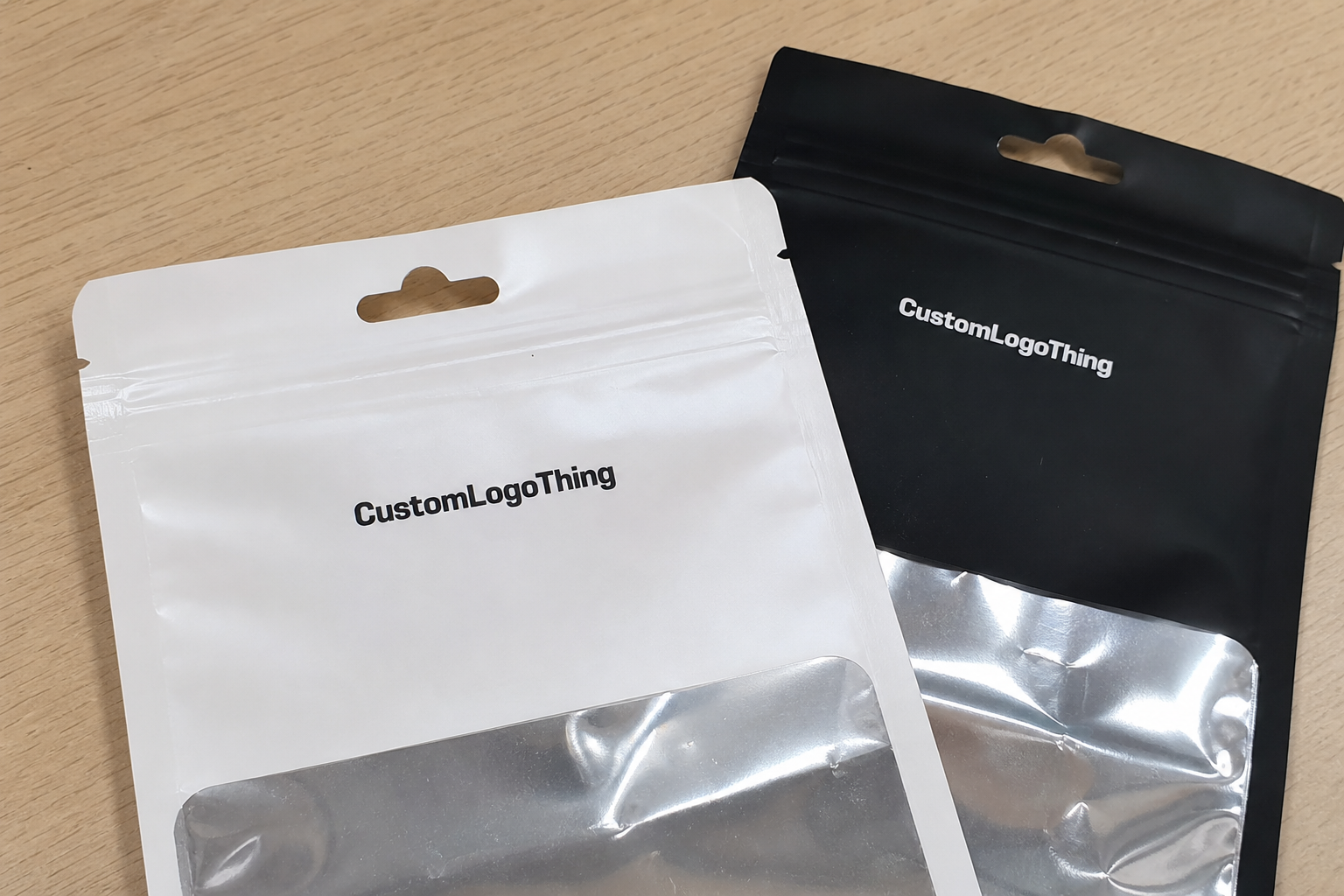
If you need Logo Printed Garment Bags low moq, you probably do not need theory. You need packaging that fits the garment, prints the logo cleanly, and does not lock you into a huge stock commitment.
For fashion labels, bridal shops, dry cleaners, uniform programs, and ecommerce teams, low MOQ is a practical buying model. It makes it easier to test a new package, launch a seasonal line, or add branded storage without filling a storeroom with bags you may not use again.
Why low-MOQ garment bags make sense for real buyers
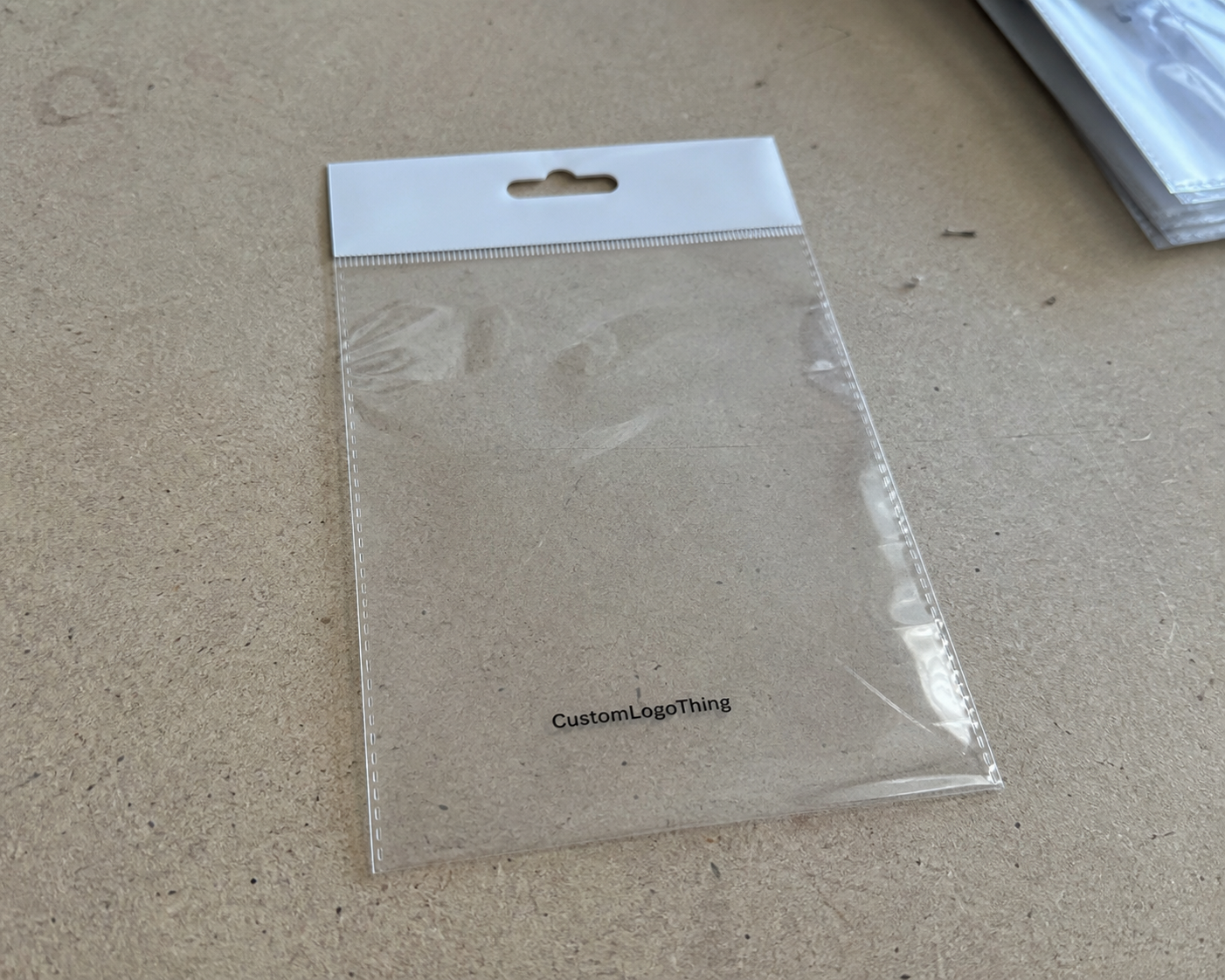
Most buyers do not start with a neat packaging strategy and a warehouse plan. They start with a deadline, a few product SKUs, and a budget that gets squeezed by everything else. Low-MOQ garment bags reduce the upfront commitment while still giving you a branded result.
That matters most when the package is tied to a launch, a service cycle, or a short run of apparel. If the style changes, the logo updates, or the quantity forecast turns out to be optimistic, you are not sitting on obsolete bags. That is a boring kind of win, which usually means it is a real one.
There is another reason buyers look for logo printed Garment Bags Low MOQ: they want to avoid dead stock. Packaging is not free just because it is stored in a corner. It takes space, handling time, and cash. If the bag no longer matches the product or the brand, it becomes clutter with a purchase order attached.
Common use cases include:
- Fashion labels testing retail presentation or hang-sell packaging
- Bridal shops protecting gowns during fitting, pickup, and storage
- Dry cleaners improving presentation for returned garments
- Uniform programs organizing issue, return, and storage cycles
- Ecommerce teams adding dust protection and brand visibility
- Corporate gifting packaging coats, suits, and event apparel
A printed logo changes the role of the bag. It is not just a cover. It becomes part of the brand experience every time the garment moves through storage, transport, or display.
"Low MOQ should reduce risk, not lower the standard."
Small runs can still be well-made. They just need clearer specs and a supplier who knows where cost comes from.
Product options: material, closure, and print method
Material drives more of the result than many buyers expect. It affects price, appearance, durability, and how the bag feels in use. For custom printed garment bags, the usual choices are PE, LDPE, PP, non-woven, and heavier reusable woven styles.
PE and LDPE are the budget-friendly film options. They are light, flexible, and common for dust protection, short-term storage, and shipping sleeves. LDPE usually feels softer and clearer than standard PE, so it is often preferred when visibility matters.
PP is generally stiffer and gives a more structured look. It suits retail presentation better than thin film in many cases, especially when the buyer wants a cleaner visual line on the rack. Non-woven has a more textile-like feel and is often chosen for reusable presentation bags. It is less transparent, but it reads as more premium than a thin plastic cover.
Reusable woven options are the heavier-duty choice. They cost more, but they hold up better for repeated handling, travel, and uniform programs. If the bag needs to survive more than one trip through the system, this is usually where the conversation ends up.
Closure style should match the garment and the way the bag will be used. There is no universal best answer.
- Zippered: useful for storage, travel, and higher-end presentation
- Hook-and-loop: practical for repeated opening and fast access
- Drawstring: better for lighter garments or accessory storage
- Open-bottom: common for hanging garments and short-term handling
- Hanging styles: allow the garment to stay on a hanger inside the bag
Print method changes both cost and appearance. The common tradeoff is simple: more setup can mean better consistency, but it also increases startup cost. Flexo is often a good fit for simple logos and moderate quantities. Gravure can deliver strong repeat consistency and print quality, but cylinder cost makes it less attractive for very small runs. Silk screen works well for bold logos and limited colors. Digital printing is useful when detail matters and the buyer wants to keep setup lower.
Logo complexity matters too. A large one-color mark on a clear bag is usually the easiest and least expensive to produce. Multiple colors, fine lines, gradients, and full-coverage artwork all raise cost and increase the chance of print variation. Transparency also changes the look. Clear gives visibility. Frosted or opaque gives more privacy and a different brand impression.
| Material | Best for | Typical price impact | Notes |
|---|---|---|---|
| PE / LDPE | Dust protection, storage, budget packaging | Lowest | Flexible, lightweight, suitable for lower MOQ runs |
| PP | Retail display, structured presentation | Low to medium | Better body, usually less soft than LDPE |
| Non-woven | Reusable presentation, garment care | Medium | More premium feel, less transparency |
| Reusable woven | Uniforms, travel, repeated use | Medium to high | More durable, heavier, longer service life |
Specifications buyers should confirm before ordering
If you want a quote that means anything, send actual specs. Not “medium size” or “something clear with the logo on it.” A factory can only price what it can measure.
Start with the dimensions: width, length, and gusset depth. The gusset is easy to overlook and expensive to forget. A slim suit cover, a long coat bag, and a bridal gown bag do not share the same proportions. If the bag is hanger-based, confirm the hanger hole style and whether the top needs reinforcement.
Thickness is usually described in microns or mils, depending on the supplier and material. Thicker film typically improves strength and the way the bag feels in hand, but it also adds material cost. Too thin, and the bag looks and performs cheap. Too thick, and you are paying for strength you may never use. For film-based bags, many buyers end up in the 30–80 micron range, but the right spec depends on the garment weight and use case.
For printing, confirm these details before production:
- Logo placement
- Print area
- PMS color matching
- One-side or two-side printing
- Bleed and safe margins
Packaging format matters too. Ask how the bags will be folded, how many go into each inner pack or carton, and what carton size will be used. If a warehouse receives by carton count or pallet count, those details are not optional. They affect labor, storage, and the first impression your receiving team gets of the supplier.
There are also practical quality questions that are easy to miss. Does the material have an odor? Is the print smooth or slightly rough at the edges? Are seams straight? Do zippers track cleanly? Are the hanging holes cut consistently? Those are the checks that tell you whether the bag is genuinely production-ready or merely looks fine in a photo.
If you care about sourcing or disposal considerations, material choice should be discussed early. That does not magically make a product sustainable, but it does help you avoid claims that cannot be supported. Broad references such as the Packaging Association can help frame material discussions, and the EPA is a useful reference for waste and materials guidance. If paper inserts or mixed packaging are involved, FSC guidance may also be relevant.
Cost, pricing, and MOQ: what changes the unit price
Unit cost for logo printed Garment Bags Low MOQ depends on six main things: material, thickness, size, print colors, print sides, and closure style. Quantity matters too, because a 500-piece run is not priced like a 5,000-piece run.
Low MOQ usually means a higher unit price than a larger run. That is normal. Smaller orders spread setup and scheduling costs across fewer pieces. The upside is that you keep cash available and avoid overbuying a product you may not reorder soon.
For rough market context, these ranges are common for film-based and light reusable garment bags:
- Plain or lightly printed PE/LDPE bags: often around $0.12-$0.25 per unit at moderate low MOQ levels
- More structured PP or non-woven bags: often around $0.25-$0.70 per unit, depending on size and print
- Heavier reusable or zippered styles: often $0.60-$2.00+ per unit, especially with custom branding and special features
Those are buying ranges, not promises. Final pricing depends on the exact specification, packing format, and shipping route. If a supplier gives you a single number without asking for dimensions, logo details, or quantity tiers, that quote is probably softer than it looks.
Watch for separate tooling fees and setup charges. Some print methods require plates, screens, or cylinders. Sometimes those costs are one-time and reusable on repeat orders. Sometimes they are not. Ask directly.
Freight changes the real cost too. A unit price that looks attractive can become less attractive after packing, inland transport, customs, and final delivery are added. Compare landed cost, not just factory price.
If you are comparing suppliers, put these items side by side:
| Quote factor | What lowers price | What raises price |
|---|---|---|
| Material | Thin PE/LDPE | Non-woven, woven, thicker film |
| One-color, one-side, simple logo | Multiple colors, two sides, heavy coverage | |
| MOQ | Higher quantity | Smaller quantity |
| Closure | Open-bottom, basic fold | Zipper, hook-and-loop, reinforced features |
| Shipping | Consolidated freight, flexible delivery window | Rush freight, tight destination timing |
If sustainability is part of the conversation, ask how the bag fits into your disposal or recycling policy. Do not assume that “eco” on a quote means anything by itself. The material, thickness, and print system still need to be identified clearly before anyone can make a useful claim.
Process, lead time, and production steps from quote to delivery
The process should be straightforward. If it is not, something is being hidden or guessed at. Clean order flow matters because garment bag specs can drift easily once a project starts moving.
- Inquiry with size, quantity, logo artwork, and intended use
- Spec confirmation for material, closure, thickness, and print method
- Artwork review and file cleanup if needed
- Sample or proof approval
- Production
- Inspection and carton packing
- Shipment
Timing depends on the bag type and print setup, but a practical estimate is usually 2-5 business days for artwork review and proofing, followed by production that can take 10-20 business days. Complex closures, special materials, and multi-color prints can push that longer. Shipping adds its own clock. Air is faster and pricier. Sea freight is cheaper and slower.
What speeds an order up? Final artwork in vector format, confirmed Pantone colors, exact dimensions, and a real delivery address. What slows it down? Too many revisions, changing the size after proof approval, late decisions on one-side versus two-side printing, or trying to finalize the order while the launch date is already breathing down your neck.
Rush orders can sometimes be handled, but urgency always changes the equation. Ask what gives way if the timeline tightens: proofing time, print method, inspection depth, or freight cost. A fast order is fine. A fast order with no control is how mistakes reach your receiving dock with a tracking number.
Why buyers choose our custom garment bag production
Buyers usually start with the price. Fair enough. Then they realize that spec support matters just as much. With Logo Printed Garment bags low moq, the difference between a usable order and a frustrating one is usually in the details: sizing, print control, closure choice, and packaging format.
The useful part is not a polished sales pitch. It is practical problem-solving before production begins. If the bag has to fit a coat one month and a gown the next, sizing guidance matters. If the print has to stay crisp at small quantities, the print method matters. If the bag is going into repeated handling, the closure and material matter.
Good production also depends on checks at the right points. Pre-production proofing catches artwork mistakes. Inline checks catch print shifts or sizing drift. Final inspection catches folding issues, seam problems, weak closures, and carton packing errors before the order leaves the facility.
This kind of order structure works well for startups, multi-location brands, and buyers testing a new packaging system. It also works for established companies that simply do not want to tie up cash in oversized packaging stock. The goal is practical: a bag that looks right, protects the garment, and shows up on spec.
"Pretty packaging is nice. Packaging that arrives on spec is better."
Next steps to order logo printed garment bags low MOQ
If you want a useful quote, gather three things first: bag dimensions, target quantity, and logo artwork in vector format if possible. If you do not have vector art, send the cleanest file you have. That is enough to tell whether the logo needs cleanup before print.
Next, define the use case. Retail display, garment protection, travel, and storage all point toward different specs. A clear suit cover for a showroom is not the same product as a non-woven zipper bag for repeated use. The bag should match the job.
Ask for 2-3 material options in the quote. That makes cost and performance easier to compare. The cheapest option is not always the lowest-risk option once thickness, print method, and handling life are factored in.
Always ask for a sample or digital proof before production, especially if print placement or color accuracy matters. A quick proof is usually enough to catch problems before a full run starts.
If you are ready to move, send your specs, quantity, and artwork through the order inquiry process and ask for a quote with a realistic timeline.
FAQs
What is the minimum order for logo printed garment bags low MOQ?
MOQ depends on the material, size, and print method. Low-MOQ runs are typically much smaller than standard production orders, but the exact number changes from supplier to supplier. Simpler print setups and standard materials usually support lower quantities than specialty closures or heavy custom structures.
Which material is best for custom printed garment bags with a logo?
PE and LDPE are common when the priority is light, budget-friendly protection. PP and non-woven are better when the buyer wants a sturdier presentation bag that feels more premium. The right choice depends on garment weight, how long the bag will be used, and whether appearance or durability matters more.
Can I get a sample before placing a low MOQ order?
Yes. Samples or pre-production proofs are standard for most custom garment bag orders. A sample helps verify size, closure, print placement, and material feel before full production starts. Expect sample cost and timing to vary depending on whether the sample is plain, printed, or fully customized.
How long does production usually take for logo printed garment bags?
Production time depends on material, print complexity, and order quantity. Artwork approval is often the first time sink, not the actual manufacturing. If your artwork and specs are final, the overall schedule usually moves faster and with fewer back-and-forth revisions.
What should I send for an accurate quote on garment bags with logo printing?
Send size, quantity, material preference, closure style, print colors, and logo artwork. Include your target delivery date and shipping location so freight can be estimated correctly. The more specific the request, the fewer surprises in pricing, proofing, and lead time.