Buyer Fit Snapshot
| Best fit | Luxury Paper Bags Wholesale projects where brand print, material claims, artwork control, MOQ, and repeat-order consistency need to be specified before quoting. |
|---|---|
| Quote inputs | Share finished size, material target, print colors, finish, packing count, annual reorder estimate, ship-to region, and any compliance wording. |
| Proofing check | Approve dieline scale, logo placement, barcode or warning zones, color tolerance, closure strength, and carton packing before bulk production. |
| Main risk | Vague material claims, crowded artwork, missing packing details, or unclear freight terms can make a low unit price expensive after revisions. |
Fast answer: Luxury Paper Bags Wholesale: Specs, Pricing, Process should be specified like a repeatable production item. The safest quote records material, print method, finish, artwork proof, packing count, and reorder notes in one written spec.
Production checks before approval
Compare the actual filled-product size with the drawing, then confirm tolerance on folds, seals, hang holes, label areas, and retail display edges. Reserve space for logos, QR codes, warning copy, and material claims before decorative graphics fill the panel.
Quote comparison points
Review material grade, print process, finish, sampling route, tooling charges, carton quantity, and freight assumptions side by side. A quote is only useful when the supplier can repeat the same color, closure quality, and packing count on the next order.
Luxury Paper Bags Wholesale can change how a purchase is read before the customer reaches the door: a heavier stock, a sharper fold, and a rope handle often make the same item feel more deliberate, more giftable, and more expensive on sight. That matters because the bag keeps working after the receipt disappears. For apparel labels, cosmetics brands, jewelers, fragrance houses, gift retailers, and event merch programs, the right bag is not merely packaging; it is a moving brand surface that travels through the mall, the office lobby, the subway, and, very often, a camera roll.
Buying at wholesale scale changes the math in a useful way. A single premium bag can look indulgent on a spreadsheet. In volume, the same upgrade becomes a controlled line item with a visible return: stronger shelf presence, a more consistent in-store story, fewer mismatched carriers during a launch, and a cleaner customer experience across every location that hands one out. That is why the decision belongs in a spec sheet, a cost model, and a production timeline, not in style preferences alone.
Anyone comparing options for a store rollout, a seasonal program, or a private-label event eventually lands on the same question: which build delivers the right look, the right strength, and the right landed cost without leaving room for guesswork? The sections below break that apart in practical terms.
Why luxury paper bags wholesale lift perceived value fast
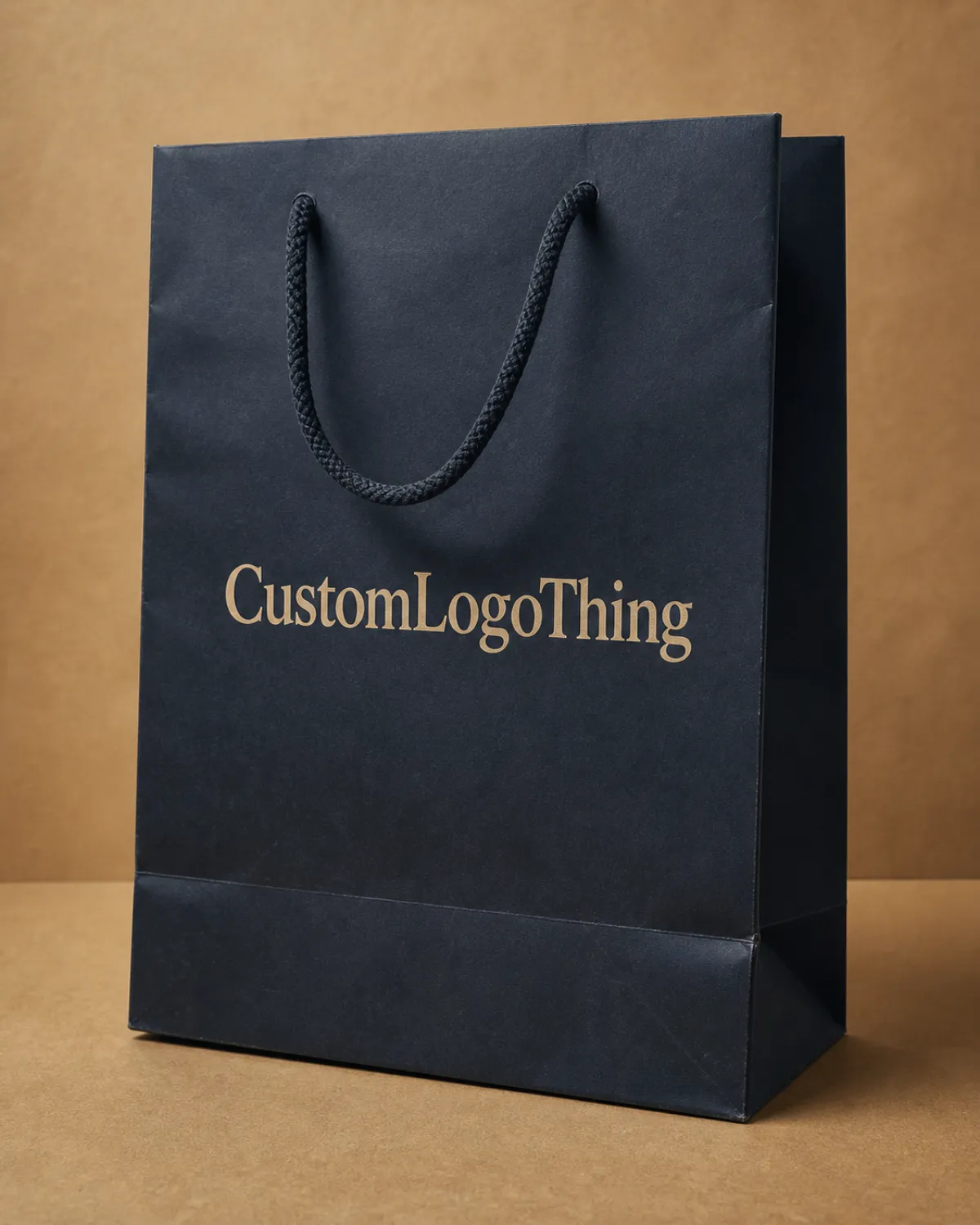
Retail teams often focus on the product inside the bag. Shoppers notice the bag first. That can feel unfair, but it is how the handoff works. A customer walking out with a crisp paper carrier, a reinforced base, and a textured handle does not experience a disposable container; they experience an object that seems worth keeping. A $30 purchase in a thin generic bag reads like a routine transaction. Put that same purchase into a refined paper shopping bag and the item can feel like a gift, even though the merchandise has not changed at all.
The reason is straightforward. Packaging creates a frame around price. A creased, flimsy, or anonymous bag quietly drags the product down with it. A matte finish, tight folds, disciplined logo placement, and a bag that stands upright on its own send the opposite signal. The customer reads care, and that reading happens in seconds.
Wholesale buying matters because the brand impression has to survive hundreds or thousands of units. A single boutique can sometimes tolerate a small shade variation or a handle that sits a few millimeters off-center. A multi-location retailer cannot. Holiday runs, trade shows, pop-up stores, and promotional campaigns expose inconsistencies quickly. One weak batch can make a premium line look improvised. A controlled wholesale run keeps the presentation aligned from store to store and from season to season.
The bag itself also has a second life. Premium paper gift bags are commonly reused for returns, storage, gifting, and carrying items around town. That extends exposure far beyond the checkout moment. In retail, where attention has to be earned repeatedly, a reusable branded bag acts like a low-cost media asset that keeps circulating.
Buyer reality: packaging does not need to be ornate to move perception. It needs to feel intentional. A stronger paper stock, sturdier handles, and one disciplined finish often do more for brand value than a stack of decorative extras.
There is also a practical reason premium carriers get approved faster at head office: they lower friction for the store team. A bag that opens cleanly, holds its shape, and survives a busy Friday evening reduces complaints at the counter. That is not a design flourish; that is operational value.
That is the business case for luxury paper bags wholesale. Not vanity. Not decoration for its own sake. Controlled presentation, repeatable quality, and a better customer read on the brand.
Product details: styles, materials, and finishing options
Premium paper bags are not all built for the same job. A boutique shopping bag, a fragrance gift bag, and a reinforced promotional carrier may look similar from across a counter, yet they behave very differently once loaded. The right selection starts with the product weight, the retail setting, and the tone the brand wants to project.
To make that concrete: a skincare set with multiple cartons needs a different base reinforcement than a silk scarf. A candle launch needs more structure than a lightweight accessory box. If the bag is expected to protect glass, keep a rigid shape, or carry several items at once, the build has to be engineered for the load rather than decorated around it.
Common bag formats
Retail shopping bags are the broadest category. They are used for apparel, beauty, and lifestyle products where the bag has to look polished while carrying mixed shapes and weights. These usually include a folded top edge, side gussets, and either paper twist handles or rope handles.
Boutique carrier bags place more weight on presentation. They often use thicker paper, cleaner print coverage, and a more refined finish such as matte lamination or foil stamping. These bags are common for luxury accessories, skincare, and jewelry because the surface treatment matters as much as the structure.
Gift bags usually emphasize visual appeal and a rigid enough build to hold tissue, boxes, or soft goods. They are often a little shorter and wider than standard retail carriers, which makes them feel substantial when they sit on a shelf or a gift table.
Event bags need to look polished while moving through crowds. They tend to balance cost and presence. If the bag will carry sample products or printed collateral, the bottom board and handle reinforcement matter more than a flashy finish.
Reinforced promo bags are the workhorses of heavier giveaways. For these, thicker paperboard, stronger carry handles, and a firm glued base matter more than decorative effects. A bag that fails under weight does not feel premium for very long.
Paper stocks that change the result
Kraft paper has a natural, grounded feel. It is usually chosen by brands that want an earthy or understated look. Brown kraft works well with black ink, white ink, or simple one-color logos, but it is a poor match when the artwork depends on fine tonal shifts or high-gloss effects.
Coated art paper gives sharper print results and stronger color saturation. It is a frequent choice for luxury paper bags wholesale because it supports detailed graphics, smooth gradients, and crisp logo edges. If the brand uses photography, metallic accents, or strict Pantone targets, coated stock usually performs better than uncoated alternatives.
Paperboard and specialty papers improve stiffness and elevate the tactile feel. These are often used for rigid boutique bags where the sidewalls need to hold shape under display lighting or during transport. Specialty papers can include texture, metallic fiber, soft-touch lamination, or unusual surface patterns that make the bag feel closer to a presentation object than a disposable carrier.
There is no universal “best” stock. A simple kraft bag may be the correct answer for a sustainability-led label, while a coated white board may be the smarter commercial choice for a fragrance brand that needs image precision. Buyers concerned with responsible sourcing often request FSC-certified paper. The FSC standard is a useful reference point when procurement teams need a documented paper trail for forest-based materials. Just keep in mind that coatings, foil films, and heavy lamination can affect how a bag is collected or recycled in a given market.
Handle options and what they signal
Twisted paper handles are efficient and cost-conscious. They suit medium-load retail bags and keep the bag recyclable in many formats, depending on coatings and local collection systems. They are practical first, luxurious second, but they can still look polished on a well-printed bag.
Cotton rope handles add a more premium feel and usually carry better under weight. They are common in fashion, cosmetics, and gift packaging. The texture reads upscale immediately, especially in black, white, or a color matched to the brand palette.
Ribbon handles are lighter-duty but highly decorative. They fit gift-oriented or boutique packaging where visual softness matters more than load capacity. They should not be selected for heavy products unless the bag design includes additional reinforcement.
Die-cut handles create a minimal appearance and work well for lighter items, mailer-style bags, or promotional kits. They can look clean in a modern brand system, but they are not a strong choice for long carries or heavier contents.
Grosgrain and woven handles push the bag into a more tailored appearance. They are not necessary for every brand, but when the bag is tied to a high-price purchase, the handle finish often matters almost as much as the print.
Finishes worth paying for
Matte lamination softens the surface and helps the bag feel more refined. It also protects the print from light scuffing. For many luxury retail programs, matte lamination gives one of the best balances of appearance and durability.
Soft-touch coating creates a velvety feel that signals premium positioning almost instantly. It works especially well on minimal graphics and restrained branding because the tactile effect carries a lot of the visual load.
Foil stamping adds metallic impact. Gold and silver remain the most common choices, but copper, rose gold, and custom tones can work if they support the visual identity. Foil is excellent for logos, border details, and short brand marks, but it becomes noisy when used across large areas.
Embossing and debossing create depth through pressure rather than ink. They work well when the brand wants something more restrained than foil. The effect is subtle, and that subtlety lasts because it can be felt as well as seen.
Spot UV places gloss selectively over matte fields. It is strongest as a contrast tool, not a default treatment. On the right design, it creates a clear separation between foreground and background and keeps the eye moving across the surface.
Edge painting is a more specialized choice, usually reserved for rigid bags or high-end presentation pieces with a similar visual language. It is striking, but the added labor only makes sense when the brand value justifies it.
Structural upgrades matter just as much as finish. Reinforced bottoms, folded top rails, cardboard inserts, and wider gussets can prevent collapse, especially when the bag holds boxes, glass items, or products with sharp corners. A beautiful bag that distorts under load is not premium; it is fragile.
One useful rule: choose the structure first, then decorate it. Brands sometimes start with foil or a special texture and work backward from the effect they want. That can produce a striking bag, but it also raises the risk that the carrier is underbuilt for the product inside.
| Bag type | Typical material | Best handle | Common finish | Best use case |
|---|---|---|---|---|
| Retail shopping bag | Coated art paper or kraft | Twisted paper or rope | Matte lamination | Apparel, lifestyle, general retail |
| Boutique carrier bag | Thicker paperboard | Cotton rope | Soft-touch or foil | Luxury fashion, beauty, jewelry |
| Gift bag | Coated paperboard | Ribbon or rope | Foil, embossing, or spot UV | Seasonal gifting, special events |
| Reinforced promo bag | Kraft or board with insert | Die-cut or reinforced rope | Simple print, durable coating | Samples, catalogs, heavier kits |
Specifications that affect quality, strength, and print results
Good luxury paper bags wholesale quotes begin with a clear spec sheet. A product photo can point the conversation in the right direction, but it cannot support accurate pricing. A factory needs dimensions, paper thickness, print method, handle length, and load expectations. Leave those out and the estimates widen. Wide estimates are where budget surprises start.
Core specs to define up front
Dimensions should include width, height, and gusset depth. If the bag needs to fit a rigid box, those measurements must be tied to the item inside, not to a visual reference pulled from a mood board. A bag that is too shallow will crush the contents. One that is too large will look awkward and waste paper.
Paper thickness is usually expressed in gsm for paper or by board weight depending on supplier convention. For premium retail bags, many buyers work in the range of 157 gsm coated paper laminated to board, 210 gsm, 230 gsm, or heavier paperboard assemblies depending on the build. For luxury presentation bags, the effective feel often matters more than the number alone because lamination, coating, and structure all affect perceived stiffness.
Gusset width controls volume. A narrow gusset can look elegant but may not support boxed products. A wider gusset adds flexibility for retail combinations, especially where the bag may carry more than one item or a product with a larger footprint.
Handle length and insertion depth affect both comfort and durability. Short handles can dig into the hand; long handles can make the bag swing lower than intended. The anchor points need reinforcement if the content weight is more than a few pounds.
Maximum recommended load should be discussed before production. Even a premium bag has limits. If the line regularly carries glass jars, candles, or boxed accessories, the supplier should know the target weight so the base board and handle reinforcement can be engineered accordingly.
How print method changes the result
Offset printing is a strong choice for high-volume, high-precision work. It generally offers the best balance of color consistency, detail, and finish options. Brands using multi-color artwork, tonal photography, or strict identity systems often prefer offset for this reason.
Flexographic printing can be efficient for simpler graphics and larger runs. It is often used where the artwork is less complex and speed matters. On heavily textured papers, the result can be solid, but buyers should check whether fine lines and small text remain crisp.
Digital printing works well for shorter runs and variable designs. It can reduce setup time and remove some plate costs, which is useful for small launches or regional testing. The tradeoff is that some specialty finishes and exact color matching can be harder to control.
Foil and specialty decoration are not print methods in the narrow sense, but they alter the visual result enough that they need separate pricing. Foil registration, die cutting, embossing depth, and lamination all influence the final appearance and the rejection rate if the artwork is dense or the layout is tight.
Color management deserves special attention. A Pantone reference on screen is not the same as a Pantone on coated paper, and the difference grows on uncoated kraft or textured stocks. Ink absorption, coating, and lamination all affect the final shade. A buyer who wants a precise red, black, navy, or metallic finish should request a physical proof and confirm whether the target is a spot color match or a close production equivalent. In practice, a good proof on the actual stock matters more than a perfect-looking monitor file.
For brands that care about transit durability, it is worth asking whether the bag design has been tested or at least checked against practical handling standards. The ISTA framework is widely used in packaging distribution to evaluate performance under shipping stress. That matters when bags are packed flat, palletized, moved through distribution centers, or inserted with merchandise that shifts in transit.
Other quality checkpoints should be written into the order:
- Glue points hold under repeated carry and light bending.
- Handles are centered and matched in length.
- Bottom boards sit flat and do not bow.
- Fold lines align cleanly and repeat across the run.
- Print registration stays sharp on edges and corners.
- Scuff resistance is checked after packing and carton movement.
One rule prevents a lot of headaches: ask for a dieline before artwork is finalized. The dieline tells the designer where folds, gussets, and handles sit. That keeps logos from landing in the wrong place and keeps the quote tied to an actual build instead of a rough guess.
Another small but useful check is the hand feel of the first sample. A bag can look excellent on screen and still feel too soft, too narrow, or too top-heavy in the hand. That physical impression is part of the product, especially for luxury goods.
Pricing, MOQ, and quote factors for luxury paper bags wholesale
Pricing in luxury paper bags wholesale is driven by more than the bag itself. Unit cost reflects material grade, size, handle type, print coverage, finishing, packaging format, and run length. Two bags that appear similar from across a showroom floor can land in very different cost bands once labor and materials are broken out.
The cleanest way to compare quotes is to separate the visible bag from the hidden production inputs. A detailed quote makes that possible. A headline number on its own does not.
What drives unit cost
Paper grade is the first variable. Thicker board, specialty paper, or FSC-certified stock can raise the cost, but it usually improves stiffness and brand perception. That tradeoff often makes sense in premium retail environments where the bag is part of the sale, not just a carrier.
Size affects both material usage and shipping efficiency. Larger bags use more paper and create more carton volume, which can also raise freight cost.
Print coverage matters more than many buyers expect. A single logo on one side is easier than full-wrap printing with color fields, gradients, or detailed artwork.
Finishing method often changes cost more than the base stock. Foil, embossing, spot UV, lamination, and edge painting each add setup and labor. The more layered the finish, the more time the factory spends on alignment and inspection.
Handle type can move the price as well. Twisted paper handles are usually more economical than cotton rope or ribbon, especially when the handle color must match the brand exactly.
Packaging format matters at the pallet and carton level. Flat-packed bags are easier to ship than pre-assembled or inserted formats. If the customer needs retail-ready bundling, the extra handling must be included in the quote.
How MOQ usually works
Minimum order quantity, or MOQ, is the point where setup costs become practical for the supplier. For premium custom bags, MOQ is usually higher than for stock bags because of die cutting, plates, finishing setup, and manual checks. Simple Printed Paper Bags may start at lower quantities, while more complex builds with foil or specialty handles generally need larger runs to stay commercially sensible.
Lower quantity orders often carry a higher per-unit cost because the setup is spread across fewer pieces. Larger orders usually reduce unit cost, but only if the spec remains stable. Change the bag size or finish midstream and the savings can disappear fast.
Some buyers focus only on MOQ and ignore the full landed cost. That is a mistake. A low MOQ with high setup charges can cost more overall than a larger run with cleaner unit economics. Ask for both the MOQ and the total cost at that MOQ so the comparison is real.
Indicative price bands
The table below gives practical ranges for a mid-volume order, often around 5,000 units, but actual pricing will vary by region, freight, and material availability. Treat these as working bands, not fixed promises.
| Complexity level | Typical build | Indicative unit price | What usually changes the price |
|---|---|---|---|
| Basic branded bag | Kraft or coated paper, one-color print, paper handles | $0.18-$0.45 | Size, paper thickness, carton pack-out |
| Mid-tier retail bag | Coated board, 1-2 color print, rope handles, matte lamination | $0.45-$1.10 | Finish coverage, handle type, board weight |
| Premium presentation bag | Thicker board, foil stamping, embossing or soft-touch coating | $1.10-$2.75+ | Special finishes, insert boards, labor intensity |
That range moves quickly if quantities are very low, if the bag is oversized, or if the finish requires more than one production pass. A small run with heavy decoration can cost more than a larger simple run, even if the bag looks less elaborate.
Watch for the hidden variables that do not always show up in the first quote:
- Tooling or plate charges for print setup.
- Sampling, especially if a pre-production sample is required.
- Freight, customs, and inland delivery.
- Extra inserts, bottom boards, or reinforced panels.
- Special bundling for retail distribution.
Ask for an itemized quote. That is the fastest way to compare suppliers honestly. If one quote includes lamination, handles, insert boards, and shipping prep while another only shows the base bag price, the cheaper number is not actually cheaper.
If a supplier cannot explain why the quote moved, that is a warning sign. Clear pricing usually means the factory understands the build and has thought through the production steps. Vague pricing usually means the buyer will discover the missing pieces later.
Process and timeline: from dieline to delivery
A disciplined production process saves more money than most buyers expect. Delays usually come from incomplete artwork, unclear specs, late approvals, or freight booking that starts too close to the launch date. The best supplier relationship is structured, not reactive.
Typical order flow
- Request quote: share dimensions, artwork files, quantity, finish, handle type, and delivery target.
- Confirm specs: review the build details, material options, and MOQ before artwork is locked.
- Receive dieline: use the factory template so design elements land in the correct print zones.
- Approve artwork: check color references, logo placement, and text legibility.
- Review pre-production sample: verify structure, handle feel, and finish before the full run starts.
- Start production: print, cut, glue, finish, and assemble the order.
- Inspect and pack: confirm quantity, dimensions, print quality, and carton labeling.
- Ship and receive: book transport early and track the lead time against the launch calendar.
For standard Custom Paper Bags, production often runs in the 12-18 business day range after artwork approval and sample confirmation. Premium finishes, large formats, or special inserts can push that to 18-30 business days or more. If the order also needs ocean freight or customs clearance, transit time sits on top of production time. Late planning becomes expensive very quickly.
Large retail programs often make the same mistake: they treat packaging as the last thing to buy instead of a manufacturing item with its own critical path. Once proofing, finishing, quality checks, and shipping are added together, the bag behaves like a product launch of its own. It needs buffer time.
A better way to think about timing is to stop asking, “How fast can this be done?” and start asking, “What date must the first usable pallet arrive, and how much room do we need for revision?” That shifts the conversation from hope to control.
Practical rule: if the bag is tied to a holiday line, grand opening, or launch event, place the order early enough to absorb one artwork revision and one sample review without entering rush mode.
Brands running multiple SKUs should also plan for staggered delivery. A capable supplier can pack by size, location, or launch date, but only if that requirement is written into the order. Otherwise, the packaging may arrive correctly made and incorrectly sequenced.
That sequencing issue matters more than it sounds. A store opening can stall if the right bag size arrives after the product has already hit the shelves. It is a simple logistics problem with a very visible cost.
Why choose us for luxury paper bags wholesale
For brands that need consistent presentation at scale, manufacturing discipline matters more than glossy promises. At Custom Logo Things, the point is not to oversell. It is to produce paper bags with repeatable specs, dependable print control, and practical guidance that fits the way retail actually works.
That starts with the quote process. If a bag is oversized, overfinished, or underbuilt for the load, a good supplier should say so before production starts. Overspecifying everything drives up cost without always improving the customer experience. A consultative approach saves money because the bag is matched to the use case: the product weight, the retail setting, the shipping method, and the brand tone.
That is why our Wholesale Programs are structured around the order details that matter: dimensions, materials, finish, and volume targets. The goal is to cut down on back-and-forth and move toward a build that can be repeated without drift.
Consistency matters most in luxury retail, cosmetics, fragrance, jewelry, fashion, and event packaging. In those categories, a slight color mismatch or a weak handle is not a minor flaw. It changes the story the bag tells about the brand. Buyers do not always identify the technical cause. They notice the result immediately.
Strong packaging programs also depend on communication. Proof approval should be clear. Sample feedback should be actionable. If a chosen finish will create scuffing, registration risk, or a weak fold line, that should be raised early. The value is not only in a low unit price. It is in fewer rejects, cleaner reorders, and packaging that arrives ready to represent the brand on day one.
For brands building a long-term supply system, the best next move is to standardize the approved spec. Keep the dieline, artwork version, finish notes, and carton count in one place. Reorder cycles become faster and less vulnerable to human error. A repeatable wholesale setup is more valuable than a one-time discount.
If you need a tighter purchasing path, our custom bulk packaging quote path helps align the bag structure, handle choice, and finish before production is locked. That matters when several stakeholders need sign-off or when a launch date leaves little room for correction.
We also push back on packaging decisions that look premium but fail in use. A bag that scratches too easily, buckles under the product load, or arrives with uneven handle insertion is not a luxury bag, no matter how good the mockup looked. A useful wholesale partner should be willing to say that plainly.
Next steps to order luxury paper bags wholesale
The fastest way to get an accurate quote is to send a complete package of information the first time. The more precise the input, the better the pricing, the fewer revision loops, and the cleaner the production outcome.
Before requesting a quote, gather these items:
- Finished bag size: width, height, and gusset.
- Artwork files: vector logos, brand colors, and any finish callouts.
- Target quantity: include expected reorder volume if relevant.
- Preferred finish: matte, soft-touch, foil, embossing, spot UV, or none.
- Handle type: paper twist, cotton rope, ribbon, die-cut, or other.
- Delivery date: include launch date and any in-store deadline.
Once the quote is in motion, ask for a spec confirmation and a sample review. A sample is not a formality. It is the best chance to verify that the bag feels right in the hand, stands correctly on a counter, and carries the intended weight without distortion. For first-time orders, that step is especially useful.
A simple decision path helps avoid confusion:
- Choose the bag structure.
- Select the stock and finish.
- Confirm MOQ and price.
- Review the dieline and proof.
- Approve the sample.
- Lock the production timeline.
For repeat orders, store the approved spec and artwork version so future runs stay consistent. That protects color, handle length, and fold quality across seasons. It also shortens the purchasing cycle, which matters when a new collection is already moving through merchandising and logistics.
If you are planning a long-term packaging program, it helps to think in terms of production discipline rather than one-time buying. One exact request can save days of clarification later. In wholesale packaging, days matter.
Actionable takeaway: before requesting luxury paper bags wholesale pricing, lock three things first: the product weight, the finished bag dimensions, and the finish level. Then ask for a dieline, an itemized quote, and one physical sample. That sequence protects budget, reduces artwork mistakes, and gives you a bag that fits the merchandise instead of forcing the merchandise to fit the bag.
What is the typical MOQ for luxury paper bags wholesale?
MOQ depends on bag size, print complexity, and finishing, but premium custom bags usually require a larger run than stock items. Simple printed designs often have lower minimums, while foil, embossing, or custom handles can raise the starting quantity. Ask for the MOQ alongside the quote so you can compare total spend, not just unit cost.
How much do luxury paper bags wholesale usually cost per unit?
Unit cost changes with paper grade, dimensions, finish, handle type, and print coverage. A more complex bag can cost significantly more than a basic branded carrier because setup and decoration add labor and materials. The most accurate pricing comes from a full spec sheet, not a photo or estimated size.
How long does production take for custom luxury paper bags wholesale?
Timeline depends on artwork approval, sampling, material availability, and the complexity of the finish. Standard builds move faster than bags with special coatings, inserts, or multiple print passes. Build in extra time for shipping if the order is moving internationally.
Which material is best for luxury paper bags wholesale?
Choose based on use case: coated paper works well for sharp graphics, kraft paper suits a more natural look, and thicker paperboard improves rigidity. If the bag must support heavier items, prioritize strength, reinforced handles, and a sturdy bottom insert. The best material balances presentation, durability, and cost.
What files do I need to request a quote for luxury paper bags wholesale?
Prepare artwork files, exact dimensions, target quantity, preferred finish, and handle choice. If you already have a dieline, send it; if not, provide product dimensions so the factory can create one. Clear specs reduce back-and-forth and make the quote more accurate.


