Buyer Fit Snapshot
| Best fit | Printed Paper Bag Inserts projects where brand print, material claims, artwork control, MOQ, and repeat-order consistency need to be specified before quoting. |
|---|---|
| Quote inputs | Share finished size, material target, print colors, finish, packing count, annual reorder estimate, ship-to region, and any compliance wording. |
| Proofing check | Approve dieline scale, logo placement, barcode or warning zones, color tolerance, closure strength, and carton packing before bulk production. |
| Main risk | Vague material claims, crowded artwork, missing packing details, or unclear freight terms can make a low unit price expensive after revisions. |
Fast answer: Printed Paper Bag Inserts: Design, Cost, and Timing should be specified like a repeatable production item. The safest quote records material, print method, finish, artwork proof, packing count, and reorder notes in one written spec.
Production checks before approval
Compare the actual filled-product size with the drawing, then confirm tolerance on folds, seals, hang holes, label areas, and retail display edges. Reserve space for logos, QR codes, warning copy, and material claims before decorative graphics fill the panel.
Quote comparison points
Review material grade, print process, finish, sampling route, tooling charges, carton quantity, and freight assumptions side by side. A quote is only useful when the supplier can repeat the same color, closure quality, and packing count on the next order.
Printed Paper Bag inserts are one of the smallest packaging pieces with the biggest behavior change. A shopper may ignore a carrier bag once the purchase is over, yet the insert often gets a second look. That shift is not accidental. The customer is holding the bag, opening it, and moving through the purchase moment with their attention already committed. In packaging terms, that is gold. Printed paper bag inserts often get read more carefully than the exterior because the hand and the eye arrive together.
For brands that care about repeat purchases, that matters a lot. The insert is not dead space. It can carry a thank-you line, a promo, care instructions, a story about the product, or a seasonal message, all without changing the bag itself. A full bag reprint may lock a brand into one campaign for months. Printed paper bag inserts can move much faster. The catch is that tiny design choices, from paper stock to fold orientation, decide whether the insert feels polished or forgettable.
Printed Paper Bag Inserts: The Hidden Branding Surface
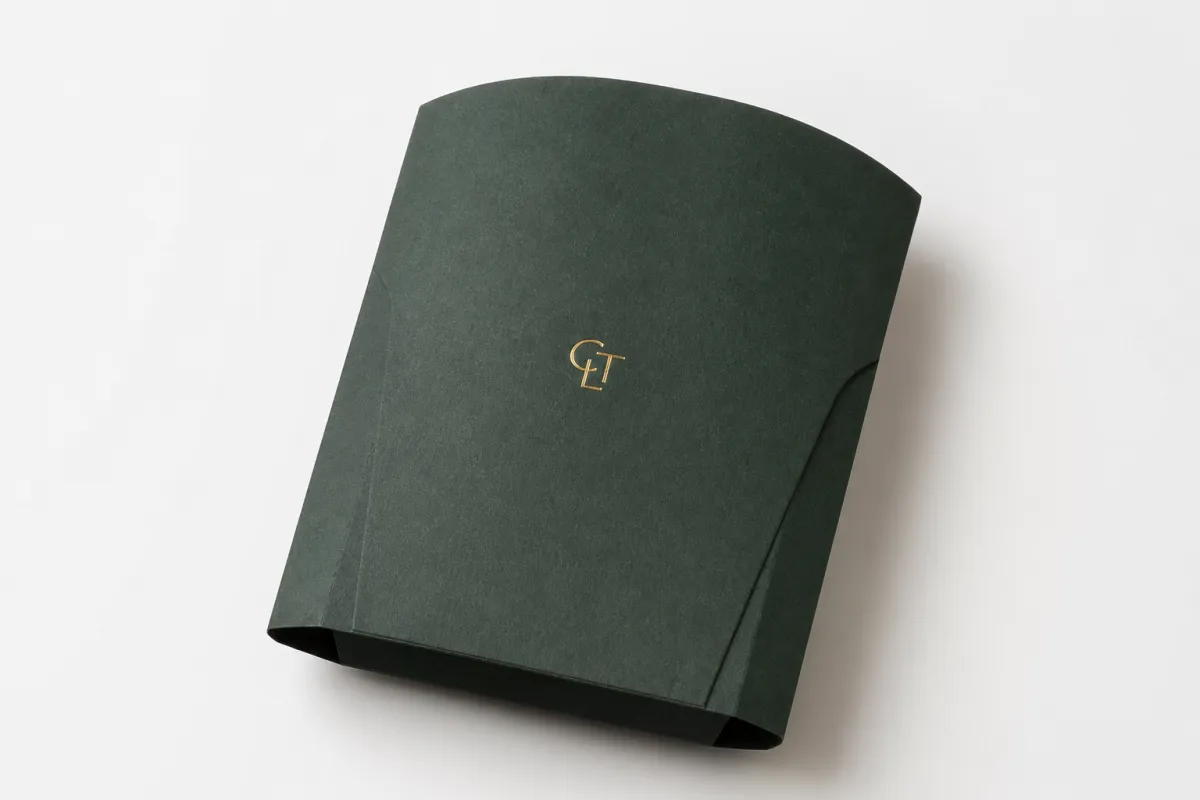
Printed paper bag inserts are a controlled surface inside a moment with unusually high attention. The outer bag might stay plain because of budget, store policy, or a deliberate choice to keep the exterior understated. Inside the bag, the insert can speak plainly. That is why printed paper bag inserts show up in boutiques, cafés, ecommerce parcels, event kits, subscription boxes, and gift packaging with almost no friction.
The format is adaptable. One brand might use a flat card for a thank-you note. Another might choose a folded sheet for a product story or an offer. A liner card can sit behind tissue or product and keep the brand visible. A small leaflet can explain care, returns, or ingredients. Each of those printed paper bag inserts does a different job, but the principle stays the same: a few square inches of paper become a repeatable brand touchpoint.
People often read the inside of a bag more slowly than they scan the outside. That sounds backward until you picture the moment. The bag is already in hand. The customer is not scrolling past it. They are not walking by at speed. They are face-to-face with the paper, and the insert sits close enough to feel deliberate. That physical closeness gives printed paper bag inserts a strange kind of authority. A small, well-made insert can make a modest bag look considered, organized, and more expensive than it is.
If the bag is the handshake, the insert is the line people remember.
There is a practical side too. Printed paper bag inserts let a brand keep the outer bag simple while still building recognition. A kraft bag can hold a vivid campaign card. A white boutique bag can carry a seasonal note without changing the bag SKU. A food takeaway bag can include a loyalty offer or allergy reminder while the carrier stays untouched. That flexibility is useful in a packaging system where so many elements are fixed before the idea arrives.
I have seen buyers underestimate this format because it looks easy. Then a press check exposes the truth. The card is a little too pale for the bag interior. The QR code sits where the tissue folds over it. The message is good, but the setup makes it feel half-finished. That is the part people miss from a spreadsheet, and honestly, it happens more than it should.
The format deserves its own planning, not a passing mention at the end of a print order. Once the insert becomes a line item, the real questions come into focus: how it looks, how it prints, how fast it can be turned around, and how much it costs to repeat. Those questions are connected. A beautiful concept can turn expensive if it needs specialty finishing. A cheaper idea can fail if it is unreadable. The strongest printed paper bag inserts land in the middle: clear, durable, and easy to reproduce at scale.
How Printed Paper Bag Inserts Work Inside the Bag
Mechanically, printed paper bag inserts have to make it from printer to bag to customer hands without looking beaten up. That means the piece needs the right size, a sensible placement, and enough compatibility with the product that it does not fight for space. A flat insert can sit behind tissue, above the product, or against the bag wall. A folded insert might tuck under a fold or wrap around a product bundle. The best arrangement depends on weight, shape, and the way the bag is handled in real life.
Retail stores often use printed paper bag inserts as a final brand reminder at the exact exit point. Cafés may use them to point to a loyalty program or seasonal menu item. Ecommerce shipments can turn them into a compact welcome kit. Gift packaging uses them to add a personal note that changes the emotional weight of the item. The use case matters more than the format because the message has to fit the moment. A repeat-purchase offer inside a gift bag can feel smart. A dense product guide inside a birthday gift bag usually feels like homework.
Common formats include:
- Thank-you cards that reinforce service and make the purchase feel personal.
- Care instructions for apparel, cosmetics, candles, or fragile items.
- Promo cards for repeat purchases, referrals, or email sign-up.
- Seasonal inserts tied to launches, holidays, or limited collections.
- Story sheets that explain sourcing, craft, or brand values.
Print method changes the economics more than many buyers expect. Short-run digital printing usually makes sense for lower quantities, versioned campaigns, and fast turnaround. Offset printing becomes more efficient as volume rises, especially when the artwork repeats across a larger batch. A one-color insert can sometimes outperform a four-color piece, not because it is louder, but because the message is cleaner and the production cost stays under control. That trade-off is real. It is not a compromise.
The inside of the bag also changes how printed paper bag inserts behave visually. A glossy coated insert inside a matte kraft bag can feel crisp and deliberate. The same piece inside a dark bag may disappear unless the contrast is strong enough. A heavy insert can make a light paper bag feel awkward if the product shifts around. A thin insert can curl when humidity rises, when the bag is packed tightly, or when the product bends it in transit. The insert is never just a sheet on its own. It sits inside a small system: bag color, bag size, product shape, and customer handling all affect the result.
Transit matters too, especially for ecommerce. If the insert travels with the product, it should be able to survive stacking, vibration, compression, and rubbing without looking tired. Groups such as ISTA exist for a reason: packaging that looks perfect on a desk can fail once it is actually moved through a warehouse, loaded into a truck, or tossed into a parcel network. Not every insert needs formal testing, but the real use environment should shape the spec instead of arriving after the fact.
Design Factors That Shape Printed Paper Bag Inserts
Size comes first. An insert that is too small can vanish into the bag, especially when the product sits on top of it. One that is too large can buckle, curl, or crease against the side gusset or the top of the merchandise. For many paper bag inserts, a format around 4 x 6 inches, 5 x 7 inches, or an A6-equivalent size is a sensible starting point. That is not a rule. It is a benchmark. The right size depends on the bag dimensions, the product height, and whether the insert needs to be read before or after the item is removed.
Paper stock changes the tone immediately. Uncoated stock feels tactile and grounded, which suits artisan brands, sustainability messaging, and handwritten notes. Coated stock holds color better and can look more polished for fashion, cosmetics, or launch materials. Recycled stock can support an environmental message, although not every recycled sheet prints the same way; brightness, ink coverage, and surface texture vary more than some teams expect. A heavier premium stock, often in the 250gsm to 350gsm range for card-style pieces, adds stiffness and perceived value. Too heavy, and the insert feels overbuilt. Too light, and it looks fragile before the customer even finishes opening the bag.
Typography is where many printed paper bag inserts either land cleanly or fall apart. Small type, weak contrast, and thin weights disappear quickly. Clear hierarchy gives the reader a reason to keep going. A strong headline, a short support line, and a simple call to action usually beat a long paragraph every time. A customer opening an order is not looking for a brochure. They are looking for one useful thing, quickly.
Contrast matters more than most teams estimate. A pale gray note on cream paper may look elegant on a screen and nearly invisible under store lighting. Black text on white or kraft stock is usually safer. A brand color can work well if it stays deep enough to survive low-light settings. If a customer has to tilt the card under a lamp or use a phone flashlight, the insert is already asking too much.
Finishing should follow function, not decoration alone. Matte coating reduces glare and makes the piece easier to photograph. Gloss can make color pop, but it can also throw reflections inside a bright store. Soft-touch lamination feels premium, though it adds cost and may be unnecessary for a short-lived promo card. Embossing and die-cut shapes can elevate a flagship launch, yet they add setup time and create more opportunities for waste. The most useful question is simple: does the finish help the insert do its job?
There is a compliance layer too. If your printed paper bag inserts mention recycled content, sourcing claims, or forest-based materials, the wording has to be accurate and supportable. FSC-certified stock, for instance, can help when a brand wants a documented supply chain. The basic reference point is available at FSC. If the insert is used for food-related communication, keep the copy clean and avoid claims that would need evidence you do not have. In regulated categories, packaging copy is a record, not a decorative flourish.
A useful way to think about the design stack is this: format decides visibility, stock decides feel, typography decides readability, and finish decides whether the piece feels intentional or random. Printed paper bag inserts usually fail when one of those layers gets ignored. The result is rarely dramatic. It is usually subtler, and worse: the insert is there, but it is not doing any work.
Printed Paper Bag Inserts Process, Timeline, and Lead Time
Production usually starts with a brief, not with artwork. A good brief should identify the goal, the bag size, the insert size, the quantity, the stock preference, the deadline, and whether the artwork is print-ready or still under development. From there, the typical workflow is concept, copy, layout, proof, sample review, prepress, production, quality check, packing, and shipment. The path sounds linear. It rarely stays that way. Most projects loop back at proof stage because someone changes the message, adjusts a QR code, or decides the call to action needs less copy and more air.
Most delays happen before the press run. That is where printed paper bag inserts get held up by missing dielines, unresolved copy, or artwork built for a screen instead of a press file. A designer can spend an hour aligning elements so the page feels balanced. None of that matters if the final wording has not been approved. The schedule still slips. When the bag insert has to hit a launch date, the safest move is to lock the message first and treat the file as a production asset, not a moving target.
Lead time depends on the method. Simple digital runs may move in 5 to 8 business days after proof approval if materials are in stock and there is no complex finishing. Offset jobs often sit closer to 10 to 15 business days, especially when the quantity is higher and the job needs a make-ready phase. Folding, specialty cutting, foil, or lamination can push that window toward 15 to 20 business days. Those figures are not promises. They are the kind of ranges experienced buyers ask for so they can plan with fewer surprises.
It helps to break the schedule into separate buckets:
- Proofing time - how long it takes internal teams to review copy, layout, and colors.
- Material sourcing - whether the selected stock is on hand or needs to be ordered.
- Press and finishing - the actual printing, trimming, folding, coating, or die cutting.
- Packing and freight - especially important if inserts must arrive before a launch or seasonal window.
That breakdown matters because printed paper bag inserts are often treated as small jobs, and small jobs are easy to underestimate. A 10,000-piece campaign can still miss a launch if proof approval sits untouched for four days. A 500-piece pilot can still land late if the selected stock has to move from another warehouse. Timing is a chain, not a single number on a quote.
Build a small buffer for rework. A text correction, a barcode adjustment, or a color fix can add a day or two without warning. If the insert supports a seasonal promotion, approve early and keep the layout flexible enough for next month’s message. Brands that use printed paper bag inserts as a repeatable asset instead of a one-off usually move faster because they reuse a tested template rather than rebuilding each time.
Do not confuse production time with business time. A printer may quote a short run that looks fast on paper, but the real schedule also includes proofing, freight, and any internal sign-off process on the buyer side. A well-run project keeps those stages separate, so no one assumes the whole order will land just because the press cycle is short.
Printed Paper Bag Inserts Cost, Pricing, MOQ, and Quote Basics
Pricing for printed paper bag inserts is shaped by a few predictable variables: quantity, stock, color count, size, finish, folding, die cutting, and artwork prep. That means the cheapest-looking quote is not always the best value. A low-cost insert that prints beautifully but arrives too late has effectively cost more than the premium one that lands on time and supports the campaign.
MOQ, or minimum order quantity, is where many first-time buyers get surprised. Lower minimums usually carry a higher unit price because setup costs are spread across fewer pieces. Larger orders usually lower the per-unit price, but only until storage, campaign turnover, or messaging changes make the extra volume wasteful. For printed paper bag inserts, the best starting point is often the first order that lets you test response without trapping too much money in obsolete inventory.
Ask for quote breaks at several quantities, such as 250, 500, 1,000, 2,500, and 5,000 units. That makes the unit economics visible. A buyer can see where the price drops enough to justify the jump. If the difference between 1,000 and 2,500 pieces is small, a larger run may make sense. If the gap is wide, a shorter pilot may be the safer choice.
Here is a rough comparison that buyers often find useful. The exact figures vary by region, supplier, and specification, but the pattern stays familiar.
| Option | Typical Use | Approximate Unit Cost | Pros | Trade-Offs |
|---|---|---|---|---|
| Short-run digital, uncoated card | Test campaigns, small boutiques, fast turnarounds | $0.18-$0.40 each at 250-1,000 units | Fast, flexible, good for version changes | Higher unit cost, fewer finishing options |
| Offset printed sheet, standard card | Retail rollouts, repeat promotions, larger orders | $0.06-$0.18 each at 2,500-10,000 units | Lower cost at volume, strong color consistency | More setup time, less practical for frequent changes |
| Premium stock with finish | Launches, gift packaging, luxury presentation | $0.22-$0.85 each depending on finish | Higher perceived value, stronger brand cue | More lead time, higher waste risk if artwork changes |
Those ranges are not copied from one quote sheet. They are the kind of bands buyers tend to see when comparing printed paper bag inserts across different spec levels. The cost climb usually comes from three places: heavier paper, specialty finishing, and complex setup. A simple one-color card can look more refined than a crowded four-color layout with extra effects that do not improve the message.
When requesting a quote, include enough detail to remove guesswork. A strong request should state the dimensions, quantity tiers, artwork status, stock preference, finish, folding or cutting requirements, delivery location, and deadline. If the bag size is already known, include that too. The supplier can then tell you whether the insert is likely to fit without creasing. That small piece of information saves money later.
Think in terms of value, not just price. If printed paper bag inserts drive repeat orders, email sign-ups, or a better first impression, then a slightly more expensive piece may pay back quickly. If the insert only supports one weekend event, premium stock with multiple finishes is probably overkill. Cost decisions get easier when the job is tied to a measurable outcome.
Shipping can change the final number more than many teams expect. An order that looks cheap on the press quote can become less attractive once freight is added, especially for heavy stock or rush delivery. That is why the best quote comparisons separate print cost, finishing, packaging, and freight. Printed paper bag inserts are small, but the line items still stack up.
Common Mistakes With Printed Paper Bag Inserts
The most common mistake is treating the insert like a billboard and trying to say too much. A bag insert has a short attention window. If it carries six offers, four icons, a long paragraph, and a QR code nobody can explain, the reader checks out. Printed paper bag inserts work best when they do one job well. If the goal is to thank the customer, say thank you. If the goal is to trigger a repeat purchase, make the offer easy to understand at a glance.
Another mistake is ignoring the bag environment. A layout that looks sharp on a white artboard may vanish inside a black or patterned bag. A piece that depends on pale contrast can fail under warm store lighting. A design that works in an empty bag may crease once the product is placed inside. Printed paper bag inserts are not judged in a gallery. They are judged in motion, often with tissue, handles, or product edges in the way.
Teams also get into trouble when they design for the sheet alone and forget the handling reality. A loose insert can slide under the product and disappear. A folded piece may spring open or catch on the bag seam. A heavy card may look stiff in a proof but behave differently once it sits on top of a soft item. That is why sample testing matters. Put the insert into the actual bag with the actual product. Then see what the customer will see.
There is a hidden version of this problem: treating printed paper bag inserts as a one-time campaign object instead of a repeatable system. A smart brand can build one template with a fixed logo zone and a changeable message zone. Seasonal updates, product swaps, and store-specific offers become much easier. Without that structure, every new campaign starts with a fresh layout, and every fresh layout costs time and money.
Skipping proofing is another expensive habit. A tiny alignment error, a wrong QR code, or a color shift may look harmless on screen. On press, it can become a full reprint. When the order volume is large, the cost rises fast. A 1,000-piece error is inconvenient. A 10,000-piece error stings.
Finally, some brands forget that printed paper bag inserts are part of a larger packaging story. If the bag feels premium but the insert feels generic, the customer notices the mismatch. If the bag is simple but the insert is too ornate, the contrast can feel odd. The strongest inserts respect the bag, the product, and the moment instead of trying to outshine them.
Expert Tips for Better Printed Paper Bag Inserts
Start with one clear job. Do you want the insert to thank the customer, explain the product, drive a repeat purchase, or support a launch? Pick one primary function and design around that. Printed paper bag inserts are strongest when the message is focused. They weaken when they try to act like a flyer, a catalog, and a coupon all in the same square inch.
Build a reusable template. A fixed brand area, a consistent QR placement, and a flexible message block can cut production time on future runs. That is especially useful for retailers that refresh promotions monthly or seasonally. Once the template is approved, printed paper bag inserts become a repeatable asset rather than a fresh design problem every time.
Test the piece in the real bag before approving the final run. Put the actual product in the actual carrier, then look at the insert from a customer’s point of view. Does it curl? Is the copy blocked by tissue? Does the bag interior swallow the color? Those are the details mockups often miss. Printed paper bag inserts live or die on those details.
Compare samples under realistic conditions. Store light is not studio light. Phone-camera reading is not desktop reading. If a customer sees the insert in a mirror selfie, a checkout line, or a dim restaurant corner, the design still has to work. That means checking contrast, type size, and finish under different lighting conditions. If the piece is only legible in perfect conditions, it is too fragile.
Keep sustainability claims simple and defensible. If you use recycled content, make sure the paper spec supports that claim. If you want FSC chain-of-custody material, confirm the paperwork. If the insert is used in a food-adjacent setting, keep language practical and avoid vague environmental promises. Printed paper bag inserts earn trust when they speak plainly.
Here is a quick field-tested checklist before you place the order:
- Lock the message before artwork starts.
- Confirm the bag size and product height.
- Choose stock based on feel and durability, not just price.
- Ask for quantity-based quotes so the unit math is visible.
- Approve a physical sample if the timing allows it.
From a packaging buyer’s point of view, the smartest move is usually the simplest one. Request two or three material options, get a printed proof, and compare how the insert behaves inside the bag before scaling up. A pilot run of printed paper bag inserts on one SKU often reveals issues that would be expensive to discover across a full rollout.
That is the real value of this format. Printed paper bag inserts are small enough to test, yet visible enough to shape perception. They sit at the intersection of design, production, and customer psychology. Used well, they make a bag feel considered. Used badly, they become another sheet of paper nobody remembers.
FAQ
What are printed paper bag inserts used for?
They are used to add branding, instructions, promotions, or thank-you messages inside a retail, takeaway, or gift bag. Printed paper bag inserts work best when the message needs a clean, controlled surface that the customer will actually read during unboxing.
How do I choose the right size for paper bag inserts?
Match the insert to the inside dimensions of the bag and leave enough clearance so it does not curl, fold, or buckle. Test the insert with the actual product inside the bag before approving the final print file.
Are printed paper bag inserts expensive?
Cost depends on quantity, stock, color, finishing, and whether the job uses digital or offset printing. The unit price usually drops as quantity rises, but premium materials and complex finishes can raise the total quickly.
What file do printers usually want for printed paper bag inserts?
Most printers prefer print-ready PDF files with bleed, trim marks, and outlined fonts or embedded links. Vector artwork is usually safest for logos and typography because it stays crisp at small and large sizes.
How long does production usually take for paper bag inserts?
Simple jobs may move quickly after proof approval, while custom finishes, folding, or large quantities add time. Ask for a clear timeline that separates proofing, production, and shipping so you can plan inventory and launches accurately.
Printed paper bag inserts are not a tiny afterthought; they are a compact branding system with real production rules behind them. If you match the size, stock, timing, and message to the bag and the moment, the result feels intentional instead of incidental. The practical takeaway is simple: choose one job for the insert, test it inside the real bag, and approve the proof only after you can read it in the lighting where customers will actually see it.
Related packaging resources
Use these related guides to compare specs, costs, quality checks, and buyer decisions before making the final call.