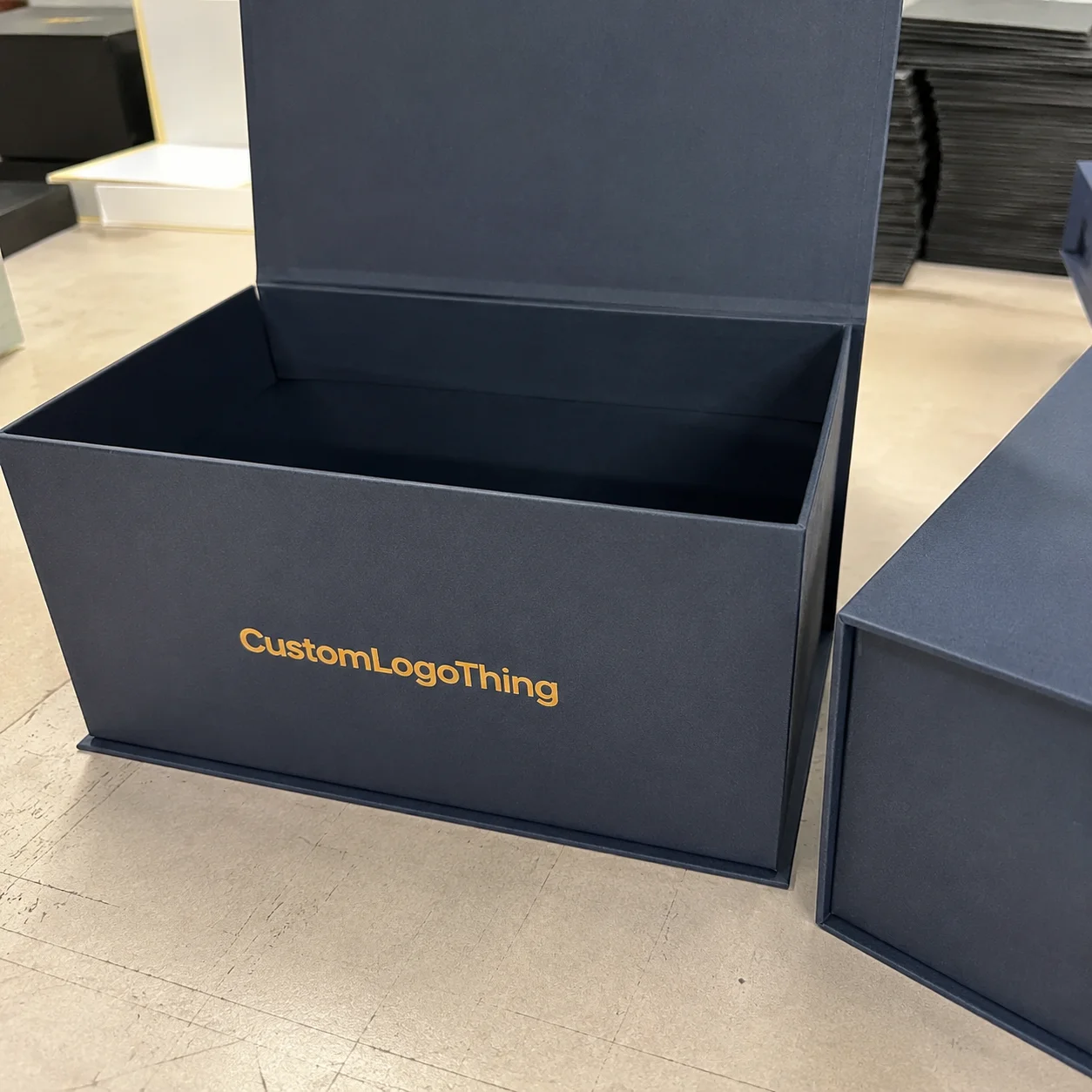
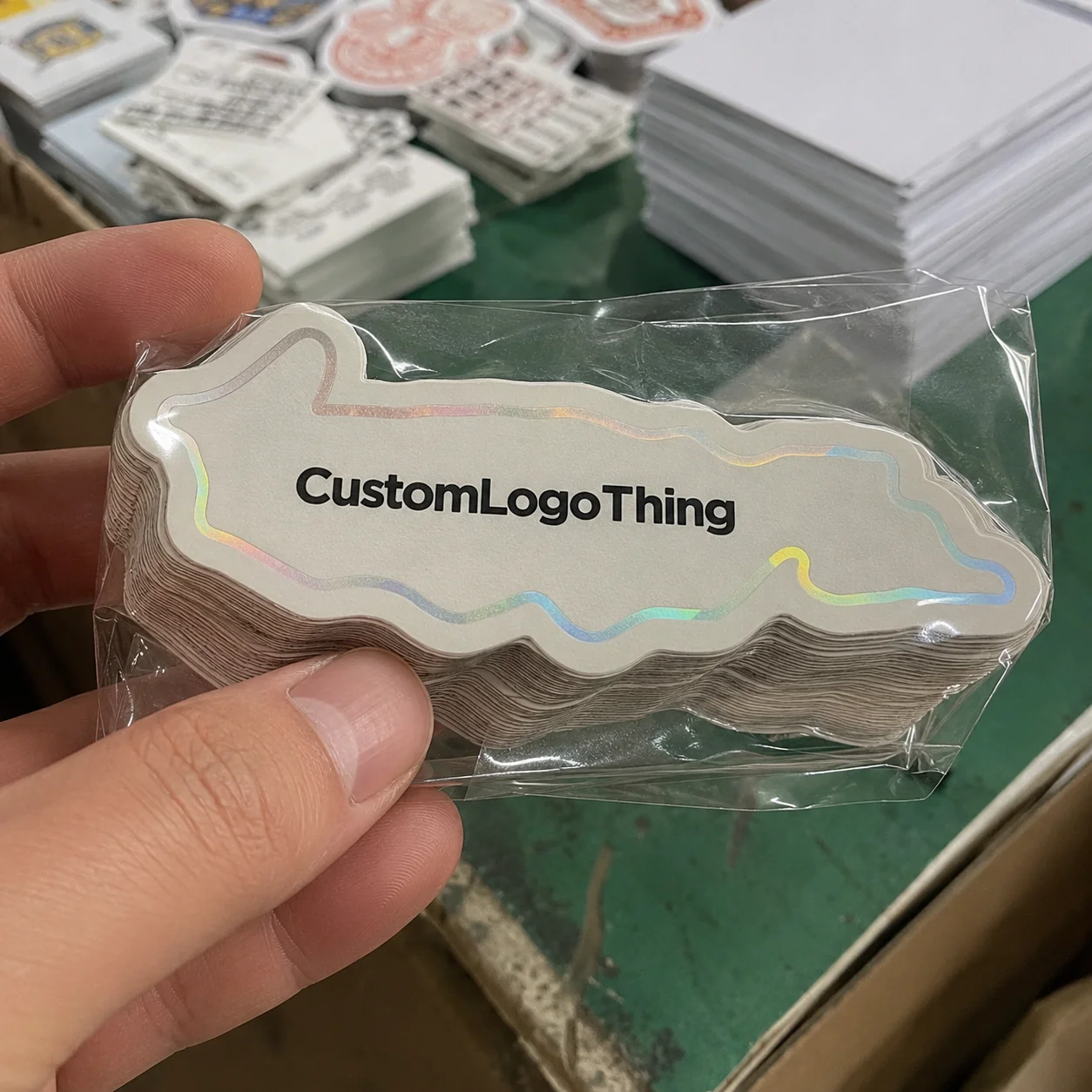
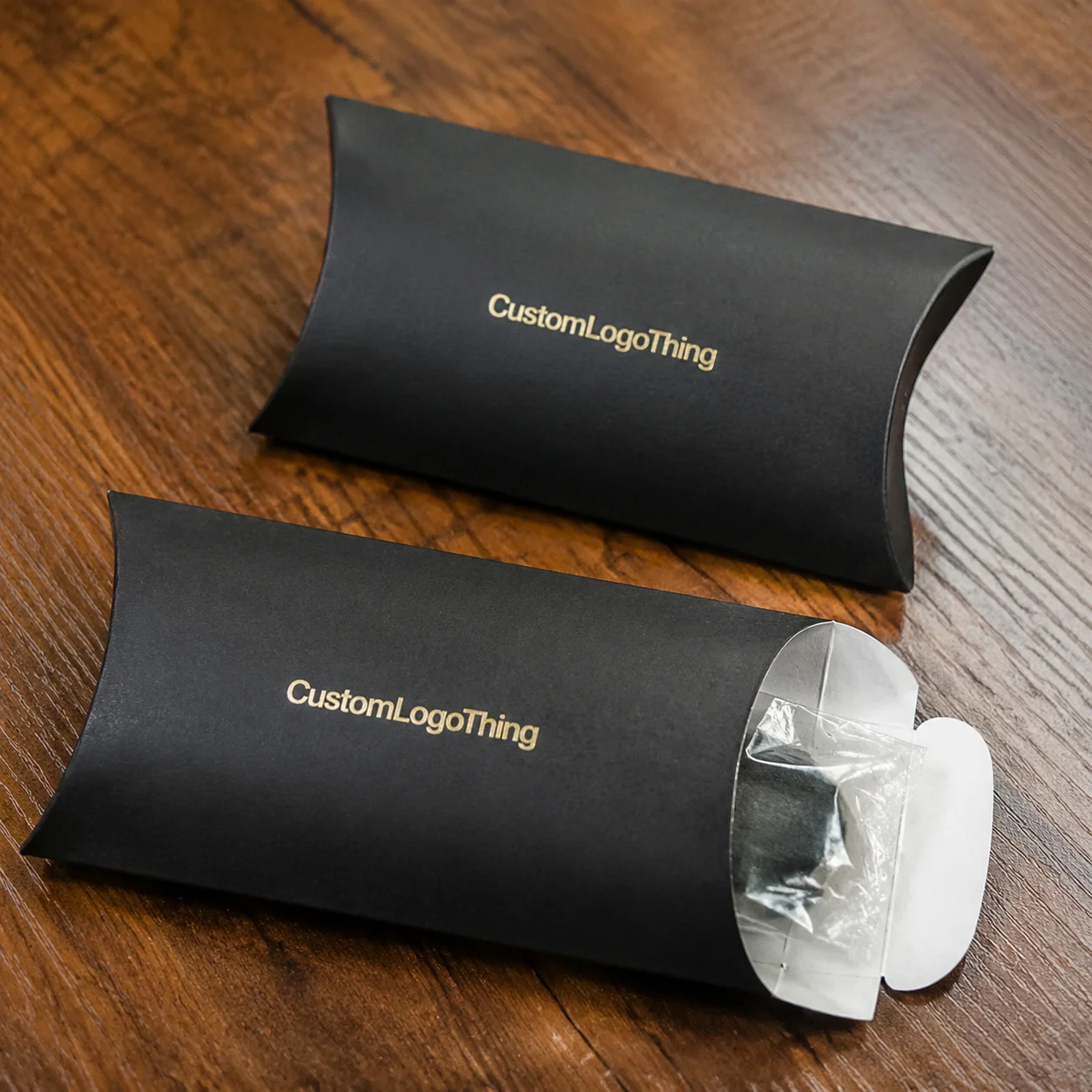
A customer receives two similar gifts. One arrives in a thin folding carton that gets flattened and discarded within minutes. The other comes in a rigid magnetic box that stays on a desk, shelf, or drawer for months. That gap explains why wholesale gift Boxes with Magnetic lid are used when brands need presentation, protection, and repeatable unboxing quality at scale.
Packaging is often the first physical proof of product value. For ecommerce orders, corporate gifts, beauty sets, jewelry, candles, accessories, and promotional kits, the box can support the price point or quietly weaken it. Buyers are not only shopping for “nice boxes.” They are comparing MOQ, customization, sampling, lead time, landed cost, storage volume, and the number of problems the packaging can solve before the product reaches the customer.
Why Wholesale Gift Boxes With Magnetic Lid Sell Before the Product Opens
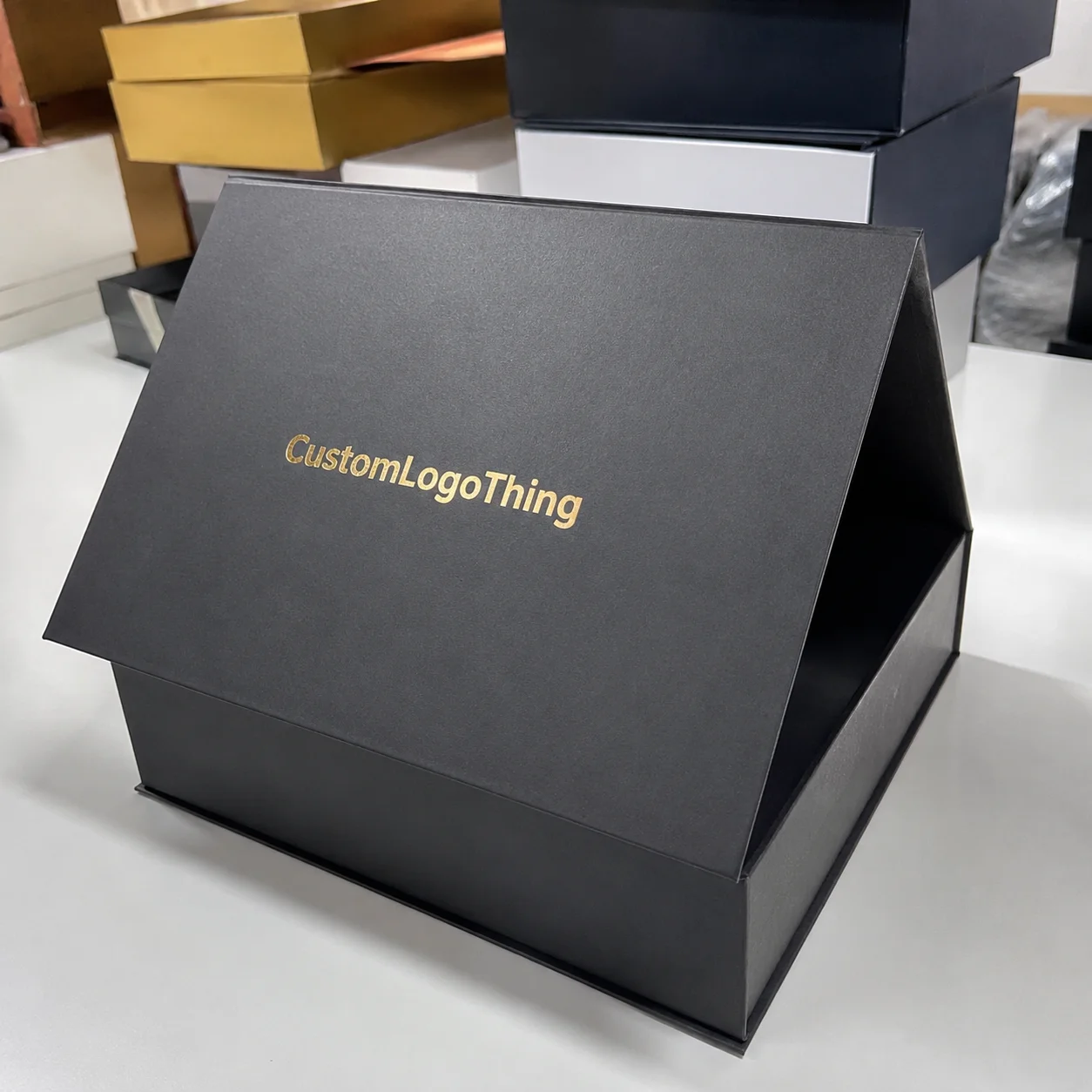
The commercial logic is simple: a magnetic closure controls the reveal. It slows the opening motion, adds a small tactile cue, and makes the package feel more deliberate. Perceived value is built quickly. A crisp lid alignment, firm close, and clean edge wrap can make a $35 product feel closer to a $55 gift set; a weak board, gapping lid, or loose insert can do the reverse.
Standard tuck-end cartons still have a place. They are light, efficient, and cost-effective for many retail products. Rigid magnetic boxes follow different economics. They cost more per unit, usually take longer to produce, and occupy more shipping volume unless designed as collapsible boxes. In return, they provide stronger structure, better shelf presence, higher reuse potential, and less dependence on ribbons, sleeves, or complicated outer packaging.
Most buyers asking about Magnetic Gift Boxes are trying to solve one of three problems. They want to raise gift value without changing the product. They need better protection for a set of items that shifts inside ordinary cartons. Or they want one branded packaging format that can support multiple SKUs, launch kits, or seasonal programs.
Packaging buyer reality: a magnetic box is not automatically the right answer. It earns its cost when the customer experience, product protection, or brand presentation improves enough to justify the higher unit price and freight profile.
From a buyer’s point of view, the question is not “Can this look premium?” Almost any supplier can show a glossy sample. The sharper question is whether the box can be repeated across hundreds or thousands of units with consistent magnets, square corners, stable inserts, and accurate brand color. That is where supplier discipline starts to show.
There is also a practical difference between gift packaging that looks good in a studio photo and packaging that survives packing tables, freight handling, and customer use. Magnetic lids expose small errors. If the hinge is too loose, the lid droops. If the magnets are poorly seated, the close feels cheap. If the wrap is too tight or too loose, corners wrinkle or lift. A premium format has less room to hide mediocre production.
Product Details to Confirm Before Ordering Magnetic Gift Boxes
Magnetic lid gift boxes are usually rigid paperboard boxes with embedded magnets in the lid, flap, or closing panel. The visible surface is normally wrapped with printed paper, specialty paper, textured stock, or fabric-look material. Inside, the box may be plain, printed, lined, or fitted with a custom insert. That construction is more labor-intensive than a simple folding carton because the board is cut, wrapped, glued, aligned, and finished in several stages.
The main structures include book-style magnetic boxes, collapsible magnetic boxes, drawer-style rigid boxes with magnetic accents, and two-piece presentation boxes with magnetic closures. Book-style boxes are common for gift kits, electronics accessories, beauty sets, and influencer mailers. Collapsible boxes reduce freight and warehouse volume because they ship flatter, although they may feel slightly less rigid than fully assembled boxes. Drawer formats are useful when the reveal is part of the presentation, but they add cost through extra board, pull tabs, and tighter fit control.
Common use cases include luxury gift sets, employee welcome kits, fragrance packaging, subscription boxes, apparel accessories, stationery sets, event gifts, jewelry presentation, and promotional product bundles. For buyers building a broader packaging program, Custom Logo Things can align magnetic boxes with related formats through its Custom Packaging Products range.
Interior decisions deserve early attention. EVA foam can hold glass bottles or metal accessories tightly, but it may conflict with sustainability goals. Molded pulp offers a fiber-based look and can work well for jars, candles, or wellness kits. Paperboard dividers are economical for rectangular items. Satin lining, ribbon pulls, card slots, product wells, and layered trays can improve presentation, but each feature adds setup work and another chance for tolerance issues.
Sample approval is not a formality. Magnet strength, lid alignment, wrap tension, corner finishing, and insert fit are difficult to judge from a flat dieline or digital mockup. Many bulk packaging projects become riskier than they need to be because buyers approve a rendering, skip a physical sample to save time, then discover that the insert grips too tightly or the lid lands 2 mm off center.
The right box is not the thickest or most expensive one. It is the box that protects the product, supports the expected price point, fits the packing workflow, and ships without creating wasteful volume.
Specifications: Board, Size, Printing, and Finishes
Before requesting pricing for wholesale gift boxes with magnetic lid, prepare the core specifications: length, width, height, product weight, closure style, box orientation, insert requirements, artwork files, and quantity tiers. A supplier can estimate from rough details, but a reliable quote needs real dimensions and a clear structure. One missing insert detail can shift the price more than a small change in print coverage.
Rigid board commonly ranges from about 800 gsm to 1500 gsm, depending on box size, product weight, and desired hand feel. Small jewelry or stationery boxes may work with lighter board. Larger gift kits with candles, bottles, electronics accessories, or multiple components often need heavier board and stronger hinge construction. Thickness is not just about luxury; it affects compression resistance, lid stability, and whether the box keeps its shape during fulfillment.
Size planning is where costs quietly grow. Allow for product movement, insert clearance, wrap thickness, product tolerances, manuals, cards, cables, jars, bottles, and fragile accessories. A box that is 12 mm too large in each direction may not look disastrous on a desk, but across 5,000 units it can raise material use, carton size, pallet footprint, and shipping cost. Oversizing is one of the least glamorous ways to lose margin.
Printing options include CMYK printing, Pantone spot colors, full-wrap graphics, interior printing, logo-only exterior printing, and controlled brand color matching. CMYK works for many photographic or multi-color designs. Pantone matching is often preferred for strict brand colors, though coated paper, uncoated paper, lamination, and textured wraps can each change the final visual result. Dark solid colors need extra care because scuffs, fingerprints, and corner rubs show faster on black, navy, deep green, and burgundy surfaces.
Finishing choices include matte lamination, gloss lamination, soft-touch coating, foil stamping, embossing, debossing, spot UV, textured paper, and fabric-look wraps. A restrained finish often performs better than stacking every premium effect on one box. For example, a soft-touch black wrap with one clean foil-stamped logo can look more expensive than full-coverage artwork, foil borders, spot UV, and embossing competing for attention.
Sustainability claims should be handled carefully. Buyers can ask about recycled paper content, soy-based inks, plastic-free inserts, right-sized packaging, and FSC-certified paper options. They can also use testing guidance from organizations such as ISTA when transit performance matters. Not every magnetic box can be fully plastic-free, especially if EVA foam or laminated wraps are specified, but material choices can still reduce waste and improve recyclability.
- Board range: about 800 gsm to 1500 gsm for many rigid gift box projects.
- Artwork: print-ready vector logos, dieline files, Pantone references, and bleed settings reduce proof delays.
- Insert clearance: final product measurements should be confirmed before the insert is cut.
- Finish risk: dark colors and soft-touch coatings need scuff testing for fulfillment-heavy programs.
Common specification mistakes include weak magnets for heavy lids, oversized boxes that inflate freight, dark artwork without scuff-resistant coating, and inserts designed before the final product sample is measured. Small errors become expensive when the order is multiplied across a full launch or gift campaign.
Pricing, MOQ, and Unit Cost Drivers
Pricing depends on structure, size, board thickness, wrap paper, print coverage, finishing, insert complexity, magnet configuration, quantity, and shipping method. That sounds like a long list because it is. Custom magnetic rigid boxes are not commodity mailers. They combine structural packaging, print production, hand finishing, and freight planning.
Custom magnetic rigid boxes usually require higher minimums than plain stock boxes because setup, die-cutting, wrapping, and finishing are more labor-intensive. MOQ depends on size and specification, but buyers should expect a different starting point than basic folding cartons or off-the-shelf gift boxes. If the project is a test launch, ask whether a standard size, simplified insert, or limited finish can reduce the starting quantity.
Quantity changes unit cost because setup costs are spread across more boxes. Still, material-heavy designs have a floor price that cannot be engineered away. A large fully wrapped box with 1500 gsm board, four magnets, printed interior, foil logo, and custom EVA insert will not become cheap just because the order increases. It will become more efficient.
| Cost Driver | Typical Impact | Buyer Control Point |
|---|---|---|
| Box size | Larger board area raises material, wrapping labor, carton size, and freight | Right-size around final product and insert clearance |
| Board thickness | Heavier board improves structure but increases material weight | Match board strength to product weight, not assumption |
| Foil or embossing | Requires plates, dies, setup, and registration control | Use one premium finish with strong visual purpose |
| Custom inserts | Foam, molded pulp, or complex dividers add tooling and fitting time | Confirm product samples before insert approval |
| Shipping method | Air freight can erase factory savings on bulky assembled boxes | Compare assembled, collapsible, and ocean freight options |
Cost can be reduced without making the box feel cheap. Standardize dimensions across related SKUs. Simplify inserts. Choose one premium finish instead of three. Order by forecasted campaign volume rather than placing multiple small runs that repeat setup costs. For recurring programs, Custom Logo Things can help buyers compare volume options through Wholesale Programs.
Landed cost matters more than factory unit price. A box that looks inexpensive at the production stage may become costly if it ships fully assembled by air or wastes container space. Collapsible Magnetic Gift Boxes often reduce freight and storage volume, but the tradeoff is assembly time and sometimes a slightly different hand feel.
Freight should be discussed before the design is locked. Fully assembled rigid boxes carry air. That may sound minor until cartons are stacked by the pallet or quoted by dimensional weight. For bulky gift programs, a collapsible structure can reduce shipping exposure, but it must be tested for assembly speed and final appearance. Saving freight is not helpful if the packing team loses the time back at the table.
For a useful quote, send the box style, size, quantity, finish, insert type, delivery address, required date, artwork status, and whether sampling is needed. A vague “price per box?” request usually produces a vague answer. A complete brief produces numbers buyers can compare.
Process and Timeline From Quote to Delivery
The buying process follows a predictable sequence: requirement review, structural recommendation, quote, dieline creation, artwork placement, sample production, approval, mass production, quality check, and shipping. Each step removes uncertainty. Skipping steps does not always save time; sometimes it pushes the risk closer to the ship date.
Custom rigid packaging takes longer than simple folding cartons because wrapping, drying, assembly, and finishing require more hands-on production. A basic folding carton may move quickly once artwork is approved. A magnetic rigid box needs structural setup, magnet placement, wrap alignment, hinge control, curing time, and final inspection. If foil stamping, embossing, or custom inserts are included, more checkpoints are added.
At the quote stage, the supplier confirms size, quantity, materials, finish, insert needs, and delivery expectations. Alternatives should be discussed here. A buyer may request fully rigid boxes, but a collapsible format might fit the freight plan better. Another buyer may ask for foam inserts, while molded pulp or paperboard dividers may better support the brand’s sustainability preference.
The sample stage is where the box becomes real. A pre-production sample lets the buyer inspect print color, magnet closure, edge wrapping, insert fit, lid alignment, and overall presentation before committing to volume. If the sample reveals that the logo is too low, the magnet feels weak, or the product is difficult to remove from the insert, the correction is still manageable.
Quality control should cover dimensions, adhesive strength, lid alignment, corner quality, print registration, foil placement, magnet security, and carton packing. For large orders of wholesale gift boxes with magnetic lid, even a small defect rate can become expensive. A 2% issue on 500 boxes is annoying. A 2% issue on 10,000 boxes is a serious operational problem.
Rush orders are possible only under the right conditions. Artwork should be final. Dimensions should be confirmed. Finishes should be simple. Sample approvals should move quickly. If the product sample is still changing, the packaging schedule is not truly locked. Late packaging decisions often delay product launches because the box depends on final product dimensions, not estimated measurements.
- Confirm product size, weight, fragility, and packing requirements.
- Select the magnetic box structure and insert approach.
- Review dieline and place final artwork.
- Approve a physical or production-grade sample.
- Run mass production with dimensional and finish checks.
- Pack, ship, and track against the required arrival date.
Timelines vary by specification, but buyers should plan for sampling time, production time, and transit time rather than only asking for the factory production window. A box may be finished on schedule and still miss the event if freight was not planned early enough. For date-sensitive programs, the required arrival date should appear in the first quote request, not after the sample is approved.
How Custom Logo Things Helps Buyers Avoid Expensive Packaging Mistakes
Custom Logo Things works best for buyers who want packaging decisions tied to cost, timeline, and brand presentation rather than guesswork. The goal is not to sell the most expensive box. The goal is to specify a box that fits the product, protects it in transit, supports the customer experience, and can be produced consistently in bulk.
The consultative value starts with structure. A fully rigid magnetic box may be right for high-value retail gifting or VIP kits. A collapsible magnetic box may be better for ecommerce brands and event teams managing storage constraints. An alternative premium box format may make more sense if the product is light, the budget is tight, or the campaign requires compact shipping.
Customization support includes dielines, artwork guidance, logo placement, finish selection, insert planning, and quantity-based quote comparisons. That may sound procedural, but packaging errors often come from small early decisions. A magnet that is too weak. An insert that grips too tightly. A box that ignores shipping volume. A foil logo placed too close to a crease. These are not dramatic mistakes at the proofing table; they become expensive during fulfillment.
Manufacturing discipline matters because bulk orders multiply everything. If the corner wrap is inconsistent, the issue repeats. If carton packing is inefficient, freight cost repeats. If the insert fit is slightly wrong, every packing station slows down. For magnetic lid gift boxes, the supplier’s job is not only to make the first sample attractive. It is to keep the production run aligned with the approved specification.
There is no magic here. Controlled specification, clear communication, and packaging built around the buyer’s actual product are the value. That practical discipline is often what separates a premium packaging project that ships cleanly from one that consumes time in rework, repacking, or last-minute substitutions.
What to Send Before Requesting a Quote
A useful quote begins with useful inputs. Send product dimensions, product weight, quantity target, preferred box style, branding requirements, finish preferences, insert needs, delivery location, and target arrival date. If the product is fragile, high-value, unusually shaped, or intended for influencer, retail, or VIP gifting, request a sample before approving the full run.
Photos help. Physical samples help more. Reference packaging is useful too, as long as it is treated as direction rather than a promise that every material, finish, and dimension can be copied at the same cost. Share what you like about the reference: the soft-touch feel, the tight lid, the ribbon pull, the paper texture, the molded insert, or the way the box opens.
Decide what matters most before quoting. Lowest unit cost, premium finish, fastest turnaround, compact shipping, sustainability preference, and specific retail presentation can pull the specification in different directions. A buyer chasing the lowest unit cost may choose standard dimensions and a simple logo finish. A buyer building a luxury launch kit may accept higher cost for a heavier board, printed interior, and precise insert fit.
Ask for multiple quantity breaks if the project may repeat. A launch order, seasonal gift program, or recurring corporate gifting plan can look very different at 500, 1,000, 2,500, and 5,000 units. Better quantity planning can reduce repeated setup charges and make future production more predictable.
- Product data: final dimensions, weight, fragility, and the number of items per box.
- Brand data: logo files, Pantone colors, artwork status, and finish preferences.
- Program data: quantity target, reorder expectations, delivery address, and required arrival date.
- Presentation data: reference photos, unboxing goals, insert preference, and retail display needs.
To price wholesale gift boxes with magnetic lid accurately, send final product measurements, artwork status, target quantity, and delivery deadline so the quote reflects the real job. A structured request will not make every option cheaper, but it will make the tradeoffs visible before money is tied up in tooling, sampling, production, or freight.
FAQ
What is the usual MOQ for wholesale magnetic gift boxes?
MOQ depends on size, structure, materials, and finishing, but custom rigid magnetic boxes usually require a higher minimum than stock paper boxes. Buyers should request pricing at several quantity breaks because unit cost can change significantly once setup costs are spread across a larger run. If the project is a launch test, ask whether a simplified structure or standard size can reduce the starting quantity.
How much do wholesale gift boxes with magnetic closure cost?
Cost is driven by box size, board thickness, print coverage, wrap material, magnets, insert complexity, finishing, order quantity, and freight. Foil stamping, embossing, specialty paper, and custom foam or molded inserts can raise the unit cost. For accurate pricing, provide dimensions, artwork requirements, quantity, delivery location, and required arrival date.
Are collapsible magnetic gift boxes cheaper to ship than rigid assembled boxes?
Collapsible magnetic boxes usually reduce shipping and storage volume because they pack flatter than fully assembled rigid boxes. They can be a strong option for ecommerce brands, event kits, and programs with limited warehouse space. Fully assembled rigid boxes may still be preferred when maximum structure, presentation, or speed of packing is the priority.
Can magnetic lid gift boxes be customized with inserts?
Yes, inserts can be made from paperboard, EVA foam, molded pulp, satin-lined materials, or other fit-for-purpose options. Insert choice should match the product’s weight, fragility, shape, and desired presentation. Final product samples or exact measurements are important because poor insert fit can make a premium box feel careless.
How long does production take for custom magnetic gift boxes in bulk?
Timeline depends on artwork readiness, sampling, material availability, finishing complexity, order quantity, and shipping method. Projects move faster when dimensions are final, artwork files are print-ready, and sample approvals are handled quickly. Buyers should build in time for sample review because magnet strength, lid alignment, and insert fit are best confirmed physically.