Buyer Fit Snapshot
| Best fit | Mailing Bags for Ecommerce Orders projects where brand print, material claims, artwork control, MOQ, and repeat-order consistency need to be specified before quoting. |
|---|---|
| Quote inputs | Share finished size, material target, print colors, finish, packing count, annual reorder estimate, ship-to region, and any compliance wording. |
| Proofing check | Approve dieline scale, logo placement, barcode or warning zones, color tolerance, closure strength, and carton packing before bulk production. |
| Main risk | Vague material claims, crowded artwork, missing packing details, or unclear freight terms can make a low unit price expensive after revisions. |
Fast answer: Mailing Bags for Ecommerce Orders: Specs, Pricing, MOQ should be specified like a repeatable production item. The safest quote records material, print method, finish, artwork proof, packing count, and reorder notes in one written spec.
Production checks before approval
Compare the actual filled-product size with the drawing, then confirm tolerance on folds, seals, hang holes, label areas, and retail display edges. Reserve space for logos, QR codes, warning copy, and material claims before decorative graphics fill the panel.
Quote comparison points
Review material grade, print process, finish, sampling route, tooling charges, carton quantity, and freight assumptions side by side. A quote is only useful when the supplier can repeat the same color, closure quality, and packing count on the next order.
Mailing Bags for Ecommerce Orders: Specs, Pricing, MOQ
For a lot of brands, mailing bags for ecommerce orders are not the cheap option they first seem to be. A properly chosen mailer can cut shipping weight, reduce packing time, and free up storage space in ways cartons often cannot match. That is why mailing bags for ecommerce orders keep showing up on apparel lines, accessory programs, beauty kits, and subscription shipments where the product is flexible and the protection need is real, but rigid structure is not the point. If you are comparing mailing bags for ecommerce orders with boxes, the better question is not which package looks nicer on a shelf. The better question is which one gets the order out with the lowest landed cost and the fewest headaches at the packing table.
Four variables usually decide the answer: product shape, carrier handling, branding goals, and monthly volume. A well-sized mailer weighs less than a carton, needs no void fill, and closes in seconds. Those seconds matter more than they sound. On a busy fulfillment line, small time savings stack up into real labor savings, and labor savings are what keep margins from getting chewed up by shipping and handling. I have seen teams save more from easier pack-out than from the bag price itself. This article walks through the specs, print choices, MOQ, Pricing, and Lead Times that matter when buying mailing bags for ecommerce orders.
Mailing Bags for Ecommerce Orders: Why They Still Win
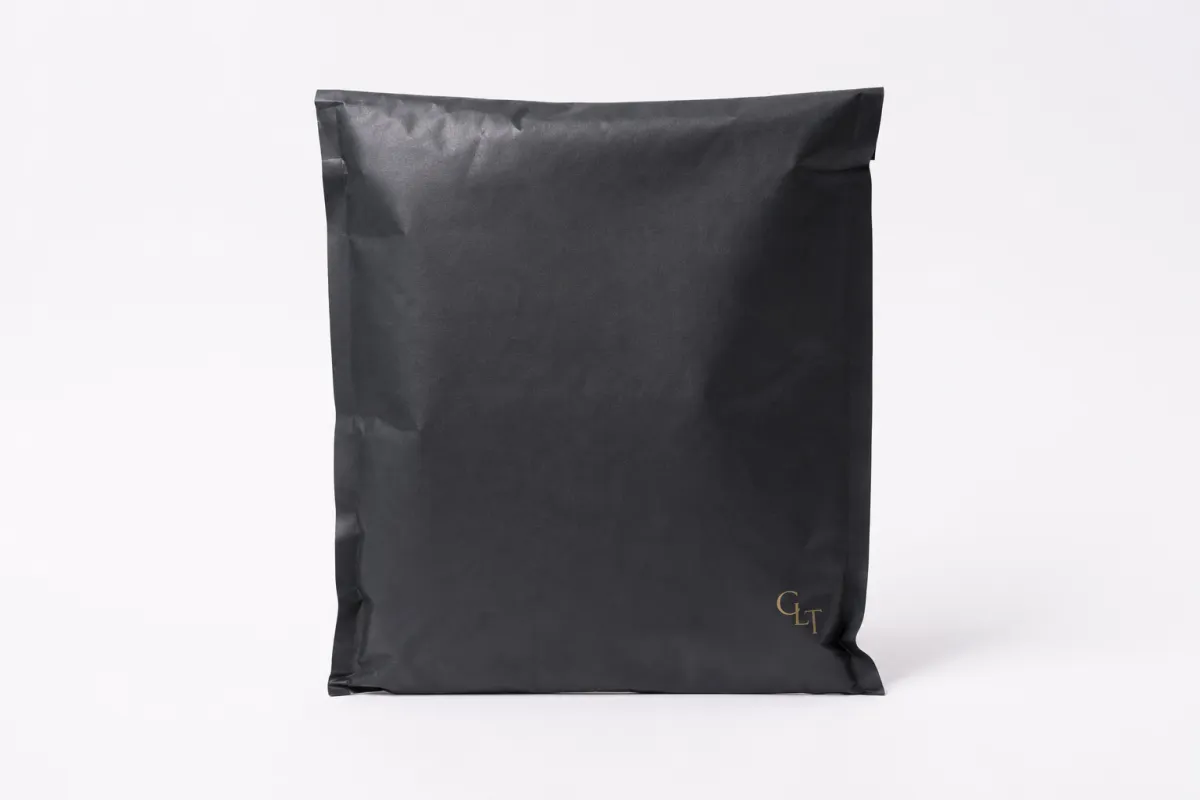
There is a reason so many brands circle back to mailing bags for ecommerce orders after trying other formats. Cost is part of it, though not always in the obvious way. A poly mailer reduces weight, yes, but it also trims hidden fulfillment costs: fewer folding steps, less tape, no dunnage, a smaller storage footprint, and faster pick-and-pack cycles. On high-volume apparel programs, those operational gains can outweigh a small gap in unit price between a mailer and a carton.
Soft goods fit mailers naturally. A folded T-shirt, a scarf, a sock set, or a subscription insert bundle usually does not need a rigid box. It needs protection from moisture, dirt, scuffing, and normal handling. That is the lane where mailing bags for ecommerce orders perform best. They are light, compact, and quick to use. They also store flat, which matters a great deal when a packing area has to support hundreds or thousands of SKUs without turning into a maze of packaging supplies.
Boxes still have a place. Cartons bring structure, crush resistance, and a cleaner fit for glass, hard goods, or a premium presentation. The tradeoff is extra tape, inserts, and more cube volume. A carton that is only a little oversized can push a shipment into a higher dimensional weight bracket, and that gets expensive fast. With mailing bags for ecommerce orders, the package usually stays closer to the product footprint, which helps keep billed weight closer to reality.
From a packaging buyer’s point of view, the best-fit categories are fairly predictable:
- Apparel such as tees, leggings, knitwear, and lightweight outerwear.
- Accessories such as hats, belts, soft bags, and small textile goods.
- Beauty items that are sealed, leak-controlled, and not fragile in transit.
- Subscription kits with flexible contents and repeat shipping patterns.
- Return-friendly products that benefit from a reseal strip or tear feature.
Tradeoffs still matter, and buyers should be plain about them. Mailing bags for ecommerce orders do not offer the same crush protection as a box. They are a poor fit for brittle components, ceramics, or products with sharp corners unless the item already sits inside a protective inner layer. For the right SKU mix, though, the balance is usually favorable: lower material spend, lower weight, and quicker fulfillment. That is a pretty strong combination when margin pressure is high and carrier rules keep tightening.
Industry groups such as packaging.org have long emphasized that package selection should match the distribution environment, not just the product photo. That idea is easy to overlook and expensive to learn the hard way. If your orders move through a typical parcel network with ordinary handling, mailing bags for ecommerce orders can be a sensible default for soft goods that do not need rigid structure.
The rest of the decision comes down to details: thickness, seal strength, print format, MOQ, and lead time. Those are the pieces that separate a decent supply choice from a frustrating one.
Poly Mailer Product Details: What You Actually Get
Most mailing bags for ecommerce orders are made from co-extruded polyethylene film. The technical term sounds heavier than the material really is. In practice, several film layers work together so the mailer can be tough on the outside and seal properly at the closure. A typical build includes an opaque outer layer for privacy, an inner seal layer, and a pressure-sensitive adhesive strip that closes once and stays shut during normal transit.
The adhesive strip deserves more attention than it usually gets. A weak seal wastes time on the packing line and can lead to open-package complaints later. A strong seal is useful, but it still needs to be easy for operators who are packing dozens or hundreds of orders each hour. Well-made mailing bags for ecommerce orders usually use a clean peel-and-seal closure with a protective liner, so the bag closes quickly and consistently. If the release liner fights the operator, you feel that pain every single shift.
Common construction choices
Buyers usually choose between plain stock bags, custom printed bags, clear-front styles, and dual-color or dual-sided designs. Plain stock bags are the fastest route when you need lower minimums and simple dispatch. Custom printed mailing bags for ecommerce orders make more sense when branding matters, especially for subscription brands, fashion labels, and DTC stores that want the shipping package to do part of the marketing work.
Clear-front styles help when a product code, barcode, or printed insert needs to remain visible. Dual-color mailers give a sharper interior contrast, which can improve privacy and appearance. For many brands, the real decision is not plain versus custom. It is whether the package should disappear into the shipping stream or reinforce the brand before the customer even opens it.
Performance features that matter
Three numbers matter more than decorative claims: tear resistance, puncture resistance, and seal integrity. Tear resistance shows how well the film resists ripping when it is pulled or snagged. Puncture resistance becomes important if the contents have corners, zips, or seams that could press against the film. Seal integrity is what keeps the package closed after drops, conveyor friction, and carrier sortation.
Testing can follow recognized references such as ISTA methods for transport performance. Some buyers also ask for film properties measured against ASTM tensile or elongation standards. That level of detail is not overkill when products are expensive, dense, or shipped at scale. It is a practical way to avoid preventable damage claims and avoid the kind of surprises that make everyone in operations sigh a little.
Sustainability deserves a careful answer. Polyethylene mailers are not usually curbside-recyclable in the same way as paperboard. Many need store-drop-off film recycling or a take-back route, and local rules vary. The EPA’s guidance on plastic film recycling is a useful reminder that end-of-life claims need context, not wishful thinking. See the agency’s notes on used plastic bags and wraps before making public statements on recyclability.
Documentation matters for exactly that reason. If a supplier says the film is recyclable, ask which stream applies, whether ink coverage affects the claim, and what proof supports the statement. Buyers of mailing bags for ecommerce orders should request the film gauge, resin type, closure specs, and any compliance paperwork before placing a serious order.
Optional details can make the bag easier to use. Return tear strips make it easier for customers to reseal or return an item. Double adhesive closures support outbound shipping plus return handling. Gusseted styles add room for bulkier folds, which is useful when one bag has to fit multiple sizes or layered garments. Each feature adds cost, yet the right feature can reduce complaints and make the bag work harder across a wider SKU mix.
For buyers browsing Custom Poly Mailers, the simplest mistake to avoid is focusing on print first and film second. A strong logo does not mean much if the bag splits at the seam or the seal peels open during sortation.
Mailing Bags for Ecommerce Orders: Sizes, Thickness, and Print
Size selection is where a lot of orders go wrong. Buyers often choose by product name instead of folded dimensions, and that is how a “medium” mailer becomes too tight for the second colorway or too loose for the smallest SKU. For mailing bags for ecommerce orders, the better method is to measure the folded product first, then leave just enough room for comfortable insertion and sealing without creating excess empty space.
A practical sizing rule looks like this: measure the folded width, height, and thickness of the packed item, then add a small allowance for movement and seal space. That allowance may be modest for a flat T-shirt and larger for a fleece hoodie or a bundle with inserts. Oversizing wastes material and can create a sloppy customer experience. Undersizing increases packing friction and raises the odds of bag stretch, seam stress, or seal failure. If the fit is off, you are gonna feel it at the packing station within the first few cartons.
Thickness: microns and mils without the fluff
Film thickness is usually specified in microns or mils, depending on the supplier. Light-duty mailing bags for ecommerce orders may start around 50 to 60 microns, which can work for lighter garments and lower-risk shipping lanes. Mid-range bags often sit in the 60 to 80 micron zone. Heavier or more demanding applications may move to 80 to 100 microns or more, especially when the contents are bulky, dense, or have sharper edges.
The part that matters most is simple: thicker is not always better. A bag that is too heavy can raise cost with no meaningful performance gain, and overly stiff film may be harder for warehouse teams to pack quickly. The right thickness is the one that survives your carrier environment, seals well, and fits the product cleanly. Samples matter more than generic recommendations.
For brands building a packaging lineup across multiple product groups, it often helps to split sizes into three buckets: slim, standard, and bulky. Slim bags handle flat apparel, standard bags cover most daily orders, and bulky bags manage hoodies, towels, or bundled sets. That approach keeps purchasing clearer and reduces the number of SKUs your team has to manage.
Print decisions that affect both branding and cost
Print is where many brands overcomplicate the order. A clean one-color logo on mailing bags for ecommerce orders often does more than a crowded artwork pattern that drives up setup cost and slows production. One-color print is usually the best starting point if you want branding without overcommitting to a large run. It keeps the package recognizable, controls cost, and preserves visual consistency across product lines.
Full-coverage print can look strong, especially when the mailer itself becomes part of the brand identity. It is also more demanding on ink coverage, registration, and cost. Interior printing sometimes appears as a surprise detail or a way to protect privacy with a branded pattern, but that feature only works if it improves the experience rather than simply adding expense.
Artwork placement deserves more attention than it gets. A logo printed too close to the seal can warp when the adhesive is closed. A large pattern that wraps awkwardly around the bag can misalign at the seam. A good supplier should flag those problems before production, not after.
For brands still testing demand, samples are not optional. Request a plain sample, a printed proof sample if possible, and then test them with actual products. Pack a few units, shake them, drop them lightly, and store them in a warm room to see whether the seal stays reliable. If your team catches a fit issue before a volume order, that saves money right away.
It also helps to compare format choices in one view:
| Option | Best For | Typical MOQ | Indicative Unit Cost | Main Tradeoff |
|---|---|---|---|---|
| Plain stock mailers | Fast reorders, low-SKU operations | 500-1,000 units | $0.12-$0.28 | Less branding impact |
| One-color custom print | Apparel, accessories, DTC brands | 3,000-5,000 units | $0.18-$0.40 | Artwork setup and proofing |
| Full-coverage custom print | Strong brand presentation | 5,000-10,000 units | $0.24-$0.55 | Higher print and prep cost |
| Gusseted or heavier-film mailers | Bulky garments and mixed bundles | 3,000-5,000 units | $0.22-$0.48 | More material and freight weight |
Those figures are reference ranges, not a quote. Actual cost depends on size, thickness, print coverage, color count, and freight. Even with those variables, the pattern is easy to see: as volume rises, mailing bags for ecommerce orders can become materially cheaper than cartons because they reduce both packaging spend and packing labor.
Buyers who want to keep the process simple can use internal guidance pages like FAQ to answer common setup questions before requesting formal pricing. That small step usually cuts back-and-forth and speeds up quote accuracy.
Pricing, MOQ, and Unit Cost
Pricing for mailing bags for ecommerce orders comes down to a handful of variables, and most buyers can influence more of them than they realize. Size is the first one. Larger bags use more film and more ink coverage. Thickness is the second. A heavier gauge means more resin. Print coverage follows, along with the number of colors, special finishes, packing format, and the shipping lane you choose.
MOQ, or minimum order quantity, is not just a supplier rule. It reflects setup economics. A plain stock bag can carry a lower minimum because it needs little or no printing setup. A custom printed order requires plates, film prep, color matching, and machine time, so the MOQ rises. Special finishes and multiple print colors usually push it higher still. That is normal. The real question is whether the MOQ matches your sell-through rate.
Here is the uncomfortable truth: the cheapest quote is not always the lowest landed cost. A bag can look inexpensive on paper and still cost more once freight, damage, and wasted labor are counted. If your team spends extra time adjusting an undersized bag or rejecting weak seals, the “cheap” option gets expensive fast. For mailing bags for ecommerce orders, total cost should include the bag, freight, waste rate, and packing time.
The right comparison is not unit price versus unit price. It is landed cost versus landed cost.
To get an accurate quote, give the supplier specific information. Dimensions should be listed as internal pack dimensions or the actual folded item size, not only the product’s retail size. Quantity should reflect the first run and any likely reorder volume. Artwork status matters too: ready-to-print files shorten the process, while rough logos or missing dielines add time. Shipping destination and target delivery date matter just as much because freight and production scheduling can move the final landed cost.
For brands that plan to reorder often, repeat-order pricing can become far more favorable than the first run. Setup cost is spread over more units, proofs are already approved, and the supplier has a known spec to follow. That is where custom mailing bags for ecommerce orders often become more efficient over time than one-off packaging purchases.
The buying pattern usually looks like this: first order, higher setup cost; second order, lower friction; third order, repeatable procurement. Once a package is standardized, the organization gains speed. That speed matters because it reduces decision fatigue and keeps the warehouse from improvising with mismatched packaging.
Working through a Wholesale Programs page can help buyers understand where volume breaks may sit before they ask for a formal quotation. If your monthly usage is unstable, a slightly higher MOQ may still make sense if it gives a better per-unit price and fewer reorders. If sales are still being tested, a smaller first run may be the safer choice even when the unit cost is a bit higher.
For mailing bags for ecommerce orders, the cleanest pricing conversation usually happens when the buyer brings five facts to the table:
- Exact bag size or product dimensions.
- Target thickness or use case.
- Print requirement, including color count.
- Quantity for the first run and the likely reorder cadence.
- Shipping destination and launch date.
That list is simple, but it removes most of the guesswork. Guesswork is expensive.
Production Process and Lead Time
The production flow for mailing bags for ecommerce orders is usually straightforward, but it still breaks in predictable places. It begins with specification review, where the supplier confirms size, thickness, closure type, print method, and any special features. Next comes artwork checking. Then proof approval. Then manufacturing, quality control, packing, and dispatch. If one stage slips, the whole timeline moves.
Stock items are the fastest path because the film and format already exist. Custom printed orders take longer because printing setup and proofing are added to the schedule. Special films, gusseted styles, or multiple print colors can add more time. In practice, buyers should expect stock bags to move much faster than custom mailing bags for ecommerce orders, and custom jobs to vary depending on artwork readiness and order complexity.
Where delays usually happen
Artwork is the most common delay. Missing dielines, low-resolution logos, and unclear color references can turn a simple proof into a long exchange. Another frequent issue is sizing by assumption rather than by sample. A bag that looks right on screen may be too short for the folded hem of a hoodie or too wide for a small accessory. When buyers approve before testing, the mistake shows up later in production or receiving.
Color expectations can also create friction. Screen and print do not always match perfectly, especially with small logos or thin line work. If brand color precision matters, ask for a physical proof or a clear reference to a color system and tolerances. It is better to settle this before production than to argue about it after a thousand bags are packed.
For mailing bags for ecommerce orders, a realistic planning window often includes time for revisions, production, and shipping buffers. A quote may say one thing; delivery date depends on freight mode, customs routing if applicable, and how fast the proof is approved. That is why launch planning should start early. A product drop, seasonal spike, or promotional push can tighten the timeline faster than the packaging team expects.
If the order is time-sensitive, say so up front. A supplier can sometimes suggest an alternate size, a simpler print spec, or a stock-first approach that keeps the launch on schedule. That kind of advice is valuable because it trades perfection for certainty, which is often the smarter move.
Before production begins, a good buyer will confirm four things:
- The final spec matches the product sample.
- The proof matches the brand file and seal placement.
- The MOQ fits the forecast.
- The delivery window includes buffer time for freight.
That process is not bureaucracy. It is insurance against a packaging miss that can ripple through fulfillment for weeks. Good mailing bags for ecommerce orders should arrive ready to use, not ready to troubleshoot.
Why Choose Us for Mailing Bags for Ecommerce Orders
For buyers comparing suppliers, the biggest advantage is not flashy promises. It is consistency. At Custom Logo Things, the value should come from matching the agreed spec, holding that spec through production, and reducing the number of surprises between sample approval and final delivery. That matters with mailing bags for ecommerce orders because even small deviations in seal strength, film gauge, or print placement can create headaches at scale.
A supplier that understands ecommerce operations should think beyond the packaging sheet. It should understand pack speed, reorders, SKU variation, and the pressure of launch windows. That perspective changes the conversation. The best supplier is not only quoting film and print. It is helping the buyer avoid waste, lower labor, and keep the fulfillment line moving.
Customization depth matters too. Brands often need several bag sizes across a product range, and those sizes may need different thickness levels or print treatments. A good sourcing partner should support that structure without making the buyer manage five unrelated packaging vendors. That simplicity lowers administrative friction, especially for teams running both DTC and wholesale channels.
What quality control should look like
For mailing bags for ecommerce orders, quality control should be easy to explain and hard to fake. Seal testing should confirm that the adhesive closes cleanly and stays shut under normal handling. Print alignment should verify that logos are centered and legible. Lot consistency should ensure that reorders match the approved sample closely enough to keep the brand presentation stable. Those checks are practical, not cosmetic.
Good control also means speaking plainly about tolerances. No supplier can promise perfect uniformity in every run, but it should be able to define what a normal tolerance looks like and what falls outside acceptable limits. That transparency builds trust faster than vague language ever will. For a packaging buyer, clarity beats enthusiasm.
When a brand starts scaling, standardization becomes a real advantage. Using a consistent family of mailing bags for ecommerce orders across multiple products can simplify purchasing, reduce training time for warehouse staff, and cut the number of last-minute substitutions. That is why repeatability matters as much as appearance.
If you are trying to balance cost and control, the best strategy is usually a mix: stock sizes for core replenishment, custom printed options for hero SKUs, and a clear reorder plan for peak periods. That kind of structure keeps packaging from turning into a monthly fire drill.
Put simply, a good supplier should help you answer three questions quickly: Does it fit? Does it seal? Does it arrive on time? If the answer is yes, mailing bags for ecommerce orders become an efficient packaging tool rather than just another procurement line item.
Next Steps to Order the Right Poly Mailers
The easiest way to buy mailing bags for ecommerce orders well is to start with data, not guesswork. Gather folded product dimensions, estimate monthly volume, and decide whether the bag needs to be plain or custom printed. That alone removes a large share of avoidable back-and-forth. If your SKUs vary, separate them into groups so you can match each item to the right bag family instead of forcing one size to do everything.
After that, request samples. Fit the actual product, not a dummy. Check whether the seal feels secure, whether the film survives handling, and whether the exterior stays opaque enough for shipping privacy. If you plan to use mailing bags for ecommerce orders in a busy warehouse, ask the team that will pack them to test the sample. The people on the line often catch usability issues faster than anyone in procurement, and they usually say it with less sugarcoating too.
Then confirm three business details before artwork approval: MOQ, pricing tiers, and lead time. If the quote is attractive but the MOQ is too high for your current sell-through, the order may become awkward inventory. If the lead time is too long, the package will miss the launch window. If the artwork is not final, the proof cycle may slow everything down. The point is to lock the commercial terms before the creative detail turns into the bottleneck.
It also helps to build a reorder buffer. Fast-growing ecommerce brands often underestimate how quickly a best-selling SKU can burn through packaging. A simple safety stock can protect you from stockouts during promos, holidays, or a surprise sales spike. That is especially useful for mailing bags for ecommerce orders because a packaging shortage can stop fulfillment even when the products are sitting in the building.
Here is the working sequence I recommend:
- Measure the packed product and choose the bag size.
- Select the thickness based on product weight and carrier handling.
- Decide on plain stock or custom print.
- Request samples and test fit in the warehouse.
- Confirm MOQ, unit cost, freight, and delivery timing.
- Approve artwork only after the proof matches the plan.
That process is simple, but it avoids most of the expensive mistakes buyers make. The brands that do this well treat packaging as an operating system, not a decorative afterthought. That is why their mailing bags for ecommerce orders perform better in the warehouse and look better at the customer’s door.
For teams that want a clean starting point, mailing bags for ecommerce orders should be selected, sampled, quoted, and scheduled before launch. Pick the folded product size first, test the bag with the people who will actually pack it, and lock thickness, MOQ, and lead time before artwork approval. Do that in order, and you usually end up with a package that fits the product, supports the brand, and keeps shipping costs in check. That is the real win.
How do mailing bags for ecommerce orders compare with boxes?
Mailers are usually faster to pack and lighter to ship, which can cut labor and freight cost for soft goods. Boxes are better when the product needs crush protection, rigid structure, or a premium unboxing format. For apparel and other flexible items, mailing bags for ecommerce orders often deliver the better total cost per order.
What thickness should I choose for mailing bags for ecommerce orders?
Lightweight garments often work in thinner film, while heavier products need a stronger gauge or mil thickness. Ask for a sample test with your actual product, because fit and puncture resistance matter more than a generic spec sheet. If the bag will move through rough carrier handling, choose a stronger film and wider seal margin for your mailing bags for ecommerce orders.
Can mailing bags for ecommerce orders be custom printed?
Yes, most poly mailers can be custom printed with a logo, brand pattern, or simple one-color message. Print coverage, color count, and artwork complexity affect both cost and lead time. Request a proof before production so logo placement and color expectations are confirmed early for mailing bags for ecommerce orders.
What MOQ should I expect for custom mailing bags?
MOQ depends on size, film type, and print method, so custom runs usually start higher than stock bags. Plain mailers typically have lower minimums, while multi-color or special-finish orders often require larger quantities. If you are testing a new SKU, ask for sample packs or a smaller first run before committing to full volume.
How fast can you produce mailing bags for ecommerce orders?
Stock items can ship quickly, while custom printed orders need time for proofing and manufacturing. Lead time is affected by artwork readiness, order size, and shipping distance. Share your launch date up front so the supplier can recommend the fastest workable production schedule for mailing bags for ecommerce orders.


