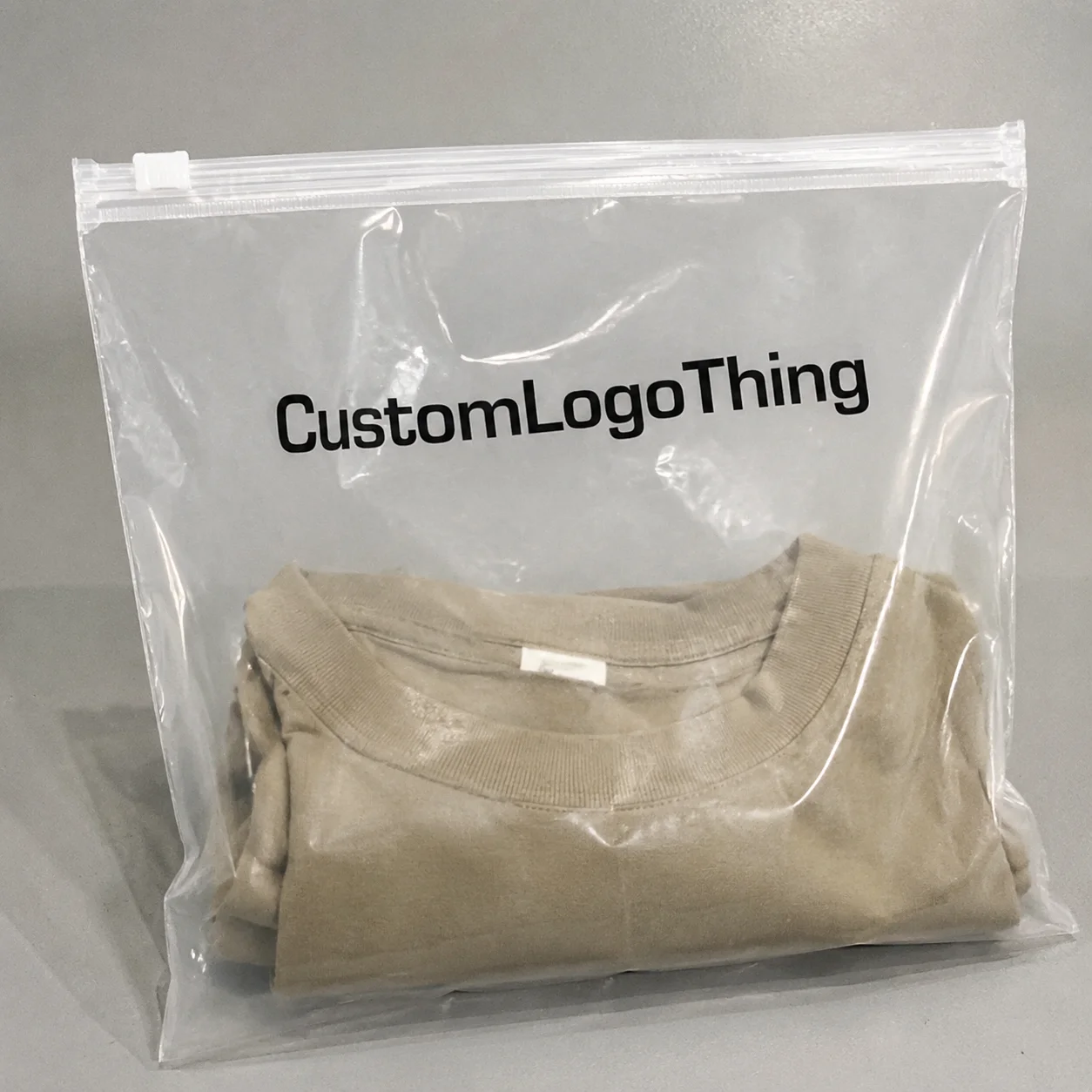
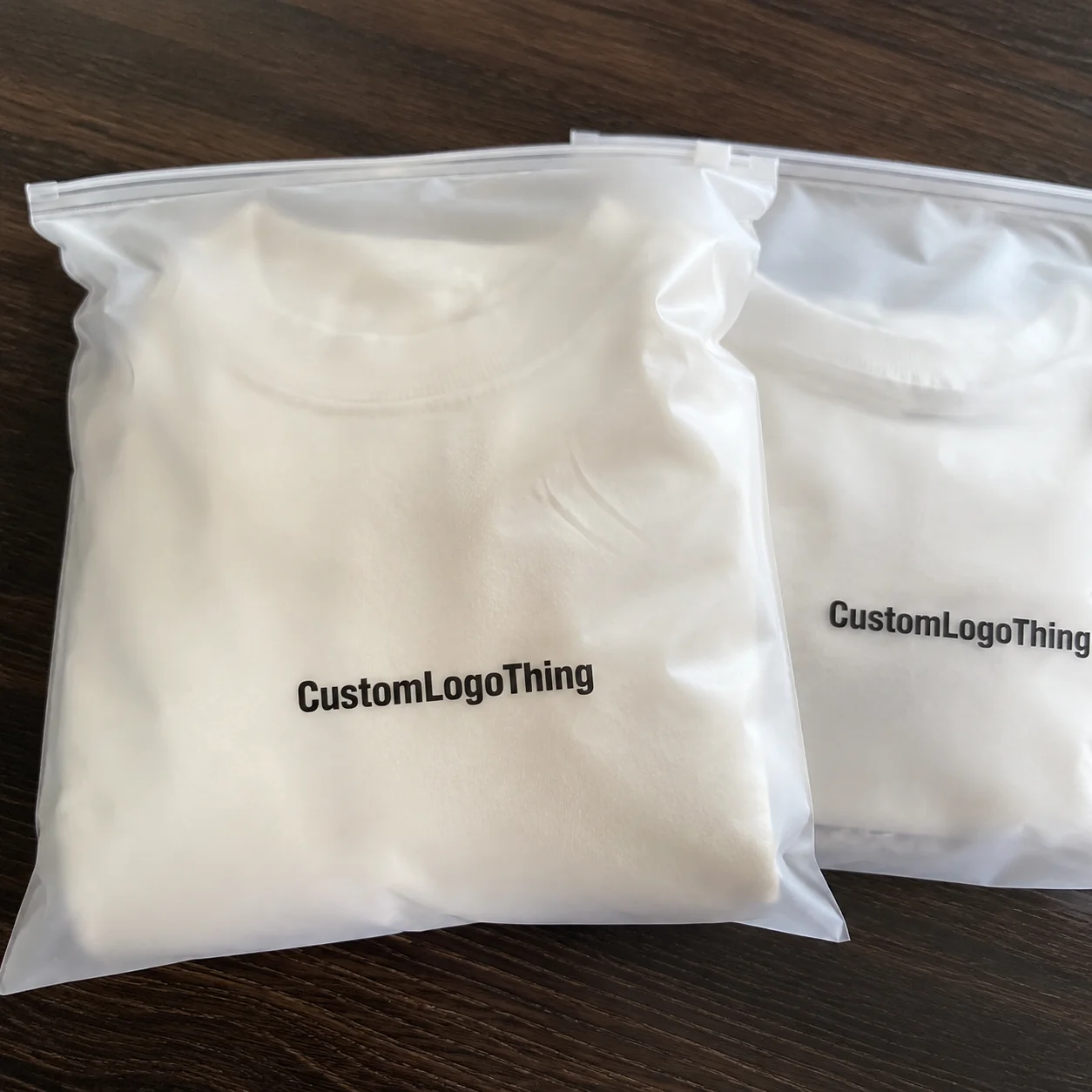
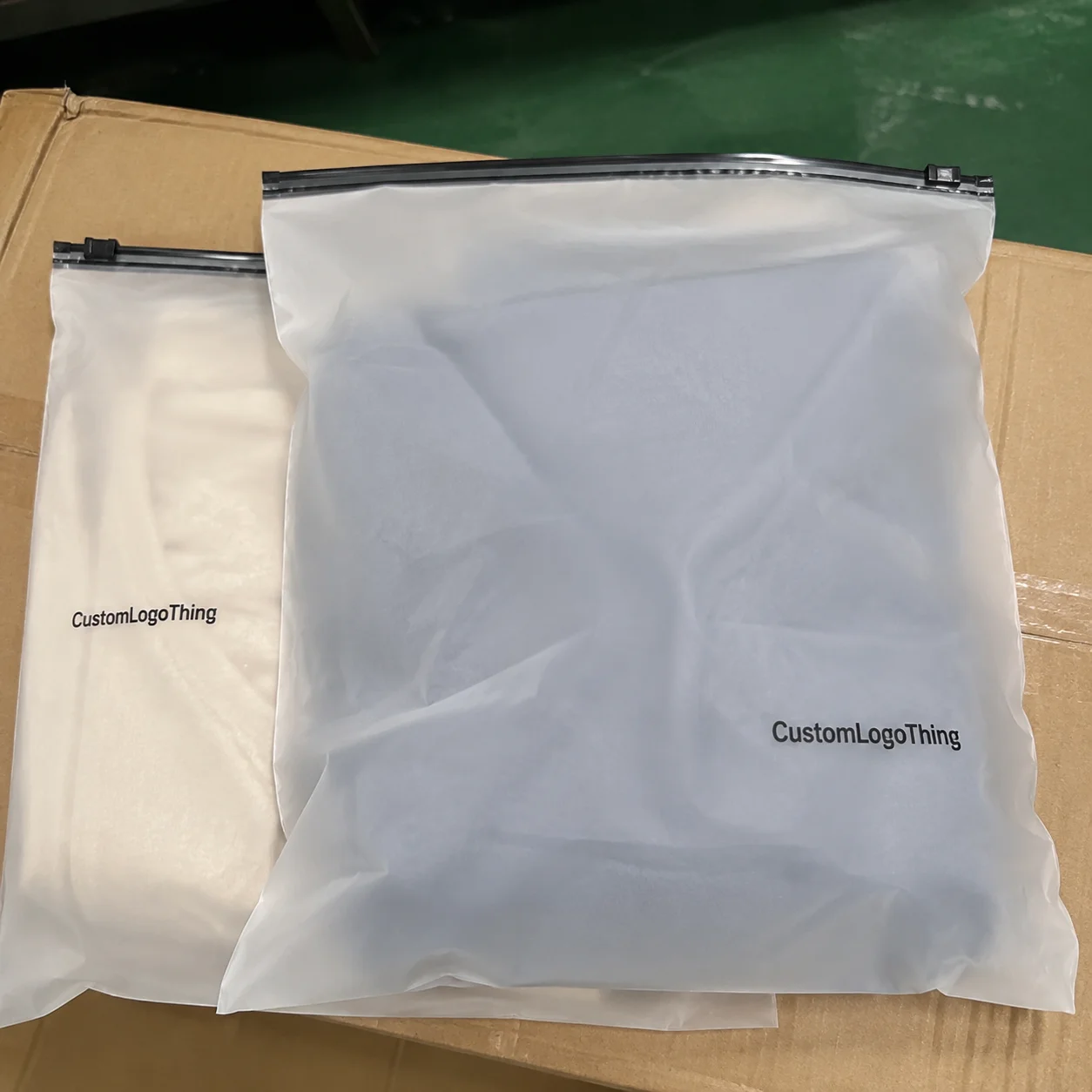
Skincare buyers often compare packaging choices that do very different jobs. A clear flexible bag may be evaluated against a folding carton, a rigid gift box, or even a basic poly mailer, and the right answer depends on product weight, shelf presentation, shipping conditions, and margin targets. For some kits, a PVC zipper bag makes the contents easier to see and handle; for others, a paper-based structure still makes more sense.
The practical question is not whether the package looks nice in isolation. It is whether the pack improves presentation enough to justify the spend, and whether the unit cost stays within the target for the channel. That is why buyers searching for PVC Zipper Garment Bags unit cost for skincare usually end up comparing material thickness, print complexity, minimum order quantity, and packing labor before they settle on a format.
For PR kits, travel sets, and promotional bundles, a zipper bag can deliver a clean, visible presentation without the extra components that come with a rigid box. For heavy primary packaging or products that need a more controlled barrier, it may be the wrong structure. The useful comparison is always fit, function, and landed cost together.
Why skincare brands compare PVC bags against box packaging
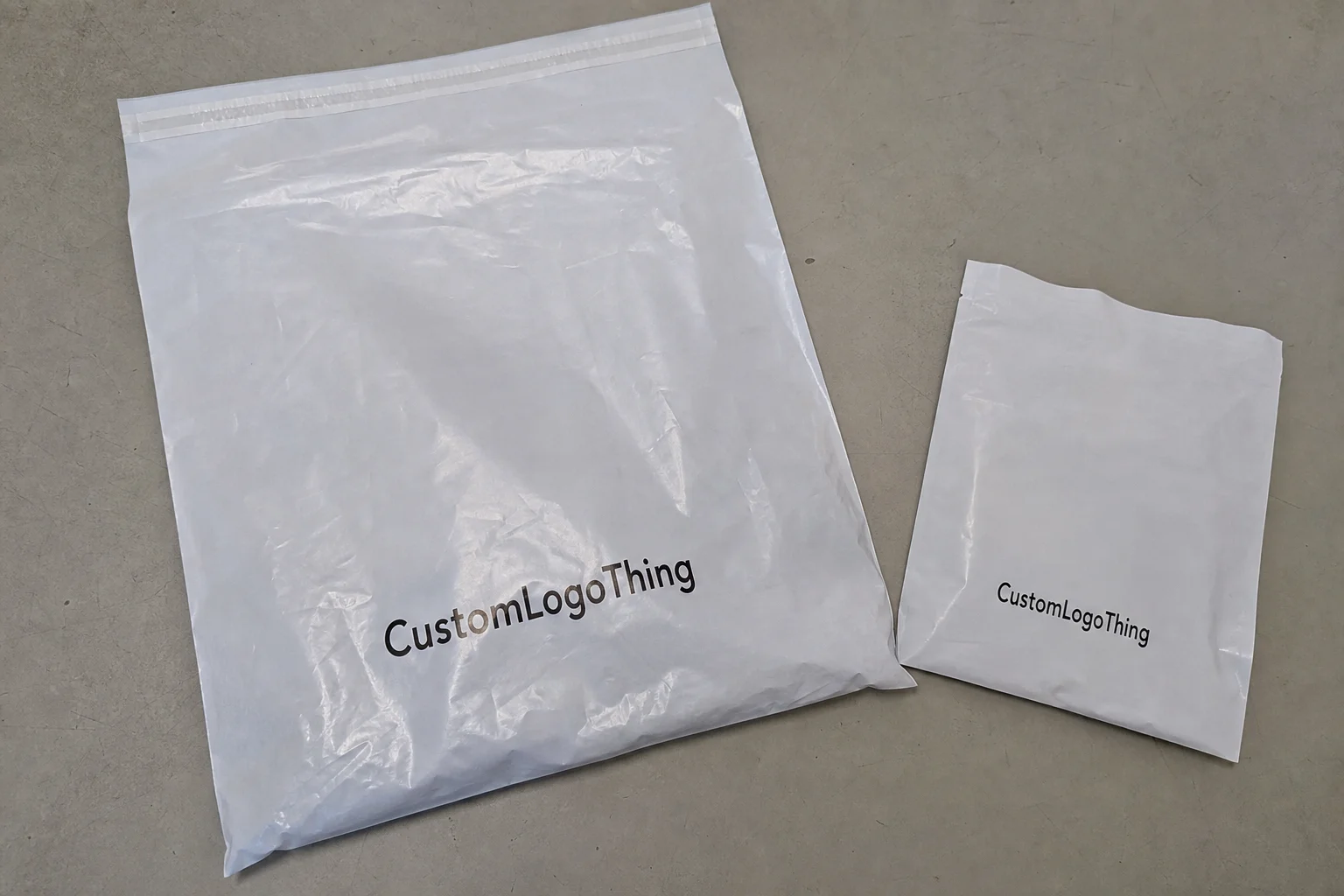
Many skincare teams use garment-style zipper bags as secondary packaging rather than as the product’s final protective layer. That distinction matters. A bag that shows the contents clearly, resists moisture, and keeps a kit organized can do things a carton cannot do as efficiently. For products that are meant to be seen quickly on a counter, in a gift set, or in a content shoot, visibility has real commercial value.
There is also a cost pattern that surprises first-time buyers. A clear flexible bag can sometimes lower packaging spend while improving the perceived finish, especially when the alternative is a rigid carton with inserts, print, folding labor, and a more complicated pack-out sequence. That does not mean the bag is always cheaper. Larger dimensions, thicker film, custom printing, and heavier closures can move the price up faster than expected. But in many skincare programs, the balance between display and spend is attractive.
The most common use cases are easy to recognize:
- PR kits: neat presentation, quick visual recognition, and easy unboxing.
- Travel sets: basic moisture resistance and clear visibility for small bottles.
- Gift packs: a polished look without the weight of a rigid box.
- Subscription bundles: a secondary pack that keeps items together.
- Retail display: fast shelf identification and simpler handling at the point of sale.
These are the situations where pvc zipper garment Bags Unit Cost for skincare becomes a practical buying decision rather than a purely visual one. Buyers are really asking which format gives the most useful presentation per dollar, with the fewest risks in production and fulfillment.
What makes a PVC zipper garment bag work for skincare products
The construction is straightforward: a PVC body, a zipper closure, and either a flat format or a gusseted format. Some versions include a hanging tab, which is useful for retail display. Others use a boxed bottom or side gusset to create volume for bulkier sets. Those choices matter because they affect both the internal fit and the amount of material used.
Skincare brands like these bags because the contents remain visible. Transparent packaging helps merchandising, especially for bundles that include bottles, jars, tools, and sample items that should stay easy to inspect. If the kit includes three serum bottles or a cleansing routine with accessories, the buyer can understand the offer quickly without opening the pack. That can reduce handling and help the set present cleanly on a table or shelf.
Protection is limited, but useful for the right job. A zipper bag can provide dust resistance, basic splash resistance, and a tidy way to keep a set together inside a larger shipper. It is not a substitute for a shipping case or a certified barrier package, and it should not be treated that way. For secondary packaging, however, it often performs exactly as expected.
Customization options are broader than many buyers assume. Common options include logo printing, frosted or tinted PVC, zipper color matching, hanging features, handles, and simple internal pockets. The visual balance matters. Too much print or too many accents can make the bag look busy, while a restrained layout usually reads as more premium. In skincare, understated often works better than decorative overload.
There is one caveat worth keeping in view. PVC is generally best used as secondary packaging, and compatibility testing is wise when the contents include oils, strong fragrances, or sensitive actives. Different formulations can behave differently over time, particularly in warm storage. If transit performance is a concern, ask whether the packaging should be evaluated against common transport testing practices such as those referenced by ISTA: ista.org.
Core specifications that affect fit, durability, and appearance
Most pricing and quality issues begin with vague specifications. A bag can look suitable on a screen and still fail in use if the dimensions, thickness, or closure style are not matched to the actual products. Start with real measurements: bottle height, jar diameter, pump clearance, cap projection, and whether any item sits awkwardly because of its shape. Then decide if the set needs extra volume. If the kit is close to the limit, a gusset usually saves trouble later.
PVC thickness changes stiffness, weight, and cost. Thinner film is lighter and cheaper, but it can feel too soft if the set includes glass or metal. Thicker film improves shape retention and usually feels more substantial in hand, although it raises the unit cost and can make storage less compact. In many skincare programs, buyers compare 0.20 mm, 0.25 mm, and 0.30 mm options. That range is not a universal standard, but it is a practical starting point for quoting.
Key build choices that influence the quote
- Film clarity: crystal clear, frosted, or tinted PVC.
- Closure type: standard zipper, slider, or heavier closure hardware.
- Body style: flat, gusseted, hanging, or boxed-bottom construction.
- Branding: one-color print, multi-color print, or minimal logo placement.
- Reinforcement: stronger seams, edge binding, handles, or hanger details for heavier kits.
Those choices influence appearance in fairly predictable ways. A frosted finish hides fingerprints and light scuffs better than a perfectly clear surface. A matte look can feel more controlled and upscale in prestige retail. Tinted film supports brand color, but it usually adds setup and can complicate color matching. If the bag will sit beside premium skincare, the finish should match the channel. A budget-looking bag beside a clinical serum line can work against the product rather than help it.
Material smell and surface consistency also deserve attention. PVC formulations vary, and buyers sometimes underestimate how noticeable that variation can be when the bag is opened in a retail or gifting setting. If the bag will be handled repeatedly or stored with fragrance-heavy products, ask for samples and inspect both the odor and the surface finish before approving mass production.
| Spec choice | Typical effect on appearance | Typical effect on cost | Best use case |
|---|---|---|---|
| Clear standard PVC | Maximum visibility | Lowest | Sample sets, retail display, basic gifting |
| Frosted PVC | Cleaner, more muted premium look | Moderate increase | Prestige skincare, PR kits, branded bundles |
| Tinted custom PVC | Stronger brand color presence | Higher | Campaign packs, seasonal launches |
| Gusseted reinforced bag | Holds shape better with bulkier items | Higher | Glass bottles, multi-item sets, tools |
PVC zipper garment bags unit cost, pricing, and MOQ
This is the section buyers usually care about most, because the answer lives in a few predictable variables. The PVC Zipper Garment Bags Unit cost for skincare is driven by material thickness, bag dimensions, zipper quality, print coverage, labor, and packing format. If any one of those changes, the price can shift quickly. Bigger bags use more film. Thicker bags use more material. More print colors add setup. Better hardware adds cost. Manual folding and packing add labor. None of this is complicated, but it is easy to miss when comparing quotes too quickly.
MOQ matters because setup charges and tooling costs are spread across the order quantity. A low-volume order almost always carries a higher cost per bag, even if the material is identical. For proper comparison, ask for pricing at 1,000, 3,000, and 5,000 units. Those tiers usually show where the curve starts to flatten. In many cases, the second or third tier offers the best balance between cash outlay and unit cost.
A quote is only useful if the buyer gives enough detail to make it real. At minimum, provide:
- Exact product dimensions or the target internal size.
- Preferred PVC thickness.
- Logo artwork and print position.
- Order quantity and expected re-order volume.
- Intended use: retail display, gifting, storage, or promotional kit.
That level of detail helps avoid a common problem: a low quote based on thinner film, simpler print, or a weaker zipper than the actual project needs. It also reduces revisions later, which can delay sampling and push back launch timing.
| Typical order style | Illustrative cost per piece | Quote risk | Buyer takeaway |
|---|---|---|---|
| Clear stock-style bag, low print, larger MOQ | About $0.18-$0.30 | Lower | Good for cost control if fit is standard |
| Custom logo, frosted PVC, mid-range MOQ | About $0.28-$0.48 | Moderate | Often the best balance for premium skincare kits |
| Gusseted bag, upgraded zipper, heavier film | About $0.40-$0.75 | Higher | Worth it when the set is bulky or visible quality matters |
Those ranges are illustrative rather than universal. Shipping, packing configuration, and production timing can shift them. Still, they are useful enough to keep a conversation grounded. The lowest quote is not automatically the best value if the zipper fails, the print looks weak, or the dimensions are off and the kit does not sit properly inside the bag.
Bulk pricing does not only reward large volume. It can also reward simpler specs. Removing one print color, switching from tinted to clear film, or reducing gusset depth may save more than buyers expect. That is why line-by-line comparison matters. The spec sheet often explains more than the headline price.
Lead time and production steps from sample approval to shipment
The production sequence is standard: inquiry, specification review, artwork confirmation, sample production, approval, mass production, inspection, and packing. What changes from order to order is the amount of revision inside each step. A stock-style build with a simple logo moves faster than a custom finish that needs special film, a new zipper, or revised dimensions.
Lead time depends on material availability, print complexity, sample revisions, capacity, and the shipping method chosen. Once artwork is approved, a straightforward order may move into production fairly quickly. A more customized program needs more buffer because sample adjustments and material sourcing take time. For simple jobs, many buyers plan around 12-15 business days from proof approval before adding transit. More complex orders need extra room.
The scheduling mistake that causes the most friction is finalizing artwork before the bag size is settled. If the dimensions change later, logo placement may need to move, and in some cases the tooling has to be adjusted as well. That is how avoidable setup charges appear late in the process. Confirm the internal dimensions first, test fit the actual skincare items, and then lock print.
Good timeline management also means allowing time for sample review, inspection, and shipping delays. A launch calendar usually leaves little room for a second sample cycle. The more precise the first specification sheet is, the easier it is to keep the order on schedule and the less likely the program is to stall on a small but expensive correction.
How we keep quality consistent on repeat skincare orders
Repeat orders are where packaging either proves reliable or starts to drift. Skincare brands need the same clarity, the same seam strength, and the same print placement across launch runs, replenishment orders, and seasonal editions. Even a small change in color tone or zipper feel becomes visible when the bag sits next to previous production. In a retail or gifting setting, inconsistency is not a minor defect. It is a visible cost.
Consistency starts before production. Film should be checked for clarity, thickness tolerance, odor, and surface defects. During the run, teams need to verify seam strength, zipper cycling, print alignment, and overall appearance against the approved sample. At the end, random inspection should confirm dimensions, carton count, and packing condition. These checks are basic, but they are the difference between an order that ships cleanly and one that creates rework.
Documentation matters just as much as the physical check. Approved artwork, retained samples, and past production records reduce variation on reorder. If a brand comes back six months later wanting the same bag, the earlier sample and spec sheet should make that possible without guesswork. That also helps keep pricing stable, because the quote can be anchored to a known build instead of a fresh interpretation.
“The cheapest bag is rarely the cheapest program if the zipper fails or the print shifts. A slightly higher quote with stable quality control usually costs less by the third reorder.”
That is the real economics of repeat skincare packaging. Fewer defects. Fewer delays. Fewer replacements. Fewer arguments over whether the new run matches the old one. Those savings do not show up in a single unit price, but they matter to margin just the same. If the bag performs consistently, the buyer can forecast unit cost more accurately and protect the program from hidden loss.
Next steps to request an accurate quote and move forward
To get a quote that can actually be used, prepare a spec sheet before the inquiry goes out. Include product dimensions, target quantity, logo file, preferred finish, and delivery deadline. If the bag must fit boxed skincare sets or glass containers, ask for a sample or photo proof before the full run. That small step often prevents a fit mistake that would otherwise be expensive to correct.
It also helps to compare two versions side by side. One should be the most cost-conscious spec. The other should be the upgraded version for premium presentation. That comparison usually makes the tradeoffs obvious. Sometimes the premium version is worth the extra spend because it changes the perceived value of the kit. Sometimes it only adds decoration. A careful buyer can tell the difference quickly.
Before approving the order, confirm carton count, shipping terms, and re-order conditions. Those details affect landed cost, not just the factory quote. A low price with weak packing assumptions or awkward shipping terms can erase the savings. If you are comparing vendors, ask for tiered bulk pricing so the savings curve is visible from the beginning.
For Custom Logo Things, the useful next step is simple: send the spec sheet, request tiered pricing, and approve the sample before mass production. That is the most reliable way to keep PVC Zipper Garment Bags unit cost for skincare predictable while preserving presentation quality and launch timing.
Frequently asked questions
What affects pvc zipper garment bags unit cost for skincare orders the most?
The biggest drivers are PVC thickness, bag size, zipper quality, print coverage, and order quantity. Custom colors or frosted finishes usually raise the unit cost compared with clear stock PVC. Lower MOQ orders carry more setup cost per bag, so tiered pricing is important.
Can pvc zipper garment bags hold bottled skincare products safely?
Yes, if the bag size and seam strength match the product weight and dimensions. Heavier glass bottles or multi-item kits may need thicker PVC, reinforced seams, or a gusset. Always test fit with the actual packaging before mass production.
What MOQ should I expect for custom skincare zipper bags?
MOQ depends on the design, print method, and material specification. Simpler clear bags usually support lower quantities than fully customized printed versions. Ask for multiple pricing tiers to see where the unit cost becomes more efficient.
How long does production usually take after artwork approval?
Timing depends on sample approval, material availability, and order complexity. Simple builds move faster than custom finishes or special hardware requests. Allow extra time for sample review and shipping to avoid last-minute delays.
What information do I need to request an accurate quote?
Provide product dimensions, target quantity, logo artwork, thickness preference, and finish requirements. Share whether the bag is for retail display, gifting, storage, or promotional kits. Clear specifications help prevent price revisions and avoid fit issues later.