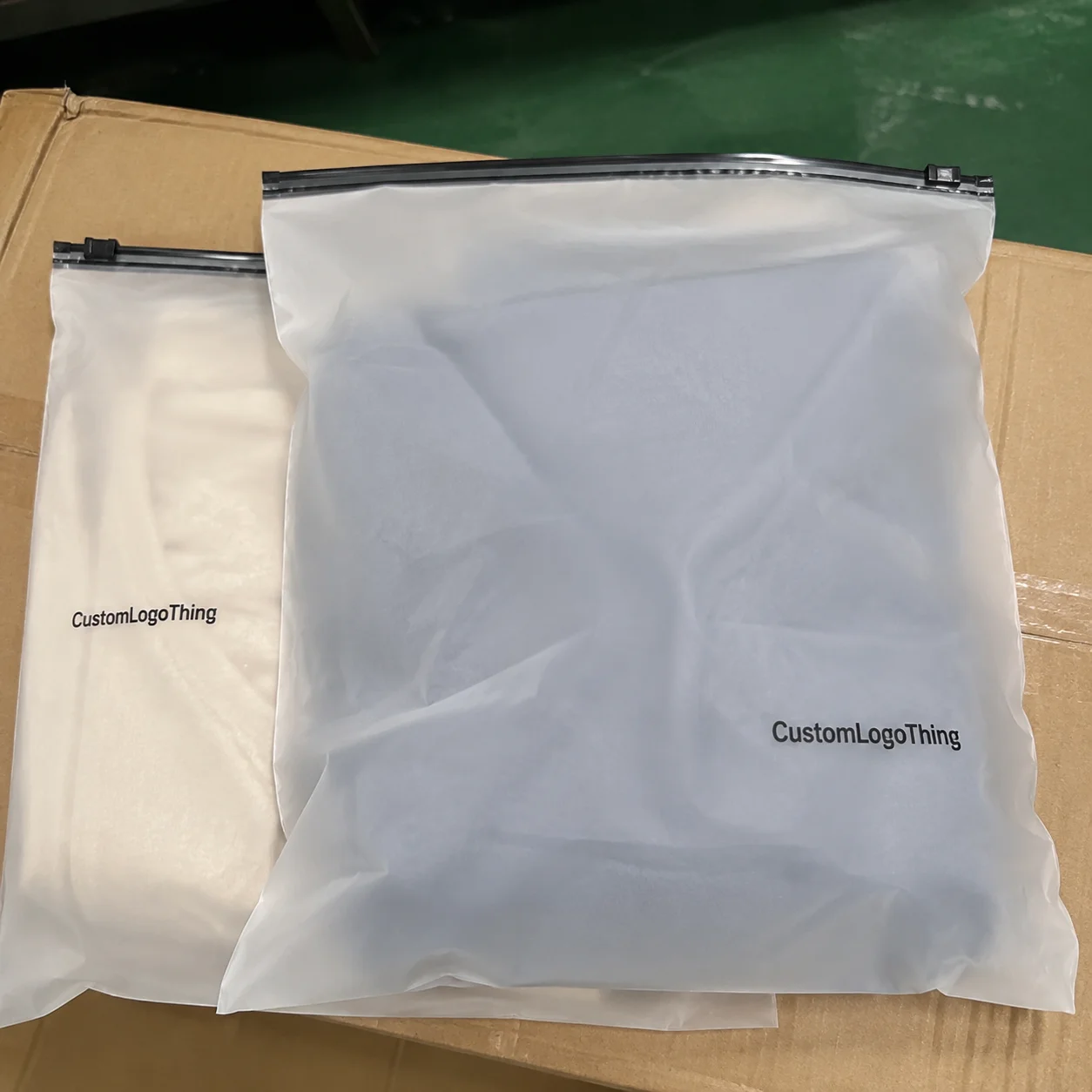
Matte Zipper Bags Unit Cost for Food: How to Quote the Right Pouch
Compare Matte Zipper Bags Unit cost for food packaging by size, film structure, print method, MOQ, finish, zipper type, and freight before requesting a custom quote.
Most Food Brands Overpay for the Wrong Bag First
Buyers asking about matte zipper bags unit cost for food usually do not need a prettier pouch first. They need the right size, film structure, barrier level, zipper style, and production quantity before anyone can price the job honestly.
The classic mistake is easy to recognize. A snack brand chooses a thick matte stand-up pouch because it “feels premium,” then discovers the filled bag is two inches too tall, shipping cartons are full of air, retail shelves look uneven, and the zipper is stronger than the margin. Very polished. Very expensive.
Matte zipper bags can do real work when specified correctly. They help food brands look retail-ready, protect freshness, reseal cleanly, and support a more premium shelf position without moving into jars, tins, or glass. A flexible pouch can also reduce storage volume, cut breakage, and make fulfillment less painful.
Unit cost is not one magic number. It is a stack of choices: pouch dimensions, film structure, barrier layer, printing method, matte finish, zipper type, gusset style, quantity, freight, and packing method. Change any one of those and the cost per piece can move.
Packaging buyer rule: if a supplier gives a firm custom pouch price without asking about product type, fill weight, barrier needs, and quantity, they are guessing. Guessing is free until production starts.
Custom Logo Things is built for buyers who want a usable quote, not a vague pricing range that collapses once artwork and film specs appear. Send real specs and the quote can be useful. Send “small pouch, matte, cheap,” and the next response should be follow-up questions. Annoying? Maybe. Necessary? Absolutely.
The sections below cover pouch options, material specs, pricing drivers, MOQ, sampling, timelines, common cost traps, and the information needed to quote custom Printed Matte Zipper food bags without forcing everyone through three rounds of avoidable rework.
What Matte Zipper Food Bags Actually Include
Custom Matte Zipper Bags are flexible pouches with a resealable zipper and a non-gloss surface. They are used for snacks, coffee, dried fruit, candy, pet treats, powders, granola, supplements, spices, and frozen or shelf-stable food when the film structure fits the product.
The bag style matters. A stand-up pouch with a bottom gusset is common for retail shelves because it displays well and gives the front panel enough room for branding, nutrition details, and regulatory information. A flat pouch or three-side seal bag works well for single-serve items, samples, lighter products, and packet-style applications. Side gusset bags suit coffee and larger dry goods. Shaped pouches are possible too, although custom tooling fees and higher MOQs often arrive with that fun little decision.
Matte finish is not one thing. Common options include full matte lamination, spot matte, soft-touch matte, and matte varnish. Full matte lamination gives a clean, premium look across the whole pouch. Spot matte can separate selected artwork areas from gloss or metallic elements. Soft-touch feels excellent in hand, but it costs more and may scuff more easily in rough distribution. Pretty surfaces still have to survive cartons, conveyors, pallets, shelves, and the occasional warehouse moment nobody wants photographed.
Zipper options affect both performance and price:
- Standard press-to-close zipper: common for snacks, candy, dried fruit, granola, and pet treats.
- Powder-resistant zipper: useful for protein powder, baking mixes, spices, and fine ingredients that can clog standard tracks.
- Child-resistant zipper: used for regulated products where controlled access is required.
- Heavy-duty zipper: better for larger fill weights, wide pouches, and products that will be opened and closed many times.
Food compatibility is non-negotiable. The inner layer should be food-contact safe, seal correctly on the buyer’s filling equipment, and match the product’s moisture, oxygen, oil, aroma, and shelf-life requirements. For general background, buyers can review the FDA’s food packaging and food-contact substance resources.
Add-ons can be useful, but every feature changes production. Tear notches, hang holes, rounded corners, clear windows, one-way degassing valves for coffee, laser scoring, easy-open features, and custom carton packing all affect cost or lead time. The cheapest bag is often the wrong bag if it leaks, wrinkles badly, cannot hold the fill weight, clouds the barcode area, or fails shelf-life testing.
Specifications That Move the Price More Than Buyers Expect
Size hits the price first. Larger bags use more material, but inefficient sizing also raises freight, carton count, warehouse space, and retail display problems. A 12 oz pouch that could have been 9 inches tall but becomes 11 inches tall because nobody checked fill volume is not premium. It is air with artwork.
Many food pouches use film thickness around 80 to 160 microns, depending on product weight, pouch style, barrier requirements, and shelf-life target. Light dried snacks may work on the lower end. Heavy granola, sharp-edged chips, pet treats, and bulk powders may need stronger films and wider seals. Not always. Product testing decides.
Material structure drives both performance and unit cost. Common structures include:
- PET/PE: a common structure for many dry food products that need print quality, strength, and reliable sealing.
- MOPP/PE: often used where a matte appearance and good print surface are desired.
- PET/VMPET/PE: a stronger barrier option using metallized film for oxygen, aroma, and moisture protection.
- Kraft/PET/PE: a natural paper look with plastic layers added for print support and seal performance.
- Nylon blends: useful for puncture resistance, tougher products, vacuum formats, or some frozen applications.
- Mono-material PE options: worth reviewing where recyclability goals matter, if the food product and filling equipment can support the structure.
Coffee, nuts, dried fruit, spices, powders, and greasy snacks do not all need the same barrier. Coffee needs aroma retention and often a valve. Nuts can turn rancid if oxygen protection is weak. Spices lose punch through poor barrier films. Greasy snacks can attack weak inner layers. Do not buy the same film for everything unless the product is also the same, and it usually is not.
Printing specs matter too. Number of colors, full-coverage ink, metallic effects, white ink underprint, Pantone matching, and print method all affect cost. Digital printing is usually better for shorter runs and SKU variety because it avoids plates and can handle smaller batches. Plate-based flexographic or gravure production can be more efficient for larger orders because setup charges spread over more units.
Confirm tolerance items early: seal width, zipper placement, bottom gusset depth, window position, fill-line clearance, barcode zone, heat-seal compatibility, and case pack. Ask for a dieline before final artwork. Otherwise the zipper, tear notch, and gusset may eat the logo. Packaging has teeth like that.
| Specification | Typical Range or Option | Cost Impact | Buyer Advice |
|---|---|---|---|
| Film thickness | 80–160 microns for many food pouches | Medium to high | Do not overbuild unless weight, puncture risk, distribution, or shelf life requires it. |
| Barrier layer | PET/PE, PET/VMPET/PE, nylon blends, mono PE | Medium to high | Match oxygen and moisture barrier to the actual food product. |
| Print method | Digital, flexo, gravure, other plate-based options | High | Use digital for lower MOQ or multiple SKUs; use larger-run methods for bulk pricing. |
| Matte finish | Matte lamination, soft-touch, spot matte, matte varnish | Low to medium | Soft-touch looks premium but can scuff more easily. |
| Zipper type | Standard, powder-resistant, child-resistant, heavy-duty | Low to high | Powders, larger fill weights, and regulated products may need specialty zippers. |
Matte Zipper Bags Unit Cost for Food: Real Pricing Drivers
Matte zipper bags unit cost for food depends on specifications and quantity. That sounds obvious, yet buyers still ask for one universal number. Here is the practical version: small custom runs have higher per-bag pricing, while larger production runs usually drop because setup, printing, film purchasing, and converting time are spread across more bags.
For many custom matte stand-up food pouches, a small run might land in a broad planning range such as $0.35–$1.20+ per bag, depending on size, barrier, print, finish, zipper, and shipping. Mid-size runs may move closer to $0.18–$0.55 per bag. Larger commercial runs can drop further, especially with efficient sizing and repeat artwork. These are planning ranges, not promises. A tiny sample pouch and a large high-barrier coffee bag with a valve are not cousins. They barely share a last name.
MOQ changes the math. Digital printing may support lower MOQs, sometimes around 500–2,000 pieces for certain formats, but the unit cost stays higher. Custom laminated high-barrier bags, gravure printing, specialty matte effects, or custom sizes may need 5,000–10,000+ pieces, and some projects push higher. Larger MOQs can strain cash flow, but they often create better bulk pricing.
Cost components usually include raw film, lamination, zipper, printing setup, plates or digital setup, ink coverage, matte finish, converting, quality inspection, cartons, packing labor, freight, duties, and rush fees. If a quote excludes shipping, compare carefully. Freight can make a “cheap” quote less cute very quickly.
Ask for pricing at 5,000, 10,000, 25,000, and 50,000 pieces when possible. The cheapest total order is not always the best unit cost. The lowest unit cost is not always the smartest buy either. If the SKU is unproven, the recipe may change, or the artwork is still being tested, paying more per bag on a lower run can be safer than sitting on 40,000 obsolete pouches.
Freight deserves its own line in the conversation. Pouches are light, but cartons take space. Wide gussets, loose packing, oversized bags, and air shipment raise landed cost. For transit testing expectations, especially if products move through parcel or retail distribution, buyers may find ISTA packaging testing resources useful.
The buying advice is simple. Testing a new SKU? Pay a little more for a smaller run and protect your cash. Reordering a proven item? Optimize size, film, case pack, and production quantity to lower the landed unit cost.
MOQ, Sampling, and Quote Details Needed Before Pricing
A quote gets accurate when the buyer provides real packaging data, not just “send price for pouch.” That request belongs in the same drawer as “make it pop.” Nobody misses that drawer.
For a clean quote on matte zipper bags unit cost for food, send these details:
- Bag style: stand-up pouch, flat pouch, three-side seal, side gusset, bottom gusset, or shaped pouch.
- Finished width, height, and gusset size, measured in inches or millimeters.
- Target fill weight, such as 2 oz, 8 oz, 12 oz, 1 lb, or 500 g.
- Product type, including oil level, powder fineness, moisture sensitivity, aroma sensitivity, and sharp edges.
- Shelf-life goal, such as 3 months, 6 months, 12 months, or longer.
- Film preference, if known, such as PET/PE, PET/VMPET/PE, kraft laminate, nylon blend, or recyclable PE.
- Matte finish type: standard matte, soft-touch matte, spot matte, or matte varnish.
- Zipper style: standard, powder-resistant, child-resistant, or heavy-duty.
- Print requirements: number of colors, full coverage, metallic effects, Pantone targets, or white ink.
- Window, valve, hang hole, tear notch, rounded corner, laser score, or special packing needs.
- Order quantity, delivery location, and target in-hand date.
Sampling can happen in stages. Blank stock samples help confirm size, hand feel, shelf presence, and fill volume. Printed proofs help check layout and approximate color. Pre-production samples are used for final approval on more controlled projects. Production samples pulled from the actual run show what shipped.
Artwork matters more than people want to admit. Provide vector logos, layered files, the correct dieline, bleed, safe zones, barcode size, nutrition panel placement, and color references. If the artwork is a flattened screenshot, somebody is going to have a bad afternoon.
Compare quotes using the same specs. A lower quote using thinner film, no barrier layer, vague material description, or a cheaper zipper is not really lower. It is a different bag. Ask for food-contact declarations, material information, and relevant test reports based on your sales market and product risk.
For buyers managing several flavors or sizes, SKU count changes the quote as well. Five flavors with the same pouch structure may be efficient if the printer can gang artwork or run digital print with controlled changeovers. Five different sizes, five different barriers, and five different zipper styles are a different production problem. Variety is wonderful on the shelf. It is less wonderful in setup math.
Production Process and Lead Time from Artwork to Delivery
The standard process is quote confirmation, dieline setup, artwork review, sample approval, material ordering, printing, lamination, curing, pouch converting, quality inspection, packing, and shipping. Skip a step and the calendar may look better. The packaging may not.
Timing depends on complexity, but practical ranges help. Quote and artwork review can take 2–5 business days when specs are complete. Sampling may take about 1–3 weeks, depending on film, print method, and finish. Full production commonly takes 3–6 weeks after approval. Ocean freight adds more time than air freight, but it usually costs less. Air freight protects launch dates and punishes budgets.
Matte laminated food bags are not instant because lamination and curing need time. Layers must bond properly, and residual odors need to dissipate. Rushing that step to satisfy a fantasy launch date is how packaging problems get manufactured.
Proofing checkpoints should include digital proof for layout, color target confirmation, finished size, zipper and tear notch position, window location, barcode readability, nutrition panel placement, and final production approval. If your co-packer uses automated filling equipment, confirm pouch dimensions and seal area before mass production. A pouch that looks good but jams the line is not good packaging.
Quality checks usually include print registration, seal strength, zipper function, lamination bond, odor review, dimensions, carton count, and random inspection before packing. ASTM test methods may be relevant for seal strength, coefficient of friction, and film performance depending on the product and distribution channel.
Rush production or air shipping may be possible, but expect higher cost and fewer revision windows. Lock packaging specs before printing labels, scheduling co-packers, buying retail display trays, or building shipper cartons. Packaging dimensions drive more downstream operations than most buyers think.
How to Choose a Supplier Without Getting Sold Fluff
A capable packaging partner should ask about product type, fill weight, shelf life, barrier needs, artwork, MOQ, timeline, and shipping destination before quoting. If the supplier jumps straight to a price without those inputs, the price is either padded or incomplete. Sometimes both. Cute trick.
Custom Logo Things supports Custom Food Packaging with spec review, multiple price breaks, sample options, artwork guidance, and production coordination from print approval through shipment. The goal is not to sell the thickest, fanciest pouch to every buyer. The goal is to match the pouch to the product, budget, and launch plan.
Manufacturing fit matters. A startup test run, a regional retail launch, and a national reorder need different production strategies. Digital printing may be right for the test run. A laminated high-barrier structure with stronger bulk pricing may make sense for the reorder. Reusing one strategy for every stage is lazy buying.
Watch for red flags:
- Instant custom pricing without specs.
- No discussion of barrier requirements.
- No dieline review before artwork approval.
- No sample path for size or fill testing.
- Unclear MOQ or vague material names like “premium plastic.”
- Quotes that ignore freight, duties, or packing assumptions.
- No explanation of setup charges, plates, tooling fees, or revision limits.
Confident sales sounds like direct tradeoffs. Thicker film costs more. Soft-touch matte looks better but may scuff. Lower MOQ costs more per unit. High barrier protects better but raises material cost. Spot effects can sharpen shelf appeal but add setup complexity. This is not drama. It is packaging.
Buyers should receive clear line items, estimated lead times, artwork requirements, approval steps, and what is included or excluded from the quote. If custom Printed Matte Zipper food bags are priced around real specifications instead of catalog guesses, the project has a better chance of staying on budget after proofing, production, and freight are added.
Next Steps to Get a Clean Quote and Avoid Rework
Requesting a quote is easy. Getting a quote that survives production is the real job.
Before asking for pricing, send the bag style, finished size, fill weight, product type, order quantity, artwork status, matte finish preference, delivery country or ZIP code, and deadline. If you do not know the technical bag style, send photos of the pouch front, back, side gusset, zipper area, and bottom gusset. A decent photo can save three rounds of guessing.
Ask for three price tiers instead of one: launch quantity, expected reorder quantity, and scale quantity. For example, request pricing at 5,000, 10,000, and 25,000 pieces, or at 10,000, 25,000, and 50,000 pieces for stronger volume planning. That shows the breakpoints and helps you decide whether the lower cost per piece justifies the inventory risk.
Request a dieline early. Confirm fill testing with your actual product. Check co-packer equipment before approving final production. Confirm heat-sealing temperature range, pouch opening width, and case pack requirements. Small misses here turn into expensive rework later.
Use this checklist before final approval:
- Confirm barrier structure and shelf-life target.
- Confirm zipper type and opening width.
- Confirm seal strength and heat-seal compatibility.
- Confirm artwork safe zones, bleed, barcode, and nutrition panel placement.
- Confirm matte finish type and scuff expectations.
- Confirm carton packing, case count, and pallet assumptions.
- Confirm freight method and delivery address.
- Confirm approval deadline and production schedule.
Late changes are not harmless. Changing size, material, finish, or artwork after proof approval can restart pricing, delay production, trigger extra setup charges, or make ordered materials unusable. Nobody enjoys paying twice for the same pouch decision.
For the most accurate matte zipper bags unit cost for food, send complete specs and target quantity so the quote reflects the bag you actually need, not the one someone guessed from a blurry photo.
FAQ
What is a realistic matte zipper pouch unit cost for food products?
Unit cost depends on size, film structure, print method, matte finish, zipper type, quantity, and freight. Small custom runs cost more per bag because setup charges, printing, and material ordering are spread across fewer units. Ask for tiered pricing at several quantities so you can see where the unit cost drops enough to justify a higher MOQ.
What MOQ should I expect for custom matte zipper bags for food?
MOQ varies by printing method and material structure. Digital printing can support lower MOQs for some matte Resealable Food Bags, often with a higher unit price. Custom laminated, high-barrier, custom-size, or specialty finish bags typically require higher MOQs, especially if plates, tooling fees, or custom film purchasing are involved.
Do matte zipper food bags need a high-barrier film?
Not always. The right barrier depends on the food product, shelf-life goal, moisture sensitivity, oxygen sensitivity, aroma retention, and oil content. Coffee, nuts, spices, dried fruit, powders, and greasy snacks often need stronger barrier protection than short-life dry goods. Saving pennies with the wrong film can cost much more through stale product, leaks, or returns.
How long does production take for printed matte zipper food bags?
Timeline depends on artwork readiness, sampling, material availability, print method, production queue, and shipping method. Expect separate time for proofing, sampling if needed, printing, lamination curing, converting, inspection, packing, and freight. Rush options may be available, but they usually increase cost and reduce flexibility for revisions.
How do I get the most accurate quote for matte resealable food bags?
Send bag dimensions, style, fill weight, product type, film or barrier needs, matte finish type, print requirements, quantity, delivery location, and deadline. Include artwork files or request a dieline before final design. If you do not know the specs, send photos or a sample bag so the supplier can identify the structure before quoting.