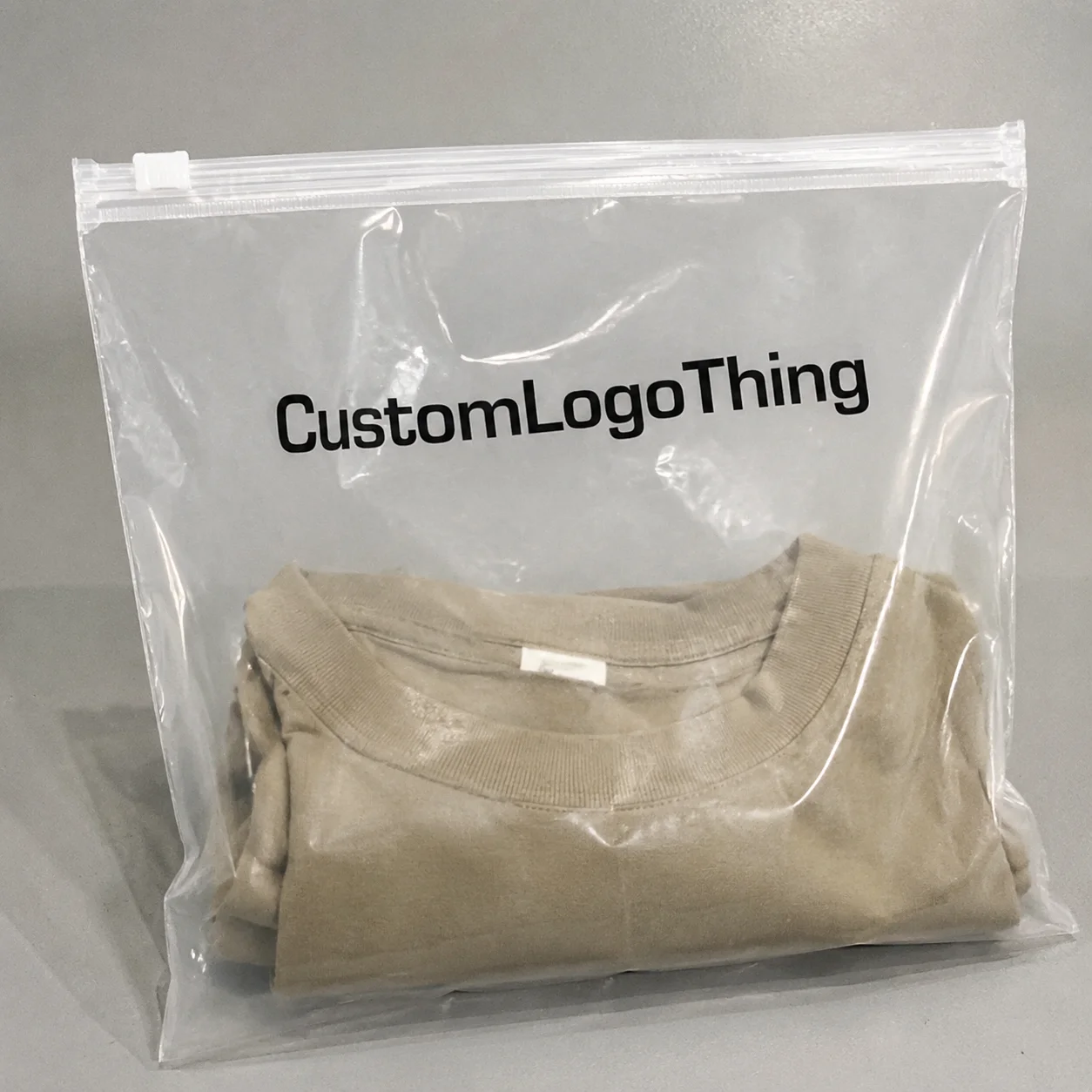
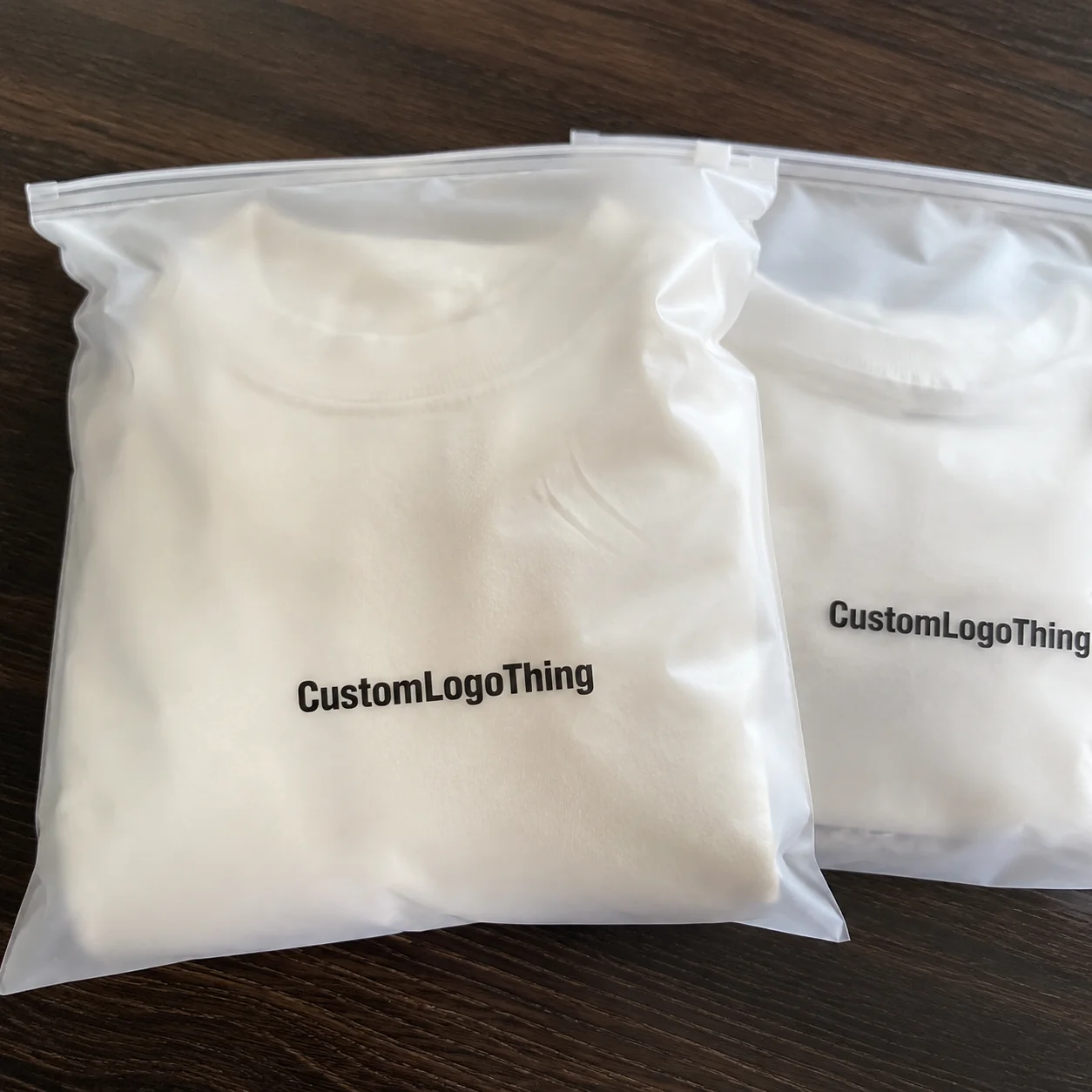
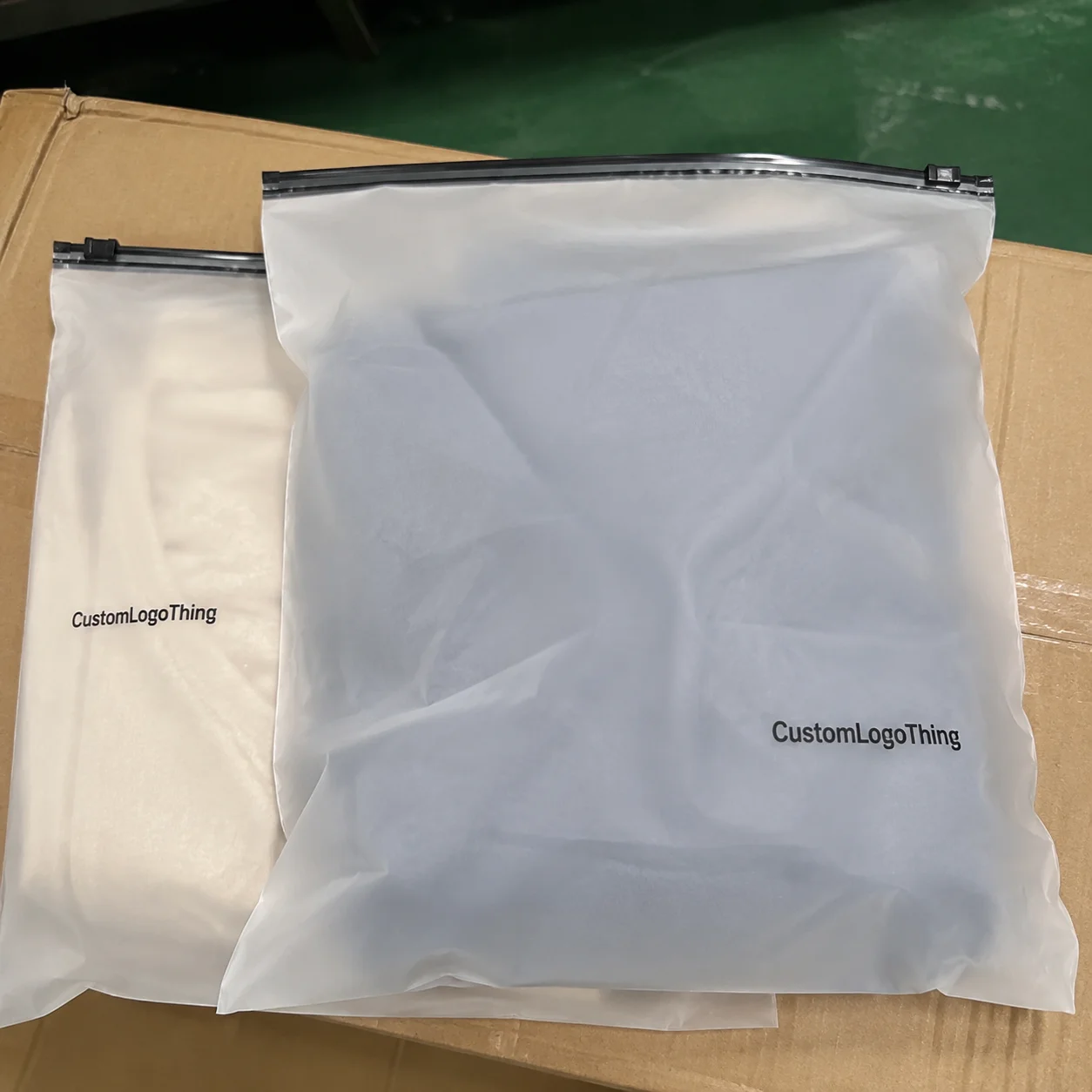
A beautiful cookie can look premium on the cooling rack and ordinary on the shelf if the pouch scuffs, wrinkles, fogs, or refuses to reseal after the first opening. Buyers searching for a printed Matte Zipper Bags quote for bakery packaging usually need more than a rough per-piece number. They need film guidance, size checks, artwork expectations, and a realistic view of what will affect cost before the order reaches production.
Matte Zipper Bags are a natural fit for bakery brands that want a softer retail look without giving up daily function. The finish reduces glare under store lighting and tends to photograph better than high-gloss film, while the zipper lets customers close the pack after taking out two cookies, a scoop of granola, or a few biscotti pieces. That reseal feature is not decorative. For products eaten over several sittings, it helps protect texture and makes the package feel more useful at home.
When to Request a Printed Matte Zipper Bags Quote for Bakery Packaging
Request a quote once the product is close enough to production that fill weight, product shape, shelf goal, and artwork direction can be discussed with some accuracy. Cookies, crackers, granola, trail mix, baking mixes, coffee cake slices, mini pastries, powdered ingredients, and individually wrapped treats may all use matte zipper pouches, but the right pouch for each one can be quite different.
A 6-ounce granola pack may need a wider bottom gusset so it stands squarely on a shelf. A 6-ounce stack of cookies may need more height and less depth because cookie diameter drives the footprint. Product volume matters, but product shape usually matters more than first-time buyers expect.
Matte Zipper Bags are often a strong choice for:
- Cookies and biscotti: especially premium, giftable, or seasonal lines where branding and resealability support the retail price.
- Granola and snack mixes: products customers open repeatedly and expect to keep crisp between servings.
- Baking mixes: flour-based or powdered items that need a clean front panel, nutrition information, allergen copy, and a secure closure.
- Individually wrapped pastries: cases where the pouch serves as the branded outer pack rather than the direct food-contact wrap.
- Retail bakery assortments: small-batch products sold through cafés, specialty shops, farmers markets, online bundles, or wholesale programs.
There are limits. Hot-filled goods do not belong in standard zipper pouches unless the full film structure, sealant layer, zipper, and filling conditions have been reviewed for heat tolerance. Very oily products can transfer oil into matte surfaces or challenge the laminate if the barrier is wrong. Warm baked goods packed before cooling can create condensation, and condensation is rough on crispness, print appearance, and shelf life.
Practical packaging rule: lock down the structure, size, finish, zipper style, print method, and order volume before committing budget. A quote built on guesses almost always becomes a revision cycle.
If your team is comparing labels, stock pouches, and fully printed matte pouches, a formal bakery bag quote helps put real numbers around the move from generic packaging to branded retail packaging.
Material Choices That Affect Freshness, Feel, and Shelf Presence
Most custom bakery zipper bags use laminated flexible films, not one simple sheet of plastic. The outside layer carries print and surface protection. The inside layer handles heat sealing and food contact. Barrier layers sit between them when the product needs more defense against moisture, oxygen, aroma loss, grease migration, or light exposure.
Common structures include PET/PE, matte BOPP/PE, kraft-look laminated films, metallized barrier films, and higher-barrier laminations that use components such as EVOH or aluminum-style barrier layers, depending on the product. PET gives dimensional stability and good print clarity. PE is a common inner sealant for many dry bakery goods. BOPP can create a smooth hand feel and is often used for snack-style packaging. Metallized layers can improve barrier performance but block product visibility unless a clear window is designed into the structure.
Matte effects are not identical. A matte varnish over printed film gives a controlled low-glare finish and can be cost-effective on suitable runs. Matte film lamination creates a more consistent soft surface. Soft-touch matte has a velvety feel, although it can show handling marks more readily than standard matte, especially on dark artwork. Selective gloss can make a logo, flavor name, or product illustration stand out against the muted background.
Bakery products behave differently inside a pouch. Crisp cookies and granola usually need moisture resistance because even a small increase in water activity can make them taste stale. Aromatic products, such as cinnamon biscotti or coffee-flavored mixes, benefit from odor retention. Crumbly goods need enough film strength to reduce pinholes, corner stress, and seal contamination from loose particles.
If the bakery item touches the inside of the pouch directly, confirm that the inner sealant layer is suitable for direct food packaging. Food-contact suitability depends on the full structure, ink system, adhesive, curing process, and intended conditions of use. If the design uses kraft-look or paper-based components and the brand wants chain-of-custody claims, recognized programs such as the Forest Stewardship Council may be relevant during material selection.
Windows are common for bakery packaging because shoppers like to see real texture: chocolate chunks, oats, powdered sugar, seed blends, toasted edges, or the crumb of a cookie. A clear window can sit on the front panel while the rest of the pouch remains matte and fully branded. The window should stay away from the zipper track, side seals, bottom gusset folds, barcode areas, heavy copy zones, and lot code locations.
Zipper options matter too. Standard press-to-close zippers handle most bakery applications. Wider grip zippers can help on larger pouches or packs used by customers who may struggle with narrow closures. Specialty closures, including child-resistant styles, are usually unnecessary for standard bakery goods and add cost as well as opening friction.
One honest caution: matte surfaces can show oil transfer, fingerprints, rub, or carton pressure marks more than gloss, depending on the finish and ink coverage. Dark solid panels can be especially sensitive. Before approving a large order, ask for material references or sample pouches if the finish is new to your brand.
Bag Specifications Buyers Should Confirm Before Quoting
A useful quote needs clear specifications. Without them, estimators have to assume too much, and those assumptions create pricing that may not match the final bag. The basics are finished width, finished height, bottom gusset depth, side gusset if any, bag style, film thickness, zipper position, tear notch, hang hole, corner shape, and quantity.
Bag format is the next decision. Stand-up zipper pouches are popular because they display well on shelves and work for granola, cookies, mixes, and snackable bakery items. Three-side seal zipper bags are flatter and can suit single-serve portions or products packed in shallow cartons. Flat zipper pouches are useful for small treats, samples, and mailer-friendly formats. Shaped pouches can support premium gift lines or seasonal launches, but they usually require more tooling, tighter artwork control, and longer approval time.
Fill weight alone does not determine bag size. A 4-ounce powdered baking mix, a 4-ounce meringue cookie, and a 4-ounce granola cluster pack can require three different pouches. Cookie diameter, stack height, trapped air, product fragility, and desired shelf presentation all affect the final dimensions.
Measure the packed product, not only the recipe yield. Put the actual product into a sample pouch or a rough mockup. Leave enough headspace above the zipper so crumbs do not pack into the closure track and prevent resealing. For many bakery pouches, 0.75 to 1.5 inches of usable space above the product mass can make the difference between a clean close and a frustrating customer experience.
Print specifications also belong in the quote request. Share the number of colors, full-coverage artwork areas, white ink needs behind clear windows, barcode placement, nutrition panel size, allergen statements, lot code area, best-by date location, and retail compliance requirements. Small type may look fine on a monitor but soften after printing and matte finishing, so minimum type size should be reviewed before plates or final digital files are released.
| Specification | Why It Matters | Typical Buyer Note |
|---|---|---|
| Finished bag size | Controls film usage, pouch format, carton count, and unit price | Provide width, height, and gusset in inches or millimeters |
| Film thickness | Affects stiffness, barrier, seal strength, and shelf feel | Many bakery pouches fall around 3.0-5.0 mil total thickness, depending on structure |
| Zipper position | Impacts fill area, resealability, and tear notch placement | Leave enough headspace so crumbs stay out of the zipper track |
| Window shape | Affects print setup, white ink, and product visibility | Keep windows clear of seals, folds, barcode zones, and nutrition copy |
| Artwork versions | Changes setup cost, MOQ planning, and production scheduling | List every flavor, size, and seasonal design separately |
Finishing details are small on a specification sheet but large in daily use. Easy-open tear notches should sit above the zipper, not through it. Stable bottom gussets help pouches stand upright without leaning. Rounded corners give the package a softer hand feel and can reduce sharp corner impressions during shipping.
Send a current bag sample, dieline, product photo, or target retail shelf size if you have one. Even a rough sketch helps. The more the estimating team can see, the less back-and-forth you will have before receiving a practical Printed Matte Zipper Bags Quote for bakery packaging.
Cost, MOQ, and Unit Cost Drivers for Matte Bakery Pouches
Pricing depends on film structure, bag size, order quantity, print coverage, number of SKUs, zipper type, matte finish method, window complexity, and whether digital printing or plate-based printing is used. Freight, proofing, tooling, and overrun policies can also shift the real landed cost, so comparing only the per-bag number can be misleading.
MOQ stands for minimum order quantity, but in flexible packaging it is not just a sales rule. It can be driven by material roll width, ink setup, press efficiency, pouch machine setup time, and the number of artwork versions running together. A single 10,000-piece design is often easier to price than ten 1,000-piece flavors, even though the total bag count is the same.
Digital printing can work well for smaller runs, multiple flavors, test launches, and seasonal packaging because it avoids traditional plate costs in many cases. Plate-based printing, such as flexographic or rotogravure printing depending on the project, may become more efficient for larger repeat volumes and heavy coverage artwork. Conventional printing can also provide strong consistency on repeat runs when the order quantity justifies setup.
As a broad planning range, a small custom printed bakery pouch may land around $0.18-$0.45 per unit at moderate quantities, while larger or high-barrier matte stand-up pouches may run higher. Soft-touch finish, specialty windows, multiple SKUs, thicker structures, and expedited freight can all push the number up. These are planning figures, not fixed prices.
Matte finish usually costs more than plain clear or gloss film, but it can support higher perceived value when the product already sits in a premium position: small-batch cookies, giftable biscotti, artisan granola, specialty baking mixes, or branded retail assortments. If the product is highly price-sensitive or sold in very short runs, a labeled stock pouch may still make more financial sense until demand is steadier.
For a reliable quote, prepare this information:
- Finished bag size or target fill weight with product dimensions
- Quantity and desired price breaks, such as 5,000, 10,000, and 25,000 pieces
- Number of designs, flavors, or SKUs
- Artwork status: final, in progress, or needs dieline support
- Product type and freshness concerns
- Preferred film finish: matte varnish, matte lamination, or soft-touch matte
- Zipper preference, tear notch, hang hole, window, and gusset requirements
- Shipping destination and target in-hands date
Ask for total delivered cost whenever possible. A lower unit price can lose its advantage if tooling, freight, proofing, or overrun policies are unclear. If the packaging supports a retail buyer review or a scheduled launch, confirm timing in writing before placing the order. For transport testing language and distribution considerations, ISTA is a useful authority to know, particularly for brands shipping filled product through parcel or wholesale channels.
Artwork, Proofing, and Production Steps Before Lead Time Starts
Lead time usually starts after quote approval, final specification approval, artwork approval, and completion of the deposit or purchase order process. That distinction matters. A buyer may think the clock starts with the first email, but production cannot be scheduled tightly while the size, dieline, ingredient panel, or barcode location is still changing.
The normal path looks like this:
- Specification review
- Dieline creation or verification
- Artwork preflight
- Digital proofing
- Material scheduling
- Printing
- Lamination, if required
- Curing time for laminated structures
- Slitting
- Pouch converting with zipper insertion
- Quality checks
- Packing and shipping
Artwork preflight is more than checking whether the file opens. The file should be reviewed for bleed, safe zones, barcode readability, color mode, embedded images, small text legibility, nutrition panel clarity, allergen copy, and placement around zipper and tear notch areas. A tear notch cutting through a flavor callout looks careless. A barcode wrapped too close to a side gusset may fail at checkout.
Matte finishes can slightly soften color compared with gloss. Bright reds, dense blacks, and photographic product images may look more subdued. That muted effect is part of the premium matte appearance, but brands should expect it and approve the proof with the final finish in mind.
Proof types serve different jobs. A digital PDF proof confirms layout, copy, die line alignment, and general color placement. Physical proofs or printed samples may be recommended when color tolerance, matte feel, window location, or product visibility is critical. Physical proofs add time and cost, but they can prevent expensive surprises on a first production run.
Common delays are usually preventable. Missing dielines, unapproved nutrition information, incomplete allergen statements, late flavor changes, and choosing a pouch size before test filling the product all slow the job down. Bakery buyers with wholesale commitments should order packaging with enough buffer for proof revisions, freight time, and the first fill test.
Custom Logo Things can review the production path before an order is placed. If you already have artwork, product details, and a target launch date, send them through Contact Us so the quote can be built around the actual bag rather than a loose estimate.
Quality Checks That Matter for Bakery Zipper Bags
Bakery packaging quality is not only print appearance. Seal strength, zipper alignment, film stiffness, gusset stability, pouch cleanliness, and carton packing all affect how the customer experiences the product. A bag can look attractive and still disappoint if the zipper track is hard to press closed or the bottom gusset tips over on the shelf.
During pouch production, practical checks often include print registration review, laminate bond checks, zipper placement verification, seal integrity checks, bag dimension checks, and visual inspection for scratches, wrinkles, contamination, or scuffing. For laminated structures, bond strength matters because poor lamination can show as tunneling, edge lift, bubbles, or separation under stress.
Zipper performance deserves extra attention for bakery goods. Crumbs can interfere with resealing, especially on cookies, crackers, and granola clusters. Good bag design leaves enough headspace and uses a closure customers can press shut without fighting the film. If your product sheds crumbs during filling, test the pack after filling, not only with an empty sample.
Moisture and oxygen barrier expectations should be realistic. A simple PET/PE pouch may be fine for some dry products with shorter distribution cycles. A crisp product with a six-month shelf goal, a fatty nut-based granola, or an aromatic spiced biscotti may need a higher-barrier laminate and shelf-life testing. Packaging can support freshness, but it cannot fix a product that is packed warm, under-baked, or exposed to humidity during filling.
Shipping can mark matte surfaces if cartons are packed too tightly or if dark solid color fields rub against each other. Bags should be packed to reduce scuffing, edge crushing, and pressure marks. If the design uses large black, navy, burgundy, or dark green panels, request guidance on finish durability and carton packing before approving the final material.
Most packaging mistakes happen before the press runs. The wrong pouch size, weak shelf stance, poor window placement, or insufficient seal area can be caught early if product behavior, retail display, filling method, and sealing method are reviewed before production. Samples are especially useful when moving from gloss to matte, changing film structures, or replacing labels with fully printed packaging.
Order-Ready Next Steps for a Faster Bakery Bag Quote
If you want the quote to move quickly, gather the practical details before reaching out. You do not need every answer, but you do need enough information for the estimating team to narrow the options and avoid pricing a bag that will later change in size, structure, or print method.
- Product type, such as cookies, granola, biscotti, baking mix, or wrapped pastries
- Target fill weight and actual product dimensions
- Preferred pouch style: stand-up, flat, three-side seal, or shaped
- Finished bag size, if already known
- Quantity target and price breaks you want compared
- Number of artwork versions, flavors, or SKUs
- Desired delivery location and required arrival date
- Need for window, hang hole, tear notch, rounded corners, bottom gusset, or high-barrier film
- Preferred matte style, such as standard matte, matte varnish, or soft-touch matte
Photos help. Send pictures of the product, current packaging, a rough shelf display goal, or a reference pouch with the same general shape. If the bakery is unsure of size, Custom Logo Things can help narrow choices based on product volume, filling method, and how the finished pouch should stand or hang in retail.
Ask for two or three quantity breaks. A comparison at 5,000, 10,000, and 25,000 pieces can show whether a larger order meaningfully reduces unit cost or simply creates more inventory than your flavor rotation can support. Seasonal bakeries should be careful here; a low unit price does not help if half the packaging becomes obsolete after a holiday run.
Share the required arrival date early. Retail buyer reviews, product launches, holiday runs, wholesale resets, and farmers market schedules all create real deadlines. Packaging should arrive before the production date, not the morning of the first fill.
The fastest way to receive a useful printed matte zipper bags quote for bakery packaging is to submit the product details, artwork status, quantity target, shipping destination, and must-have features in one organized request through Contact Us.
FAQ
What information do I need for a printed matte zipper bags quote for bakery products?
Provide the bag size, pouch style, quantity, number of designs, product type, fill weight, artwork status, finish preference, zipper need, barrier requirements, and shipping destination. If the exact size is not settled, send product photos, product dimensions, or a current package so practical options can be recommended.
What is the usual MOQ for custom printed matte bakery zipper pouches?
MOQ depends on film structure, print method, bag size, and number of artwork versions. Larger orders generally reduce unit cost, while smaller multi-SKU orders may be better suited to digital printing when available. Material roll width, setup time, and print coverage can all affect the final minimum.
Do matte zipper bags keep cookies and granola fresh?
They can, as long as the correct film structure is chosen for moisture and oxygen protection. Crisp bakery items usually need good moisture resistance, while aromatic, fatty, or long-shelf-life products may require higher-barrier laminates and shelf-life testing under real storage conditions.
Can bakery matte zipper bags include a clear window?
Yes, clear windows can be built into many printed pouch designs so customers can see product texture and color. Window placement should avoid zipper tracks, seal areas, heavy folds, nutrition panels, barcode zones, and lot code areas.
How long does production take after approving a custom bakery bag quote?
Timing depends on artwork readiness, material selection, print method, proof approval, production queue, and shipping method. Lead time should be confirmed at quote approval, and it usually begins after final specifications, artwork, and order terms are approved.