Printed Matte Zipper Bags Quote for Food Packaging
Two similar snack products can sit shoulder to shoulder on a retail shelf, and the matte zipper pouch often wins the first five seconds because it looks cleaner under store lights, photographs better for online listings, and feels more controlled in the hand before the shopper reads a single ingredient. Buyers searching for a printed Matte Zipper Bags quote for food are usually pricing more than a bag. They are weighing shelf presence, product protection, resealability, filling efficiency, and whether the package will still represent the brand well after the first opening.
When a Matte Zipper Bag Becomes the Shelf Test
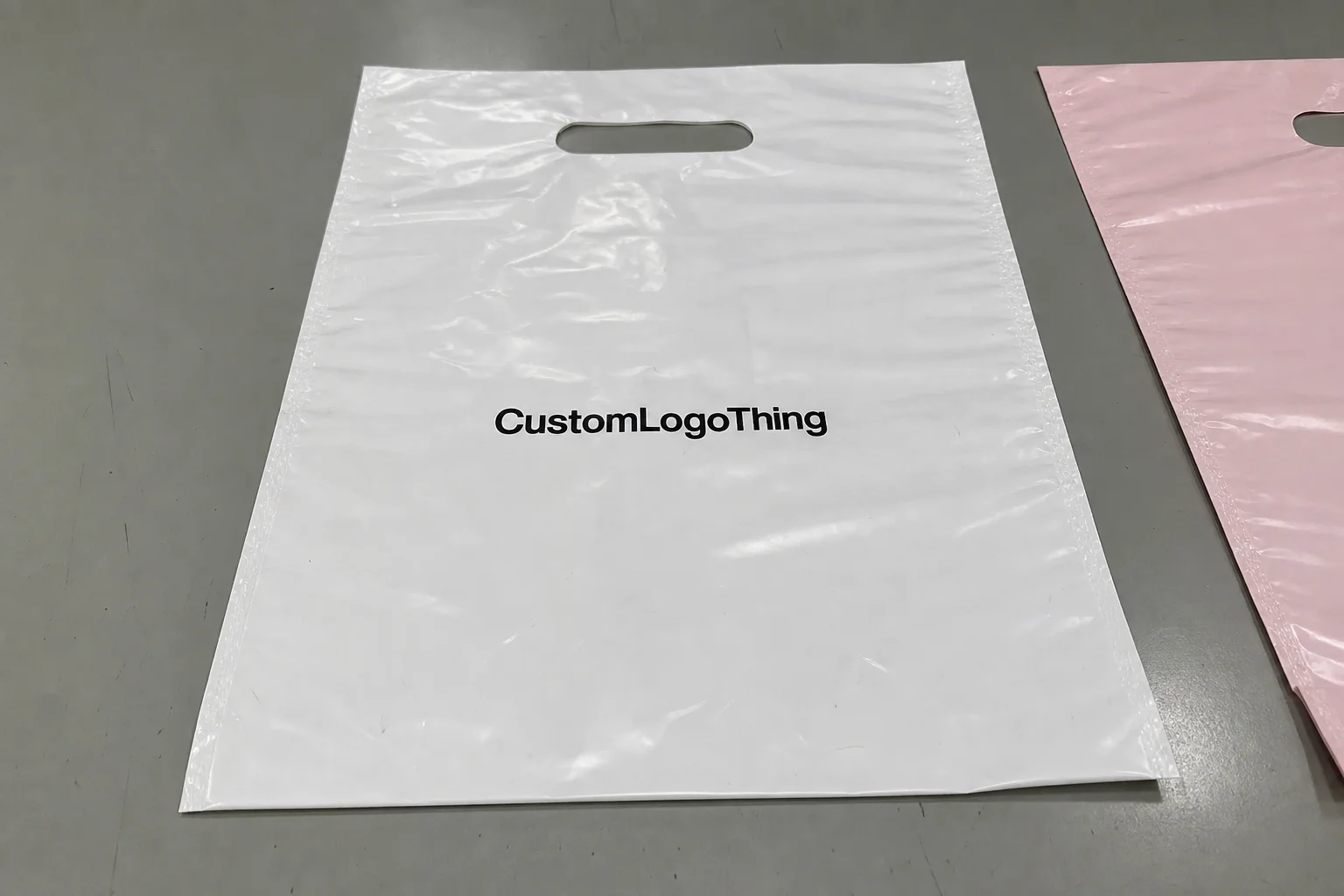
Matte finish has earned its place in food packaging because it reduces glare and softens the printed surface without making the pouch look flat. You see it often on granola, dried fruit, coffee, tea, supplements, candy, powders, specialty snacks, pet treats, and premium pantry goods. Under LED retail lighting, a matte pouch gives artwork a calmer appearance, which matters when a shopper is comparing several brands in the same category.
The zipper matters just as much as the finish. A resealable press-to-close zipper helps preserve freshness after opening, especially for products eaten over several servings. For a 6 oz trail mix, a 12 oz coffee pouch, or a 1 lb pet treat bag, the customer may open and close the pouch ten or twenty times. Each repeat use puts the logo, the texture of the finish, and the feel of the package back in the customer’s hand.
From a buyer’s point of view, the right quote cannot be guessed from a photo. Size, fill weight, film structure, oxygen and moisture barrier, zipper type, matte coating, print method, bottom gusset, and filling process all affect cost and performance. A dry cracker mix does not need the same structure as oily granola. Coffee beans have different aroma and gas-release needs than powdered drink mix.
A practical quote should not start with “standard bag.” It should start with the product, the shelf-life target, the artwork, the fill method, and the quantity range.
Custom Logo Things helps buyers turn product weight, artwork files, retail goals, and packing method into a clear pouch specification before final pricing is locked. That prevents the common mistake of quoting a good-looking bag that later fails on seal strength, sizing, barcode placement, or shelf-life requirements.
Printed Matte Zipper Bags Quote for Food: What Is Included
A complete printed Matte Zipper Bags quote for food should cover more than a unit price. It should define the bag style, finished dimensions, usable fill area, material structure, zipper type, seal area, gusset size if used, print coverage, matte finish, quantity, packing method, estimated production time, and shipping assumptions. If those details are missing, the quote may look attractive but still be incomplete.
Common food pouch formats include stand-up zipper pouches, flat zipper bags, side-gusset zipper bags, three-side-seal pouches, and custom-shaped pouches for specialty merchandising. A stand-up pouch is common for snacks and powders because the bottom gusset supports shelf display. A flat zipper pouch may suit single-serve items or lightweight products. Side-gusset formats are often considered for coffee, larger fills, or products needing a squared-off profile.
Matte finish can be produced several ways. A matte varnish over printed film is often used when the artwork and volume fit that route. Matte lamination gives a more consistent surface and can improve the tactile feel. Soft-touch matte adds a smoother, almost velvety hand feel, though it usually costs more and needs careful handling because scuff marks may show on dark colors. Selective gloss accents can also be added to highlight logos, product photography, or a small brand mark against a matte field.
Food suitability depends on the product. Dry snacks may need moderate moisture protection. Coffee may need aroma barrier and sometimes a degassing valve. Spices can require strong aroma retention. Jerky, oily granola, and high-fat products often need better grease resistance and barrier control. Powders need clean seals and sometimes powder-resistant zipper profiles. Not every food product needs the most expensive film; over-specifying is one of the fastest ways to inflate Packaging Cost Without improving the customer experience.
- Product type: snack, coffee, powder, dried fruit, candy, pet treat, supplement, frozen item, or another food category.
- Fill weight and volume: for example, 2 oz, 6 oz, 12 oz, 1 lb, or a custom volume confirmed with real product.
- Storage conditions: ambient, refrigerated, frozen, humid, or direct retail shelf display.
- Shelf-life target: short launch trial, 3 to 6 months, 12 months, or longer depending on product testing.
- Artwork status: production-ready AI/PDF file, draft layout, or logo-only starting point.
- Filling method: hand-filled, semi-automatic, co-packed, or machine-filled.
A reliable quote should separate confirmed specifications from assumptions. If the film is quoted as PET/PE, say so. If the zipper is standard press-to-close, say so. If the matte finish is soft-touch, matte varnish, or matte lamination, that should be written clearly rather than buried in vague wording.
Material, Barrier, and Food Contact Specifications
Most custom printed food zipper bags use multilayer flexible film. The layers are chosen to balance print appearance, stiffness, barrier performance, sealing, and cost. Typical structures include PET/PE, MOPP/PE, PET/VMPET/PE, kraft paper laminate/PE, and higher-barrier combinations with foil or metallized layers. The exact choice should follow the product, not only the desired look.
The outside layer carries the print and helps with stiffness. PET is common because it prints cleanly and holds shape well. MOPP can provide a softer matte appearance and a paper-like feel in some structures. The middle layer, if present, controls moisture, oxygen, light, or aroma transmission. Metallized PET, aluminum foil, or other barrier films can be used when the product needs stronger protection. The inner sealant layer, often PE or another food-contact suitable sealant film, gives the pouch its heat-seal performance and direct product-contact surface.
Barrier needs are practical, not theoretical. Coffee and spices often need aroma protection because flavor loss is a real quality issue. Dried fruit needs moisture control because it can clump, dry out, or ferment depending on formulation and storage. Granola with nuts or oils may need grease resistance and oxygen control to slow rancidity. Fine powders need seals that resist contamination in the seal area, because even a thin dusting of powder can weaken a top seal if the pouch is not designed and filled properly.
Zipper selection belongs in the specification too. Standard press-to-close zippers work for many snacks and dry goods. Powder-resistant zippers may help for protein powders, drink mixes, flour blends, or powdered supplements. Larger fills may need heavier zipper profiles and wider seal areas. Child-resistant zipper formats exist for regulated product categories, but they should only be selected when the product and sales channel require that function, because they affect opening experience, filling speed, and cost.
Matte surfaces deserve careful planning. A matte coating can change how color appears, especially on deep blacks, navy blues, forest greens, and large solid ink areas. It can also affect scuff resistance. That does not make matte a poor choice. It means artwork, finish, shipping conditions, and retail handling should be reviewed together before production.
For food-contact suitability, buyers should request appropriate material declarations or compliance documents for the intended product and market. The printed matte surface is usually outside the pouch, while the inner film is selected for sealing and product contact. Requirements can vary by region and application, so material documentation should match the actual use rather than rely on a generic food-safe claim.
Optional features add function but also change converting steps. Tear notches help consumers open the pouch cleanly. Hang holes support peg display. Rounded corners reduce sharp edges. Degassing valves help roasted coffee release carbon dioxide. Transparent windows show the product, while high-barrier foil layers protect light-sensitive or oxygen-sensitive goods. Easy-open scoring and bottom gussets can improve usability, but they need to be placed away from critical seals and artwork.
If you sell through ecommerce, packaging should also tolerate parcel movement. Testing methods from organizations such as ISTA are useful references for transport performance, especially if filled pouches ship in cartons that may be dropped, compressed, or vibrated during distribution.
Artwork, Print Quality, and Matte Finish Decisions
Print method affects cost, minimum order quantity, color control, and how quickly artwork changes can be made. Digital printing is often suitable for lower quantities, short-run launches, multiple flavors, or seasonal packaging because it avoids some plate costs and allows more flexible SKU changes. Plate-based printing methods are usually more efficient at higher volumes, especially when the same artwork repeats across large runs and unit cost becomes the main concern.
Production-ready artwork should include vector logos, outlined fonts, high-resolution images, bleed, safe zones, color callouts, barcode placement, and correct dieline alignment. A pouch is not a flat poster. Zipper tracks, top seals, bottom gussets, side seals, hang holes, tear notches, and rounded corners all take up space. If key copy sits too close to a seal area, it may look crooked after converting even if the printed web was accurate.
Matte finish changes the visual result. Colors usually appear softer and less reflective than gloss. For premium food branding, that is often exactly the goal. Still, buyers should review proofs with that finish in mind. A bright red strawberry image under gloss may look punchier than the same image under matte. A charcoal background may look elegant but may also show rub marks more easily during packing and shipping.
Fine reverse text needs attention. So do large dark solids, metallic effects, and small nutrition-panel type. Barcodes need enough quiet zone and contrast to scan reliably. Lot coding and best-by date areas should be planned before printing, not added as an afterthought. A thermal transfer, inkjet, or laser code area may need an uncoated or compatible patch depending on the equipment.
Window placement is another practical decision. A clear window helps shoppers see granola clusters, tea leaves, candy colors, or dried fruit texture. It also reduces printable space and may reduce barrier performance if the window interrupts a high-barrier layer. Keep windows away from zipper tracks, top seals, bottom gusset folds, and required label information. For bulky products, place the window where the product naturally settles rather than where it looks best on a flat dieline.
Regulatory panel space should be treated as part of the package design. Nutrition facts, ingredient lists, allergen statements, net weight, brand marks, barcode, lot code, best-by date, and country or recycling statements can crowd a small pouch quickly. Sustainability claims should also be handled carefully and supported by actual material choices or certifications. For paper-based or responsibly sourced components, programs such as FSC may be relevant depending on the selected structure and claim.
Printed zipper bags should be designed around actual fill volume, not just nominal weight. One cup of freeze-dried fruit occupies a very different volume than one cup of sugar. Bulky foods need headspace, and overfilled pouches can distort the front panel, stress the zipper, or make the top seal inconsistent. For a new product, testing with filled samples is often the cheapest insurance against a bad first run.
Cost, Pricing, and MOQ Factors That Change the Quote
The cost of a custom matte food pouch is driven by size, film thickness, barrier structure, print coverage, print method, matte finish type, zipper style, special features, order quantity, and shipping carton volume. Larger pouches cost more than small ones, but not only because they use more film. They may need heavier gauge material, wider web stock, stronger seals, and larger shipping cartons. Freight can become a real factor on bulky, lightweight packaging.
MOQ logic depends heavily on the production route. Digital production may support lower trial runs, especially for launches or multiple SKUs. Plate-based printing usually becomes more cost-effective at higher quantities but may include setup charges, plate charges, or longer preparation time. If you have five flavors, ask whether the order can be structured efficiently across artwork versions.
Unit price should not be judged by itself. A lower unit cost can be the wrong decision if it forces a new brand to carry 80,000 bags before the product has proven repeat sales. On the other hand, an established food company that reorders every two months may save money by moving to higher quantity breaks. The better comparison is total landed cost, inventory risk, shelf-life protection, and reorder timing.
| Quote Factor | Typical Choices | How It Affects Price | Buyer Tip |
|---|---|---|---|
| Pouch size | 3 oz, 6 oz, 12 oz, 1 lb, custom | Larger bags use more film and increase carton volume | Confirm fill volume with real product, not only weight |
| Material structure | PET/PE, MOPP/PE, PET/VMPET/PE, foil laminate | Higher barrier structures generally cost more | Match barrier to shelf-life need instead of overbuilding |
| Print method | Digital or plate-based production | Digital can suit lower MOQ; plates can reduce unit cost at volume | Ask for price breaks at several quantities |
| Matte finish | Matte varnish, matte lamination, soft-touch matte | Soft-touch and specialty finishes usually add cost | Review scuff expectations on dark artwork |
| Features | Valve, window, hang hole, rounded corners, powder zipper | Each feature adds material or converting steps | Choose features that support selling or filling, not decoration alone |
Common add-ons include degassing valves for coffee, hang holes for peg display, clear windows for product visibility, rounded corners for improved handling, powder-resistant zippers for fine products, foil barrier for sensitive foods, soft-touch matte for a premium hand feel, and spot gloss for brand highlights. Each one can be useful. Each one should earn its place.
Exact pricing requires confirmed specs and artwork review, but an informed budget conversation can usually begin once size, quantity, material need, and filling method are known. A small digitally printed snack pouch in a moderate quantity may price very differently from a high-barrier coffee pouch with valve, matte lamination, and plate-based printing. Buyers requesting a Printed Matte Zipper Bags Quote for food should ask for multiple quantity breaks, such as 2,500, 5,000, 10,000, and 25,000 pieces where available, so launch economics and reorder economics can be compared side by side.
If annual usage is known, share it. A brand using 10,000 pouches per month has different planning options than a startup testing 1,000 units for a local retail account. For help narrowing those ranges, you can reach the team through Contact Us with the product type, pouch size, and target quantity.
Production Steps, Lead Time, and Approval Timeline
The cleanest production timeline starts with complete information. Finished pouch size, target quantity, product type, fill weight, artwork files, required food-contact documents, and shipping destination all help reduce back-and-forth. Missing dielines or uncertain material needs can add days before production even begins.
A typical project moves through quote request, specification review, material recommendation, artwork check, proofing, approval, production, quality inspection, packing, and shipping. Each step has a purpose. Prepress catches barcode, bleed, zipper clearance, gusset fold, and seal-area problems before film is printed. Material review prevents a pouch from being built too light for the product or too expensive for the application.
Proofs come in several forms. A digital proof verifies layout, copy, barcode position, nutrition panel placement, and basic color direction. A physical sample or printed sample may be useful if finish, stiffness, window placement, or hand feel is especially critical. Physical sampling can add time and cost, but for a premium retail launch, it may be a smart checkpoint.
Factory-floor production usually follows a logical flow: film selection, printing, ink curing or drying, lamination if required, adhesive curing where applicable, slitting into narrower rolls, pouch converting, zipper insertion, heat sealing, cutting, inspection, counting, and carton packing. If valves, hang holes, tear notches, or custom shapes are added, the converting process includes extra stations or tooling checks.
Lead time can change based on material availability, print method, quantity, finish complexity, and freight method. A lower-volume digitally printed pouch may move faster than a complex laminated structure with special features, but that is not always the case. Material availability and proof approval often control the schedule more than people expect.
Quality checks should include pouch dimensions, seal strength, zipper alignment, print registration, visual defects, tear notch placement, valve placement if applicable, and carton counts. For machine-filled applications, opening consistency and top seal area are especially important. A pouch that looks good but feeds poorly on equipment can slow production and increase waste.
If a launch date is fixed, work backward from the required in-hands date. Add time for artwork revisions, proof approval, production, inspection, and shipping. If the package needs internal review by marketing, operations, regulatory, and purchasing, include that time too. A rushed proof approval is one of the easiest ways to miss a typo, crowd a nutrition panel, or place a date code in the wrong spot.
Next Steps to Request a Food Zipper Pouch Quote
Before requesting pricing, confirm the basics: product type, fill weight, preferred pouch style, finished size, target quantity, artwork status, and any shelf-life or barrier concerns. If you are not sure about pouch size, send the product dimensions, current packaging photos, or a reference pouch. Real examples help more than rough guesses.
Reference photos are especially useful if you want to match an existing format, improve shelf appearance, or Reduce Packaging Waste. A current pouch may be too tall, too wide, overbuilt, hard to open, or poorly sized for the case pack. Small adjustments can improve shelf presentation and reduce air space without changing the brand look.
Choose a starting quantity based on the business stage. Launch brands may want lower-volume options so they can test flavors, artwork, and retail response. Established food brands should ask for stepped pricing to compare short-run flexibility with reorder savings. If several SKUs share the same pouch size and material, mention that early because it may affect production planning.
Identify the filling method before the quote is finalized. Hand-filling, semi-automatic filling, vertical form-fill equipment, and horizontal loading all influence pouch opening, zipper placement, seal area, and tolerance needs. A pouch intended for hand-filling in a small kitchen may not be ideal for a co-packer running higher-speed equipment.
Ask for recommendations rather than locking in one film structure too early. The same matte zipper bag appearance can sometimes be achieved with different laminates at different cost points. A premium matte surface, strong zipper, proper sealant layer, and right barrier level can be configured several ways depending on the food product.
- AI or print-ready PDF artwork files, with fonts outlined where possible.
- Brand color references, such as Pantone callouts if color control is critical.
- Barcode requirements and preferred barcode location.
- Nutrition panel, ingredient list, allergen statement, and net weight placement.
- Lot code and best-by date area.
- Shipping destination and target delivery date.
- Desired quantity breaks for launch order and reorder planning.
Custom Logo Things can help turn those inputs into a clear pouch specification for custom printed food packaging. If you are ready to compare options, send your details through Contact Us and include any current package photos or artwork files you already have.
The fastest path to accurate pricing is to provide real product details, desired quantity breaks, shelf-life concerns, filling method, shipping destination, and artwork files so the specification can be built around performance as well as appearance.
FAQ
What information do I need for a printed matte zipper bag quote for food products?
Provide the product type, fill weight, desired pouch size, estimated quantity, artwork files if available, storage conditions, shelf-life concerns, and shipping destination. If you are unsure about size or material, send product dimensions, current packaging photos, or a sample reference so the bag can be quoted around the actual application. Also mention whether the bags will be hand-filled or machine-filled, because that can affect opening size, seal area, and zipper placement.
Are matte zipper bags safe for direct food contact?
They can be made with food-contact suitable inner sealant films, but the exact structure should be selected for the product and market requirements. Ask for the appropriate material declarations or compliance documents based on your intended use and sales region. The printed matte surface is usually on the outside of the package, while the food-contact layer is the inner film designed for sealing and product protection.
What affects the cost of custom printed matte food zipper bags the most?
Major cost factors include pouch size, material structure, barrier level, order quantity, print method, matte finish type, zipper style, and any added features such as windows, valves, or hang holes. Higher quantities usually reduce unit cost, but the best choice depends on your launch volume, storage space, and reorder plan. For accurate comparison, request price breaks at several quantities rather than a single number.
Can I order a low MOQ for printed matte zipper pouches for food?
Low-MOQ options may be available depending on the print method, pouch size, material, and artwork requirements. Digital printing is often better suited for smaller runs or multiple SKUs, while larger production runs may achieve better unit pricing with other print methods. If you have several flavors or varieties, ask whether the order can be structured efficiently across multiple artwork versions.
How long does production take after I approve the matte zipper bag artwork?
Lead time depends on the material, printing method, quantity, finishing requirements, and shipping method. The timeline usually includes artwork proofing, material preparation, printing, converting, quality inspection, packing, and freight. To protect a launch date, allow time for artwork revisions and proof approval before production begins. For a project review, send your pouch details through Contact Us.


