Nylon Camp Hats supplier comparison looks simple until two quotes arrive with different sample fees, different embroidery assumptions, and different freight math. On paper, both hats may seem identical. In practice, one supplier may be cheaper only until setup, carton changes, and a slow approval loop get added back in.
What a Nylon Camp Hats Supplier Comparison Actually Shows
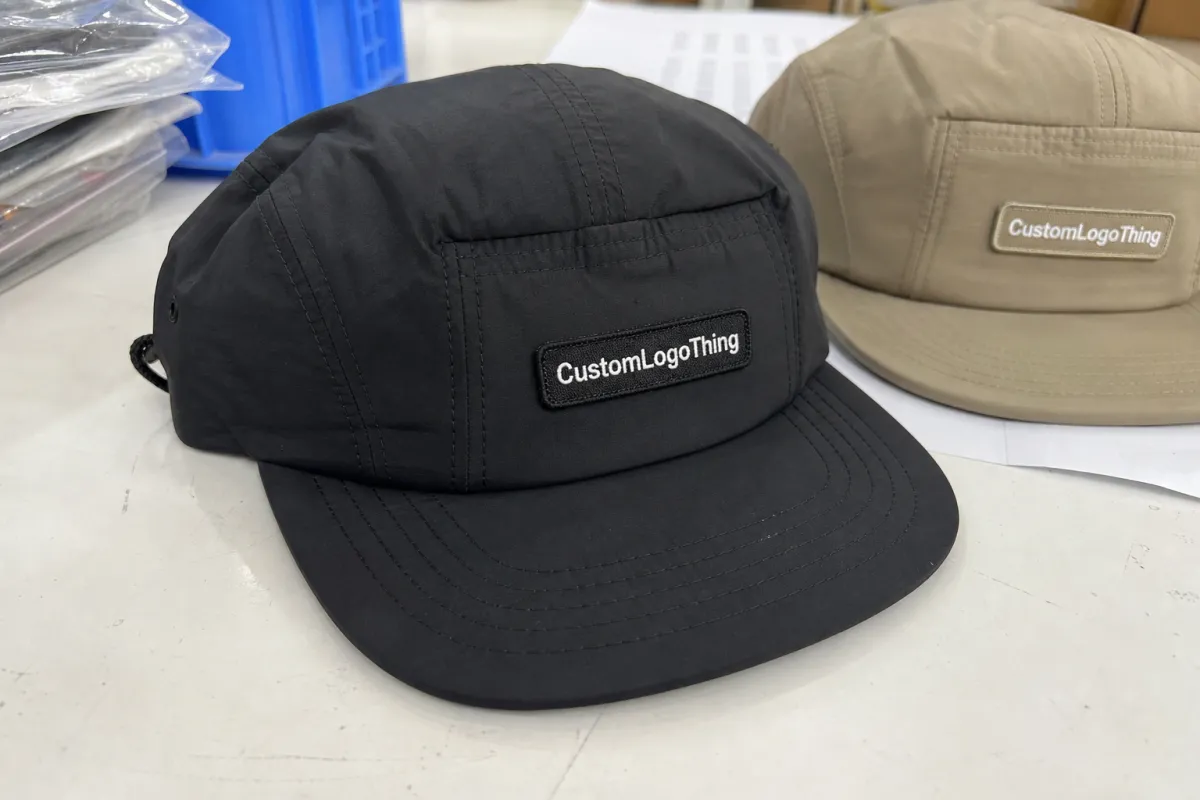
A good comparison is not just a price check. It tells you which supplier can hit the look, feel, and repeatability you need without padding the order with hidden costs. Nylon Camp Hats are lightweight, packable, outdoor-friendly caps, so small differences matter: the brim shape, the stiffness of the front panel, the sheen of the nylon, and how clean the logo sits on the crown.
Two vendors can quote the same style and still deliver very different outcomes. One may be quoting a 70D nylon body with basic flat embroidery and loose tolerance on the closure. The other may be using a tighter weave, cleaner sweatband, and better thread coverage. That is why a nylon camp hats supplier comparison should include fabric weight, panel construction, closure type, decoration method, sample quality, and repeat-order consistency.
From a buyer’s point of view, the real question is simple: which supplier gives you the best landed cost for the look you actually want? Landed cost means the unit price plus sampling, setup, freight, duties, and any packaging changes. If you skip those line items, the quote can flatter the wrong supplier.
“The cheapest hat is often the one that becomes expensive after the first proof, the first freight bill, and the first reorder.”
That is the frame I would use. You are not just buying a cap. You are buying a supplier relationship that has to reproduce the same product across batches, regions, and seasons.
How Supplier Shortlisting Works for Nylon Camp Hats
Start with a one-page spec sheet before you contact anyone. Keep it plain: cap style, fabric target, logo placement, quantity, color count, closure preference, target budget, and any packaging requirement. A supplier cannot quote cleanly if half the spec is implied. In promotional headwear, vague briefs create vague pricing.
The first quote is usually not the final truth. Suppliers often assume different things about artwork setup, digitizing, sample charges, label application, and shipping terms. One may include a single location of embroidery; another may price in a woven patch plus extra trim. If you compare those quotes raw, you are comparing assumptions, not offers.
Shortlisting gets easier once you normalize the numbers. Convert each offer into the same unit cost, then add freight, customs handling, and any decoration setup charges. On a 1,000-piece run, a $0.35 gap on unit price can disappear after shipping and sample revisions. On a 5,000-piece run, the same gap might matter a lot more.
Before you spend time on revisions, ask for proof of production capability. Look for photos of past nylon camp hats, sample policy, turnaround expectations, and whether the supplier can repeat the same construction later. If they cannot show a clean sample from a similar project, that is a warning sign.
Materials, Build Quality, and Decoration That Change the Result
Nylon is not one material. A 210D nylon cap behaves differently from a lighter 70D shell, and a coated finish changes hand-feel, water resistance, and shine. Some buyers want a crisp, slightly technical look. Others want a softer, more casual feel. The supplier’s fabric source and finishing process affect both.
Construction details matter more than many teams expect. Check seam density, sweatband quality, brim insert, eyelets, and closure hardware. A flimsy snapback closure or thin inner band can make an otherwise decent cap feel cheap in hand. That is especially true when the hats are handed out at events, where people judge quality in seconds.
Decoration is another point where supplier comparison pays off. Embroidery is durable, but thin nylon can pucker if the stitch density is too high or the backing is wrong. Patches can look cleaner on glossy fabric. Prints may work well for simpler graphics, but only if the supplier controls registration and ink coverage carefully. There is no universal best choice; the cap finish and logo detail decide the method.
Consistency is what separates a passable sample from a dependable program. Good suppliers keep color matching, stitch placement, and panel alignment steady from one run to the next. That matters if you plan regional drops or quarterly reorders. If the first shipment looks fine but the second drifts in hue or shape, the low-price win disappears fast.
For packaging inserts or carton spec checks, standards can help. If finished hats need to survive distribution, the drop and vibration guidance from ISTA is a useful reference point. If you are using paper tags or inserts and want traceable sourcing, FSC certification is worth asking about.
Pricing, MOQ, and Quote Traps That Change the Real Cost
Unit price is the headline number, but it is rarely the whole story. A low quote can hide digitizing, artwork setup, color matching, sample fees, carton upgrades, or a surcharge for split delivery. That is why a supplier comparison has to separate base cost from the extra items that show up later.
MOQ affects the buying strategy. Lower minimums help test demand, compare logos, or validate a style before committing to a larger run. Larger orders usually reduce unit cost, but they can also force you to hold inventory or phase deliveries. For many branded hat programs, the right answer is a test batch first, then a larger reorder once the product proves itself.
| Supplier type | Typical MOQ | Typical unit price | Sample policy | Best fit |
|---|---|---|---|---|
| Factory direct | 300-1,000 pieces | $2.40-$4.80 | Often paid pre-production sample | Higher volume and tighter spec control |
| Trading company | 200-800 pieces | $3.10-$5.60 | Usually easy to arrange, but variable quality | Faster sourcing and broader product access |
| Domestic decorator | 25-300 pieces | $5.50-$9.00 | Shorter proof cycle, lower freight risk | Small programs and urgent deadlines |
The quote trap most buyers miss is landed cost. Freight can erase a tiny unit-price advantage. So can duties, carton dimensions, and whether the supplier packs the hats in a way that inflates cube. Ask for the same quote format every time: unit price, MOQ, sample fee, decoration method, lead time, packaging, and shipping assumptions.
If one supplier refuses to break out the line items, that is not efficiency. It is opacity. In a nylon camp hats supplier comparison, transparency is often more valuable than a slightly lower quote.
Production Process and Turnaround: What to Expect
Production is a sequence, not a single event. Artwork approval, sample making, fabric sourcing, sewing, decoration, inspection, packing, and shipment all add time. Miss one approval window and the schedule slips. It is rarely the sewing alone that causes pain; it is the handoff between steps.
Lead time depends on fabric availability, order size, seasonality, and decoration method. A simple embroidered logo on stocked nylon may move faster than a custom patch on a special fabric finish. Two orders that look similar on paper can land on very different calendars. That is why you should never assume a quoted lead time is fixed.
The usual delay points are predictable. Unclear artwork creates digitizing revisions. Late sample approval holds production. Color changes near the end trigger rework. Packaging edits, especially if they involve inserts or retail sleeves, can add another week. A supplier should tell you these risks before you commit.
Ask for milestone dates in writing. I would want proof approval date, production start date, inspection window, and ship date. If there is a rush fee, get the trigger point in writing too. If the schedule slips, ask what happens: does the supplier absorb part of the delay, or does the buyer carry the cost?
For bulk programs, a realistic timeline is often 12-20 business days after sample approval for standard builds, with more time if fabric has to be sourced or decoration is complex. That range is not universal, but it is a more honest starting point than “fast turnaround.”
Step-by-Step Supplier Comparison Framework
If you want the process to stay clean, compare suppliers in the same order every time. A simple scoring model prevents the loudest quote from winning just because it is easiest to read.
- Create one spec sheet. Make every supplier quote the same nylon camp hat, not their own version of it.
- Request matching quote templates. Include price, MOQ, sample policy, lead time, decoration method, and shipping assumptions.
- Score the offer. Rank quality, responsiveness, compliance, timeline, and landed cost, not unit price alone.
- Order physical samples. Inspect fit, finish, color accuracy, branding clarity, and how the cap holds up after handling.
- Lock down reorder notes. Save QC tolerances, packaging specs, approved artwork, and final trim details.
That last step matters more than it gets credit for. Reorders often fail because the buyer did not keep a clean record of what was approved. A half-written email thread is not a production spec.
Use the same scorecard for all three contenders. One practical format is a weighted total: 35% quality, 25% landed cost, 15% turnaround, 15% communication, and 10% reorder reliability. The weighting can shift depending on the project, but the point is to keep emotion out of the decision.
If a supplier can show you side-by-side sample photos, blank cap examples, and similar outdoor or promotional work, that is a meaningful signal. It does not guarantee perfection, but it tells you the supplier understands the product category and the print or embroidery limits of nylon.
Common Mistakes and Red Flags to Avoid
The easiest mistake is comparing only base price. That is how buyers end up paying more after freight, setup, revisions, and packaging changes. The quote that looks cheapest at first glance is often the most expensive one by the time the caps land.
Another common issue is choosing the decoration method too quickly. Nylon is less forgiving than cotton. If the embroidery is too dense, the logo can pucker. If the backing is wrong, the thread can pull. If the fabric has a glossy finish, some print methods simply do not hold up visually.
Proofing errors are avoidable, which makes them frustrating. Skipping sample validation, color approval, or supplier references creates risk you do not need. A few extra days spent checking the sample can save an entire batch from being written off.
Watch for suppliers who change the spec quietly between quote and sample. That can mean a different liner, thinner brim insert, altered closure, or a logo size adjustment that nobody clearly approved. If the sample differs from the quote, ask why immediately.
- Red flag: no written assumptions around shipping or setup.
- Red flag: sample photos only, no physical sample option.
- Red flag: vague answers on repeat-order consistency.
- Red flag: the supplier cannot explain the decoration method clearly.
The smartest buyers think beyond the first order. If a supplier cannot reproduce the same cap later, the lowest quote is a false win. A nylon camp hats supplier comparison should punish inconsistency, not reward it.
Expert Tips and Next Steps for a Cleaner Buy
Use a weighted scorecard. It sounds ordinary, but it keeps the decision grounded in the things that actually drive margin and customer satisfaction. Quality, price, turnaround, communication, and reorder reliability should all have a place on the page.
Ask for sample photos, blank cap examples, and proof of comparable work before you send a purchase order. The best suppliers are usually comfortable showing process, not just finished images. That gives you a better sense of fabric behavior, logo sharpness, and color control.
Negotiate with forecast, not pressure. If you can share likely reorder volume, color variants, or bundled packaging needs, you often get better pricing without sacrificing build quality. Suppliers plan around certainty. A buyer who can describe likely repeat demand is often in a stronger position than one who only asks for a one-off discount.
My practical recommendation is straightforward: compare three suppliers, request identical quotes, approve one production sample, and document the final spec before issuing the PO. That sequence removes most of the preventable friction.
In the end, a nylon camp hats supplier comparison should deliver one clear winner on landed cost, sample quality, and reorder confidence. If it does not, keep refining the spec until the comparison is real rather than cosmetic.
How do I compare nylon camp hats suppliers without getting distracted by unit price?
Compare landed cost, not just the quoted cap price, because freight, duties, setup, and packaging often change the real total. Use the same quote structure for every supplier so MOQ, sample fees, and decoration costs are easy to line up. Score quality and responsiveness alongside cost, since a slightly higher quote can save money if it avoids rework or delays.
What MOQ is normal when sourcing nylon camp hats from a supplier?
MOQ varies by decoration method and supplier type, but many buyers see lower minimums for stock-style production and higher minimums for custom builds. Ask whether MOQ applies per color, per logo version, or per total order, because those rules change the effective entry cost. If you are testing demand, request the smallest practical run and compare it against the savings from a larger batch.
What affects the turnaround time for a nylon camp hats order?
Fabric availability, decoration method, and order size are the biggest drivers of timeline changes. Artwork revisions and sample approval delays often add more time than production itself. Seasonal demand can extend lead time, so confirm milestone dates before you commit.
Which decoration method works best on nylon camp hats?
Embroidery is durable, but very thin nylon can pucker or distort if the design is too dense. Patches and heat transfers can give cleaner logo edges when the fabric is lightweight or glossy. Choose the method based on the cap finish, logo detail, and how the hat will be used in the field.
What should I request before approving a nylon camp hats supplier?
Ask for a physical sample or pre-production proof so you can verify fit, color, and decoration quality. Request a written quote with all assumptions included, especially shipping, setup, and packaging. Confirm the supplier can repeat the same spec on future reorders without changing materials or trim.