OEM Baseball Caps Wholesale Pricing for retail apparel brands is usually set by the spec sheet before the first carton ships. The logo matters, but the biggest cost drivers are the cap structure, panel count, closure, fabric, decoration method, and how much labor the build requires. A simple mockup can still turn into a costly cap if the factory has to stabilize the front panel, adjust the fit, or rebuild decoration so it sits cleanly on the crown.
Retail buyers often start with a target price and work backward. That is normal, but cap manufacturing prices more cleanly once the build is locked. Before that, each quote contains some guesswork, and guesswork is where margins disappear.
Why retail brands get better margins when cap specs are locked early
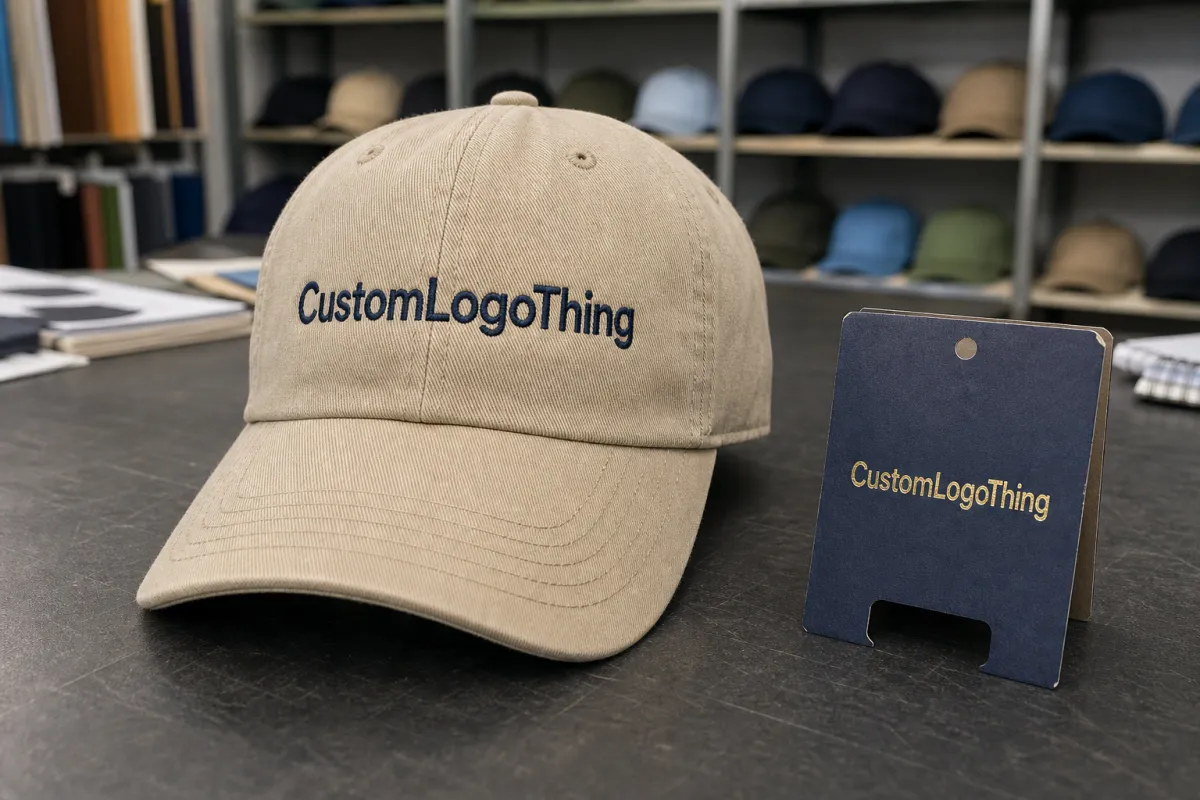
Factories price caps from inputs, not brand intent. A higher crown uses more fabric. A denser stitch pattern adds machine time. A metal buckle costs more than a basic snap. Even a small change in reinforcement can move labor enough to matter on a retail run. Across 500 or 5,000 units, those differences add up quickly.
Spec discipline usually pays off in three ways: the quote is more reliable, sampling takes fewer rounds, and production runs with less back-and-forth. The last point matters more than most brands expect. A weak brief often gets “fixed” in the sample room, and the fix shows up later as extra cost or uneven repeat orders.
The cheapest sample is rarely the cheapest program. If the fit is off, the front panel collapses under embroidery, or the brim arrives with a shape the retail team did not plan for, the correction cost spreads beyond the factory invoice. Returns, markdowns, and replacement orders are the real bill.
In cap sourcing, the first price is only useful if the spec is strong enough to hold it.
Brands that define the build early usually get cleaner pricing and fewer surprises. That means choosing silhouette, decoration, materials, and packaging before asking for a quote, not after the sample has already been approved.
Base cap construction details buyers should compare before they quote
Panel count should be one of the first decisions. A 6-panel cap is the most common retail format because it creates a familiar shape and gives the front panel enough structure for embroidery or patches. A 5-panel cap gives a broader front panel and a cleaner look for streetwear, lifestyle, and logo-led fashion collections. Neither is automatically better; they solve different merchandising problems.
Structure changes how the cap sells. Structured caps hold their crown shape and usually present better on a shelf or in a carton. Unstructured caps feel softer, break in faster, and lean more casual. For some brands, that softer hand is the point. For others, it makes the product look underbuilt.
Brim shape is another practical choice. Curved brims read more mainstream and wearable. Flat brims skew sharper and more fashion-driven. The choice affects styling and also how much decoration is visible from the front. A large front graphic can look crowded on a shallow crown or narrow brim.
Fabric has a bigger impact on cost and performance than many teams expect. Cotton twill gives a classic retail feel and handles embroidery reliably. Brushed cotton softens the look. Polyester blends hold color well and can improve consistency across a color run. Performance fabrics suit active and outdoor lines, though they change hand feel and can affect how some decorations sit.
Closures affect both cost and perceived quality. Metal buckles usually feel more premium. Snapbacks are efficient and easy to size. Velcro is practical for youth or utility programs, but it rarely reads premium in a fashion assortment. Fitted sizing can work in narrow markets, yet it adds inventory risk because size depth becomes stock depth.
Specs that control fit, decoration quality, and shelf appeal
Measure what actually affects the approved sample: crown depth, panel count, brim curve, stitch density, and front-panel stiffness. If those items are not written into the brief, the factory will infer them. In practice, that means more revisions, more emails, and a longer path to a stable bulk run.
Decoration is where many retail programs either save money or overcomplicate the build. Flat embroidery is the safest default for most logos. It stays clean, wears well, and usually keeps cost under control. 3D puff gives more shelf presence, but only if the logo is bold enough and the letterforms have space to rise. Woven patches handle finer detail better than thick embroidery, while printed patches and heat transfers make sense for artwork that would blur in thread.
The decoration should match the price point. A premium cap with a dense woven patch, matching thread colors, and a finished interior label can justify a higher shelf price. A lower-priced cap with too many thread colors, a tiny decoration zone, and complex stitching often looks crowded rather than premium.
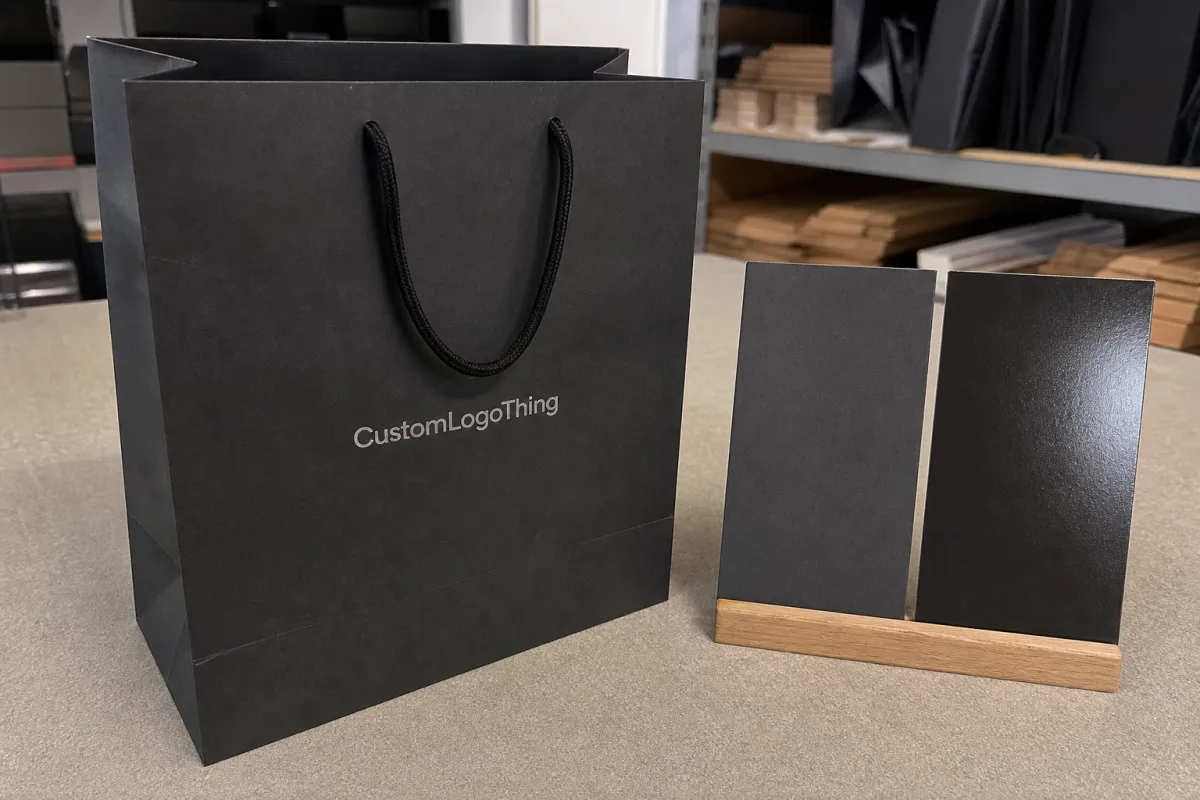
Packaging is part of the product. Retail buyers should confirm units per inner bag, carton size, barcode placement, and whether the brim ships flat or pre-shaped. If hangtags or inserts are needed, the stock choice matters because thin paper can warp in transit and create handling problems at fulfillment. If transit damage is a concern, carton and compression testing should be discussed before bulk starts.
Good specs reduce invisible costs. They prevent embroidery distortion, shade mismatch, fit complaints, and carton damage. They also make reorders easier, which is usually the best sign that a cap program has been set up correctly.
oem baseball caps wholesale pricing for retail apparel brands
oem Baseball Caps Wholesale Pricing for retail apparel brands is shaped by five main variables: quantity, fabric, decoration, closure, and packaging. The silhouette matters, but not as much as the build details. A simple 6-panel structured cap with flat embroidery prices very differently from a 5-panel cap with a woven patch, custom labels, and retail hangtags.
A realistic pricing range before freight and duty often looks like this:
| Cap build | Typical MOQ | Approx. unit price at 300 pcs | Approx. unit price at 500 pcs | What pushes it up |
|---|---|---|---|---|
| 6-panel structured cotton twill, flat embroidery, metal buckle | 300-500 | $2.40-$3.60 | $1.85-$2.90 | Dense logos, extra thread colors, premium labels |
| 5-panel unstructured, woven patch, snapback | 300-500 | $2.70-$4.10 | $2.05-$3.20 | Patch size, front panel stiffness, special trims |
| Performance polyester, heat transfer or small embroidery, Velcro or snap closure | 300-500 | $2.10-$3.30 | $1.70-$2.60 | Moisture-wicking fabric, color matching, retail packaging |
| Premium fashion cap with 3D puff, custom sweatband, barcode hangtag | 500-1,000 | $3.40-$5.50 | $2.60-$4.20 | Decoration depth, higher fabric weight, carton spec changes |
Those ranges are useful, not fixed. Below 300 pieces, setup costs weigh more heavily. Above 500 pieces, pricing usually becomes more efficient, but only if the order is clean and the artwork is stable. Rush production, extra colorways, or unusual packaging can erase the expected savings quickly.
A factory cannot price what it does not know. It can estimate, but estimates are where missing costs hide. The best quote requests are specific enough to remove ambiguity but flexible enough to allow a lower-cost alternative if the design supports it.
Before asking for pricing, send the following:
- Final artwork in vector format
- Pantone targets for cap, thread, patch, and label
- Exact logo placement and size
- Closure type, brim shape, and crown depth
- Sample quantity and revision limit
- Packaging needs, barcode format, and destination country
If the goal is margin control, ask for two versions of the same cap: one fully featured, one pared back. That side-by-side comparison usually reveals which details are carrying the price and which ones are only adding noise.
Production steps, lead time, and sample checkpoints from order to shipment
A good cap order follows a predictable sequence. The factory reviews the tech pack. A sample is built. Colors are confirmed. A pre-production sample is approved. Bulk cutting starts, followed by embroidery or patch application, sewing, trimming, inspection, packing, and freight booking. Skipping a step rarely saves time; it usually just moves the problem to the end of the schedule.
For simple styles, sampling often takes 7-14 business days, depending on artwork and fabric availability. Bulk production usually runs 12-20 business days after approval. Add time for specialty fabrics, custom closures, complex patch work, or repeated revisions. If the factory still needs to source trims, matching thread, or a specific sweatband, the calendar stretches.
Retail buyers should confirm three checkpoints in writing: the pre-production sample, the fit or size confirmation, and the final carton count. For repeat programs, keep one sealed master sample and one approved reference sample. Those two pieces save a surprising amount of confusion when the next season rolls around.
Quality control should be tied to measurable limits. AQL 2.5 is common for major defects in apparel accessories, with stricter scrutiny for logo placement, shade variation, and visible stitching on premium lines. AQL is not a guarantee of perfection, but it gives both sides a clear threshold. Without it, inspection becomes opinion.
The brim deserves its own check. It should hold shape without looking over-stiff, and it should arrive without denting or asymmetry. Buyers often focus on the logo and forget the brim, yet that is one of the fastest ways for a cap to look cheap on arrival.
Why retail apparel brands keep the same cap supplier after the first run
The second order tells you more than the first. The first run proves that the factory can make the approved sample. The second run shows whether it can repeat the same color, fit, and decoration quality without reopening every decision. For retail apparel brands, that repeatability is the difference between a product line and a one-off order.
A strong supplier does more than answer emails. They warn when a logo is too small for puff embroidery. They flag a closure choice that will hurt the retail price. They keep records of thread charts, label placements, and carton counts so the next order does not start from scratch.
A useful way to separate suppliers is to look at how they behave after sample approval:
- Decent factory: delivers the sample, but leaves the buyer to catch the details.
- Useful partner: spots weak specs early and protects the retail standard on repeat orders.
- Weak supplier: wins on price, then adds friction after approval through delays or unexplained changes.
Brands that keep the same supplier for cap programs usually see fewer shade mismatches, fewer fit complaints, and less time spent re-approving basic details. That consistency matters more than novelty in a category where the product is simple and the expectations are not.
There is also a hidden benefit: forecasting gets easier. Once the factory knows which builds you reorder, it can anticipate fabric use, trim inventory, and sample timing. That lowers the chance that a replenishment order becomes a rescue project.
What to send for a cleaner quote and a faster first production run
The fastest way to get a usable quote is to send a complete brief the first time. Include artwork, cap style, target quantity, color references, packaging requirements, and delivery deadline. Partial information usually produces partial pricing, and partial pricing is where later surprises begin.
For a first run, keep the process disciplined. Compare two spec options. Request one physical sample. Choose the version that protects margin without making the cap feel stripped down. Avoid stacking trims simply because they look good in a presentation deck. In real retail traffic, many of those details disappear into the overall shape.
Standardization helps more than most teams expect. If multiple styles in a collection can share the same fabric weight, closure type, or packaging format, pricing becomes more stable and replenishment becomes easier. The line can still look distinct. It just does not need a different machine setup for every variation.
For brands planning a larger cap program, clear spec discipline is usually more valuable than aggressive negotiation. The best savings come from good decisions made early: simpler decoration, fewer revisions, sensible packaging, and enough quantity to spread setup costs across the order.
Use the quote as a test of clarity. If the spec is specific, the answer should be specific too. If the spec is vague, the pricing will be too.
What affects OEM baseball caps wholesale pricing for retail apparel brands the most?
MOQ, fabric choice, decoration method, closure type, and packaging usually move price more than the cap shape itself. Complex artwork and custom labels add cost, but weak specs create bigger problems once production starts.
What is the usual MOQ for retail baseball cap orders?
Many factories start around 100 to 300 pieces per style, though better pricing often appears at 500 pieces and above. Mixed colors may be possible, but each colorway can affect pricing and lead time.
How long does it take to produce custom baseball caps wholesale?
Simple styles can move through sampling and bulk production fairly quickly, while decorated or heavily customized caps usually need more time. Artwork approval and sample signoff are the steps most likely to slow the schedule.
Which cap style sells best for retail apparel brands?
6-panel structured caps are the safest all-around retail choice because they hold shape and fit broad demand. 5-panel and unstructured styles work well for streetwear, lifestyle, and fashion-led collections.
How can brands reduce unit cost without cheapening the cap?
Keep the logo simple, limit extra trims, choose one proven fabric, and standardize packaging across the line. Lock specs early so the factory does not price in rework, delays, or avoidable revisions.