Why Event Teams Pay More Than the Cap Blank Suggests
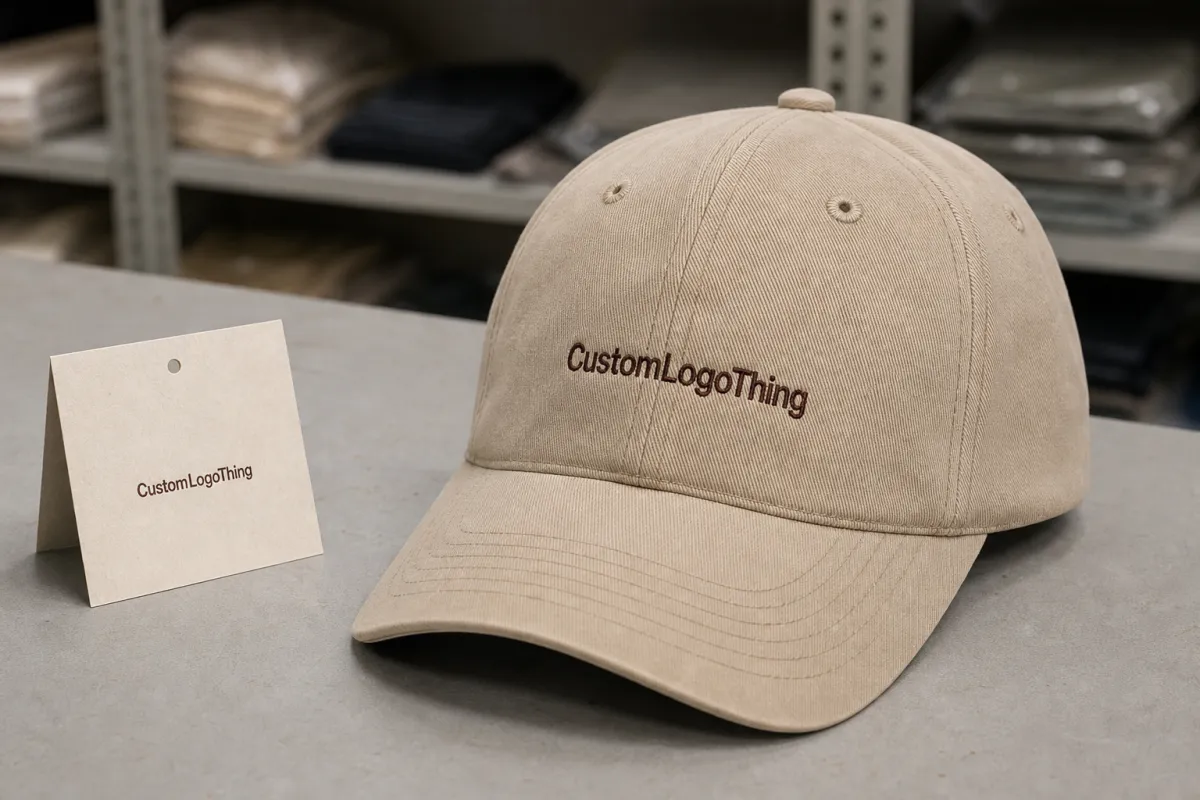
A cap stops being a simple blank as soon as it has to fit a team, carry a logo, and arrive on time. That is why oem baseball caps Wholesale Pricing for Event Teams often lands well above the base cap price. The real cost comes from decoration, consistency, packing, and schedule pressure, not just the fabric on the shelf.
Two caps can start from the same factory pattern and still end up in different price brackets. Embroidery density, patch type, thread count, label requirements, carton packing, and proof revisions all affect the quote. Custom color matching or a less common fabric pushes it higher.
Most event buyers are trying to balance three things:
- Presentation - the caps need to look consistent in photos and on site.
- Wearability - staff need comfort through long shifts, not just a short appearance.
- Timing - late delivery can break the job even if the caps are well made.
That makes the real question simple: what build fits the event with the least risk? A soft unstructured style may suit a volunteer group. A firmer six-panel cap usually works better for sponsor-facing crews, tournament teams, or field operations where the logo needs a cleaner frame.
Artwork can also create hidden cost. A logo that is technically correct may still be too small, too thin, or too crowded to stitch well on a curved front panel. Fixing that early is cheaper than reworking it after production has started.
OEM Baseball Caps Wholesale Pricing for Event Teams
Style choice drives both appearance and price. A structured six-panel cap with a curved bill usually gives the cleanest front for logos and patches. A five-panel cap creates a broader front panel for centered art. An unstructured cap feels softer and more casual, while a flat bill leans more modern or streetwear-oriented.
Mesh-back trucker styles remain popular because they breathe well in heat. That makes them practical for outdoor festivals, charity runs, and tournament staff standing in the sun for long periods. Solid-fabric caps look more polished in close photography and often give a more uniform result across a mixed team. Polyester and poly-cotton blends tend to hold shape better than heavy cotton alone, especially when caps are packed tightly and unpacked repeatedly.
Decoration method changes both the look and the cost. Embroidery is still the most dependable choice for many event orders because it wears well and handles rough use. Woven patches are useful when the logo has small type or fine lines. PVC patches add dimension and can feel premium or tactical. Print methods can work for certain artwork, but they are usually best when abrasion is low and color control is simple.
A practical style match looks like this:
- Outdoor festivals - mesh back, structured front, embroidery for durability.
- Corporate field days - cotton twill or poly-cotton, low-profile crown, patch logo.
- Tournaments - curved bill, solid front panel, embroidery or woven patch.
- Volunteer crews - comfortable unstructured cap with clear logo placement.
- Sponsor teams - premium patch finish, careful color matching, tighter packing control.
It also helps to think about how decoration interacts with the cap body. Dense embroidery can pull a lightweight front panel inward. On a stiffer cap that can look crisp; on a softer cap it can distort the shape. A patch often solves that problem because it carries the artwork on its own backing instead of asking the fabric to do all the work.
Packing is another cost driver that buyers often miss. Individually polybagged caps, grouped cartons, size stickers, and destination-specific boxing add handling time. Those items are small on paper and noticeable in the warehouse, especially for events that need fast distribution on arrival.
For broader bulk options before artwork is finalized, the Wholesale Programs page is a useful place to narrow the cap style.
Specs That Control Fit, Comfort, and Brand Presentation
Spec sheets matter because they show where the money is going. Panel count, crown height, bill shape, closure type, sweatband finish, and fabric weight all affect comfort and presentation. A quote can look attractive and still hide a cap that fits poorly or photographs badly.
A five-panel cap gives a smooth front for centered artwork. A six-panel cap follows the classic baseball shape and usually gives more support around embroidery or patching. Crown height matters too. A taller crown gives more room for branding, while a low-profile crown can make large artwork feel cramped around seams.
Closure choice should be treated as a functional decision, not just a style one. Plastic snaps are common and economical. Metal buckles feel more finished and often sit better for premium programs. Hook-and-loop closures are fast for distribution when the group has mixed head sizes. For staff teams, adjustable closure is usually the safer call.
Comfort details matter on long event days. Ventilation eyelets, moisture-wicking sweatbands, and lighter fabric weights can make a real difference. A cap that traps heat may be fine for a short giveaway, but it is a poor fit for crews wearing it from setup through teardown.
Brand presentation lives in the details. Thread color matching, patch border thickness, logo scale, and the amount of artwork simplification needed for stitching all change the final result. A logo with fine text may need a reduced version to stay readable on a curved front. That is not a production flaw; it is a normal limitation of the medium.
For shipping and packaging discipline, the ISTA testing standards are a practical reference. Caps are soft goods, but cartons still get stacked, compressed, and handled roughly in transit.
The main rule is simple: review the spec sheet before asking for artwork changes. If the body, closure, or decoration zone is wrong, the design cannot fix the order.
Pricing, MOQ, and the Variables Behind the Quote
Four variables drive most wholesale cap pricing: quantity, decoration complexity, number of locations, and speed. Quantity lowers unit cost because setup is spread across more pieces. Add a second decoration location, such as front embroidery plus side text, and the price rises because each location needs setup, alignment, and review.
Rush timing is expensive because it compresses the schedule and narrows freight choices. A standard run can usually absorb a few rounds of proofing or a short hold for approvals. A rush job cannot. It needs clean files, fast decisions, and an open production slot.
MOQ, or minimum order quantity, depends on the cap style and decoration method. A stock blank with simple embroidery may allow a lower MOQ than a custom-dyed cap with a molded patch. MOQ is not arbitrary; the factory is balancing setup time, sourcing, and decoration handling against the number of units in the run.
A useful quote should include more than unit price. It should spell out art review, setup, sample costs if any, packing method, freight assumptions, and whether the order is based on a stock cap or a custom build. Without that context, one supplier can look cheaper while quietly excluding important parts of the job.
| Option | Typical Use | Common Price Range | Notes |
|---|---|---|---|
| Stock cotton twill cap with embroidery | Volunteer crews, sponsor staff, local events | $4.25-$7.50 per unit at 300-500 pcs | Usually the best balance of cost, durability, and speed |
| Mesh-back trucker with patch | Outdoor festivals, field teams, long wear in heat | $5.10-$8.90 per unit at 300-500 pcs | Breathable and practical; patch detail affects price |
| Premium structured cap with multi-color patch | Corporate teams, sponsor activations, premium kits | $6.80-$11.50 per unit at 300-1,000 pcs | Higher finish level, especially when the patch has fine detail |
| Custom color or special fabric build | Brand-specific programs and repeat events | Quote-based, often higher by 15%-35% | More sourcing, tooling, or dye work can move the price fast |
If the quote looks unusually low, ask what is excluded. In bulk cap work, the hidden cost is usually in artwork changes, packing, shipping, or a decoration method that was priced as if it were simpler than it really is.
Locking the cap style and decoration method early is one of the easiest ways to control cost. Once those are fixed, quantity and ship date become the main levers. That is where buyers gain real control over oem baseball Caps Wholesale Pricing for Event teams.
Cheap is not a win if the caps arrive wrinkled, the patch edges lift, or the cartons are mislabeled. At that point the order is just a problem with a smaller invoice.
Process, Lead Time, and Production Steps From Proof to Ship
A clean production flow keeps the order moving. The usual sequence is inquiry, quote, artwork review, proof approval, production, finishing, packing, and shipment. When things slow down, they usually slow down at the proof stage. Buyers who treat proofing as a priority save time later.
Lead time depends on whether the caps are stock-supported, custom-colored, or built with a special decoration method. A simple embroidered run on a stocked cap can move quickly once the artwork is approved. A custom patch program or special fabric order needs more time for sampling and material confirmation. Multi-address shipping adds more coordination on top of that.
Most delays come from three places. First, the logo file is not print-ready and needs cleanup. Second, color approvals get stretched across too many decision-makers. Third, the buyer changes the spec after the proof is already in motion. Each one is common, and none is mysterious.
Good suppliers reduce friction by asking direct questions early. How many colors are in the logo? Is the cap meant for outdoor sun or indoor use? Do the cartons need to be grouped by team, by size, or by destination? Those questions do not slow the process; they prevent rework.
Packaging deserves more attention than it usually gets. Carton strength, carton count, and the amount of movement inside each case affect how the caps arrive. The Institute of Packaging Professionals offers useful guidance on handling and shipping performance. That mindset matters even for caps, because soft goods lose value when they arrive crushed or poorly sorted.
A simple planning rule works well: finalize artwork and quantity as early as possible. That gives the buyer more control over freight, and freight often decides whether the order lands on time.
How We Support Bulk Event Team Orders Without Guesswork
Bulk event orders become easier when the process is built around the actual use case. That starts with clear quoting and honest recommendations on material, decoration, and packing. If a cap needs to look sharp in photographs and still hold up through repeated wear, the build should reflect that.
Preproduction checks matter more than many buyers expect. Before the run starts, logo placement, panel structure, thread colors, and patch finish should all match the approved proof. A small centering error on a curved crown becomes very visible once the cap is stitched, so catching it early saves money.
Quality control should focus on thread tension, patch attachment, color consistency, closure function, and packing accuracy. If the order is grouped by team captain or sponsor, carton labels need to match that plan exactly. That kind of discipline helps on the receiving end, where no one wants to sort through mixed boxes on event day.
Packaging choices also carry real operational value. Individual polybags, size stickers, and carton mapping may look minor on a quote, but they can prevent a messy handoff. For a volunteer coordinator with a narrow delivery window, that matters as much as the cap itself.
Good support is often invisible. That is usually a sign that the order was planned correctly. The buyer sees boxes arriving on time, not a chain of small fixes hidden behind the shipment.
Next Steps for a Clean Bulk Quote and Smooth Delivery
Before asking for pricing, gather the details that change the run: quantity, deadline, cap style preference, decoration method, logo file, color targets, and shipping destination. If the order needs embroidery, a woven patch, or PVC patching, say so up front. Each choice changes both cost and lead time.
The fastest approval path inside most teams is also the simplest. One person should control budget approval. One person should approve artwork. One person should confirm delivery location. Too many voices slow the proof stage, and slow proofing is one of the most common ways to miss a shipping window.
Ask for three things before placing the order: a proof, a spec confirmation, and a shipping estimate. That combination usually exposes the hidden assumptions before production starts. If a supplier is vague about decoration placement, carton counts, or lead time, keep asking. Vague answers rarely improve once the order is already in motion.
For event teams comparing suppliers, use OEM Baseball Caps Wholesale Pricing for event teams as the filter, then choose the option that matches budget, timeline, and presentation goals. The best quote is not the lowest one on paper. It is the one that delivers the right cap, at the right quality level, with no last-minute surprises.
What affects OEM baseball cap wholesale pricing for event teams the most?
Quantity, decoration method, and cap construction usually have the biggest impact on unit price. Rush timing, special colors, and extra packaging can raise the quote even when the cap blank is simple.
What MOQ should I expect for event team baseball caps wholesale?
MOQ depends on the cap style and decoration method, with embroidered and patch orders often having different minimums. Lower quantities are possible, but the per-unit cost usually rises because setup is spread across fewer pieces.
Which decoration method works best for event team caps?
Embroidery is the most durable choice for many logos and works well for repeat wear and outdoor use. Patches are a strong option when the design needs sharper detail, more texture, or a premium look.
How long does production take after artwork approval?
Lead time depends on style, quantity, and decoration, but approval timing is one of the biggest variables. Once the proof is approved quickly, production and shipping can usually be scheduled with less risk of delay.
Can I mix colors or sizes in one wholesale event team cap order?
Yes, but mix-and-match options depend on the cap style, stock availability, and how the decoration is set up. Color or size mixes can affect MOQ and unit cost, so confirm the plan before artwork is finalized.
Is embroidery always cheaper than patches?
Not always. Simple embroidery is often lower cost, but a very small or detailed logo may need patch work to stay readable. The best method depends on artwork complexity and the cap surface.
What should I check before approving a proof?
Check logo placement, thread or patch colors, cap panel count, closure type, and whether the decoration size matches the crown shape. If the order includes split packing, confirm carton labels and grouping before production starts.


