Buyer Fit Snapshot
| Best fit | Offset Printed Folding Cartons Bulk projects where brand print, material claims, artwork control, MOQ, and repeat-order consistency need to be specified before quoting. |
|---|---|
| Quote inputs | Share finished size, material target, print colors, finish, packing count, annual reorder estimate, ship-to region, and any compliance wording. |
| Proofing check | Approve dieline scale, logo placement, barcode or warning zones, color tolerance, closure strength, and carton packing before bulk production. |
| Main risk | Vague material claims, crowded artwork, missing packing details, or unclear freight terms can make a low unit price expensive after revisions. |
Fast answer: Offset Printed Folding Cartons Bulk: Board, Finish, Dieline, and Unit Cost should be specified like a repeatable production item. The safest quote records material, print method, finish, artwork proof, packing count, and reorder notes in one written spec.
Production checks before approval
Compare the actual filled-product size with the drawing, then confirm tolerance on folds, seals, hang holes, label areas, and retail display edges. Reserve space for logos, QR codes, warning copy, and material claims before decorative graphics fill the panel.
Quote comparison points
Review material grade, print process, finish, sampling route, tooling charges, carton quantity, and freight assumptions side by side. A quote is only useful when the supplier can repeat the same color, closure quality, and packing count on the next order.
If you need offset Printed Folding Cartons bulk, the quote sheet matters more than the pitch deck. I have watched buyers get distracted by a slick sample and then miss the line items that decide the real cost. The actual story usually lives in three numbers: setup, unit cost, and run size. Spread the plates and prepress work across enough cartons, and the price per piece can fall faster than many people expect. A carton that looks premium on shelf may cost less than a simpler pack once the press is rolling in volume and the waste rate stays under control.
That is the part people do not always see. A carton is never just a carton; it is a tiny piece of manufacturing math wrapped around a brand promise. If the numbers are right, the pack does quiet work for months. If they are wrong, you end up paying for it in reprints, storage headaches, and awkward conversations with the warehouse.
Why offset printed folding cartons bulk still win on shelf
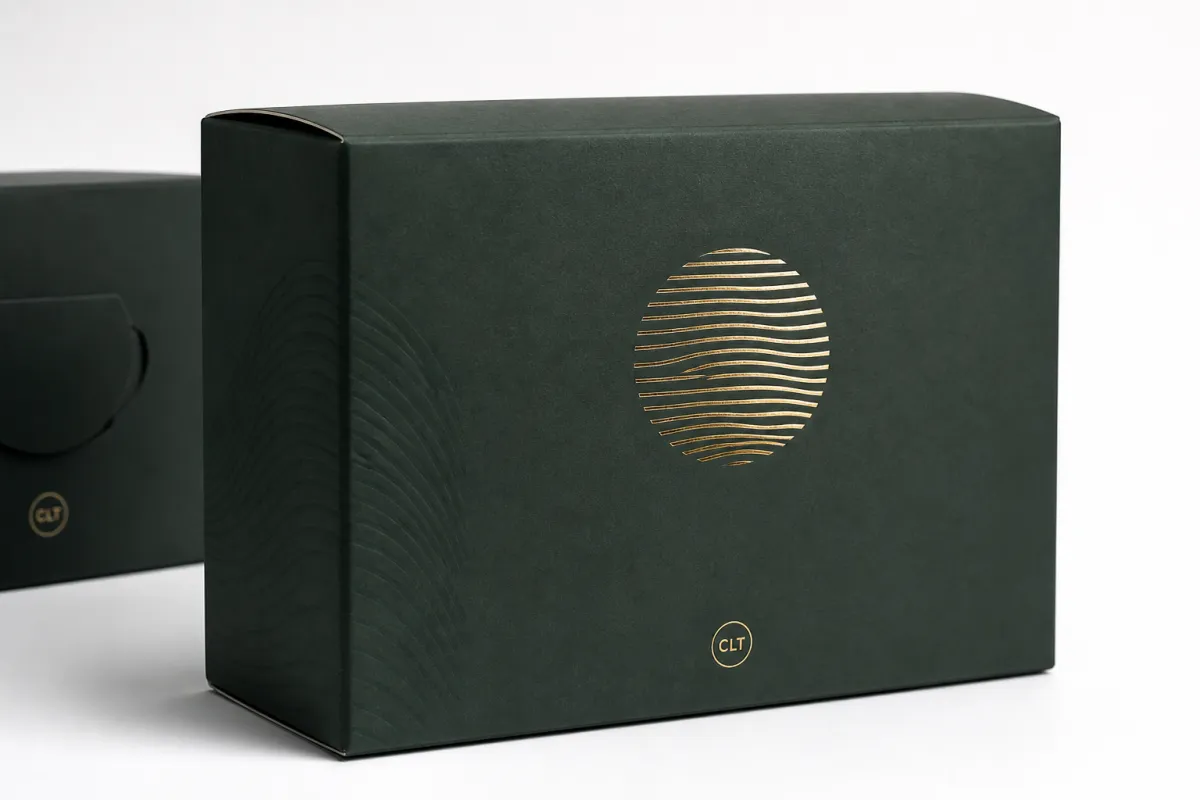
A weak package rarely fails because the product is bad. More often, the box feels generic, the color is off, or the finish makes the whole line look hesitant. That is the space where offset printed folding cartons bulk still hold their ground. Offset printing produces crisp type, tight registration, and cleaner solids than many short-run methods. Fine lines stay sharp. Small text reads more cleanly. Brand colors look like they were chosen on purpose, not guessed at in a rush.
Shoppers notice details quickly. They do not measure registration with a loupe, but they can see when one panel looks dull and another panel looks washed out. They can feel when a carton stock sags at the corners. They can tell when a folding carton stacks neatly and when it leans just enough to look tired. A tidy box does not shout. It signals control. In a crowded aisle, that signal can matter as much as the product claim printed on the front.
Offset printed folding cartons bulk fit best for products that reorder on a predictable schedule. Supplements, cosmetics, candles, specialty foods, personal care products, electronics accessories, and gift items all tend to benefit from repeatable print standards. If the packaging needs to be consistent from one quarter to the next, offset gives the brand a stable visual baseline. The upfront setup is higher than a simple digital job, yet the math changes fast once the order grows past a modest test run.
The tradeoff is straightforward. Offset work takes more preparation than digital print or plain stock cartons. Plates need to be made. Color needs to be checked. The press needs time to stabilize. None of that is glamorous, and none of it is optional if you want reliable output. The payoff is lower unit cost at scale, stronger color fidelity, and a deeper menu of finishes. For brands that want premium presence without paying luxury-packaging pricing on every unit, offset printed folding cartons bulk are often the practical answer.
There is a more interesting point hiding underneath the cost discussion. The carton is not just a shell. It is part of the product's credibility. If the outside feels orderly, the product often feels more trustworthy before anyone opens it. That is not marketing poetry. It is retail behavior. A clean package tells the customer the brand noticed the details.
Buyers comparing packaging routes usually end up weighing two realities: a lower-setup method with fewer finish options or offset printed folding cartons bulk with more upfront work and better shelf performance. If the product will live long enough to justify the run, offset often wins the commercial argument. If it will not, the lower-volume route may be smarter. That kind of honesty saves money.
Offset printed folding cartons bulk: product details that matter
The structure should fit the product, not the other way around. Plenty of packaging projects start with a box style the team likes, then force the product into it. That is how you end up with rattling contents, bulging panels, or cartons that refuse to stack cleanly. The standard folding carton formats include tuck end, reverse tuck, straight tuck, auto-bottom, and custom structures for heavier or unusual items. In offset printed folding cartons bulk, the structure affects appearance, packing speed, and product protection all at once.
Tuck End Cartons work well for lighter retail items. Reverse tuck keeps assembly simple and costs less than more complex locking styles. Straight tuck gives a cleaner front panel because the flaps line up more neatly. Auto-bottom cartons cost more, yet they save labor and handle heavier fills better. If the product is dense, fragile, or pulled off a shelf often, structure is not a secondary concern. A beautiful box that fails in transit is just expensive paper with better lighting.
Board choice can shift the entire feel of the pack. SBS, or solid bleached sulfate, is common for premium retail because it prints bright and holds fine detail well. CCNB, or coated recycled board, tends to work better for value-focused work where the brand wants a good-looking carton without paying for a luxury face stock. Kraft delivers a warmer, earthy look that suits organic, handmade, or environmentally minded products. Specialty board comes into play when the brief calls for extra strength, texture, or a different surface response. For offset printed folding cartons bulk, the board can change the economics more than the artwork does.
| Board Type | Best Use | Typical Look | Cost Impact |
|---|---|---|---|
| SBS 14pt-18pt | Premium retail, cosmetics, supplements | Bright white, crisp print, high-end finish | Higher than recycled board |
| CCNB 18pt-24pt | Value products, general retail, high-volume promotions | Clean but less premium than SBS | Usually lower than SBS |
| Kraft 18pt-20pt | Natural, organic, artisan, eco-focused products | Warm brown face, visible fiber, earthy brand feel | Moderate; finish options may shift pricing |
| Specialty board | Heavy items, rigid feel, unique texture needs | Depends on coating and surface treatment | Can rise quickly with custom specs |
Decoration choices can help, but every add-on needs a job. Windows make sense when the product itself should be seen. Inserts hold fragile contents steady. Embossing adds depth you can feel with a fingertip. Foil stamping catches the eye on a logo or seal. Spot UV creates contrast, especially on matte stock. Soft-touch coating changes the hand-feel completely; buyers often read that texture as premium before they notice the print. Matte varnish keeps the look controlled. Gloss varnish increases shine and can make color appear louder. Each of those decisions changes both cost and visual impact for offset printed folding cartons bulk.
The product should guide the finish. Weight, filling method, and retail setting all matter. A hand-packed item needs a carton that opens and closes cleanly. A product moving on a conveyor needs a structure that feeds without snagging. A carton under bright retail lights needs careful handling of dark solids, because even minor color shifts show up fast. The smartest buyers usually start with function and let decoration come second.
I still remember a cosmetics run where the foil looked beautiful in proof but the board felt too soft once the line got moving. The cartons were not failing exactly, but they were not helping either. We adjusted the board and the stack behavior changed almost immediately. That is the sort of detail that makes the difference between packaging that photographs well and packaging that actually behaves on a packing table.
"A folding carton only saves money when the structure, stock, and finish are decided before the quote goes out." That line avoids more expensive mistakes than most packaging presentations ever catch.
If your brand wants broader production support, our Manufacturing Capabilities page shows the structures and finishes we can support, and our Wholesale Programs page is useful if you expect repeat volume. Those pages help buyers compare options before they commit to a carton style for offset printed folding cartons bulk.
Specifications for offset printed folding cartons bulk
Clean specs shorten the quote cycle. That sounds dull, but it is where money gets protected. Before requesting offset printed folding cartons bulk, define the finished dimensions, board caliper, print sides, coating choice, and whether the carton needs reinforcement. If the product fits tightly, give exact product measurements and note the direction of insertion. A difference of 1/16 inch may be trivial in one pack and a nuisance in another.
File setup deserves the same level of care. Send the dieline in an editable format if possible. Keep artwork on a separate layer from the die line unless the printer asks for a different structure. Leave bleed on all sides, usually at least 0.125 inch, and keep critical text inside the safe area. Images should be high resolution, commonly 300 dpi at final size. If the design depends on a specific brand color, identify the Pantone target clearly. If the job is CMYK, expect some shift and design around that reality. For offset printed folding cartons bulk, sloppy file prep is the fastest route to revision loops.
Color control deserves more attention than most teams give it. Brand colors drift when the artwork uses the wrong profile or when rich black is built inconsistently. Deep reds, saturated blues, and skin tones can wander if the file is mishandled. If the package needs to sit beside a competitor's carton on a retail shelf, even a slight mismatch becomes visible. Buyers should ask how proofing works, whether press checks are available, and whether the printer uses a standard target for color consistency. A difference of a few points in density can change the entire impression of a carton line.
Compliance copy should be planned early, not squeezed into the design after everything else is locked. Ingredient panels, net weight, warning text, barcode space, lot codes, recycling marks, and regulated claims all need room. Food, cosmetic, and supplement cartons can be especially unforgiving because the back panel is not just blank space. It has legal boundaries and practical limits. For certain shipments, packaging buyers also ask for transit testing guidance from groups like ISTA test standards, especially when the carton is part of a larger shipper or retail-ready pack. If paper sourcing matters to your retailer or sustainability team, the certification trail from FSC-certified paper options can be worth building into the brief.
If the carton will face more shipping stress than simple shelf handling, ask whether the design should account for crush resistance, stacked load, or carton-to-carton abrasion. ASTM D4169-style thinking is useful even for lighter retail cartons when products are packed in cases and moved several times before they reach the shelf. A carton can look perfect in a mockup and still fail in use if those conditions were never part of the conversation.
Offset printed folding cartons bulk do not reward vague briefs. The more exact the inputs, the less room there is for unpleasant surprises. A useful quote request usually includes:
- Finished carton dimensions, including depth
- Board preference and caliper, if known
- Print side count and ink intent
- Coating or varnish choice
- Quantity tiers for comparison
- Compliance copy or barcode needs
- Delivery zip code and timing target
That list looks basic because it is basic. Still, it separates a sharp estimate from a number padded with assumptions. For offset printed folding cartons bulk, assumptions are expensive. Clarity costs less.
Cost, pricing, MOQ, and quote basics for offset printed folding cartons bulk
Pricing for offset printed folding cartons bulk comes down to a handful of levers: board, ink coverage, finishing, tooling, shipping, and how much setup cost gets spread across the run. Buyers often focus on a single unit price and stop there. That is how bad decisions get made. A lower unit price may hide a heavy setup charge, while a slightly higher unit price can still produce a better landed cost once freight and finishing are included.
For a standard tuck-style carton with common commercial specs, the ranges are often more revealing than any sales script. At around 1,000 units, a simple carton may land in the $0.55-$1.10 per unit range, depending on size and finish. Around 3,000 units, that can fall to roughly $0.28-$0.55 per unit. At 5,000 units, many jobs settle around $0.18-$0.36 per unit. At 10,000 units or more, standard jobs can move into the $0.12-$0.24 per unit range. Add foil, embossing, soft-touch coating, or more complex structural work, and the number rises. That is normal. Premium finish work is still work.
Those numbers are directional, not a promise. Paper prices move. Freight changes. Color-critical work adds time. A job printed in one region may not land at the same price as a similar order somewhere else. Still, the pattern holds: the more units you spread the setup across, the more offset starts to look like the sensible choice.
The minimum order quantity depends on size, board, and decoration, but bulk offset usually makes sense once setup cost stops dominating every piece. Lower MOQs can be done, yet the cost curve gets steep quickly. That is why offset printed folding cartons bulk are best quoted in tiers. Ask for multiple quantities in the same estimate so the real break point is visible instead of guessed. If your buyer only asks for one quantity, they are kinda forcing the pricing story to stay half hidden.
A useful quote separates each cost element. If everything is merged together, the real source of the price becomes hard to see. A clearer estimate shows the pressure points:
- Board and print specifications
- Prepress and plate or setup charges
- Finishing or decoration costs
- Die cutting and gluing
- Packing method and case count
- Shipping or freight to destination
That breakdown gives buyers a real comparison tool. If the number is too high, you can see whether the board, finish, or freight is driving it. If the estimate looks close, you know what would move it. For offset printed folding cartons bulk, transparency usually beats a polished headline price that falls apart after freight and finishing are added back in.
Here is a simple comparison that shows how volume changes the economics for a standard retail carton with basic four-color offset print and a matte varnish:
| Quantity | Typical Unit Range | What Usually Changes | Buyer Takeaway |
|---|---|---|---|
| 1,000 | $0.55-$1.10 | Setup cost is heavy | Good for testing, not ideal for cost control |
| 3,000 | $0.28-$0.55 | Setup is spread better | Often the first sensible bulk tier |
| 5,000 | $0.18-$0.36 | Better run efficiency | Common sweet spot for repeat products |
| 10,000 | $0.12-$0.24 | Lowest unit cost on standard specs | Best if shelf life and storage space allow it |
For offset printed folding cartons bulk, the right buying question is rarely "What is the lowest unit price?" The better question is "What is the lowest landed cost with acceptable shelf quality and inventory risk?" Those are different numbers. A product with a short shelf life should not be overbought just because the carton gets cheaper at 10,000 units. A stable SKU with predictable reorders can absorb a larger run and benefit from the lower price curve.
Production process and timeline for offset printed folding cartons bulk
The production sequence should be boring. Predictable is good. For offset printed folding cartons bulk, the process usually starts with quote review, then dieline confirmation, then artwork prep, proof approval, plate making, press run, finishing, die cutting, gluing, packing, and shipping. Each step looks manageable on paper. Trouble tends to appear when one step is treated casually or rushed.
Artwork errors are the most common source of delay. Missing bleeds, wrong dielines, late copy changes, low-resolution images, and unapproved color builds all consume time. The ugliest version is a change after proof approval. That may sound minor. It is not. It can force new plates, shift press scheduling, and push finishing down the line. For offset printed folding cartons bulk, every late change has a real cost attached to it.
A realistic timeline depends on complexity, but a simple offset carton often takes about 12-18 business days after proof approval. Add more time if the job includes foil, embossing, soft-touch coating, or a custom structural format. Freight sits on top of that. If the cartons need to arrive for a warehouse appointment or a seasonal launch, the schedule should leave breathing room. Tight schedules turn into expensive emergencies fast.
Lock the structure before the artwork gets too far along. That keeps the design from having to be squeezed, cropped, or rebuilt around a different dieline. For offset printed folding cartons bulk, late structural changes are painful because the print layout, die line, and folding sequence all depend on each other. Fix the structure early and the rest behaves.
The process works a bit like a relay race. One sloppy handoff slows the whole run. Proof approval needs attention. Plate making needs accuracy. Press checks should confirm color, registration, and ink density. Die cutting should deliver clean edges and no cracking at the folds. Gluing should hold square and stay strong. Packing should keep cartons flat and protect the print surface from scuffing. That is the difference between cartons that arrive ready for use and cartons that arrive needing another round of handling.
There is a reason experienced buyers get nervous about last-minute edits. A one-word copy change can move a barcode, a legal line, or a regulatory notice. A slightly different coating can alter fold behavior. A rush approval can freeze a mistake into thousands of pieces. It is not dramatic; it is just manufacturing, and manufacturing is not usually kind to improvisation.
If the dieline is wrong, everything after it is just expensive problem-solving.
That is why offset printed folding cartons bulk benefit from early planning. Once structure and artwork line up, production usually moves with much less friction. Buyers who plan well spend less time chasing fixes and more time launching the product.
Why choose us for offset printed folding cartons bulk
At Custom Logo Things, the value is not noise. It is control over the parts that decide whether the carton feels premium or merely expensive: stable color, dependable registration, clean finishing, and bulk pricing that reflects actual production instead of padded guesswork. For offset printed folding cartons bulk, that control matters because the carton has to print well, convert well, and arrive ready for the packing line.
Quality control separates a good sample from a run that works in the real world. Press checks confirm color and ink density. Finish checks confirm the surface treatment behaves correctly. Die accuracy keeps folds aligned. Glue performance matters because a carton that opens in transit is not premium packaging. Flatness matters because warped stacks slow down packing and make storage harder. A folding carton only earns its keep if it survives the trip from press to warehouse to shelf.
From the buyer's side, the benefit is clearer communication. Specs should be easy to compare. Quotes should show what drives cost. Production plans should not change every time someone notices a typo in the back panel. That matters even more with offset printed folding cartons bulk, where small errors multiply with the run size. A minor miss on a 1,000-piece order is annoying. The same miss on 10,000 pieces becomes a budget line.
We also keep the buying process straightforward. If a different board will improve the outcome, we say so. If a different finish makes more sense for the product, we say that too. If a sample structure is the smarter move before the final order, that is better than pretending the first run will magically solve itself. Honest packaging guidance usually saves more than a bargain quote that later grows revision charges.
Repeat orders go smoother when the spec stays still. That is why offset printed folding cartons bulk often work best with locked artwork, stable dielines, and finish choices that do not change from one order to the next. Fewer variables mean fewer headaches. Simple enough.
Here is the buying advantage in plain language:
- Cleaner specs mean faster quoting
- Better structure decisions reduce packing issues
- Clear finish choices reduce change orders
- Tiered quantities show the real cost break
- Stable artwork keeps repeat orders consistent
If you are comparing suppliers, look past the headline number. Compare how clearly each one explains board, finishing, proofing, and schedule. That is the difference between offset printed folding cartons bulk becoming a dependable repeat purchase or turning into a recurring source of friction. One of those keeps operations moving. The other just burns time.
Next steps for offset printed folding cartons bulk
Start with the basics: carton dimensions, product weight, target quantity, finish preference, artwork status, and delivery location. That is enough to build a real quote for offset printed folding cartons bulk instead of a rough estimate that needs to be rebuilt later. If the product is fragile or shaped oddly, add notes about fit, insert needs, and how the item will be packed.
Ask for tiered pricing at several quantities so the break point is visible. A 1,000-piece number does not say much unless you are testing a launch. Ask for 3,000, 5,000, and 10,000 as well. That shows where setup cost stops dominating and where unit economics begin to improve. For offset printed folding cartons bulk, that comparison usually tells a more honest story than one isolated quote ever could.
Decide whether you need a digital proof, a structural sample, or a material test before the full run. A proof checks artwork. A sample checks size, fold behavior, and assembly. A material test becomes important if the carton must support a specific weight or survive a rough shipping path. Skipping that step usually feels efficient right up until the reprint arrives.
If the brand is still refining the pack, lock the dieline before finalizing graphics. That keeps the print layout aligned with the actual structure. Approve the proof, send final files, and keep copy changes to a minimum. That is the cleanest way to move offset printed folding cartons bulk into production without stalling the schedule.
One practical detail tends to save time later: keep the final file set in one place. Final art, dieline, approved proof, board spec, finish note, and quantity history should travel together. Future you will appreciate it. So will the production team.
For buyers who want a straightforward route, the best move is to define the pack, compare quantity tiers, and confirm proofing before release. That is how offset printed folding cartons bulk stay on budget and arrive ready to use. No drama. Just a carton doing exactly what it was built to do.
FAQ
What affects offset printed folding cartons bulk pricing the most?
Board choice, ink coverage, and finishing usually drive the biggest swings in price. Quantity matters because setup cost gets spread across the run, which is why offset printed folding cartons bulk often get cheaper per unit as the order grows. Complex structures and specialty coatings can push the number up quickly, especially if they add setup time or slow the finishing stage.
What is the usual MOQ for offset printed folding cartons bulk?
MOQ depends on size, board, and finish, but bulk offset jobs usually begin where setup cost makes sense across the order. Lower MOQs can be done, though the unit price tends to rise fast. Ask for tiered quantities so you can see the actual cost curve before you commit to offset printed folding cartons bulk.
What files do you need for an offset printed folding cartons bulk quote?
Send the dieline, artwork file, target dimensions, and quantity first. Include board preference, finish, print sides, and delivery location. If compliance copy or barcodes are needed, add those early so nothing gets missed. Clean inputs make offset printed folding cartons bulk quoting faster and more accurate.
How long does offset printed folding cartons bulk production take?
Timing depends on proof approval, plate making, press scheduling, finishing, and shipping. Simple jobs move faster than cartons with foil, embossing, or custom structures. The quickest way to delay the job is changing artwork after proof approval, so lock the files before you release offset printed folding cartons bulk into production.
Can I get a sample before ordering offset printed folding cartons bulk?
Yes, ask for a structural sample or proof depending on what you need to verify. A proof checks artwork; a sample helps confirm size, fit, and assembly. If the carton must hold a specific product weight, test that before the full run so the offset printed folding cartons bulk order does not miss the mark.