Buyer Fit Snapshot
| Best fit | Offset Printed Rigid Boxes projects where brand print, material claims, artwork control, MOQ, and repeat-order consistency need to be specified before quoting. |
|---|---|
| Quote inputs | Share finished size, material target, print colors, finish, packing count, annual reorder estimate, ship-to region, and any compliance wording. |
| Proofing check | Approve dieline scale, logo placement, barcode or warning zones, color tolerance, closure strength, and carton packing before bulk production. |
| Main risk | Vague material claims, crowded artwork, missing packing details, or unclear freight terms can make a low unit price expensive after revisions. |
Fast answer: Offset Printed Rigid Boxes: How They Work, Cost, and Uses should be specified like a repeatable production item. The safest quote records material, print method, finish, artwork proof, packing count, and reorder notes in one written spec.
Production checks before approval
Compare the actual filled-product size with the drawing, then confirm tolerance on folds, seals, hang holes, label areas, and retail display edges. Reserve space for logos, QR codes, warning copy, and material claims before decorative graphics fill the panel.
Quote comparison points
Review material grade, print process, finish, sampling route, tooling charges, carton quantity, and freight assumptions side by side. A quote is only useful when the supplier can repeat the same color, closure quality, and packing count on the next order.
Offset Printed Rigid Boxes: How They Work, Cost, and Uses
Offset Printed Rigid Boxes are usually not printed directly on the board. The image sits on a wrapped paper sheet, and that outer layer carries most of the visual load. That detail matters because it explains why the box can look polished while still being built from a heavy, protective shell underneath. It also explains why the first quote often surprises buyers who are comparing it to a folding carton.
Cosmetics, electronics, gift sets, and luxury retail all ask packaging to do two things at once: protect the product and make it feel worth opening. Offset printed rigid boxes handle that brief well. The structure gives the box weight and shape, the printed wrap carries the brand, and the finish can move the result from functional to memorable. For teams comparing packaging directions, our Custom Packaging Products and Manufacturing Capabilities pages are a practical starting point.
The format stays popular for a reason. Rigid chipboard often ranges from about 1.5 mm to 3 mm thick, while the outer wrap can hold detailed artwork, metallic accents, and specialty coatings without making the package feel thin. A customer sees a polished object. A manufacturer sees board, paper, adhesive, print, coating, and handwork all needing to align. That combination is what creates the premium effect.
Offset printed rigid boxes do not become expensive by accident. Price shifts with print method, board thickness, wrap stock, finishing, insert design, and order size. Two quotes can look similar at a glance and still differ meaningfully once the specification is unpacked. The gap usually lives in the spec sheet, not in the sales pitch.
A box that looks simple on the shelf can still hide a demanding build. The structure, wrap, coating, and assembly do most of the work long before a customer touches the lid.
Offset Printed Rigid Boxes: Why They Feel More Expensive Than They Look
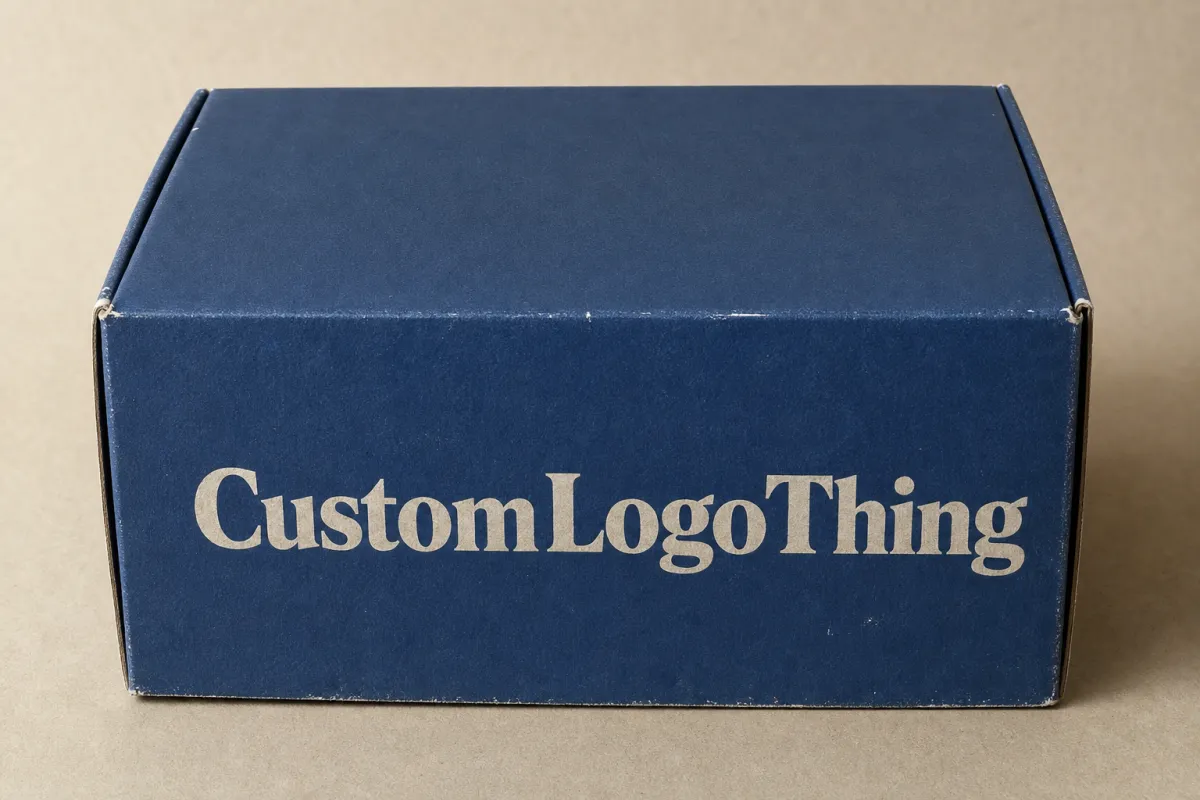
Most premium rigid boxes are built in layers rather than printed as a single folded sheet. A rigid chipboard shell creates the body, then a printed wrap brings the color, logo, and texture. That hidden structure gives the box its stiffness, its square edges, and its composed, expensive look. The buyer notices the artwork. The packaging team pays for the engineering behind it.
Offset printed rigid boxes show up in categories where first impressions can change the sale. A serum, smartwatch, fragrance set, candle, or accessory may all use a similar outer format, yet the printed wrap changes the message entirely. Clear typography, exact logo placement, and deep color blocks usually feel more deliberate than what a folding carton can deliver. Even a small shift in finish can alter how a product is perceived on a crowded shelf.
From the shelf, the box acts like a quiet salesperson. From the factory side, it is a multi-step build with paper, adhesive, rigid board, and often an insert or tray. The premium feel comes from that combination. The customer sees one finished object. The production team sees several controlled steps that all need to line up.
Brands usually choose offset printed rigid boxes for four reasons:
- Premium presentation for giftable or high-margin products.
- Better color control for logos, artwork, and repeat brand elements.
- Stronger structure than a folding carton for display and transport.
- More finish options such as foil stamping, embossing, soft-touch lamination, or spot UV.
That mix is hard to beat. A well-built rigid box can sit on a retail shelf, show up in an unboxing video, and survive handling without looking tired after the first touch. Buyers keep returning to the format because it still performs when cheaper packaging starts to look thin or bend out of shape.
The useful distinction is between what the customer sees and what the box is actually doing. The customer notices print quality, texture, and how the lid closes. The box is also protecting corners, holding the product still, and keeping fit consistent across the run. Those are separate jobs, and a good supplier has to manage both.
How Offset Printing Works on Rigid Boxes
Offset printing transfers ink from a metal plate to a rubber blanket, then from the blanket to the paper sheet. That extra transfer step is one reason offset can deliver sharp images, smooth gradients, and steady color across larger quantities. It is a practical process rather than a flashy one, and packaging benefits from exactly that kind of repeatability.
The workflow usually begins with file preparation. Artwork gets checked for bleed, safe area, resolution, spot colors, and alignment with the dieline. The printer separates colors into CMYK or sets up Pantone inks if the brand needs a precise logo tone. After the plates are made, the press is calibrated, proofed, and run until the color lands in the right place. Once the sheets dry, they move to coating or lamination before die-cutting and wrapping onto the rigid structure.
File quality matters more than most buyers expect. A dieline that drifts by even a few millimeters can push a logo into a fold or make a repeated pattern look uneven at the corner. The rigid structure can hide some variation, but not enough to rescue sloppy prepress work. If the file starts off poorly, the print only makes that problem more visible.
Color control is one of the main reasons brands choose offset printed rigid boxes. CMYK handles most photographic artwork well, while Pantone colors are better for exact brand matching. If a logo depends on a specific blue or red, that choice should be locked early. Special inks can create metallic effects or unusual brand tones, but every added step changes cost and may affect drying time.
After printing, the paper sheet usually receives a protective coating or lamination. Matte, gloss, and soft-touch are the most common choices. The sheet is then cut, folded where needed, and glued onto the chipboard shell. That wrapping stage is the moment when the mockup becomes the real product. It is also the stage where precision matters most, because a crooked wrap or lifted corner can undo the value of an otherwise clean print.
Offset printing tends to outperform digital printing for medium and larger runs because setup cost gets spread across more units, and the color consistency remains strong once the press is dialed in. Digital printing still has its place for very small runs, testing, or late artwork changes. For offset printed rigid boxes that need premium finish, commercial quantity, and accurate color, offset often makes the better financial case.
For teams looking at packaging standards more broadly, trade resources like Packaging.org help with terminology and industry context, while ISTA is useful for shipping test methods that influence how a box should be built and packed.
Production Process and Timeline for Offset Printed Rigid Boxes
A clean rigid box order usually moves through the same sequence, even when the details shift. First comes the quote. Then the dieline review. Then artwork approval, proofing, printing, finishing, box assembly, and final inspection. Skip one of those steps and the cost shows up later, usually as rework or a launch delay nobody wanted.
Lead time depends on complexity. Straightforward offset printed rigid boxes with a simple wrap and no specialty insert may move through production in about 2 to 3 weeks after artwork approval. Add foil stamping, embossing, custom foam, a magnetic closure, or multiple proof rounds, and the timeline can stretch to 4 to 6 weeks or more. That is not delay for its own sake. It is the real sequence of work.
Several issues slow production down:
- Missing dielines that force the layout to be rebuilt.
- Late artwork revisions after proofing has already begun.
- Color changes that require a new press setup or a revised proof.
- Finish changes such as moving from matte to soft-touch or adding spot UV.
- Custom inserts that need their own fit check and sample approval.
A small delay early in the process can create a chain reaction. If the design team sends a logo update after prepress has started, the plate schedule shifts. If the sample misses the fit by a few millimeters, the insert needs adjustment. If the buyer wants a different sheen after seeing the first proof, the coating stage may need another pass. None of that is unusual. It is just manufacturing with real tolerances.
Box structure also affects timing. A one-piece lid-and-base style is usually simpler than a shoulder-neck box or a book-style magnetic closure. More layers and more movement points mean more careful assembly. That extra time is part of the value. A box with a crisp close feels better because it took more control to build it correctly.
For regulated brands and export-heavy programs, transit testing matters too. ISTA methods and ASTM test frameworks are commonly used to check how packaging performs under vibration, drop, and compression stress. If the product is fragile, those tests should shape the design before production begins. Learning after a failure is a costly way to learn anything.
Planning beats optimism every time. If the launch date is fixed, reserve time for artwork approval, structure approval, and sample review before the production calendar is locked. Offset printed rigid boxes may look straightforward in a render and still require several careful stages to build properly.
Cost, Pricing, and MOQ: What Actually Changes the Quote
The quote for offset printed rigid boxes usually moves for six reasons: size, board thickness, print coverage, finish choice, insert type, and order quantity. If a supplier gives a number without separating those pieces, the number is less useful than it seems. It reveals the bill, not the logic behind the bill.
MOQ matters because offset printing and rigid box assembly carry setup costs. Plates, press calibration, die cutting, wrapping setup, and sample approval all take time before the first sellable box reaches the line. Once that setup is spread across 500 units or 5,000 units, the unit price can shift sharply. Small runs often feel expensive. Larger runs usually change the math quickly.
Here is a practical way to think about pricing for offset printed rigid boxes:
| Build Level | Typical Quantity | Approx. Unit Cost | Best Fit | Notes |
|---|---|---|---|---|
| Basic wrap, single-color or simple CMYK print | 500-1,000 units | $1.80-$3.50 | Gift sets, entry-premium retail, short launches | Lower setup complexity, fewer decorative extras |
| Mid-tier premium build with matte or gloss lamination | 1,000-3,000 units | $1.10-$2.80 | Cosmetics, accessories, consumer electronics | Good balance of appearance and budget |
| High-end build with foil, embossing, or custom insert | 3,000-10,000 units | $0.90-$2.40 | Luxury retail, seasonal gifting, flagship product lines | Setup cost spreads better at larger quantities |
Those ranges are broad, not a promise. A small box with a single logo and a basic tray can land near the lower end. A large box with full-coverage artwork, specialty coating, and a custom foam insert can climb quickly. Rigid box pricing is material math plus assembly labor. There is no hidden shortcut waiting in the quote.
Hidden costs deserve attention too. Plate charges, tooling, sampling, rush fees, freight, and packaging for shipping can all nudge the final total. If a supplier quotes only the box and leaves out the sample or the freight, the number can look lower than it really is. That is a common reason quotes get compared badly. Buyers think they are comparing the same product. They are not.
Useful questions are often the simplest ones:
- What board thickness is included?
- Is the paper wrap coated or uncoated?
- Does the quote include lamination or foil stamping?
- Is the insert paper, EVA, molded pulp, or none at all?
- How many proof rounds are included before production?
- What is the freight assumption?
Compare like with like. A lower quote built on lighter board or a simplified finish is not automatically cheaper. Sometimes it is just a different box with a different spec, wrapped in the same language. That detail matters more than most buyers expect until the cartons arrive.
Key Factors That Affect Color, Durability, and Finish
Color accuracy starts with the file, but it does not end there. Artwork resolution, bleed, safe area, and dieline alignment all affect the final look. A logo that is sharp in the design file can still appear awkward if it lands too close to a corner fold or if the wrap shifts slightly during assembly. Offset printing is precise. Packaging assembly is precise too. The two need to meet cleanly.
Substrate choice matters more than many first-time buyers expect. The paper wrap, the rigid board, and the adhesive all shape the final feel. A 157 gsm coated art paper wrapped over dense chipboard feels different from a textured specialty paper wrapped over a lighter board. Neither option is automatically better. Each one supports a different brand story and a different budget.
Finish choice changes both appearance and wear resistance. Gloss lamination makes color pop and helps resist scuffing. Matte creates a quieter, more restrained look and keeps reflections down. Soft-touch lamination feels velvety and premium, though it can show handling marks more easily if the box is dragged around or packed badly. Spot UV can highlight a logo or pattern, but it has to line up carefully or it looks like a late addition. Foil stamping adds shine and visual authority, while embossing or debossing adds depth you can feel.
Durability is not only about the wrap. Structure details make a large difference:
- Magnetic closures keep the lid crisp and repeatable.
- Shoulder-neck construction adds a layered reveal and a tighter fit.
- Custom inserts stop movement and protect fragile items.
- Corner wrapping quality affects how well the box survives handling.
Color consistency depends on proofing standards and press discipline. A careful manufacturer will compare the approved proof, the press sheets, and the final wrapped box before shipment. If the sample was approved under one light source and the production run is checked under another, the result can look different even when the numbers are technically close. That is one reason many brands still prefer physical approval samples over screen-only decisions.
For brands that need a sustainability angle, FSC-certified paper wraps can support responsible sourcing claims, provided the chain-of-custody paperwork is in place. FSC does not make a box automatically better, but it can matter for retail programs, corporate gifting, or export briefs where paper sourcing is part of the requirement.
The practical lesson is plain: the better the structure, print setup, and finish planning, the more polished the final box feels. Cheap materials and sloppy assembly rarely hide behind flashy artwork for long. Customers may not know the technical language, but they spot a loose closure or a crushed corner immediately.
Common Mistakes When Ordering Offset Printed Rigid Boxes
The biggest mistake is sending unprepared artwork and expecting the printer to repair it. Low-resolution images, missing fonts, weak bleed setup, and logos placed too close to folds always show up later. The press does not correct bad files. It reproduces them with more clarity.
Another common error is choosing finishes before the brand goal is clear. A box can look luxurious in a mockup and still be hard to read on a shelf if the finish is too reflective or the contrast is too soft. Heavy foil may suit a holiday edition, but it can feel excessive for a clinical skincare line. The finish should support the message, not bury it.
Skipping a sample is expensive in the wrong way. A pre-production sample or prototype can reveal sizing issues, color shifts, closure tension, and insert fit problems before the full run is made. On rigid boxes with tight tolerances, that preview is not a luxury. It is basic risk control.
Late ordering causes trouble too. A brand finalizes the product, then remembers the packaging, then discovers the launch is six weeks away. That usually leads to rush fees, fewer finish options, or a compromise on quantity. If the goal is a clean launch, packaging has to enter the schedule early enough to leave room for decisions.
Size and insert mismatches deserve their own warning. A rigid box that looks perfect in render can still fail if the product rattles inside or the insert clamps down too tightly. That affects both presentation and protection. If the product moves, the box feels cheaper. If the fit is too tight, the user fights the packaging. Neither outcome helps the brand.
Here is the short version of what goes wrong most often:
- Artwork is not press-ready.
- Finish choices are made before the shelf goal is clear.
- No sample is approved before the full run.
- The delivery date is too aggressive.
- The insert does not match the product dimensions.
Skip those five errors and the odds improve immediately. The job still requires care, but the avoidable problems stop multiplying.
Expert Tips and Next Steps for a Cleaner Order
The cleanest rigid box orders usually begin with a tight checklist. Not a vague mood board. A real checklist. Product dimensions, target quantity, finish preference, insert type, artwork files, color references, and the required delivery date should all be in front of the supplier before the quote is finalized. That gives the team something concrete to build around and reduces the assumptions that creep into the job.
If the structure is new, ask for a prototype or pre-production sample. If the color is critical, ask for a proof under conditions that match the intended run. If the closure is unusual, test it in hand before the order is locked. Those are small steps compared with the cost of correcting 2,000 boxes after production.
It also helps to compare quotes on the same spec. One quote might include a heavier board, better lamination, and a printed insert. Another quote might leave out one of those pieces and still look cheaper on paper. That is not a savings comparison. It is a spec comparison disguised as a price comparison. Buyers get burned when that difference gets ignored.
A useful ordering sequence looks like this:
- Confirm box size using the actual product, not a guess.
- Choose the closure and insert based on protection needs.
- Approve the dieline before final artwork starts.
- Lock the color system with CMYK, Pantone, or both.
- Decide on finishing before proofing, not after.
- Build in time for at least one sample review.
One more point saves headaches later: keep the approval timeline realistic. If three stakeholders need to review the art, the structural sample, and the finish sample, those decisions need calendar space. Packaging does not improve because people rush comments into an email chain at 11:48 p.m. It improves when the right people approve the right stage in the right order.
For brands shipping fragile goods, pair the box design with transit testing. ISTA methods, along with standard packaging checks under ASTM frameworks, can help confirm whether the box protects the product through distribution, not just on a tabletop. That is a better buying decision than hoping the box survives because it feels sturdy in one hand.
By the time the order is placed, the structure, artwork, finish, insert, and approval path should all be clear. The practical takeaway is simple: build a complete spec before requesting quotes, then hold every supplier to the same details. That is how offset printed rigid boxes stop being a guessing game and become a controlled part of the launch.
Frequently Asked Questions
Are offset printed rigid boxes better than digital printed rigid boxes?
Offset printing is usually the better choice for larger runs because it offers tighter color control and lower unit cost once setup is spread across quantity. Digital printing fits short runs, quick changes, and test orders. If the box needs premium color accuracy or heavy coverage, offset printed rigid boxes are often the stronger option.
What is the typical MOQ for offset printed rigid boxes?
MOQ depends on board size, print setup, and finishing, but many manufacturers start around a few hundred to one thousand units. The larger the run, the more the setup cost gets diluted, so the unit price usually drops as quantity rises. Ask for tiered pricing at several quantities so you can see where the real cost break happens.
How long does production usually take for offset printed rigid boxes?
Simple jobs can move in a couple of weeks after approval, while more complex builds take longer. Foil, embossing, custom inserts, and revision rounds all extend the timeline. The safest move is to confirm lead time before launch dates are locked.
Can offset printed rigid boxes include foil, embossing, or spot UV?
Yes, and those finishes are common on premium rigid packaging. Each add-on increases cost and often adds production time, so they should be planned early. The print file and layout need to be prepared correctly so the finish lands where it should.
What files do I need to order offset printed rigid boxes?
You will usually need the dieline, print-ready artwork, bleed, safe area, and any Pantone color references. Vector logos and high-resolution images help avoid soft edges and blurry packaging. If the structure is custom, confirm the die line before final artwork starts.
If the goal is a box that looks premium without creating production headaches, start with the structure, lock the finish, and approve the sample before the run begins. That sequence gives offset printed rigid boxes the best chance of arriving on time, on budget, and with the finish the brand actually approved.