Buyer Fit Snapshot
| Best fit | Printed Rigid Boxes Bulk projects where brand print, material claims, artwork control, MOQ, and repeat-order consistency need to be specified before quoting. |
|---|---|
| Quote inputs | Share finished size, material target, print colors, finish, packing count, annual reorder estimate, ship-to region, and any compliance wording. |
| Proofing check | Approve dieline scale, logo placement, barcode or warning zones, color tolerance, closure strength, and carton packing before bulk production. |
| Main risk | Vague material claims, crowded artwork, missing packing details, or unclear freight terms can make a low unit price expensive after revisions. |
Fast answer: Printed Rigid Boxes Bulk: Pricing, Specs, and Process should be specified like a repeatable production item. The safest quote records material, print method, finish, artwork proof, packing count, and reorder notes in one written spec.
Production checks before approval
Compare the actual filled-product size with the drawing, then confirm tolerance on folds, seals, hang holes, label areas, and retail display edges. Reserve space for logos, QR codes, warning copy, and material claims before decorative graphics fill the panel.
Quote comparison points
Review material grade, print process, finish, sampling route, tooling charges, carton quantity, and freight assumptions side by side. A quote is only useful when the supplier can repeat the same color, closure quality, and packing count on the next order.
Printed Rigid Boxes bulk can change launch economics faster than a new ad buy, because the package keeps doing brand work after the campaign budget is gone. It sits in a customer’s hand, on a retail shelf, or under a ribbon on a gift table, and that physical presence keeps repeating the same message: this product was packaged with care. Once volume rises, printed rigid boxes bulk also bring the per-unit cost down while moving the product into a more premium lane that shoppers can feel before they even lift the lid.
That matters for launch kits, retail replenishment, subscription drops, holiday gift packaging, and any program that needs the first impression to hold up under real handling. A folding carton can still be the right answer, and plenty of products do just fine in one. Even so, printed rigid boxes bulk usually offer stronger shelf presence, better protection, and a more deliberate unboxing experience. For a packaging buyer, that is not decoration. It is part of the offer.
Brands keep moving toward rigid formats for a simple reason: perception changes how people spend. A customer notices weight, structure, and finish quality, then starts assigning value before the product has a chance to prove itself. Printed rigid boxes bulk turn that effect into a repeatable packaging system, which is why the discussion here stays focused on value, specs, pricing, and timing instead of vague packaging language.
Printed Rigid Boxes Bulk: Why Scale Changes the Math
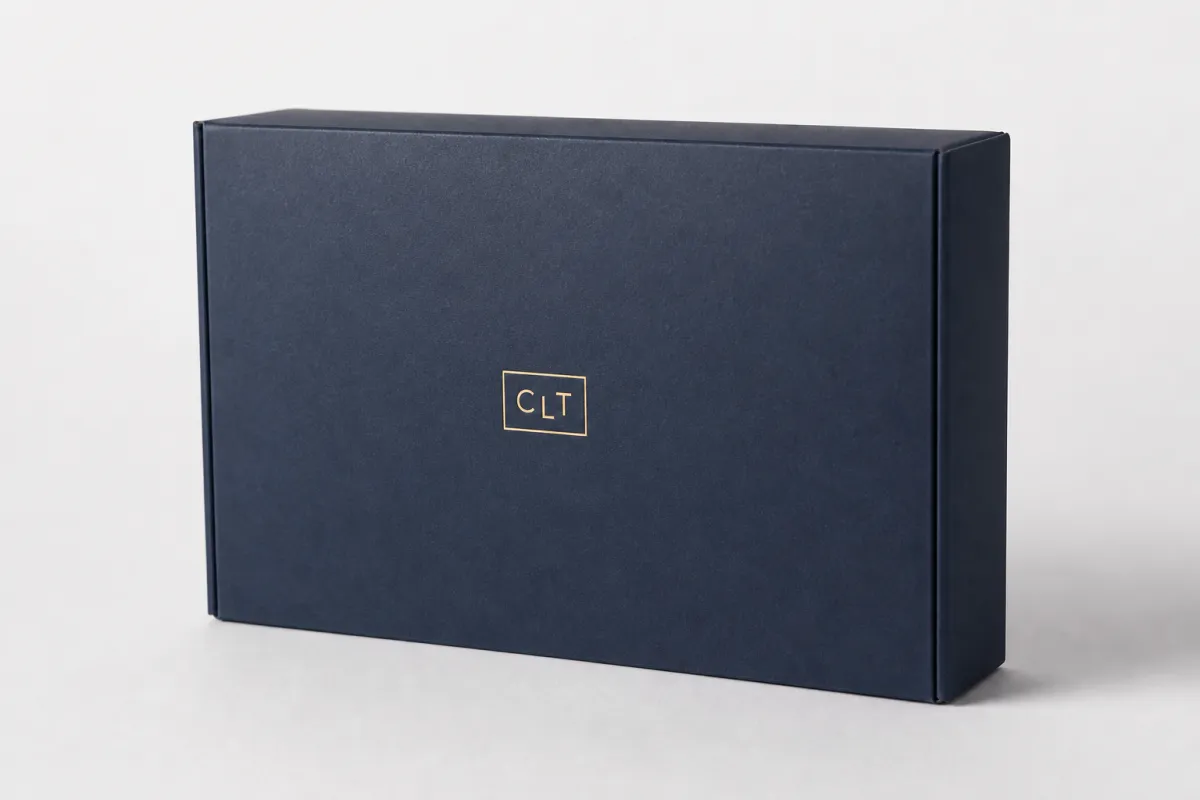
Printed rigid boxes bulk behave differently from short-run packaging because the biggest costs sit at the front of the project. Dieline setup, board selection, print prep, finish approval, and sample validation all happen before the run starts. Once those costs are spread across a larger quantity, the unit price drops in a way smaller runs usually cannot match. That is the basic math, and it is usually the first reason a buyer starts to take bulk seriously.
The numbers become clearer in real buying situations. A skincare brand may need 500 gift boxes for press kits, 2,000 for the first retail replenishment, and another 3,000 for a seasonal promotion. In each case, printed rigid boxes bulk protect margin better than placing small repeat orders every few weeks. They also reduce the odds of color drift, fit issues, and quiet spec changes between shipments, which can be a headache if the program is moving fast.
There is a customer behavior side to this as well. A premium box can influence conversion before the product is opened. In fragrance, jewelry, cosmetics, electronics accessories, and premium food gifting, the package often carries the first proof of quality. Printed rigid boxes bulk support that signal without asking for a separate display fixture or a larger ad budget.
Compare that with folding cartons. A folding carton is lighter, ships efficiently, and usually costs less up front. For products with short life cycles or very tight price pressure, that can be the correct choice. Still, printed rigid boxes bulk often win in categories where protection, presentation, and brand memory matter more than the carton alone. A rigid setup feels substantial because it is substantial, and that physical reality changes how the product is perceived on the shelf and at the unboxing table.
The buying decision gets easier once the touchpoints are mapped out. If the box has to survive parcel handling, anchor a premium launch, and still look polished after multiple distribution steps, printed rigid boxes bulk start making business sense. If the package is only a shipping shell, the upgrade can be too much box for the job. That is the line most teams need to draw early, before the quote stage starts getting muddy.
For teams comparing formats, a side-by-side view helps:
- Folding carton: lower cost, lighter weight, faster to ship, best for display-first or low-protection needs.
- Printed rigid box: higher perceived value, stronger structure, better protection, better fit for premium launches.
- Mailer-style rigid pack: useful when shipping and presentation need to happen in the same box.
Printed rigid boxes bulk are rarely chosen for looks alone. Brands buy them because they help the product travel, present, and repeat. That combination is hard to replace. A box that protects the product and improves the offer earns its place in the budget.
“A good rigid box does two jobs at once: it protects the product and makes the buyer believe the product is worth more.”
I have sat through more than one packaging review where a team tried to squeeze premium expectations into a carton that was never built for the job. The packaging did what it could, but the product still felt underdressed. That kind of mismatch is why rigid boxes keep getting pulled into the conversation.
If you are still sorting through options, reviewing Custom Packaging Products can help your team narrow the structure before pricing starts. For recurring programs, Wholesale Programs usually make the most sense because repeat runs are easier when the original spec is documented cleanly.
Product Details: What Printed Rigid Boxes Bulk Include
At the core, printed rigid boxes bulk are built from thick set-up board wrapped in printed paper or specialty paper. The board usually lands around 1.5 mm to 3 mm thick, depending on box size and the level of protection required. That thickness gives the box its structure. The wrap layer is what gives it brand expression.
The most common format is the lid-and-base box. It is simple, dependable, and easy to scale. Magnetic closure boxes come in close behind, especially for cosmetics, apparel accessories, and luxury gift sets. Drawer styles work well when the opening experience matters as much as the exterior. Shoulder-neck constructions, hinged lids, and two-piece telescoping boxes show up often in premium categories because they add depth and a more engineered feel.
Core Structures
Printed rigid boxes bulk can be built in several formats, and the structure should follow the product rather than the trend. A fragrance bottle needs upright stability. A wireless accessory may need a snug cavity and a clean reveal. A multi-item gift set benefits from internal segmentation so each item stays in place and presents consistently.
The internal structure gets overlooked often because buyers focus on the outside first. That creates problems. The wrap paper may win the first impression, but the internal board and insert shape the user experience. If a product rattles in transit or sinks too deeply into the cavity, the premium effect disappears fast. The box may still look good in a mockup, but it will not feel right in the hand.
Decoration and Finish Choices
Printed rigid boxes bulk can accept a wide range of finishes. Soft-touch lamination creates a matte, velvety feel. Gloss lamination adds brightness and contrast. Foil stamping can emphasize a logo or seal. Embossing and debossing add tactile depth. Spot UV is useful when one detail needs to stand out against a quieter surface. Full-color printing works well for graphics-heavy brands that want the exterior to carry illustrations, patterns, or product storytelling.
Paper choice matters just as much. A premium art paper wrap can hold detailed graphics cleanly. Textured specialty paper can create a craft-forward or gift-forward look. FSC-certified paper is worth discussing early if sustainability claims matter, and the chain-of-custody side should be checked carefully rather than assumed. For reference, the FSC organization explains certification basics and sourcing claims in plain language.
Sometimes a minimalist wrap with one foil accent performs better than a fully printed surface. In other cases, full-coverage print is the right answer. The best choice depends on the brand story, not on how many effects can be stacked onto the exterior.
Printed rigid boxes bulk are often built around a specific use case for that reason. Cosmetics brands may want a rigid sleeve with a foam insert. Electronics buyers may need a hinged lid with a custom tray. Premium food gifting may require an inner carton that separates portions and keeps the outer shell clean. Printed rigid boxes bulk can handle all of that, but the box has to be designed outward from the product instead of backward from the artwork.
The insert options matter just as much:
- EVA foam: precise fit, strong protection, clean presentation for fragile items.
- Molded pulp: a more sustainable look and feel, often used when eco messaging is part of the brief.
- Cardboard insert: cost-effective, recyclable, and easy to print or partition.
- Custom-fitted tray: useful for multi-item kits or products with irregular shapes.
Buyers comparing printed rigid boxes bulk should ask one direct question: does the structure make the product easier to trust? If the answer is yes, the box is doing its job. If the answer is no, the finish is probably covering for a weak structural choice.
Printed Rigid Boxes Bulk Specifications to Compare
When quotes vary, the reason is usually hiding in the spec sheet. Printed rigid boxes bulk should never be compared from a loose description alone. Two boxes can sound alike and still differ in board thickness, paper stock, print coverage, closure style, or insert material. That is how buyers end up approving the wrong unit cost and wondering why the sample does not match the expectation.
The first item to confirm is the internal and external dimension set. The outside size affects shelf fit, case-pack efficiency, and freight density. The inside size affects product protection and the unboxing experience. A box that is even a few millimeters loose can feel careless. A box that is too tight can scuff the product or slow assembly on the packing line.
Next, confirm the wrap material. Printed rigid boxes bulk often use coated art paper, specialty paper, or textured stock. Each behaves differently under print and finishing. A matte wrap can soften color slightly while improving touch. A gloss wrap can brighten graphics but show fingerprints more easily. A textured paper adds character, though fine detail can lose sharpness if the image is too busy.
Closure style should be documented with the same care. Magnetic closures need alignment tolerances. Drawer boxes need pull tabs or ribbon pulls. Lid-and-base boxes need the right friction fit so the lid closes without wobbling. If a supplier does not discuss those tolerances, the buyer is carrying avoidable risk.
For teams requesting printed rigid boxes bulk quotes, a useful spec sheet should include:
- Outer dimensions and inner cavity dimensions.
- Board thickness and board grade.
- Wrap paper type, GSM, and print coverage.
- Finish stack, such as soft-touch, foil, emboss, or spot UV.
- Insert type, insert depth, and cavity count.
- Closure style and magnet placement, if applicable.
- Pack-out method, master carton count, and shipping target.
Bleed, trim, and safe zones need attention too. A rigid box is wrapped around a structure, so the art file has to account for folds, edges, and turn-ins. Buyers sometimes ask for a print file that works for both matte and gloss finishes, but that is not always practical. Certain images behave differently under different surface coatings. Metallic elements may also need a separate foil layer or vector treatment.
If the project includes shipping rather than shelf display alone, ask about performance standards. ISTA test protocols are useful when the box must survive parcel handling, vibration, or drop exposure. The ISTA site explains test methods that help determine whether the packaging design is strong enough for real distribution conditions.
There is a good reason packaging teams ask for a spec sheet before they ask for a final quote. It creates a common language. Without that document, printed rigid boxes bulk become a guessing game, and guessing is expensive.
Another useful habit is asking for a sample or white dummy before print approval. That small step can reveal fit issues, closure tension, or insert depth problems before the full run starts. A few days spent on verification often saves thousands in rework. That is not theory; it is the kind of thing that saves a launch from becoming a repair job.
For buyers comparing printed rigid boxes bulk across multiple suppliers, a fair comparison should always include the same structure, same wrap, same finish stack, and same insert. Anything less is not a true quote comparison. It is just a side-by-side of unrelated assumptions.
Printed Rigid Boxes Bulk Pricing, MOQ, and Unit Cost
Pricing for printed rigid boxes bulk is driven by a handful of variables: size, board grade, print complexity, finish count, insert style, and order quantity. The price can move quickly when one of those variables changes. A box with simple one-color print and a basic insert will price very differently from a magnetic box with foil stamping, soft-touch lamination, and a custom tray.
The MOQ conversation matters because rigid packaging carries real setup cost. Many suppliers set minimums in the 500 to 1,000 unit range, though the exact floor depends on the structure and production line. Lower quantities are possible, but they often behave more like prototype production than bulk pricing. That is why printed rigid boxes bulk usually become most efficient once setup cost is spread across a meaningful run.
Reorders are usually cheaper than the first purchase. The first run often includes dieline development, tooling checks, proofing, color setup, and insert validation. Once those pieces are locked, the next order can move faster and absorb fewer hidden costs. That is a strong argument for keeping the original spec file, approved sample, and finish notes in one place.
To make the scale effect visible, here is a practical pricing model. These are illustrative ranges, not fixed quotes, but they are close enough to show how printed rigid boxes bulk usually behave:
| Order Quantity | Typical Unit Cost | What Usually Drives the Price | Best Fit |
|---|---|---|---|
| 500 units | $3.20-$7.00 | Setup costs, sample approval, smaller run inefficiency | Launch kits, press samples, limited releases |
| 1,000 units | $2.10-$5.20 | Better setup spread, more efficient material planning | First retail rollouts, gift sets, seasonal runs |
| 5,000 units | $1.05-$2.80 | High-volume production efficiency, lower relative setup cost | Replenishment programs, recurring retail demand |
That table does not mean every printed rigid boxes bulk quote lands in those bands. It means the pattern is predictable. Add a custom insert, premium foil, or special paper, and the number rises. Simplify the structure, reduce decoration, and the number falls. That part is basic, but it gets missed more often than it should.
Many buyers are surprised by how much the finish stack influences cost. A soft-touch laminate plus foil stamp plus emboss usually adds more than a simple two-color exterior. Multi-step decoration takes time and precision. If the brand story truly needs those layers, the investment can be justified. If not, the box may be paying for decoration the customer never notices.
Freight also needs to be included in the budget. Rigid boxes are bulkier than flat cartons, so carton count and pallet density matter. A quote that looks attractive at the unit level can turn expensive once shipping and handling are added. Ask whether the price is ex-works, FOB, or delivered, and make sure the same assumption is used across all suppliers. I have seen more than one comparison go sideways because the packaging looked cheaper until freight hit the spreadsheet.
If your team is building a budget forecast, it helps to compare three scenarios:
- Budget build: standard wrap paper, simple print, no specialty finish, basic cardboard insert.
- Premium build: soft-touch finish, foil detail, embossing, custom insert, magnetic closure.
- Fastest build: fewer finish steps, standard stock, simplified artwork, production-friendly structure.
That comparison usually clarifies the tradeoff faster than any sales pitch. Printed rigid boxes bulk reward planning. They punish vague briefs.
Production Steps, Process, and Lead Time for Bulk Orders
The production path for printed rigid boxes bulk is straightforward, but each step has consequences for timing and quality. It usually begins with a brief that covers product size, target use, quantity, print style, and delivery target. From there, the supplier creates a dieline and confirms the structural layout before artwork moves into the proof stage.
After the artwork review, the team approves either a digital proof, a white sample, or a printed sample, depending on the complexity of the job. Then manufacturing begins: board cutting, paper printing, lamination or coating, wrapping, assembly, insert production, final inspection, and packing. Each stage can affect lead time, which is why a rigid box order should be treated as a managed project rather than a simple purchase.
In many cases, printed rigid boxes bulk take roughly 12 to 20 business days from proof approval to completion, though complex finishes or imported materials can extend that window. Freight time is separate. Ocean transit, regional trucking, and warehouse receiving can add days or weeks depending on the route. Buyers who blend production time and freight time into one number often miss their launch window. That mistake is avoidable, but only if the schedule is tracked with some discipline.
The most common delay points are easy to spot:
- Late artwork changes after the proof is already reviewed.
- Product dimensions that are not fully confirmed before sampling.
- Color revisions requested after the print run has been scheduled.
- Insert changes that require a new tool or new cut pattern.
- Shipping assumptions that were never discussed in the first place.
Printed rigid boxes bulk move much faster when the decision chain is short. If marketing, product, and operations all need to sign off, build the schedule accordingly. Otherwise a box that should have been approved in two days can sit in inboxes for a week. That kind of delay is boring on paper and brutal in practice.
There is another timing issue that buyers sometimes miss. Not every finish option is equally easy to schedule. Foil stamping and complex embossing may require different tooling or press time than a plain printed wrap. A custom insert can also pull in a separate production step. If the project has a fixed launch date, reduce uncertainty by confirming all decoration choices early and holding them steady once the proof is approved.
For distribution-heavy programs, ask whether the box will be tested against parcel or freight standards. ISTA methods and ASTM distribution testing can help confirm whether the design is fit for channel use. If the box is going through direct-to-consumer shipping, that conversation is far more useful than debating whether the surface should be a little more matte.
From a planning standpoint, printed rigid boxes bulk should be locked before the final replenishment count is set. That way the buying team can forecast inventory, carton count, and warehouse space with fewer surprises. Teams that wait until the last minute usually pay for the rush in one of three ways: higher freight, reduced finish options, or a compressed approval cycle.
When the box is part of a broader packaging program, it helps to map the packaging family rather than the box alone. A retail carton, shipping shipper, and gift box should work together. If your team is still evaluating the outer packaging system, the broader Custom Packaging Products catalog is a practical place to compare formats before the structure is finalized.
Why Choose Us for Printed Rigid Boxes Bulk
Custom Logo Things is built for buyers who need repeatable output, not one-off guesswork. That matters because printed rigid boxes bulk only pay off when the color, Fit, and Finish stay consistent from the first shipment to the next. A box that looks sharp once and drifts later creates more problems than it solves.
The strongest production partners do a few things well. They confirm the spec in writing. They review the dieline carefully. They check color against the approved sample rather than against memory. They flag structural issues before the run begins. None of that sounds flashy, but that is exactly why it matters.
Printed rigid boxes bulk are especially sensitive to consistency because the box itself carries so much of the brand experience. If the magnet sits crooked, the wrap lifts at a corner, or the foil registration shifts, the customer notices. Most shoppers cannot explain the defect in technical terms. They just know the box feels off.
That is why quality checks should be practical and specific. Ask how the supplier verifies squareness, corner wrap, magnet pull, surface scuff resistance, print registration, and insert fit. Ask what happens when a sample fails. Ask how reorder files are stored. Those questions tell you more than any marketing page about whether the supplier can manage printed rigid boxes bulk at scale.
A good partner also protects repeatability. Once the board grade, paper wrap, coating, and insert design are approved, those details should be captured so the next run matches the original. Reorders are where a lot of programs lose quality, not because the first run was weak, but because the original spec was never archived clearly enough.
Communication matters just as much as press capability. Buyers need realistic scheduling, proof updates, and plain answers about what is possible within the budget. A supplier that promises everything and documents nothing is risky. A supplier that explains tradeoffs is usually the safer bet, even if the answer is less exciting. And honestly, a little less excitement is often a good sign in packaging.
Printed rigid boxes bulk are also easier to manage when the production partner understands how commercial packaging behaves in the field. Boxes are not just visuals. They are handling surfaces, stacking units, shelf signals, and sometimes shipping containers. That broader view leads to better decisions on wrap paper, structure, and insert configuration.
For recurring orders, wholesale planning matters. Our Wholesale Programs approach is designed for buyers who need stable pricing logic, repeat specs, and predictable reorder paths. That is where bulk packaging becomes less of a one-time purchase and more of a managed supply relationship.
If you want a realistic benchmark, compare the quote against the actual service list. Does it include proofing? Does it include a structural check? Does it document finish choices? Does it support a reorder without rebuilding the file from scratch? Those details are where printed rigid boxes bulk either save time or create it.
At the core, the reason to choose us is simple: printed rigid boxes bulk should arrive looking like the same product every time. The best packaging partner makes that outcome boring, and in packaging, boring is often the highest compliment.
Next Steps: Order Printed Rigid Boxes Bulk Without Delays
Before requesting a quote, lock down the basics. Confirm the product dimensions, choose the box style, decide whether you need an insert, set the order quantity, and gather the artwork files. If those five pieces are clear, the response is faster and the estimate is more reliable. If they are vague, printed rigid boxes bulk will take longer to price and easier to misquote.
The fastest quote request includes a few concrete items:
- Product size, weight, and quantity per box.
- Preferred structure, such as lid-and-base, magnetic closure, or drawer style.
- Finish preferences, including soft-touch, foil, embossing, or spot UV.
- Insert requirements and whether the insert must hold one item or several.
- Delivery location, target arrival date, and any retail deadline.
If you want to compare options intelligently, ask for three build paths. One should be the budget version. One should be the premium version. One should be the fastest lead-time version. That comparison shows how printed rigid boxes bulk behave across cost and timing without forcing you to guess where the compromise is hiding.
There is a difference between a packaging idea and a packaging plan. A plan has dimensions, finishes, and timing. A plan can be quoted, approved, and produced. That is the point where printed rigid boxes bulk stop being an abstract branding exercise and start becoming inventory that supports sales.
For teams that want the shortest path to production, keep the artwork clean, the size accurate, and the finish stack realistic. Simple is not a downgrade if it protects the launch date and the margin. A lot of the strongest printed rigid boxes bulk programs work because they are disciplined, not because they are overloaded with effects.
Once the sample is approved, move quickly. Confirm the quantity. Confirm the ship-to address. Confirm the freight method. Then hold the spec steady. A reorder that matches the first approved version is one of the easiest ways to keep the brand experience consistent across channels.
Printed rigid boxes bulk are a serious packaging choice because they affect cost, perception, and fulfillment all at once. When the dimensions are right, the finish is chosen with intent, and the lead time is managed with a buffer, the box earns its budget. Start with the spec sheet, confirm the structure, and approve the sample before the launch clock gets tight. That is the cleanest path to packaging that does its job and keeps doing it on every reorder.
How many printed rigid boxes bulk should I order for a product launch?
Choose a quantity that covers launch demand, sample requests, and a modest buffer for damage or reorders. If demand is uncertain, compare two or three volume tiers so you can see where the unit cost drops most sharply and where the inventory risk starts to rise.
What affects the unit cost of printed rigid boxes bulk orders?
Size, board thickness, print coverage, finish complexity, insert type, and quantity all affect the final price. Higher volumes usually reduce unit cost because setup expenses are spread across more boxes, while added decoration and custom inserts increase the number.
Are inserts included with printed rigid boxes bulk orders?
Not always. Inserts are often priced separately because the material choice and tooling depend on the product. Share the product dimensions early so the insert can be designed around fit, protection, and presentation instead of being added as an afterthought.
How long does production take for printed rigid boxes bulk?
Timing depends on sample approval, finish count, quantity, and how quickly artwork is confirmed. A common production window is 12 to 20 business days after approval, but build in extra time for proof changes and shipping so the boxes arrive before the launch date.
Can I reorder printed rigid boxes bulk later with the same specs?
Yes, reorders are easier when the original dieline, artwork files, finish notes, and approved sample are saved. Keeping the spec consistent helps maintain the same fit, color, and unboxing experience across future runs, which is the whole point of buying printed rigid boxes bulk in the first place.


