OPP Plastic Bags for Retail Brands Factory Pricing Guide: What You’re Actually Buying
Two retail brands can ask for the same size OPP bag and get quotes that are miles apart. That is why an opp plastic bags for retail Brands Factory Pricing guide matters: size is only one line on the spec sheet, and vague specs are where budgets get quietly inflated.
One buyer asks for a “clear bag with logo.” Another specifies 40-micron OPP, self-adhesive flap, one-color front print, suffocation warning on the back, 10,000 pieces, carton packing count, and delivery address. The second buyer gets the cleaner quote because the factory is pricing real work, not guessing.
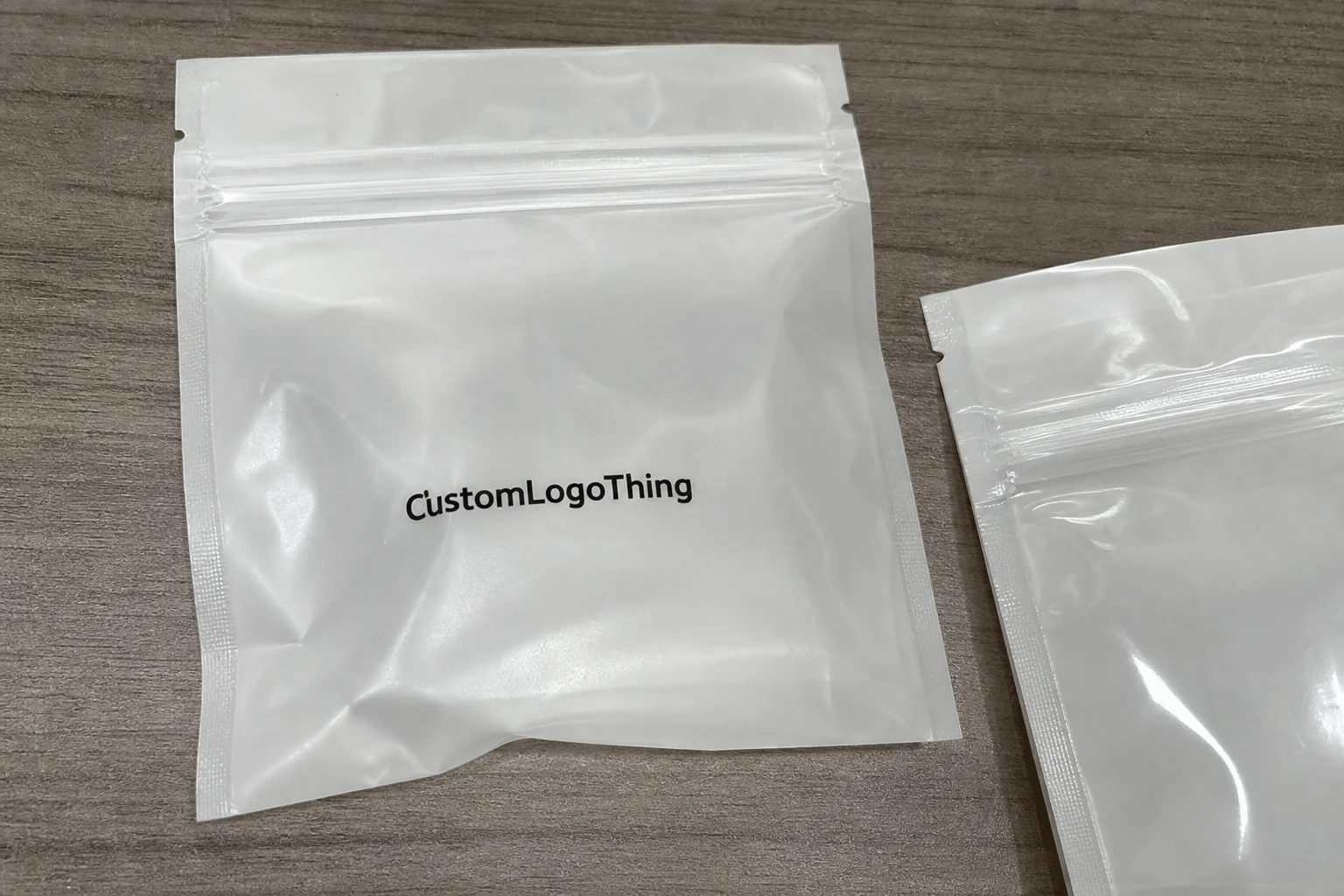
Opp Plastic Bags are clear, glossy polypropylene bags used across retail packaging for apparel, socks, stationery, greeting cards, cosmetics accessories, stickers, product bundles, and small gifts. They make products look finished without the cost of rigid packaging.
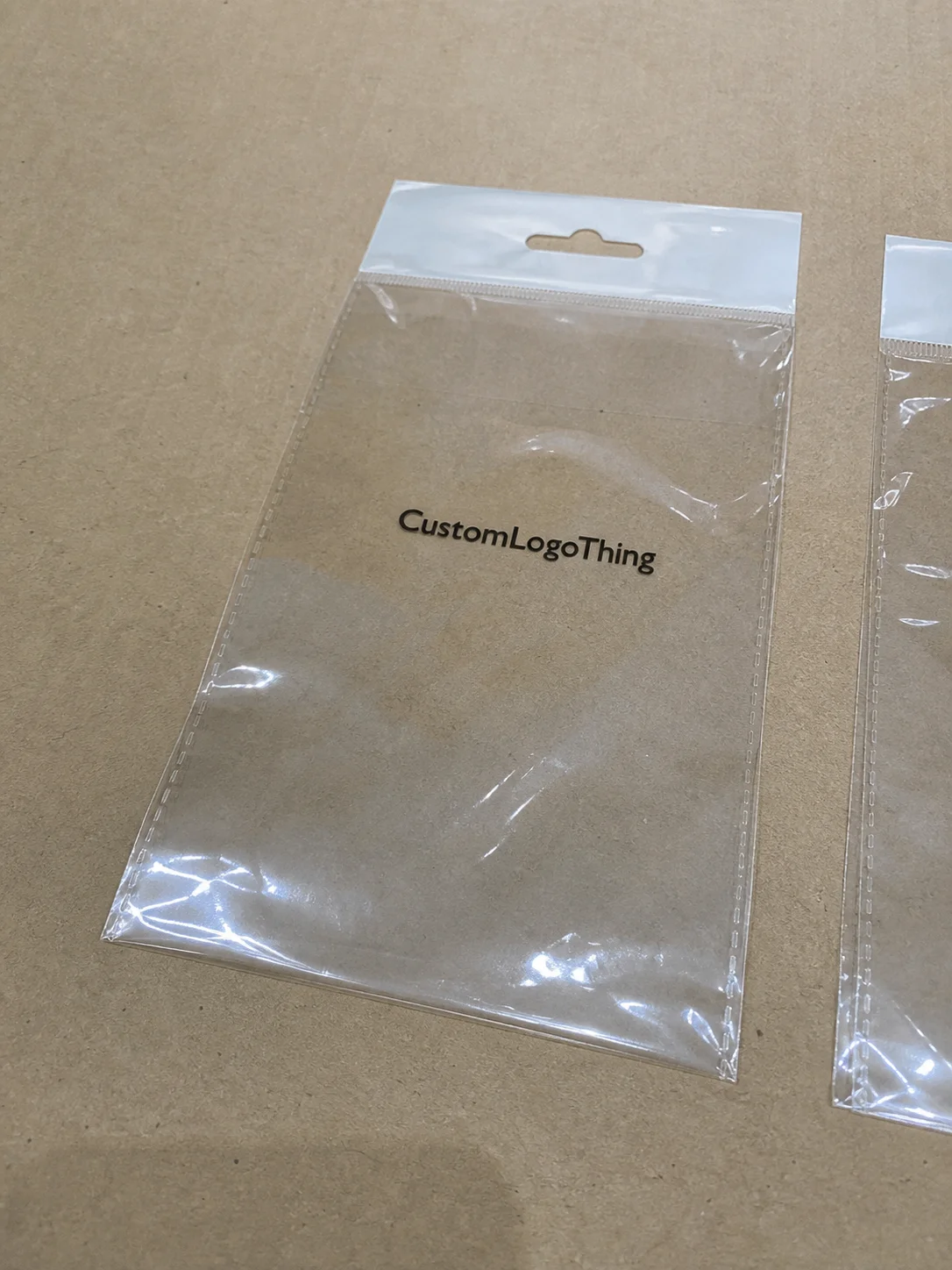
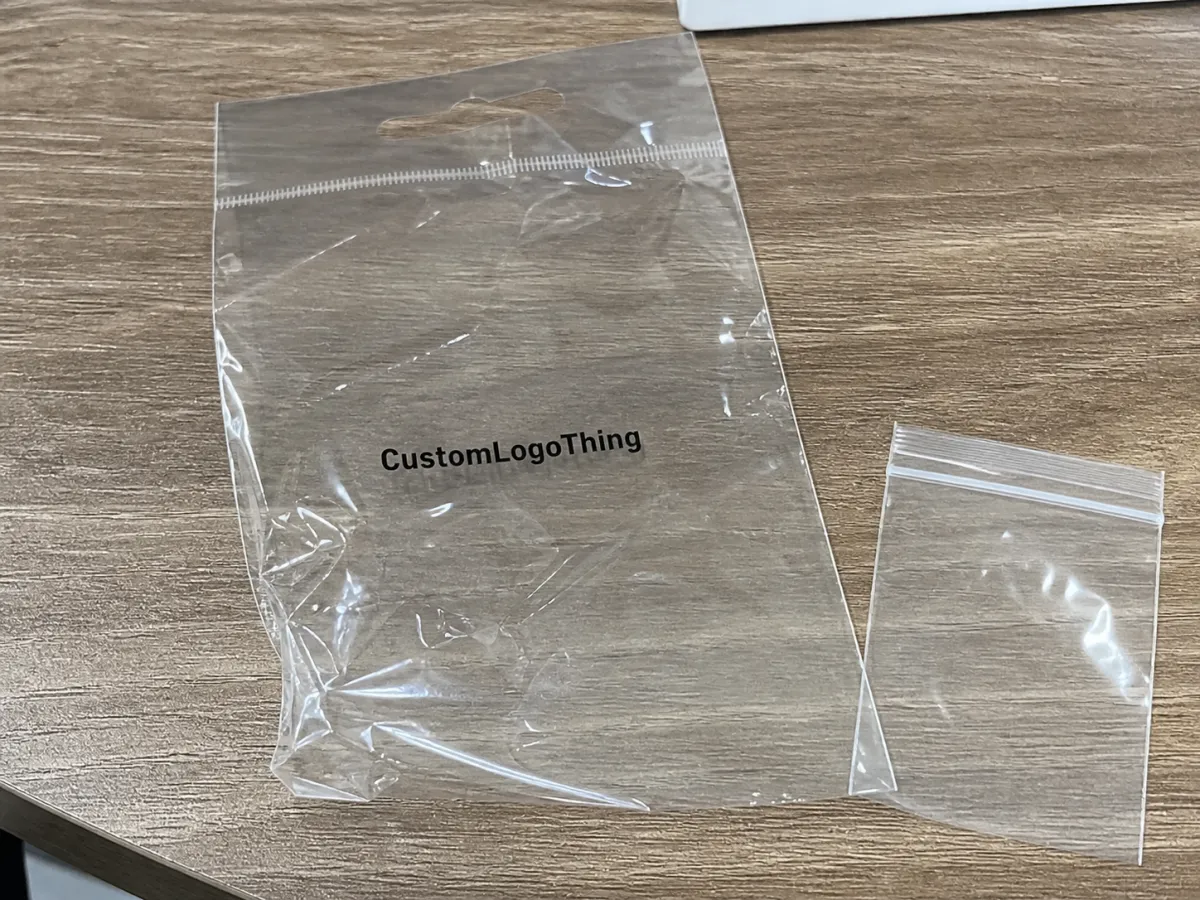
Common styles include self-adhesive flap bags, header bags, hang-hole bags, resealable bags, gusseted bags, and printed retail sleeves. Factory pricing depends on film thickness, dimensions, print colors, adhesive type, holes, gussets, order quantity, packing requirements, and shipping terms.
Blunt packaging truth: factories do not price “nice clear bags.” They price width, height, microns, colors, tooling, waste, cartons, labor, and freight.
How OPP Retail Bags Are Made Before They Hit Your Shelf
OPP retail bags start with film selection. The supplier chooses oriented polypropylene film based on clarity, thickness, stiffness, print requirements, and bag style. The production flow may include printing, folding, cutting, heat sealing, punching, adhesive strip application, inspection, packing, and carton labeling.
Retail OPP film commonly runs from about 25 to 60 microns. Light stationery, greeting cards, and stickers may work around 25–35 microns. Apparel, socks, and accessories often sit around 35–50 microns. Heavier bundles or premium presentation may push closer to 50–60 microns.
Thin bags save money, but they wrinkle quickly and can feel cheap. Overly thick bags can waste budget and create stiff folds that do not sit neatly on shelf. More plastic is not automatically better.
Printing usually falls into two practical lanes. Flexographic printing is common for simpler artwork, spot colors, and cost-controlled runs. Gravure printing is often used for larger volumes, sharper detail, and steadier color across long production runs. Gravure can look excellent, but cylinders are not free, so plate and cylinder charges should be separated in the quote.
Artwork affects both cost and risk. Very fine text, tiny registration marks, gradients, large solid blocks, and full-coverage ink may require design adjustments or a different print method. If your logo has hairline details thinner than about 0.25 mm, ask the supplier before production.
Sealing quality deserves attention. Side seals and bottom seals carry the stress of packing, handling, and retail display. A beautiful bag that splits open at checkout is not a brand win.
Functional add-ons also affect cost: resealable adhesive flaps, euro holes, round hang holes, tear notches, air vent holes, barcode label areas, suffocation warnings, matte coatings, frosted looks, and opaque white backing. Each extra operation adds setup time, labor, or waste.
Cost, MOQ, and Unit Pricing Factors Buyers Should Know
The biggest cost drivers are size, film thickness, print coverage, number of colors, bag style, adhesive type, quantity, packing method, and shipping terms. If those details are missing, the quote is either padded for safety or incomplete.
Small custom runs have higher unit costs because setup and printing costs are spread across fewer bags. A 1,000-piece order may look manageable, but the unit price can become painful once plates, samples, machine setup, and material waste are included. A 10,000-piece order often costs much less per bag, even though the total invoice is higher.
Plain stock-style OPP bags can sometimes be sourced at low quantities if the factory or distributor already carries that size. Fully custom printed bags usually require higher MOQs because printing setup has fixed costs. Simple one-color logo printing may be possible at lower volumes than full-surface printed packaging, but it depends on size, artwork, and production method.
Typical factory quote components include unit price, plate or cylinder charge, sample fee, mold or punching tooling if applicable, carton packing cost, and freight. Ask for those separately. A low unit price with hidden setup fees is not cheap.
| Spec Choice | Typical Use | Pricing Impact | Buyer Advice |
|---|---|---|---|
| 25–30 micron clear OPP | Cards, stickers, light stationery | Lower material cost | Good for flat, light items; may wrinkle on bulky products |
| 35–45 micron clear OPP | T-shirts, socks, accessories | Moderate cost | Best middle lane for many retail brands |
| 50–60 micron OPP | Premium feel, heavier folded items | Higher material and shipping weight | Use only if the product needs the structure |
| One-color logo print | Budget custom branding | Lower setup and QC risk | Smart starting point for first retail runs |
| Full-coverage or multi-color print | High-impact shelf packaging | Higher print, setup, and inspection cost | Request samples and confirm color tolerances |
Print color has a direct effect. A one-color black or white logo is usually the budget-friendly lane. Full-color artwork, dense ink coverage, reverse printing, or patterns across the full bag increase cost and quality-control requirements.
Size optimization can lower cost, although not every small adjustment matters. Sometimes changing a width by a quarter inch improves material yield. Sometimes it does nothing. Ask the supplier where the efficient size breaks are.
Never compare quotes without matching specs. A 35-micron bag and a 50-micron bag are not the same product. If the thickness, print method, or packing count differs, the cheaper quote is usually just cheaper on paper.
If you are comparing direct factory pricing with domestic reseller pricing, include freight, duties, payment fees, sampling delays, and risk. Direct can be cheaper on repeat volume. Domestic can be easier for tight timelines and smaller orders.
Process and Timeline From Artwork to Finished OPP Bags
The buying process is straightforward, but skipped steps create expensive problems. Start by confirming product size, product weight, and packing orientation. Then choose the bag style, select material thickness, prepare artwork, approve the digital proof, approve a physical sample if needed, start mass production, inspect, pack, and ship.
Send useful information at the beginning: product dimensions, product weight, bag opening direction, flap size, logo file, print colors, target quantity, deadline, and destination country. Product photos help too, especially for folded apparel, accessories, or kits with uneven thickness.
Artwork should be supplied as vector AI, PDF, or EPS files whenever possible. Raster logos pulled from a website usually print badly because screenshots are not packaging artwork.
Timeline ranges vary by supplier, order size, artwork complexity, and season. Digital proofing may take 1 to 3 business days after artwork is received. Custom samples often take about 5 to 10 business days. Mass production commonly runs 10 to 25 business days after approval, plus shipping time.
Timelines stretch for custom colors, high-volume production, revised artwork, delayed approvals, holiday closures, inspection issues, or freight bottlenecks. If you have a retail launch, trade show, subscription box packing date, or warehouse delivery window, build in buffer time.
Shipping choices affect both cost and calendar. Express courier works for samples or urgent small runs. Air freight helps with time-sensitive bulk shipments but can hurt margin. Ocean freight is usually better for larger orders where cost matters more than speed.
For performance and transit testing, retail brands shipping packaged goods in outer cartons may also look at standards from ISTA. If sustainability claims are part of your packaging program, review guidance from the EPA recycling resources before printing icons or claims that may not apply in your market.
Step-by-Step Spec Checklist Before You Ask a Factory for a Quote
Use this checklist before requesting pricing. It reduces back-and-forth emails, limits quote padding, and gives the supplier enough detail to price the job correctly.
- Measure the actual product. Include width, height, depth, and bulky folded areas. Do not rely on fantasy dimensions from a product listing.
- Decide the bag opening style. Choose top loading, side loading, resealable flap, hanging header, or flat sleeve. Opening direction affects packing speed and retail display.
- Choose film thickness. Light stationery may work in 25–30 microns. Socks, underwear, scarves, and accessories often sit around 35–45 microns.
- Confirm the print area. Are you printing a front logo, back warning text, barcode window, or full-surface graphics? Print coverage changes cost and risk.
- Select color count and finish. Options include clear glossy OPP, frosted or matte appearance, opaque white backing, spot color logo, and full-color print.
- Pick retail features. Consider hang hole, euro slot, adhesive strip, perforation, air hole, tear notch, suffocation warning, recycle mark, batch code, or barcode label area.
- Set quantity and reorder plan. A brand ordering 5,000 once has different pricing logic than a brand reordering 50,000 every quarter.
- Request packed carton details. Unit price is not enough. Carton size, gross weight, packing count, and pallet details affect freight cost and warehouse receiving.
A practical quote request might say: “We need 10,000 clear glossy OPP self-adhesive flap bags, 8 x 10 inches plus 1.5-inch flap, 40 microns, one-color white logo on front, black suffocation warning on back, round vent hole, packed 1,000 per carton, delivery to California.” That is useful. “Need packaging for shirts” is not.
If you want to compare packaging approaches beyond OPP bags, review Custom Logo Things’ custom packaging case studies to see how specs, quantities, and presentation goals shape the final format.
Common Buying Mistakes That Make Custom OPP Bags More Expensive
Mistake 1: Asking for “standard size.” Stock sizes exist, but your product still needs proper clearance, flap allowance, and packing direction.
Mistake 2: Choosing the lowest quote without checking specs. Thickness, sealing method, print method, setup fees, and packing count all matter. A lower unit price may hide thinner film, weaker seals, or excluded plate charges.
Mistake 3: Forgetting the flap allowance. If the bag technically fits but cannot close properly, it does not fit. For apparel, a 1.5-inch to 2-inch flap is common, but bulky products may need more room.
Mistake 4: Using low-resolution artwork. Poor files lead to fuzzy logos, jagged edges, and color mismatches. Send vector artwork and specify Pantone or CMYK values if color matters.
Mistake 5: Ignoring compliance text. Some markets require suffocation warnings for plastic bags above certain opening sizes. Retailers may also have packaging rules for barcode placement, hang holes, recycling marks, and warning text size.
Mistake 6: Overprinting heavy ink on cheap thin film. The bag may curl, smell stronger, block poorly, or show inconsistent coverage. Dense ink coverage on flexible film needs proper drying and quality control.
Mistake 7: Ordering too close to a launch date. Rush production and rush freight are where budgets go to suffer. Add time for proofing, sampling, production, customs, and warehouse receiving.
Mistake 8: Skipping a pre-production sample on a first run. For repeat orders with proven specs, skipping samples may be fine. For a first run, check film feel, logo size, adhesive placement, opening direction, hole position, and how the product sits inside the bag.
Mistake 9: Comparing domestic reseller pricing to direct factory pricing badly. Direct factory pricing can be attractive at 10,000, 25,000, or 50,000 pieces, but add freight, duties, wire fees, longer communication cycles, and your own time.
Most overpaying starts before the supplier quotes anything. Bad inputs create bad pricing.
Next Steps: Build a Clean Brief and Buy Without Guesswork
Start with five things before requesting pricing: bag size, material thickness preference, print design, quantity range, and delivery deadline. If you do not know the thickness, ask for two options, such as 35 microns and 45 microns.
Ask factories for two or three quantity breaks. Good examples are 5,000, 10,000, and 25,000 pieces. The unit-cost curve tells you whether ordering more actually makes sense.
Request photos or videos of similar printed OPP bags, especially for clear bags with adhesive flaps, hang holes, vent holes, or matte finishes. You are checking whether the supplier has made the thing you are buying.
Confirm quote terms in writing: sample cost, production lead time, carton packing, freight method, payment terms, plate fees, cylinder charges, tooling fees, and whether taxes or duties are excluded. If the quote says “shipping not included,” treat that as a major missing number.
Before production starts, approve artwork carefully. Check logo size, barcode placement, warning text, opening direction, flap position, hole location, print color, bag dimensions, and trim tolerance.
If you are still deciding between bag types, Custom Logo Things’ packaging case studies can help you compare how retail brands think through shelf impact, unit cost, and operational packing needs. The best packaging is the one that protects the product, fits the process, supports the brand, and does not wreck the margin.
An opp plastic Bags for Retail brands factory pricing guide only helps if you turn vague ideas into clean specs. Factories price details, not guesses.
FAQs
What affects OPP plastic bags factory pricing the most?
The biggest pricing drivers are bag size, film thickness, print colors, print coverage, order quantity, adhesive flap style, punching requirements, and packing method. Setup costs matter a lot on small runs, so higher quantities usually reduce the unit price. Always compare quotes using the same thickness and same print specs.
What MOQ should retail brands expect for custom OPP plastic bags?
MOQ depends on size, printing method, and customization level. Simple logo-printed OPP bags may start at lower quantities, while full custom printed bags often require higher MOQs because of printing setup. Ask for quantity breaks instead of one number so you can compare 5,000, 10,000, and 25,000 pieces.
How long does production take for printed OPP retail bags?
Digital proofing often takes 1 to 3 business days after artwork is received. Custom samples may take about 5 to 10 business days depending on complexity. Mass production commonly takes 10 to 25 business days after approval, plus shipping time. Add buffer before launches, retail delivery windows, or trade shows.
Are OPP plastic bags good for apparel retail packaging?
Yes, OPP bags are widely used for T-shirts, socks, underwear, scarves, small accessories, and folded apparel. For heavier garments, use a thicker film and make sure the bag size includes enough room for folding and flap closure. If the item needs premium unboxing or shipping protection, pair OPP with mailers, boxes, or inserts.
How can I get a more accurate OPP plastic bags quote from a factory?
Send exact width, height, flap size, material thickness, quantity, artwork file, print colors, and destination address. Include product photos or dimensions so the factory can recommend a workable bag size. Ask the supplier to separate unit cost, setup fees, sample cost, production lead time, and freight.