Buyer Fit Snapshot
| Best fit | Order Biodegradable Product Sleeves for Sustainable Brands projects where brand print, material claims, artwork control, MOQ, and repeat-order consistency need to be specified before quoting. |
|---|---|
| Quote inputs | Share finished size, material target, print colors, finish, packing count, annual reorder estimate, ship-to region, and any compliance wording. |
| Proofing check | Approve dieline scale, logo placement, barcode or warning zones, color tolerance, closure strength, and carton packing before bulk production. |
| Main risk | Vague material claims, crowded artwork, missing packing details, or unclear freight terms can make a low unit price expensive after revisions. |
Fast answer: Order Biodegradable Product Sleeves for Sustainable Brands should be specified like a repeatable production item. The safest quote records material, print method, finish, artwork proof, packing count, and reorder notes in one written spec.
Production checks before approval
Compare the actual filled-product size with the drawing, then confirm tolerance on folds, seals, hang holes, label areas, and retail display edges. Reserve space for logos, QR codes, warning copy, and material claims before decorative graphics fill the panel.
Quote comparison points
Review material grade, print process, finish, sampling route, tooling charges, carton quantity, and freight assumptions side by side. A quote is only useful when the supplier can repeat the same color, closure quality, and packing count on the next order.
Order Biodegradable Product Sleeves for Sustainable Brands
I still remember the first time I watched a 40-foot pallet load of sleeves roll toward a contract packing line in Dongguan, Guangdong, and the room went quiet for a beat because one side seam was off by 3 mm. That tiny miss meant a full afternoon of rework, a stack of rejected cartons, and operators on a line running at 28 units per minute instead of 46. It is exactly the kind of moment that explains why brands order biodegradable product sleeves with real measurements, not just a polished PDF, because the sleeve is usually the first thing a shopper notices and the first thing a packing team has to trust. If you order biodegradable product sleeves without checking the fit, the whole launch can inherit a problem that should have been caught on the dieline.
When you order biodegradable product sleeves, you are not simply buying paper wrapped around a box, bottle, jar, or tube. You are deciding how the product will present under a 3,000-lumen retail light, how well the primary pack will hold up in a 12-kilogram shipper carton, and how clearly the sustainability story can survive once the item leaves the plant in places like Shenzhen, Foshan, or Ningbo. I have seen teams spend three weeks refining a fragrance label and then lose the job because the sleeve cracked on the folding line or hid a barcode by 1.5 mm. Packaging has a way of showing exactly where the weak point is, which is why buyers order biodegradable product sleeves after the numbers, not after the mood board.
Procurement teams, packaging buyers, brand managers, and operations leads usually need concrete answers on material grade, print method, minimum order quantity, and proof-to-ship timing before they order biodegradable product sleeves. If you want the version that helps in a factory meeting in Suzhou rather than a presentation room in Manhattan, that is what this page is built for. For broader packaging questions, our FAQ covers common ordering topics, and our Wholesale Programs page helps when you are planning repeat purchases, annual volume breaks, or a 10,000-piece replenishment run. If you order biodegradable product sleeves on a recurring basis, those planning pages save time and keep the cost conversation grounded.
Why Brands Order Biodegradable Product Sleeves Now
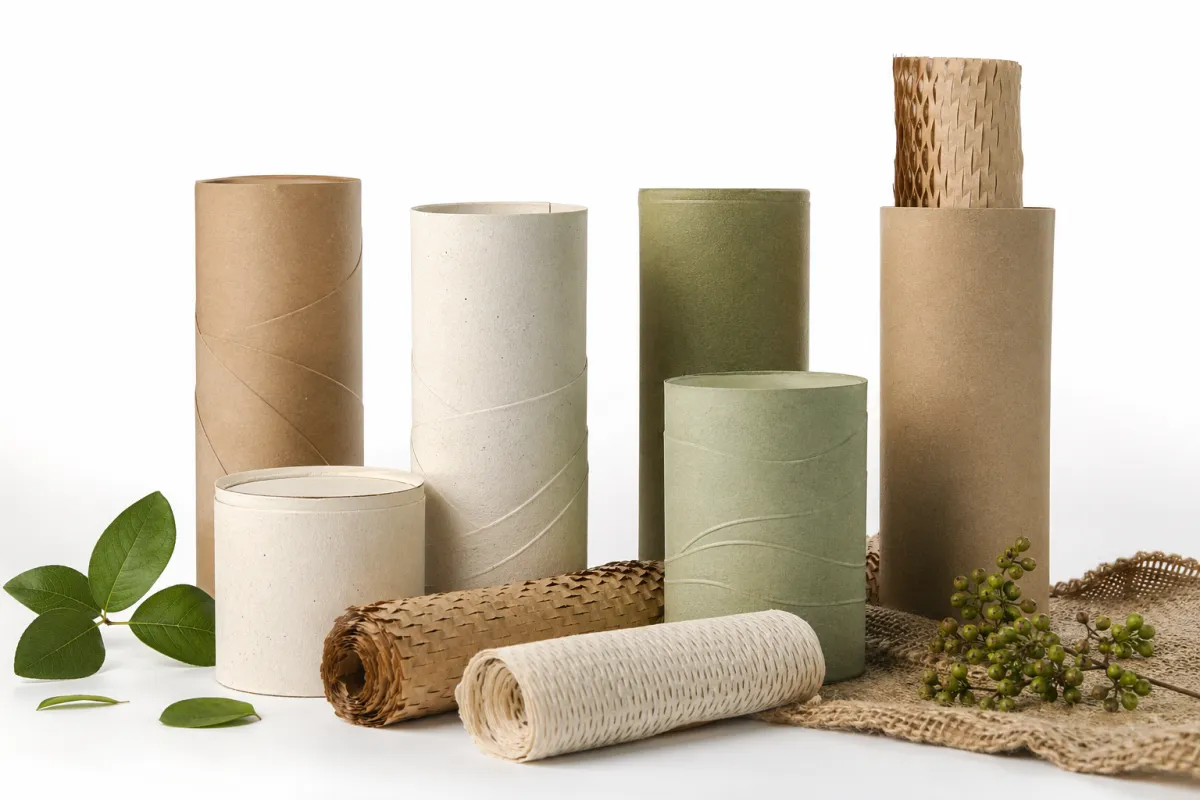
Most sleeve issues look harmless on a screen and become expensive the minute cartons hit the line. I still remember a beverage client who approved a sleeve because the PDF looked sharp, then discovered at a co-packer in Dongguan that the opening was 2.8 mm too narrow and every unit had to be slowed, checked, and corrected by hand. Nobody enjoys watching a 6-hour packing window turn into an 11-hour shift. That miss is exactly why brands order biodegradable product sleeves with a tooling mindset instead of a design-only mindset. A sleeve that looks elegant on a monitor still has to behave in the pressroom, the carton, and the warehouse.
The sleeve is small, yet it carries a heavy workload. It has to protect the primary pack from scuffing, carry product information, support the brand story, and still present cleanly under retail lighting, rough handling, and a wall of competing claims. When brands order biodegradable product sleeves, the goal is usually to reduce unnecessary material while keeping the package useful, which is a practical decision rather than a slogan someone squeezed onto a slide deck five minutes before a buyer meeting in Shanghai. In the best cases, the sleeve also improves carton efficiency and gives the brand a cleaner shelf face without adding structural complexity.
I have found the strongest sustainability decisions are the ones that survive both the plant floor and the store shelf. A sleeve can be described as biodegradable, but if the coating, adhesive, or window film clashes with the end-of-life story, trust disappears quickly. I once sat in a supplier review in Guangzhou where marketing loved the wording, then the packaging engineer cut straight through it and asked, "What happens in a 58-degree composting environment, and what happens in landfill?" That question belongs in every project Before You Order biodegradable product sleeves, even if it makes the room awkward for a minute. The answer should be documented, not guessed.
"A sustainable sleeve has to do three jobs at once: fit, communicate, and survive the line. If it misses any one of those, the whole package feels amateur." - a packaging buyer I worked with on a personal care rollout in Suzhou
There is a commercial reason to order biodegradable product sleeves now as well: shelves are crowded, buyers want Packaging That Feels intentional, and a well-made sleeve can lift a simple bottle or carton without forcing a full structural redesign. That matters for startups in Austin, private label launches in Melbourne, seasonal promotions in Seoul, and limited editions where speed and cost control matter as much as visual impact. In many cases, the sleeve becomes the most efficient place to place sustainability claims, batch codes, legal notes, and merchandising detail without overbuilding the package. It can also keep the primary container simpler, which often helps both cost and recyclability.
During a visit to a folding-carton line in Shenzhen's Longgang district, I watched operators reject a run because the score was too tight by about 0.4 mm, which caused cracking at the fold and spoiled the retail edge. The print looked beautiful, but the construction did not suit the product, and the stack had to be pulled apart by hand. That is the kind of detail that gets missed when people order biodegradable product sleeves for the first time. Artwork matters, yes, but the substrate, score, and fit decide whether the sleeve behaves like packaging or like scrap. A well-chosen kraft paper or FSC-certified paperboard sleeve can prevent that kind of waste before it starts.
So the real question is simple: if you order biodegradable product sleeves, do you want a short-lived decorative piece, or do you want a packaging component that can move through production, shipping, and retail without creating new problems in Ningbo, Dallas, or Manchester? Brands that answer that honestly save time, protect margin, and usually end up with a cleaner package on shelf. I know which side I land on after seeing too many trays of beautiful but unusable sleeves. It is kind of amazing how often a good-looking mockup falls apart the second a real operator has to feed it through a line.
Biodegradable Product Sleeves: Materials, Print, and Finish
Material choice drives nearly every other decision. When brands order biodegradable product sleeves, I usually start with the substrate before I talk about ink or finish, because the wrong fiber or the wrong coating can undercut the sustainability story before the first carton is packed in a plant in Foshan or Qingdao. For many projects, kraft paper, FSC-certified paperboard, and other fiber-based stock are the most practical options, especially when the sleeve needs to break down under the right conditions and still hold a sharp printed edge at a 300 to 400 line-screen level. A responsible sleeve is usually built from materials that align with the product, the shelf, and the end-of-life claim.
- Kraft paper works well for natural brands, food items, and products that want an earthy visual language with lower ink coverage and a warmer 120-140 gsm feel.
- FSC-certified paperboard supports sourcing claims when chain-of-custody documentation matters to retail buyers and auditors in Europe or North America.
- Uncoated fiber stock is often the cleanest path when you need a sleeve that reads as responsible and prints clearly without heavy finish layers or gloss varnish.
- Specialty biodegradable stocks can suit niche applications, but I always ask for test data, fold endurance, and humidity response before I recommend them to a buyer who needs predictable line performance.
Printing method matters just as much as the stock. Offset printing is often the right choice for color fidelity, fine type, and brand-critical art, especially when the run is large enough to justify plates on a Heidelberg Speedmaster CX 104 or a similar 4-color press. Digital printing can fit shorter runs, seasonal packaging, and early product launches because it reduces plate cost and speeds up proofing, which is useful when a brand only needs 800 sleeves for a pilot in Toronto or Berlin. Flexographic printing can make sense for high-volume sleeve work, especially when the design is simpler and the buyer wants efficient throughput on a narrow-web line. At a converter running a Heidelberg offset line alongside a flexo unit in Dongguan, an operator once told me he could spot a design built for the press within seconds, and honestly, he was right. If you order biodegradable product sleeves with a complex layout, the print method should be chosen around the artwork, not the other way around.
Finish should support the packaging job, not fight it. A matte finish can look calm and premium, and it cuts glare under harsh retail lighting at around 800 to 1,000 lux. Soft-touch coating feels elegant, though I only recommend it after confirming whether the layer affects biodegradability expectations, recycling guidance, or the retailer's sustainability language. Embossing adds tactile value and helps a sleeve feel more deliberate in hand, while spot UV or selective varnish can create contrast around a logo or claim panel. If the sleeve needs a window, ask early whether the film or adhesive changes the disposal story, because that detail can matter more than the art direction on a launch week proof. A sleeve with a PLA window film may still work beautifully, but only if the claim language matches the construction.
If you want a useful third-party reference point on sourcing language, the FSC site is a solid place to verify what FSC certification does and does not cover. I also keep an eye on industry resources like The Packaging School when I want broader material and process language that buyers can actually use with internal teams. Those references do not replace supplier documentation, but they keep the conversation grounded when you order biodegradable product sleeves for a 2025 product line that needs traceable sourcing and clean claims. They also help teams separate biodegradable, compostable, and recyclable language before the artwork is locked.
One thing I tell buyers every time: a coating is not automatically bad, and a bare sheet is not automatically better. The right answer depends on what the sleeve has to survive. If the product is going through a humid warehouse in Singapore, a chilled display case in Chicago, or a tight packing cell in Guangzhou, the finish may need to balance appearance with handling. If you order biodegradable product sleeves for a dry retail item that ships in a master carton, you may not need much beyond good fiber content, clean registration, and a reliable score. I have seen teams overcomplicate simple jobs and underthink difficult ones, which is a wonderful way to waste money in both directions.
What Should You Check Before You Order Biodegradable Product Sleeves?
I have seen more quotes go sideways because of missing dimensions than because of bad pricing. Before you order biodegradable product sleeves, confirm the finished product size, the flat sleeve size, the folded size, the sleeve depth, and the stock thickness. If the sleeve has to slip over a rigid bottle, a tuck-top carton, or a bundled set, even a 1 mm deviation can turn a good design into a problem on the line. A nice rendering is not enough; a dieline is what protects you, and a real sample is what keeps everybody honest. The cleaner the spec sheet, the faster the project moves.
The dieline is where the real work happens. If the artwork is centered beautifully but the opening is too tight, the sleeve can scuff, crack, or slow the operator down. If the sleeve is too loose, it may drift during packing and leave the product looking cheap on shelf. When I reviewed samples in a Shenzhen finishing room, the buyer had approved a mockup that looked perfect on screen, but the physical sleeve shifted every time the carton moved through the hand-pack station at around 18 cartons per minute. The look on his face said everything. That is why I push buyers to order biodegradable product sleeves only after the fit is measured, checked, and approved in writing. A good supplier should be able to talk through the opening tolerance before a press sheet is even prepared.
These are the core specs I ask for before a quote is finalized:
- Product dimensions - length, width, height, diameter, and any rounded corners or tapered sections, measured in millimeters.
- Sleeve style - open-ended wrap, tuck sleeve, lock style, window sleeve, or perforated promotional band.
- Material thickness - for example, 250gsm, 300gsm, or 350gsm, depending on product weight, handling, and shelf pressure.
- Artwork coverage - one side, two sides, full wrap, or partial branding with a clear copy area for batch coding.
- Compliance details - food-contact needs, recycling notes, barcode placement, and claim language tied to biodegradability or compostability.
Structure matters as much as the print. A tear strip can make a sleeve easier to remove at retail or during fulfillment. A perforation can support a promotion or seasonal pack that needs quick opening at a DC in Atlanta or Birmingham. A lock style can help keep the sleeve fixed around the product during transit, though it may add setup complexity on a high-speed line. If a window is part of the design, ask whether the material is paper-based throughout or whether a separate PLA film is introduced. That distinction changes both the sustainability discussion and the final feel of the package, and it can save you from a conversation nobody wants on launch day. It also matters if your team needs the sleeve to be biodegradable and visually polished at the same time.
Claim language deserves careful review. If your team wants to say biodegradable, compostable, recyclable, or FSC-certified, you need the right proof before you print it. Biodegradable means a material breaks down under specific conditions; recyclable means it can enter a local recovery stream, and those are not the same thing. Compostable claims usually require substantiation tied to standards such as ASTM D6400 or EN 13432, depending on the market. I always tell clients not to print a sustainability claim they cannot defend in front of a retailer in London, a regulator in California, or a customer in Berlin who asks a direct question. If you order biodegradable product sleeves for a food, supplement, or personal care line, that paperwork matters as much as the artwork.
There is a practical reason to be careful here. If the sleeve fits the product, fits the pack line, and fits the claim strategy, the whole launch runs more smoothly. If it does not, even a small issue can trigger a reprint, a hold, or a warehouse delay in Rotterdam or Dallas. That is why a proper spec sheet is worth more than a glossy mockup when you order biodegradable product sleeves. I wish more teams believed that before the deadline was breathing down their neck.
For buyers who want a faster checklist, our FAQ is a useful place to start, but I still recommend sending a sample unit whenever possible. A physical sample tells me more in one minute than ten pages of email threads, especially if the sleeve has to clear a label, a tamper seal, or a curved product profile with a 72 mm radius. If you order biodegradable product sleeves for a bottle or jar, a sample often reveals fit issues that the artwork file will never show.
Pricing and MOQ for Biodegradable Product Sleeves
Pricing is where many buyers get surprised, and the surprise usually comes from setup rather than paper. When brands order biodegradable product sleeves, the unit cost is shaped by substrate, print colors, coating, die-cut complexity, and how many pieces are spread across the press run. A simple kraft sleeve with one-color black print may price very differently from a full-color sleeve with a window, embossed logo, and specialty fold. That is normal, but it needs to be explained clearly so nobody feels like the quote changed shape halfway through the conversation. The more features the sleeve carries, the more the cost shifts toward setup and finishing.
MOQ, or minimum order quantity, is usually tied to press efficiency and finishing setup. A run of 1,000 sleeves can be possible, but the unit cost will almost always be higher because the die, plate, and machine setup are spread across fewer pieces. If you are planning a launch, it is usually smart to compare 1,000, 3,000, 5,000, and 10,000 pieces side by side so you can see the real cost curve before you order biodegradable product sleeves. That is how you avoid guessing at a quantity that looks safe but weakens margin later. I have watched too many teams pick the smallest number because it feels conservative, then pay more per piece and regret it for six months. A little planning usually beats a rushed reprint.
Here is a practical pricing snapshot I use as a conversation starter, not a promise. Actual quotes depend on artwork, stock, shipping, and finishing, but these numbers give buyers a realistic range for planning:
| Material / Build | Typical MOQ | Illustrative Unit Price | Best Fit | Notes |
|---|---|---|---|---|
| Uncoated kraft sleeve, 1-color print | 3,000 pieces | $0.15/unit at 5,000 pieces | Natural brands, light retail presentation | Lowest setup burden, clean biodegradable story |
| FSC paperboard sleeve, 4-color offset print | 5,000 pieces | $0.22/unit at 5,000 pieces | Brand-forward retail packaging | Good color control and crisp detail on 350gsm C1S artboard |
| Premium fiber sleeve with matte finish | 5,000 pieces | $0.27/unit at 5,000 pieces | Higher-end personal care or gift sets | Finish adds appeal, but check claim language and coating type |
| Window sleeve with die-cut detail | 10,000 pieces | $0.12/unit at 10,000 pieces | High-volume retail lines | Best unit economics at scale, more setup complexity |
Those numbers may look different from what appears in a quote email, and that is exactly why I ask buyers to compare apples to apples. Does the price include plates? Does it include the die? Is proofing included, or is there a separate artwork fee? What about freight, carton packing, and overage? When a team order biodegradable product sleeves without checking those items, the cheapest quote can turn into the most expensive purchase once freight and rework are added in. The quote that looks polite can still be the one that bites later.
I learned that lesson during a supplier negotiation in Foshan where one vendor quoted a very attractive unit price, then added charges for proof changes, finishing, and export cartons that were buried in the fine print. The product itself was fine, but the quote was not transparent. Since then I tell buyers to request one line for material, one for print, one for setup, and one for shipping. That format makes it easier to compare options and negotiate without confusion. If you need recurring supply, ask about Wholesale Programs so you can see where volume breaks begin to make sense. It is the most direct way to order biodegradable product sleeves without missing a hidden line item.
Value is not the same as the lowest number on the page. If a sleeve causes downtime, scrappage, or a bad retail face, the true cost climbs fast. I would rather help a client order biodegradable product sleeves at a slightly higher unit price with a reliable finish than chase a bargain that creates a headache at the pack table in Shenzhen or Cleveland. In packaging, the best price is the one that survives the line and still makes the brand look sharp under store lighting.
Process and Timeline: From Quote to Delivery
The cleanest projects follow a simple path: submit dimensions and artwork, receive a quote, review a dieline, approve the proof, then move into production. That sounds basic, but it saves time every week when buyers order biodegradable product sleeves and keep the approval trail tight. The fastest jobs I have seen are the ones where the buyer sends a physical sample, a complete file package, and clear instructions on quantity and finish. The slowest jobs are built on guesswork, half-finished copy, and a chain of emails that nobody wants to own. If your team needs biodegradable product sleeves on a launch calendar, clean handoffs matter as much as the art itself.
- Quote request - share dimensions, material preference, print colors, quantity, and any claim language.
- Dieline review - confirm the layout fits the product and the line.
- Artwork proof - check logo position, barcodes, legal text, and color breaks.
- Production - printing, drying or curing, die-cutting, folding, and finishing.
- Packing and dispatch - count verification, carton packing, freight booking, and shipment.
For a straightforward run, I usually expect 12 to 15 business days from proof approval to shipment, assuming material is in stock and the artwork is final. If the job includes specialty finishing, a tight compliance review, or a new die, the timeline can stretch to 18 to 25 business days. That is not a delay by itself; it is simply the reality of production sequencing in Dongguan, Ningbo, or Suzhou. If a buyer wants to order biodegradable product sleeves faster than that, we can sometimes make it work, but only if the art is final, the dimensions are already verified, and the press schedule has room. Production does not care about your launch party, which is rude but true.
Several things slow a job down more than people expect. Missing measurements are one. Low-resolution logos are another. Late barcode changes can wreck a proof cycle, and new sustainability claim copy can trigger another review round. I have watched a launch lose a week because the legal team changed one line of packaging text after approval. That is exactly why I encourage buyers to freeze the copy before they order biodegradable product sleeves, then keep one person accountable for sign-off. One person, one answer, fewer surprises. It is not glamorous, but it works.
Transit and handling matter too. If the sleeves are going into a co-packer, a warehouse, or a distribution center that uses drop testing or transit validation, the pack should be evaluated before the carton ships. I keep an eye on ISTA guidelines because packaging performance does not end at the factory door. A sleeve can pass print inspection and still fail real-world handling if the stack height, carton count, or fold behavior is off. I have seen beautiful work arrive crushed enough to make everyone grumpy before the truck doors were even closed in Toronto or Hamburg.
Rush orders are possible, but they should be treated as exceptions rather than the default. When a team asks me to accelerate a project, I look at three things first: is the dieline final, is the artwork final, and is the substrate already available? If all three are clean, a faster schedule may be possible without sacrificing registration or folding accuracy. If any one of them is still moving, rushing the job usually creates more stress than value. That is why the safest path is to order biodegradable product sleeves with a realistic timetable and a complete approval set.
One client in the personal care aisle in Singapore told me the best thing we did for their launch was not a fancy finish or a clever structural tweak. It was locking the proof earlier than expected, which gave their plant manager enough time to stage cartons, set the line, and confirm fit before the first truck arrived at 7:00 a.m. the next Monday. A small discipline like that protects the whole project, which is not nearly as exciting as a dramatic last-minute rescue, but far more useful.
Why Choose Custom Logo Things for Sustainable Sleeves
What matters most in sleeve work is not just design taste. It is fit, repeatability, and a supplier who understands how packaging behaves once it leaves a spec sheet and hits a real production floor in Dongguan, Shenzhen, or Foshan. The team at Custom Logo Things brings that practical focus to every order biodegradable product sleeves request, which means dimensional control, clean folds, consistent ink coverage, and finishing that does not wobble from the first carton to the last. That consistency matters even more when the sleeves need to run through a co-packer that is already moving at speed.
I have seen plenty of packaging vendors talk about sustainability in broad terms, but the good ones can tell you exactly why one substrate behaves better than another, why a crease needs to be opened up by 0.3 mm, and how the sleeve will sit on the line after it is packed in bulk. That kind of material knowledge matters. When a buyer asks for biodegradable product sleeves, the right partner does not just say yes; they ask whether the sleeve has to survive humidity in Kuala Lumpur, whether the retail buyer wants a matte face, and whether the packaging statement needs FSC, recyclable, or biodegradable language that matches the build. Those questions keep the project honest.
Here is what separates a reliable sleeve supplier from a nice brochure: they help you avoid surprises. That means dieline guidance before artwork goes final, proof review that catches tiny misalignments, and material recommendations based on the product, not just the catalog. In one supplier meeting I sat through in Shenzhen, the customer insisted on a soft-touch coating because it looked luxurious on a sample board. The technical team pushed back, explained the disposal implications, and recommended a matte uncoated stock instead. The final package looked cleaner, cost less, and held up better in distribution. That is the kind of judgment you want when you order biodegradable product sleeves. I trust that kind of plainspoken advice much more than a glossy pitch with a lot of adjectives and not much substance.
Custom Logo Things is also a practical fit for buyers who need consistency across multiple programs. If you are launching one SKU now and three more later, you want a partner who can keep the visual system steady while adjusting sleeve dimensions for different products. That matters for subscription boxes in Los Angeles, seasonal runs in London, wellness brands in Sydney, and private label assortments in Chicago where the same brand language must carry across multiple sizes. If your team needs recurring purchasing, the Wholesale Programs structure can help simplify volume planning and repeat orders. It is a useful path when you order biodegradable product sleeves at scale and want the same result each time.
Trust is built in the details: clear quote lines, realistic lead times, and straight answers about what a sleeve can and cannot do. I have spent enough time on factory floors to know that the best packaging relationships are built around facts. If the board is 350gsm C1S artboard, say 350gsm C1S artboard. If proof approval takes two days, say two days. If a specialty finish adds $0.03 per unit, explain where and why. That is the kind of transparency buyers need when they order biodegradable product sleeves for a launch that already has enough moving parts.
There is also an operational advantage to working with a team that understands the whole packaging flow. A sleeve is rarely alone; it has to live alongside cartons, labels, inserts, and sometimes seals or tamper bands. When the sleeve is designed with the rest of the pack in mind, the line runs cleaner and the shelf presentation looks deliberate instead of pieced together. That is what I mean by a facts-first approach: no hype, no fluff, just packaging that performs in markets like Portland, Manchester, and Taipei. It is the kind of support that makes it easier to order biodegradable product sleeves with confidence.
If you are comparing vendors, ask each one the same blunt questions. What substrate are you recommending and why? What is the exact MOQ? What is the timeline from proof approval? What changes if the artwork is revised? A supplier that can answer those quickly is usually the one worth keeping. That is especially true when you order biodegradable product sleeves for a line that needs to launch on time and look right the first time.
Next Steps to Order Biodegradable Product Sleeves
The next step starts with real measurements. Measure the finished product, confirm the sleeve style, gather the artwork, define the quantity, and decide what kind of finish you actually need. If you order biodegradable product sleeves with those five pieces in hand, the quote process becomes much faster and the risk of rework drops sharply. A good supplier can do a lot with a clean brief; a vague brief creates delays, and delays are usually where everybody starts speaking in shorter sentences. Clear inputs also make it easier to compare a kraft paper option against FSC-certified paperboard or another fiber-based stock.
Before you send files, prepare one reference package and one sample image. The reference package should show the product from the front, side, and top, with dimensions marked clearly in millimeters. The sample image should show how the sleeve should sit on shelf or in transit. That combination helps a supplier verify fit, print area, and assembly method quickly. It also makes the proof review more accurate, because the team can compare the art against a real object rather than a description typed into an email. I would much rather look at one honest photo than three paragraphs of "kind of like this, but cleaner." If you order biodegradable product sleeves for a curved bottle or a bundled set, that photo becomes even more useful.
When you request pricing, ask for a quote that separates material, print, setup, and freight. That makes it easier to compare offers and keeps the conversation honest. If one quote looks lower but hides the die cost or the shipping cost, you will see it immediately. That is the cleanest way to order biodegradable product sleeves without getting lost in a stack of vague numbers. If you plan to replenish inventory, ask how the order scales at 3,000, 5,000, and 10,000 pieces so you can see the cost curve before you commit.
Here is the last piece of advice I give every buyer: confirm the dieline, the claim language, and the timeline in writing before production begins. If any of those three are still open, pause and fix them. A sleeve that is beautifully printed but legally shaky or structurally off is still a problem. The smartest teams order biodegradable product sleeves only after the approval path is fully closed. That discipline protects the launch and keeps the packaging story believable from the first carton to the last.
If you are ready to move, bring the product measurements, artwork files, quantity target, and any sustainability language to Custom Logo Things. We can help you compare the options, Choose the Right stock, and keep the package aligned with how your line actually runs. That is the point of a practical packaging partner: less guessing, fewer surprises, and a sleeve that does its job from the first carton to the last.
Brands order biodegradable product sleeves because they want Packaging That Feels responsible, looks polished, and works on the line without drama. If that is your goal too, send the brief, confirm the specs, and let the sleeve earn its place in the package. If you order biodegradable product sleeves with that mindset, the result is usually easier to approve and easier to run.
What do I need before I order biodegradable product sleeves?
Have the finished product dimensions, your desired sleeve style, artwork files, and target quantity ready before you request pricing. If the sleeve must fit a specific line or carton, share a sample or a clear photo so the supplier can verify the fit early. It also helps to confirm whether you need print on one side or both sides, plus any barcode, legal copy, or sustainability claim text that must appear on the sleeve. If you order biodegradable product sleeves for a bottle, jar, or carton, the best brief includes measurements in millimeters and a clear view of the product profile.
How do biodegradable product sleeves differ from recyclable paper sleeves?
Biodegradable describes how a material breaks down under specific conditions, while recyclable describes whether it can enter a local recycling stream. A sleeve can be recyclable, biodegradable, or both only if the substrate, inks, and coatings support that claim. Ask for clear material details so your packaging statement matches the actual construction and does not overpromise. If you plan to order biodegradable product sleeves, make sure the end-of-life language matches the build, not just the marketing copy.
What MOQ should I expect when I order biodegradable product sleeves?
MOQ is usually driven by setup time, die-cutting, and print method rather than the sleeve concept itself. Short runs can be possible, but they often carry a higher unit cost because the setup is spread across fewer pieces. Ask for price breaks at multiple quantities, such as 1,000, 3,000, 5,000, and 10,000 pieces, so you can compare the real cost curve before you commit. That comparison is the easiest way to order biodegradable product sleeves without guessing on volume.
Can I customize biodegradable product sleeves with print and windows?
Yes, most sleeves can be printed with brand colors, logos, product details, and barcodes. Windows are possible, but you should confirm whether the film or coating affects biodegradability or end-of-life claims. If you need special finishing, ask for a material recommendation that balances shelf appeal with practical performance on the line and in transit. A supplier should be able to explain how to order biodegradable product sleeves with the right balance of finish, function, and compliance.
How long does it take to produce biodegradable product sleeves?
Timeline depends on proof approval, artwork readiness, material availability, and production complexity. A straightforward run usually takes 12 to 15 business days from proof approval to shipment, while a job with multiple colors, specialty finishing, or structural changes can take 18 to 25 business days. The fastest path is to approve the dieline quickly and provide final artwork before production begins, especially if you want to order biodegradable product sleeves on a tight launch schedule. If you are working against a store date, send the complete brief early.

