Why Cotton Twill Caps Sell Before They Even Get Worn
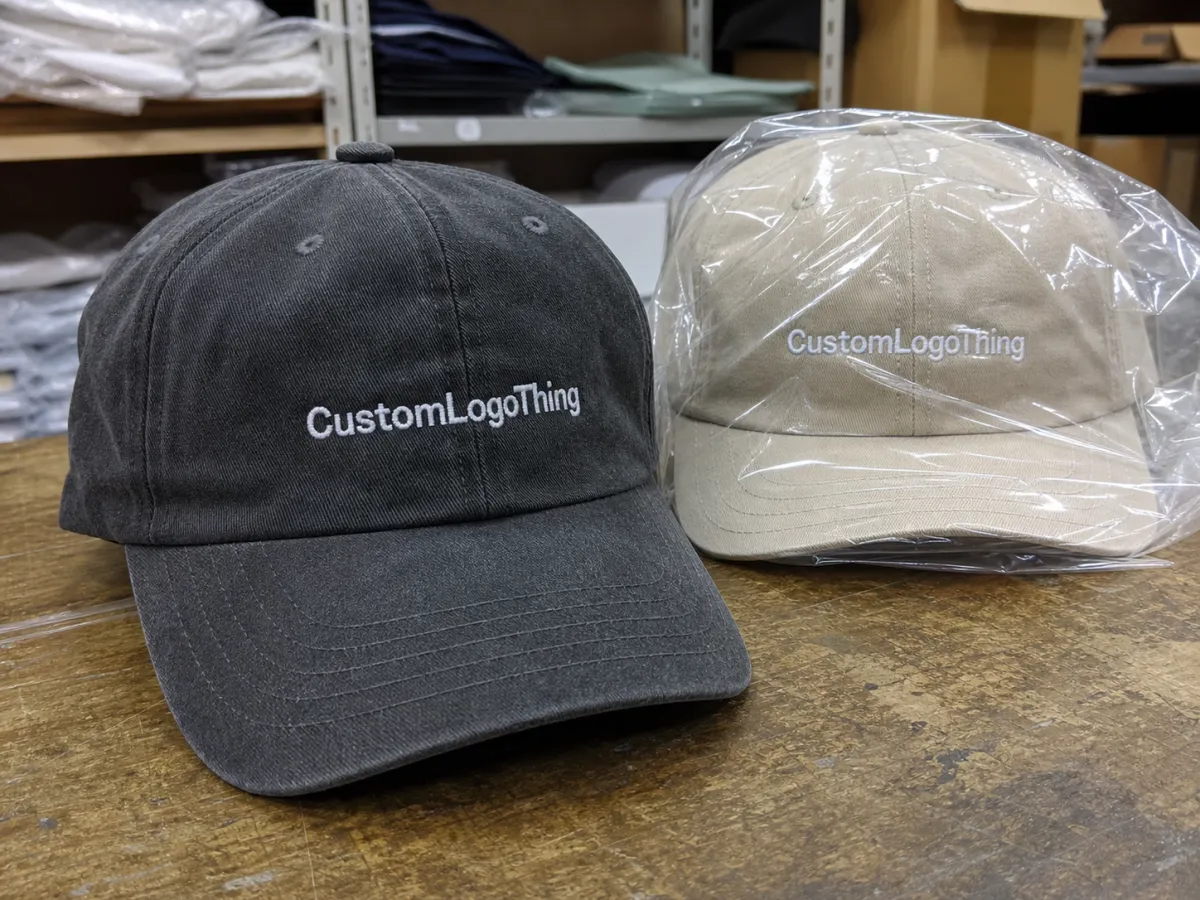
A cap order can go sideways before a single needle touches fabric. Cotton twill caps Lead Time and MOQ are not minor purchasing details. They decide whether a branded cap program is realistic for an event, retail drop, employee kit, golf outing, school store, trade promotion, or corporate campaign.
Blunt, yes. Also true.
If fabric weight, logo method, closure, color, packaging, approval path, and delivery date are not aligned early, the buyer usually pays for it later. Rush freight. Substitute colors. A dropped logo location. A skipped sample that would have caught puckering, crooked placement, or a bad thread contrast. None of those decisions sound catastrophic in isolation. They just get expensive when they happen after the order is already moving.
Cotton twill stays popular because it is familiar and dependable. The diagonal weave gives the fabric texture without making it feel overly technical. A cotton or cotton-blend twill cap can support clean embroidery, hold a structured front panel, or soften into an easy low-profile shape. It works for casual uniforms, campus stores, outdoor events, hospitality teams, and giveaways because people understand it immediately. No explanation required.
That does not mean every cotton twill cap is the same. A 5-panel unstructured cap with a fabric strap is a very different product from a structured 6-panel cap with a flat visor and snapback. Same category. Different fit, different logo behavior, different buyer reaction.
Custom Logo Things works with buyers who already know they need custom caps and want clear answers on minimums, timing, logo options, and quote preparation. The point is not to dress up production with vague promises. The point is to confirm the details that control MOQ, unit cost, sampling, and the real ship date.
The buying reality is simple: timing and minimums depend on the cap build, decoration method, stock availability, artwork condition, approval speed, and shipping plan. Get those pieces right early, and the order has a much better chance of arriving clean, consistent, and on schedule.
Cap Details That Affect Fit, Finish, and Buyer Approval
Cotton twill caps are usually built from woven cotton or cotton-blend twill panels, with a curved or flat visor, sweatband, stitched eyelets, top button, backing structure, and an adjustable or fitted closure. The parts sound basic until the sample lands on a desk. Then a low crown, stiff buckram front, rough strap edge, or bulky snapback suddenly becomes the whole conversation.
Most buyers start with profile. An unstructured low-profile cap has a softer crown and a relaxed retail feel. It often suits lifestyle brands, schools, nonprofit campaigns, and casual employee kits. A structured mid-profile cap holds its shape better and gives front-center embroidery a cleaner surface. Higher-profile shapes, including flat-bill and streetwear styles, offer more front-panel space but can feel too bold for general uniform use.
The same logo can behave differently on each shape. A dense embroidered crest may look excellent on a structured crown because the panel has support under the stitches. Put that crest on a soft unstructured cap, and it may pucker unless stitch density, backing, and underlay are controlled. Small lettering under 0.20 inch tall can fill in quickly with thread, especially on textured twill. Tiny taglines are where good intentions go to die.
Closure choice matters too. A fabric strap with a metal buckle has a classic retail feel. Hook-and-loop is practical for uniforms and event staff, though it rarely looks premium. Plastic snapback gives broad size flexibility and a sport or streetwear look. Elastic fit and fitted sizing can feel polished, but they require better size planning. If the closure color, buckle finish, private label, or strap material is custom, it may affect minimums and lead time.
Color planning deserves early attention. Stock twill colors are usually faster and more economical because the fabric or blank cap already exists. Custom-dyed fabric, contrast stitching, unusual eyelet colors, or special strap materials require longer planning. Material has to be sourced, dyed, cut, or produced for that run. That means more time, more quantity pressure, and less room for last-minute changes.
Specifications to Confirm Before You Request a Cap Quote
A good quote starts with a complete specification. If a buyer says, “We need 500 custom caps,” the production team still has to ask the questions that control price, timing, and feasibility. The useful version includes cap style, fabric type, crown structure, panel count, visor shape, closure type, cap color, logo size, logo placement, decoration method, quantity, packaging preference, and delivery destination.
Panel construction is one of the first choices. A 5-panel cap gives uninterrupted front logo space because there is no center seam through the decoration area. A 6-panel cap has the classic baseball-cap look, but front embroidery crosses a center seam. Digitizing needs to account for that seam or the logo can look slightly distorted. Specialty cuts can look sharp, but they may require more pattern setup and a longer approval path.
Logo placement is more than a visual preference. Front-center embroidery gives the brand the main viewing area. Side-panel embroidery works for a secondary mark, chapter name, sponsor, or event detail. Back strap embroidery has tighter size limits because the usable space is narrow. Visor decoration, woven labels, and interior branding each add handling steps. Every added location can increase setup charges, production time, and inspection work.
Decoration should be matched to the art, not chosen by habit. Flat embroidery is efficient for clean text, icons, and simple marks. 3D puff embroidery creates raised elements, but it needs enough stroke width and the right foam handling. Woven patches can hold smaller lettering better than direct embroidery. Leatherette or faux suede patches give a workwear feel. Printed patches handle gradients and fine color transitions. Direct screen print or heat transfer may work for certain designs, but cap curvature, adhesion, and hand feel need to be reviewed first.
Artwork format makes a real difference. Vector files such as AI, EPS, or clean PDF files allow better digitizing, cleaner patch artwork, and more reliable sizing. Low-resolution PNG or JPEG files often add proofing time because the production team has to rebuild edges, clarify colors, or simplify detail before approval. If the logo only exists as a screenshot pulled from an email signature, expect extra cleanup. Sorry, but that is not production art.
If you are unsure what to send, Custom Logo Things can review the file before the order is quoted. The FAQ is also useful for basic order-preparation questions.
Practical rule: if the logo has tiny lettering, gradients, thin outlines, or more than 8 thread colors, confirm the decoration method before locking the cap style. The right method can prevent delays and avoidable rework.
Cotton Twill Caps Lead Time and MOQ for Real Orders
MOQ means the minimum order quantity required to set up materials, decoration, machine time, labor, finishing, inspection, and packing efficiently. It is not just a sales number. Every run needs setup time, thread or patch preparation, alignment checks, trimming, counting, and carton packing before it can move out.
Cotton twill caps Lead Time and MOQ depend heavily on the production route. Decorated stock caps usually allow lower minimums and faster movement because the cap body already exists. Semi-custom caps sit in the middle, especially when buyers choose custom patches, labels, closures, or packaging. Fully custom cut-and-sewn cotton twill caps usually require higher quantities because fabric, trims, cutting, sewing, decoration, finishing, and packing are planned as a dedicated run.
| Order Type | Typical MOQ Pattern | Lead-Time Behavior | Best Use |
|---|---|---|---|
| Decorated stock twill caps | Lower minimums are often possible | Usually fastest after proof approval | Events, staff gear, promotions, rush programs |
| Semi-custom caps | Moderate minimums based on components | Longer if trims, closures, labels, or patches are custom | Brand programs needing a more tailored look |
| Fully custom cut-and-sewn caps | Higher minimums are common | Longest because fabric and sewing are planned together | Retail drops, private label, custom color programs |
Lead time is a sequence, not a magic number. Quote confirmation comes first. Then artwork preparation, digitizing or patch setup, proof or sample approval, material allocation, production, inspection, packing, and shipping. A cap order that looks simple can still lose three business days because one proof sat in an inbox waiting for approval.
Common timeline problems include late artwork changes, unclear Pantone targets, complex embroidery, custom-dyed fabric, multiple logo placements, special packaging, split shipments, holiday production congestion, and delayed sample approval. Freight can create its own problems. A commercial address, residential address, event hotel, Amazon-style warehouse, or third-party fulfillment center may each require different carton labeling and delivery timing.
For most buyers, the best timeline starts with five facts: event date, in-hands date, quantity, logo file, and delivery location. If the date is tight, Custom Logo Things can steer the order toward a stock-based cap, simpler decoration, or proof-only approval path. That is better than pretending a fully custom build can fit a deadline it cannot safely meet.
For broader transit and package testing context, the International Safe Transit Association is a useful authority on how products move through distribution environments.
Pricing, Unit Cost, and MOQ Tradeoffs Buyers Should Expect
Custom cap pricing is built from real cost centers: cap body, decoration method, stitch count or patch type, setup work, number of logo placements, trims, packaging, quality control, freight, and any rush handling. A clean one-location embroidery order is not priced like a cap with front embroidery, side embroidery, a woven label, individual polybagging, hangtag, barcode sticker, and carton labeling.
MOQ and cost per piece usually move together. Smaller runs carry more setup cost per cap because digitizing, machine setup, sampling, and procurement are spread across fewer units. Larger runs often support better bulk pricing because the same preparation work is spread across more caps. That does not mean the biggest quantity is always smart. It means quantity breaks are worth reviewing before purchasing signs off.
Decoration cost can change quickly. Simple flat embroidery is efficient for clean marks with moderate stitch counts. High-stitch embroidery costs more because it consumes machine time and thread. 3D puff requires foam, clean edge control, and designs with enough thickness to hold shape. Patches may involve tooling fees, mold work, weaving, printing, cutting, heat backing, merrowed edges, or perimeter stitching.
Buyers often underestimate add-ons. Oversized front logos, embroidery across multiple panels, custom inside taping, private labels, retail hangtags, individual polybags, suffocation-warning bags, barcode stickers, and fulfillment carton labels all require materials or labor. A few cents per unit becomes real money at 2,000 or 5,000 pieces. Accounting tends to notice. Funny how that works.
Ask for pricing in quantity breaks, not just one quantity. If you think you need 300 caps, review 300, 500, and 1,000 pieces with the same decoration method. Sometimes the higher quantity lowers the unit cost enough to justify extra inventory. Other times, storage space, event size, or cash flow makes the lower run more sensible.
The best cap quote is not the one with the most expensive build. It is the one that matches the cap structure, decoration method, quantity, budget, and delivery date to the real use. Timing and minimums should be discussed alongside price because a low unit cost does not help if the order misses the launch.
Production Steps From Artwork Approval to Packed Cartons
Once a cap order is approved, the production flow usually follows a clear path: project review, specification confirmation, quote approval, artwork cleanup, embroidery digitizing or patch artwork preparation, proof or sample approval, material staging, decoration or full cap sewing, trimming, inspection, packing, and shipment release. Each handoff matters.
Digitizing is a manufacturing step, not a file conversion. The logo has to be translated into stitch paths, stitch density, underlay, direction, pull compensation, thread colors, and run order so it performs on a curved cap panel. A design that looks sharp on a flat screen may need small adjustments to keep edges clean on cotton twill.
During proofing or sampling, the buyer reviews logo size, color, placement, cap shape, thread appearance, patch finish, label position, and packaging details. A physical sample gives the most confidence for retail programs, complex logos, custom colors, or higher-value orders. A digital proof can be enough for simpler promotional work where the cap style and thread colors are familiar.
Quality checks for caps are specific. Inspectors look at logo alignment, thread trimming, crown shape, visor curve, closure function, sweatband cleanliness, seam consistency, shade consistency, and carton count accuracy. For packaging and sourcing expectations, standards and certification bodies such as FSC can be relevant when buyers request paper hangtags, recycled-content cartons, or certified packaging materials.
Approvals can slow production when they are informal or scattered. One person approves the cap color, another changes the logo size, and a third updates the shipping address after cartons are labeled. That creates friction. A single consolidated approval on cap style, logo, placement, packaging, and ship-to information keeps the order cleaner.
Custom Logo Things can flag risks before they become expensive. A design that is too small for embroidery may need a woven patch. Tone-on-tone colors may need more contrast. A delivery date that cannot support a full custom build may need a decorated stock cap. These are normal production decisions, not scare tactics.
How Custom Logo Things Keeps Cap Orders Practical
A marketing idea becomes a good cap order only after it is translated into buildable specifications. Custom Logo Things helps connect the buyer’s brand goal to fabric, crown structure, decoration method, order quantity, timeline, packaging, and shipping requirements. That coordination is where many cap orders become easier to manage.
The work is treated as one production project. Buyers do not need to separately manage cap sourcing, logo preparation, sample review, decoration setup, inspection notes, and shipping details. Those steps still happen, of course. They are just organized around one approved specification instead of a trail of disconnected decisions.
Technical guidance matters. Embroidery may outperform a patch when the logo is clean, bold, and thread-friendly. A woven patch may hold small lettering better than direct embroidery. A structured cap may be safer for a dense front logo. A stock twill color may protect the timeline better than a custom dye request. None of these answers are universal, which is exactly why early review helps.
Quote accuracy improves when the team receives complete details. Cap profile, color, quantity, logo file, decoration method, in-hands date, and delivery address all affect the answer. Clear information reduces surprises such as added setup charges, revised freight, extra sampling time, or schedule changes after approval.
Custom Logo Things is a fit for promotional buyers, agencies, retail brands, schools, teams, hospitality groups, trades, and corporate purchasers who need caps that arrive wearable and consistent across the order. If your team needs general ordering guidance before requesting a quote, the FAQ can answer common preparation questions.
The approach is simple: no inflated promises, no mystery around minimums, and no pressure to build a cap more complicated than the job requires. Lead Time and MOQ become easier to manage when the specifications, approval path, and shipping plan are visible from the beginning.
How to Prepare a Faster Cotton Twill Cap Order
A faster cap order starts with a tighter request. Choose the cap profile, decide on structured or unstructured crown, select the cap color, choose closure type, confirm the target quantity, gather vector artwork, define logo size and placement, identify the in-hands date, and provide the shipping destination. Those details remove guesswork from quoting.
- Cap build: low-profile unstructured, structured mid-profile, 5-panel, 6-panel, flat visor, or curved visor.
- Decoration: flat embroidery, 3D puff embroidery, woven patch, printed patch, leatherette patch, heat transfer, or label.
- Quantity: target order size plus any quantity breaks you want reviewed for bulk pricing.
- Artwork: vector file preferred, with Pantone references if color matching matters.
- Timing: event date, warehouse deadline, launch date, or true in-hands date.
If timing is tight, include two or three acceptable cap colors. A backup black, navy, khaki, gray, or white option can save days when a preferred fabric or blank is constrained. The same logic applies to closures. If a custom metal buckle is not essential, a stock fabric strap may protect the schedule.
Decide early whether a physical sample is required or whether a digital proof is acceptable. A sample gives more confidence for retail programs, complex logos, and custom builds, but it adds time. A proof can keep a simpler order moving faster if the buyer is comfortable approving size, placement, thread colors, and layout electronically.
Ask for quantity breaks and decoration alternatives in the same quote if budget matters. Comparing flat embroidery with a woven patch, or reviewing one-location versus two-location branding, gives purchasing a clearer view of unit cost and total project cost. It also shows whether a higher order quantity creates a better cost per piece.
Send the event date, launch date, or warehouse deadline early, not after artwork approval. Production route and shipping method need to be planned around the true in-hands date. If you are comparing cotton twill caps Lead Time and MOQ for an upcoming order, send the cap style, logo file, target quantity, delivery address, and deadline to Custom Logo Things so the team can return a practical quote with the right production route.
FAQ
What is the usual MOQ for custom cotton twill caps?
MOQ depends on whether you choose decorated stock caps, semi-custom caps, or fully custom cut-and-sewn caps. Lower quantities are usually easier with available stock cap styles. Custom fabric colors, private labels, special closures, and custom packaging generally require higher minimums. For the most accurate answer, provide the cap style, decoration method, quantity target, and delivery deadline so the order can be matched to the right production path.
How long is cotton twill caps lead time after artwork approval?
Lead time becomes reliable only after the cap specification, artwork, quantity, decoration method, proof requirements, and shipping details are confirmed. Stock cap decoration typically moves faster than fully custom cap production because the cap body is already made. Custom-dyed fabric, sampling, complex embroidery, multiple logo placements, or special packaging can add time.
Can I reduce the lead time for cotton twill caps if my event is close?
Yes, but the best approach is usually to simplify the order rather than force a complex custom build. Choose an available stock twill cap color, use one logo placement, approve artwork quickly, avoid custom trims, and provide complete shipping details upfront. Rush options may be possible, but they depend on production capacity, decoration complexity, and freight timing.
What affects the unit cost of custom cotton twill caps the most?
Quantity, cap construction, decoration method, stitch count, number of logo locations, patch type, packaging, and freight all affect unit cost. Larger runs often reduce the unit cost because setup and preparation are spread over more caps. A clean one-location embroidery order will usually price differently from a cap with front embroidery, side embroidery, custom labels, and individual retail packaging.
Do I need a sample before bulk production of cotton twill caps?
A sample is recommended when the logo is complex, the cap is fully custom, the color match is important, or the order is for retail sale. For simpler promotional orders, a digital proof may be enough if the buyer is comfortable approving size, placement, and thread colors electronically. Sampling adds confidence but also adds time, so it should be planned into the lead time rather than requested at the last minute. For more order-preparation questions, review the FAQ or send your cap details to Custom Logo Things for a quote review.

