The Hat Order Usually Fails Before Production Starts
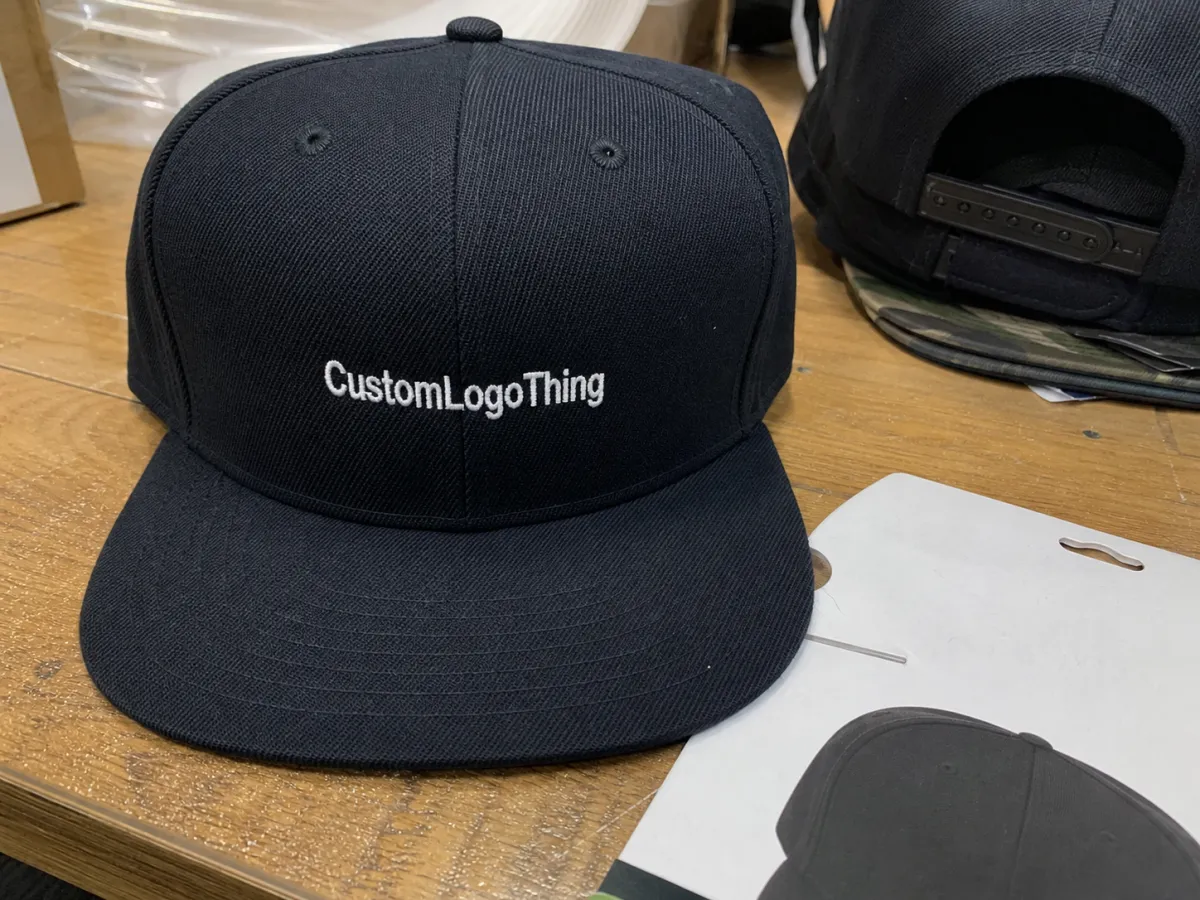
Most custom hat delays happen before a needle touches fabric. Buyers researching flat bill snapback Hats Lead Time and MOQ are usually trying to answer two questions fast: how soon can the hats arrive, and how many do they have to buy?
The annoying answer is that both depend on the specs. Vague art, guessed quantities, missing deadlines, and slow sample approvals create most of the mess. Shocking, I know. Factories do not magically read minds.
Flat bill snapbacks stay popular because they give brands a retail look without luxury headwear budgets. They work for breweries, streetwear labels, schools, corporate merch programs, event teams, promo distributors, and anyone tired of floppy giveaway caps that look like they came free with a car wash.
This is a buying outline. Not a mood board. The goal is to pin down realistic MOQ ranges, bulk pricing factors, decoration choices, sample timing, production timing, and the small details that change the quote.
The tradeoff is simple. Faster orders usually mean stock hats, fewer decoration choices, and limited packaging. Lower unit cost usually means higher quantity, cleaner approvals, and more planning time.
A proper quote needs the hat style, quantity, logo method, number of colors, placement, packing requirements, delivery location, and deadline. Without those, the quote is basically a polite guess with a PDF attached.
Flat Bill Snapback Hat Details Buyers Should Lock In Early
A flat bill snapback normally has a structured crown, flat visor, and adjustable plastic snap closure. The profile is modern, sharp, and easy to sell as launch merch, employee gear, resale product, or event swag.
Start with the crown. A 5-panel cap gives a cleaner front logo area because there is no center seam running through the main decoration zone. A 6-panel cap has the classic baseball-cap structure. High-profile crowns feel bolder and more streetwear-driven. Mid-profile crowns usually fit more people without looking oversized.
Fabric matters more than buyers think. Cotton twill has a solid retail feel and takes embroidery well. Polyester is lighter and often better for budget promotional runs. Wool blends look more premium but can raise the cost per piece. Performance fabrics make sense for outdoor brands, sports teams, and warm-weather events.
The front panel has to support the decoration. Direct embroidery needs enough structure to hold stitches cleanly. Printed patches need a flat surface. Woven patches often handle small lettering better than embroidery because thread has physical limits. Threads are not pixels, no matter how much the marketing team wants them to be.
Decoration choices usually fall into a few buckets: direct embroidery, woven patch, printed patch, PVC patch, leather patch, screen print, or heat transfer. Direct embroidery is durable and familiar. Woven patches handle detail. PVC patches look dimensional and tough. Leather patches feel premium. Heat transfer can work for graphic-heavy budget runs, but it is not always the best fit for a textured cap surface.
Snapbacks reduce size planning headaches because one adjustable size fits most adults. Most. Not all. Crown shape still matters. A sample is the easiest way to find out whether the cap feels like retail merch or a stiff promotional mistake.
Decide early whether the order is a true retail piece or a lower-cost event giveaway. That choice affects fabric, decoration, MOQ, production timeline, freight, setup charges, and quote accuracy.
Specifications That Change Quality, Fit, and Quote Accuracy
Before requesting pricing, lock in the basic spec sheet. Include cap construction, panel count, crown height, fabric, bill style, closure type, colorway, logo placement, decoration method, packing needs, and target delivery date.
Logo size needs real attention. A tiny detailed logo can look sharp on a screen and muddy in thread. A 2.25-inch woven patch may hold detail beautifully, while the same art in direct embroidery may turn into a fuzzy blob. Not dramatic. Just physics.
Common placements include front center, side panel, back arch, underbill, woven label, seam tag, and interior sweatband branding. Each additional placement adds setup time, proofing time, and cost. A one-location front embroidery order is not the same animal as a front patch, side embroidery, underbill print, and custom sweatband label.
Color matching also affects timing. Stock fabric colors move faster and cost less. Custom-dyed fabric can improve brand accuracy, but it often raises MOQ and adds production time. Pantone references help suppliers get closer, especially for thread, patch material, and printed details.
Packaging specs are not decoration fluff. Bulk polybagging is cheaper. Individual polybags look cleaner for events and retail handling. Barcode stickers help warehouse receiving. Hang tags and custom boxes can improve presentation, but they add setup charges, packing labor, and sometimes extra freight volume.
Send vector artwork whenever possible. AI, EPS, or clean PDF files are preferred. Pantone references help. Mockups are useful for intent, but they are not production files. Low-resolution PNGs slow down quoting because someone has to rebuild, simplify, or question the art.
Practical rule: if the supplier has to chase basic specs, the lead time has not really started. Approval delays are buyer-side delays. Nobody loves hearing that. Still true.
For packaging and shipping-sensitive programs, buyers can also think about transit handling. Groups like ISTA publish testing standards that help brands understand how cartons behave in distribution. Hats are not glassware, but crushed cartons still make people cranky.
Pricing and MOQ for Custom Flat Bill Snapbacks
MOQ depends on whether you are decorating stock blanks or manufacturing the cap from scratch. Decorated stock flat bill snapbacks often start lower. Fully custom caps usually need a higher minimum because the factory is producing panels, visors, closures, labels, and decoration as one built order.
For buyers comparing flat bill snapback hats Lead Time and MOQ, the first fork in the road is stock decoration versus custom manufacturing. Stock decorated snapbacks may start around 48 to 144 pieces, depending on decoration method. Fully custom snapbacks commonly start around 300 to 500 pieces. Complex builds can go higher.
| Order Type | Typical MOQ | Common Lead Time After Approval | Best Fit | Cost Notes |
|---|---|---|---|---|
| Stock blank with embroidery | 48-144 pieces | 2-4 weeks | Events, staff hats, promo runs | Lower setup risk; stitch count affects unit cost |
| Stock blank with patch | 72-144 pieces | 3-5 weeks | Detailed logos, retail-style giveaways | Patch setup or tooling fees may apply |
| Fully custom snapback | 300-500 pieces | 5-8+ weeks | Retail merch, private label, brand programs | Better control; higher MOQ and longer setup |
| Premium custom with labels and packaging | 500+ pieces | 6-10+ weeks | Resale, subscription boxes, launches | Custom packing, tags, labels, and freight add cost |
Pricing drivers include quantity, cap material, decoration type, number of logo placements, stitch count, patch material, custom fabric colors, closure type, labeling, packaging, and freight. Simple decorated stock hats usually price lower. Custom patches, multi-location branding, premium fabric, and retail packing push the quote up.
Setup costs may appear as separate line items or be built into the unit price. Common examples include embroidery digitizing, woven patch setup, PVC patch tooling fees, leather patch dies, woven label setup, and pre-production samples. Ask how those charges are handled before comparing quotes.
Ordering the absolute minimum protects cash flow, but the unit cost is rarely beautiful. Higher quantities usually lower cost per piece because setup, handling, proofing, and production prep spread across more hats.
For a useful quote, send quantity breaks, artwork, decoration preference, hat color, delivery zip code or country, deadline, and whether a sample is required before bulk production. If you want a deeper process explanation before sending specs, the Custom Logo Things FAQ is a good place to check common order questions.
Flat Bill Snapback Hats Lead Time and MOQ: Samples and Production Timeline
Lead time starts after order details, artwork, payment terms, and approvals are complete. It does not start when someone sends an inquiry with a blurry logo and the words “need ASAP.” Nice try, though.
Decorated stock snapbacks often move fastest, commonly around 2 to 4 weeks after proof approval. Fully custom flat bill snapbacks commonly need 5 to 8 weeks or more, especially with physical samples, custom materials, overseas production, or retail packaging.
The usual production path looks like this: quote confirmation, artwork setup, digital proof, sample or pre-production approval, material preparation, decoration, assembly or finishing, quality control, packing, and shipping. Each step can be fast if specs are clean. Each step can drag if the buyer changes direction midstream.
Digital proofs are the fastest review tool. They show logo placement, approximate scale, thread or patch colors, and general layout. Physical samples add time, but they reduce risk for embroidery density, patch size, thread colors, crown shape, and overall retail feel.
A physical sample is not always required. For a simple 100-piece stock embroidery order with a clean logo and a tight deadline, a digital proof may be the practical choice. For a 500-piece retail run with a custom patch, private label, underbill print, and hang tag, skipping the sample is brave. Not the good kind.
Rush production may be possible for stock hats with simple embroidery or patch decoration. Expect tradeoffs: rush fees, fewer hat colors, limited decoration methods, and reduced sample options. Fully custom rush orders are not magic. They are scheduling gymnastics with freight invoices attached.
Freight changes the timeline and the budget. Air shipping shortens transit but raises cost. Ocean freight lowers shipping cost but adds weeks. Domestic blank decoration can be faster than overseas custom manufacturing, especially for smaller runs under 250 pieces.
Build approval time into the schedule. If three people need to approve one logo proof, the bottleneck is not the factory. It is the committee. For retail programs with paper-based packaging, FSC-certified materials may also matter; the Forest Stewardship Council explains certification standards for responsibly sourced paper products.
How to Avoid Expensive Hat Order Mistakes
The first mistake is choosing decoration based only on price. Cheap direct embroidery can work well, but it may fail on tiny lettering, gradients, thin lines, or distressed artwork. The right method protects the logo, which is the point of the hat.
The second mistake is ignoring the crown shape. A great logo on the wrong profile still makes a hat nobody wears. Think about who will actually use the cap: brewery staff, golf outing guests, streetwear buyers, warehouse teams, students, or trade show visitors.
The third mistake is approving artwork without checking scale. A 3.5-inch front logo can feel bold. A 5-inch logo can feel like a billboard strapped to a forehead. Bigger is not always better. Sometimes bigger is just louder.
The fourth mistake is changing specs after approval. Thread color, patch material, hat color, closure type, packing, and label changes can restart proofing or production prep. That means added cost and lost days.
The fifth mistake is ordering too close to an event. If the hats are for a launch, tournament, store opening, sales meeting, or campaign drop, build in a buffer. Freight delays do not care about your event calendar.
A good supplier reviews logo feasibility, recommends decoration methods, flags risky details, confirms specs in writing, and provides proofs before bulk production. That is basic production discipline. Not a luxury feature.
For buyers asking about flat bill snapback timing and minimums, mistake prevention is usually cheaper than damage control. A clean spec sheet, realistic deadline, approved art file, and honest budget range remove most of the chaos before it starts.
What Custom Logo Things Does Differently on Hat Orders
Buyers do not need vague hype. They need clear quoting, realistic lead times, decoration guidance, and production follow-through. Timing and quantity drive almost every buying decision, so those details need to be handled early instead of buried three emails deep.
Custom Logo Things helps match the order type to the goal: low-MOQ event hats, premium retail snapbacks, employee merch, reseller-ready caps, campaign merchandise, or recurring branded inventory. Those are different jobs. They should not be quoted like the same hat with different logos.
Quote clarity matters. Quantity breaks, decoration assumptions, setup charges, sample options, packing requirements, and freight considerations should be visible before the buyer commits. If the 250-piece price looks good but the patch setup and air freight are hidden until later, that is not a clean buying process.
Production guidance matters just as much. If a logo is too detailed for embroidery, the better move may be a woven patch, printed patch, simplified stitch file, or alternate placement. Pretending every logo will stitch perfectly is how bad hats get born.
Supplier coordination is handled through one point of contact. Cap sourcing, decoration setup, sample management, bulk production, quality checks, and packing details all need attention. Most buyers do not have time to babysit five vendors for one cap order.
Quality control is straightforward: check logo position, color consistency, stitching, patch attachment, closures, obvious defects, and packing accuracy before the order ships. For larger orders, carton labeling and packing counts matter too. One missing inner carton can turn receiving into a scavenger hunt.
The best hat order is not the fanciest one. It is the one that matches the budget, deadline, brand standard, and actual use case. That sounds less glamorous. It also works.
Next Steps Before You Request a Snapback Quote
Want a fast, useful quote? Send complete information upfront. The supplier can price real options instead of playing detective.
- Quantity: share the target quantity and ask for breaks at 100, 250, 500, and 1,000 pieces if you have flexibility.
- Budget: give a target unit cost or total budget range, even if it is rough.
- Deadline: provide the in-hand date, not just the event date.
- Delivery: include the zip code or destination country for freight estimating.
- Artwork: send vector files, Pantone colors, and any approved brand rules.
- Product specs: include hat color, crown style, decoration method, logo placement, and packing needs.
- Sample needs: say whether a physical sample is required before bulk production.
Ask for quantity breaks if the order is flexible. A 100-piece order may look safe for cash flow, but the 250-piece bulk pricing might lower the cost per piece enough to justify the jump. Sometimes it will. Sometimes it will not. That is why you compare.
Decide whether speed or customization matters more. If the deadline is tight, stock blanks with decoration usually make more sense. If retail quality, private labeling, exact fabric colors, and brand control matter more, custom production is worth the additional time and MOQ.
Share non-negotiables early. Exact Pantone colors, retail barcode labels, individual polybags, hang tags, custom underbill print, specific carton requirements, or strict packaging standards can all affect price and lead time.
After inquiry, Custom Logo Things reviews the specs, confirms decoration feasibility, provides quote options, prepares artwork proofing, and guides the buyer through sample and bulk approval. If you want to check general ordering steps first, review the FAQ before sending the request.
If you need flat bill snapback hats Lead Time and MOQ answers, the fastest path is simple: send complete specs upfront and ask for the realistic option, not the fantasy one.
FAQ
What is the usual flat bill snapback hats MOQ for custom orders?
For decorated stock snapbacks, MOQ often starts around 48 to 144 pieces depending on the decoration method and supplier setup. For fully custom flat bill snapbacks, MOQ commonly starts around 300 to 500 pieces because the cap itself is being manufactured, not just decorated. Custom fabric colors, private labels, multiple logo placements, and special packaging can raise the minimum.
How long is the lead time for flat bill snapback hats?
Decorated stock flat bill snapbacks often take about 2 to 4 weeks after proof approval, depending on order size and decoration complexity. Fully custom snapbacks commonly take about 5 to 8 weeks or more after approvals, especially if physical samples, custom materials, or international freight are involved. Lead time starts after artwork, specs, payment terms, and approvals are complete.
Can I rush custom flat bill snapback hat production?
Rush options are more realistic for stock blank hats with simple embroidery or patch decoration. Rush production may limit hat colors, decoration methods, sample options, and packing choices. Fully custom rush orders are harder because material sourcing, sample approval, assembly, and freight all take time.
What affects the unit cost of flat bill snapback hats the most?
Quantity, cap construction, material, decoration method, number of logo placements, stitch count, patch type, packaging, and freight all affect unit cost. Higher quantities usually reduce unit cost because setup and handling costs spread across more hats. The cheapest quote is not always the best buy if the decoration method makes the logo look weak.
Do I need a sample before ordering flat bill snapback hats in bulk?
A physical sample is strongly recommended for retail orders, complex embroidery, custom patches, premium materials, or strict brand color requirements. A digital proof may be enough for simple stock hat orders with straightforward logos and tight timelines. Skipping a sample saves time, but it also shifts more risk onto the bulk production run.

