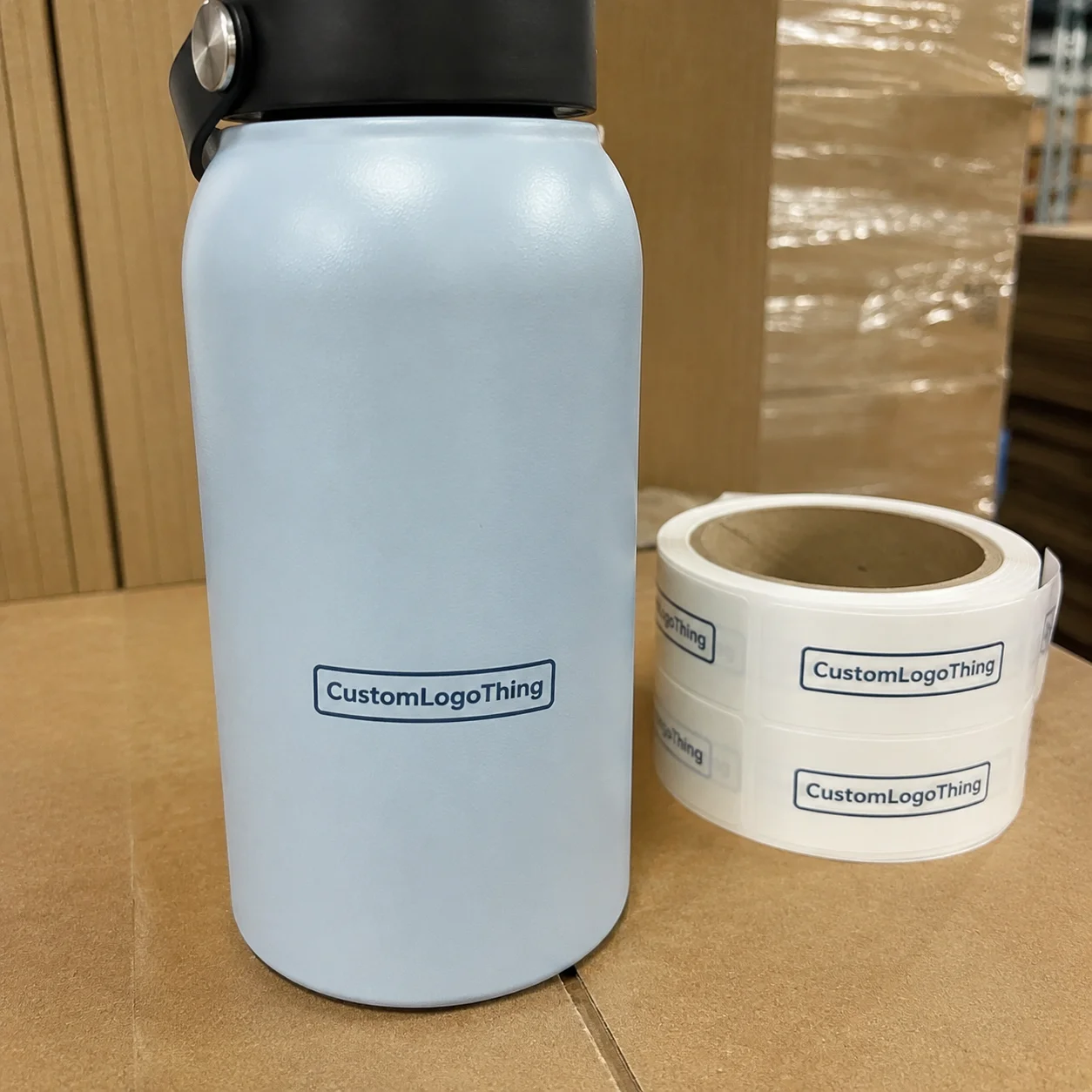
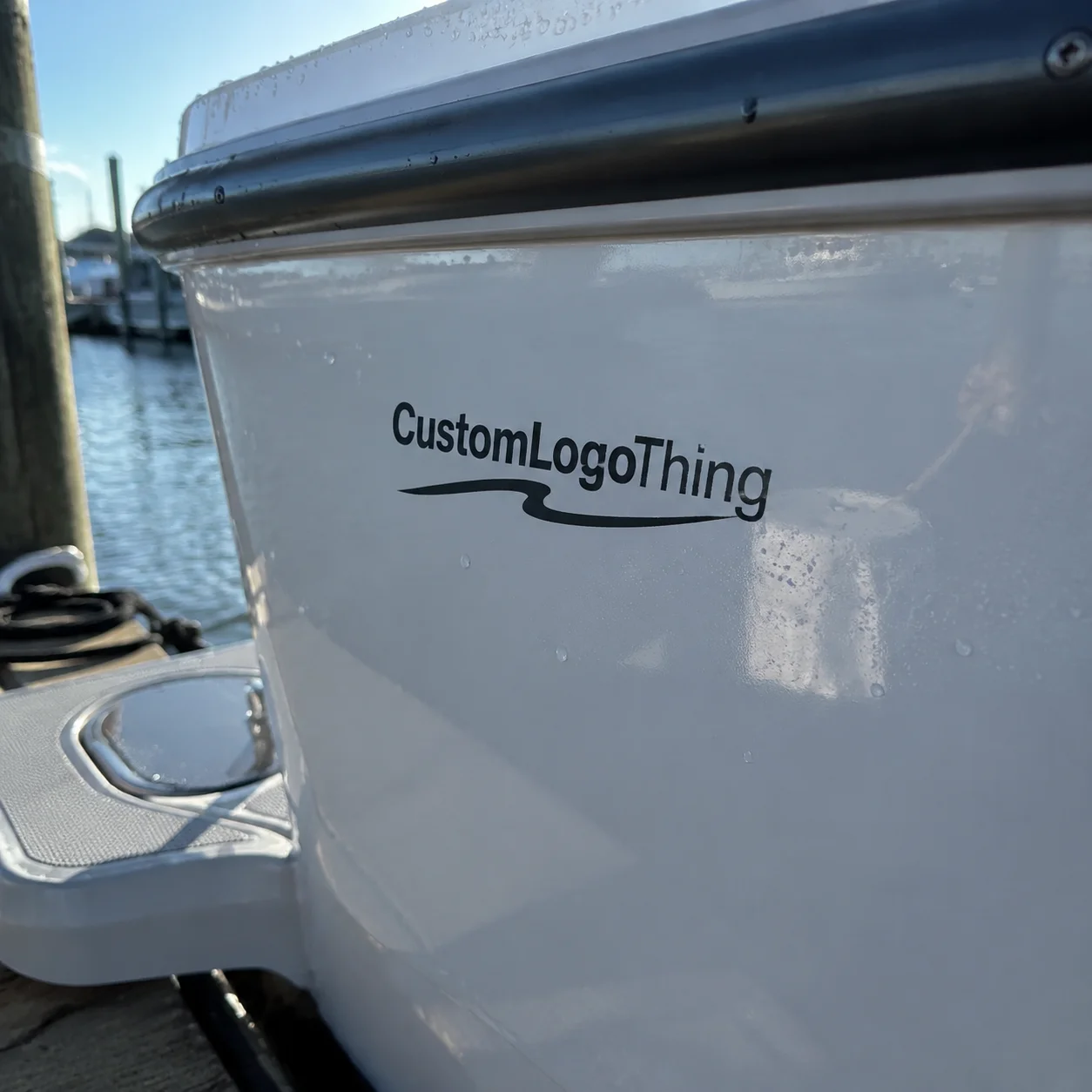
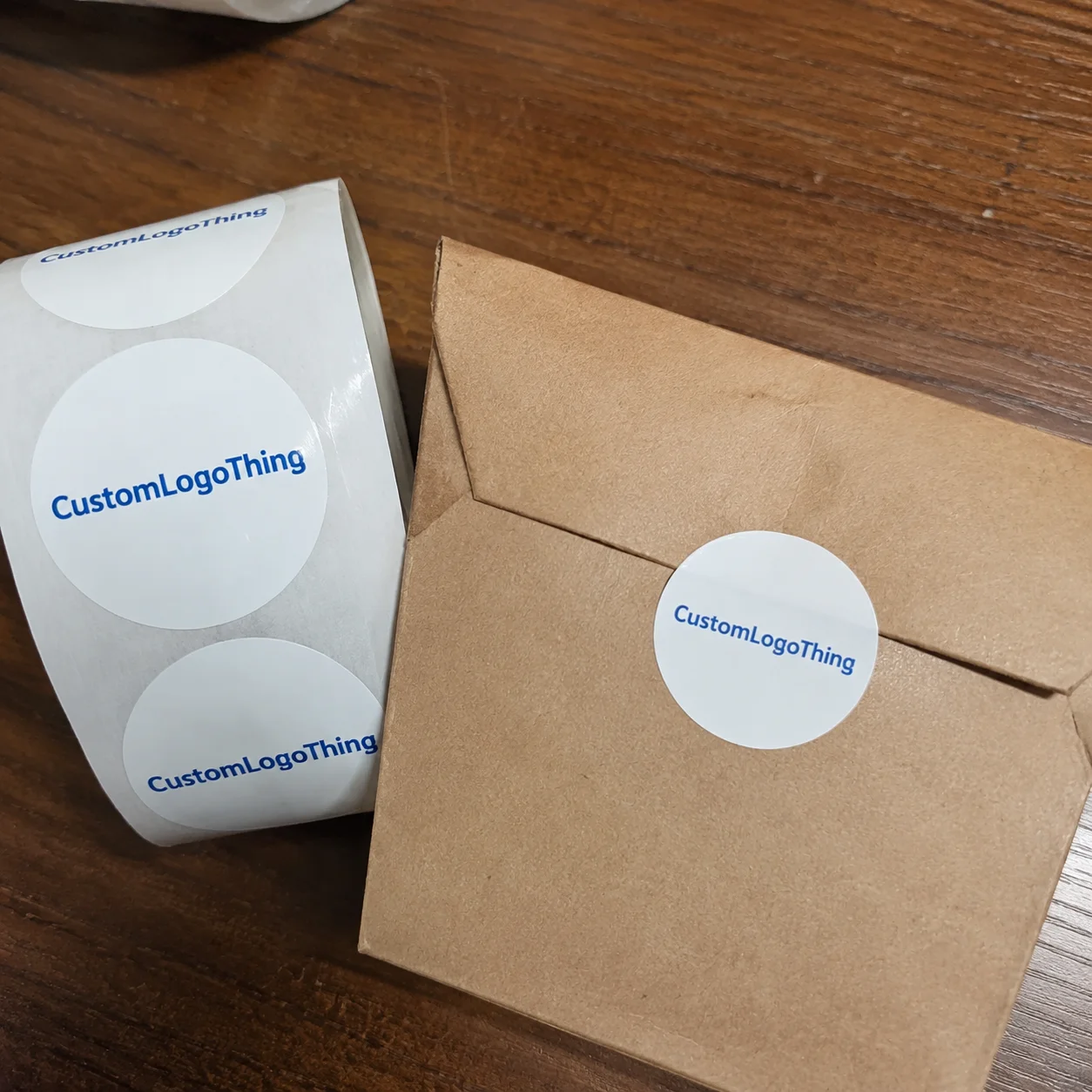
Custom Compostable Stickers Start With the Whole Pack
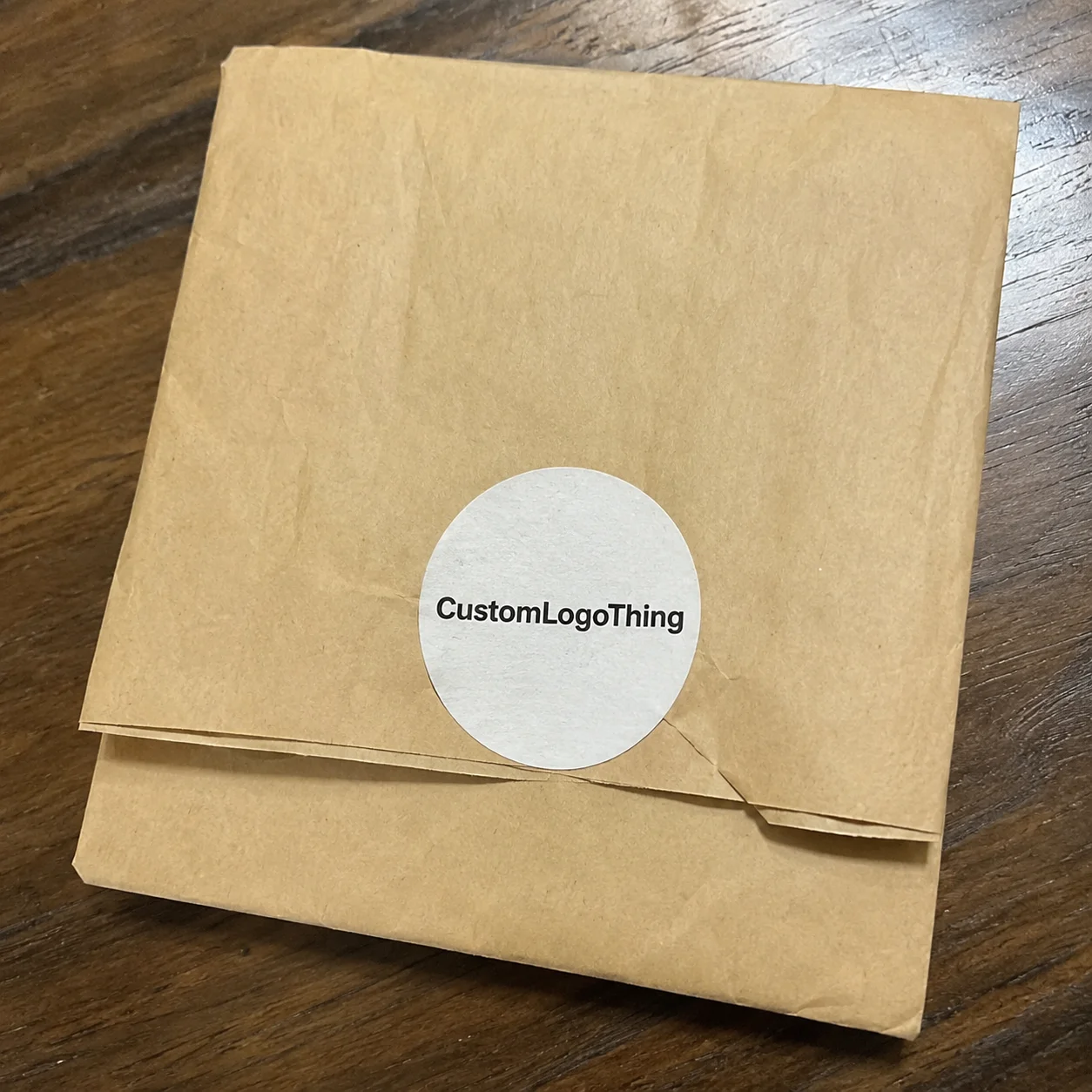
A brand can do almost everything right with its packaging and still trip at the finish line. I see the pattern often: a team switches to compostable mailers, kraft paperboard cartons, molded fiber trays, or other lower-impact packaging, then closes the pack with a conventional plastic label because it was easy to source. Custom compostable stickers are not regular stickers with greener language attached. The facestock, adhesive, liner, inks, and coatings all have to be chosen around the package, the handling conditions, and the disposal claim.
That small label carries more weight than people expect.
It may hold a carton shut, display a batch code, add a QR code, call out a flavor, identify a seasonal promotion, or tie a full branded packaging system together. If the rest of the product packaging signals sustainability and the sticker feels glossy, plastic-heavy, or poorly explained, buyers notice the mismatch. The label is tiny, but it can make the claim look either careful or careless.
A compostable sticker is a printed label built with compostable or compost-friendly components where available and appropriate. The visible face material matters, but the hidden layers matter too. Adhesive chemistry, release liner selection, ink coverage, and any protective coating can affect whether a brand should make a compostability claim, a recyclability claim, or a more restrained material statement.
Practical rule: never judge a sustainable sticker by its brown color alone. Kraft-looking paper can still use an adhesive, coating, or liner that does not support the claim printed on the front.
The right spec depends on the package surface, storage conditions, shelf life, filling process, and disposal message. A closure seal for a paper pouch has a different job than a front-panel logo label on a glass jar. One needs flexibility across a fold. The other needs clean laydown, readable print, and edge stability on a curved surface. Treating those two labels as interchangeable is where many quote requests go wrong.
How Compostable Sticker Materials and Adhesives Work
A sticker is a small laminate system. The basic stack usually includes a facestock, pressure-sensitive adhesive, release liner, printed ink, and sometimes a coating or varnish. Each layer behaves differently during printing, die-cutting, application, shipping, storage, and disposal. That is why a good supplier will ask about the package before quoting the label.
Paper-based facestocks are common for compostable sticker projects because they fit naturally with paper bags, corrugated mailers, uncoated cartons, molded fiber, and many retail packaging styles. Options may include white uncoated paper, kraft paper, sugarcane or bagasse-based papers, and other fiber-based stocks. Certified compostable films may be available for certain uses, but they are not automatically right for every package or every budget.
The adhesive is the quiet troublemaker. It has to grab quickly enough for production, stay attached through handling, and still align with the brand’s environmental claim. A permanent adhesive used on dry paperboard may work beautifully, while the same label on a chilled glass jar may lift at the edge after condensation forms. Cold-fill products, oily surfaces, flexible pouches, and textured kraft papers all deserve testing before full production.
Print method changes the economics. Digital printing works well for smaller custom runs, multiple SKUs, changing artwork, and launch quantities around 250 to 2,500 pieces. Roll-label flexographic production can make sense for larger programs where setup cost is spread over more units and color consistency is tightly managed. For simple one-color labels, the unit cost can drop once the order reaches efficient press and finishing quantities.
Finishes need the same scrutiny as the base material. Matte, uncoated, and certain water-based coatings can support a natural packaging design style. Heavy gloss laminates or plasticized finishes may weaken the disposal story, even when they make color look sharper. If the label needs rub resistance, ask which protective options fit the claim instead of defaulting to the shiniest surface.
For broader sustainability terminology and disposal guidance, the EPA recycling and waste reduction resources are a useful reference point. Local composting rules still vary sharply by region, especially for packaging with adhesives, inks, or mixed materials.
Key Specs to Confirm Before You Order
Start with the surface. Paper bags, corrugated shippers, molded fiber trays, glass jars, compostable pouches, coated cartons, and Custom Printed Boxes all create different adhesion challenges. A label that bonds firmly to smooth SBS paperboard may struggle on recycled kraft with a rough texture. A sticker that looks perfect on an empty jar may wrinkle once the jar is filled, chilled, and handled by fulfillment staff.
Before requesting pricing for custom compostable stickers, gather the basic order details in one place. A short spec sheet saves time and prevents the supplier from guessing based on a logo mockup.
- Size and shape: include width by height in inches or millimeters, plus corner radius if rounded.
- Quantity: request practical tiers such as 500, 1,000, 2,500, and 5,000 pieces.
- Format: confirm rolls, sheets, or individual cut stickers.
- Artwork: send vector files, outlined fonts, linked images, and brand color references.
- Application: note hand application, semi-automatic labeling, or machine application.
- Environment: include refrigeration, freezer exposure, humidity, oil contact, or outdoor handling.
Artwork needs its own check. Most label projects need bleed of about 0.0625 to 0.125 inches, a safe zone inside the cut line, and enough contrast for barcodes or QR codes. QR codes should be tested at final printed size, especially on kraft or uncoated papers where ink spread can soften the edges. Small reversed-out type under 5 or 6 points can close up on absorbent stock.
Be precise with claims. “Compostable,” “biodegradable,” “plastic-free,” and “eco-friendly” are not interchangeable. If the full construction does not support the statement, use more specific language such as “paper label,” “made with fiber-based facestock,” or disposal instructions that reflect the actual package system. For paper sourcing, FSC documentation may also be relevant when certified fiber content is part of the brand message.
One more detail: confirm whether the release liner is part of the sustainability conversation. Many pressure-sensitive labels still arrive on liners that are removed during application and discarded separately. That does not automatically make the label a bad choice, but it should be understood before a brand writes broad waste-reduction copy.
Cost and Pricing Factors for Compostable Sticker Orders
Specialty sustainable label constructions often cost more than standard paper labels or BOPP film labels. The reasons are practical: lower material volumes, narrower supplier availability, certification documentation, special adhesives, and sometimes extra testing. Buyers get into trouble when they compare only the lowest unit price and ignore whether the sticker will survive the pack’s real handling path.
Pricing is driven by quantity, size, shape, print coverage, number of versions, facestock, adhesive, proofing, die-cut complexity, roll versus sheet format, and shipping location. A small 1.5-inch circle on rolls is usually more efficient than a large custom contour shape on sheets. Full flood ink coverage on uncoated stock can also affect drying, color density, and press speed.
| Order Scenario | Typical Use | Common Price Behavior | Buyer Watchout |
|---|---|---|---|
| 500 pieces | Launch test, event packaging, seasonal SKU | Higher unit cost because setup is spread across fewer labels | Good for testing, not always best for long-term cost |
| 1,000 to 2,500 pieces | Small retail run or first production batch | Often a meaningful drop from the smallest tier | Confirm material availability before promising ship dates |
| 5,000 pieces and up | Repeat product packaging or broader package branding program | Lower unit cost through better setup efficiency | Test first so you do not own thousands of poor-performing labels |
| Multiple artwork versions | Flavors, scents, batch labels, regional copy | Digital printing can keep versioning efficient | Keep dielines consistent to control finishing cost |
As a rough planning range, a small custom sustainable paper label might land around $0.10 to $0.35 per piece at mid-range quantities. Larger labels, specialty facestocks, unusual die-cuts, low-volume runs, or more demanding adhesives can move above that. That range is not a quote; it depends heavily on size, ink, adhesive, and format. It does, however, help teams budget more realistically than assuming compostable-style labels will price like commodity address stickers.
Ask for tiered pricing. If 1,000 pieces cost $0.28 each and 2,500 pieces cost $0.18 each, the larger order may be smarter if the design and package are already proven. If the package is new, pay for samples first. A failed label can create returns, rework, hand-applied fixes, or a sustainability claim problem that costs far more than a few cents per piece.
Process, Timeline, and Production Steps From Artwork to Delivery
The cleanest ordering flow is simple: define the use case, choose a material direction, submit artwork, confirm size and format, review the proof, approve production, print, finish, inspect, pack, and ship. The trouble usually starts when the label is treated as an afterthought after cartons, mailers, or pouches have already arrived.
For a straightforward digital order, production may take about 5 to 10 business days after proof approval, assuming material is available and the shape uses standard tooling or digital cutting. More involved projects can take 12 to 20 business days, especially if the team needs swatches, sample rolls, custom die work, multiple artwork versions, or adhesion testing. Freight time is separate. Rush freight does not fix a label that was specified incorrectly.
Prepress is where small errors get caught. The artwork team checks bleed, resolution, color setup, font outlines, barcode quiet zones, QR code size, and alignment with the cut line. If the label is going on a curved bottle or jar, the actual label width matters because stiffness and edge lift become more noticeable as the curve tightens.
Sampling is a smart step for new packaging systems. Apply the sticker to filled packages, not just empty mockups. Product weight, surface oils, condensation, carton dust, and packing pressure can change performance. For distribution testing, standards from groups such as ISTA can help frame how packages are handled, dropped, vibrated, and compressed during transit.
Finishing can include die-cutting to shape, slitting rolls to the correct width, setting roll unwind direction for applicators, packing sheets for hand application, or labeling cores by SKU. If your line uses a label applicator, confirm outside wound or inside wound, copy position, gap, roll core size, and maximum roll diameter. These details feel minor until a roll arrives wound the wrong direction and stalls a packing shift.
Build the schedule backward from the first ship date. Approve artwork early, confirm shipping deadlines, and avoid waiting until product is sitting on the filling line before finalizing custom compostable stickers. Good labels need the same planning respect as cartons, inserts, and primary containers.
Common Mistakes That Undercut Sustainable Sticker Claims
The first mistake is assuming brown equals compostable. Kraft color can be achieved with many paper grades, and appearance does not confirm adhesive chemistry, coating type, ink suitability, or disposal compatibility. Ask for the construction, not just the look.
The second mistake is choosing the facestock first and ignoring the adhesive. In practice, adhesive performance determines whether the sticker stays put during packing, shipping, refrigeration, shelf display, and customer handling. It also affects how honestly the brand can describe the full label. If the supplier offers more than one adhesive, ask which one fits the surface and claim best.
Overfinishing is another common problem. A heavy gloss laminate may make colors pop, but it can also make the label feel inconsistent with eco-friendly packaging. Some projects genuinely need rub resistance or moisture resistance. The finish should still be selected with the whole claim in mind.
Poor surface testing causes plenty of avoidable rework. Labels That Look clean on a flat sample card may lift from cold glass, textured paper, molded fiber, or flexible compostable pouches after 24 to 72 hours. Test in the real storage environment. If the product ships in summer heat or sits in a refrigerated case, test those conditions too.
Copy can create risk as quickly as material selection can. Vague claims such as “green,” “earth-safe,” or “eco-friendly” invite questions unless they are supported by material facts. Stronger copy is usually more specific: “fiber-based label,” “uncoated paper label,” or “designed for use with compostable packaging where accepted.” Claims should match the actual disposal route available to the buyer.
Artwork mistakes are just as practical. Low-contrast QR codes on kraft stock may scan poorly. Tiny white type reversed out of a dark ink area can fill in. Barcodes need quiet zones. Natural papers absorb ink differently, so colors may print warmer, softer, or less saturated than they do on coated white label stock.
Expert Tips for Better Performance and Shelf Appeal
Match the sticker to the job. A closure seal needs tack and flexibility because it may bridge a flap or fold. A front-panel logo label needs clean laydown and strong visual consistency. Ingredient labels need readability. Tamper-evident-style tabs may need a completely different construction, and they should not be described as tamper-evident unless the material and application truly support that function.
Shape matters more than most people think. Circles, ovals, and rounded rectangles often apply cleanly by hand because there are no sharp corners to catch or lift. Sharp points and narrow tails can look great in packaging renderings, but they are less forgiving on curved jars, flexible pouches, or textured cartons.
Design for the material. Kraft and uncoated stocks soften colors, so strong contrast, simplified artwork, and slightly bolder type often print better. If your brand color depends on a bright, clean white base, consider a white paper facestock rather than expecting kraft to behave like coated art paper.
Test on filled packs. Empty samples are useful for fit, but filled units reveal the truth. Weight changes how pouches flex. Condensation changes adhesion. Oils from food or cosmetics can migrate onto the label area. Fulfillment handling can scuff ink or lift an edge that looked fine on a desk.
Storage also matters. Keep rolls dry, away from heat, and out of major humidity swings. Use first-in, first-out rotation so adhesive age stays consistent. Many pressure-sensitive labels perform best when stored around normal room conditions, roughly 68 to 77 degrees Fahrenheit with moderate humidity, though the exact range depends on the supplier’s material data.
Document the winning spec once it works. Keep the material name, adhesive, size, shape, roll direction, approved artwork version, proof date, and reorder quantity in one file. That single habit can make the second order faster, cleaner, and less expensive. If you are building a broader branded packaging set, it also helps align stickers with cartons, mailers, inserts, and Custom Labels & Tags.
Build a Sticker Spec That Is Ready to Quote
A quote-ready spec does not need to be fancy. It needs to be complete enough for the supplier to recommend the right construction. Start with the package type, surface material, sticker purpose, size, shape, quantity, application method, storage conditions, shipping environment, and disposal claim goals.
Photos help. Physical samples help more. A close-up photo can show texture, curvature, coatings, seams, folds, and likely adhesion challenges. If you already have cartons, mailers, jars, or pouches in hand, send samples or ask whether a small material test is possible before locking the full order.
If the project is early-stage, compare two or three material paths. One might be an economical paper option for dry cartons. Another might use a stronger adhesive for textured surfaces. A third might place more emphasis on compostable or certified components where available. That comparison gives the buyer a real decision instead of a single price with hidden tradeoffs.
Prepare artwork with vector logo files, Pantone or brand color references, barcode or QR code requirements, final copy, dieline preferences, and any certification language that needs review. If stickers are part of a larger product packaging refresh, coordinate them with cartons, mailers, bags, and other Custom Packaging Products so the finished pack feels intentional rather than patched together.
Before ordering custom compostable stickers, confirm the material stack, test it on the real package, compare tiered pricing, and approve a proof that matches both the brand look and the disposal message. That is the practical path to a sticker that performs on the packing table, looks right on the shelf, and supports the sustainability promise printed on the pack.
FAQ
Are custom compostable stickers really compostable?
They can be, but only when the facestock, adhesive, inks, coatings, and intended disposal environment support the claim. Ask for material details, supplier documentation, and any available certification information before printing compostability language. Do not assume a paper or kraft appearance means the whole sticker is compostable.
What packaging works best with compostable label materials?
Paper bags, kraft mailers, corrugated boxes, molded fiber packs, and uncoated paperboard are often strong candidates. Glass, chilled containers, oily surfaces, and flexible compostable films may need more adhesive testing. The safest approach is to test the sticker on the exact package after filling, sealing, and normal handling.
Do compostable stickers cost more than regular stickers?
They often cost more than standard paper or plastic labels because specialty materials and adhesives are less commodity-driven. Unit cost depends on size, quantity, shape, material, adhesive, print method, and roll or sheet format. Request tiered pricing to see whether a higher quantity meaningfully lowers the per-sticker cost.
How long does it take to produce custom eco-friendly stickers?
The timeline depends on artwork readiness, proof approval, material availability, quantity, and whether testing or samples are needed. Simple repeat orders usually move faster than first-time projects with new substrates or custom die-cut shapes. Build in extra time if the sticker must work on refrigerated, textured, curved, or compostable packaging.
Can I print full-color artwork on custom compostable stickers?
Yes, full-color printing is possible on many paper-based and specialty sticker stocks. Colors may look softer or warmer on kraft, uncoated, or natural papers compared with bright white coated stock. Use strong contrast, clean typography, and proof review to protect barcode, QR code, and small-text readability.