Order Custom Fretboard Inlay Stickers That Actually Last
Learn how custom fretboard inlay stickers work, what they cost, how to apply them cleanly, and which specs keep them stage-ready Before You Order.
What Custom Fretboard Inlay Stickers Actually Do
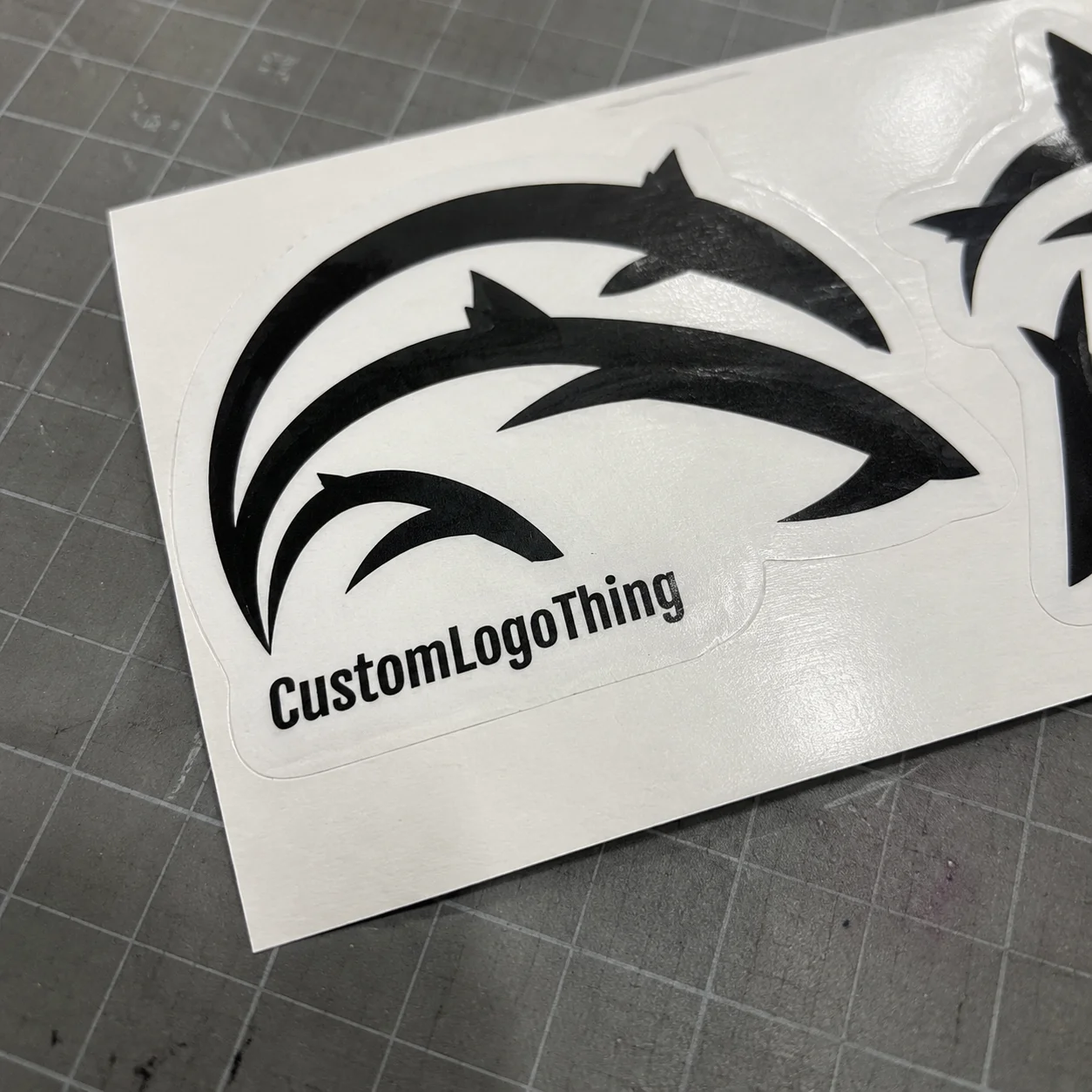
Custom fretboard inlay stickers are surface-applied decorative markers for guitars, basses, ukuleles, banjos, mandolins, and other fretted instruments. They can mimic pearl blocks, faux abalone, dots, vines, birds, sharkfins, lightning bolts, logos, initials, flags, and themed artwork without routing wood or permanently altering the neck.
The main job is visual customization. They can also help with fret navigation, stage branding, instrument identification, music school programs, tribute band accuracy, and temporary styling. A boutique seller might use them for a limited visual run. A repair shop might offer them as a quick cosmetic upgrade for used instruments. A merch brand might package them with strings, picks, and branded retail cards.
The appeal is simple: lower cost, no luthier surgery, no permanent modification, and a way to test a look before investing in real inlay work. Actual shell inlays can be beautiful, but they require routing, filling, leveling, and finishing. Stickers are a practical alternative when the goal is appearance, not permanent woodworking.
Practical expectation: good fretboard stickers can look clean, photograph well, and last through normal playing. They are still surface-applied graphics, not shell embedded in ebony.
Common buyers include guitarists, bassists, music schools, tribute acts, repair shops, boutique instrument resellers, and merch teams that already order Custom Labels & Tags for picks, cables, pedals, or retail packaging. A touring player needs sweat resistance and low edge lift. A school may need easy removal. A retail brand needs repeatable sizing, backing cards, barcode space, and clear instructions.
How Fretboard Decal Materials, Adhesives, and Finishes Work
Material choice affects feel, shine, edge visibility, and lifespan. Thin vinyl is common because it cuts cleanly, prints well, and keeps cost reasonable. Polyester film is usually more dimensionally stable and can feel smoother with the right laminate. Metallic film improves stage visibility. Pearlescent stock gets closer to a shell-inlay look. Transparent printed film can create subtle graphics on maple or light boards, but contrast can disappear quickly.
Thickness matters. A decal that looks impressive on a sample card may feel annoying under the fingers if it has a raised edge. For playing comfort, many usable systems land roughly in the 2 to 6 mil total thickness range, depending on film, adhesive, ink, and laminate. Thicker specialty layers can look premium, but bends, vibrato, and fast slides make raised edges more noticeable.
Adhesive choice depends on how permanent the buyer wants the result to be. Removable adhesive suits temporary styling, school instruments, demo guitars, and collectible pieces where reversibility matters. Permanent adhesive suits long-term use, retail products, and players who want decals to stay put through sweat, cases, and transport. Low-tack adhesive can help on delicate finishes, but it may lift sooner.
Finish options also change performance. Gloss gives a pearl-like shine and photographs well under lights. Matte works for modern geometric graphics. Metallic film pops on dark boards but can become loud under stage lighting. Protective lamination improves abrasion resistance and helps printed designs survive more playing hours. If the sticker set will be sold as a retail product, lamination is usually worth pricing.
Printed decals handle gradients, faux abalone, logos, school mascots, artwork, and multi-color effects. Cut decals are better for simple dots, blocks, silhouettes, lightning bolts, vines, initials, and clean line art. A print-and-cut process combines both, but tiny internal shapes can become fragile if the artwork is too detailed.
Surface compatibility is not universal. Rosewood, ebony, maple, synthetic boards, sealed boards, unfinished boards, oily woods, and worn fretboards all behave differently. Clean, dry, smooth surfaces work best. Oily woods may need extra cleaning and conservative adhesive testing. Fragile vintage lacquer deserves extra caution.
Key Specs to Decide Before You Order
Before ordering custom fretboard inlay stickers, gather the measurements that affect fit. Fretboards make alignment mistakes obvious because every fret creates a visible reference line.
- Instrument type: guitar, bass, ukulele, mandolin, banjo, or another fretted instrument.
- Scale length: common guitars may be 24.75 inches or 25.5 inches, while basses often run 30, 32, 34, or 35 inches.
- Fret count: 19, 21, 22, 24, or extended-range layouts all change placement.
- String count: 4, 5, 6, 7, 8, or more affects centerlines and visual balance.
- Existing inlays: dots, blocks, sharkfins, split blocks, side markers, or no markers.
- Neck geometry: nut width, neck taper, binding, fan-fret layout, and fret spacing.
Generic sizing is risky. A decal set designed for a 25.5-inch six-string guitar may not land correctly on a short-scale bass, baritone, fan-fret guitar, or import neck with unusual spacing. Even small misalignment looks obvious between frets.
Design choice should start with actual use. Dots and blocks are easy to read. Split blocks look classic. Vines and birds are more decorative but need careful scaling. Custom logos and initials work well if the shape stays simple at final size. Flags, mascots, themed graphics, and faux shell patterns can look strong, but only if they remain readable between frets.
Color contrast is not optional. Dark boards usually need light artwork, metallic film, pearl effects, or bright ink. Maple boards often need darker graphics, metallic accents, or outlined shapes. Subtle-on-subtle designs can disappear under stage lighting.
Edge shape and fret clearance affect durability and feel. Decals should avoid touching fret wire, strings, binding, and worn fretboard edges. Even 0.5 to 1.5 mm of clearance around contact points can reduce lifting. Full-board vine designs need special attention because long thin branches are more likely to snag than compact dots or blocks.
Ask for a digital layout showing each fret position. For full-board artwork, logo-based sets, and resale products, a printed proof or sample sheet is even better. The supplier should confirm scale length, marker positions, and orientation before production.
Pricing, MOQ, and Unit Cost for Fretboard Sticker Sets
Pricing depends on material, print method, finish, die cutting complexity, number of decals per set, artwork cleanup, proofing time, packaging, and order quantity. Simple vinyl dots and a laminated faux abalone vine set with retail backing cards are very different jobs.
| Option | Typical Use | Estimated Unit Range | Tradeoff |
|---|---|---|---|
| Simple vinyl dots or blocks | Personal instruments, schools, prototypes | $3 to $12 per set in small custom runs | Lowest cost, less premium visual depth |
| Printed faux pearl or abalone | Stage guitars, tribute instruments, merch | $5 to $18 per set, quantity dependent | Better visual effect, needs good print resolution |
| Metallic or pearlescent film | Dark boards, visible branding, retail sets | $8 to $25+ per set | Strong shine, may feel thicker or show edges |
| Laminated multi-piece custom set | Tour merch, retail packaging, boutique sellers | $10 to $25+ per set | Better durability, higher setup and proofing cost |
MOQ affects unit cost. A low minimum order quantity helps bands, solo players, repair shops, and prototypes, but the per-set price stays higher. Larger runs lower the unit price because setup, proofing, cutting, and quality checks are spread across more pieces.
A small custom run may be quoted as a flat setup plus per-set cost. A larger retail run may price by sheet yield, packaging format, and production time. Setup charges can apply for vector art cleanup, custom dies, special material sourcing, physical sampling, or complex contour cutting. If the logo is low resolution, budget for artwork cleanup.
Packaging changes the quote. Loose decal sheets are cheapest. Backing cards, instruction inserts, sleeves, branded envelopes, UPC labels, and hang holes all add cost. They also improve resale value and make the product easier to stock. For brands already ordering Custom Packaging Products, matching the decal card to existing packaging design can make the set feel retail-ready.
Quote requests should use the same specs every time: size, quantity, material, finish, adhesive type, cut style, packaging, and deadline. Otherwise the quotes will not be comparable.
If you want paperboard backing cards or responsibly sourced retail packaging, ask about FSC-certified options and chain-of-custody documentation through FSC. If shipping damage or retail distribution is part of the plan, basic package testing concepts from ISTA are useful for bulk cartons that need to survive warehouses, shops, and tour vans.
Process and Timeline From Artwork to Finished Decals
A clean production process starts with artwork and instrument specs. The buyer sends the design, scale length, fret count, fretboard photos, desired material, quantity, finish, packaging needs, and deadline. The supplier checks sizing, builds a digital proof, adjusts the art, prepares print or cut files, produces the decals, applies finishing if needed, checks quality, packs the order, and ships it.
Simple repeat orders may take 5 to 10 business days after proof approval. New custom artwork, specialty materials, retail cards, or larger quantities often land closer to 10 to 20 business days. Rush work depends on available material, machine capacity, proof speed, and whether the artwork is production-ready. The production clock usually starts after proof approval, not after the first inquiry.
Common delays include blurry artwork, missing scale length, no fret map, late proof revisions, unusual materials, complex contour cutting, retail packaging, and holiday shipping congestion. Full-board graphics add risk because every fret position has to be checked. Left-handed instruments may need mirrored layouts, depending on the design and placement.
Approve the digital proof carefully. Check spelling, orientation, fret positions, logo placement, color contrast, decal count, and whether each piece clears the fret wire. If the design includes a brand logo, confirm that trademark use is authorized before production.
Quality control should include cut accuracy, print registration, color consistency, laminate adhesion, edge cleanliness, missing pieces, backing release, and packaging count. On retail orders, the backing card also needs to match the decal orientation and instructions. A good-looking sticker set with unclear placement instructions can still create returns or support questions.
For retail or tour merch, order samples or a small pilot run before committing to hundreds or thousands of sets. A pilot run can expose weak contrast, fragile cuts, packaging confusion, or application issues before the full order is printed.
Step-by-Step Application Without Bubbles, Lifting, or Regret
Application is not hard, but it does require patience. Start by removing or loosening strings if needed. Some dot markers can be applied with strings on, but blocks, vines, and full fret designs usually need more room. Clean the fretboard according to its finish type. Remove dust, sweat, oil, polish residue, and loose grime. Let the surface dry fully before applying adhesive.
Do not use harsh solvent on a valuable instrument without checking the finish first. Sealed maple, unfinished rosewood, ebony, vintage lacquer, and synthetic boards do not all tolerate the same cleaners. If the instrument is expensive, collectible, cracked, refinished, or delicate, ask a luthier first.
- Dry-fit every piece. Lay the decals in place before peeling the backing. Confirm spacing, orientation, and symmetry.
- Work from low frets upward. Use fret edges as guides and keep each decal centered between the strings.
- Peel slowly. Avoid touching the adhesive with your fingers, especially on small details.
- Place one edge first. Then smooth outward with a soft squeegee, felt tool, or microfiber cloth.
- Press edges firmly. Burnish without scraping the fretboard or dragging against fret wire.
- Let it cure. Give the adhesive 24 to 48 hours before heavy playing, sweating, polishing, or gig use.
Dry-fitting catches upside-down logos, wrong fret placement, crooked blocks, and left-right alignment issues before adhesive meets wood. Bubbles usually come from trapped air, dust, or rushing. Small decals are forgiving. Long vines and large blocks need slower pressure from the center outward.
If a decal uses transfer tape, peel the tape back low and slow rather than pulling upward. Sharp upward pulls can lift thin details. For removal, warm gently if needed, lift slowly, and clean residue with a method safe for that fretboard finish. Removable adhesives usually lift cleaner than permanent ones, but no supplier can guarantee zero risk on every old, oily, cracked, refinished, or unfinished surface.
Build a Spec Sheet Before You Request a Quote
A good quote starts with a complete spec sheet. Send the instrument type, brand and model if known, scale length, fret count, fretboard material, existing inlay pattern, desired artwork, quantity, finish, adhesive preference, packaging needs, and delivery deadline.
- Instrument details: guitar, bass, ukulele, scale length, fret count, string count, nut width, and neck taper.
- Fretboard details: maple, rosewood, ebony, synthetic material, sealed or unfinished surface, binding, and existing markers.
- Design details: dots, blocks, vines, initials, logos, flags, faux shell, metallic film, or minimalist artwork.
- Production details: quantity, material, laminate, adhesive strength, contour cut style, and proof requirements.
- Packaging details: loose sheets, backing cards, instruction inserts, sleeves, envelopes, labels, or retail packaging.
- Schedule details: proof deadline, ship date, event date, tour date, or retail launch window.
Send photos straight down the fretboard with a ruler visible. This helps confirm fret spacing, taper, existing markers, and where the design needs to sit between the strings.
Pick one priority before quoting: lowest unit cost, fastest turnaround, best durability, easiest removal, or most premium visual effect. If you need low cost and fast delivery, keep the design simple and use common materials. If you need premium visuals and durability, expect more proofing, higher material cost, and a longer production window.
For a first order, start simple. Dots, blocks, initials, or a short logo set are easier to size and apply than full vine artwork or multi-color faux shell effects. Bands, schools, shops, and touring players should order extras for replacements, application mistakes, demo instruments, and retail samples.
The best fretboard sticker projects are precise in the right places: measure the instrument, choose the material, approve the proof, and apply carefully. That is what makes the finished set look intentional, durable, and stage-ready.
FAQ
Are custom fretboard decal stickers safe for guitar necks?
They are usually safe on clean, stable, sealed fretboards when the right adhesive is used. Unfinished, oily, cracked, vintage, or delicate finishes need extra caution and may need removable adhesive. Test a small hidden area when possible, and ask the sticker supplier or a luthier before applying decals to expensive or collectible instruments.
How long do custom fretboard inlay decals usually last?
Light home use may last months or longer. Heavy gigging, sweat, aggressive bending, frequent cleaning, and rough cases shorten lifespan. Laminated polyester or quality vinyl generally lasts longer than thin novelty stickers, especially with proper cleaning, edge clearance, and 24 to 48 hours of cure time.
Can fretboard inlay stickers be removed without damage?
Removable adhesive decals are designed to lift more cleanly than permanent options. Slow removal, mild warmth, and gentle residue cleaning reduce risk. Damage risk increases on fragile lacquer, old finishes, unfinished wood, oily boards, or fretboards with existing wear.
What artwork format is best for custom guitar inlay stickers?
Vector files such as AI, EPS, SVG, or print-ready PDF are best for sharp cutting and clean edges. High-resolution PNG or PSD files may work for printed effects if they have enough resolution at actual decal size. Avoid screenshots, tiny JPEGs, and blurry logo files unless you are prepared to pay for artwork cleanup.
Do custom fretboard marker stickers affect playing feel?
Ultra-thin decals with smooth lamination are usually barely noticeable when placed correctly between frets. Thick materials, raised edges, poor alignment, or decals touching fret wire can be felt during bends and slides. Sensitive players should request samples or choose the thinnest durable material available.