Order Custom Halloween Stickers That Sell the Scare
Custom Halloween Stickers Turn Tiny Surfaces Into Seasonal Shelf Space
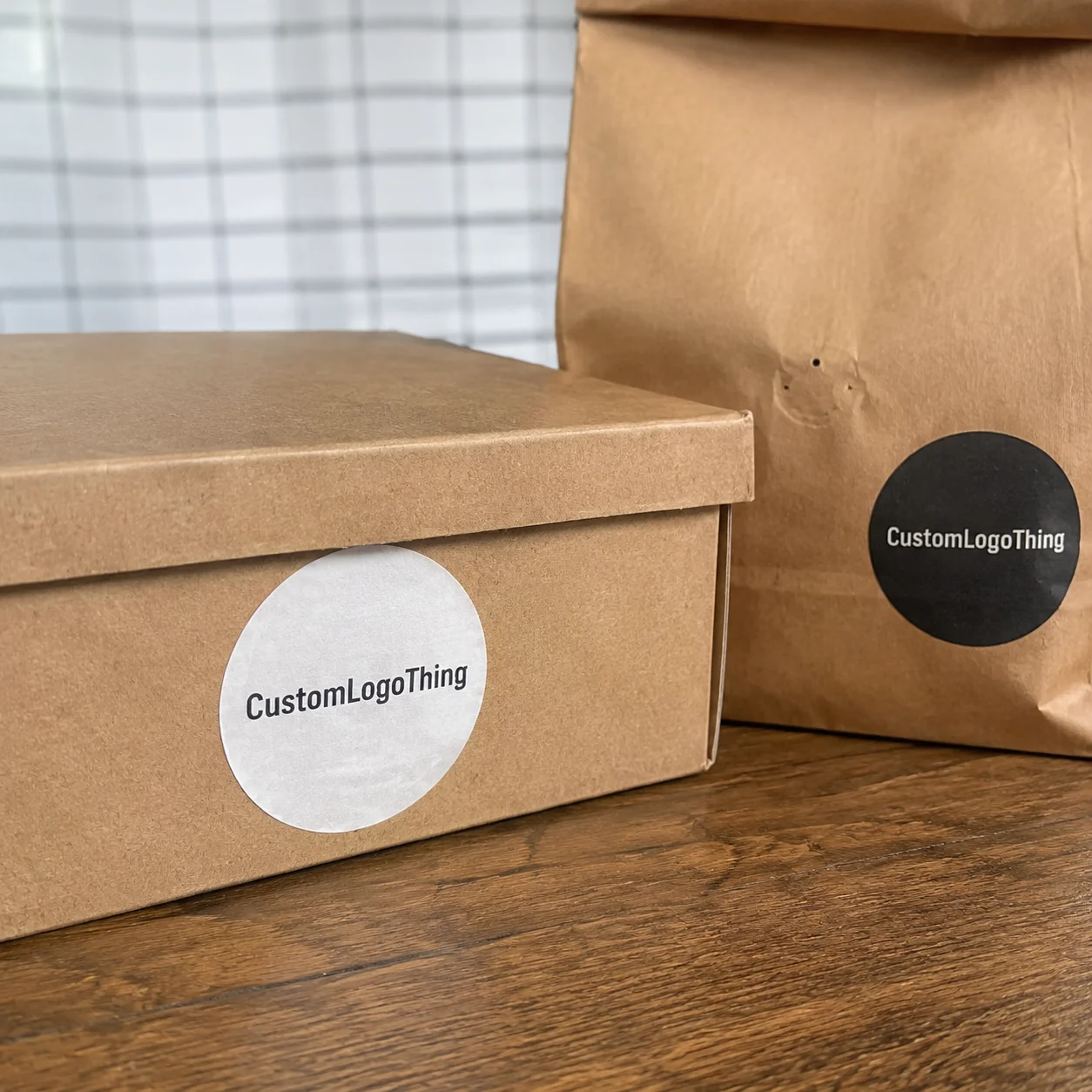
A plain bakery box can look painfully ordinary in October. Add one bat-shaped seal, one pumpkin label, or one gothic “limited batch” badge, and the same box feels giftable, seasonal, and intentional. That is the useful part of custom halloween stickers: they let brands test a seasonal idea without replacing every box, pouch, tin, or bag already sitting in inventory.
Stickers get dismissed as decoration. That is too small a job description. In seasonal packaging, a sticker can work as a temporary billboard, tamper cue, product identifier, flavor marker, QR prompt, and impulse trigger. Tiny surface. Heavy workload.
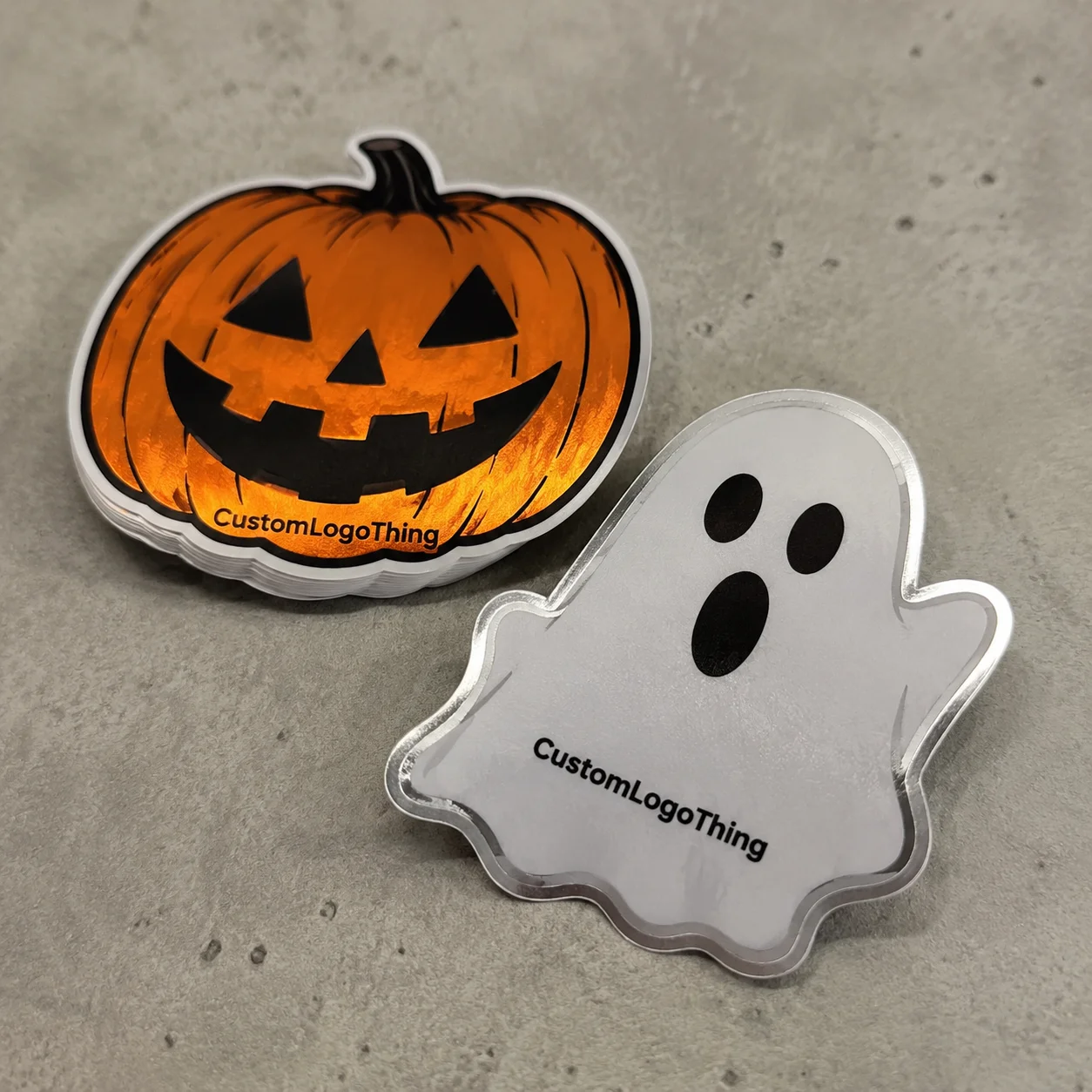
Halloween gives designers a lot to work with: pumpkins, ghosts, skulls, bats, haunted houses, dripping type, candy motifs, orange-and-black palettes, neon green accents, metallic moons, and glow-style artwork. The finished piece might be a printed label on a candle tin, a kiss-cut decal inside a subscription box, or a roll label sealing 2,000 candy pouches before a weekend market.
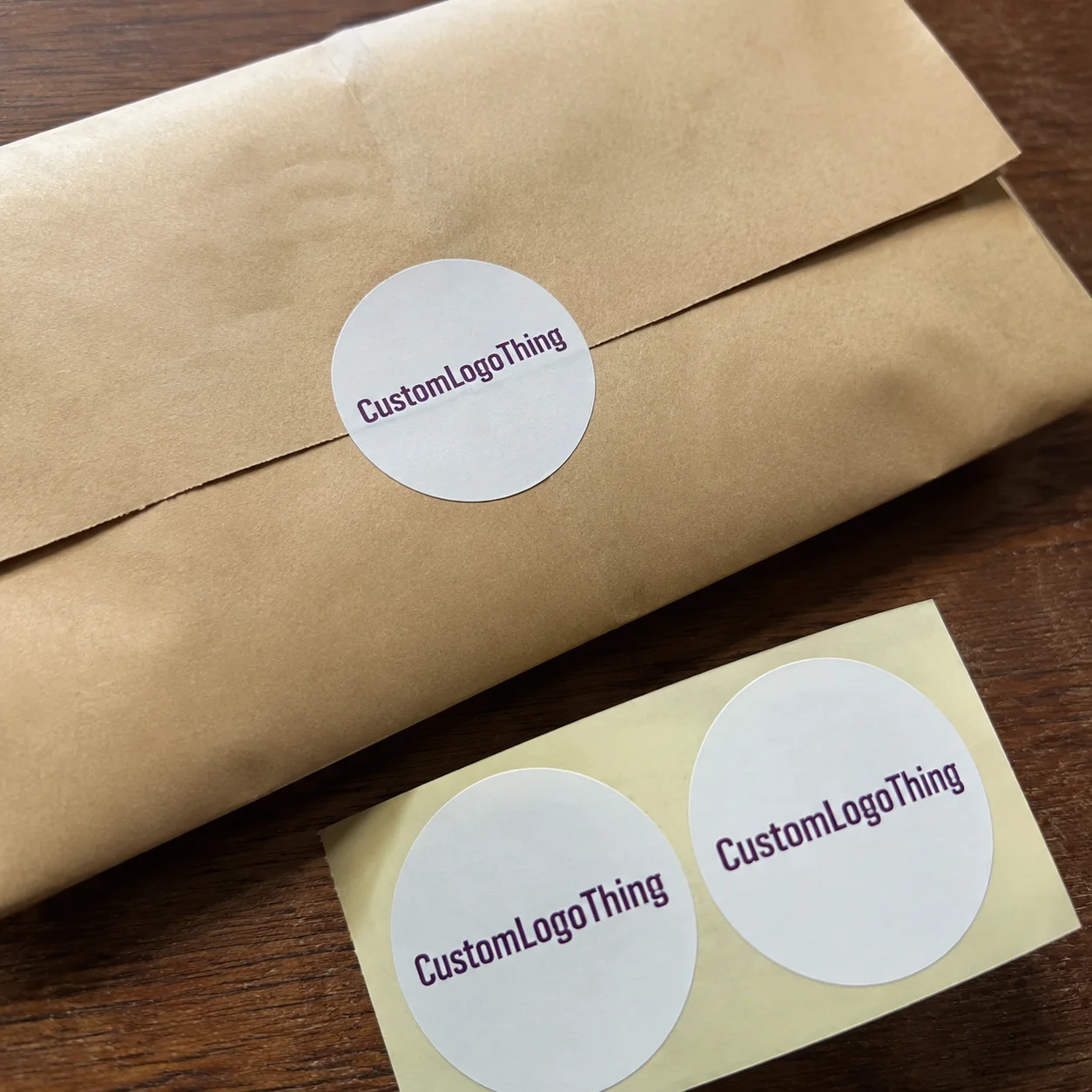
The format is flexible enough for candy bags, bakery boxes, candle labels, classroom treats, party favor bags, mailer seals, small business packaging, promotional handouts, and event giveaways. A coffee roaster can mark a limited seasonal blend. A soap brand can turn regular kraft cartons into apothecary-style gifts. A bakery can add a monster-face label to a clear cookie sleeve instead of buying a second packaging system for a three-week selling window.
Compared with custom printed boxes, stickers usually cost less, store flat or on compact rolls, and work with packaging you already use. Boxes create deeper immersion, no argument there. They also need more planning, more storage space, and more confidence in volume. Stickers are nimble, which matters when demand is uncertain and the deadline is not moving.
The smart order is not just “make it spooky.” The material, adhesive, cut style, size, finish, and timeline all decide whether the label looks polished or cheap. Those decisions also affect price, application speed, and whether the sticker stays stuck after shipping, refrigeration, or handling by sugar-fueled children. Packaging has glamorous moments. This is not always one of them.
How Halloween Sticker Printing Works From Artwork to Adhesive
The production path is predictable: submit artwork, choose size and shape, select material and finish, approve a proof, print, cut, inspect, pack, and ship. The complications hide inside those steps. A 2-inch round paper label for bakery boxes is not the same job as a waterproof die-cut vinyl ghost decal with white ink, matte laminate, and five character variations.
Digital printing is common for smaller seasonal runs because it handles short quantities, multiple designs, and fast artwork changes well. If you need 250 each of four spooky characters, digital production often makes sense. Larger repeated orders may move toward flexographic or offset-style production, especially for roll labels, because the per-unit cost can drop once setup is spread across thousands or tens of thousands of labels.
Two cut styles cause regular confusion: die-cut and kiss-cut. Die-cut stickers follow the outer shape of the design, so a ghost is shaped like a ghost. Kiss-cut stickers are cut through the face stock but leave the backing sheet intact, which makes them easier to peel, display, or group into multi-sticker sheets.
For retail handouts, kiss-cut sheets can feel more polished. For package seals, die-cut stickers or roll labels may be faster to apply. Neither option is automatically better. The right choice depends on how the sticker will be used, packed, and handed to the customer.
Format matters too. Rolls suit packaging lines, label dispensers, and higher-volume application. Sheets work well for small teams applying labels by hand at a packing table. Individually cut stickers are useful as inserts, giveaways, event merch, or collectible decals.
Adhesive selection deserves more attention than it usually gets. Permanent adhesives are typical for packaging seals. Removable adhesives make sense for temporary promotions or reusable containers. Freezer-safe or moisture-resistant adhesives may be needed for chilled drinks, frozen desserts, refrigerated bakery items, or anything likely to meet condensation.
Some surfaces are annoyingly picky. Low-energy plastics, textured kraft, frosted films, waxed bags, and oily food-adjacent areas can all create adhesion problems. A label that sticks beautifully to a smooth proof card may curl on a coated pouch. Test the real surface. The sample card is polite. Your packaging is the truth.
Packaging reality check: if a sticker fails, most customers blame the whole package, not the adhesive chemistry. Test on the actual surface, not a clean sample card.
Proofing is where Halloween artwork often gets rescued. Fine spiderwebs, distressed fonts, micro bats, thin borders, and dark-on-dark graphics can vanish at actual size. A moody black cat on deep purple may look dramatic on a monitor at 400% zoom and still become visual mud at 2 inches wide.
Color management is just as slippery. Orange, black, purple, neon green, silver, gold, and holographic effects shift depending on substrate. Kraft stock mutes color. Clear film usually needs white ink behind artwork that should read as opaque. Holographic material reflects light unpredictably. Matte laminate can soften saturation. None of that is a problem if it is planned before production, not discovered after delivery.
For food-adjacent packaging, stickers usually sit on exterior surfaces. Still, brands need to check placement, adhesive suitability, and required labeling details. If a seasonal sticker covers ingredient, allergen, barcode, lot, or nutrition information, the issue has moved beyond design. Now it is a compliance problem, and those are rarely festive.
Key Specs That Decide Whether Spooky Stickers Look Premium or Cheap
Start with size. A 1-inch sticker reads as a seal, closure, or accent. A 2- to 3-inch sticker can carry a logo, short message, and Halloween artwork. Larger labels can become the main front-panel design, especially on pouches, candle tins, jars, and mailers.
Shape changes the mood and the quote. Circles, squares, rectangles, and ovals are economical, fast to price, and easy to apply straight. Custom Die Cuts bring more Halloween personality: dripping wax, coffin silhouettes, potion bottles, ghosts, pumpkins, tombstones. They can also add setup complexity, reduce nesting efficiency on press sheets, and increase waste. Not always dramatically. Enough to notice on some orders.
Material selection sets the baseline. Paper works well for dry indoor use: bakery boxes, envelopes, treat bags, and short-term promotions. Vinyl handles moisture, handling, and longer-life decals. BOPP is common for product labels because it resists oils and moisture better than basic paper. Clear film creates a “no-label” look on glass, rigid plastic, or glossy tins. Kraft paper supports rustic, handmade, or apothecary-style packaging.
Finishes decide whether the sticker feels intentional or flimsy. Matte feels modern, restrained, and slightly eerie. Gloss boosts color saturation, which helps candy, kids’ products, and bright character art. Soft-touch can make gift packaging feel expensive, though it may show scuffs depending on handling. Foil adds magic or luxury. Holographic film can look playful, collectible, or aggressively nightclub-adjacent. Artwork decides which one you get.
| Sticker Spec | Best Fit | Buyer Watch-Out |
|---|---|---|
| Paper label | Dry indoor packaging, bakery boxes, treat bags | Limited moisture resistance unless coated or laminated |
| Vinyl decal | Giveaways, bottles, outdoor use, collectible stickers | Higher cost than basic paper in most runs |
| BOPP film | Food, beverage, beauty, and candle labels | May need testing on curved or textured surfaces |
| Foil or holographic finish | Premium drops, party favors, limited editions | Can reduce readability if overused |
Legibility is a buying issue, not just a design preference. A shopper gives a small package maybe one second before moving on. If the spooky typography cannot be read quickly, the sticker may win on mood and lose on sales. That trade-off is expensive in a way people notice too late.
Contrast checks are non-negotiable. Black text on deep purple can feel sophisticated on screen. At 1.5 inches, under warm retail lighting, it may disappear. White ink, cream outlines, metallic accents, or a lighter background panel may be needed. Ask for a proof at actual size, then print a rough version on an office printer if that is all you have. Crude? Yes. Useful? Also yes.
Durability depends on the journey. Stickers on chilled drinks, greasy takeout containers, poly mailers, trick-or-treat bags, or stacked candle boxes need more than attractive artwork. They need scuff resistance, water resistance, edge stability, and adhesive strength. A pretty label lifting at the corner after 30 minutes in a cooler sends the wrong message.
Brand position should guide the spec. A kids’ candy brand may need bright color, simple character shapes, and gloss finish. A candle, coffee, or skincare brand may need darker palettes, textured stocks, matte film, and restrained seasonal cues. The sticker should still feel like your brand after the pumpkin is gone.
Pricing, MOQ, and Unit Cost: What Drives the Quote
Sticker pricing is usually driven by quantity, size, material, finish, shape complexity, number of designs, proofing needs, and shipping speed. That sounds obvious until two quotes for “a Halloween sticker” come back 3x apart. Usually, the quotes are not describing the same product.
MOQ, or minimum order quantity, varies by production method. Some digital sticker runs support low quantities, even a few hundred pieces, especially for standard paper or vinyl. Specialty materials, custom dies, foil, holographic laminates, white ink layers, or roll-label production may require higher minimums because setup time and material waste need to be covered.
The unit-cost curve matters. The first batch absorbs file handling, proofing, machine preparation, cutting setup, and quality checks. Larger orders spread those fixed costs over more stickers. A 500-piece order may feel expensive per unit, while 5,000 pieces can look much more efficient even though the total invoice is higher.
As a practical range, a simple 2-inch paper circle in moderate quantities sits in a very different bracket from a waterproof, die-cut vinyl sticker with foil. For many small business packaging projects, basic seasonal labels are often quoted from low cents to several dozen cents per piece depending on quantity and spec. Specialty decals climb from there. Exact pricing depends on artwork, finishing, and production route, so any estimate without specs is mostly a guess wearing a nice shirt.
Multiple designs add another wrinkle. Five spooky characters may cost more than one design even if the total quantity is similar, because each file may need prepress checks, proofing, layout, color review, and separate quality control. Gang sheets can reduce waste in some cases. They do not erase all production labor.
Hidden cost areas are predictable: rushed production, split shipments, artwork cleanup, special packaging, barcode or QR code testing, variable data, and last-minute size changes. Shipping can get ugly fast if late ordering forces air service. A low unit cost does not help much if freight eats the savings.
To control budget, use standard shapes, keep sizes modest, limit premium finishes to hero products, combine several stickers on a sheet, order slightly above forecast to avoid a rush reprint, and choose roll labels if you are applying at scale. If you need a broader packaging refresh alongside stickers, compare options across Custom Packaging Products instead of treating each item as a separate emergency purchase.
A clean quote request should include size, quantity, material, finish, shape, application surface, deadline, shipping ZIP code, and whether labels are hand-applied or machine-applied. Mention if the sticker is sealing a box, labeling a jar, sitting on a chilled pouch, or being handed out as a decal. Those details change the recommendation.
Process, Timeline, and Turnaround for Seasonal Sticker Orders
Timing is the overlooked risk. Halloween has a fixed deadline, and a perfect sticker that arrives after the event is just expensive confetti.
A typical order moves through concept, design, file preparation, quote, material confirmation, digital proof, proof approval, production, quality control, packing, shipping, and receiving. Each step can be quick. Together, they still need breathing room.
Proof approval is often the bottleneck. Printers generally cannot move forward until the buyer signs off on size, color direction, spelling, cut line, quantity, and sometimes roll orientation. If three people on your team need to approve the bat illustration, build that delay into the schedule.
Simple digital sticker orders usually move faster than specialty work. A standard 2-inch matte paper label may be straightforward. Add custom dies, foil stamping, layered materials, white ink on clear stock, tight color matching, or complex roll-label requirements, and the schedule stretches. Not because suppliers are being difficult. Because every added variable needs setup and inspection.
Order backward from the in-hand date, not the holiday. If stickers are needed for application, kitting, photography, wholesale delivery, store merchandising, influencer mailers, or event bag assembly, the usable deadline may be two or three weeks earlier than the public selling date.
Samples deserve time too. If the label is going on a new pouch, bottle, tin, coated box, or mailer, test adhesion before committing to a full run. Apply samples. Let them sit. Rub the edges. Chill them if the product is refrigerated. Stack them if they will ship in cartons. For transport testing principles, the International Safe Transit Association is a useful reference point, even if your sticker project is much simpler than a full ISTA package test.
Shipping variables can turn a sensible project into a panic buy. Ground shipping may be fine for early orders. Late orders can require rush handling or air freight, which may cost more than the upgrade from paper to film would have cost. That is the kind of math nobody enjoys approving.
Build a reprint buffer. Seasonal demand can spike after a post performs well, a retailer reorders, or a market weekend sells out. A second run is easier if the artwork, material, proof, cut line, and quantity history are already documented.
Common Mistakes That Make Halloween Labels Hard to Print or Use
The first mistake is designing only for a screen. Fine cobwebs, tiny bats, grunge textures, thin borders, and micro-copy may disappear when printed at 1.5 or 2 inches. Screens flatter detail. Stickers expose it.
The second mistake is forgetting bleed and safe zones. Artwork that reaches the edge needs extra bleed, often around 0.125 inch depending on the printer’s requirements. Logos, QR codes, and text should stay away from the cut line so minor trimming variation does not create an awkward result.
The third mistake is choosing the wrong adhesive for the surface. A sticker that performs beautifully on smooth paperboard may lift on textured kraft, frosted plastic, waxed bags, cold bottles, or oily bakery packaging. Adhesion failure looks like poor quality even when the printing itself is excellent.
The fourth mistake: too much black. Halloween invites darkness, but large black fields can flatten the artwork and hide the brand name. Rich contrast, not just darkness, creates shelf impact.
The fifth mistake is ordering too close to the holiday. Rushed timelines reduce time for proofing, testing, correcting errors, and comparing options. Freight becomes expensive. Stress rises. Nobody makes better packaging decisions at 11 p.m. with a shipping cutoff looming.
The sixth mistake is treating all formats the same. Hand-applied sheets, roll labels for dispensers, and giveaway decals require different backing, spacing, orientation, and packaging decisions. A roll label wound the wrong direction can slow down application or fail to fit a dispenser. That is a small detail until 10,000 labels arrive.
The seventh mistake is skipping real-world testing. Apply stickers to the actual box, pouch, jar, mailer, or bag. Check them after handling, refrigeration, stacking, and transport where relevant. If sustainability claims or responsibly sourced paper matter to your brand, ask about material certifications; FSC certification is one common chain-of-custody reference for paper-based materials.
The eighth mistake is making the sticker purely decorative. The best seasonal labels often do double duty. They seal a package, mark a flavor, announce a limited edition, carry a QR code, create a collectible insert, or leave room for a gift message. Decoration is fine. Function earns its space.
Build a Sticker Brief Before You Request Samples
Before asking for a quote, create a one-page sticker brief. It helps the manufacturer price accurately, and it forces production risks into the open early. That single page can prevent three rounds of vague emails.
Include the product type, package surface, sticker size, desired shape, quantity, number of designs, material preference, finish preference, adhesive needs, application method, and in-hand deadline. If you are not sure about the material, describe what the sticker must survive: dry shelf display, refrigeration, condensation, mailing, kids handling party favors, or sitting on a candle tin.
Gather physical packaging first. Send photos and dimensions of the box, pouch, tin, jar, mailer, or bag so the sticker can be scaled to the real surface. A 3-inch sticker may look generous on a mockup and oversized on a 4-ounce jar. Or the reverse: a 1.5-inch seal may disappear on a large black mailer.
Run a mini test plan. Apply samples to the actual packaging. Rub the edges 20 or 30 times with a thumb. Stack units overnight. Chill or warm them if that reflects real use. Photograph them under retail, event, or kitchen lighting. A sticker that looks bold in a design file can lose contrast under warm bulbs or against kraft board.
Decide the business job before debating finishes. Is the sticker sealing the package, announcing a limited edition, creating a collectible insert, marking flavors, adding a QR code, or upgrading plain stock packaging? One clear job usually beats five half-jobs.
Prioritize one standout effect. Foil, holographic film, clear material, unusual die cuts, or soft-touch finish can each work beautifully. Stack too many effects and the message gets noisy while the quote climbs. Buyers do not always need more decoration; they need clearer package branding.
Prepare final art with vector logos, outlined fonts, high-resolution images, bleed, cut lines, and color notes. If your seasonal label is part of a broader branded packaging system, keep the core logo, product name, and required information consistent with your year-round packaging. You can also review related options under Custom Labels & Tags if your Halloween project includes hang tags, seals, or product labels.
With a clear brief, tested materials, and realistic timing, custom Halloween stickers become a fast seasonal packaging tool rather than a last-minute gamble. Small format. Real commercial impact.
FAQ
What are custom Halloween sticker labels best used for?
They work well for seasonal packaging upgrades, candy bags, bakery boxes, candle tins, mailer seals, party favors, event giveaways, product flavor markers, and limited-edition promotions. They are especially useful when you want Halloween-themed packaging without ordering fully custom boxes or changing your year-round inventory.
How early should I order Halloween packaging stickers?
Order as soon as artwork and packaging dimensions are stable, then work backward from your in-hand date rather than the holiday itself. Allow time for proofing, production, shipping, application, retail setup, photography, or wholesale delivery. Specialty finishes and custom shapes usually need more lead time than simple paper labels.
Are vinyl Halloween stickers better than paper stickers?
Vinyl is better for moisture resistance, outdoor exposure, chilled products, or stickers meant to be kept as decals. Paper is often more economical and works well for dry indoor packaging, bakery boxes, treat bags, envelopes, and short-term seasonal promotions.
What size should custom spooky stickers be for packaging?
Small 1-inch stickers are good for seals or accents, 2- to 3-inch stickers usually fit branding and artwork, and larger labels can become the main front-panel design. The right size depends on the package surface, viewing distance, amount of text, and whether the sticker needs to function as decoration, closure, or product information.
How can I lower the cost of custom Halloween decals?
Use standard shapes, choose economical materials, avoid unnecessary specialty finishes, reduce the number of separate designs, and order enough quantity to lower unit cost. Ask for roll labels if you are applying stickers at scale, or combine multiple designs on sheets if hand application and small batches are more practical.