For hotel procurement teams, PVC Zipper Garment Bags unit cost for hotel orders is usually less about hunting for the lowest quote and more about setting a repeatable spec that protects garments, looks orderly in service, and holds up through daily handling. A clear PVC garment bag can make uniforms, guest wardrobe pieces, and housekeeping inventory easier to identify at a glance, while keeping dust and light moisture off pressed items without adding much weight or storage bulk.
The price is often more favorable than buyers expect. The bag itself is a straightforward converted product, so once the size, thickness, zipper style, and print details are standardized, unit cost can settle into a practical range for bulk hotel use. The real task is balancing appearance, durability, and bulk pricing without paying for material the operation will never use.
Why hotels buy PVC zipper garment bags in bulk
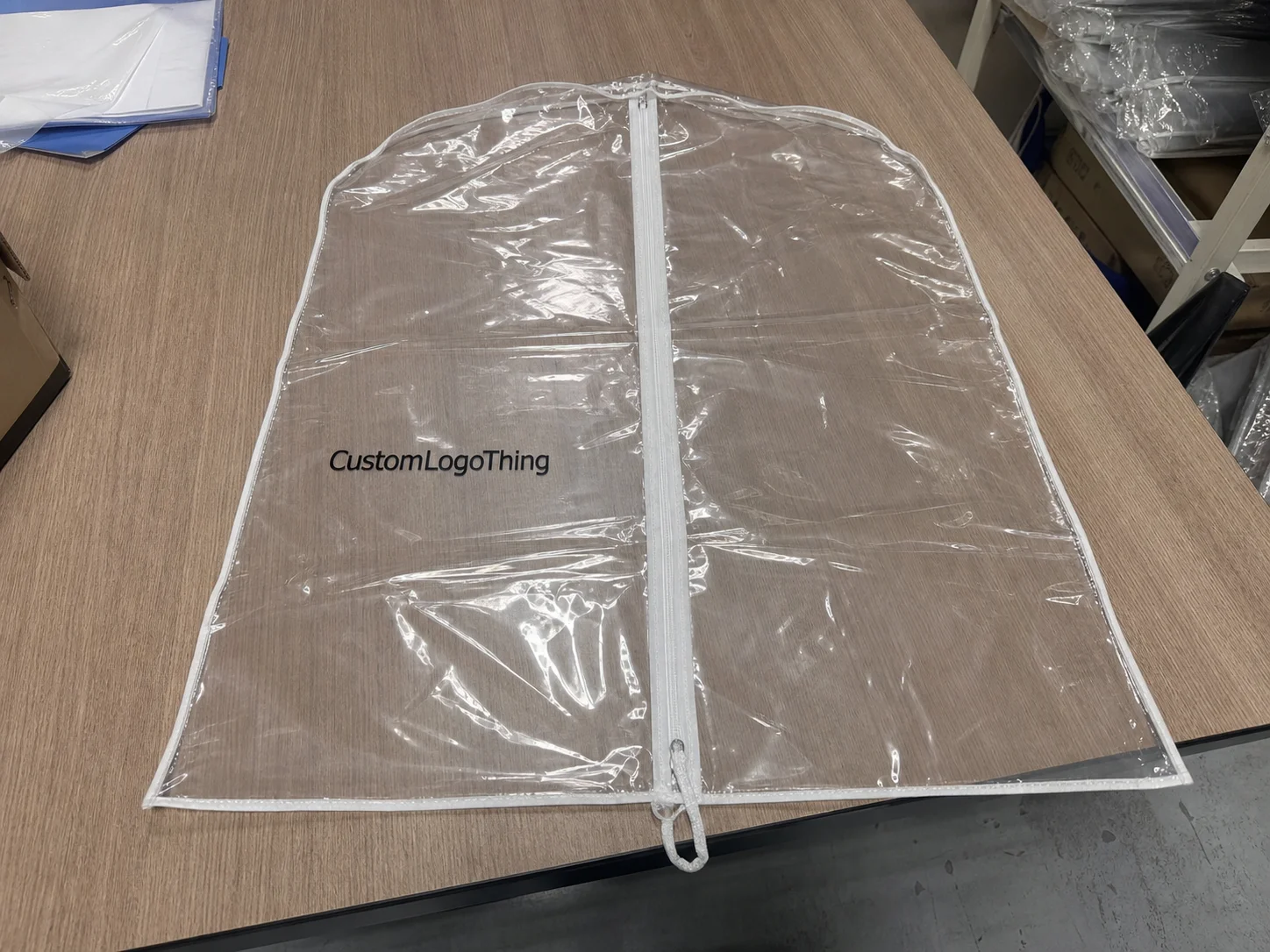
Hotels use garment bags for more than front-of-house presentation. In practice, they support pressed uniforms, valet returns, guest clothing storage, spa robes, banquet apparel, and backup housekeeping stock that needs to stay clean before it is issued. When the packaging is clear, staff can identify contents quickly, which saves time during room turns and reduces the chance of mixing up sizes, departments, or special items.
The zipper closure is another reason these bags stay in rotation. It is simple, familiar, and quick for housekeeping or laundry staff to use, yet it still creates a workable barrier against dust and light moisture. For repeated internal use, that matters more than decorative packaging. A bag that opens and closes cleanly across many cycles usually delivers better value than a premium-looking option that starts splitting at the seams after a short run.
From a packaging buyer’s point of view, the cost advantage comes from standardization. Hotels often order the same bag for several departments, which spreads setup charges across more units. That is one reason PVC Zipper Garment Bags Unit cost for hotel programs can be surprisingly reasonable when the spec is stable and the MOQ is large enough to support efficient production.
The main buying criteria are usually straightforward:
- Durability for repeated handling and hanging.
- Clean presentation for guest-facing or staff-facing storage.
- Simple handling for housekeeping and laundry teams.
- Consistent sizing across uniforms and garment types.
- Dependable replenishment for ongoing inventory control.
The tradeoff is just as simple. Lower cost usually comes from choosing the right thickness, the right dimensions, and the right level of printing, rather than forcing the thinnest film and hoping it survives hotel use. If the bag tears early or the zipper fails, the apparent savings disappear quickly.
Product details that affect appearance and performance
A typical hotel garment bag starts with a transparent or semi-transparent PVC body, then adds a zipper opening, seam reinforcement at stress points, and, depending on the use case, a hanger access point at the top. That basic construction is easy to understand, but the details make a real difference in daily service. A neatly welded seam holds shape better, while a poorly aligned closure can make the bag awkward to use and easy to reject on the floor.
Hotels usually choose between full-clear and frosted looks. Clear PVC gives the fastest visual identification and is common for uniform storage, housekeeping replacements, and inventory routing. Frosted film softens the appearance and hides fingerprints better, which can matter if the bags are stored in guest-facing wardrobes or visible back-of-house areas. Glossy film tends to look more polished, while matte or frosted finishes reduce the visual noise that some teams want to avoid.
There are a few practical add-ons worth considering:
- Top carry handle for transport between laundry and storage.
- Hanger hole or hanger access slot for closet use.
- Gusseted sides for thicker garments, jackets, or robes.
- Printed logo or department label for organized sorting.
Those details change both appearance and function. A gusseted bag uses more material but can hold a coat or thick uniform without straining the zipper line. A printed logo can improve internal organization and brand consistency, but it also adds tooling fees or artwork-related setup charges depending on the print method. For hotels that want a clean, understated finish, a small one-color mark is often enough.
These bags also show up in several adjacent use cases. Laundry-return packaging, spa uniforms, banquet attire, and seasonal inventory protection are all common. The point is not to make the packaging more complicated than it needs to be. The point is to choose a format that keeps garments protected while still being easy for staff to use, fold, store, and reorder.
PVC film, zipper style, and sizing specifications
Before anyone can quote accurately, the buyer needs to confirm a few core specifications: film thickness, bag width, bag length, gusset depth, zipper type, seam construction, and logo method. If one of those items is missing, the quote often comes back with assumptions that do not match the actual hotel use case. That is how re-quoting happens, and re-quoting slows down purchasing.
Film thickness is one of the first decisions. Lighter gauges reduce cost per piece, but they are better suited to occasional use or light garments. Heavier PVC increases tear resistance and holds up better in busy hotel operations where the same bag may be opened, closed, carried, and rehung many times. For hotel teams that care about reuse, a slightly thicker film usually pays for itself in fewer replacements.
Zipper choice matters more than many buyers expect. A standard plastic zipper is usually the economy option and works well for basic internal storage. A smoother-glide zipper is easier for staff who open bags repeatedly throughout a shift. Some buyers also prefer color-matched zipper tape, not because it changes performance dramatically, but because it gives the bag a more finished, coordinated look.
Size planning should follow the garment, not a generic catalog chart. Shorter formats work for shirts and blouses. Longer bags are needed for robes, dresses, and coats. Oversized versions can be useful for banquet or concierge items, especially when garments have wide shoulders or need extra room to avoid creasing. If the bag is too tight, it puts pressure on the zipper and seams; if it is too large, it wastes material and increases cost.
Always ask for a sample based on the actual garment. A size that looks fine on paper can still be awkward in a real closet or laundry cart. Fit and closure performance matter more than a polished spec sheet, especially if the bag will be reused daily.
For buyers who want a quick compliance reference, packaging and reuse standards are worth a look. The ISTA site is useful when evaluating transit or handling stress, and the EPA site can help if your hotel group is reviewing waste-reduction or material disposal policies.
| Option | Typical use | Cost impact | Performance note |
|---|---|---|---|
| Light-gauge clear PVC | Basic internal garment storage | Lowest unit cost | Best for light-duty handling |
| Medium-gauge frosted PVC | Guest-facing or cleaner visual presentation | Moderate cost increase | Better appearance, reduced fingerprint visibility |
| Heavier-gauge gusseted PVC | Coats, robes, banquet wear | Higher cost per piece | Improved durability and capacity |
| Printed hotel logo version | Branding and departmental sorting | Higher due to print setup | Best when presentation matters |
PVC zipper garment bags unit cost, pricing, and MOQ
PVC Zipper Garment Bags unit cost for hotel orders is mainly driven by four things: material thickness, bag size, zipper quality, and order volume. If you add print coverage, gussets, special handles, or custom packaging, the quote moves up from there. That is normal. Packaging is priced on actual material use and process time, not on a flat shelf price.
For hotel buyers, MOQ has a direct effect on cost per piece. A larger MOQ usually improves pricing because cutting, sealing, printing, and quality control are spread over more units. In practical terms, a 1,000-piece run may cost noticeably more per unit than a 5,000-piece run of the same bag, even if the raw material is identical. That is why some teams split procurement into a test order and then a larger replenishment order once the spec is confirmed.
Here is a realistic way to think about pricing tiers for a standard hotel-use bag:
- Sample or prototype pricing: higher per piece, because setup is not spread out.
- Low-volume production: moderate unit cost, useful for trial programs or a single property.
- Bulk pricing: lowest cost per piece, best for multi-property hotel groups or ongoing replenishment.
To be useful, a quote should separate the bag cost from any extra charges. Ask the supplier to identify printing-related tooling fees, plate or screen charges if applicable, artwork revisions, and packaging differences. Sometimes the bag itself is inexpensive, but the first order looks expensive because of one-time setup charges. That is not a bad thing if the hotel plans to reorder; it just needs to be understood early.
Below is a practical pricing frame that many buyers use when comparing offers. These are not fixed market rates, but they reflect the kinds of differences that matter during sourcing:
| Order profile | Common cost drivers | Buyer takeaway |
|---|---|---|
| Sample run | Setup charges, one-off handling, small batch finishing | Good for fit approval, not for judging final bulk cost |
| Small production run | Higher labor share, less efficient material use | Useful for a pilot property or limited rollout |
| Bulk production run | Better material buying, lower relative setup cost | Best route for stable hotel procurement |
For a basic clear bag in a common hotel size, the unit cost can be quite competitive once volume is in place. Add frosted film, a gusset, or a printed logo, and the price rises in small steps. Add complex artwork or a special zipper color, and it rises again. That is why vague requests almost always create confusion. A quote should always include exact measurements, finish, zipper style, and intended use.
Ask the supplier to price the same bag at two volumes, such as a low MOQ and a bulk MOQ. That makes the economics visible immediately, and it helps the purchasing team decide whether it makes sense to order in one property lot or combine demand across several departments. In practice, that comparison tells you more than any generic low-price claim ever will.
Production steps and lead time from quote to shipment
The usual workflow starts with inquiry and specification review. After that comes sample approval, production scheduling, manufacturing, inspection, and shipment. Hotels often want a fast answer, but the fastest path is usually the one that begins with clean information. If the size, thickness, and print file are approved early, the order can move without back-and-forth.
During approval, the buyer should verify dimensions, zipper action, transparency level, logo placement, and fold or pack method. Those details sound small, but they matter when cartons arrive and staff need to distribute bags across rooms, laundry, or back-of-house storage. A sample that zips smoothly on a work table is one thing; a production bag that is easy to fold, store, and open in a busy laundry area is another.
Lead time depends on how standardized the order is. Plain stock-style bags generally move faster than custom sizes or printed bags. If the order includes special packaging, artwork revisions, or a new zipper color, the schedule stretches. Most of the delay is not in the film itself; it is in the approval and change-control process.
Quality checks should be specific. For hotel use, seam strength, zipper smoothness, bag clarity, and consistency across cartons matter most. If the first carton is good and the tenth carton looks different, that is a process problem. Hotels need predictable replenishment, not a one-off success.
Logistics also need to be aligned before production starts. Carton count, freight method, receiving hours, and delivery address details should all be confirmed in advance so the shipment does not land while the receiving dock is closed or short-staffed. If the order is going to multiple properties, carton labeling becomes even more important. Poor labeling creates a receiving headache that no one wants during a busy turnover period.
How to compare suppliers on hotel packaging value
Price matters, but price alone is a weak way to choose a supplier. A better comparison looks at material consistency, sample quality, communication speed, and how accurately the supplier can repeat the same order later. Hotels do not usually want a one-time novelty purchase. They want a spec that can be reordered next quarter, next season, or for another property with minimal adjustment.
Ask whether the supplier can support both custom and repeat programs. That matters more than it sounds. If the supplier can document the spec clearly, keep the print file organized, and reproduce the same dimensions and zipper type on reorders, the hotel saves time and avoids replacement errors. If every reorder turns into a fresh quoting exercise, the low first price is not really low at all.
Presentation still matters, even for behind-the-scenes packaging. A clear, neatly finished garment bag supports the hotel brand because it makes storage areas look organized and intentional. A wrinkled, cloudy, or uneven bag sends the opposite message. Guests may never see the packaging directly, but staff use it every day, and staff notice whether the materials are easy to work with.
Technical guidance is another sign of a good supplier. The right partner should help you choose thickness and zipper style based on garment weight, storage frequency, and handling conditions. If a supplier pushes the most expensive option without asking what the bag is for, that is usually a weak sign. On the other hand, if they can explain why a slightly heavier film lowers failure risk while still keeping the unit cost reasonable, that is useful expertise.
Confirm carton labeling and pack counts, especially if the same order will be distributed to different floors, properties, or departments. Good labeling makes receiving easier, reduces miscounts, and keeps procurement records cleaner. Those are small process wins, but hotels feel them quickly.
“The right bag is the one the team can use every day without thinking about it. If it protects the garment, opens cleanly, and reorders without surprises, that is real value.”
Next steps for ordering the right hotel bag spec
Start with the garment itself. Measure the actual item, then add room for hanger width, zipper closure, and any gusset needed for thickness. Decide whether clear or frosted PVC fits the presentation goal, then choose a film gauge that matches how often the bag will be reused. Those steps may sound basic, but they are what keep the quote accurate and the final product usable.
Prepare a simple request package with quantity, logo file if needed, preferred delivery date, and any special handling requirements. If the bags will be used for guest-facing storage, keep the presentation cleaner and the print simpler. If the bags are strictly for back-of-house storage, function may matter more than brand styling, and that can help keep the PVC Zipper Garment Bags unit cost for hotel orders under control.
Ask for a sample or pre-production mockup before approving a bulk run. That is especially useful if the garment bag will be used often, stored in a tight closet, or distributed across multiple departments. A sample confirms the fit, the zipper action, the clarity, and the handling feel, which is far better than discovering a problem after cartons arrive.
Clarify reorder expectations before the first production run closes. If the same spec will be ordered again, lock the measurements, finish, and print details into the record so the next purchase can move faster. That is the cleanest way to keep procurement predictable and to make sure the pvc zipper garment Bags Unit Cost for hotel use stays aligned with the real spec instead of drifting upward through avoidable changes.
FAQ
What affects pvc zipper garment bags unit cost for hotel orders the most?
Thickness of the PVC film is usually the biggest driver. Bag size and gusset depth raise material usage and cost, and custom printing, special zipper colors, and low order quantities can also increase the unit price.
What MOQ is typical for hotel PVC zipper garment bags?
MOQ varies by size, print method, and whether the bag is stock-style or fully custom. Higher MOQ usually lowers the per-piece cost and improves production efficiency, so a supplier should quote MOQ clearly before sampling.
Can hotels order clear PVC zipper garment bags with a logo?
Yes, many hotel buyers add a logo, department name, or room-service label. The logo method should be confirmed during quoting because print coverage affects pricing and lead time, and simple artwork usually gives the cleanest result.
How do I choose the right size for hotel garment storage?
Measure the actual garment, then add room for hanger width and zipper closure. Long items like robes, coats, and dresses need more length and sometimes a gusset, and a sample is wise if the bag will be reused often.
How long does production usually take after approval?
Plain bags usually move faster than custom printed orders. Lead time depends on sample approval, current factory schedule, and shipping method, so final timing should always be confirmed in writing once the spec and quantity are approved.


