Order Custom Stickers Print on Demand Without Wasting Inventory
A small brand can sell 500 sticker designs online without keeping 500 stacks of inventory. Nice idea. But custom stickers print on demand is not just “digital printing with a nicer label.” It is a production model where stickers are printed after an order is placed, or in very small batches, so buyers do not tie up cash in designs that may never sell.
That tradeoff matters. Less waste does not automatically mean lower cost. Print-on-demand shifts risk away from obsolete inventory and toward unit price, repeatability, supplier reliability, artwork quality, and fulfillment speed. The buyer gets flexibility. The printer gets smaller, more variable work. Someone still pays for setup time, material handling, quality checks, cutting, packing, and shipping.
What Custom Stickers Print on Demand Really Means
True print on demand means production begins after demand is known. A customer places an order. A brand confirms a small batch. A campaign triggers a reorder. The work starts after that signal, not months before it.
Short-run custom sticker printing is close, but not identical. It may involve 50, 100, or 250 stickers produced ahead of use. Traditional bulk sticker production is different again: 5,000, 10,000, or 50,000 units made at once, usually with the best unit cost and the highest exposure to design changes, seasonal dead stock, storage issues, and regulatory edits.
Digital printing makes the model practical because it removes many plate-based steps used in offset printing or older screen workflows. Artwork can move from approved file to print queue quickly, especially for standard paper, vinyl, BOPP, and polyester stocks. Still, every order needs a file check, proof, material match, cut path, and quality review. Small does not mean casual. It just means the mistakes show up faster.
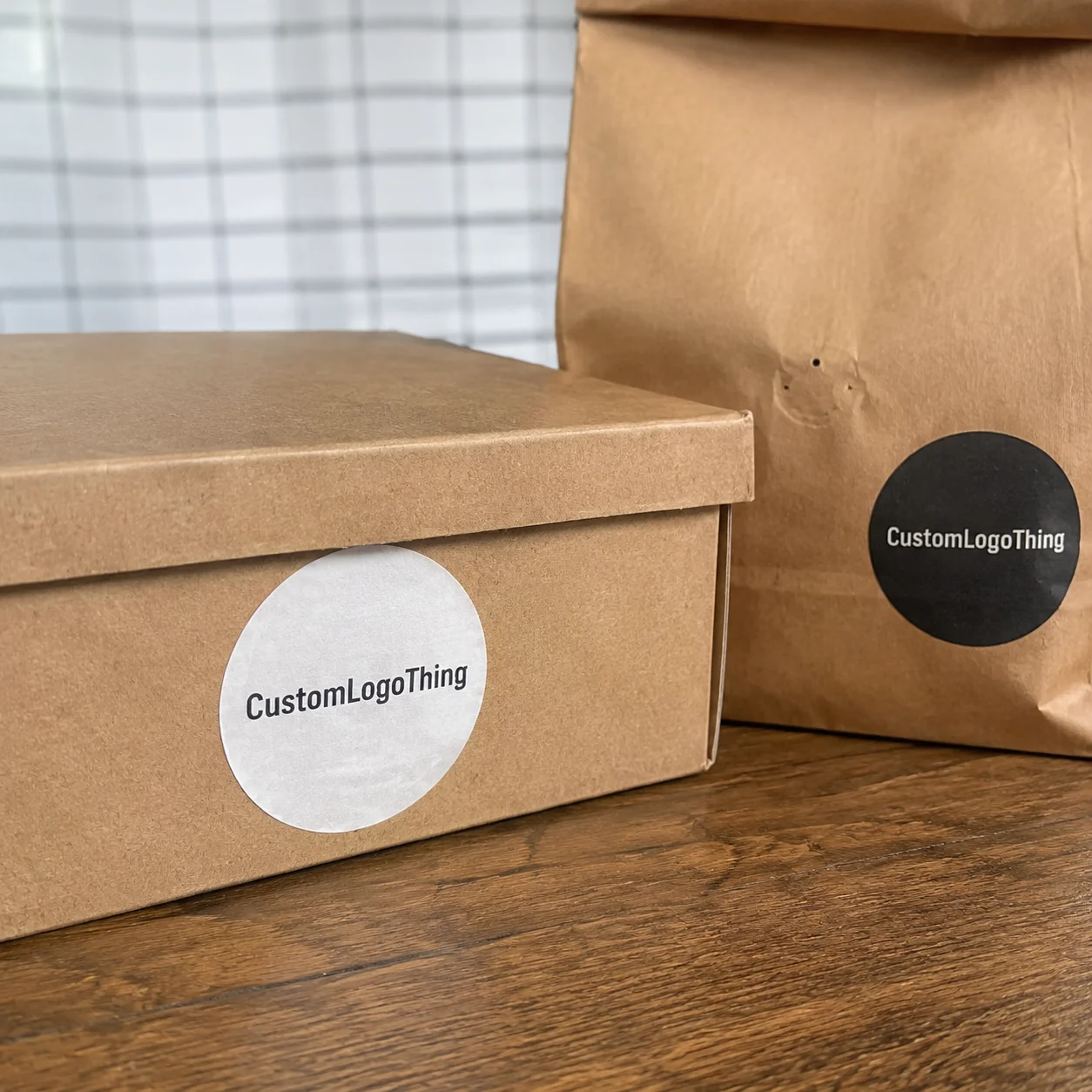
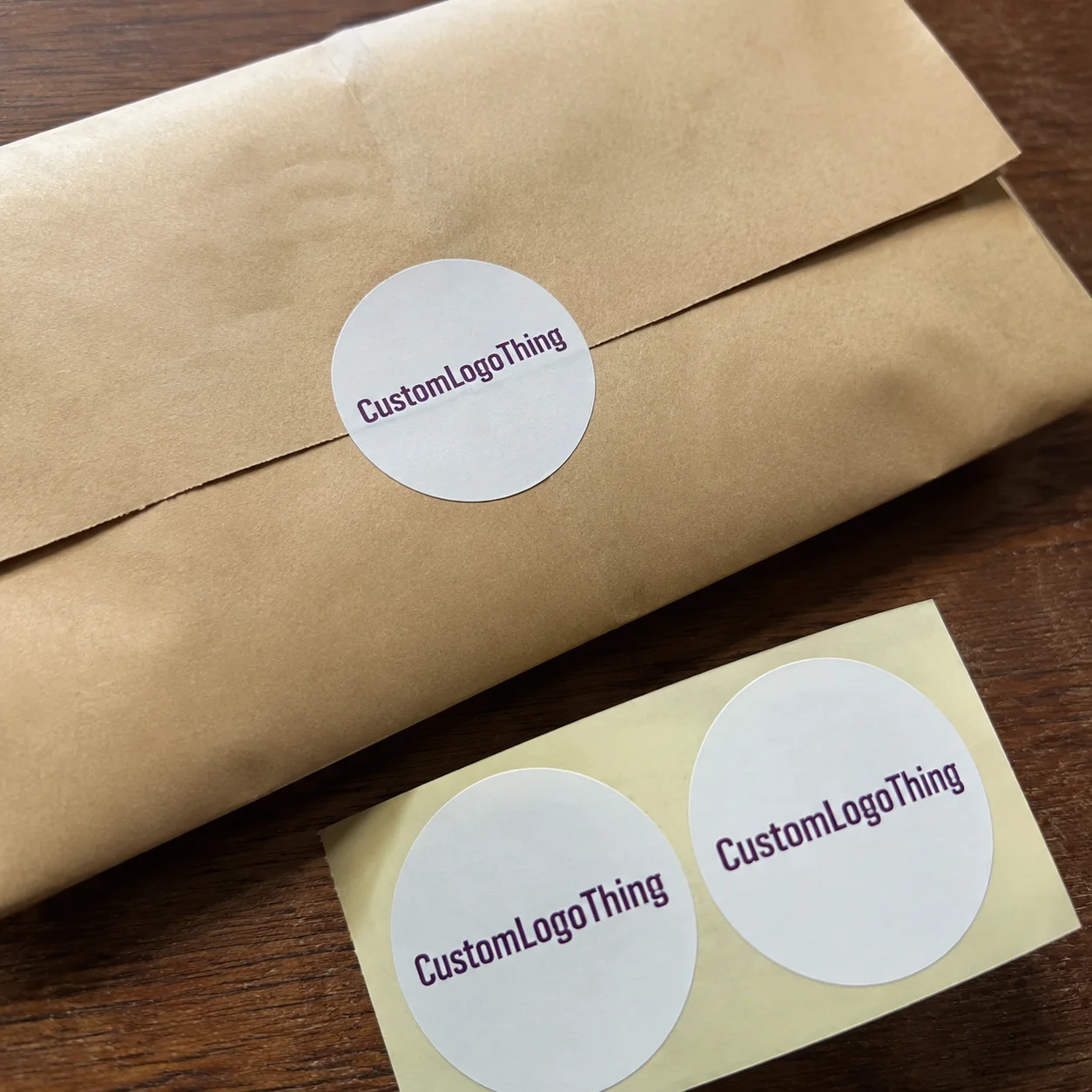
Use cases go well beyond merch. Ecommerce sellers use stickers as low-cost package branding. Subscription boxes add seasonal inserts. Artists test limited drops. Food and cosmetics brands use QR code stickers for batch information, promotions, or landing pages. Retail packaging teams use them to update product packaging without reprinting the whole box. Event teams hand them out by the thousand. A sticker can be decorative, functional, regulatory, or all three.
Packaging reality check: a sticker is often treated as a tiny print item, but buyers judge it by bigger packaging outcomes: adhesion, color, placement, durability, and whether the finished product feels intentional.
Custom Logo Things fits into that practical middle ground. As a custom packaging manufacturer, the work is not only printing artwork onto adhesive material. It is matching sticker materials, finishes, cut styles, and order quantities to the actual business goal, whether that goal is branded packaging, retail display, compliance labeling, or a cleaner unboxing experience alongside custom packaging products.
How the Sticker Print-on-Demand Process and Timeline Work
From the outside, the process looks simple: upload artwork, approve proof, receive stickers. Behind that short sequence sits a chain of decisions. A typical order moves through artwork upload, prepress review, proofing, material selection, printing, ink curing or drying, cutting, quality control, packing, and shipping.
If the sticker is roll-fed, sheeted, kiss-cut, or die-cut, the finishing steps change. Roll labels need winding direction and core size considered if they will be machine-applied. Sheet stickers need spacing that works for hand peeling. Die-cut stickers need a clean contour path. Kiss-cut stickers need the right balance: cut through the face stock, not through the backing. Sounds obvious. It is also where messy files cause very real delays.
Digital production helps custom stickers print on demand move quickly because there are no metal plates to make for each design. Variable artwork can also be grouped efficiently if the materials, sizes, and finishes are compatible. That helps ecommerce sellers running 20 designs at 25 pieces each, or a cosmetics brand testing three label concepts before committing to a retail packaging rollout.
Lead time depends on more than press speed. Design readiness can save two or three days. Fast proof approval can save another day. Intricate die-cut shapes take longer than simple circles or rectangles because the cut path must be checked, and finishing has less tolerance for sloppy artwork. Metallic films, holographic stock, soft-touch lamination, layered effects, or specialty adhesives may add time because they require extra material handling or a separate finishing pass.
Simple kiss-cut stickers are usually easier to schedule than a custom contour shape with narrow points, tiny interior gaps, and heavy ink coverage. Quantity matters, but complexity often matters more. A 250-piece reorder using an approved file can run smoother than a 50-piece first order with unclear bleed, RGB colors, and a QR code that scans only under perfect light.
The slowest part of a print-on-demand order is often not the press. It is the decision loop around file quality, color expectations, proof approval, and surface testing. Clean CMYK artwork, confirmed size, and fast proof approval shorten the path. Missing fonts, low-resolution logos, no cut line, and a color that must match a Pantone reference stretch the clock before ink ever reaches material.
Sticker Materials, Adhesives, Finishes, and Cut Styles That Matter
Material should be the first decision, not the afterthought. Paper stickers are cost-efficient for indoor use, dry retail bags, inserts, thank-you seals, and short-life promotions. Vinyl gives better moisture resistance and flexibility. BOPP, short for biaxially oriented polypropylene, is common for product labels because it resists water better than paper and works well on bottles, jars, and flexible packaging. Polyester is stronger for abrasion, heat, and longer-life applications.
Adhesive choice can make or wreck the order. Permanent adhesive suits most product packaging and shipping uses. Removable adhesive is better for temporary promotions, reusable containers, or surfaces that should not be damaged. Freezer-grade adhesive helps in cold chains where condensation and low temperatures punish standard glue. High-tack adhesive can grip textured corrugated mailers or low-energy plastics. Low-tack adhesive works for repositionable uses, but it is not meant to survive rough handling.
Finish changes both appearance and performance. Matte creates a softer look and reduces glare on photography-heavy designs. Gloss gives stronger color pop, which can help small logos and bright package branding stand out. Soft-touch feels premium but can show scuffs depending on handling. Holographic films suit artist merch and limited drops. Lamination adds a protective layer that improves resistance to moisture, scratching, and frequent touch.
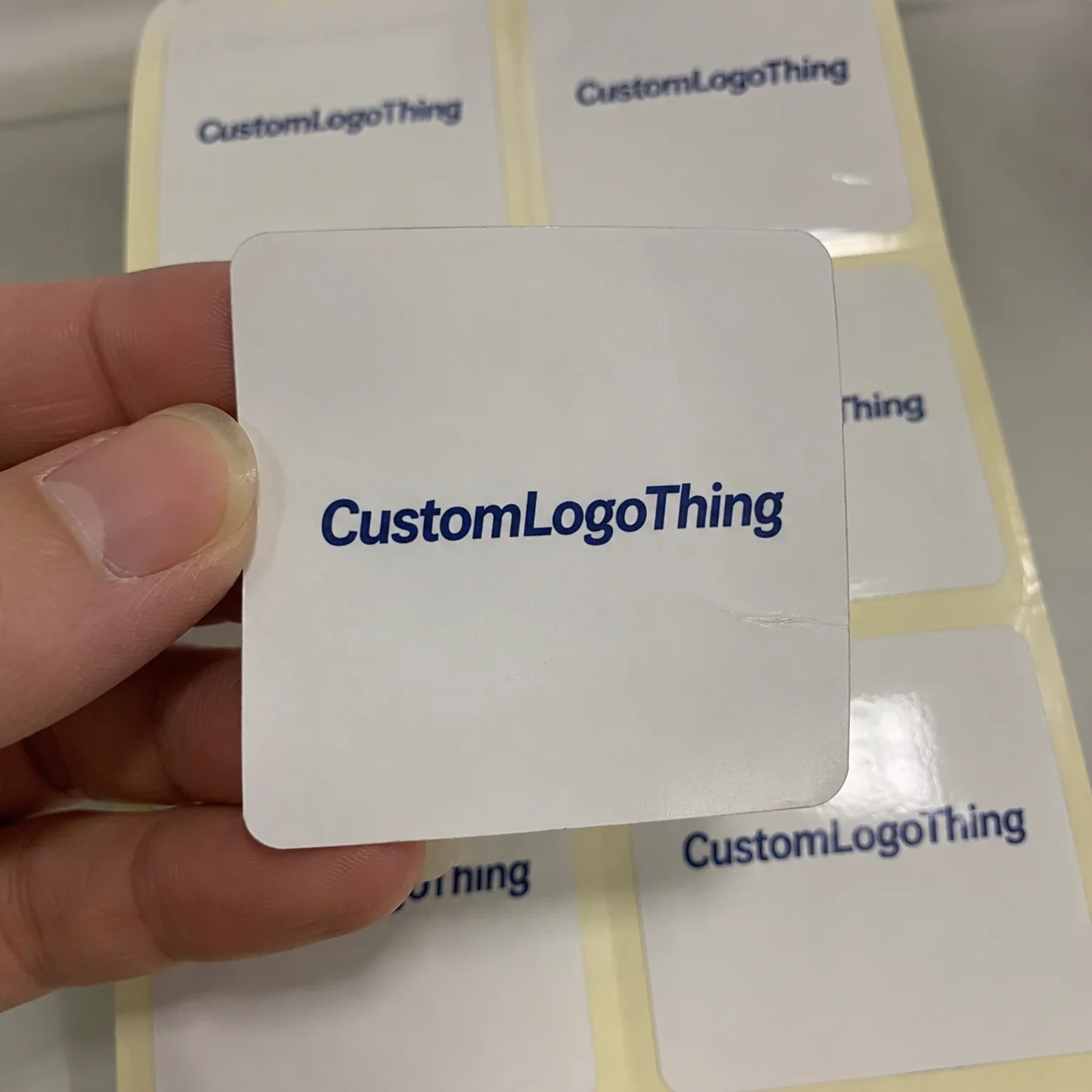
Cut style affects the customer experience. Kiss-cut stickers sit on a backing sheet and peel easily, which is useful for handouts and merch. Die-cut stickers follow the outer shape of the design for stronger branding. Roll labels are better for speed if staff are applying hundreds of units to jars, cartons, or pouches. Sheets work well for inserts, event giveaways, and multi-design packs.
| Option | Best Use | Typical Buyer Watchout |
|---|---|---|
| Paper sticker | Indoor inserts, seals, dry packaging | Poor moisture resistance without coating |
| Vinyl sticker | Merch, laptops, outdoor-style use | Higher unit cost than basic paper |
| BOPP label | Bottles, jars, cosmetics, food packaging | Needs the right adhesive for curves and condensation |
| Polyester sticker | Durable labels, equipment, high-abrasion use | May be excessive for short-life promotions |
Surface compatibility deserves blunt attention. Corrugated mailers, glass jars, poly mailers, kraft boxes, coated cartons, candle vessels, and flexible pouches all behave differently. Dust, oil, wax, texture, and condensation can weaken the bond. Sticker failure is often blamed on printing, but the real issue may be adhesive mismatch or a package surface that was never tested.
For buyers comparing stickers with broader Custom Labels & Tags, the dividing line is usually function. A decorative sticker may only need visual appeal. A product label may need barcode clarity, ingredient readability, moisture resistance, and consistent application across a production run.
Cost, Pricing, MOQ, and Unit Cost Tradeoffs
Print-on-demand stickers usually cost more per piece than bulk printing. That is not a flaw. It is the price of flexibility. A 50-piece order carries prepress time, proofing, material setup, machine handling, cutting, packing, and shipping across fewer units. A 5,000-piece run spreads many of those fixed steps over a wider base.
As a practical range, a small digitally printed sticker can cost several times more per unit at 50 pieces than at 5,000 pieces. A 2-inch paper sticker in a simple shape may be relatively economical, while a 4-inch waterproof vinyl die-cut sticker with lamination and full ink coverage will sit higher. Exact pricing depends on size, shape complexity, material, adhesive, finish, color coverage, order quantity, packaging format, and shipping.
MOQ, or minimum order quantity, varies by supplier and specification. Some suppliers can support very low minimums for standard digitally printed stickers. Custom materials, special adhesives, PMS color matching, metallic films, roll formats, or complex finishing may require higher quantities. That is not always supplier stubbornness. Sometimes material is bought in master rolls, and setup waste is unavoidable.
Buying 50 stickers is paying for flexibility. Buying 5,000 is paying for efficiency. Both can be rational. The mistake is comparing only the sticker price and ignoring the business model behind the order.
| Order Scenario | Typical Strength | Typical Risk | Best Fit |
|---|---|---|---|
| 25–100 pieces | Low cash exposure and fast design testing | High unit cost | Artist drops, samples, early product tests |
| 250–1,000 pieces | Balanced flexibility and better pricing | Moderate waste if the design changes | Small ecommerce batches and seasonal packaging |
| 2,500–10,000 pieces | Lower unit cost and smoother reorders | More inventory exposure | Stable product lines and predictable reorders |
Hidden costs deserve more scrutiny. Art correction, sample rounds, rush production, split shipping, storage, obsolete seasonal designs, and returns from poor durability can erase the savings from a cheap quote. A sticker that costs less but peels off a refrigerated jar after 12 hours is not cheaper. It is a product presentation problem with a customer-facing receipt.
Calculate total landed cost: unit cost plus setup, proofing, shipping, storage, handling, and failure risk. Bulk production wins when designs are stable, reorder volume is predictable, specifications are simple, and products have a long shelf life. Print on demand wins when the design mix is wide, demand is uncertain, or inventory waste would be more painful than a higher unit cost.
For sustainability-minded teams, this connects directly to waste reduction. The U.S. Environmental Protection Agency tracks packaging and container waste as a major materials-management category, and overproduction is part of the hidden footprint of poor planning. Fewer unused stickers will not solve packaging waste alone, obviously. But smarter quantities help. For fiber-based packaging decisions, buyers can also review standards and sourcing guidance from the Forest Stewardship Council.
Step-by-Step Guide to Ordering Custom Stickers Online
The best orders start before artwork. Define the job. Is the sticker branding a box, sealing tissue, labeling a product, promoting a discount, delivering safety information, or sending customers to a QR code? A decorative merch sticker can tolerate different decisions than a barcode label on retail packaging.
- Define the purpose. Write one sentence explaining the sticker’s job: brand recognition, package seal, product label, promotional giveaway, safety notice, or QR interaction.
- Measure the surface. Check the actual package area in millimeters or inches. Decide whether the sticker must wrap around a curve, bridge a flap, seal a mailer, or stand alone.
- Choose material by environment. A bathroom shelf, refrigerator, shipping box, retail bag, candle jar, and outdoor laptop case all put different stress on ink, film, and adhesive.
- Prepare artwork correctly. Vector files such as AI, EPS, or print-ready PDF are best for logos, text, and cut lines. Use high-resolution raster files only when artwork requires it, and prepare them at final print size.
- Set color expectations. Use CMYK for print production and provide brand color references if exact matching matters. RGB monitor color is not a production standard.
- Add bleed and safe margins. Many stickers need about 1/16 to 1/8 inch of bleed, depending on supplier requirements, with text kept safely inside the trim area.
- Review the proof slowly. Check size, spelling, color expectations, cut path, barcode or QR scannability, orientation, and whether the design still works at actual scale.
A sample or small test run is wise if the sticker affects product presentation, compliance, or customer use. Apply it to the real package, not just a clean test card. Put the jar in the refrigerator. Rub the mailer. Bend the pouch. Let the candle label sit near mild heat. Small tests expose problems that a bright monitor hides.
Approve production only after seeing the sticker in context. Packaging design is physical. Shadows, curves, texture, and hand-feel change the result. This is especially true if stickers are paired with custom printed boxes, kraft mailers, retail bags, or coated cartons that already carry strong visual cues.
Common Mistakes That Make Print-on-Demand Stickers Fail
The first mistake is choosing the cheapest material without considering moisture, friction, temperature, or surface energy. A low-cost paper sticker may work beautifully on a dry insert but fail on a chilled drink bottle. A standard adhesive may perform on coated paperboard and struggle on a dusty kraft box.
The second mistake is uploading low-resolution artwork and assuming the printer can sharpen it. A 400-pixel logo pulled from a website will not become a crisp 3-inch sticker. Vector artwork solves most logo and type problems because it scales cleanly. If the design uses raster art, 300 dpi at final size is a common baseline, though supplier requirements vary.
Bleed and safe zones cause quieter but expensive damage. Without bleed, tiny registration shifts can leave awkward white edges. Without safe margins, text may sit too close to the cut line or appear visually off-center after finishing. Die-cut stickers need a clean cut path with enough tolerance around fine details.
Tiny type and dense QR codes are another trap. A QR code that scans on a 27-inch monitor may fail on a 1.25-inch sticker under store lighting. Test it at final size with multiple phones. Keep contrast high. Avoid placing codes over holographic or heavily textured effects unless testing proves reliable.
Color matching also needs realism. Perfect consistency across different materials, printers, and reorder batches is not automatic. Paper absorbs ink differently than BOPP. Matte lamination changes perceived saturation. If brand color is critical, provide references and ask about tolerance. ASTM and ISO-based testing may be relevant for specialized durability or performance requirements, and transport testing bodies such as ISTA can be useful when stickers are part of a broader shipping package validation program.
Skipping adhesion testing is the classic public failure. Textured, dusty, waxy, curved, or refrigerated surfaces punish assumptions. So does rushing. Ordering Custom Stickers print on demand two days before a launch leaves no buffer for proofing, transit, or reprints. Sticker problems are often small on paper and expensive in public.
Next Steps Before You Send a Sticker Quote Request
A good quote request is not long. It is specific. Before asking for pricing, gather the quantity range, finished size, cut style, material preference, adhesive needs, finish, artwork file, shipping location, and target delivery date. If any of those are unknown, say so. A supplier can help, but guessing slows the quote and increases the chance of a poor match.
Prepare two scenarios: a low-risk test quantity and an efficient reorder quantity. For example, ask for 100 pieces and 1,000 pieces, or 250 and 2,500. The price gap reveals where the break-even point starts to make sense. Sometimes the smarter move is testing 100 pieces first. Sometimes the reorder price makes a 1,000-piece batch sensible once the artwork and surface are proven.
Photos help more than buyers expect. Send a clear image of the package surface where the sticker will be applied, especially for jars, mailers, textured boxes, pouches, curved containers, or coated cartons. Include dimensions and mention whether the product will face refrigeration, bathrooms, sunlight, shipping abrasion, or hand application.
- Ask about material fit: “What stock matches this surface and use case?”
- Ask about protection: “Is lamination needed for moisture, rubbing, or frequent handling?”
- Ask about testing: “Can I run a small adhesion or sample test before a larger order?”
- Ask about files: “Do you prefer AI, EPS, PDF, PNG, or TIFF, and how should I mark the cut path?”
- Ask about timing: “What affects lead time most for this specification?”
To speed a quote from Custom Logo Things or any packaging supplier, send dimensions, use case, durability needs, design files, shipping destination, target date, and whether the sticker is decorative, functional, or regulatory. If the sticker supports a larger product packaging program, mention the related box, mailer, pouch, jar, or retail display. The more context the supplier has, the less likely they are to recommend a material that looks fine in proof but fails on the package.
The biggest misunderstanding is that sticker print on demand is a quick upload-and-checkout task. It can be, for basic merch or simple handouts. For product packaging, treat it like a packaging decision: small in size, visible in use, and tied directly to how customers judge the product.
FAQ
Is custom sticker print on demand cheaper than bulk printing?
Usually not on a per-sticker basis. Print on demand is often cheaper for testing, small runs, and avoiding unused inventory. Bulk printing tends to lower unit cost when the design is stable and order volume is predictable. Compare total landed cost, including shipping, storage, waste, rush fees, and the risk of outdated designs.
What file type is best for print-on-demand custom stickers?
Vector files such as AI, EPS, or PDF are best for logos, text, and cut lines because they scale cleanly. High-resolution PNG or TIFF files can work for artwork-heavy designs if they are prepared at the final print size. Include bleed, safe margins, and a clear cut path for die-cut or kiss-cut stickers.
How long does it take to receive custom stickers printed on demand?
Timing depends on proof approval, material availability, sticker complexity, production queue, quantity, and shipping method. Simple digitally printed stickers usually move faster than specialty finishes, metallic effects, or complex die-cuts. The fastest way to avoid delays is to submit clean artwork and approve proofs quickly.
Can print-on-demand stickers be waterproof?
Yes, if the right material and finish are selected, such as vinyl, BOPP, or polyester with suitable ink and lamination. Water-resistant and waterproof are not always the same; clarify whether the sticker faces splashes, refrigeration, ice buckets, or outdoor exposure. Adhesive selection matters as much as the face material when moisture or condensation is involved.
What is the best quantity to order for custom stickers print on demand?
Start with a small test run if the design, surface, or product use case is new. Move to larger quantities once adhesion, color, finish, and customer response are proven. Ask for pricing at multiple quantity breaks so you can see where the unit cost meaningfully drops.