Order Custom Stickers Quick Without Costly Reprints
Custom Stickers Quick: What Fast Really Means
A brand can spend six months refining a product, then lose shelf impact in six seconds because the sticker was rushed with the wrong adhesive, dull finish, or sloppy cut line. If you need custom stickers quick, speed does not mean skipping checks. It means removing avoidable friction before the job reaches the press.
A sticker looks simple because it is small. In production, it behaves like a miniature package face. It carries brand color, legal copy, barcodes, QR codes, batch details, promotional claims, and the first bit of trust a buyer sees on product packaging.
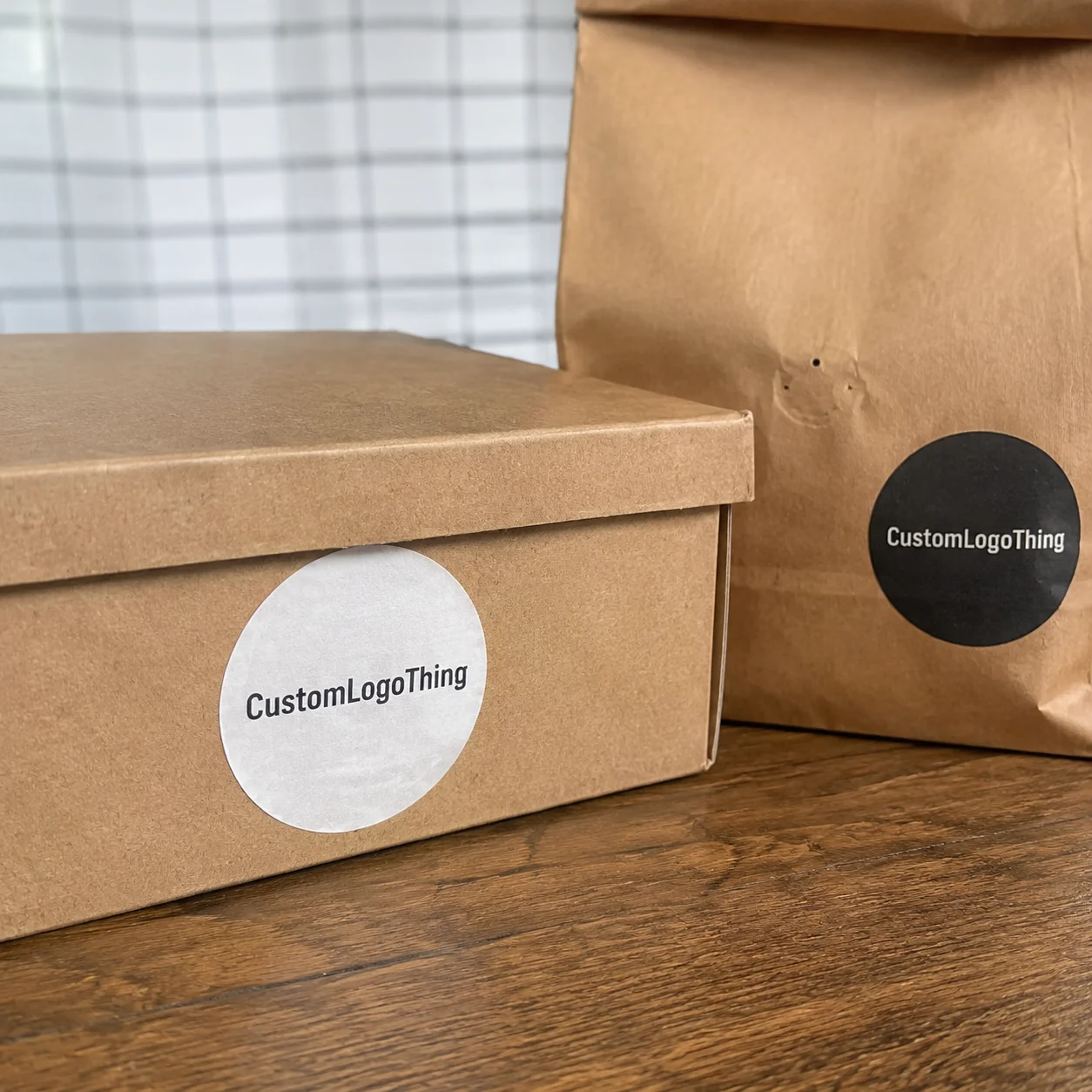
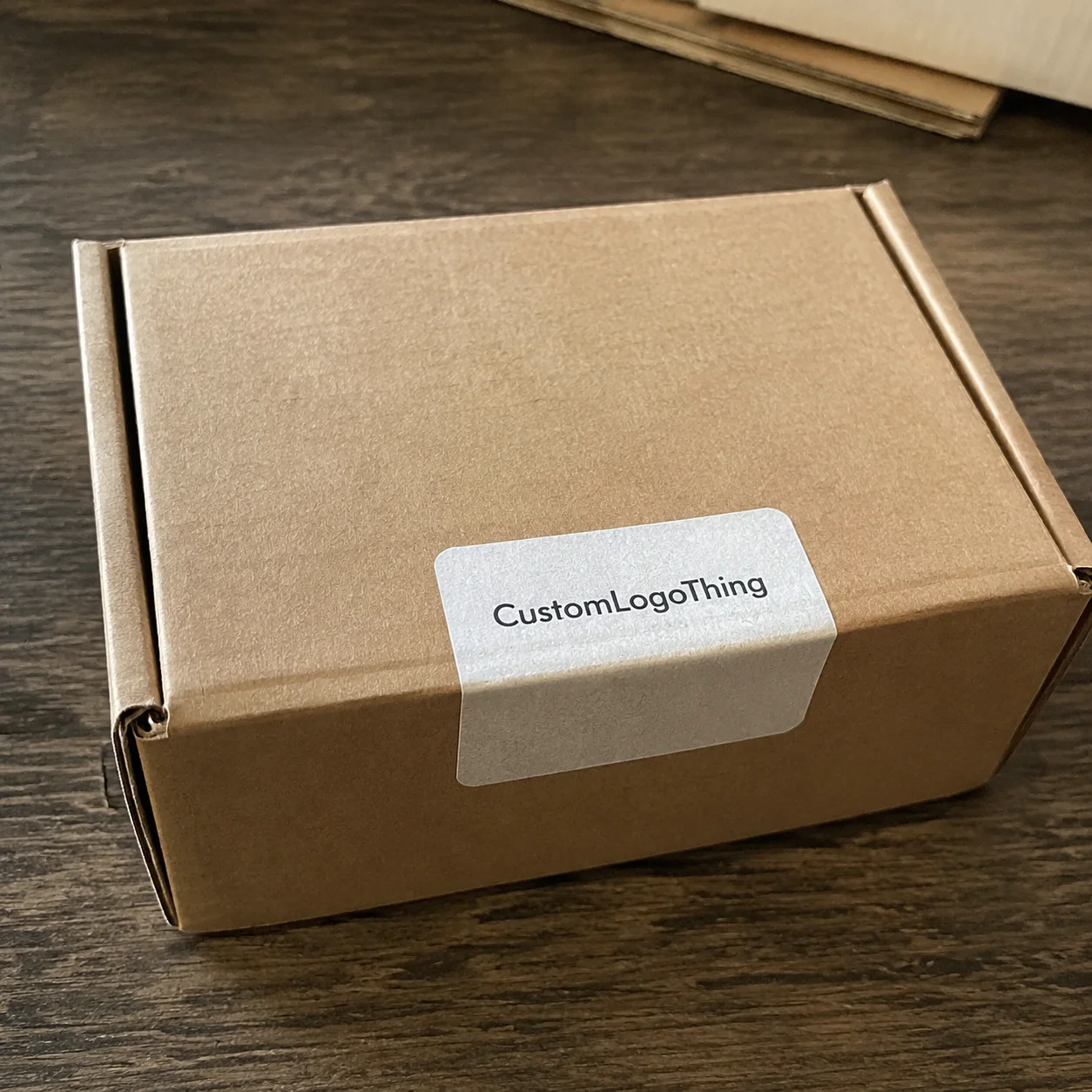
Custom stickers are printed adhesive graphics made to a specific size, shape, stock, finish, quantity, and use case. They might be product labels on jars, event giveaways, shipping box seals, retail packaging callouts, subscription box inserts, or emergency relabeling patches for a short-run product test. The same artwork can perform well on a smooth mailer and fail on a frosted glass bottle if the adhesive and finish are wrong. Charming, but still wrong.
Fast digital sticker production is realistic for smaller batches, standard materials, and common shapes such as circles, rectangles, squares, and ovals. Slower jobs tend to involve hot foil, layered materials, unusual adhesives, tight color matching, complex kiss-cut shapes, or strict compliance labeling. None of those are impossible. They just need more review.
The hidden delay is rarely the printing press. It is the missing dieline, the unknown delivery date, the low-resolution logo, or the buyer who asks for “some stickers” without dimensions, quantity, surface, or finish.
Fast sticker ordering works best when the brief is practical, not poetic. A supplier can move quickly with “2,000 matte polypropylene stickers, 2 x 3 inches, permanent adhesive, rounded corners, applied to stand-up pouches, needed in hand Friday.” They cannot do much with “make it nice and send ASAP.” Well, they can. Mostly they can ask five follow-up questions.
The Process and Timeline From Artwork to Finished Stickers
A typical sticker order moves through a predictable chain: quote request, artwork submission, prepress review, digital proof, buyer approval, printing, finishing, cutting, quality check, packing, and shipping. Short chain. Plenty of places to lose a day.
The clock usually starts after proof approval, not after the first inquiry. That misunderstanding causes real misses. A buyer may think a “three-business-day turnaround” begins when they send the first email on Monday morning. The manufacturer often means three business days after the proof is approved, the material is confirmed, and the order is paid.
Prepress is the checkpoint that protects the order. A production team reviews resolution, bleed, safe zones, color mode, dielines, transparency effects, small type, thin lines, and barcode readability. A 0.25-point hairline border near a custom cut edge may look elegant on screen and uneven after cutting. Tiny white text reversed out of a dark background can close up after lamination. These are not artistic opinions; they are manufacturing risks.
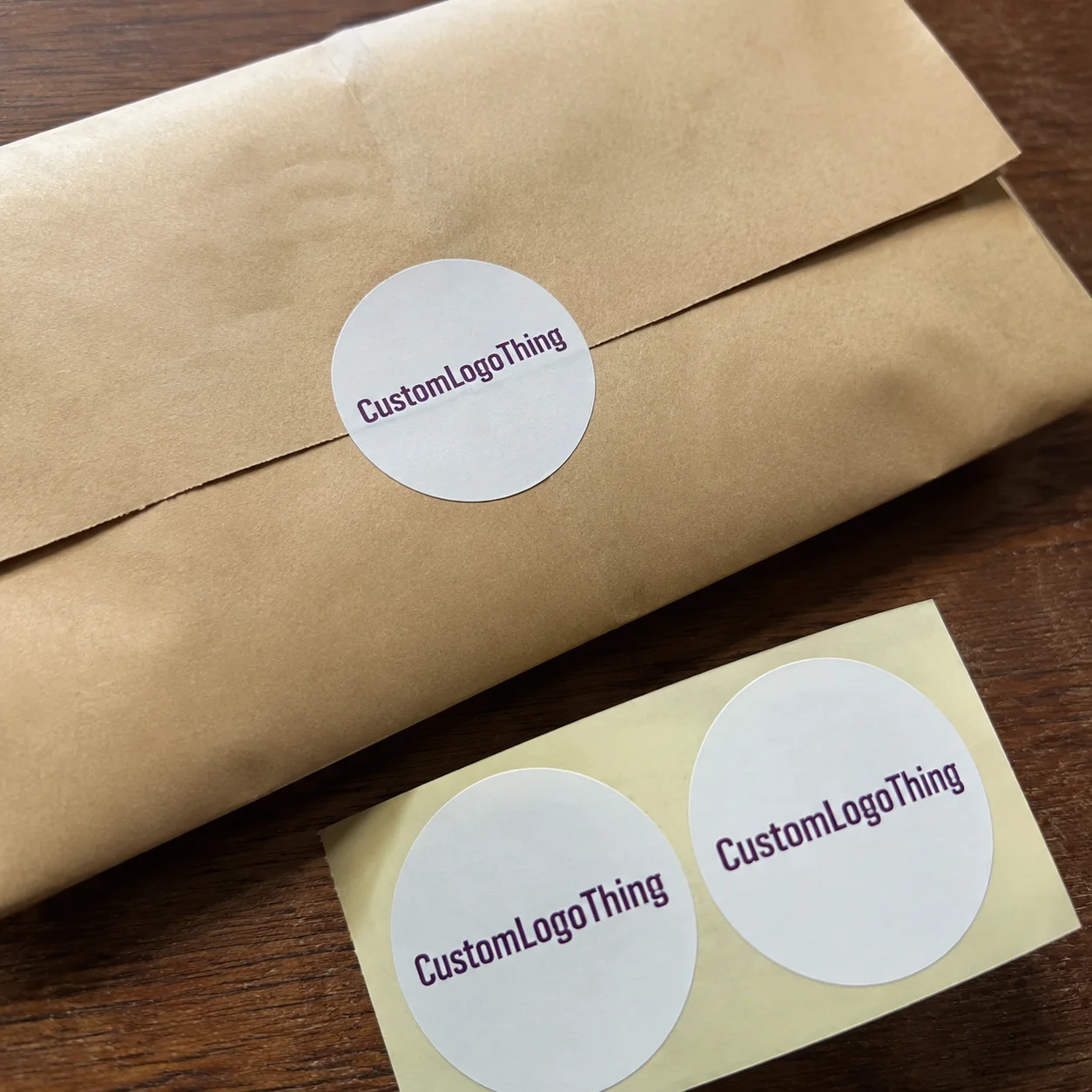
Turnaround depends on several practical drivers. Standard shapes are faster than complex Custom Die Cuts. Digital printing is usually faster for runs of 50 to 5,000 pieces. Specialty finishes, such as foil, embossing, doming, or textured varnish, add steps and handling time. Roll labels may need a specific unwind direction for automated application, while sheeted stickers often suit hand application or events.
Shipping deserves its own line in the schedule. A two-day print window can still miss a trade show if the package ships ground across several zones, gets held over a weekend, or needs delivery to a convention center dock with strict receiving hours.
Give the supplier the in-hands date, not only the desired ship date. If stickers must be ready for a Friday product photography session, say that. If they must arrive before a retail packing shift starts at 7 a.m., say that too.
Example: a trade show sticker order may need one business day for proofing, two to three business days for digital print and cutting, one day for packing and carrier pickup, and one to three days for transit. That simple job already needs a five- to eight-business-day plan if quality checks and freight buffers are handled responsibly.
Key Specs That Decide Speed, Quality, and Fit
The fastest sticker order is usually the clearest sticker order. A useful request includes size, shape, quantity, material, adhesive, finish, roll or sheet format, and intended surface. Without those details, quoting becomes detective work.
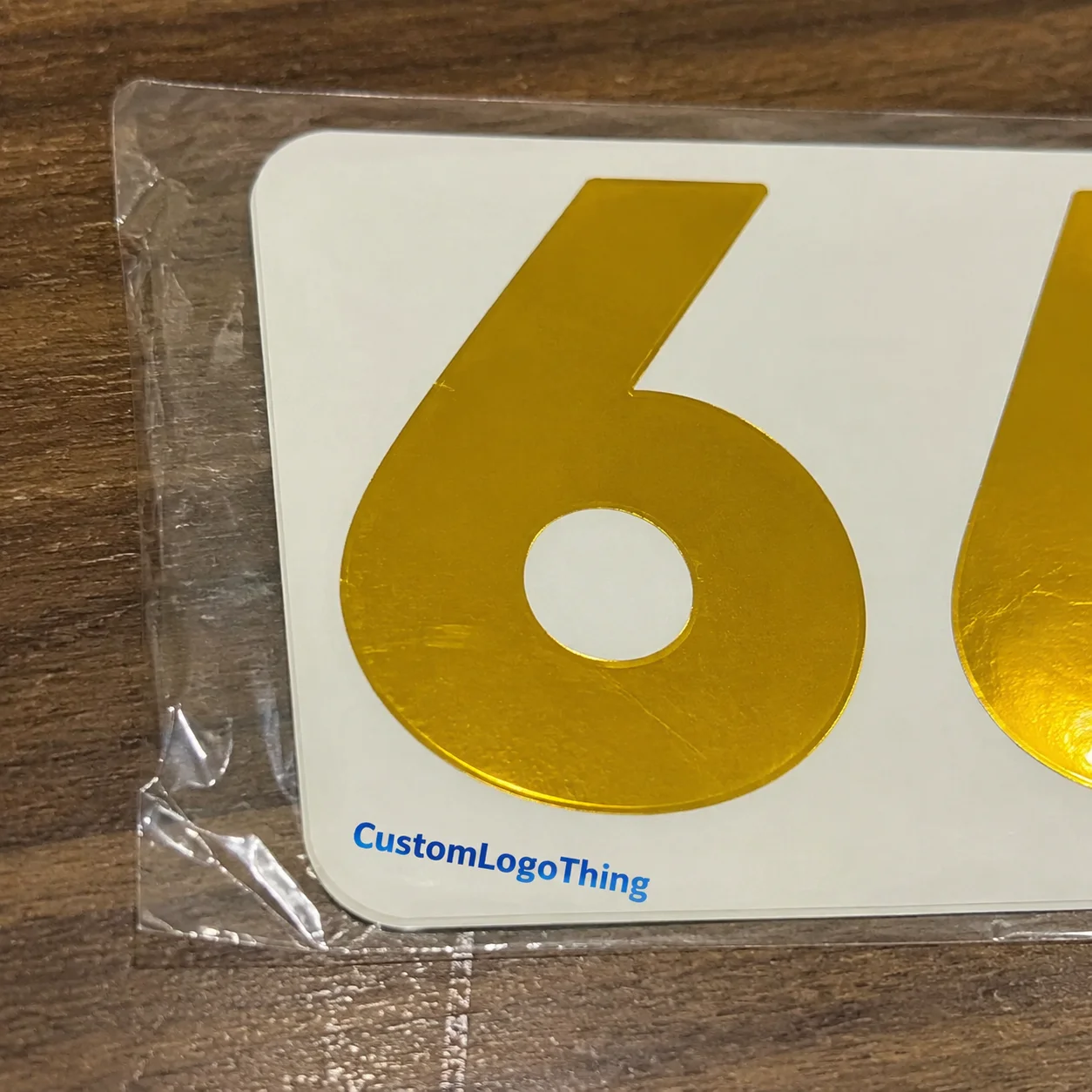
Materials change both speed and performance. Paper stickers are low cost and suitable for dry indoor uses, such as event handouts, carton seals, or short-term branded packaging. Vinyl and polypropylene cost more but handle moisture, abrasion, and frequent handling better. Clear stock creates a transparent or “no-label” effect on glass, jars, pouches, and certain retail packaging formats. Specialty materials, such as metallic film, textured paper, or kraft stock, can help package branding feel more premium, but they may add lead time if they are not already stocked.
Adhesive choice is the quiet technical decision buyers underestimate. Permanent adhesive suits most packaging applications where removal is not expected. Removable adhesive works for temporary promotions or reusable containers. Freezer-grade adhesive is built for cold chain products where condensation and low temperatures can make ordinary adhesives fail. High-tack adhesive helps with textured cardboard, rough mailers, and certain flexible pouches. Low-tack adhesive may suit temporary campaigns, but it is not a universal fix.
Finish affects appearance and durability. Gloss makes colors pop but can create glare under retail lighting. Matte improves readability and feels more restrained. Soft-touch creates a premium hand feel, though it can show fingerprints on dark designs. UV coating and lamination improve scuff resistance and moisture resistance. For stickers handled during fulfillment, lamination is often worth the added cost, especially on dark backgrounds where scratches show quickly.
Shape also influences production speed. Circles, rectangles, squares, and standard label sizes are efficient. Intricate kiss-cut shapes with narrow points, small islands, or tight internal curves need more careful setup and inspection. A simplified outline can cut production risk without weakening the design.
Surface testing should not be skipped if the sticker will go on glass, corrugated cardboard, coated cartons, flexible pouches, jars, mailers, or textured packaging. Even a strong adhesive can struggle if the surface has dust, wax, oil, condensation, or heavy texture.
| Sticker Material | Typical Use | Speed Profile | Practical Watchout |
|---|---|---|---|
| Paper | Indoor promotions, box seals, event stickers | Often fastest and lowest cost | Poor choice for moisture, refrigeration, or heavy handling |
| Polypropylene | Product labels, pouches, jars, retail packaging | Common and usually efficient | Needs the right adhesive for curved or flexible surfaces |
| Vinyl | Durable decals, outdoor use, equipment labels | Fast if stocked | Higher cost than basic paper stocks |
| Clear film | Transparent packaging, glass, premium product labels | Moderate | White ink may be needed for opacity and readability |
| Specialty stock | Premium branding, limited editions, gifting | Slower | Material availability and finishing steps can add days |
For related packaging pieces that need similar discipline around artwork, material, and finish, Custom Logo Things also offers Custom Labels & Tags for product and retail applications.
Cost and Pricing Factors Behind Rush Sticker Orders
Sticker pricing is shaped by quantity, size, material, finish, color coverage, shape complexity, setup requirements, proofing, packaging format, and shipping speed. Rush work adds another layer: queue priority.
Unit cost and total cost are not the same conversation. A 5,000-piece run may bring a lower per-sticker price than 500 pieces, but urgent buyers should be careful about over-ordering if ingredients, compliance text, barcode data, campaign dates, or brand design may change soon. Cheap leftovers can become expensive waste.
For common digitally printed stickers, rough market pricing may range from about $0.08 to $0.35 per sticker for mid-sized runs, depending on size, material, finish, and coverage. Small rush batches can run much higher per unit. Larger simple paper stickers may cost less per piece, while laminated vinyl die cuts with dense ink coverage can cost more. These are planning ranges, not universal quotes.
Rush fees appear for understandable reasons. A job may need to jump the production queue, use overtime labor, pull expedited materials, run on a tighter proof cycle, or ship by air instead of ground. If a supplier says a rush order costs more, ask what part of the chain is driving it. Production? Material? Freight? Approval timing?
Minimum order quantity varies. Digital production can handle low quantities, sometimes 25, 50, or 100 stickers, depending on format. Specialty materials, foil, embossing, or unusual adhesives may require higher minimums because setup waste and material ordering are less forgiving.
The cheapest quote is not always cheapest. A sticker that curls at the edge, scans poorly, arrives late, or mismatches the brand color across custom printed boxes can damage the whole presentation. In package branding, inconsistency is visible fast.
| Cost Lever | Faster Choice | Slower or Pricier Choice | Buyer Tip |
|---|---|---|---|
| Shape | Circle, square, rectangle, oval | Highly detailed die cut | Simplify narrow points and tiny curves |
| Material | Common paper, polypropylene, vinyl | Metallic, textured, specialty adhesive | Ask what is already available for production |
| Finish | Standard matte or gloss | Foil, embossing, domed coating | Use lamination when durability matters more than decoration |
| Shipping | Ground with buffer | Overnight or air freight | Share the in-hands date before quoting |
Ask for an itemized quote that separates production cost, setup cost, rush cost, proofing cost, and freight. That is how you find the real budget lever instead of guessing.
Step-by-Step Ordering Guide for a Fast Sticker Run
Fast ordering is disciplined communication. Every missing answer becomes a small delay, and small delays compound.
-
Define the use case first. Where will the sticker be applied? How long must it last? Will it face moisture, cold, heat, abrasion, outdoor exposure, or repeated handling? A shipping box seal and a refrigerated bottle label do not need the same construction.
-
Choose size and shape from the application area. Measure the jar, mailer, pouch, insert, box, or closure before designing. A 3-inch circle sounds harmless until it lands across a curved shoulder and wrinkles.
-
Prepare artwork properly. Vector logos are preferred. Use high-resolution images, usually 300 DPI at final size. Outline fonts, include bleed, keep safe margins, and mark the cut line clearly for custom shapes.
-
Set quantity with waste in mind. Hand application creates spoilage. Events create last-minute needs. Fulfillment teams misplace rolls. A 5% to 10% overage can be sensible for manual application, though the right number depends on the job.
-
Request the quote in one complete message. Include deadline, delivery address, material preference, finish, quantity, size, shape, and files. If you need custom stickers quick, fragmented emails are the enemy.
-
Review the proof slowly. Check spelling, alignment, SKU numbers, barcode readability, QR codes, nutrition text, compliance statements, color notes, cut lines, and scale. Proof approval is a production authorization, not a casual glance.
-
Confirm freight and delivery target. For a launch, event, fulfillment batch, or retailer deadline, shipping method matters as much as press time. Weekend delivery, remote addresses, and event venues add risk.
For brands coordinating stickers with broader packaging design, it helps to review related components together. A sticker can look excellent alone and still feel mismatched against cartons, inserts, tissue, or other Custom Packaging Products.
Common Mistakes That Slow Down Custom Sticker Jobs
Most reprints begin with ordinary mistakes. Not dramatic ones. Ordinary ones.
Mistake 1: Sending low-resolution artwork. Logos pulled from a website, social profile, or email signature may be 72 DPI and too small for print. They can look jagged or fuzzy once enlarged. Vector files such as AI, EPS, SVG, or print-ready PDF usually prevent this issue.
Mistake 2: Forgetting bleed and safe zones. Bleed is extra artwork beyond the trim edge, commonly around 0.125 inch. Safe zones keep text and critical graphics away from the cut edge. Without both, borders may look uneven and small copy may be sliced too close.
Mistake 3: Buying material by price alone. A low-cost paper sticker may be fine for an indoor giveaway. It is a poor bet for a cold jar, damp cooler, flexible pouch, or mailer exposed to friction. The sticker must match the surface and the environment.
Mistake 4: Approving the proof too quickly. Spelling, SKU numbers, QR codes, barcodes, nutrition text, compliance claims, and contact details need careful review. Barcode issues are especially costly because the sticker may look good but fail at checkout or receiving.
Mistake 5: Requesting a vague quote. “How much for stickers?” is not a production brief. “2,000 matte polypropylene stickers, 2 x 3 inches, rounded rectangle, permanent adhesive, applied to stand-up pouches, needed in hand by Friday” is useful.
Mistake 6: Trusting phone color as a print guarantee. Screens emit light; stickers reflect it. Substrate, coating, ink density, lighting, and lamination can shift perceived color. If exact color matters, discuss Pantone matching or printed samples, though both may add time and cost.
Mistake 7: Underestimating shipping risk. Event deadlines are unforgiving. Weekend delivery limitations, remote addresses, carrier delays, and venue receiving rules can turn a finished order into a missed opportunity.
The most expensive sticker error is rarely the print bill. It is the missed launch, the relabeling labor, the temporary halt in fulfillment, or the quiet loss of customer confidence when product packaging looks patched together.
For packaging performance standards beyond stickers, buyers often look at shipping and distribution testing frameworks from organizations such as ISTA. For paper sourcing and responsible fiber claims, FSC is another reference point worth understanding.
Next Steps Before You Request a Sticker Quote
Before asking for pricing, gather the basics: final artwork, sticker dimensions, quantity, preferred material, finish, application surface, delivery address, and in-hands deadline. If one of those is unknown, say so directly rather than leaving the supplier to guess.
Take a photo of the product or package surface where the sticker will go. That small step can reveal curvature, texture, moisture risk, sizing issues, or an awkward label panel. A flat digital mockup does not always show those physical constraints.
Order slightly more than the exact count if stickers will be hand-applied, used at events, packed into subscription boxes, or applied during a busy fulfillment run. Extra labels are cheaper than stopping a packing line because three sheets were damaged or one roll disappeared under someone’s clipboard. It happens.
Check the final file at actual size before sending it. Print it on office paper, trim it roughly, and place it on the product. This is not a substitute for a press proof, but it catches obvious scale issues: type that is too small, a logo that dominates the panel, a QR code placed too close to a curve, or a sticker that blocks required packaging information.
If color is critical, say so before production. “Match our brand blue” is not enough unless the supplier has a reference. Provide Pantone values, CMYK builds, previous printed samples, or approved packaging files. Digital presses can produce strong color, but exact matching across different materials and coatings takes control. Control takes time.
Also decide whether speed or specification matters more. If the deadline is fixed, you may need to use a stocked material, standard finish, and simpler cut. If the material and finish are fixed, the deadline may need to move. Production is not magic. It is a sequence of machines, people, materials, and carrier pickups pretending to be magic when everything is supplied correctly.
A good final brief for custom stickers quick includes:
- Sticker size and shape
- Quantity, plus any overage preference
- Material preference or application surface
- Adhesive requirements, such as removable, permanent, freezer-grade, or high-tack
- Finish, such as matte, gloss, UV coating, or lamination
- Roll, sheet, or individual cut format
- Artwork files with bleed, safe zone, and dieline if needed
- Delivery address and true in-hands date
The best fast sticker order is not rushed at every step. It is organized early, checked carefully, produced efficiently, and shipped with enough buffer to survive ordinary logistics nonsense. That is how you get speed without buying the same job twice.
FAQs
How fast can custom stickers be produced?
Simple digital sticker orders can often be produced in a few business days after proof approval, especially with standard materials, common shapes, and stocked finishes. Shipping time is separate. Complex shapes, specialty materials, foil, embossing, exact color matching, or large quantities can add days.
What file type is best for fast sticker printing?
Print-ready PDF files are common, especially when they include bleed and the correct dimensions. Vector formats such as AI, EPS, or SVG are helpful for logos and cut lines. Raster images should usually be 300 DPI at final print size. Low-resolution screenshots are not print files, no matter how nicely they are named.
Do custom stickers need bleed?
Yes, most stickers need bleed if the background color, pattern, or image runs to the edge. A common bleed allowance is about 0.125 inch, though suppliers may have their own requirements. Safe margins are just as important because they keep text, borders, and QR codes away from the cut edge.
Are roll stickers or sheet stickers faster?
It depends on the equipment, quantity, and application method. Sheet stickers are often convenient for events, giveaways, and hand application. Roll labels are better for machine application or organized fulfillment. Roll orders may require unwind direction, core size, and gap spacing, which should be confirmed before production.
What material is best for product packaging stickers?
For dry indoor packaging, paper may be enough. For jars, pouches, bottles, bath products, refrigerated goods, or anything handled often, polypropylene, vinyl, or another film stock usually performs better. The right adhesive matters as much as the face material.
Can I rush a sticker order with a custom die-cut shape?
Often, yes, but the shape needs to be production-friendly. Very narrow points, tiny cutouts, tight internal curves, and delicate borders can slow setup and inspection. If the deadline is tight, simplify the outline and ask whether a standard shape would save time.
Why do my printed stickers look different from my screen?
Screens emit light, while printed stickers reflect light. Material color, ink coverage, coating, lamination, lighting, and printer calibration all affect the final appearance. For critical brand colors, provide Pantone references or approved printed samples and allow time for matching.
How do I avoid reprints on a rush sticker order?
Send complete specifications, use proper artwork, confirm the application surface, choose the right adhesive, review the proof carefully, and give the true delivery deadline. Most reprints are caused by preventable details, not mysterious production failures.