To Order Hang Tags well, start with the commercial job they perform. The first tag a shopper sees can make a $24 accessory feel considered, or make a good product look underdeveloped. Weight, finish, typography, and print contrast shape that reaction before anyone reads a full description.
That is why buyers need more than a price sheet. They need a spec they can defend, a proof they can trust, and a tag that fits the product’s actual selling environment. Apparel, accessories, gift items, and event merchandise all use tags differently. A fashion line may need a refined, tactile card. A seasonal promo item may need speed and cost control first. For teams aligning tags with other packaging elements, Custom Labels & Tags is a useful reference point so the visual language stays consistent across the line.
The best tag is rarely the loudest one. It is the one that stays readable, survives handling, and lands on press without surprises.
Why Hang Tags Change Shelf Perception Fast
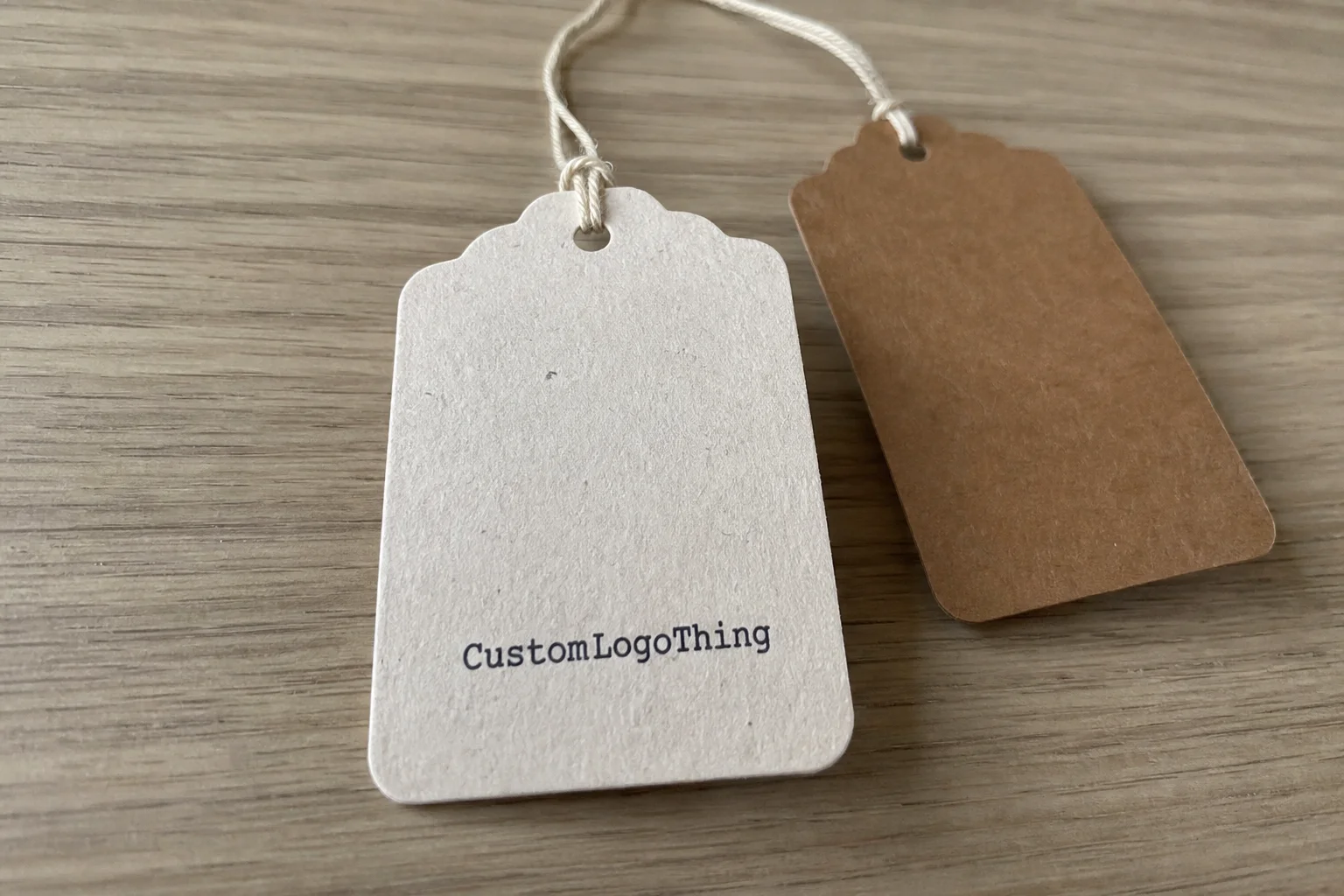
A hang tag is often the first physical touchpoint a buyer has with the product. On a crowded peg, rack, or display table, the tag does brand work before the item is even lifted. Thin stock suggests budget. Dense, crisp stock suggests control. Most shoppers do not articulate that logic, but they react to it immediately.
Inconsistency is the fastest way to lose perceived value. Misaligned holes, muddy black text, soft color, and wrinkled stock read as poor control. None of those flaws requires a trained eye. Retail buyers notice them too, because they compare products under harsh lighting and limited time.
Good tag design is not about adding more elements. It is about hierarchy. The brand name, product name, price point, care notes, and SKU should each have a clear place. White space matters because it keeps the tag from collapsing into visual noise. Contrast matters because it determines whether the tag can be read from arm’s length.
A tag earns its space if it helps the buyer understand what the product is, why it costs what it costs, and what to do next. If it cannot do that, it is only paper tied to inventory.
End use should drive the spec from the beginning. A premium candle tag has different priorities than a garment tag or a gift box insert. Moisture exposure, repeated handling, and assembly methods all change the right material choice. If a tag will be tied through a loop, handled on a sales floor, or packed into a shipping carton, the build has to reflect that use case.
For Brands That Sell through several channels, consistency matters across the board. Storefront retail, ecommerce inserts, and wholesale shipments should use the same visual logic, even if the quantities change. That is one reason wholesale buyers often ask for the tag spec before approving a new line. If your team works across channels, Wholesale Programs can help frame repeat orders, production planning, and the way tags integrate with the rest of the package.
Materials, Shapes, and Finishes That Fit the Product
Paper stock is the first decision that shapes the finished result. Coated cover stock delivers sharper color, tighter detail, and a smoother surface. It suits fashion, accessories, cosmetics, and other products where graphics carry a lot of the selling burden. Uncoated stock feels warmer and more tactile. It fits heritage brands, artisan goods, and natural products that want a quieter presentation.
Heavier stocks feel more premium, but weight should match the product rather than chase a generic luxury signal. A 14pt or 16pt tag is enough for many retail uses. A 18pt or 24pt tag gives more stiffness and tends to survive handling better, especially on higher-priced items. Synthetic stock is worth considering only when durability matters more than paper feel, such as moisture exposure, outdoor use, or repeated reuse.
Shape changes both the look and the cost. Rectangles are the most economical because they are simple to print and cut. Rounded corners reduce edge wear and soften the presentation. Custom die-cuts can create a signature shape, but they add tooling and setup time. Folded tags expand space for storytelling and operational details, though they also add assembly steps. Oversized statement tags can work well, but only if the product needs that shelf presence and the budget supports it.
Finishes should support the product, not compete with it. Matte lamination reduces glare and feels restrained. Gloss can intensify color, but it also shows scuffs more quickly. Soft-touch coating adds a velvety feel and is often used for premium cosmetics, apparel, and gift products. Foil, embossing, and spot UV create emphasis points, yet each one should earn its cost. If the typography already carries a lot of energy, too many effects can make the piece feel crowded.
Attachment hardware matters too. String color, fastener type, and hole placement all affect how the tag hangs in use. Cotton cord feels natural. Elastic loops work well for some accessories. Plastic loop fasteners are efficient for larger runs. Hole size and location are not minor details. Too close to the edge, and tear-out becomes a real risk. Too large, and the tag can hang crooked or look unbalanced.
For buyers evaluating sustainability claims, paper sourcing and finish selection should line up with the message. FSC-certified paper is a credible option for responsible sourcing, and it is easier to explain than vague green language. If you need chain-of-custody or certification context, review the standards at FSC before locking the spec. If the tags need to survive transit or distribution stress, packaging testing resources from ISTA can help frame durability expectations.
Specifications to Lock In Before You Place the Order
The cleanest order starts with the cleanest spec. Before production, confirm finished size, bleed, safe area, hole diameter, print sides, stock thickness, and color mode. If any of those are still moving, the quote will be vague and the proof stage will stretch out. Small changes become schedule risk faster than most buyers expect.
Artwork should include the operational details that are easiest to forget. SKU fields, barcodes, QR codes, price zones, care instructions, batch numbers, and regulatory copy all need planned space. If the tag carries both branding and function, the hierarchy needs to be obvious. Put the product identity where the eye lands first, then place machine-readable items where they scan cleanly without crowding the layout.
Line extensions add another layer of complexity. A brand may need one size for small goods, another for apparel, and a third for boxed sets. That is normal. The mistake is assuming one master file can handle every version without adjustment. A better approach is to create one core template, then build controlled variants that preserve color, type, and hole position.
Repeat orders reward discipline. Color drift between runs is expensive to fix after the fact. Trim drift causes problems too, especially when tags must align with pre-punched holes, sewn loops, or assembled packaging. If a buyer expects to reorder later, the original spec should be preserved exactly. “Close enough” creates avoidable waste.
If the tag must match an existing product line, send a sample or a high-resolution photo of the current tag with the file. That reduces guesswork and helps the printer determine whether the new order is a true match or only visually similar. A good production team can work with either, but only if the reference is clear.
Spec discipline also shortens approval cycles. A clear dieline, final copy, and confirmed quantity move the proof faster. Vague instructions do the opposite. The hour spent resolving details up front usually saves days later.
Order Hang Tags: Pricing, MOQ, and Unit Cost Drivers
When you order hang tags, price depends on more than quantity. Stock choice, ink coverage, die cutting, variable data, and attachment assembly all change the total. A simple one-color tag on standard cover stock can be efficient at scale. A tag with foil, spot UV, custom shape, and stringing is a very different production job.
MOQ is not a random hurdle. It is the point where setup cost, press time, and finishing labor begin to make sense across the run. Lower quantities usually raise the unit price because the setup is spread over fewer pieces. Larger quantities usually bring the per-tag cost down quickly, especially when the artwork, stock, and finish stay stable.
Buyers should compare quotes by spec, not by headline number. One vendor may quote a lower price and leave out stringing, packing, or freight. Another may include those items and appear more expensive on paper while actually showing the truer total cost. The clean comparison is the same size, same stock, same finish, same quantity, and same delivery assumption.
| Example Tag Spec | Typical Quantity | Estimated Unit Cost | Best Fit |
|---|---|---|---|
| 2" x 3.5" C1S, one-color front, hole punched, no finish | 500 | $0.45-$0.85 | Small launches, samples, short seasonal runs |
| 2" x 3.5" 14pt coated, full color, matte lamination, hole punched | 2,500 | $0.16-$0.32 | Retail apparel, accessories, reorderable lines |
| Custom die-cut 16pt, full color, soft-touch, foil detail, stringing | 10,000 | $0.08-$0.22 | Premium collections, wholesale programs, larger launches |
Those ranges are not universal. They move with ink coverage, version count, packaging method, and freight. Even so, they give buyers a useful frame. If a quote lands far outside those bands, the reason should be visible. It may use a specialty substrate, heavy ink coverage, custom packing, or kitting by SKU.
Quote price and landed cost are not the same thing. If tags arrive unstrung and your team has to assemble them, that labor belongs in the comparison. If they need to be packed by variant or shipped to multiple locations, those costs belong too. A fair comparison includes the whole job, not only the print line.
Production Steps, Proofing, and Lead Time Expectations
The normal production flow is straightforward: quote, file review, proof creation, approval, printing, finishing, inspection, and packout. Most delays begin before the press runs. Missing fonts, low-resolution art, unresolved color values, and unclear dielines are the usual causes.
Proofing moves quickly when the file is print-ready and the specs are settled. If the file needs cleanup, the schedule stretches. For standard paper tags, 7 to 12 business days after proof approval is a practical expectation in many production environments. Foil, custom cutting, variable data, or assembly can extend that to 12 to 18 business days, and sometimes more if the order is complex or the schedule is full.
Rush orders can work, but they are easiest to execute when the request is narrow. One size, one stock, one finish, one version. The more variables you add, the more the timeline bends. That is production math, not a sales line.
Approval discipline matters as much as production capacity. If a buyer waits on internal signoff, the whole timeline moves. If quantity changes after proof approval, the order may need another check. If a last-minute legal edit appears, the schedule can reset. Those risks are normal, but they should be understood early.
One useful safeguard is to identify the launch date, warehouse receiving date, and assembly date before the order is placed. The tag should reach the supply chain with enough slack for intake, sorting, and any final bagging or tagging work. A supplier that asks for those dates is usually thinking like a production partner, not just a quote desk.
If the order includes special handling, such as pre-sorted packs by SKU or unit counts by variant, build that into the schedule from the start. The finishing line is usually where small tasks become time-consuming. A simple print job can be fast. A simple print job plus sorting can be much slower.
What a Strong Hang Tag Supplier Should Prove
A strong supplier proves control, not hype. Color consistency across reorders, prepress checks that catch obvious issues, clear proofing, and direct communication matter more than polished sales language. If a vendor cannot explain what is included, what is excluded, and what changes the price, the quote is not ready.
The better suppliers know where the process tends to fail. They ask about bleed, hole location, barcode size, and attachment method because those details affect production. They do not wait for the buyer to discover a problem after approval. That kind of discipline is especially useful for brands that reorder through the year and need exact matches.
From the buyer side, the goal is fewer surprises. That means stable specs, repeatable output, and a clean handoff from proof to press. It also means the supplier can explain the difference between a nice-looking sample and a production-ready order. Those are not the same thing.
Look for evidence of process, not just promises. If a supplier can show how they check artwork, how they handle revisions, and how they confirm final specs before production, that is more useful than broad claims about quality. The same logic applies whether the order is for hang tags, labels, or broader packaging support.
For teams managing multiple SKUs, repeatability is the real test. The right partner can produce the same tag six months later without color drift, hole drift, or finish drift. That matters more than a one-time low quote. If your line is growing, structured ordering can make planning easier and reduce rework, especially when paired with FAQ resources that answer common setup questions before the order goes live.
What to Send Next for a Faster Quote and Clean Approval
If you want a Fast, Accurate Quote, send the finished size, quantity, stock preference, finish, attachment method, artwork file, and delivery ZIP. Those seven inputs do most of the work. Without them, the reply will either be tentative or require back-and-forth that slows the order down.
Reference material helps too. A photo of the current tag, a previous order number, or a packaging file from the same product line gives the supplier context that a PDF alone may not show. That matters when the new order needs to match an existing run or fit an established retail presentation.
Variable data needs extra attention. If the tag includes barcodes, QR codes, serials, or price fields, define the format before proof approval. Confirm whether the code should scan from a label printer, a retail scanner, or a phone camera. The scanning environment changes the size and contrast requirements.
A clean workflow is simple: confirm the specs, review the proof carefully, lock the timeline, then release the job. That sequence reduces revisions and keeps production stable. It also keeps the quote honest, which is what buyers actually need.
If your team is planning a broader package refresh, this is the point to align tags with labels, inserts, and wholesale packaging requirements. That prevents mismatched finishes and saves time later. The more aligned the system is upfront, the less cleanup is required at the back end.
To order hang tags with fewer delays, better pricing visibility, and a cleaner approval cycle, start with the exact spec you want and ask for a quote against that spec only. That is the simplest path from estimate to production without losing control of cost, quality, or timing.
How do I choose the right stock when I order hang tags?
Choose heavier card stock for a premium feel and better stiffness on apparel or accessories. Use coated stock when you need crisp photos, strong color, or a cleaner retail look. Use uncoated or textured stock when tactile feel and a more natural brand impression matter more than high gloss.
What MOQ should I expect for custom hang tags?
MOQ depends on size, print complexity, and finishing, so there is no universal number. Lower quantities usually raise the unit cost because setup is spread across fewer pieces. Request pricing at two or three quantities so you can see where the cost break improves.
How long does proofing and production usually take?
Proofing can move quickly if the artwork is print-ready and the specs are already final. Production time depends on stock, finish, quantity, and whether the order needs custom cutting or assembly. Rush options may be possible, but the fastest path is a clean file and an approved proof on the first round.
Can I include barcodes or variable data on hang tags?
Yes, many hang tags can include barcodes, QR codes, SKU fields, serial numbers, or price data. Confirm the required format, scan size, and numbering sequence before proof approval. For variable data, ask for a proof sample or first-up review so errors are caught before the full run prints.
What information should be printed on the tag?
Start with the brand name, product name, size, and any required care or material information. Add SKU, barcode, QR code, or price if the sales channel needs them. If regulations apply, include the required legal or country-of-origin copy before final proof approval.