A guest may forget the room number by Monday. They may still use the robe, tote, cap, or amenity pouch for years if it feels like a legitimate retail product instead of a disposable giveaway. That gap is where Logo Patches Unit Cost for hotel boutiques becomes more complicated than a single price per piece.
Patch type, backing, stitch density, size, border finish, order volume, and packaging all change the number. So does the product it will live on. A patch made for a pool pouch has a different job than one sewn to a spa robe or pressed onto a staff cap.
The Boutique Detail Guests Notice After Checkout
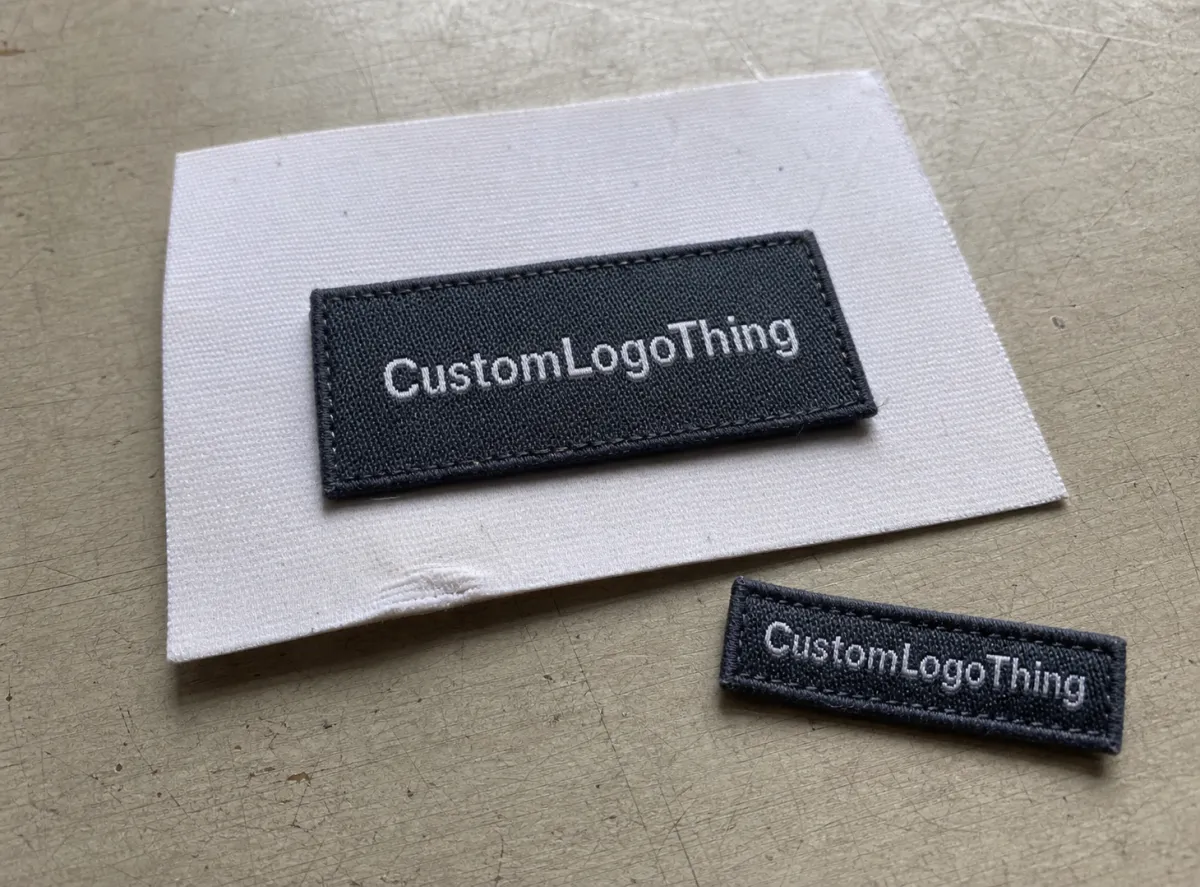
Hotel boutiques sell memory in physical form. A $34 canvas tote, a $68 robe, or a $28 resort cap has to feel connected to the property’s larger brand system: signage, room keys, menus, staff uniforms, linen tags, packaging, and booking screens. A patch is small. Its job is not.
From a branded merchandise buyer’s point of view, patches behave like small-format brand assets. They turn plain inventory into property-specific merchandise. They also help consolidate sourcing because the same base cap, apron, blanket, or pouch can carry different property marks with different patch versions.
Hotel boutiques do not buy like mass retail chains. Runs are smaller. Drops may be seasonal. A coastal property might need PVC patches on poolside accessories before spring break, while a mountain lodge may reorder embroidered patches for beanies before ski traffic peaks. Storage is limited, reorders can be urgent, and brand teams often want local variation without rebuilding the entire merchandise program.
The buyers asking about Logo Patches Unit Cost for hotel boutiques usually are not browsing mood boards. They are purchasing managers, boutique operators, hotel brand teams, spa directors, or merchandise coordinators trying to lock a buy before a launch date. They need to know what construction fits the product, what MOQ is realistic, and which details inflate the final landed cost.
Buyer reality: a patch that saves $0.18 per unit can become expensive if it fails laundering, puckers the fabric, or forces a second application run.
The practical questions come first. Which patch type fits the host product? Which specs are cosmetic, and which affect durability? How much does MOQ change pricing? Where do revision fees and timeline delays appear? Good answers make quoting faster and reduce the chance of buying a patch that looks right on screen but wrong on the merchandise.
Patch Types That Fit Hotel Boutique Merchandise
Patch construction should follow the host product. Not the other way around. A dense embroidered patch can look excellent on a structured cap and wrong on lightweight linen. A fine woven patch can make a minimalist logo crisp on an amenity pouch, yet feel too flat on a heritage robe.
| Patch type | Best hotel boutique use | Practical buying note |
|---|---|---|
| Embroidered | Caps, aprons, robes, golf polos, staff-facing retail apparel | Strong perceived value; stitch density affects cost and flexibility |
| Woven | Small text, fine-line logos, minimalist tote labels, garment bags | Better detail than embroidery at small sizes; thinner and cleaner |
| Chenille | Varsity-style sweatshirts, limited resort drops, collegiate-inspired merchandise | Thick texture; poor choice for tiny lettering or delicate fabrics |
| PVC | Poolside bags, outdoor resort gear, luggage accessories, beach retail | Water-resistant feel; molds and specialty colors may add setup charges |
| Leatherette | Luggage tags, denim, premium caps, blankets, wine totes | Upscale look; check heat sensitivity and cleaning method before choosing backing |
| Printed | Gradient artwork, photographic designs, art collaborations, event editions | Good for complex color; abrasion and wash exposure need review |
| Hybrid | Premium gift shop apparel, capsule collections, high-margin accessories | Combines texture and detail; more variables can mean longer proofing |
Embroidered patches remain a reliable option for boutique caps, aprons, heritage-style robes, and classic resort apparel. A thick merrowed embroidered patch can make a mid-cost cap feel more premium. Woven patches, by contrast, suit sharp typography, small property names, and modern hotel marks that would blur if translated into heavy thread.
PVC fits products that meet water, sunscreen, sand, and outdoor handling. Think pool bags, beach pouches, paddle club accessories, or children’s resort merchandise. Leatherette works well for a quieter premium signal: luggage tags, denim jackets, blanket corners, or wine totes in a lobby shop.
Printed patches should not be dismissed. For gradients, photographic art, local artist collaborations, or complicated destination graphics, printing may preserve the design better than thread. The tradeoff is durability planning. A printed patch on a display-only limited item is different from a printed patch on a robe that may be laundered dozens of times.
The common error is choosing the patch in isolation. Buyers should weigh fabric weight, wash exposure, guest touch frequency, application method, and resale price. A bulky patch on fine linen can pull the garment out of shape. A delicate printed patch on a high-laundry spa item can age quickly. The better question is blunt: what will this product experience after sale or use?
Specifications That Change Appearance, Durability, and Fit
Before asking for pricing, define the variables. Size. Shape. Patch type. Thread colors. Background material. Border style. Backing. Artwork complexity. Quantity. Packaging needs. Missing one of these can turn a fast estimate into a chain of revisions.
Size drives more than material area. A half-inch increase may change stitch time, packing count, and machine efficiency, especially on high-stitch embroidered designs. A 2-inch woven label and a 3-inch embroidered crest are not separated by “just one inch” in production terms. The construction changes the math.
Border choice matters as well. A merrowed border creates a raised, classic edge and works well on circles, ovals, rectangles, and shield shapes. Laser-cut or heat-cut borders are cleaner for irregular hotel logos, script marks, mountain silhouettes, palm outlines, or architectural shapes. Merrowed edges look traditional. Heat-cut edges look more controlled on modern branding.
Backing is another cost and performance lever:
- Sew-on backing: best for premium apparel, robes, blankets, caps, and items that need durability through cleaning.
- Iron-on backing: useful for light retail applications, but it depends on fabric compatibility, heat settings, and pressure.
- Adhesive backing: suitable for temporary placement, sampling, event use, or positioning before sewing; not a long-term wash solution.
- Hook-and-loop: practical for operational uniforms, tactical-style resort gear, and interchangeable staff roles.
- Heat-press backing: efficient for certain production workflows, provided the garment tolerates temperature and pressure.
Color control can look minor until the patch arrives next to signage, room collateral, or a spa menu. Pantone references help. Thread charts help. Physical samples help more, especially for brand colors that sit between common thread shades. The same navy can read corporate on a screen, coastal on canvas, and almost black on dense embroidery.
For sustainability-driven merchandise programs, buyers may also ask about paper backer cards, recycled packaging options, or certified sourcing claims. The Forest Stewardship Council provides useful context on responsible paper sourcing when retail cards or hang tags are part of the packaging plan.
Durability testing should match hotel use. Laundering. Abrasion. Chlorinated environments. Steam. Sun exposure. Repeated guest handling. A robe patch has a harder life than a luggage tag displayed on a shelf, and a poolside pouch faces a different risk profile than a conference tote.
A good quote packet includes the logo file, intended product, patch location, expected wash method, annual quantity estimate, and target retail price. That last number matters. A patch for a $12 giveaway pouch should not be specified like a patch for a $95 boutique sweatshirt.
Logo Patches Unit Cost for Hotel Boutiques: What Drives the Number
Logo Patches Unit Cost for hotel boutiques is shaped by a stack of production variables: patch type, dimensions, order quantity, thread count or material complexity, color count, backing, border, sampling, packaging, and shipping destination. Two patches with the same logo can price very differently if one is a 2-inch woven sew-on label and the other is a molded PVC patch with custom colors and hook backing.
Unit cost usually declines as volume rises because artwork setup, digitizing, machine setup, and production preparation are spread across more pieces. That is the basic logic behind bulk pricing. If setup work costs the same whether the order is 100 or 1,000 pieces, the smaller run carries a heavier share of that fixed work.
Actual price ranges vary by supplier, artwork, and market conditions, but hotel buyers often see simple woven or embroidered patches quoted in the low-dollar range per piece for small runs, then lower at higher quantities. Specialty PVC, chenille, leatherette, metallic thread, custom shapes, retail packaging, or rush production can push costs upward. Treat any range as a planning tool, not a substitute for a spec-based quote.
The lowest unit cost is not always the lowest total cost. If a patch fails laundering, looks inconsistent on premium merchandise, or creates rework during application, the buyer pays in labor, damaged inventory, and launch delays. For hotel boutiques, retail credibility can be worth more than shaving a few cents from the label.
| Cost driver | Typical impact on cost per piece | Buyer control point |
|---|---|---|
| Order quantity | Higher quantities usually reduce unit cost | Ask for launch, reorder, and multi-property tiers |
| Patch size | Larger patches use more material and may require more machine time | Measure placement area before quoting |
| Stitch density or material complexity | Dense embroidery, molded PVC, and hybrid builds may cost more | Simplify tiny details where possible |
| Backing | Heat seal, hook-and-loop, or specialty adhesive can add cost | Match backing to fabric and application method early |
| Packaging | Individual polybags, backer cards, or kitting add labor | Specify retail packing only where it adds value |
| Shipping | Rush freight and split shipments can change total landed cost | Consolidate destinations when practical |
As a broad buying framework, embroidered and woven patches are often efficient for repeated hotel boutique orders. PVC, chenille, leatherette, and specialty finishes can carry higher tooling fees, setup charges, or material costs, especially for small-batch work. That is not a warning against them. It is a reminder to align construction with margin.
MOQ depends on the patch type and production route. Small boutique drops can often be quoted, but larger runs generally unlock better per-piece economics and easier replenishment planning. A property ordering 150 patches for a seasonal sweatshirt drop may care most about flexibility. A hotel group planning 3,000 tote patches across several properties should focus on cost stability, version control, and reorder consistency.
Hidden cost triggers deserve scrutiny: urgent timelines, multiple artwork versions, individual polybagging, custom backer cards, exact Pantone matching, complex die-cut shapes, and split shipments to several properties. The first line of a quote is only part of the story. The landed cost is the better comparison.
Compare the patch against retail price and product margin. A $0.85 patch on a $38 tote may be easy to justify if it raises perceived value and makes the item feel property-specific. A $2.40 patch on a $9 amenity pouch may be harder unless the pouch is part of a premium suite program or paid retail set.
MOQ, Quote Inputs, and How to Avoid Revision Fees
An accurate quote needs specific inputs: patch type, size, quantity, backing, border, artwork file, target delivery date, shipping address, and whether application service is needed. Without those, any number is provisional.
There is a difference between an estimate and a production quote. A rough estimate can be issued quickly using approximate size, construction, and quantity. Confirmed pricing depends on final artwork, dimensions, specifications, delivery requirements, and proof or sample approval.
MOQ strategy should account for more than the first retail display. Include current inventory, staff replacements, restocks, event merchandise, and a buffer for damaged or misapplied pieces. For heat-applied or sewn patches, a 3% to 7% overage is often a practical cushion, depending on application complexity and operator experience. Not always. But it is a sensible planning range for small boutique runs.
Hotel groups can sometimes reduce unit cost by consolidating related orders. Shared brand elements may be grouped while property names, colorways, or location lines remain separate versions. The production benefit depends on how much actually stays common across the designs. A shared shape and base thread palette helps more than six completely different art files.
Revision fees and delays tend to come from preventable gaps: low-resolution logos, unclear brand colors, missing dimensions, late backing changes, or changing from sew-on to heat-press after sampling. A backing change is not administrative. It can alter testing, application instructions, and production routing.
Use this request-for-quote template to reduce back-and-forth:
- Product type: robe, cap, tote, pouch, blanket, uniform, luggage tag, or other item
- Patch size: width and height in inches or millimeters
- Quantity tiers: for example, 250 / 500 / 1,000 pieces
- Deadline: decision date and required in-hands date
- Destination: one address or multiple properties
- Artwork: vector file preferred, plus Pantone references if available
- Application method: sew-on, heat-press, iron-on, adhesive, hook-and-loop, or undecided
- Packaging: bulk packed, counted bundles, individual bags, or retail cards
Custom Logo Things works best as a fact-first quoting partner. The useful conversation is not “Which patch is cheapest?” It is “Which construction meets the use case, protects the product margin, and avoids avoidable rework?” That framing produces better specifications and fewer surprises after proof approval.
Production Process and Timeline From Artwork to Delivery
The production path is usually straightforward, but each step has decision points. Inquiry review. Specification confirmation. Artwork cleanup or digitizing. Digital proof. Physical sample if required. Bulk production. Quality control. Packing. Shipment.
Simple woven or embroidered patch orders can move faster than specialty PVC molds, chenille builds, custom leatherette shapes, or multi-version property assortments. Complexity adds proofing time. Sampling adds calendar time. Split shipments add coordination.
Proofing is the buyer’s strongest control point. Check spelling, property name, color references, border shape, backing, final size, and the way stitches or materials interpret the artwork. A digital logo can contain gradients, hairline strokes, and tiny text that do not translate directly into thread, PVC, or leatherette engraving.
Digital proofs are efficient for straightforward jobs. Physical samples are valuable for premium retail merchandise, exact brand colors, unusual fabrics, or large-volume orders. A sample can reveal whether a 2.5-inch patch is too dominant on a robe chest or whether a woven label needs more contrast on dark canvas.
Hotel launch planning should work backward from real dates: opening events, spa launches, golf tournaments, conference groups, seasonal retail drops, or holiday boutique windows. If patches will be sewn or heat-applied to garments, the schedule must also include apparel sourcing, decoration production, inspection, folding, tagging, and final packing.
Approvals are the largest controllable timeline variable. Delayed feedback can push the job more than the production floor itself. A buyer who approves a proof within 24 hours keeps options open. A buyer who waits five business days may lose the desired freight or application slot.
For distribution-sensitive orders, packaging and transit testing principles can be useful, especially if patched merchandise ships to multiple properties or retail displays. The International Safe Transit Association publishes test procedures that help brands think more carefully about transport risks, even for smaller branded goods programs.
Quality Controls for Boutique-Grade Hotel Branding
Hotel boutique patches need retail-grade consistency because guests compare the product with the property’s broader brand experience. A patch that looks crooked, frayed, or off-color can make a $72 sweatshirt feel like surplus promo merchandise. Harsh, but true.
Quality checks should cover size tolerance, thread consistency, edge finish, color accuracy, backing adhesion, stitch clarity, shape alignment, surface defects, and packaging count. For bulk orders, count accuracy matters because shortages may not appear until the decorator is halfway through application.
Material compatibility is a frequent blind spot. A patch that looks excellent on denim may not sit properly on terry cloth, linen, lightweight cotton, or performance fabric. Terry loops can make edges appear uneven. Stretch knits can pucker around dense embroidery. Performance fabrics may resist heat or show press marks.
Needle detection may matter for sewn products, especially if merchandise enters a controlled retail or hospitality supply chain. Care label alignment matters too. If the garment says low heat only, a heat-press patch requiring higher temperature is a conflict. Laundering instructions should be consistent with both the patch and the host product.
Standards thinking helps buyers ask sharper questions. ASTM methods are often used across textiles and materials testing, while ISTA procedures guide packaged-product transit evaluation. For paper-based retail packaging or backer cards, FSC certification can support responsible sourcing claims. None of these replaces a product-specific test, but they create a more disciplined conversation.
Custom Logo Things can help select construction based on end use: a wash-heavy robe, an occasional-use tote, a display-only limited edition item, or a staff uniform with daily wear. Catalog preference is secondary. Function comes first.
Investigative comparison: the patch is often one of the smallest cost components on a garment, yet one of the most visible signals that the product belongs in a premium hotel retail environment.
That visibility is why Logo Patches Unit Cost for hotel boutiques should be evaluated against brand risk, not only against the cheapest available quote.
Next Steps to Order the Right Patch Without Overbuying
Start with the merchandise item. Measure the available placement area. Decide the patch style. Select backing. Estimate quantity. Gather brand files. Then request a quote. That sequence prevents the common problem of pricing a patch that later proves too large, too stiff, or wrong for the fabric.
Ask for tiered pricing at practical quantities. A launch quantity, a reorder quantity, and a multi-property quantity will show where unit economics improve. For example, a buyer might compare 250, 500, and 1,000 pieces rather than asking for one number in isolation. The price break may justify ordering ahead, or it may show that a smaller run is the better cash-flow decision.
Separate the decision deadline from the in-hands date. Those are not the same. The decision deadline is when artwork, specs, and proof approval must be complete. The in-hands date is when the patches or finished goods must arrive. Confusing the two compresses production and often increases freight costs.
Order a small overage for boutique reorders, staff replacements, display samples, and application loss, especially for seasonal or property-specific artwork. If a limited-edition patch cannot be reordered quickly, a short count becomes a retail problem. Ten extra patches can protect a display, a damaged garment, or a late VIP request.
Send photos of the host product or fabric if available. Scale and backing suitability are easier to judge visually. A flat vector logo does not show robe pile height, canvas texture, cap curvature, or the narrow usable space on a pouch flap.
To price logo patches unit cost for hotel boutiques accurately, send Custom Logo Things your artwork, target size, quantity tiers, backing preference, product use, delivery destination, and timing. A quote-ready spec packet reduces back-and-forth, helps lock MOQ and lead time faster, and gives you a cost per piece you can use for real retail planning.
FAQ
What is the typical logo patch unit cost for hotel boutique merchandise?
Unit cost depends on patch type, size, quantity, backing, border, artwork complexity, packaging, and shipping requirements. Higher quantities usually reduce the cost per piece because setup charges and production preparation are spread across more patches. For an accurate number, request tiered pricing using your expected launch quantity and reorder quantity.
What MOQ should hotel boutiques expect for custom logo patches?
MOQ varies by construction. Embroidered and woven patches are often more flexible than highly specialized PVC, chenille, molded, or hybrid options. Boutique buyers should calculate MOQ around retail inventory, staff use, replenishment, and a small overage for application loss. If several properties share brand elements, combining quantities may improve pricing.
Which logo patches work best for hotel robes, caps, and tote bags?
Embroidered patches work well for caps, aprons, heritage-style robes, and classic retail pieces. Woven patches are better for small text, fine lines, and minimalist hotel logos. PVC or leatherette patches can suit outdoor, resort, or premium lifestyle merchandise, depending on fabric, wash exposure, and guest handling.
How long does custom patch production take for hotel boutique orders?
Timeline depends on artwork readiness, proof approval speed, patch type, sampling needs, order size, and shipping destination. Specialty materials, physical samples, urgent deadlines, and multi-property versions can add time. Buyers should plan backward from launch dates, events, seasonal retail drops, or hotel opening schedules.
Can I get a quote for hotel boutique patches before finalizing artwork?
Yes. A preliminary estimate can be provided using approximate size, patch type, quantity, and backing. Final pricing requires confirmed artwork, dimensions, specifications, and delivery details. Providing vector files, Pantone colors, placement photos, and quantity tiers reduces revisions and speeds up quoting.


