Logo Patches Unit Cost for Book Merch Brands: Buy Smart
Your Reader Merch Patch Can Cost Less Than the Hangtag
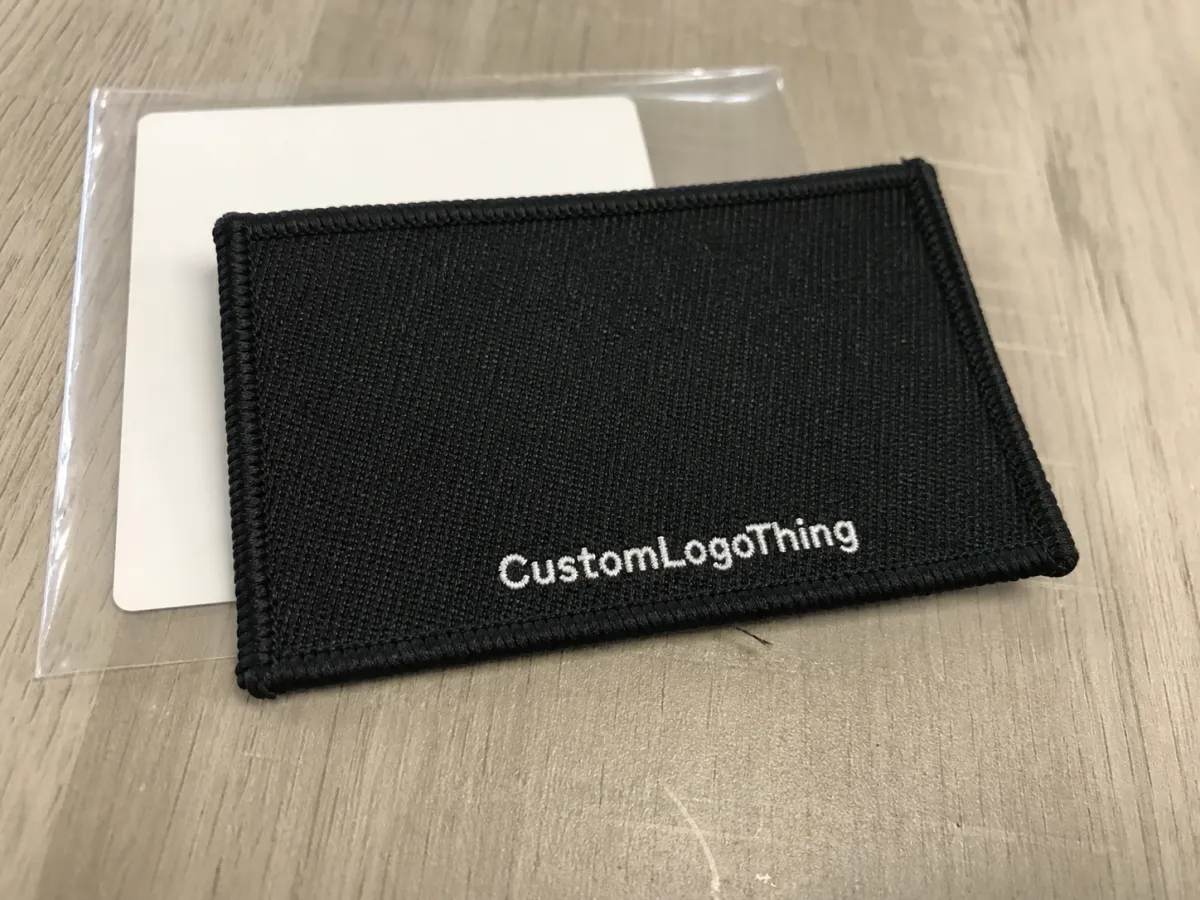
Book Merch Brands often scrutinize the hoodie blank, tote weight, cap profile, and mailer design, then treat the patch as a rounding error. That is backwards. Logo Patches Unit Cost for book merch brands is shaped by patch type, size, backing, edge finish, stitch density, color count, quantity, and packaging. The artwork matters, but production choices decide the bill.
The patch is also one of the first details readers photograph. Book club buyers zoom in on crests and quotes. Convention shoppers touch the patch before they check the care label. A weak patch can make a decent sweatshirt look like leftover blank inventory with a decoration slapped on it.
The buying scenarios are specific: author merch drops, book club kits, fantasy series apparel, bookstore collaborations, reader convention goods, subscription box items, ARC team gifts, and limited-edition fan bundles. Each one has different margin pressure. A preorder hoodie can usually carry a better patch than a low-cost giveaway packed inside a book box.
A good patch helps a hoodie, tote, cap, beanie, denim jacket, book sleeve, or bookmark pouch feel intentional. Most book merch is not cut-and-sew fashion. It is decorated goods. The decoration has to carry more of the identity.
Spend where the reader notices. A $0.70 patch can raise perceived retail value more than upgrading a blank by $4, if the patch carries the fandom mark, quote, crest, or author logo cleanly.
The practical math is simple. A patch can add collector energy without pushing a brand into expensive custom apparel production. Use the patch to create identity, not just decoration.
Below is the pricing logic buyers need before quoting a patch order: what changes cost, which specs matter, what MOQ is realistic, how proofing works, and where cheap decisions become expensive mistakes. “Make it premium but cheap” is not a production spec. It is a wish with a purchase order attached.
Logo Patches Unit Cost for Book Merch Brands: What Changes the Price
The main pricing drivers are patch style, size, quantity, color count, border type, backing, packaging, and application method. Shipping also matters. So do setup charges. If a quote looks magically low, check what is excluded before celebrating.
For simple woven or printed patches, small runs may land around $0.85-$2.50 per piece, depending on size and quantity. Larger runs can drop lower, especially at 500 or 1,000 pieces. Detailed embroidered patches often sit around $1.25-$4.00 per piece. Chenille, faux leather, PVC, metallic thread, special shapes, and retail packaging can push higher, sometimes $3.00-$7.00+ for small or complex orders.
Those are working ranges, not guaranteed quotes. A 2-inch woven patch with two colors at 500 pieces is a different animal from a 5-inch chenille crest with six colors, adhesive backing, and individual bags. Anyone pricing both the same way is either confused or hiding the pain until later.
| Patch Type | Best Use | Typical Cost Per Piece Range | Common Extra Cost |
|---|---|---|---|
| Woven | Small text, fine lines, author marks | $0.85-$2.75 | Laser-cut shapes, tight color matching |
| Embroidered | Bold logos, crests, icons | $1.25-$4.00 | High stitch density, metallic thread |
| Printed | Cover art, gradients, illustrations | $0.75-$2.50 | Special fabric base, coating |
| Faux Leather | Caps, totes, minimalist branding | $1.20-$3.75 | Debossing, custom shape |
| Chenille | Varsity-style fandom drops | $2.50-$7.00+ | Large size, layered embroidery |
| PVC | Outdoor bags, waterproof gear | $2.00-$6.50+ | Tooling fees, 3D mold details |
Quantity breaks are real. At 50 pieces, unit cost is usually high because setup work gets spread across a tiny run. At 100 to 300 pieces, the math improves. At 500+ pieces, factory efficiency starts showing up, especially for woven, embroidered, and printed patches.
Setup costs may include digitizing, mold fees, screen setup, sample fees, and artwork cleanup. Some suppliers build those costs into the unit price. Others show them separately. Neither method is automatically bad. Compare landed cost, not the prettiest line item.
For book merch, construction should follow the design. Woven patches handle crisp typography. Embroidered patches create classic texture. Faux leather works for understated premium merch. PVC is useful for waterproof outdoor-reader gear. Chenille fits big varsity-style fandom pieces.
False economy gets ugly fast. Choosing the cheapest embroidered patch for tiny serif lettering is how a brand ends up with unreadable author logos. Cheap is cute until the book title looks like a sneeze.
Shipping and import timing belong in the real unit cost, not buried at the end like a surprise villain. Ask for production time, transit method, and whether duties or taxes are included. The number that matters is what lands at your door in time for packing.
Patch Types That Actually Work for Bookish Apparel and Accessories
Buyers do not need a catalog lecture. They need to match patch type to product. A beanie patch, tote patch, and convention jacket patch should not automatically use the same construction.
Embroidered patches for classic fandom marks
Embroidered patches are best for bold logos, icons, simple bookish symbols, author initials, guild crests, genre badges, and classic apparel branding. They have raised thread texture and a familiar retail feel. For a 2.5-inch patch with moderate coverage, pricing often improves sharply around 300 to 500 units.
The catch? Thread has thickness. It cannot reproduce every hairline, tiny serif, or detailed map line. If your author logo relies on 0.1-inch letters, embroidery may punish you.
Woven patches for readable text and fine details
Woven patches are often the first option to review for book title text, quotes, small author names, maps, tiny book spines, fine symbols, and detailed line art. The surface is flatter than embroidery, but the detail control is better.
If readable text under 0.25 inches tall is required, ask about woven or printed patches first. Embroidery has limits. Thread is not a laser printer.
Printed patches for cover art and full-color graphics
Printed patches work well for full-color cover art, gradients, watercolor effects, illustrated characters, and short-run promotional campaigns where exact artwork matters more than texture. They can handle more colors without turning every shade into a thread decision.
For book launch campaigns, printed patches can be practical because they keep the design close to the cover art. Check fabric choice, print durability, and wash expectations before using them on apparel. A patch on a canvas pouch has a different life than a patch on a sweatshirt that may go through weekly laundry.
Faux leather patches for quiet premium branding
Faux leather patches are strong for minimalist author branding, bookstore merch, tote corners, caps, journals, and premium reader gifts. Debossed, embossed, or printed details can look polished without shouting.
They pair well with canvas totes, twill caps, denim, kraft packaging, and neutral apparel. If the merch program uses FSC-aligned paper packaging around premium goods, buyers can review sourcing standards through FSC.
Chenille patches for bold varsity-style fandom
Chenille patches are not subtle. That is the point. Use them for oversized varsity letters, fantasy teams, school-of-magic concepts, romance trope badges, cozy sweatshirt drops, and collector pieces where texture drives the sale.
They cost more because they are bulkier, slower to produce, and often larger. A 5-inch chenille patch will not behave like a 2-inch woven label. Plan packaging and shipping volume accordingly.
PVC patches for waterproof accessories
PVC patches are best for outdoor bags, waterproof pouches, travel accessories, genre brands with bold icons, and bright color marks. They can be flexible, durable, and easy to wipe clean.
They can also involve tooling fees, especially for custom molds or raised 3D detail. For 50 pieces, that fee hurts. For 1,000 pieces, it spreads out better. That is basic bulk pricing, not supplier drama.
Specifications to Lock Before You Ask for a Quote
Before asking for pricing, prepare the specs that actually affect it. A vague “how much for patches?” request will get a vague answer. Or worse, a cheap answer that falls apart under real production details.
- Patch size: width and height in inches or millimeters.
- Shape: circle, rectangle, oval, square, shield, or custom die-cut.
- Artwork file: vector file preferred for logos; high-resolution raster for printed art.
- Color count: include Pantone references if brand color matters.
- Quantity: ask for 100, 250, 500, and 1,000 if budget allows.
- Backing: sew-on, iron-on, adhesive, hook-and-loop, or no backing.
- Edge finish: merrowed border, laser-cut edge, heat-cut edge, or stitched border.
- Application method: sewn by apparel supplier, factory-applied, sold loose, or packed as a collectible.
- Packaging: bulk packed, individually bagged, carded, or retail-ready.
- Deadline: include the delivery date, not just the launch date.
Size affects more than unit cost. Smaller patches use less material, yes, but they can destroy legibility. Larger patches create stronger visual impact but increase material use, stitch time, shipping weight, and sometimes packaging size.
Shape matters too. Standard circles, rectangles, squares, and ovals are usually more cost-efficient. Custom die-cut shapes look more branded, especially for sigils, dragons, moons, keys, swords, or genre icons, but they can add complexity and trimming time.
Edge choice should match the shape. Merrowed borders work well for standard shapes and give that classic patch look. Laser-cut or heat-cut edges are better for custom shapes, sharp corners, and fine silhouettes.
Backing is not an afterthought. Sew-on is best for durable apparel production. Iron-on works for DIY application but depends heavily on fabric and heat press settings. Adhesive is usually temporary. Hook-and-loop is useful for removable patches. No backing can be correct if the patch will be directly sewn into a finished product.
Artwork needs a reality check. Vector files are ideal for logos. High-resolution raster art may work for printed patches. Tiny serif fonts, thin linework, heavy gradients, and distressed textures should be reviewed before quoting. Pantone references help keep author brand colors consistent across patches, labels, stickers, hangtags, packaging, and apparel.
Send the final product use, not just the patch art. A patch for a ribbed beanie and a patch for a 12 oz cotton canvas tote should not always be built the same way. The fabric, wash expectation, placement, and application method all matter.
MOQ, Pricing Tiers, and How to Lower Your Patch Cost Without Making Junk
Many custom patch projects start around 50 to 100 pieces, depending on the style. Better unit pricing usually begins around 300 to 500 pieces. For some patch types, 1,000 pieces is where the cost per piece gets much more comfortable.
The MOQ is not there to annoy you, even though it often feels that way. Factories still have to review artwork, set up machines, prepare thread or material, test edges, apply backing, trim, count, pack, and ship. A 50-piece order carries many of the same setup steps as a 500-piece order.
To lower Logo Patches Unit Cost for book merch brands without making junk, start with practical decisions:
- Simplify the shape if the custom outline does not improve the design.
- Keep dimensions reasonable; 2 to 3.5 inches works for many apparel and tote applications.
- Choose woven or printed for fine text instead of forcing embroidery.
- Skip individual polybags unless retail packing requires them.
- Consolidate SKUs instead of splitting tiny quantities across too many designs.
- Order multiple designs together only if the supplier confirms it helps the quote.
- Ask for bulk pricing at several quantities instead of guessing.
SKU planning gets painful fast. One patch design in three colorways may cost more than one strong design ordered in a larger quantity. Variety is nice. Inventory math is less nice.
Higher-end patches are worth it for premium collector merch, limited edition author bundles, bookstore wholesale programs, convention exclusives, and high-retail apparel. If a hoodie sells for $58, a patch that costs $2.20 but looks retail-ready is not the problem. A weak design or bad placement is.
Basic patches are smarter for launch testing, preorder rewards, ARC team gifts, low-margin swag, and small fan club drops. Not every item needs chenille, PVC, metallic thread, custom carding, and a dramatic unboxing sequence. Sometimes a clean woven patch does the job better.
The cheapest quote may hide compromises: weak adhesive, rough edge finishing, loose threads, muddy detail, off-brand colors, slow production after payment, or no proper proofing step. Ask what is included. Ask what is not included. Then compare like a buyer, not like someone hunting the lowest number in a spreadsheet.
For serious planning, request a quote table at 100, 250, 500, and 1,000 units. That shows the real breakpoints. It also helps decide whether to order for one drop or combine inventory for conventions, online sales, and wholesale kits.
Production Steps, Proofing, and Lead Time for Custom Patch Orders
A normal custom patch order follows a clear path: inquiry, artwork review, quote, digital proof, sample or pre-production approval, bulk production, quality check, packing, and shipping. Skip one of those steps and you may save two days now, then lose two weeks fixing the mess later.
During artwork review, the manufacturer checks line thickness, text size, color count, patch size, border feasibility, backing compatibility, and whether the chosen patch type fits the design. This is where a good supplier can stop a bad decision before it becomes 500 ugly patches.
Proofing is not casual. Review spelling, logo placement, colors, border shape, dimensions, backing, quantity, and orientation. Yes, spelling. Especially book titles, pen names, author names, fictional kingdoms, trope labels, and series terminology. Do not assume the factory knows your dragon empire has two apostrophes and a silent Q.
Physical samples add time and cost, but they reduce risk for large orders, retail launches, detailed artwork, or strict brand colors. A digital proof is faster. A physical sample is safer. Pick based on the financial risk, not impatience.
Lead time depends on patch type and approval speed. Simple woven, embroidered, or printed patches may run around 10-18 business days after proof approval, plus shipping. More complex embroidery, chenille, PVC molds, custom packaging, or physical sample rounds may push production closer to 3-5 weeks. Rush orders can happen, but only with approved art, fast payment, fewer revisions, and realistic transit choices.
Plan earlier for convention season, book launches, subscription box deadlines, holiday bundles, and wholesale delivery dates. If your book box pack-out date is Friday, do not approve patch art on Monday and expect miracles. Production is not fan fiction.
For shipping durability and carton handling, larger merch programs may reference test methods from groups like ISTA, especially if patches are part of a packed kit with books, mugs, apparel, or fragile add-ons. Formal testing is not necessary for every patch order, but packaging stress is real once boxes start moving through carriers.
Quality Checks That Separate Retail-Ready Patches From Giveaway Filler
Patch quality is not one vague promise. It is a list of visible, testable details: readable artwork, correct materials, clean edges, consistent batches, and specs that match the product. Buyers need fewer rejected pieces, cleaner retail presentation, better brand consistency, and easier reorders.
Quality control for patches should include:
- Stitch density: enough coverage for clean texture without puckering.
- Thread trimming: no messy tails across letters or borders.
- Backing adhesion: iron-on or adhesive layers applied evenly.
- Border consistency: smooth merrowed or cut edges without gaps.
- Color accuracy: checked against approved proof or Pantone reference.
- Readable text: especially author names, titles, quotes, and small marks.
- Shape accuracy: consistent die-cut or standard shape across the batch.
- Packaging count: correct quantities per bag, carton, or retail pack.
Book merch needs extra attention because readers notice details. They literally buy words for fun. If a quote patch has a missing comma, a crooked border, or a muddy title line, customers will see it. Then they will photograph it. Great.
Material matching matters. Woven, embroidered, printed, chenille, PVC, and faux leather each solve different problems. The right answer depends on artwork detail, fabric type, retail price, wash expectation, and launch timeline.
Related branding pieces can also affect how the patch is perceived: clothing labels, hangtags, stickers, belly bands, mailer inserts, dust bags, and merch packaging. For examples of how coordinated branding decisions show up across finished projects, review the Case Studies. The point is not to decorate everything to death. The point is to make the launch feel planned.
Clear manufacturing communication reduces expensive guessing. Good specs, realistic pricing, proofing before production, and honest budget guidance make a real difference. If the target price is tight, say it early. A capable supplier can suggest size changes, patch type swaps, simplified edges, or packaging cuts before the order turns into a margin problem.
Build a Patch Quote That Matches Your Merch Drop
Before requesting a quote, gather the basics. You do not need a 40-page brand manual, but you do need enough information for useful pricing.
- Patch artwork or logo file, preferably vector for logos.
- Desired size or approximate placement area.
- Product use: hoodie, cap, tote, jacket, beanie, book sleeve, pouch, or loose collectible.
- Quantity range, ideally with two targets.
- Backing preference: sew-on, iron-on, adhesive, hook-and-loop, or no backing.
- Delivery deadline and shipping destination.
- Brand color references, including Pantone numbers if available.
- Packaging needs, such as bulk packed, individual bags, or retail cards.
Send two quantity targets: one realistic starting order and one stretch quantity. For example, ask for 250 and 500 pieces, or 500 and 1,000 pieces. That shows whether scaling up meaningfully lowers the unit cost.
Include photos or links to the apparel or accessories the patches will be used on. Hoodies, caps, tote bags, denim jackets, beanies, and book sleeves all behave differently. A patch that looks perfect on a flat tote may feel bulky on a soft beanie.
State how the patch will be used. Will it be sewn by your apparel supplier? Applied by the patch factory? Sold loose? Packed inside book boxes? Used as a reader collectible? That answer changes backing, packaging, and sometimes the patch type itself.
A realistic quote should return recommended patch type, size guidance, MOQ, pricing tiers, production timeline, proofing steps, and options to reduce cost without wrecking the final product. For accurate logo patches unit cost for book merch brands, send the actual artwork and use case, not just a vague idea and a prayer.
FAQ
What is a realistic logo patch unit cost for book merch brands?
Unit cost depends on patch type, size, quantity, backing, color count, and complexity. Simple woven or printed patches may run around $0.85-$2.50 in many small-to-mid quantity scenarios, while embroidered patches often sit around $1.25-$4.00. Chenille, PVC, faux leather, oversized designs, special packaging, and small runs can cost more. Ask for pricing at 100, 250, 500, and 1,000 pieces to see where the best break lands.
What MOQ should book merch brands expect for custom logo patches?
Many custom patch orders start around 50 to 100 pieces, depending on the style. Better pricing usually appears at 300 to 500 pieces and above. If you have multiple designs, ask whether combining them helps or hurts the quote before splitting your order into tiny runs.
Which patch type is best for author logos and book title text?
Woven patches are usually best for small text, thin lines, and detailed marks. Embroidered patches work well for bold icons, initials, crests, and simple logos. Printed patches are better for full-color cover art, gradients, or illustrations that need close artwork reproduction.
How long does production take for book merch logo patches?
Simple woven, embroidered, or printed patches may take around 10-18 business days after proof approval, plus shipping. Physical samples, chenille, PVC molds, specialty packaging, complex artwork, and peak-season production can push timelines closer to 3-5 weeks. Order earlier for book releases, conventions, subscription boxes, and holiday merch drops.
How can I lower custom patch pricing without hurting quality?
Use a practical size, simplify the shape, avoid unnecessary packaging, and choose the patch type that fits the artwork. Consolidate quantities where possible instead of splitting into too many small designs. Do not force embroidery on tiny lettering; choosing the wrong construction creates ugly patches, not savings.


