The Small Patch That Can Change a Stationery Unboxing
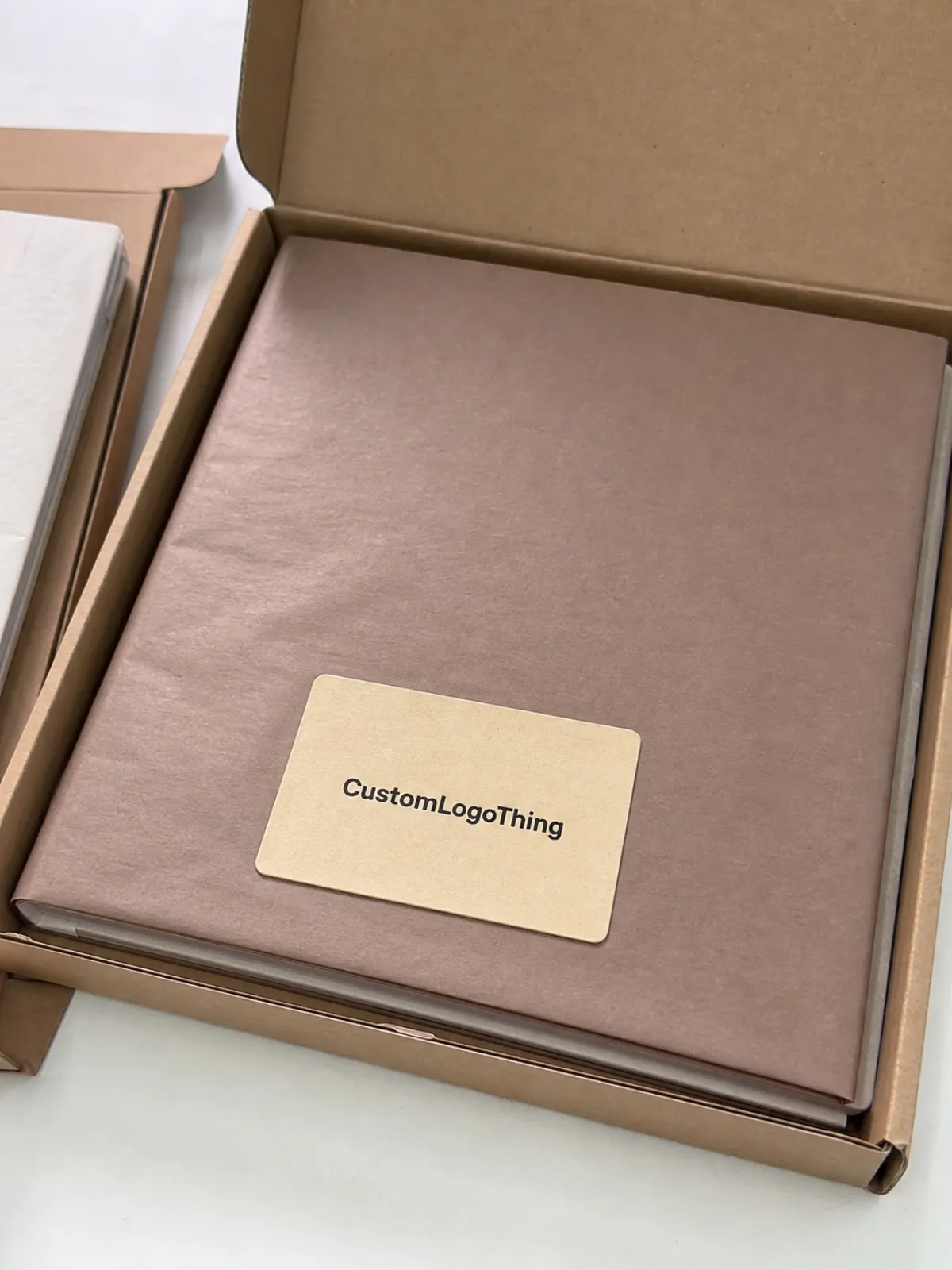
A premium notebook can feel oddly unfinished if the only branding is printed on a sleeve that gets thrown away after ten seconds. That is why logo Patches Unit Cost for stationery brands deserves a real pricing conversation, not a last-minute line item after the box, insert card, and belly band have already been approved.
Stationery buyers notice touch. A woven label on a planner band, a debossed leatherette patch on a journal, or a PVC mark on a reusable desk kit acts less like packaging and more like a product feature. The buyer keeps it. The brand impression stays in circulation.
That changes the math.
Small patches can shift perceived value more than a larger printed graphic because tactile marks feel permanent, collectible, and “owned.” Apparel brands have known this for decades. Stationery brands can borrow the behavior without rebuilding the entire product line.
The applications are practical, not decorative for decoration’s sake. Pencil cases take sew-on woven or embroidered patches. Rigid gift boxes can use adhesive-backed patches if the coating accepts the adhesive. Journals and notebook covers often suit leather or faux leather patches with debossing, foil, or laser engraving. Planner bands benefit from small woven marks because thin strokes and letterforms remain legible. PVC patches fit desk kits, art rolls, and reusable pouches where moisture resistance and a raised modern finish matter.
For bundle sellers, campus stores, subscription boxes, and corporate gifting programs, patches bridge packaging and identity. A sleeve says, “This is branded.” A patch says, “This item belongs to a line.” That is a stronger signal.
Buyer reality: a patch may be small, but it touches material choice, application labor, MOQ, packing method, and freight. Price it early or expect revisions later.
The sections below break down materials, finished size, attachment method, quote inputs, minimums, and production timing so stationery buyers can compare patch options with fewer surprises.
Patch Types That Fit Notebooks, Pouches, Boxes, and Desk Kits
Patch material should follow the product, not the other way around. A 1.25-inch logo on a planner band has different production limits than a 3-inch emblem on a canvas pencil pouch. Good quoting starts with that distinction.
Woven patches
Woven patches are usually the best option for crisp lettering, thin lines, and small brand marks. The design is formed with threads woven into the patch rather than stitched on top, so detail can stay clean at smaller sizes. For stationery, woven patches are strong candidates for planner bands, fabric pen sleeves, book cloth accessories, and premium bundles where the logo needs to look controlled rather than bulky.
Embroidered patches
Embroidered patches give a softer, dimensional look. They suit larger icons, school merchandise, club stationery, and casual product lines. The tradeoff is stitch density. Tiny serif lettering, fine negative spaces, and narrow outlines can close up. A 2.5-inch embroidered school crest may work beautifully on a pouch; a 0.75-inch wordmark usually will not.
PVC patches
PVC patches are molded, flexible, waterproof, and high-contrast. They fit tech stationery kits, art supply rolls, reusable desk organizers, and youth-oriented products. Raised and recessed layers can create a clean badge effect, but PVC often involves tooling fees, so the economics improve when the order moves beyond a short test run.
Leather and faux leather patches
Leather, PU leather, and leatherette patches are common on journals, notebook covers, desk pads, and executive gift sets. A debossed or laser-engraved mark can support a higher retail price point without shouting. Material variation matters. Real leather may show shade and grain differences, while faux leather is usually more consistent across a production run.
Printed fabric patches
Printed patches handle full-color illustrations, gradients, watercolor effects, and artwork that cannot be simplified into thread or molded PVC. They are useful for short-run promotional stationery launches, artist collaborations, and seasonal subscription inserts. Durability depends on print method, fabric, coating, and edge finish.
| Patch Type | Best Stationery Uses | Cost Behavior | Watch-Out |
|---|---|---|---|
| Woven | Planner bands, small logos, pencil cases | Efficient for detail and mid-size runs | Limited raised texture |
| Embroidered | School kits, casual pouches, club merch | Rises with stitch density and size | Tiny type can lose clarity |
| PVC | Desk kits, art rolls, reusable packaging | Often includes mold or tooling setup | Higher setup cost for small runs |
| Leather / Faux Leather | Journals, desk pads, premium gift sets | Varies by substrate and finishing | Adhesion and shade should be checked |
| Printed Fabric | Artist launches, full-color promos | Good for complex color artwork | Edge and rub resistance matter |
Choose based on logo complexity, surface material, end-use durability, color accuracy, and whether the patch is part of the product or part of the package. Those five factors affect both appearance and unit cost.
Specifications Buyers Should Lock Before Requesting a Quote
A vague request such as “small logo patch for notebooks” can produce a quote, but not a reliable one. The better request includes the variables that actually drive production.
- Patch type: woven, embroidered, PVC, leather, faux leather, printed, or undecided.
- Finished size: width and height in inches or millimeters.
- Shape: rectangle, circle, oval, shield, custom die-cut, or contour cut.
- Quantity: launch order plus expected reorder volume if known.
- Border style: merrowed, laser-cut, heat-cut, stitched, raw edge, or molded edge.
- Color count: thread colors, PVC colors, print colors, or deboss-only.
- Backing: sew-on, iron-on, adhesive, hook-and-loop, magnetic, pin, or no backing.
- Artwork file: vector AI, EPS, PDF, or high-resolution PNG for review.
- Packing: bulk packed, counted bundles, individual polybags, barcode labels, or retail-ready sets.
Size is one of the fastest ways to change cost per piece. A 1.5-inch woven label on a notebook band may price efficiently because it uses less material and runs quickly. A 3-inch PVC emblem for a pouch needs more compound, more mold area, and more inspection time. Double the dimensions and the patch area can increase by far more than buyers expect.
Border choice matters too. Merrowed borders work well on circles, ovals, and simple rectangles with enough edge thickness. Laser-cut and heat-cut borders suit custom shapes and sharp corners. Stitched borders can look refined on faux leather or fabric patches. Raw edges may be acceptable for internal application, but they are usually riskier for customer-facing products unless the material is stable.
Backing is where stationery gets tricky.
Sew-on backing is dependable on fabric pouches and planner bands. Iron-on can work on some textiles, but heat can distort synthetic fabrics or damage coatings. Adhesive backing can be convenient for rigid boxes, inserts, and some notebook covers, yet it should be tested on coated paper, book cloth, PU leather, canvas, kraft board, and laminated surfaces before bulk production. Soft-touch lamination, in particular, can be difficult for some adhesives.
For stronger quote accuracy, send brand guidelines, Pantone references, product photos, and the intended application surface. A photo of a notebook cover next to a ruler can remove three rounds of email. If the surface is unusual, a physical sample is better.
Brands comparing packaging formats can also review the Custom Logo Things Case Studies for examples of how small branded components influence product presentation and reorder planning.
Logo Patches Unit Cost for Stationery Brands: What Moves the Price
Logo Patches Unit Cost for stationery brands is driven by quantity, size, material, color count, backing, edge finish, artwork conversion, packing, and freight. One more variable sits underneath all of that: how much fixed production work must be spread across the order.
Small runs carry higher per-piece pricing because setup does not shrink just because the order is small. Artwork must still be checked. Files may need digitizing or conversion. Machines still need calibration. Colors still need review. QC still has to count, inspect, and pack. A 250-piece order absorbs those steps very differently than a 5,000-piece order.
Here is a practical pattern. Simple woven or printed patches often support lower MOQs and can be attractive for launch testing. Embroidered patches may climb in price as stitch coverage increases, especially with dense backgrounds or raised effects. PVC patches can look excellent on durable kits, but mold setup can push the first order higher. Leather patches vary based on material grade, thickness, finish, deboss depth, foil, laser engraving, and whether the piece needs adhesive or stitching.
| Pricing Driver | Typical Impact on Unit Cost | Buyer Control Point |
|---|---|---|
| Quantity | Higher quantity usually lowers cost per piece by spreading setup charges | Request launch, reorder, and wholesale tiers |
| Patch Size | Larger area increases material use and machine time | Compare two sizes before approving artwork |
| Color Count | More thread, PVC, or print colors can add complexity | Use Pantone targets only where brand-critical |
| Backing | Adhesive, hook-and-loop, magnetic, or pin backings may add cost | Choose based on surface and application method |
| Tooling or Digitizing | PVC molds and embroidery digitizing can add upfront fees | Ask whether fees repeat on reorders |
| Packing | Individual polybags, barcode stickers, and kit sorting add labor | Use bulk packing unless retail handling requires more |
Buyers often overlook add-ons. Sample fees. Rush fees. Pantone matching. Individual polybags. Barcode stickers. Application testing. Split shipments to a warehouse and a co-packer. None of these are unreasonable, but they should be visible before a purchase order is issued.
As a directional example, a small woven patch for a planner band might sit in a very different price band than a molded PVC patch with three raised levels and adhesive backing. The exact number depends on specs, but the cost logic is consistent: simpler construction, lower setup burden, and larger quantities improve the economics.
Typical custom patch orders for stationery programs may land anywhere from low cents per piece for very simple, higher-volume woven or printed labels to several dollars per piece for low-volume, larger, molded, leather, specialty-backed, or individually packed patches. That range is intentionally broad. The wrong way to buy is to chase a generic price before the surface, backing, and artwork limits are known.
The strongest buying move is to request tiered pricing. Ask for a launch quantity, a likely reorder quantity, and a wholesale or subscription-box quantity. For example: 300, 1,000, and 5,000 pieces. The drop is not always linear. Sometimes the meaningful break appears after machine setup and packing labor are spread across a larger run. Sometimes freight changes the result.
The cheapest patch is not always the lowest-risk patch. An adhesive that fails on a rigid box can make a $0.35 component damage a $28 gift set. That is bad math.
Production Steps and Timeline From Artwork to Finished Patch
A clean custom patch order follows a predictable sequence: inquiry, artwork review, material recommendation, formal quote, digital proof, sample or pre-production image, approval, bulk production, quality control, packing, and shipping. Skip steps and the risk moves downstream.
Artwork preparation is the first filter. Vector files are preferred because they preserve edges, curves, and scale. AI, EPS, and vector PDF files are usually easier to evaluate than flattened screenshots. High-resolution PNG or PSD artwork may be usable, but conversion can add time and sometimes setup charges.
Small lettering needs scrutiny. So do thin strokes, gradients, distressed textures, and tight negative spaces. A line that looks sharp on a 13-inch laptop screen may disappear on a 1.25-inch woven label. For PVC, minimum raised line thickness and spacing need to be realistic. For embroidery, stitch direction and thread density affect both legibility and texture.
Sampling choice depends on risk. Digital mockups are fastest and often enough for simple woven or printed patches where the brand has approved similar work before. Physical samples are smarter when texture, thickness, color, adhesive performance, or premium positioning matters. A leatherette journal patch, for example, should be seen and touched before a 3,000-piece run if the item is customer-facing.
Timelines vary by patch type and order size, but buyers should generally plan in stages rather than assume one production clock. Artwork review and digital proofing may take a few business days if files are clean and color references are supplied. Physical sampling adds time, often one to two weeks depending on construction and shipping. Bulk production then depends on approved materials, quantity, backing, and packing. Freight can add a few days or several weeks.
The usual bottlenecks are not mysterious: delayed artwork approval, unclear Pantone references, last-minute size changes, custom packing added after the quote, or a patch specified with adhesive backing before anyone tested the notebook cover coating. Each one can add days. Some force re-pricing.
For seasonal stationery collections, build a reorder plan. Repeat orders usually move faster because the artwork, materials, production settings, and packing method are already approved. If the line sells through wholesale or campus stores, keep the approved spec sheet attached to the reorder file. It sounds basic. It prevents drift.
Packaging teams can benchmark distribution handling through resources like the International Safe Transit Association, especially if patched boxes or kits will travel through parcel networks. For paper sourcing claims around journals and packaging, the Forest Stewardship Council is another useful reference point.
Quality Checks That Prevent Expensive Stationery Branding Mistakes
The common failures are predictable. Patches overpower small notebooks. Adhesive lifts from coated paper. Stitching puckers thin fabric pouches. Fine logo details vanish at small sizes. A patch that looked premium in a PDF can look clumsy on a 5-by-7-inch journal if the scale is wrong.
Custom Logo Things reviews artwork against production limits before pushing an order into manufacturing. That review matters because each patch type has a different failure mode. Woven patches need thread detail control. Embroidery needs stitch density control. PVC needs minimum line and layer thickness. Leather patches need deboss, burn, or foil settings that suit the substrate.
Color control deserves a separate conversation. Pantone references help, but physical materials interpret color differently. Thread has sheen and texture. PVC has molded opacity. Leather and faux leather can shift by lot, surface grain, and finish. Screen color is not a reliable approval standard. If brand color is critical, ask for available thread charts, PVC color matching guidance, or a sample before bulk approval.
Durability tests for stationery are not the same as apparel wash tests. Think rub resistance from hands and bags. Edge fray on fabric patches. Bend behavior on notebook covers. Adhesion on rigid packaging. Repeated handling in retail displays. If a planner sits in a backpack for four months, the patch edge will be touched hundreds of times.
Buyer-supplied product samples reduce risk when the surface is unusual. Linen paper, soft-touch lamination, recycled board, coated kraft, PU leather, and book cloth can all behave differently. Adhesive performance can vary even between two matte coatings that look similar. This is one of the most underpriced risks in stationery branding.
Basic QC should cover count accuracy, size tolerance, edge condition, color consistency, backing placement, surface defects, legibility, and packing format. For adhesive-backed patches, peel behavior and application alignment deserve extra attention. For patches that will be sewn on later, bundle counts and orientation matter more than individual retail presentation.
Quality control is not decorative bureaucracy. It is cost protection. A patch may represent a small part of the bill of materials, but a failed patch can drag down the perceived value of an entire planner, journal, desk kit, or gift set.
Next Steps to Get an Accurate Patch Order Ready
An accurate patch quote starts with a tight brief. Not a perfect brief. A useful one. Before contacting Custom Logo Things, gather the information below so the team can recommend the right construction and avoid padded assumptions.
- Logo file, preferably vector AI, EPS, or PDF
- Preferred patch type, or two options to compare
- Target size, plus one alternate size if budget is still open
- Quantity tiers, such as test order, reorder, and larger bulk pricing volume
- Backing preference: sew-on, adhesive, iron-on, hook-and-loop, magnetic, pin, or none
- Product surface: canvas, book cloth, PU leather, rigid board, kraft, coated paper, or laminate
- Deadline and shipping destination
- Packing needs, including bulk bundles, individual bags, or barcode labels
Send photos of the stationery item or packaging surface whenever possible. A notebook cover, pouch seam, planner band, or rigid box lid can change the recommendation. If the application surface is already produced, measurements and material details help. If the product is still in development, share the planned substrate and finish.
If budget is not settled, ask for two size options and two or three quantity tiers. For example, compare a 1.25-inch woven patch against a 1.75-inch woven patch at 500, 1,500, and 5,000 pieces. That will show whether the cost is being driven by size, MOQ, packing, or setup. It also makes procurement conversations cleaner.
Ask for a digital proof on every order. For premium products, unfamiliar materials, or customer-facing applications, request a physical sample before bulk production. A sample adds time, but it can protect a launch. That tradeoff is usually rational for higher-margin journals, boxed gift sets, and corporate stationery programs.
Confirm who applies the patches. Custom Logo Things may supply patches for the stationery brand, a co-packer, a contract sewing facility, or an internal assembly team. Application responsibility affects backing choice, packing format, and inspection standards. If patches are shipped loose to a sewing partner, counted bundles may be better than individual polybags. If they go into retail kits, individual packing may be worth the added labor.
For more examples of branded component planning, review the Custom Logo Things Case Studies and compare how construction choices affect presentation and repeat ordering.
To control Logo Patches Unit Cost for stationery brands, submit exact specs early, approve proofs quickly, and price the order at both launch and reorder quantities. That is the difference between buying a small decoration and buying a brand detail that earns its place on the product.
FAQs
What is a realistic logo patch unit cost for stationery brands?
Unit cost depends on size, quantity, material, backing, edge finish, artwork complexity, packing, and freight. Woven and printed patches are often cost-efficient for detailed small logos, while PVC and leather patches may carry higher setup, mold, or material costs. Request tiered pricing so you can compare a small launch run against larger reorder volumes.
What MOQ should stationery brands expect for custom logo patches?
MOQ varies by patch type and customization level. Simpler woven or printed patches may allow lower starting quantities than molded PVC, dense embroidery, or specialty leather patches. If you are testing a new notebook or planner line, ask for the lowest practical MOQ plus the next two price breaks.
Which patch backing works best for notebooks and stationery packaging?
Sew-on backing is best for fabric pouches, planner bands, and textile accessories. Adhesive backing can work for rigid boxes or inserts, but it should be tested on coated, laminated, recycled, or textured surfaces. Leather journals, cloth covers, and soft-touch packaging may need application testing before bulk approval.
How long does custom logo patch production take for stationery brands?
Timeline depends on artwork readiness, patch type, sampling needs, order quantity, backing, approval speed, and shipping method. Digital proofing is faster than physical sampling, but physical samples are recommended for premium products or unfamiliar surfaces. Repeat orders usually move faster because the approved artwork, materials, and production settings are already established.
How can I reduce custom patch pricing without weakening the brand look?
Simplify tiny details, choose a production-friendly size, limit unnecessary color changes, and select the right material for the logo style. Order at a quantity tier where setup costs are spread across more units. Avoid last-minute revisions, rush shipping, and untested specialty backings when budget control matters.


