Paper shopping Bags for Subscription brands need to do more than look polished in a mockup. They have to hold the kit together, survive packing and transit, and stay presentable when the customer opens the shipment. If the bag tears, sags, or slows the line, it is not doing its job.
Buyers should treat the bag as a working component, not a decorative extra. The right structure can reduce pack-out friction, protect inserts, and support the unboxing moment without forcing a custom carton for every order. The wrong spec creates rework, and rework is usually more expensive than the better bag would have been.
Because subscription programs repeat, consistency matters. Paper tone, handle feel, print placement, and opening stiffness are all noticed when the same format ships month after month. A bag that performs reliably earns its place in the kit.
What paper shopping bags for subscription brands really need to do
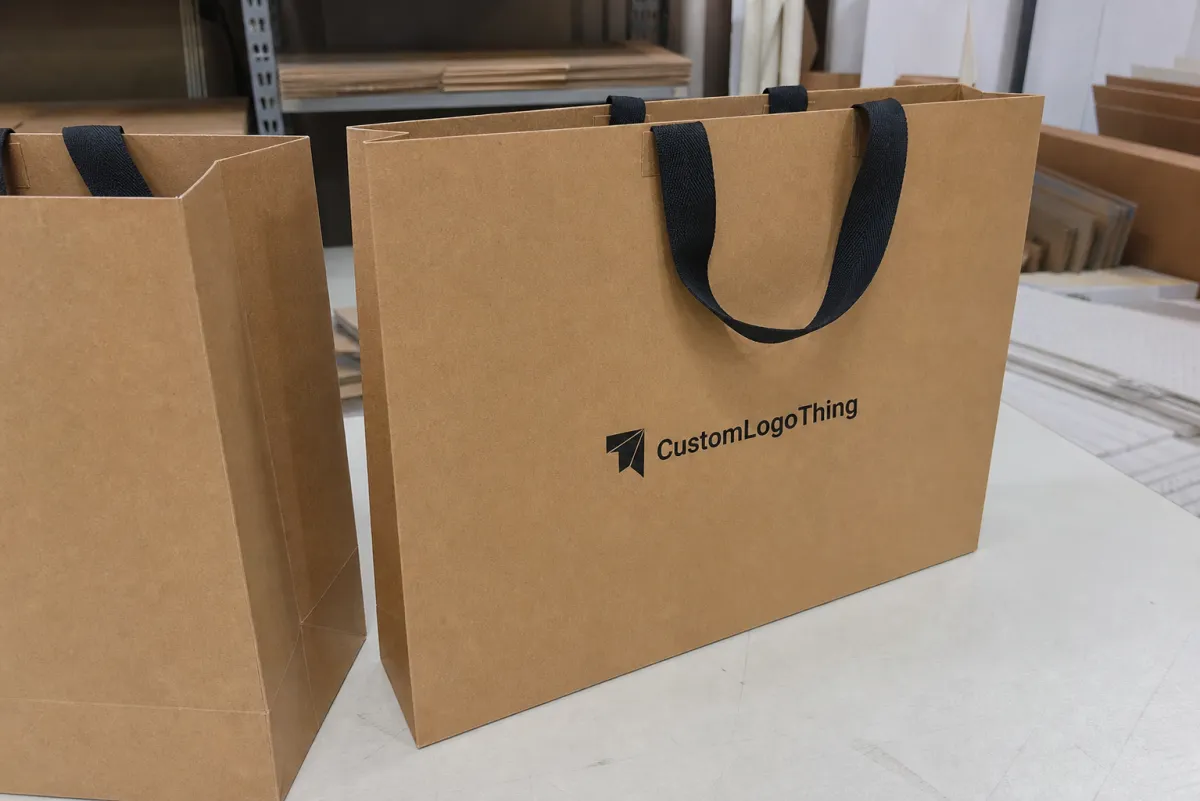
A paper shopping bag is a structured carrier with gussets, fold lines, reinforcement points, and a print surface that has to work in production as well as in presentation. That becomes obvious when the pack includes tissue, a card, a sample, and a main item that is heavier than expected.
Subscription brands usually use these bags in four ways:
- Inner presentation bags that organize contents inside a mailer or shipper.
- Gift or add-on bags for seasonal bundles, samples, and upsells.
- Pickup bags for retail collection, pop-ups, and local fulfillment.
- Reusable carry-outs that extend the brand experience after delivery.
Each use case changes the spec. A lightweight kraft bag can work well as an inner layer because it adds little cost or bulk. A premium laminated build may suit a customer-facing pickup order where the bag itself carries part of the perceived value. One format rarely fits every use.
The most common mistake is sizing the bag only to the main product. Subscription packs usually include inserts, tissue, labels, or seasonal items that change the packed height and width. If the bag is too tight, the top buckles and the sides bow out. If it is too loose, the pack looks careless and shifts around inside the shipper.
For a closer look at how different packaging structures change the finished result, our Case Studies page shows several real-world pack-out approaches.
How the bag fits into the subscription unboxing flow
The bag starts working before the customer sees it. On the fulfillment line, it may need to corral loose items, hold a card flat, protect a fragile piece from rubbing against a hard edge, and keep the final kit looking organized. If operators have to fight the opening or crease the top every time they load one, that is a production issue, not a packaging quirk.
There is a difference between display-first and shipping-first packaging. Display-first bags are built to look polished immediately, even if they travel inside another container. Shipping-first bags need more reinforcement and usually a simpler finish because transit can rough up delicate coatings and heavy embellishment.
Multi-item subscriptions make the design work harder. A candle, postcard, refill pouch, and tissue do not behave like a single beauty item or a folded garment. Fragile contents need space so edges do not press through the paper. Dense kits need a gusset deep enough to avoid corner bulge. Heavier sets need handles and top folds that do not distort under load.
A bag that looks right on a concept board but slows the pack line will cost more than it should, every month.
That labor cost is easy to miss because it does not appear on the first quote. If a bag adds even a few seconds per unit, the impact compounds across every recurring shipment. A smooth opening, sensible fold pattern, and handle style that stores flat can save more over time than a decorative finish that looks better in a render than in production.
Storage matters too. If bags arrive nested too tightly, the first few units are fine and the rest pick up scuffs, warped handles, or crushed top edges. If they arrive too loosely packed, the warehouse loses space it did not budget for. Neither outcome is dramatic, but both show up in labor hours and damaged inventory.
Bag specs that drive performance and shelf appeal
The biggest spec decisions are still the practical ones: paper grade, basis weight, handle style, and finish. Kraft paper gives a natural look and usually signals practicality. Coated papers, including C1S and art paper constructions, print sharper and read more premium. Specialty papers can add texture or color, but they usually narrow the supplier pool and stretch the timeline.
For buyer conversations, gsm is more useful than vague terms like sturdy or luxury. A light bag often sits around 170-200gsm. A more substantial retail-style build often lands around 210-250gsm. Premium presentation bags can climb to 250-300gsm, especially if they use lamination, a reinforced top, or a rope handle.
Handle choice affects both price and performance. Paper twist handles work for light to medium loads and keep the bag understated. Flat tape handles are economical and pack efficiently. Die-cut handles are clean and simple, though they are not ideal for heavier bundles unless the top is reinforced. Rope handles feel more premium and carry more weight, but they add assembly time and cost.
Paper sourcing matters too. If the brand wants FSC chain-of-custody material, ask for proof instead of taking the claim at face value. FSC publishes guidance at fsc.org, and the documentation helps separate an actual certified supply chain from a loose sustainability claim printed into a quote sheet.
For shipments that face compression, vibration, and rough handling inside a larger carton, distribution testing ideas are useful even if the bag itself is not being certified. The ISTA test methods are a practical reference point. Not every program needs a formal lab plan, but the load path should still be treated seriously.
| Bag build | Best use | Typical spec | Approx. unit cost at 5,000 pcs |
|---|---|---|---|
| Basic kraft bag | Light inner packs, pickup orders, simple brand presentation | 180-230gsm kraft, paper twist handles, 1-color print | $0.22-$0.38 |
| Midweight printed bag | Monthly kits, gift-ready sets, retail-style handoff | 210-250gsm kraft or C1S, flat tape or die-cut handles, 2-3 colors | $0.38-$0.68 |
| Premium presentation bag | Higher-value items, PR sends, polished customer pickups | 250-300gsm art paper, lamination, rope handles, foil or embossing | $0.78-$1.45 |
| Recycled-fiber bag | Eco-positioned brands, lighter bundles, minimal graphics | 200-240gsm recycled kraft, restrained print, paper handles | $0.30-$0.55 |
Those numbers move with size, artwork coverage, reinforcement, and handle construction. A larger gusset or a heavier board changes the math quickly. Buyers comparing quotes should ask for these variables line by line so the numbers are actually comparable.
Production steps and lead time from proof to delivery
Good production starts with a clean specification: product dimensions, target pack-out weight, bag size, handle style, print method, finish, and any reinforcement details. If that information is complete, the supplier can confirm a dieline, place the artwork correctly, and catch obvious fit problems before tooling starts.
The usual path is straightforward: specification gathering, dieline confirmation, artwork placement, proofing, sampling, approval, production, inspection, and shipment. The order is not the problem. The problem is the gaps. An undecided handle, a file with missing bleed, or a gusset depth that is still under debate can stall the job for days.
Simple Printed Kraft Bags often move faster than premium builds because they need less finishing and fewer setup steps. Once you add multi-color print, foil, embossing, soft-touch lamination, or custom handle assembly, the calendar stretches. A realistic planning window is often 12-18 business days after proof approval for straightforward builds, then 18-30 business days or more for specialty construction, not counting freight.
That timeline only works if the subscription calendar is known in advance. If a renewal cycle starts in the first week of the month, the bags cannot arrive two days before pack-out and still be considered safe. Build in time for receiving, inspection, and a buffer for damage, short shipments, or a small artwork correction.
Packaging buyers should treat sample approval as required, not optional. A photo proof shows layout. A physical sample shows how the paper behaves, how the handle feels, how the top fold sits, and whether the artwork survives the actual material. If the bag is tied to a launch or renewal cycle, skipping the sample is a bad bet dressed up as speed.
Paper bag cost, MOQ, and quote drivers to compare
Price is driven by a handful of concrete variables: size, stock, print coverage, number of colors, handle type, reinforcement, and finishing. More board means more material. Full-bleed art means more press work. Rope handles cost more than paper handles. Lamination, foil, and embossing add steps.
MOQ changes the unit price because setup and tooling get spread across the run. A converter pays for plates, press setup, waste allowance, and prep whether the order is 1,000 pieces or 10,000 pieces. Smaller runs carry a higher per-piece cost. Larger runs usually absorb setup better and make more sense for brands with predictable replenishment.
The quote should separate the bag price from the costs that quietly move the budget. Ask whether freight is included. Ask about sample fees. Ask if there are setup charges, plating costs, carton configuration fees, or manual assembly steps. The cheapest line on the page is not always the lowest landed cost.
Comparisons only work when the specs are truly identical. Two bags can look nearly the same and still differ in board weight, print method, handle attachment, or top reinforcement. That is how buyers think they found a better price and later discover the lower quote was built on a lighter stock and a simpler construction.
For a quick reality check, sort options into three buckets: functional, branded, and premium. Functional bags protect the pack-out and stay economical. Branded bags add more print and a cleaner feel. Premium bags are for customer-facing moments where the bag itself is part of the product story. Most subscription brands do not need the most expensive version.
The lowest quote is not always the lowest landed cost, especially once freight, samples, and rework are counted.
If the program repeats every month or quarter, define the first order, the safety stock, and the reorder trigger together. A bag spec that is hard to replenish on time will create the same problem every cycle. Recurring programs punish sloppy planning.
Common sizing and branding mistakes that raise reprints
The most common sizing mistake is building around the product alone. Subscription kits are rarely that simple. There is usually something else in the pack: tissue, a card, a sample, a coupon sheet, or a small bundled item. Those extras change the packed height and gusset demand.
Handle and board choices need to match the load, not the mood board. A die-cut bag with thin stock can tear at the opening if the bundle is too heavy. A paper twist handle is fine for a light set and a bad idea for a dense multi-item kit. The bag should feel balanced in hand.
Branding can disappear faster than people expect. Small logos, thin serif type, or low-contrast artwork can vanish on kraft textures, especially under warehouse lighting or on darker paper tones. If the bag will be handled in a pack room, test the artwork at real size and under real light.
Color is another trap. A proof can look warm and natural while the printed run comes back cooler, flatter, or darker depending on the paper and press setup. If color matters, ask for a true-color sample or a physical drawdown. That step is cheap compared with scrapping a full run because the brand blue turned into something no one signed off on.
A sample is not a luxury. It is insurance. Alignment shifts, off-center handles, weak glue lines, and unexpected color changes are much easier to catch on one sample than on a full production run. If the bag is tied to a launch or a monthly renewal cycle, this is not the place to improvise.
My practical checklist is simple:
- Confirm the packed bundle, not just the product dimensions.
- Test the handle with the actual load.
- Check print readability on the chosen paper texture.
- Approve the sample before the full run starts.
- Keep a small buffer for reorders and damage replacement.
For brands that want the unboxing to feel deliberate without making pack-out miserable, Paper Shopping Bags for subscription brands work best when the spec matches the bundle, the handle, the finish, and the schedule. That is the difference between a bag that simply carries product and one that supports the subscription experience without becoming a monthly headache.
What size paper shopping bags work best for subscription boxes?
Choose the bag around the full packed bundle, not the product alone, so tissue, inserts, and void fill do not force the sides open. Check height, width, and gusset together, then test a packed sample with the actual contents before approving the dieline.
Are paper shopping bags strong enough for monthly subscription shipments?
Yes, when the paper weight, handle style, and reinforcement match the load and the bag is used in the right part of the pack-out. For heavier bundles, ask for reinforced tops, stronger handles, or a bag that works as an inner presentation layer instead of the outer shipper.
How much do custom paper shopping bags for subscription brands cost?
Cost depends on stock, size, print colors, finish, handle type, and quantity, with smaller runs carrying a higher unit price. Ask each supplier to separate setup, freight, sampling, and packaging so you can compare true landed cost, not just the printed unit price.
What is a normal lead time for custom paper shopping bags?
Lead time depends on artwork approval, sampling needs, print complexity, and finishing, so the fastest jobs are usually the simplest ones. Build in extra time for proofing and freight, especially if the bags must arrive before a launch date or a subscription renewal window.
What information should I send to get an accurate quote?
Send product dimensions, total packed weight, bag size preference, handle style, artwork files, quantity, and the date you need inventory in hand. Add notes about how the bag will be used, such as retail pickup, inner presentation, or gift-ready packaging, because that changes the spec recommendations.

