Buyer Fit Snapshot
| Best fit | order premium perfume box packaging buyer review for packaging buyers comparing material specs, print proof, MOQ, unit cost, freight, and repeat-order risk where brand print, material, artwork control, and repeat-order consistency matter. |
|---|---|
| Quote inputs | Share finished size, material target, print colors, finish, packing count, annual reorder estimate, and delivery region. |
| Proofing check | Approve dieline scale, logo placement, barcode or warning zones, color tolerance, and any recyclable or compostable wording before bulk production. |
| Main risk | Vague material claims, crowded artwork, or missing packing details can create delays even when the unit price looks attractive. |
Fast answer: Order Premium Perfume Box Packaging Buyer Review: Dieline, Finish, Proof, and Buyer Review should be specified like a repeatable production item. The safest quote includes material, print method, finish, artwork proof, carton packing, and reorder notes in one written spec.
What to confirm before approving the packaging proof
Check the product dimensions against the actual filled item, not only the sales mockup. Ask for tolerance on folds, seals, hang holes, label areas, and retail display edges. If the package carries a logo, QR code, warning copy, or legal claim, reserve that space before decorative graphics fill the panel.
How to compare quotes without losing quality
Compare board or film grade, print process, finish, sampling route, tooling charges, carton quantity, and freight assumptions side by side. A lower quote is only useful if the supplier can repeat the same color, closure quality, and packing count on the next order.
When a fragrance line starts getting returns, I usually do not blame the glass bottle first. I remember standing on a dock in New Jersey, watching a carton get opened and thinking, “Well, that explains the complaints.” The bottle was fine. The real trouble was the box: crushed corners, a loose insert, and a lid that had shifted in transit before anyone ever smelled the perfume. In my experience walking factory floors from Dongguan to the U.S. East Coast, that is how the story often begins. Brands order premium perfume box packaging with far more care than they used to, because the box is doing two jobs at once, and both matter.
If you want to order premium perfume box packaging that helps the bottle sell and arrive safely, you need to think like a buyer, a merchandiser, and a shipping manager at the same time. That sounds dramatic, but honestly, it is just retail reality wearing nicer shoes. I have seen a $180 fragrance look like a $40 product because the retail packaging sagged at the corners, and I have also seen a modest launch climb into a better price bracket because the box had a crisp rigid structure, tight foil stamping, and a soft-touch wrap that made people slow down at the shelf. That is the real value of branded packaging done with discipline, especially in markets like New York, Los Angeles, and Dubai where shelf competition can be brutal.
Search behavior reflects that pressure too. Buyers do not just want something pretty; they want packaging that protects margins, reduces damage, and signals quality in a crowded category. That is why order premium perfume box packaging shows up so often in sourcing requests for luxury fragrance, private-label scents, and gift-ready sets. The phrase sounds transactional, but the underlying goal is emotional: make the bottle feel worth opening before the customer ever twists the cap.
Why Brands Order Premium Perfume Box Packaging
On one line I visited in a fragrance packing room outside Guangzhou, the returns bin told the whole story. The bottles were intact, but the outer cartons had been crushed at the top flaps, and the customer complaints all used the same phrase: “It looked damaged before I opened it.” That is a packaging failure, not a scent failure, and it is exactly why brands order premium perfume box packaging with more structure, tighter inserts, and a more polished finish. The box creates the first physical impression, and for perfume that first impression often decides whether the product feels giftable, collectible, or forgettable.
Premium perfume box packaging is part protection system and part sales tool. The bottle may carry the fragrance, but the box supports the bottle’s weight, protects the atomizer and cap, and prevents chatter inside the carton during shipping or shelf handling. A 50ml glass bottle inside a 1.5mm greyboard rigid box with a fitted EVA insert behaves very differently from the same bottle in a thin folding carton with a loose paperboard cradle. I wish I could say every brand notices that difference immediately, but many do not until the returns email lands in their inbox. Honestly, I think a lot of packaging budgets get trimmed in the one place they should probably be protected, especially when freight from Shenzhen to Chicago is already eating margin.
Luxury fragrance merchandising also depends on finish choice. Soft-touch lamination gives a velvety hand feel, foil stamping can add a sharp metallic accent around a logo or scent name, embossing raises the mark in a way that catches light, and debossing gives the surface a quieter, more tailored look. Spot UV can isolate a logo on matte stock without making the whole box flashy. Used properly, these details strengthen package branding because they tell the customer the perfume is intentional before they open it. I have watched buyers in a boutique in Miami pick up one box, turn it in the light, and then reach for the matching tester because the package itself looked established. That reaction is fast, and it happens in under ten seconds.
That consistency matters for boutique perfume lines, private-label launches, and promotional gift sets. If your 30ml travel size, 50ml signature bottle, and three-piece discovery kit all share the same visual system, the collection reads like a brand with history, even if it is new. That is where custom printed boxes do more than decorate; they build recognition across the shelf, the gift counter, and the shipping box. And because scent families already carry emotional cues, good packaging design can align with citrus, oud, floral, gourmand, or clean musks without falling back on tired luxury clichés. Frankly, that takes more restraint than most people expect, and it shows up most clearly in cities like Paris, Milan, and Seoul where customers notice details at arm’s length.
One of the most practical reasons to order premium perfume box packaging is price positioning. A clean, rigid box with a calibrated print system can justify a higher shelf price because it signals better production discipline. It does not create the fragrance value by magic, of course, but it supports the story. I have seen private-label perfume teams increase perceived value simply by moving from a basic folding carton to a two-piece rigid setup with a wrapped insert and cleaner edge finishing. That is not hype. That is retail math, and the math is usually more stubborn than the mood board.
Product Details for Premium Perfume Box Packaging
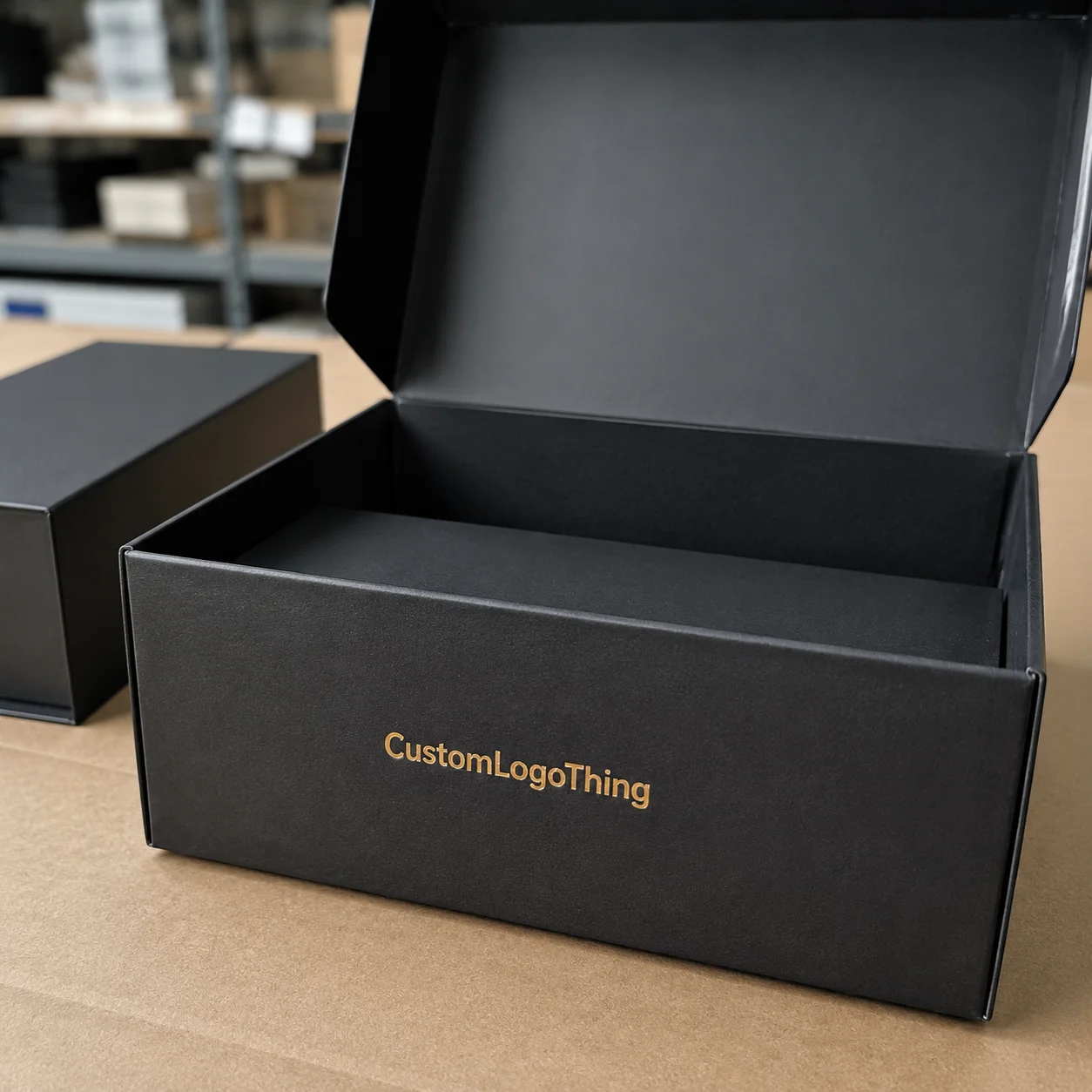
When buyers order premium perfume box packaging, the first structural choice is usually box style. Rigid setup boxes remain the most common for luxury fragrance because they feel substantial in hand and hold their shape well during distribution. Two-piece lid-and-base boxes are simple, classic, and easy to stack. Magnetic Closure Boxes add a more premium opening action, though they require careful alignment and usually a tighter budget. Drawer-style boxes work well for gift sets or layered discovery kits, while folding cartons are still the practical choice for lighter formats, sample sizes, and high-volume retail programs where pallet efficiency matters. In a Hamburg or Hong Kong supply chain, that pallet efficiency can affect landed cost by several cents per unit.
For a single-bottle line, I often recommend a rigid structure around 1.2mm to 2.0mm greyboard depending on bottle weight and presentation target. If the bottle is heavy, say a 100ml flacon with a thick glass base, a 1.8mm or 2.0mm setup gives better crush resistance. For travel-size sprays, a well-made folding carton using 300gsm to 400gsm SBS or C1S artboard may be enough, provided the insert holds the bottle upright. The key is matching the structure to the product, not forcing every SKU into the same box because it looks “luxury.” I have seen that mistake more than once, and it usually ends with someone saying, “Why does this feel too big?” while holding the sample upside down.
Insert choice matters more than many teams expect. I have seen beautiful boxes fail because the bottle moved half an inch inside the cavity. EVA foam gives a precise fit and excellent stability, especially for premium sets. Molded paper pulp is a strong choice for brands that want a more recyclable insert profile. Blister trays can work for certain promo formats, though they are less common in upscale fragrance unless cost and speed are the main concern. Velvet-lined inserts give a softer reveal, and custom cardboard partitions are often the most economical when you need to separate multiple vials, refills, or gift components. In practical terms, an EVA insert for a 50ml bottle often runs tighter and cleaner than a loose 400gsm paperboard cradle, especially on export orders from Dongguan or Ningbo.
Decoration is where product packaging starts to speak the brand language. CMYK printing handles rich imagery, gradients, and scent story panels, while Pantone matching keeps logos and brand marks consistent across collections and reorder runs. Foil stamping remains one of the strongest choices for premium perfume because gold, silver, black chrome, and rose gold can feel elegant without becoming noisy. Matte varnish, gloss coating, embossed textures, and paper wraps with linen or soft-touch finishes all affect how the hand and eye read the box. Window cutouts can be useful for selected SKUs, but I usually advise restraint on fragrance boxes because too much exposure can cheapen the presentation unless the concept truly needs it. A 0.25mm foil registration shift may sound tiny, yet on a $90 fragrance it can be enough to make the logo feel off.
For brands with multiple SKUs, structure should adapt to the use case. A single 50ml hero product may use a rigid lid-and-base box with an EVA insert. A discovery kit may need a drawer-style box with partitioned wells for 2ml or 5ml vials. A holiday set might require a larger magnetic closure structure with a foam or paperboard cavity for a bottle, lotion, and mini spray. And for e-commerce shipments, the internal design must think about corner impact, not just shelf presence. That is why the same fragrance can need three different versions of the same package branding system. I have watched one brand in Los Angeles use one outer visual identity across retail, sampling, and DTC, but change the internal build three times to match the shipping route.
| Box Style | Best For | Typical Feel | Relative Cost |
|---|---|---|---|
| Rigid setup box | Luxury single bottles, gift editions | Sturdy, premium, giftable | Medium to high |
| Two-piece lid-and-base | Classic fragrance retail packaging | Clean, familiar, elegant | Medium |
| Magnetic closure box | High-end launches, VIP sets | Polished opening experience | High |
| Drawer-style box | Discovery kits, layered sets | Interactive, boutique-style | Medium to high |
| Folding carton | Travel sizes, large runs, lighter bottles | Efficient, practical, retail-ready | Lower |
If you plan to order premium perfume box packaging for both shelf display and shipping, I would strongly recommend reviewing the internal tolerances early. A box that looks perfect in artwork but has a 2mm misalignment on the insert cavity can slow down assembly and create visible gaps at the top edge. That kind of detail sounds small until a line worker is packing 3,000 units on a shift and every extra second shows up in cost. (And yes, I have watched that “small” detail turn into a very long afternoon.) In a plant outside Suzhou, that same 2mm error once added nearly an hour to a single shift.
Specifications to Review Before You Order Premium Perfume Box Packaging
The most useful spec sheet starts with the bottle, not the box. Before you order premium perfume box packaging, I want bottle height, shoulder width, cap clearance, and the widest diameter of the glass. If the fragrance includes a dropper, refill vial, or secondary accessory, those dimensions matter too. I have seen clients send only the bottle height, then discover the sprayer cap sits 8mm higher than the glass body, which changes the insert depth and top-space allowance completely. That is one of those moments where everyone goes quiet in the room, and then someone says, “Of course it does.”
Material selection should be tied to the function of the package. For rigid boxes, greyboard thickness is usually the deciding factor, and 1.5mm, 1.8mm, and 2.0mm are common starting points. For folding cartons, stock weight tends to range from 300gsm to 400gsm, though heavier perfume cartons can go higher depending on the bottle and the finish system. Premium wrap papers may include coated art paper, specialty textured paper, or FSC-certified paper for brands that want more visible sustainability claims. That last point is not marketing fluff; buyers and retailers increasingly ask for evidence, particularly in London, Toronto, and Amsterdam where procurement teams want documentation attached to the quote.
Print and finishing tolerances also deserve attention. If you plan foil stamping, embossing, or spot UV, the dieline must be accurate to avoid registration drift. A 0.5mm shift can make a logo appear slightly off-center, and luxury buyers notice that faster than most people think. Color consistency matters too, especially if you are building a family of fragrance packaging across multiple scent variants. Pantone control, print proofing, and press calibration should all be discussed before the first production run. This is one of those areas where good packaging design saves real money, even if it makes the spreadsheet slightly less exciting. A small mismatch between a blush pink cap and a cool pink carton can make the entire set look like a reprint rather than a collection.
Environmental choices can be practical without being preachy. Many fragrance brands now request FSC-certified board, soy-based inks, and reduced-plastic inserts. I have worked on projects where molded pulp replaced plastic trays because the retail chain had a packaging policy that favored recyclable materials. The result was not just cleaner positioning; it simplified waste handling and made the box easier to explain in-store. You can confirm certification resources through FSC and evaluate packaging-related recycling and waste guidance through EPA.
Shipping and durability tests should not be an afterthought. If the fragrance goes through fulfillment centers, subscription boxes, or direct-to-consumer delivery, ask for compression resistance and drop protection validation. Industry groups such as ISTA publish useful test frameworks for distribution hazards, and I have seen brands save a lot of money by testing one prototype before printing 10,000 cartons. A box that survives a bench sample but fails a 36-inch drop test in a corrugated shipper is not finished; it is just pretty. In many cases, a single ISTA 3A-style pretest can reveal whether the carton needs a thicker insert wall or a tighter lid fit.
Before you order premium perfume box packaging, verify these items:
- Bottle dimensions: height, width, shoulder flare, and cap clearance measured in millimeters.
- Box format: rigid, drawer, magnetic closure, or folding carton.
- Insert choice: EVA foam, molded pulp, paperboard partition, or velvet-lined cradle.
- Finish plan: soft-touch, matte lamination, gloss, foil, emboss, deboss, or spot UV.
- Compliance copy: barcode, ingredient panel, flammability warnings, and country-of-origin marks where required.
- Shipping needs: shelf-only, e-commerce, or mixed distribution.
One supplier negotiation still sticks with me. A brand owner wanted to reduce unit cost by thinning the board, but the sample started bowing at the lid corners after the second open-close cycle. We kept the material at 1.8mm greyboard, switched to a more efficient insert layout, and saved money without weakening the structure. That is the kind of tradeoff I trust because it preserves the product experience while respecting the budget. It also keeps everyone from having to explain to a retailer why the “premium” box started looking tired after one week on shelf. In that case, the difference between a 1.5mm and 1.8mm board was only a few cents, but it changed the perceived quality dramatically.
How do you order premium perfume box packaging without overpaying for features you do not need?
Start with the bottle size, the sales channel, and the damage risk. If the perfume is a travel-size item for retail shelves, a folding carton with a precise insert may be enough. If it is a signature bottle for gift buyers, a rigid setup box with one strong decorative feature may deliver a better result than three competing effects. That is the quiet rule I keep seeing: pay for the details customers can feel, not for every finish the catalog offers. Brands that order premium perfume box packaging wisely tend to simplify the structure before they decorate it.
One simple filter helps. Ask whether a finish improves shelf presence, protection, or both. Foil on a logo usually helps. Five different print tricks on one carton usually do not. That is especially true for premium perfume box packaging in lines with multiple scents, because consistency often sells better than decoration overload. A customer comparing three variants wants clear hierarchy, not a visual argument.
Pricing and MOQ When You Order Premium Perfume Box Packaging
Pricing for fragrance packaging is never one line item. It is a stack of choices. If you order premium perfume box packaging, the unit cost depends on box style, board thickness, insert type, print complexity, finish count, and quantity. A rigid magnetic box with foil, embossing, and EVA insert costs more than a simple folding carton with a single-color print, and that spread is entirely normal. What matters is whether the price supports your positioning and your damage-rate targets. On a run of 5,000 units, even a $0.12 difference per box can add $600 to the order, which is not small when you are launching in Miami or Singapore.
For illustration, a basic folding carton for a travel-size perfume might land around $0.18 to $0.35 per unit at 5,000 pieces, depending on print coverage and stock. A rigid setup box with custom insert and premium wrap can sit around $1.20 to $3.50 per unit at the same quantity, with the exact figure moving based on finish and tooling. A simplified, one-color 30ml carton in 350gsm C1S artboard may even come in near $0.15 per unit for 5,000 pieces if the artwork is straightforward and the die is already available. These are working ranges, not promises, because every spec sheet changes the quote. Still, they help buyers order premium perfume box packaging with a realistic expectation instead of chasing fake low numbers that fall apart once the sample is quoted properly.
Minimum order quantity, or MOQ, matters for launch planning. Lower MOQs are useful for first runs, seasonal collections, influencer gifting, and limited edition scent drops where you need flexibility. Higher quantities usually reduce per-unit cost because setup, cutting, and decorating expenses spread across more pieces. If you are testing a scent family or planning a retail pilot in 10 stores, I would rather see you order 1,000 well-made boxes than 10,000 boxes that sit in a warehouse because the design was not fully approved. In practical terms, a smaller 1,000-unit run is often enough for a pilot across two regions such as California and Texas.
Tooling costs are another real consideration. Custom dies, embossing plates, foil dies, and specialty insert molds can add setup expense, especially if the structure is unusual. A one-time die investment may be worth it if the fragrance line will run for multiple seasons, but not always. I usually advise brands to compare base packaging cost, decoration upgrades, freight, and the hidden cost of breakage or returns. If a better insert reduces transit damage by even 2% on a premium bottle, the math often favors the better build. On a 10,000-unit program, that can save hundreds of replacements, not just a line item.
Here is a practical way to compare options before you order premium perfume box packaging:
| Packaging Option | Approx. MOQ | Typical Unit Cost | Best Use Case |
|---|---|---|---|
| Folding carton | 3,000+ | $0.18–$0.60 | Travel sizes, large retail runs |
| Rigid lid-and-base box | 1,000+ | $0.95–$2.80 | Signature bottles, giftable retail packaging |
| Magnetic closure box | 1,000+ | $1.20–$3.50 | Premium launch kits, VIP sets |
| Drawer-style box | 1,500+ | $1.10–$3.10 | Discovery kits, layered sets |
A buyer once asked me why the “expensive” version was worth it. I handed him two samples: one with a loose insert and one with a fitted EVA cavity. The first box shifted when I shook it gently. The second felt like a finished object. He approved the better option in less than five minutes. That is often how premium perfume box packaging works in practice; the value is obvious once the box is in hand. In one case, the premium sample cost $1.48 versus $0.92, but the better one looked closer to a $120 bottle.
If budget is tight, look at where the spend creates the most visible impact. Sometimes a more modest stock paired with strong print alignment and one well-placed foil detail gives more return than adding three decorative effects that fight each other. Good packaging design is not about spending everywhere. It is about spending where the customer can feel it and where the product needs it. I have rarely seen a brand regret clarity, especially when the line is being sold through department stores in Chicago or boutique retailers in Austin.
Process and Timeline to Order Premium Perfume Box Packaging
The smoothest projects follow a sequence that respects both design and production. First comes the brief intake, where the supplier collects bottle specs, quantity target, finish goals, and delivery timing. Then comes structural guidance and dieline creation. Artwork setup follows, then sample production, then approval, then mass production, then final packing. If the supplier is organized, each step has a clear owner and a date. If not, you will feel it in missed handoffs and repeated revisions. I have felt that version, and it is not fun. A project can lose three to five business days just waiting for artwork sign-off if nobody owns the schedule.
Sample stages usually come in three forms. A plain white mockup helps verify fit and proportions. A printed prototype confirms color, finish, and brand impression. A pre-production sample is the closest match to the final run and should be used for final sign-off on structure, insert fit, and closure tension. For premium fragrance work, I prefer all three when the budget allows, because every step catches a different category of mistake. The white mockup can be ready in 2 to 4 business days, while a printed prototype may take 5 to 7 business days depending on the finishing stack.
Realistic timing depends on box style and revision count. A folding carton with existing dieline support may move quickly once artwork is finalized. A rigid perfume box with foil stamping, custom insert, and special paper wrap needs more time because there are more production stages and more opportunities for variation. In many cases, 12 to 15 business days from proof approval to finished production is a reasonable target for simpler programs, while more elaborate builds can run longer. Delays usually come from artwork changes, color corrections, insert adjustments, or late sign-off on the sample. If the factory is in Dongguan or Shenzhen, transit to a U.S. warehouse can add another 5 to 12 days by air or much longer by ocean.
If you want to order premium perfume box packaging without dragging the schedule, prepare the following upfront:
- Bottle dimensions in millimeters, including cap height and widest point.
- Logo files in vector format, ideally AI, EPS, or PDF.
- Brand colors with Pantone references if color matching matters.
- Barcode and compliance copy for the final carton face or base panel.
- Quantity target and your acceptable MOQ range.
- Delivery address and target landing date.
One of the best production lessons I ever learned came from a late-night prepress call in a Shenzhen facility. The customer kept changing the spot UV placement by a few millimeters, and every change rippled into the plate plan and proof cycle. After we locked the file and wrote down the exact center point of the logo, the run moved cleanly and the boxes came off the line with excellent registration. The lesson was simple: clear communication shortens timelines more reliably than urgency does. Also, no one enjoys revising the same file six times at 11:40 p.m. (Trust me, the coffee tastes worse then.)
You should also ask for assembly and packing details. Some perfume boxes ship flat and are assembled near packing, while rigid boxes are usually shipped formed. If your line uses nested lids, a magnet flap, or a drawer pull, confirm the packing orientation and carton count. Small handling choices can protect the finish from scuffing during transit. Those are the details that separate a workable package from a pretty sample. A formed rigid box packed 100 units per carton in Shenzhen will behave differently from a flat carton packed 500 units per master case in Ningbo.
Why Choose Custom Logo Things for Perfume Box Packaging
Custom Logo Things stands out because the team understands packaging from the production side, not just the sales side. That matters. When you order premium perfume box packaging, you need guidance on structure, print feasibility, insert fit, and finish compatibility, not a generic promise that “anything is possible.” In a factory environment, everything is possible only within material limits, tooling tolerances, and the realities of assembly speed. I respect suppliers who tell the truth about that early, even when the truth is a little less glamorous than the presentation deck. In my experience, that kind of candor saves a week of revision time and a surprising amount of freight waste.
From a manufacturing perspective, perfume packaging often requires rigid box converting, precise die-cutting, lamination control, foil stamping, embossing, and insert integration. If those steps are managed well, the result is a package that feels expensive without becoming fragile. If they are managed poorly, you get lifted edges, off-register foil, or an insert that does not hold the bottle correctly. The advantage of working with a hands-on packaging partner is that they can help you Choose the Right material stack before production starts. Facilities in Dongguan, Foshan, and Shenzhen often have the right equipment mix for this work, but only if the workflow is supervised carefully.
I also value practical guidance on balance. A luxury look is useful only if it fits your real production plan. Some brands need a high-end presentation for boutique retail, while others need carton efficiency for wholesale programs and replenishment cycles. That is where our Custom Packaging Products category can help frame the range of available formats, and where our Wholesale Programs information can help buyers think about larger runs with better unit economics. The point is not to oversell the box; it is to match the packaging to the selling channel. A 500-unit regional launch in Texas needs a different economics model than a 20,000-unit export run into the U.K.
Quality control should happen at several points, not just the end. I want board inspection before converting, print calibration before decoration, fit checks before mass assembly, and final carton packing review before shipment. Those checks sound ordinary, but they save money. I have been in plants where a single rejected batch of foil-stamped lids caused a full day of delay because no one caught the registration drift early enough. Prevention is cheaper than correction almost every time. A 1,000-piece check on the first hour of production can prevent a 10,000-piece headache later.
Honestly, the best packaging partners make the process feel organized. They ask for measurements early, propose a structure that matches the bottle, and flag any weak assumptions before the run begins. They do not hide behind buzzwords. They give you the kind of guidance you would expect from someone who has stood beside a folding line and watched what happens when the tolerances are wrong. If you are comparing suppliers, start with the one that explains the structure clearly and shows you the consequences of each choice. In practice, that usually means a quicker proof cycle and a cleaner production run.
“A perfume box should protect the bottle, support the brand, and survive the journey. If it only does one of those three jobs, it is not finished.”
Next Steps to Order Premium Perfume Box Packaging
If you are ready to order premium perfume box packaging, start with the basics and keep them organized. Send your bottle dimensions, target quantity, preferred box style, brand artwork, and the finish level you want to achieve. If you already know whether the product will ship retail-only, e-commerce only, or both, include that too. Those details determine whether the structure needs more compression support, tighter insert tolerances, or a more display-focused lid. A seller in Atlanta may need a stronger shipper spec than one distributing only to boutiques in Beverly Hills.
I also recommend asking for a structural recommendation before finalizing artwork. That small step avoids redesign costs later, especially if the insert cavity, logo placement, or lid depth needs to change. I have seen too many projects where the artwork was finished first and the box geometry was fixed later, which usually means someone pays for rework. A dieline should support the product, not force the product to fit the drawing. A 2mm change in lid height can be more expensive than a small graphics revision if it has already gone to print.
When samples arrive, compare them side by side. Check fit, closure strength, print color, foil clarity, edge wrap, and shelf presence under ordinary store lighting, not just studio light. Then test one sample in a shipping carton if your product will travel. A fragrance box that looks beautiful on a table but scuffs in a mailer needs more work. That is not failure; it is useful feedback. I actually prefer seeing the flaw early. Much cheaper that way, and much less embarrassing later. A 36-inch drop from a standard shipper can reveal more than a dozen emails.
Here is the buying sequence I trust most:
- Measure the bottle and any accessories.
- Choose the box style and insert type.
- Request dieline and structural guidance.
- Approve artwork and finish plan.
- Review samples for fit and appearance.
- Move into production and packing after final sign-off.
If you follow that sequence, you can order premium perfume box packaging with fewer revisions and far less guesswork. You will also be better positioned to compare quotes fairly, because you will know which costs come from the structure, which come from the decoration, and which come from the order quantity itself. That clarity is what keeps a fragrance project on budget without flattening the brand. It also helps when you are comparing suppliers in China, Mexico, or Eastern Europe, because the quote becomes a true apples-to-apples comparison.
For buyers comparing packaging partners, I would also suggest reviewing our FAQ for common production questions before sending a quote request. It saves time, and it helps you ask sharper questions about lead times, insert materials, and finish options. If you arrive with bottle specs and a target landing date, the conversation moves much faster. A ready buyer usually gets a better response than a vague one, and that is true whether the factory is in Shenzhen or Warsaw.
In the end, the brands that do this well treat the box as part of the fragrance product, not as an afterthought. They order premium perfume box packaging with the same discipline they use for the formula, the label, and the launch plan. That is how you get a package that protects glass, supports retail presentation, and feels worthy of the scent inside. If you are ready to move, prepare your measurements and specs now, then order premium perfume box packaging with fewer revisions and a cleaner path to production.
FAQ
How do I order premium perfume box packaging for a new fragrance launch?
Start with bottle dimensions, target quantity, artwork files, and your preferred box style so the supplier can recommend the right structure and quote accurately. If you can also share the cap height, insert preference, and delivery target, the first quote will usually be much more precise. A complete brief can cut one or two revision cycles right away.
What is the typical MOQ to order premium perfume box packaging?
MOQ depends on the box type and finish level, but rigid perfume boxes usually need a higher minimum than folding cartons because of setup, board cutting, and decoration costs. As a working reference, folding cartons often start lower, while rigid structures and magnetic boxes usually make more sense at 1,000 units or above. For some custom rigid builds, 2,000 to 3,000 units can produce better pricing efficiency.
Can I order premium perfume box packaging with custom inserts?
Yes, most fragrance packaging can be fitted with EVA, paperboard, molded pulp, or other custom inserts sized to hold one bottle or a multi-piece set securely. The right insert depends on the bottle weight, the opening experience you want, and whether the package will travel through retail or direct-to-consumer shipping. For a 100ml bottle, a tighter EVA cavity is often the most reliable option.
How long does it take to order premium perfume box packaging from sample to delivery?
Timing depends on artwork approval, sampling rounds, and order size, but the process usually includes dieline setup, sample review, production, and final shipping. Simpler folding carton programs can move faster, while premium rigid boxes with foil, embossing, and custom inserts need more time for approvals and setup. In many cases, production is typically 12-15 business days from proof approval, plus shipping time from regions like Guangdong or Zhejiang.
What affects the price when I order premium perfume box packaging?
Main cost drivers include board thickness, box style, print complexity, foil or embossing, insert material, quantity, and any custom tooling required. Freight, packaging configuration, and whether you need special paper or multi-step finishing can also shift the final number more than buyers expect. A 350gsm C1S artboard folding carton will price very differently from a 2.0mm rigid box with laminated wrap and EVA insert.