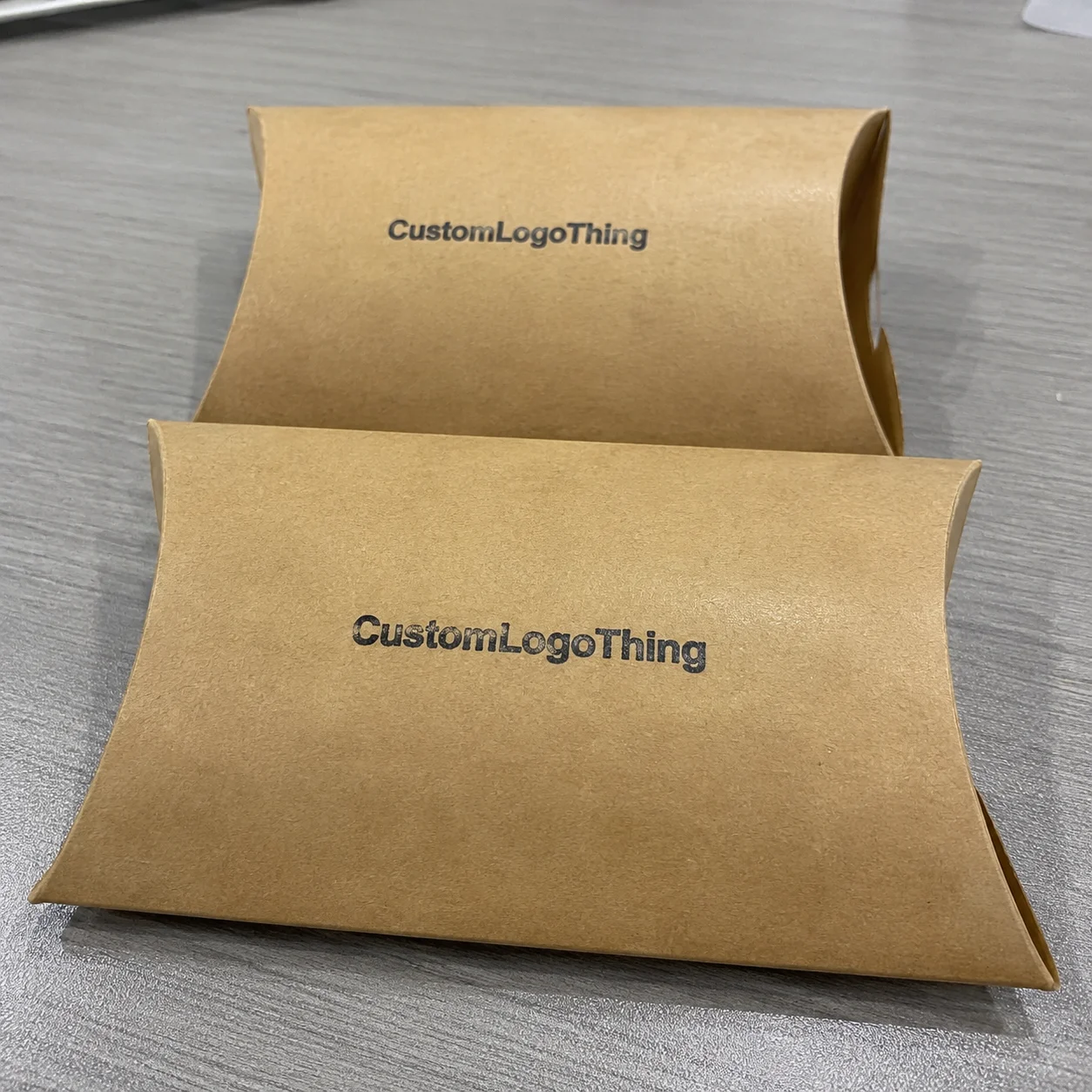
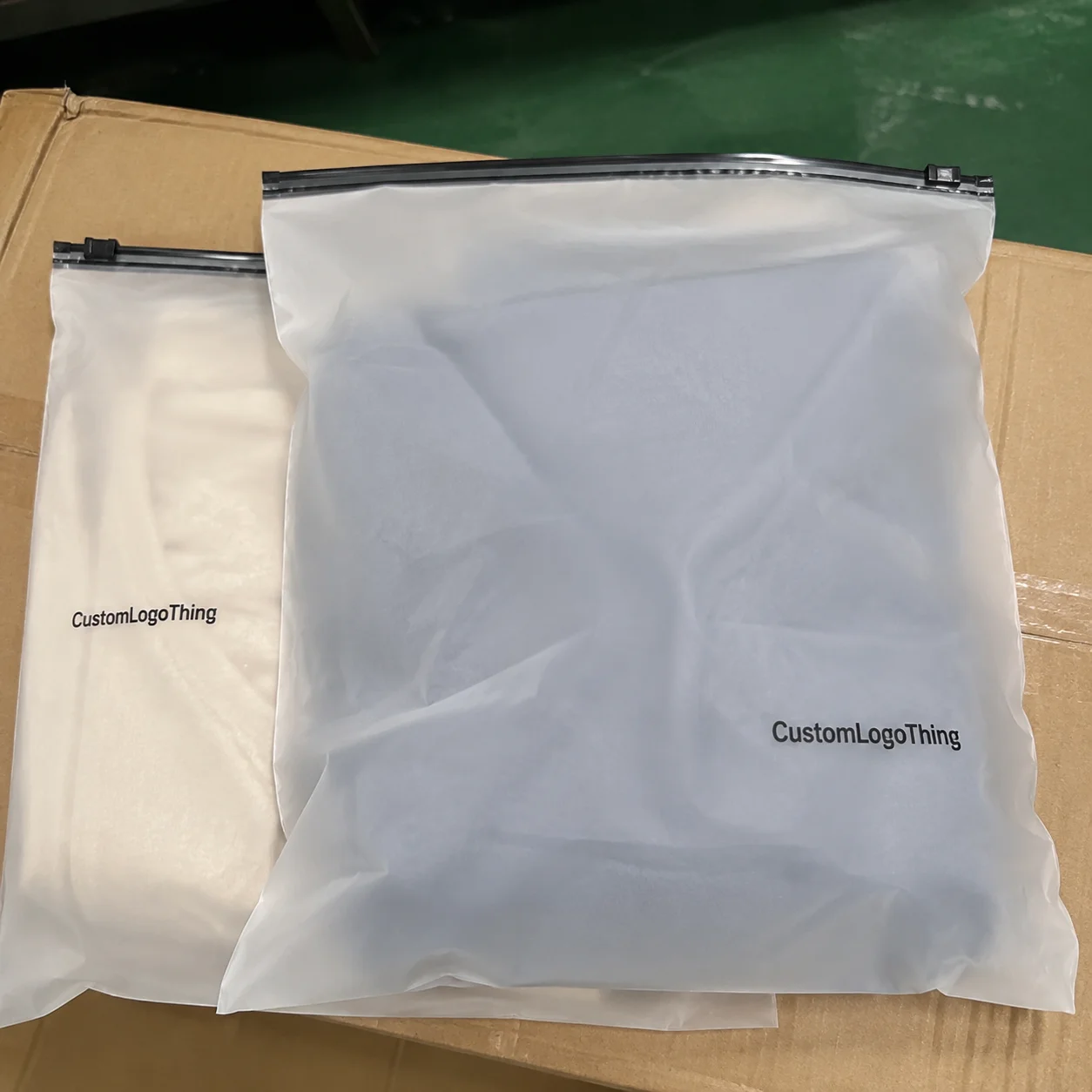
Streetwear buyers usually compare the garment first and the package second. That order flips fast once the brand starts shipping at scale. A garment bag stops being a nice extra and starts affecting presentation, protection, and the way the customer reads the drop before they even touch the product. That is why pvc garment Bags for Streetwear labels cost breakdown deserves a real breakdown instead of a flat quote.
The mistake is treating the bag like generic poly packaging. PVC behaves differently. Film thickness changes the hand feel. Closure style changes labor and hardware cost. Print coverage changes setup time. Even the storage method can change whether the bag still looks sharp after a few months in a warehouse.
Why PVC Garment Bags Change the Unboxing Value of Streetwear
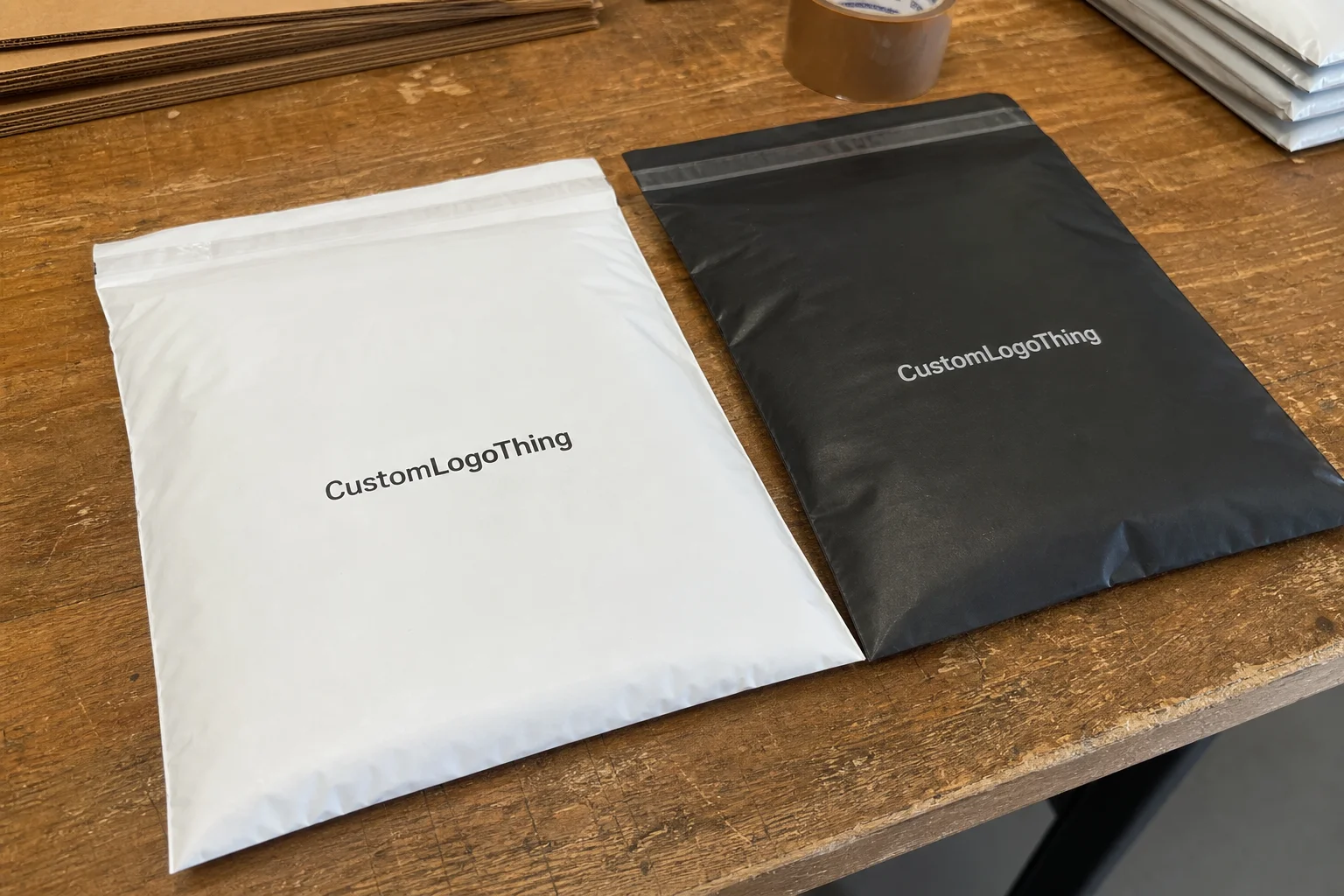
Streetwear packaging is judged faster than people admit. A clear bag shows the garment immediately. Frosted PVC slows the reveal and makes the package feel more deliberate. Both can work. The choice depends on whether the brand wants the product to be seen at once or framed a little more like a retail piece.
That visual effect has real commercial value. A folded heavyweight hoodie in a clean PVC bag looks more intentional than the same hoodie thrown into a generic mailer. It also arrives with better dust protection and less surface scuffing. For resale-driven brands, that matters more than a lot of teams expect.
Packaging also sends a message about how the rest of the operation runs. Straight seams, even closures, clean cut edges, and a bag that actually fits the garment all signal control. A bag that wrinkles badly or arrives with cloudy film does the opposite. The garment may still be good, but the presentation is already working against it.
Common uses include folded tees, long sleeves, hoodies, fleece, and outerwear. Tees usually need less structure. Hoodies need more room and a tougher closure. Jackets and coats often justify thicker film because the package has to hold shape and protect a bulkier silhouette.
For brands building a more coherent system, the packaging should match the rest of the line. Pairing the bag with Custom Labels & Tags keeps the garment, hang tag, and packaging visually aligned instead of looking like three separate purchases.
What a Streetwear-Ready PVC Garment Bag Includes
The film is the starting point. For this category, thickness usually sits around 0.18 mm to 0.35 mm. Lighter film keeps cost down and works for basic presentation. Heavier film gives a firmer hand, better resistance to scuffing, and a more structured look on shelf or in photos.
Closure choice changes both cost and usability. A flap closure is simpler and cheaper. A zipper costs more because it adds parts, assembly time, and a tighter tolerance window. It can still be worth it if the bag will be opened repeatedly, used in retail, or packed for higher-end presentation. The wrong closure is where a lot of buyers quietly lose money. They pay for a feature they do not need, or they save a little and end up with a bag that feels cheap in hand.
Size is not a minor detail. Oversized bags waste film and freight space. Undersized bags create strain at the closure and make the garment look crammed. A brand should define the use case before locking dimensions. Retail display, warehouse packing, and direct-to-consumer shipping are not the same job, so they should not share a lazy one-size-fits-all spec.
Finish also changes perception. Crystal-clear PVC makes the garment the visual center. Frosted film hides fingerprints and softens the look. A tinted finish can push the package toward a more fashion-forward feel, but it is easy to overdo. Once the film becomes too opaque or too glossy, the bag starts competing with the product.
One practical issue gets overlooked until too late: PVC is sensitive to heat and poor storage. Lower-grade film can warp, cloud, or look tired if it sits in a hot warehouse or near direct sun for long periods. If the bags will be stored for months, ask for the film spec, storage guidance, and packing method before approving the order.
PVC Garment Bags for Streetwear Labels Cost Breakdown
The clean way to read pvc garment Bags for Streetwear labels cost breakdown is to split the quote into material, decoration, setup, labor, packaging, and freight. That is the only way to compare suppliers without getting fooled by a low headline price. A quote can look cheap and still land high once tooling, cartons, and shipping are added. Landed cost is what matters. Not the number at the top of the page.
Here is the pricing structure most labels will actually see:
| Spec Level | Typical MOQ | Approx. Unit Cost | Best Fit |
|---|---|---|---|
| Clear PVC, simple flap, no print | 500-1,000 pcs | $0.28-$0.55 | Budget-conscious tees, launch packs, basic packaging |
| Frosted PVC, one-color print, zipper | 1,000-3,000 pcs | $0.48-$0.92 | Core streetwear drops, hoodies, repeat replenishment |
| Heavier gauge film, custom size, multi-color branding | 3,000+ pcs | $0.78-$1.45 | Premium capsules, retail presentation, outerwear |
Those ranges move with size, print coverage, and closure style. A bigger bag with a zipper and reinforced seams uses more material and more labor. A simple one-color logo is efficient. Full-coverage artwork is not. Special pullers, embossed marks, unusual shapes, and tight print alignment all add time or setup cost. Sometimes there is tooling. Sometimes there is a one-time plate or setup fee. Buyers should ask for those items separately instead of discovering them after the sample is approved.
MOQ changes the math more than most teams expect. A 500-piece run carries a heavier share of setup and proofing cost per bag. At 1,000 pieces, the quote usually starts to make more sense. At 3,000 pieces and above, the per-unit price often drops again because the fixed work is spread out over a larger run. That is why small launch orders and restock orders often sit in different price bands, even when the design is identical.
Freight packaging is another quiet cost center. If cartons are packed too loosely, bags shift and arrive wrinkled. If cartons are packed too tightly, corners crush and the stack loses shape. The factory may still call the order complete, but the package will not look complete when it reaches the customer.
For a rough quantity comparison, buyers often see this pattern:
- 500 pieces: higher setup share, useful for testing a new drop
- 1,000 pieces: a workable balance of cost and flexibility
- 3,000 pieces: lower unit cost if the spec is already proven
- 5,000 pieces or more: strongest bulk pricing, but only if sell-through is predictable
The cheapest quote is not always the cheapest order. A weak closure, thin film, or poor freight pack can erase the savings long before the product reaches the customer.
Buyers who want to compare packaging decisions against a more formal logistics lens can use Packaging Institute resources for material and handling context, and ISTA for parcel testing ideas when the bag has to survive e-commerce shipping without cosmetic damage.
Process and Lead Time for Custom Orders
The order process is usually simple, but it only stays simple if the buyer comes prepared. It starts with a spec request, then moves through artwork review, sample production, sample approval, mass production, quality inspection, and shipment. For custom packaging, approval speed often affects the timeline more than the production schedule itself.
A plain sample can take 5-8 business days. Full production often lands around 12-18 business days after sample approval. Complex print registration, unusual dimensions, or a zipper setup that needs careful alignment can add time. Freight is separate. Air shipping is faster and more expensive. Ocean shipping lowers transport cost and adds weeks.
The delays that hurt most are usually boring. Missing artwork files. A late size change. A closure request that changes after the sample is already made. Color approval that sits in someone’s inbox for three days too long. None of that is dramatic. All of it can push a launch date.
Streetwear brands often build packaging around drop dates, content shoots, retail windows, or seeding plans. That means one weak approval cycle can ripple through the rest of the calendar. The safest way to avoid that is to confirm dimensions, film thickness, closure type, print method, and pack count before the factory starts cutting material.
Small changes can still trigger a second sample. Moving the hanger hole, extending a zipper, or shifting logo placement by a few millimeters might look minor in a design file, but it can change the production setup. That is not always expensive by itself. It becomes expensive when the order stalls and the schedule has to be reworked. If the same project also includes branded trims or apparel finishing items, keep the brief aligned with custom labels and packaging details so the factory is not correcting multiple pieces at once.
How We Produce Consistent Bag Quality at Scale
Consistency is where packaging proves its value. A streetwear brand can get away with a simple bag. It cannot get away with random quality. Every unit needs to match the approved sample for thickness, dimensions, print placement, and closure function. If those basics drift, the package starts to feel unreliable even when the garment itself is fine.
The controls that matter most are straightforward: incoming material checks, film thickness verification, print alignment checks, seam inspection, and final carton review. None of that sounds fancy. That is the point. Packaging quality is mostly about preventing small misses from multiplying across a run.
This matters more on restocks and multi-color orders. A black hoodie in one drop should not arrive in a noticeably different bag on the next run unless the spec changed on purpose. A lot of suppliers assume the sample will be followed automatically. It will not, unless the approval standard is clear and the production team is actually locked to it.
Warehouse handling matters too. Cartons should be packed to fit the receiving flow, not just to maximize pieces per box. If the bundles are awkward, fulfillment teams lose time at intake and the unit cost starts to look better than the real labor cost. Cheap freight packing can turn into expensive labor very quickly.
For shipment testing, it helps to think beyond appearance and ask how the bag behaves under actual transit conditions. That is where the logic behind ISTA test methods is useful. The goal is not to over-engineer a package. It is to make sure the bag still looks right after storage, handling, and shipping.
There is nothing flashy about this process. Good packaging tends to disappear into the background because it works. It stacks cleanly, holds its shape, protects the garment, and arrives looking like the approved sample. That is the job.
What to Send for a Faster Quote and Next Step
If the goal is a quote that can actually be used, send the supplier the basics up front: quantity, bag size, closure style, film thickness, print artwork, finish preference, and delivery destination. Without that information, the price is mostly guesswork. Guesswork is how budget surprises happen later.
Reference images help. If the goal is to match an existing bag, send a photo or sample. If the goal is to improve the current spec, say what needs to change. Thicker film. Cleaner seam. Better retail appearance. Lower landed cost. Faster packing. The more specific the brief, the less back-and-forth the quote needs.
Ask for a tiered quote. Sample cost, tooling if any, unit price by quantity, packaging method, and estimated lead time should all be separate. That makes it easier to compare launch volume against restock pricing. It also shows whether the factory is quoting a real production number or hiding work inside a single lump sum.
Before approving the order, check three things. First, the garment should fit without strain. Second, the finish should match the brand position, whether that means clear, frosted, or branded. Third, the MOQ should fit the drop calendar so the order does not force excess inventory just to shave a few cents off the unit price.
For brands that need trim and packaging alignment across the line, the cleanest move is to line the bag spec up with the rest of the product detail set, including Custom Labels & Tags. That keeps the packaging brief easier to manage from sample approval to shipment and reduces the chance of fixing one part of the order while breaking another.
A streetwear bag is not an afterthought. It is part of the product presentation, and the right pvc garment Bags for Streetwear Labels Cost breakdown comes down to film thickness, closure type, finish, MOQ, setup charges, and freight. Lock the spec early, approve the sample carefully, and compare landed cost instead of chasing the lowest headline price. That is how the order stays under control.
FAQ
What affects pvc garment bags for streetwear labels cost breakdown the most?
Film thickness, bag size, print coverage, closure hardware, and order quantity do most of the work. Setup charges matter more on smaller runs, while larger quantities spread fixed costs across more units. Freight and rush timing can change the landed cost even if the factory price stays stable.
What MOQ should a streetwear label expect for custom PVC garment bags?
MOQ depends on size, print method, and whether the bag uses standard or custom parts. Simpler specs usually allow smaller runs. Premium finishes and custom dimensions tend to require higher quantities. Ask for multiple quantity tiers so you can compare launch and restock pricing before you commit.
How long does a custom PVC garment bag order usually take?
Simple samples can take 5-8 business days. Production often lands around 12-18 business days after sample approval. Add time for revisions, complex print setup, and shipping. Air freight shortens delivery time; ocean freight lowers transport cost but adds weeks.
Can PVC garment bags be customized for hoodies and outerwear?
Yes. The bag size, closure type, and thickness can be matched to heavier garments. Hoodies and outerwear usually need more room and a stronger seam or closure than lightweight tees. The spec should protect the garment without adding unnecessary material cost.
What should I check before approving a sample?
Check dimensions, closure function, print alignment, color, and the overall finish. Confirm the garment folds correctly inside the bag and that the package still fits the fulfillment process. Catching problems at sample stage is cheaper than fixing them in mass production.