Courier Mailer Bags for Streetwear Labels: Quote Guide
A weak mailer makes a streetwear drop feel cheaper than it is. The Courier Mailer Bags for streetwear labels quote checklist should lock down size, film thickness, print coverage, closure type, and delivery terms before anyone starts talking numbers. Skip those details and the quote will look tidy, then fall apart the moment freight, proofing, or a second adhesive strip gets added.
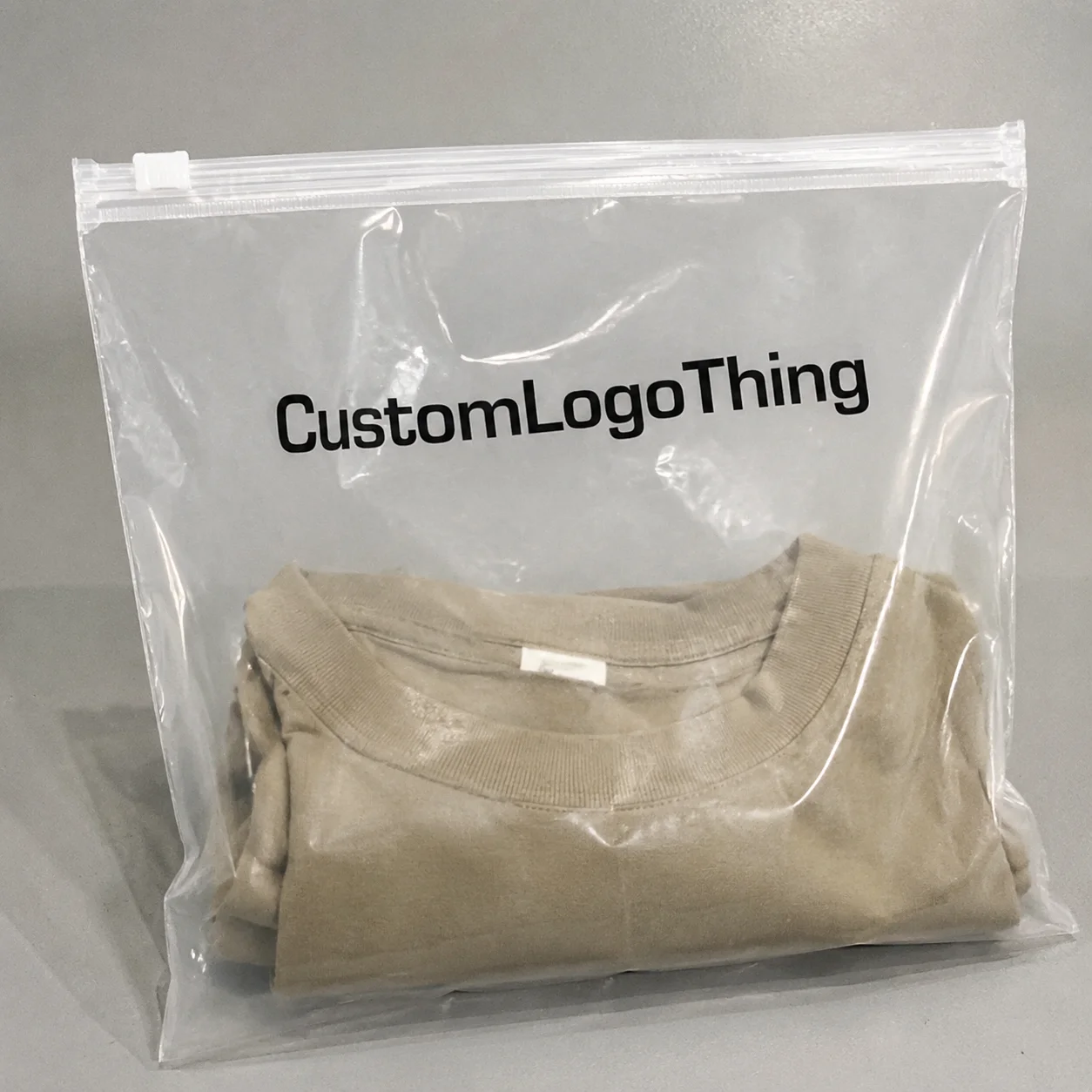
Streetwear buyers notice packaging fast. Matte versus gloss, seal quality, print sharpness, and how the bag holds a folded tee or hoodie all shape the first impression. The bag has a practical job and a brand job. It needs to protect the product, keep shipping predictable, and carry the label Without Wasting Money on overbuilt packaging.
What Actually Drives Sell-Through
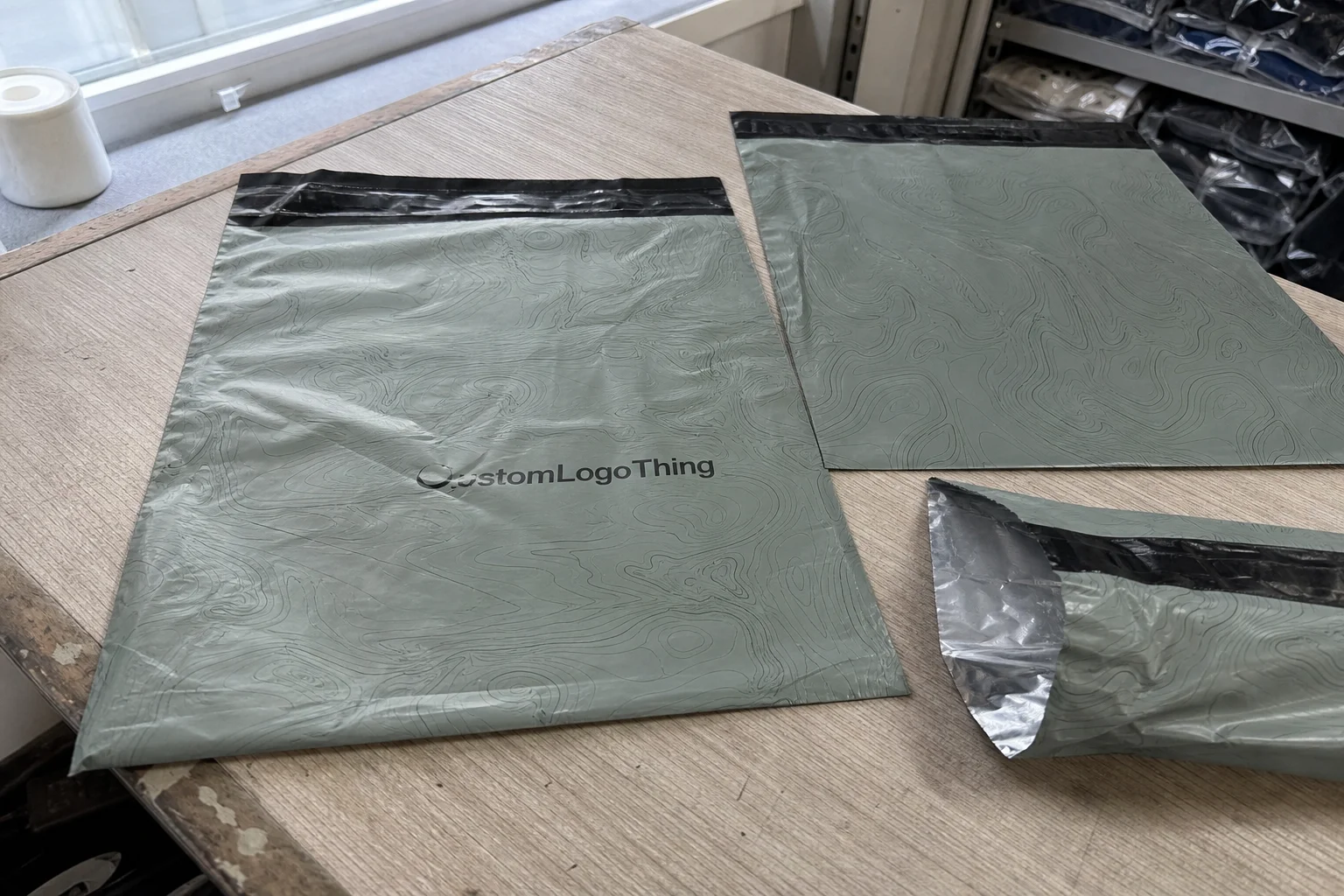
Courier mailers are not just shipping shells. They are the first physical touchpoint after checkout, which means they do a lot of quiet work before the customer even sees the garment. A bag that feels thin, wrinkles badly, or seals inconsistently makes the whole order feel cheaper. That is why the courier mailer Bags for Streetwear Labels quote checklist should start with how the bag will behave in the real world, not with a random target price.
For tees, hoodies, caps, and light sets, the right mailer should do three things well: survive transit, keep freight predictable, and fit the product without forcing overpacking. A bag that is too large wastes cubic space and raises shipping cost. A bag that is too tight makes packing annoying and can crease the garment. In practice, the best-selling streetwear mailers are usually the ones that feel considered but not fussy.
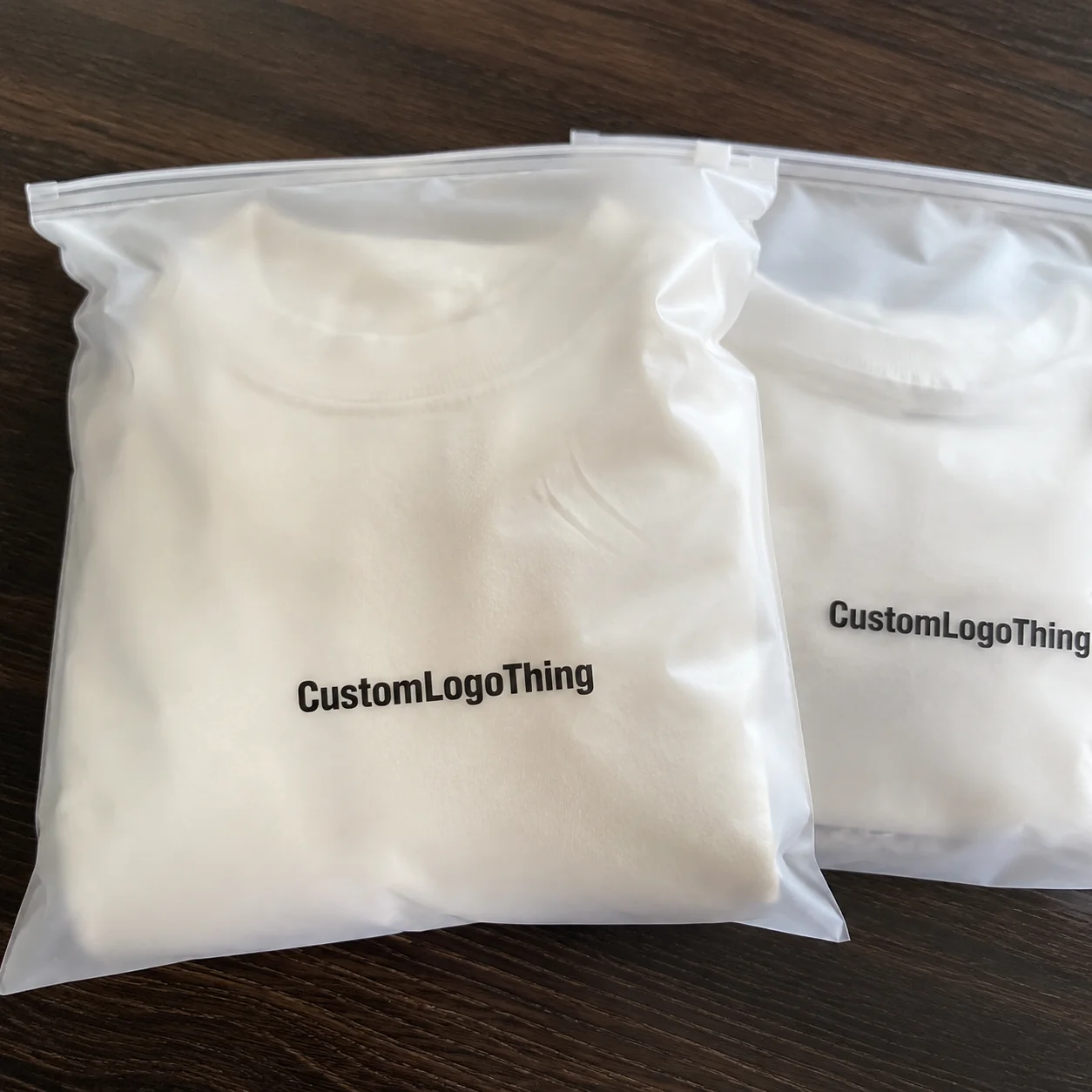
Streetwear customers also read packaging visually. A matte black mailer with a crisp one-color logo feels different from a shiny generic poly bag with soft artwork and a weak seal. That difference matters because your customer is not comparing your package to a pharmacy parcel. They are comparing it to the other brands on their feed and the last few boxes on their desk.
The useful question is simple: what must the bag accomplish on arrival? If the answer is protection, controlled shipping cost, and a look that belongs to the brand, the spec can stay focused. If the answer turns into “do everything,” the order gets bloated fast. Better to define the use case first, then price the right bag instead of guessing and cleaning up the result later.
For labels that ship a lot of small drops, consistency matters as much as appearance. A mailer that varies in hand feel or seal strength from batch to batch creates packing delays and customer complaints. That is the kind of problem buyers notice only after a launch, which is usually the most expensive time to discover it.
Material, Print, and Finish Choices
The base film is where most quote movement starts. Virgin PE usually gives the cleanest feel and the most consistent strength. Recycled-content film can support a stronger sustainability story, but the look and consistency depend on the resin mix. Blends sit in the middle. If you are building the order around the courier mailer Bags for Streetwear labels quote checklist, this is the first line item worth settling because it affects cost, durability, and the bag’s surface finish.
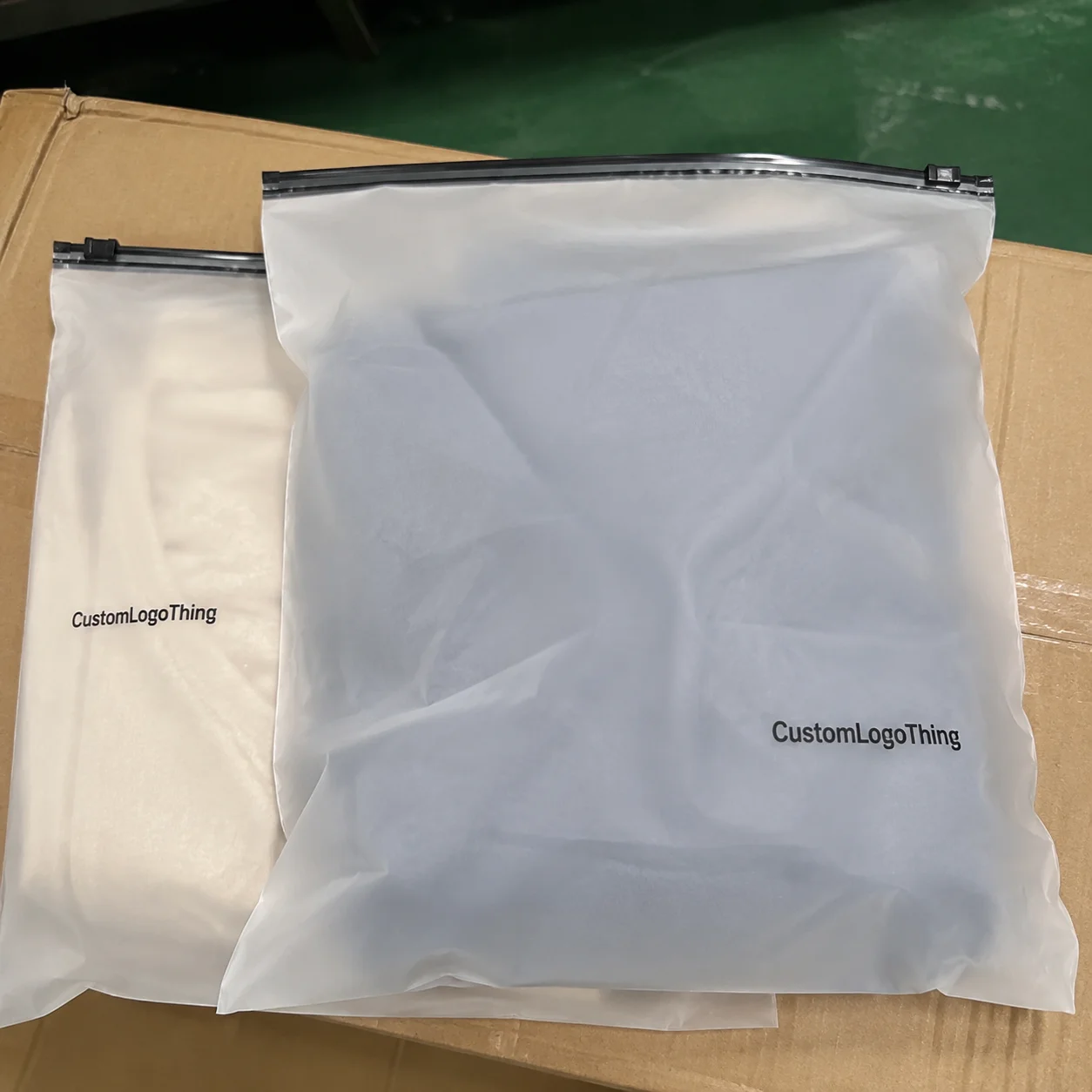
Opacity comes next. Some brands want full blackout film so the product stays hidden. Others want a softer branded exterior that still feels premium on camera. Gloss reads louder. Matte reads more restrained and often more expensive in hand, even when the difference on paper is small. If the brand language leans minimal, matte usually fits better. If the artwork depends on punchy contrast, gloss can help it stand out.
Print choice matters more than buyers expect. A simple one-color logo is straightforward. Multi-zone print, edge-to-edge coverage, gradients, or fine type in reverse white all increase proofing time and make the production run less forgiving. With courier mailers, print registration is not the place to get clever for the sake of it. Clean artwork wins more often than busy artwork.
Functional add-ons should solve an actual problem. A tear strip helps reduce damage on open. A tamper-evident seal protects premium orders. A dual adhesive strip supports returns. A gusseted structure gives room for bulkier folded hoodies or multi-item sets. If a feature does not improve packing, transit, or returns, it is usually just an extra line on the quote.
For a broader packaging line, it often makes sense to compare the mailer order with Custom Labels & Tags and Custom Poly Mailers so the brand feels consistent across shipments, inserts, and product presentation.
Size, Thickness, and Security Specs
Size should be based on the folded product, not on a garment size label. That sounds obvious, yet a lot of bad quotes begin with “small, medium, large” language that means nothing to a factory. The quote should specify flat width, length, and gusset if the structure needs one. If you ship tees and hoodies in the same bag size, define the expected packing method so the supplier can tell you whether the fit is realistic or just optimistic.
Thickness is usually described in microns or mils. For light tees, many brands sit around 50-60 microns. For hoodies and heavier folded sets, 60-80 microns is a more practical range. If you are shipping premium pieces, multi-item orders, or products that may rub against zips and hardware, 80-100 microns can make sense. Thicker film improves puncture resistance and hand feel, but it also adds cost and can make folding and sealing less forgiving.
Security details matter more than people admit. A strong adhesive closure reduces tampering and failed seals in transit. Opaque film hides the contents, which is useful if the label ships into shared buildings or high-return channels. If you have repeat theft, the problem is not solved by a nicer logo. It is solved by better closure design and a film spec that holds up in courier handling.
If you ship premium collections or worry about transit damage, ask whether the supplier is familiar with basic distribution testing aligned with ISTA methods. That does not mean every mailer needs lab certification. It does mean the supplier should understand drop, compression, and vibration risk instead of treating the shipment like a shoebox full of air.
One more practical point: if your catalog includes one tee, one hoodie, and one bundle order, do not assume a single bag size will do all three jobs cleanly. That is how brands end up with loose folds, extra void space, and a packing table full of compromises. Two sensible sizes often beat one awkward “universal” size.
There is also a labor angle. A bag that is technically large enough but awkward to pack slows the line down. That matters more than most quotes admit. A few extra seconds per unit becomes real money once you move from sample run to repeat production.
Pricing, MOQ, and Unit Cost
Unit price is not a number. It is a result. Size, thickness, material, print colors, finish, and order volume all move the cost. If you ask for a quote without those details, the supplier has to guess, and guesses are usually padded. The Courier Mailer Bags for streetwear labels quote checklist should make pricing comparable by forcing all of those inputs into the same format.
MOQ changes with production method. Plain stock mailers can be flexible because the factory already has material and dimensions on hand. Custom printed bags usually need a higher MOQ because setup, plate cost, and material allocation have to be spread across the run. A low MOQ on a highly customized bag is rarely cheap. It just hides the cost in the unit price.
Here is a practical comparison for a 5,000-unit order. These are directional ranges, not promises. Exact pricing depends on size, ink coverage, film choice, and freight terms.
| Option | Typical Spec | Indicative Unit Cost | Best Fit | Notes |
|---|---|---|---|---|
| Plain stock mailer | Standard size, no print, 50-60 micron | $0.08-$0.16 | Testing, low-volume drops, backup inventory | Fastest to source, least brand control |
| One-color custom print | Custom logo, one side, 60-70 micron | $0.14-$0.28 | Most streetwear launches | Best balance of cost and brand presence |
| Two-side or multi-color print | Logo plus copy or graphics, matte finish | $0.18-$0.35 | Premium drops and branded unboxing | More proofing, more chances for color drift |
| Heavy-gauge return mailer | Dual adhesive, tear strip, 80+ micron | $0.22-$0.45 | Higher-value shipments and return-heavy categories | Costs more, but can reduce damage and rework |
Always split the total into product cost, freight, sample fees, plate or tooling charges, and any carton or pallet assumptions. A quote that looks lower by 8 cents a bag can become more expensive once sea freight, air freight, or local delivery is added. Cheap headline pricing is useful only if the quote survives the second page.
If the quote does not define size, thickness, print coverage, and freight terms, it is not really a quote. It is a placeholder with a logo on it.
If the paper side of your packaging needs to match the same quality standard, ask whether outer cartons or printed inserts can be tied to FSC sourcing. That does not solve the whole sustainability conversation, but it keeps the paper claims clean and easy to explain.
Price also shifts with seasonality. Peak shipping periods tighten factory schedules, and that usually shows up in both lead time and freight. If you quote too close to a launch, you are not really comparing suppliers anymore. You are comparing who can absorb the delay without breaking the shipment.
Process and Timeline
A usable spec sheet saves time. That means size, thickness, quantity, artwork, delivery postcode, and any special requests in one place. If the supplier has to chase the basics in three different messages, the timeline becomes fiction. The faster path for a branded mailer order is usually the boring one: clean inputs, one proof round, clear approval, then production.
For a standard custom mailer, the flow is simple. Inquiry first. Spec confirmation next. Artwork proofing after that. Sample approval if the order needs it. Production follows approval, and then transit time gets added on top. That last part matters. A factory can finish on time and still miss your launch date if freight was never part of the plan.
In many cases, standard production can run in about 12-15 business days from proof approval for a straightforward job. More complex printing, special finishes, or higher-volume runs can push that to 18-25 business days. Transit depends on shipping method and destination. If a launch date is fixed, build the freight window into the plan instead of assuming it will behave.
Samples are useful, but only if they are treated as a real checkpoint. A sample that seals badly, prints too dull, or feels flimsy is not a sample to approve. It is a signal to adjust the spec. Skipping that step is how brands end up reordering under time pressure and paying twice for the same lesson.
Ask for the quote in stages if needed: sample pricing, production pricing, and freight pricing. That keeps the conversation tidy and makes it easier to compare suppliers later. It also exposes who is organized and who is just pushing a number around.
One thing buyers often miss is carton planning. If the mailers ship in awkward carton counts, warehouse handling gets slower and damaged cartons become more likely. A clean production spec should include pack count per carton and whether palletizing is expected. Those details do not sound glamorous. They save headaches.
How to Compare Suppliers
Comparing suppliers is not about finding the lowest number on the page. It is about finding the supplier who priced the same job. Two quotes can look similar and still differ on film weight, seal strength, carton count, print tolerances, or freight assumptions. If the spec sheet is vague, every “comparison” is just a guess dressed up as procurement.
Ask how the supplier handles proof approval, defect tolerance, and replacements. You are not buying a mood board. You are buying a production run. A supplier that answers clearly before deposit usually stays clearer after deposit. The one that becomes vague after a quick discount was never the cheaper option.
Request a real sample photo or a physical sample when the order matters. Streetwear customers do notice small quality issues. A slightly off-black print, a weak seal line, or a crooked logo is enough to make the package feel off. That is why a clean quote for courier mailer Bags for Streetwear labels should include enough detail to tell you whether the final product will match the sample, not just whether the price looks tidy.
These are the details I would compare line by line:
- Exact dimensions, including flat width, length, and gusset if used.
- Film thickness in microns or mils, not “standard” or “strong.”
- Print scope, including side count, coverage, and color count.
- Closure type, such as single seal, dual adhesive, or return strip.
- Carton assumptions, especially pack count and palletization.
- Freight terms, including whether the quote is ex-works, FOB, or delivered.
If the rest of your packaging line needs to stay consistent, it helps to treat the mailer as one piece of a larger system. Matching Custom Labels & Tags and a similar mailer finish can keep the brand language coherent across shipments.
Also ask what counts as an acceptable defect rate. A quote can look attractive until you learn the supplier assumes a higher waste allowance than you do. That difference can erase the savings quickly. Good quotes define the tolerance up front, not after the first complaint.
What to Send for a Fast Quote
The fastest way to get a usable price is to remove ambiguity. For courier mailers, the supplier should be able to price the job from one message if the information is complete. That is what the courier mailer bags for streetwear labels quote checklist is for. It cuts the back-and-forth, and it makes the quote actually comparable.
Send these details together:
- Bag size: flat width, length, and gusset if needed.
- Quantity: total units and whether you need a split between sizes.
- Material preference: virgin PE, recycled content, or blended film.
- Thickness: target micron or mil range.
- Print details: one side or both, number of colors, Pantone references, artwork file format.
- Finish: matte, gloss, opaque black-out, or another surface effect.
- Closure: standard seal, tamper-evident strip, or return adhesive.
- Packaging format: individual bags, carton count, pallet preference if relevant.
- Delivery address: postcode and country, because freight changes the real number.
- Timing: sample need, production deadline, and launch date.
Artwork should be sent in vector format if possible. Include placement rules, logo clear space, and any brand color references. If the back side is blank, say so. If the back side carries instructions or a return message, say that too. The more precise the input, the less likely you are to get a quote that looks clean on paper and gets expensive later.
If you want the order priced cleanly, not cosmetically, use one message, one spec sheet, and one decision maker. Ask for the sample, the production quote, and the freight assumption in writing. Then compare the landed cost, not the headline price. That is how the courier mailer bags for streetwear labels quote checklist turns from a vague request into a quote you can actually approve.
For a streetwear label, the right courier bag is not a side detail. It is a cost, a brand signal, and a transit tool all at once. The brands that get it right treat the mailer spec like part of the product, not a cleanup task after the art is done.
What size courier mailer bags do streetwear labels usually need?
Base the size on the folded product plus a small packing margin, not on the garment tag or retail size alone. Most labels need one size for tees and a larger format for hoodies or mixed orders. If you want a quote you can compare properly, ask for flat width and length in millimeters or inches.
What MOQ should I expect for custom courier mailer bags?
Printed custom mailers usually have a higher MOQ than plain stock bags because setup cost has to be spread across the run. MOQ changes with size, print complexity, and film type. If you are testing a new drop, ask whether the supplier can offer a sample run or a plain stock option first.
Can streetwear courier mailer bags be printed on both sides?
Yes. Double-sided print can improve branding or add return instructions, but it usually increases cost and can add proofing time. Use the back side only if it serves a real purpose. Keep the artwork simple if you want cleaner registration and fewer production headaches.
How long does sample approval and production usually take?
Sample timing depends on whether the artwork is final and whether the bag spec is standard or custom. Production time changes with order size, print setup, and factory queue, so always confirm factory days separately from transit days. Add freight time on top of manufacturing time if you care about the delivery date, which you should.
What should be on a courier mailer bags quote checklist?
Include size, thickness, quantity, material, print colors, finish, delivery address, and target timing. Add closure type, tamper-evidence, opacity, sample needs, and carton preferences if those matter to the order. The more complete the checklist, the less likely you are to get a quote that looks cheap and turns expensive later.