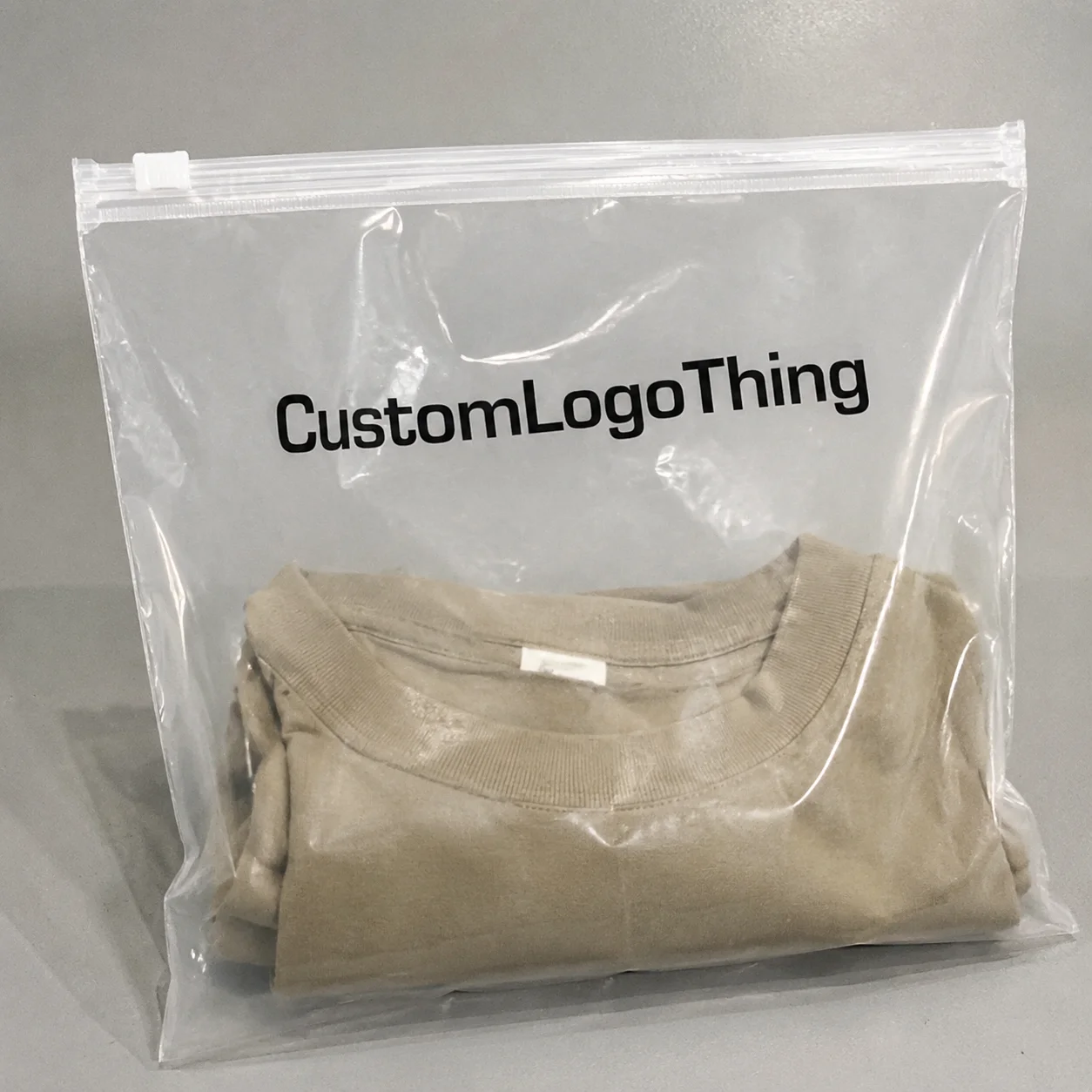
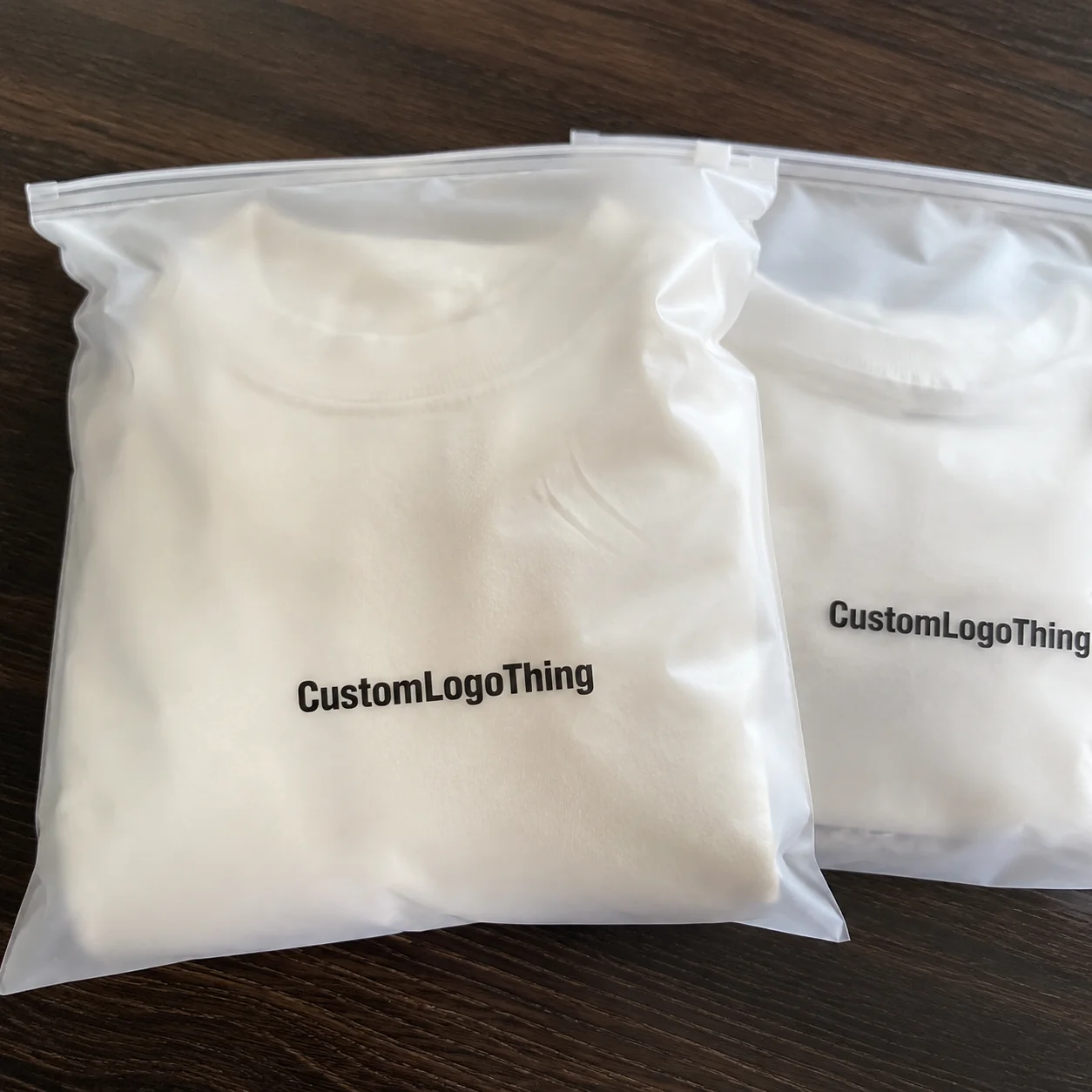
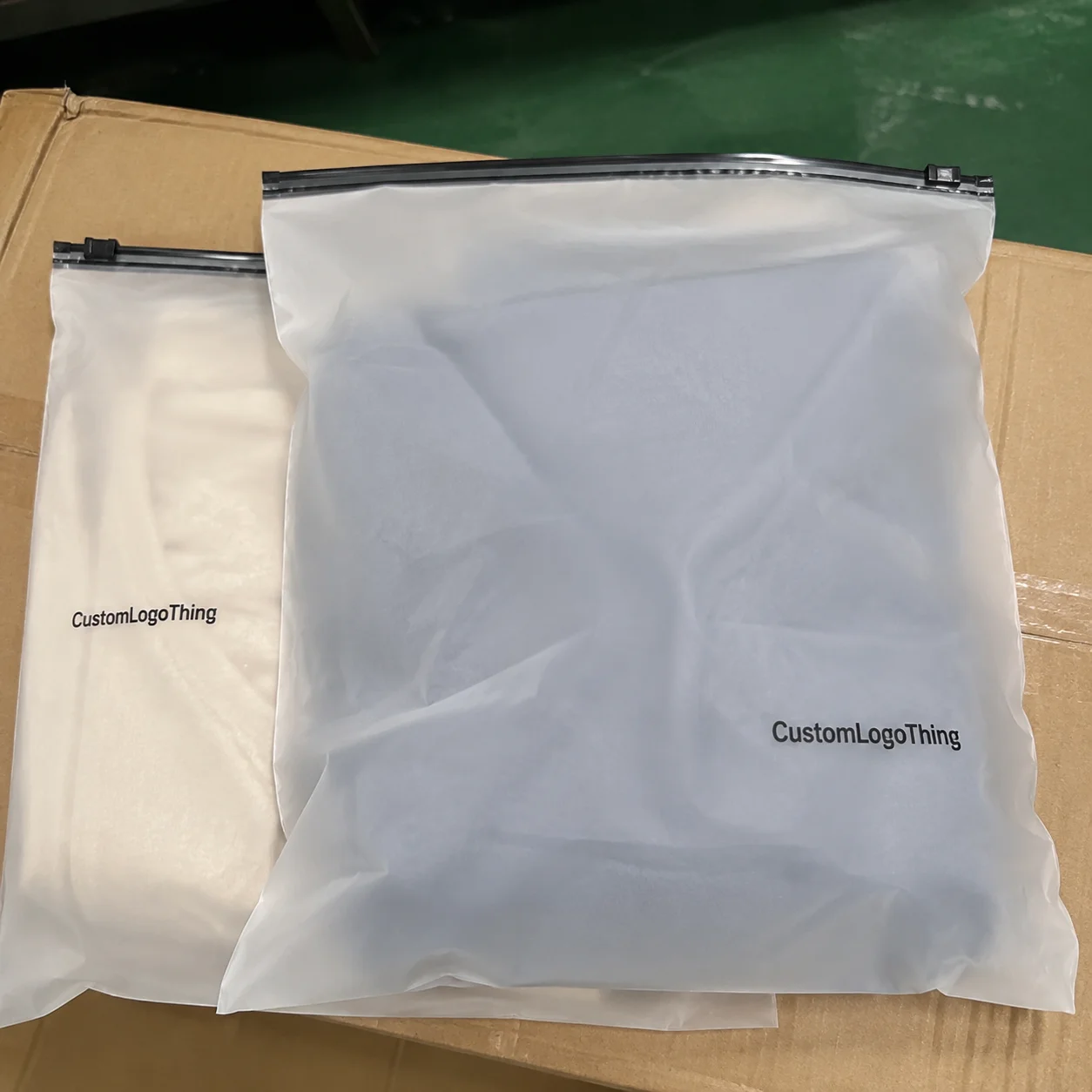
If you are pricing clear zipper Bags for Streetwear labels cost breakdown, start with the real job of the bag. It is not just packaging. It protects the garment, keeps inventory organized, and shapes the first impression before the customer even touches the product. A clean, clear bag can make a folded tee look retail-ready. A cloudy, flimsy one does the opposite. Fast.
That is why the price swings so much. A plain pouch and a custom-printed, thicker, better-sealing bag are not in the same category. Material type, film thickness, zipper style, size, print coverage, and order quantity all push the number around. If you understand those variables early, you stop comparing quotes that were never equal in the first place.
Streetwear brands usually care about two things at once: presentation and repeatability. The bag has to look good on the shelf or in the mailer, but it also has to move cleanly through packing tables, storage bins, and reorders. If the spec changes every season, the warehouse becomes a mess and the price never settles. That part is predictable. Not exciting, just true.
Why Streetwear Brands Pay for Clear Zipper Bags Instead of Cheap Poly Mailers
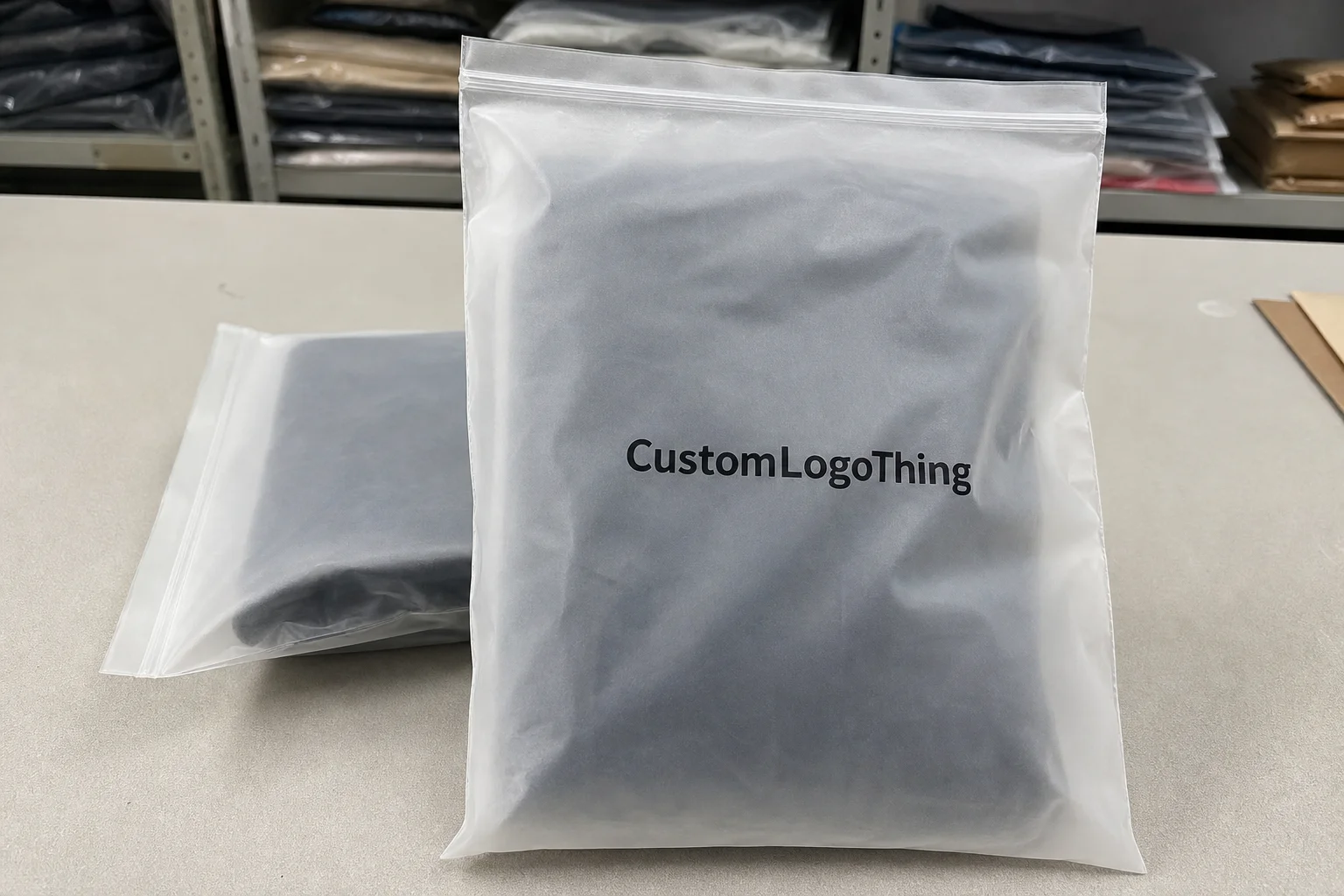
Clear Zipper Bags do more than hold a shirt. They keep folded apparel contained, visible, and easier to sort. For streetwear labels, that matters because the packaging is part of the product experience, not an afterthought. A generic poly mailer can get the job done for shipping, but it rarely adds anything to the brand. It often subtracts.
Cheap mailers and weak bags fail in the same annoying ways. Film wrinkles. Seals split. The bag looks cloudy under retail lighting. Zippers snag or stop closing properly after a few uses. If you are shipping premium basics or higher-ticket drops, that kind of failure is a bad look. Customers notice presentation long before they analyze construction.
There is also a practical side. Clear bags help teams identify sizes, colorways, and SKUs at a glance. That sounds minor until a restock hits and the packing table is moving quickly. Faster identification means fewer mis-picks, less repacking, and less time spent fixing avoidable mistakes. Labor is expensive. Packaging that saves labor is not just decoration.
For drops with multiple variants, visibility matters even more. If the product is already folded and packed, the bag becomes the label holder, the dust cover, and the visual cue. That is a lot of work for one piece of plastic. So yes, a better bag costs more than a low-grade mailer. It also does more.
The smartest buyers do not ask, “What is the cheapest clear bag?” They ask, “What spec gives me the best balance of appearance, speed, and reorder stability?” That is the better question, and it gets you closer to a realistic budget.
Clear Zipper Bag Specs Streetwear Buyers Should Lock In First
Lock the spec before asking for price. Otherwise, the quote you get is basically a moving target. Size, thickness, zipper type, and bag structure should be decided first. Those four choices drive most of the cost.
For basic apparel packaging, tees often fit into something around 10" x 14" or 11" x 16". Hoodies and fleece need more room, commonly in the 14" x 18" range or larger depending on fold method and fabric bulk. Shorts, socks, and accessories can use smaller bags. If you are packaging sets, leave extra width so the zipper is not fighting the fold. That small detail saves a lot of frustration.
Film material changes feel and price. PE is generally the lower-cost option and works well for simple apparel packaging. EVA often feels softer and can look clearer, but it usually costs more. Recyclable blends can be a strong fit if the brand has a sustainability requirement, but buyers should test them first. Not every eco claim translates into the same clarity, seal quality, or folding behavior.
Thickness matters more than most first-time buyers expect. Apparel bags commonly sit somewhere between 4 mil and 8 mil depending on the target feel and the weight of the garment. Thinner film is cheaper, but it can feel weak or wrinkle more easily. Thicker film holds shape better and usually feels more premium. There is no magic number. You pick the point that matches the product.
Then there is the zipper. A standard press-to-close zipper is usually the baseline. Slider zippers feel more premium and can be easier to use in busy packing environments, but they add cost. Tamper-evident closures exist too, though not every streetwear label needs them. The key is to choose a closure that matches how the bag will actually be used, not how it looks in a mockup.
Other details affect both price and usability:
- Finish: glossy clear for maximum visibility, or matte for a softer retail look.
- Print area: logo panel, barcode zone, care message, or full-surface branding.
- Bag structure: flat bag for simpler packouts, gusseted bag for thicker garments.
- Extras: hang hole, writable panel, warning text, or size marking.
Standardizing one or two sizes usually saves money over time. It cuts setup work, makes purchasing easier, and keeps the warehouse from juggling too many versions of nearly the same thing. A tidy spec sheet beats creative chaos every time.
“If your team cannot describe the bag in one sentence, the spec is probably too loose.”
Clear Zipper Bags for Streetwear Labels Cost Breakdown: What You Actually Pay For
Here is the practical clear Zipper Bags for Streetwear labels cost breakdown: material, size, zipper hardware, print setup, special features, packing method, and freight. Buyers usually focus on unit price, but unit price is only the result. The inputs are what move it.
Raw material is the first driver. Bigger bags use more resin. Thicker film uses more resin. Clearer film usually costs more than dull, low-grade film. Then the zipper adds another layer of cost, especially if the closure is smoother, stronger, or customized. Print turns a plain bag into a branded part, which is useful but not free.
For a realistic sense of pricing, these are common apparel-grade ranges. They are not universal, because spec and destination matter, but they are useful for budgeting:
| Order Type | Typical Cost per Piece | Notes |
|---|---|---|
| Sample or test order | $0.45–$1.20 | Higher handling cost, limited economies of scale, often plain or lightly customized |
| Low MOQ production run | $0.18–$0.42 | Usually custom sizing or basic print, with setup charges still visible in the quote |
| Mid-volume bulk pricing | $0.10–$0.24 | Better material efficiency and lower unit cost once the setup is already done |
| Higher-volume production | $0.06–$0.16 | Best cost per piece, assuming the spec stays stable and the quantity is real |
The biggest pricing drop usually comes from quantity. Once tooling, plates, and setup are spread across more pieces, the per-unit number improves quickly. That is why a 1,000-piece run can look expensive next to a 10,000-piece run even when the bag itself is not dramatically different. Small runs are useful for testing. They are not cheap.
Printing can add a little or a lot. A small one-color logo is usually manageable. A full-coverage print, multiple colors, or a detailed retail-style layout takes more setup, more inspection, and more production control. If the logo sits in a clean corner panel, the impact is usually modest. If the design wraps the entire bag, expect the quote to move.
Hidden costs show up in the less glamorous parts of the order. Freight can be substantial because packaging takes space. Custom dimensions may require tooling. Revisions can trigger another round of proofing. Split shipments can double the logistics headache. The bag price may look fine while the landed cost tells a different story.
That is why a proper quote should include more than a unit number. It should include quantity tiers, sample charges, setup fees, packaging method, and shipping assumptions. If those details are missing, the quote is incomplete. Simple as that.
For brands that are building a broader packaging system, matching bag packaging with items like Custom Labels & Tags can give the drop a cleaner retail finish without forcing every product into expensive full-print packaging.
MOQ, Sample Cost, and Quote Details That Affect Streetwear Orders
MOQ is where a lot of packaging plans get reality-checked. Custom clear bags usually need a meaningful minimum because the supplier has to absorb material purchase, zipper components, print setup, and labor scheduling. The more custom the bag, the more the MOQ tends to rise. That is not a trick. It is the price of changing the production line.
Stock-style or near-standard bags can sometimes be ordered at lower quantities, especially if the supplier already runs similar dimensions. Fully custom sizes with custom print typically need more volume to stay practical. If you only need a small run, you can still make it happen. The tradeoff is a higher unit price.
Samples are worth it. A plain sample is usually cheaper because there is no print setup. A custom sample may cost more because it can require proofing, artwork prep, or a partial production cycle. Still, that cost is tiny compared with the cost of discovering too late that the zipper feels weak or that a hoodie barely fits into the bag.
To get a quote that is actually useful, send the supplier a clean brief:
- Bag dimensions, including usable width and height
- Film thickness target
- Quantity range, not only one number
- Print colors and print placement
- Artwork file format
- Ship-to location or destination country
There is one quote mistake I see over and over: comparing two prices without checking the spec line by line. A lower quote can mean thinner film, weaker closure, reduced clarity, smaller usable size, or less careful finishing. On paper, that looks efficient. In production, it becomes a problem you have to solve later.
Ask for tiered pricing if you are still testing the packaging strategy. A 1,000-piece test run, a 5,000-piece production run, and a larger reorder should not price the same way. Those tiers show you where the break point sits. That matters more than chasing the cheapest unit number in isolation.
Production Steps, Lead Time, and Shipping Timeline for Bulk Orders
The production sequence is simple if the buyer stays disciplined. First comes spec confirmation. Then artwork approval. Then sample or proof approval. After that, the run moves into production, quality checks, packing, and dispatch. The process sounds boring because it should be. Boring packaging production is usually the packaging that arrives on time.
Plain bags generally move faster than printed or fully custom runs. A practical lead time for simpler orders is often around 10 to 15 business days after proof approval. More customized orders can take 15 to 25 business days or longer depending on material sourcing, print complexity, and the production queue. Shipping adds its own timeline, and freight is not always generous about your deadline.
These are the usual delays:
- Artwork changes after approval
- Pantone matching requests that need extra testing
- Tooling approval delays
- Waiting on sample sign-off
- Freight booking and customs timing
Rush orders are possible in some cases, but they usually raise the price and leave less room for correction. Paying for speed makes sense if the launch date is fixed and inventory is short. It makes less sense if the delay came from indecision. The calendar is often fine. The approval chain is the mess.
Planning ahead saves money because it avoids panic freight, reproofing, and last-minute substitutions. The best way to protect lead time is to lock the spec early and keep it locked. Reorders are where consistency should pay you back. If every run is different, the savings disappear.
How We Keep Streetwear Packaging Costs Predictable Without Cutting Corners
Predictable packaging costs come from repeatable specs. Same die line. Same zipper style. Same material family. Same artwork setup where possible. Once those choices stay steady, the supplier can plan material buys more accurately, and your unit cost stops bouncing around every time you reorder.
From a buyer’s perspective, consistency matters more than squeezing a tiny discount. If the film thickness changes between runs or the zipper quality drifts, the second order no longer matches the first. Now the warehouse has two versions of the same package, and that creates avoidable friction in packing, storage, and presentation. The cheap quote starts looking expensive.
Quality control should be basic and non-negotiable. Check zipper closure strength. Check seal consistency. Check film clarity under normal light, not just in a sterile sample room. Verify size tolerance so the garment fits properly without excess slack or a tight squeeze. If the bag is supposed to protect folded apparel, it needs to close cleanly and hold shape. There is no prize for overcomplicating that.
Buyers who care about material claims should use sources that actually mean something. Packaging guidance from the Institute of Packaging Professionals is more useful than vague marketing copy. For sustainability questions, the EPA is a better reference point than a brochure with nice green icons and no substance. If transit durability matters, ISTA has practical transport testing guidance that helps separate real performance from wishful thinking.
There is also a systems view here. Packaging should fit into the rest of the brand’s launch and restock process. If the base bag structure stays stable, you can change print, barcode placement, or seasonal messaging later without rebuilding the whole order. That protects reorder economics and keeps the packout line simpler. Pairing the bag with matching packaging elements like Custom Labels & Tags can also help the presentation feel intentional instead of pieced together.
The goal is not a glamorous quote. The goal is a bag that looks sharp, works in the warehouse, and comes back at a predictable price. That is the version buyers can actually plan around.
Next Steps to Order the Right Clear Zipper Bag for Your Label
Before you request pricing, gather the basics: product dimensions, target bag size, quantity range, logo file, and launch date. The cleaner the input, the less back-and-forth you will need. It also lowers the chance that everyone spends two days debating a size that should have been decided in the first email.
Ask for two quotes side by side if you want a useful comparison. One should be a plain or stock-style clear bag. The other should include your branding and any spec upgrades you actually want. That gives you a clean read on what the base packaging costs versus what the custom elements cost. It is the simplest way to understand clear zipper Bags for Streetwear labels cost breakdown without mixing up variables.
Order samples before bulk production if the bag needs to do more than look nice in a mockup. It should matter whether the zipper closes easily, whether the film stays clear, and whether the garment fits with room to spare. A sample catches the boring problems early, which is exactly where you want them.
Set a reorder threshold before stock gets tight. Streetwear drops move fast, and packaging rarely waits for procurement to catch up. If you run out of bags, the product still exists, but the packout slows down and presentation gets messy. That is a self-inflicted problem, and it is avoidable.
Good packaging buying is not complicated. It just requires discipline. Send the spec, compare plain versus custom, check MOQ and lead time, and make sure the landed cost still works for your margin. That keeps the decision grounded instead of sentimental.
FAQ
What affects the cost of clear zipper bags for streetwear labels the most?
Size and film thickness usually move the price first. Zipper style, print coverage, and custom sizing add more cost. Quantity has the biggest effect on unit price because setup costs get spread across more pieces.
What MOQ should a streetwear brand expect for custom clear zipper bags?
MOQ depends on the bag size, material, and print complexity. Stock-style bags can often start lower. Fully custom runs usually need higher volume to stay economical.
How long does production usually take for custom clear zipper bags?
Simple bags are often faster than printed or fully custom bags. A practical estimate is 10 to 15 business days after proof approval for simpler orders, with longer timelines for more complex runs. Shipping time is separate and should be counted in the schedule.
Can I get a sample before placing a bulk order?
Yes, and you should if zipper performance, clarity, or fit matters. Plain samples are usually less expensive than custom proof samples. A sample is the easiest way to verify the bag before committing to production.
What should I send to get an accurate quote for clear zipper bags for streetwear labels?
Send dimensions, thickness target, quantity range, print details, artwork files, and the shipping destination. If you have a launch date, include that too. It helps the supplier confirm feasibility and lead time without guessing.