Order Supplement Brand Void Fill Paper Bulk for Shipping
Most supplement damage does not come from a dramatic drop. It starts with movement inside the carton, where bottles rattle against each other, labels scuff against corrugate, and the unboxing experience feels cheaper before the customer even lifts the lid. Buying supplement brand Void Fill Paper bulk with intent is a practical packaging decision, not an extra line item to sort out later.
I have seen this play out on packing floors more times than I can count. A box that sounds loose on the table usually sounds loose in transit too, and that is where returns, complaints, and re-shipments start piling up. Supplement brands tend to run into the same shipping problems again and again: compact cartons, mixed product weights, fragile closures, and customers who notice presentation immediately. Paper void fill handles those everyday shipping issues without creating a recycling headache or the static mess that can make labels, pouches, and closures harder to manage.
Why Supplement Brand Void Fill Paper Bulk Beats Loose Filler
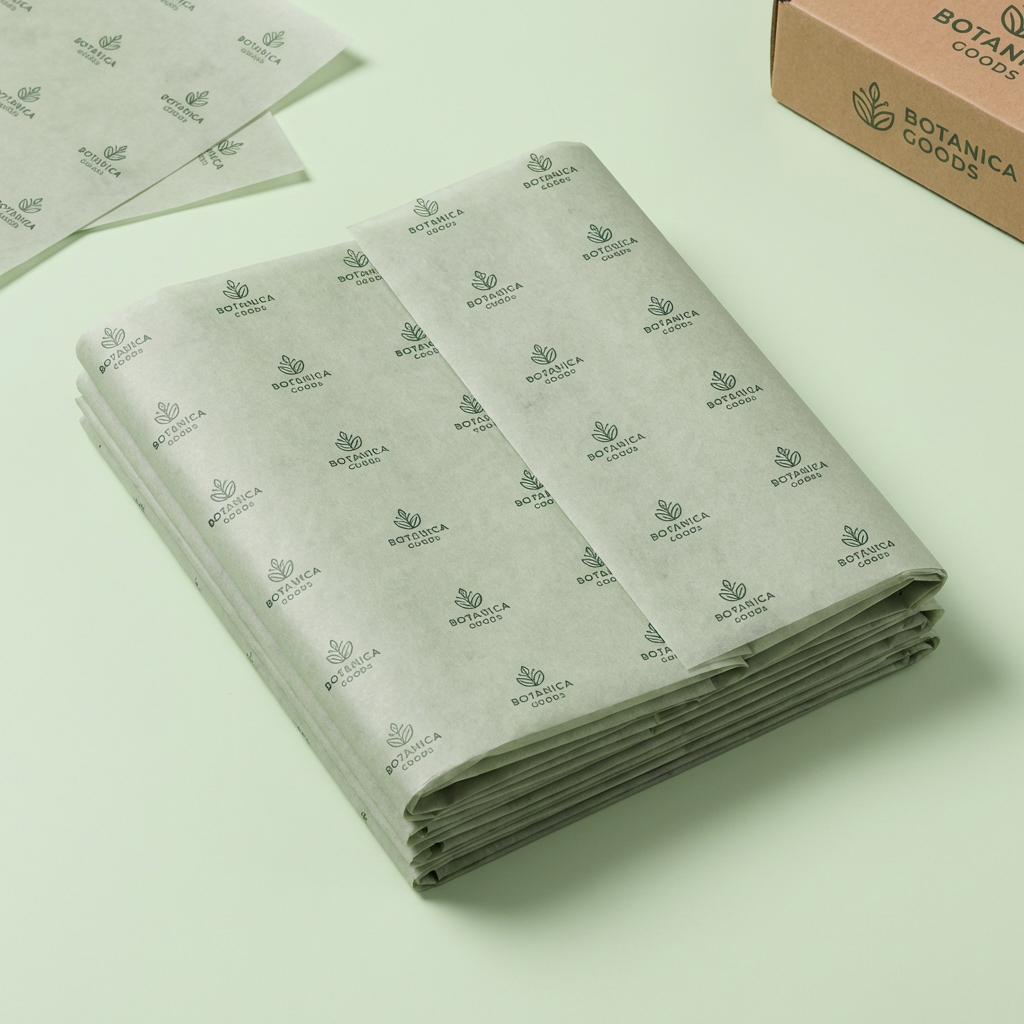
Most supplement shipping issues are not dramatic. They are noisy, frustrating, and expensive in the wrong ways. A bottle shifts a fraction of an inch, a powder pouch rubs a side panel, a gummy jar bounces into the wall of the shipper, and the box arrives with scuffed graphics and a rough feel. Supplement brand Void Fill Paper bulk fixes that by stopping movement before it becomes a customer complaint.
Loose filler became common because it was cheap and easy to grab. The catch is that "cheap and easy" usually creates mess at the packing table, weak presentation on arrival, and a customer who wonders whether the brand pays attention to detail. Paper void fill gives cleaner containment, steadier carton structure, and a shipping experience that looks deliberate instead of improvised.
Air pillows can work in some categories, but supplement boxes often need more shape control. Peanuts cause even more trouble for presentation and convenience. They cling, spill, and make the package feel careless. Paper void fill creates a tighter, more intentional pack, and that matters for brand identity and brand recognition as much as it matters for damage control. If you have ever had to sweep loose peanuts off a conveyor, you already know why the preference sticks.
There is also a subtle operational benefit. Paper tends to behave the same way from pallet to pallet, while loose fills vary wildly depending on how they were stored, handled, and used. That consistency gives a packing lead fewer surprises, which is kind of the whole point when a team is trying to move orders without constant interruption.
| Void Fill Option | Presentation | Recycling and Cleanup | Best Use | Typical Cost Impact |
|---|---|---|---|---|
| Paper void fill | Clean, controlled, premium enough for direct-to-consumer shipping | Easy to flatten and sort; less static and less mess | Supplement bottles, jars, kits, subscription boxes | Moderate; usually worth it for fewer complaints and better unboxing |
| Air pillows | Neat in the box, but can look sparse if overused | Plastic disposal can be a friction point | Light items with large voids | Low to moderate, depending on film and inflation setup |
| Peanuts | Loose and messy; rarely feels premium | Spills easily; cleanup is annoying | Occasional low-value shipments | Low upfront, higher hidden labor cost |
From a packaging buyer's point of view, the real question is not whether the filler is glamorous. It is whether the carton stays quiet in transit. If the answer is yes, your customer perception improves, your claim rate usually falls, and the box reflects the product instead of fighting it.
Supplement brand Void Fill Paper bulk also helps when you ship mixed SKUs. A 120 g bottle, a 250 g glass jar, and a set of sachets do not behave the same way in a shipper. Paper fill can be tuned around those differences without forcing every carton to look overstuffed, which is exactly the kind of detail customers tend to notice even if they never say it out loud.
A cheap quote that hides freight is not a cheap quote. It is a surprise invoice with better typography.
Brands that care about visual branding usually move away from loose filler once volume starts to climb. The box stops sounding hollow. The product sits centered. The unboxing feels intentional instead of improvised. That is a small material change with a very visible return, especially once a supplement line starts shipping enough orders that the same mistake repeats every day.
Supplement Brand Void Fill Paper Bulk Product Details
Supplement brand void fill paper bulk is usually kraft or recycled paper supplied in rolls, sheets, or converted fill formats that expand enough to lock products in place. The job is simple: occupy the empty space so the product cannot build momentum inside the carton. Simple does not mean generic, though. The format matters.
Some buyers want hand-use paper for low-volume packing stations. Others want machine-friendly rolls because the line has to keep moving. A third group wants pre-cut or pre-converted fills for the same box size every day. The best format depends on your carton dimensions, your packing speed, and how much labor you want to spend wrestling with a roll at the bench. Nobody enjoys a setup that slows the line down just to save a few pennies.
Common Formats Buyers Compare
Hand-use paper works well for smaller teams or brands shipping a few hundred units a day. It is straightforward and does not require much equipment. Machine-friendly rolls fit higher throughput operations where packing speed matters and the team wants consistent feed. Pre-cut options make sense for repeat carton sizes, especially when the same supplement SKUs ship over and over.
- Roll format: Better for continuous packing and higher daily volume.
- Sheet format: Better for fixed box sizes and predictable fills.
- Converted fill format: Better when you want faster packing with less manual manipulation.
Where It Fits in Supplement Shipping
Supplements rarely ship alone. They travel with marketing inserts, sample packs, seasonal bundles, and subscription box extras. That means supplement brand void fill paper bulk has to stabilize different weights without overstuffing the box. If the fill is too light, the product shifts. If it is too dense, the carton bulges and the tape line starts fighting the structure.
Good use cases include bottles, jars, gummy tubs, sachets, mixed promo kits, and subscription boxes with one or more fragile items. Paper fill is also useful for retail-ready presentation boxes that are going into a shipper outer. The goal is not to bury the product. It is to keep it centered and quiet.
In practice, the most useful test is simple: close the box, shake it gently, and listen. If you hear a thud or slide, the shipper is doing too little. If you have to force the lid, the pack is doing too much. Supplement brand void fill paper bulk should land in the middle without making your team guess every time.
For brands with strict sustainability language, recycled content and FSC documentation matter. If that is part of your buying spec, ask for proof rather than a vague promise. The FSC certification system is the place to start if you need chain-of-custody language that does not sound hand-wavy. I would also keep local recycling guidance in the conversation, because paper recycling rules still vary by market and region.
Specifications That Affect Fit, Finish, and Waste
Specification details decide whether supplement brand void fill paper bulk feels efficient or annoying. The big numbers are basis weight or GSM, roll width, roll length, core size, color, and recycled content. Ignore those details, and you usually pay for it in wasted paper, slowed packing, or a carton that looks awkward because the fill volume is wrong.
A lighter paper packs faster and costs less, but it gives less cushion. A heavier paper gives more structure for glass bottles and tight multi-item bundles, but it can create waste if your carton is small or your team overuses it. There is no magic number that works for every supplement line. There is only the right range for your box and product mix.
Practical ranges that often make sense:
- 45-60 GSM: Good for small pouches, sachets, and light bottles in snug cartons.
- 60-80 GSM: A common middle range for mixed supplement orders and standard DTC cartons.
- 80-120 GSM: Better for glass jars, heavier bundles, and boxes that need firmer support.
Roll width matters too. A narrow width can be fast on smaller cartons but wasteful on larger ones because the operator has to add more passes. A wider roll can slow the first setup but reduce fiddling once the line is trained. The same logic applies to roll length and core size. If your team is swapping rolls every hour, you are paying labor to do packaging housekeeping.
Supplement brand void fill paper bulk also needs repeatability. A width that varies by a few millimeters is enough to cause trouble on a fast bench. So is paper tension that changes from one pallet to the next. The more consistent the converted paper, the easier it is to keep packing speed steady and waste under control.
There is a flip side, too. Over-specifying paper can waste money without improving protection. I have seen buyers push for a heavier grade because it sounded safer, then realize they were stuffing too much into smaller cartons and creating bulging lids, crushed corners, and more labor at the packing table. That is not a win. It just looks premium on a spec sheet.
What To Send Before Requesting a Quote
- Carton dimensions, not just the outer shipping size.
- Average SKU weight and the heaviest box you ship.
- Monthly volume by SKU or carton type.
- Manual, semi-automated, or machine-assisted packing method.
- Storage limits for rolls, cartons, or pallets.
- Whether you need recycled content, FSC support, or a specific color.
If your QA team wants formal transit validation, pair your sample test with ISTA shipment testing standards or your own in-house drop and vibration checks. ASTM D4169 is another familiar reference point in packaging QA. A bench sample is useful, but a carton that passes on a table and fails in real freight is a waste of everybody's time. I always tell buyers to test the box they actually ship, not the one they wish they shipped.
That is the tradeoff nobody likes to talk about: the cheapest-looking spec is not always the cheapest package. If a lower-GSM roll makes the line fast but increases in-carton movement, the damage cost can erase the savings very quickly. With supplement brand void fill paper bulk, fit beats guesswork every time.
Supplement Brand Void Fill Paper Bulk Pricing and MOQ
Pricing for supplement brand void fill paper bulk is driven by paper grade, GSM, roll dimensions, conversion work, recycled-content target, packaging format, and freight distance. That sounds boring because it is. Packaging buying is often boring until the wrong spec shows up on the dock and your shipping team starts improvising.
MOQ matters just as much. A small pilot run is smart when you are testing one SKU or comparing two carton sizes. Larger volume orders usually unlock better unit cost and cleaner replenishment planning. If a supplier will not tell you how MOQ changes with format, you are probably not getting a straight quote.
| Format | Typical MOQ | Best For | Illustrative Landed Cost per Packed Carton |
|---|---|---|---|
| Hand-use paper | 1-2 pallets or a starter run | Small teams, pilot SKUs, lower daily volume | $0.22-$0.38 |
| Machine-friendly rolls | 2-4 pallets or volume-based stocking | Faster packing lines, repeat cartons, subscription programs | $0.12-$0.24 |
| Pre-cut sheets | Usually tied to carton size and conversion setup | Fixed box formats, presentation-focused packs | $0.25-$0.45 |
Those numbers are not a promise. They are a realistic buying range for comparison, and your actual landed cost will move with freight, paper grade, and whether the order is standard or custom-converted. The real mistake is comparing only the unit price. Freight, pallet count, and carton efficiency can swallow a cheap headline quote without much effort.
Supplement brand void fill paper bulk often looks more expensive in a raw quote than air pillows or peanuts. Then the hidden labor shows up. Paper packs cleaner, waste falls, and the carton usually looks better. That matters in a subscription model where every unboxing either supports the product or quietly weakens it.
For brands that need ongoing supply, wholesale terms can be easier to manage than one-off purchases. See our Wholesale Programs for buyers planning repeat runs, and review our Case Studies to see how different packaging setups hold up in real shipping scenarios.
MOQ should never be vague. Ask whether the number is by roll, by carton, or by pallet. Ask whether setup is included. Ask whether freight is included. A supplier who separates those lines is usually easier to work with than one who bundles everything into a number that looks good until the invoice lands.
If the quote does not show setup, freight, and MOQ separately, it is not a quote. It is a guessing game with better branding.
Production Process, Timeline, and Lead Time
The production process for supplement brand void fill paper bulk is usually straightforward: inquiry, spec confirmation, sample approval, production, quality check, packing, and shipping. Straightforward does not mean instant. Paper is simple material, but custom conversion, width control, and freight coordination still take planning.
Samples usually move faster than bulk orders. A well-prepared sample can turn around in a few business days, while a bulk run depends on spec complexity and the factory queue. Once the spec is locked, many orders land in the 12-20 business day range for production, then add freight time based on destination and mode. If you are buying around a campaign launch or a seasonal spike, build in extra room. Rushing is where costs start creeping up in ways nobody planned for.
What Saves Time
Finalized dimensions save more time than most buyers realize. So does a clear packing method. If the carton size is still under discussion, the sample process drifts. If the team changes the paper grade three times, the schedule slips. Packaging delays are often self-inflicted, which is one reason procurement people get irritated with marketing teams.
- Lock the carton size before sampling.
- Confirm the SKU weight and the heaviest pack.
- Choose manual or machine use early.
- Approve artwork or plain kraft before production starts.
- Set a reorder point before stock gets tight.
Custom widths, special cores, and new conversion tooling can extend the schedule. So can peak shipping periods and long-distance freight. None of that is unusual. It is just the reality of buying packaging at scale instead of grabbing whatever happens to be on a shelf that day.
For supplement brands, reorder timing matters because packaging is inventory too. If you run out of supplement brand void fill paper bulk, you do not just delay shipments. You push the team toward expensive express freight and make the whole packing line less predictable. That is a bad way to save money.
A useful internal rule is to reorder when you hit four to six weeks of remaining consumption, not when the last pallet is already empty. That buffer gives you room for freight delays, approval changes, or an unexpected sales spike. It is not fancy. It is just less foolish than rushing.
Why Buyers Choose Us for Supplement Brand Void Fill Paper Bulk
Buyers usually do not want a lecture. They want paper that fits the carton, ships on time, and does not create problems at the packing table. That is the real value of supplement brand void fill paper bulk: reliability. Not hype. Not a vague sustainability statement. Reliability.
What helps most is practical support. The right fill depends on product weight, carton size, packing speed, and the kind of shipping damage you are trying to prevent. We help match the fill to the job instead of forcing one spec onto every supplement line. That matters whether you ship one bottle or a mixed promo kit with inserts, samples, and a tighter outer box.
For supplement brands, the upside is clear. Better carton stability means fewer complaints, cleaner shipping, and a better unboxing experience that supports customer perception. It also supports brand consistency. If your outer packaging looks thoughtful and the inside looks chaotic, customers notice the gap. They might not say it in so many words, but they feel it.
The other thing buyers care about is communication. They want direct answers on sample timing, production windows, carton counts, freight options, and whether the MOQ is realistic for the business they actually run. That is not a luxury. That is the minimum standard for a supplier that expects repeat orders.
Supplement brand void fill paper bulk should also scale without drama. Pilot orders should be possible. Repeat supply should be possible. Volume pricing should improve as the run gets larger. If every step requires a new contact and a new answer, the buying process is broken before the product even ships.
- Stable quality: Repeatable across runs, not a pleasant surprise one month and a headache the next.
- Practical fit support: Sized around your carton and SKU mix, not guessed from a catalog photo.
- Clear freight terms: So landed cost is visible before approval.
- Scale-friendly ordering: Pilot, reorder, and bulk programs without changing the workflow every time.
That is why serious buyers compare options instead of chasing the lowest sticker. If the box looks better, the product stays put, and the team can pack without drama, the packaging has done its job. A decent number of supplement programs have learned that the hard way, which is why paper void fill keeps winning once the volume gets real.
Next Steps to Order Supplement Brand Void Fill Paper Bulk
If you want to order supplement brand void fill paper bulk without wasting time, start with the box and work backward. Measure the carton. List the supplement SKU weight. Decide whether your packing line is manual, semi-automated, or machine-assisted. Those three details eliminate most bad spec choices before they start.
Then ask for a sample or spec sheet and test it in one real shipping carton. Do not judge the paper on a desk. Judge it in the box you actually ship. A sample that looks fine flat can behave very differently once the carton is closed, taped, stacked, and handed to a carrier that is not interested in your brand story.
- Measure the shipper and the internal product space.
- Share the heaviest SKU and the average monthly volume.
- Ask for a sample in the real carton size.
- Check packing speed, movement, and unboxing presentation.
- Request a quote with unit cost, MOQ, freight, and lead time shown separately.
- Run a pilot on one or two top-selling SKUs before scaling.
That quote detail matters more than most buyers expect. When the supplier separates the moving parts, you can compare options cleanly and avoid the usual procurement nonsense. It also makes it easier to judge whether the project fits your budget, your labor model, and your shipping profile.
Once the pilot looks right, expand to the rest of the supplement range. Keep the same carton where possible. Keep the fill spec stable. And keep an eye on damage rates instead of assuming the new material will magically fix every packaging problem on its own. It will not. But supplement brand void fill paper bulk does remove one of the most common causes of ugly, rattling, under-protected shipments, and that is a very practical win.
Start with one real carton, one honest test, and one spec that your team can repeat. If the box stays quiet, the product stays centered, and the packing line can move without extra fiddling, you have probably found the right setup.
What GSM works best for supplement brand void fill paper bulk?
Use lighter paper for small pouches or short voids, and move up to heavier GSM when shipping glass bottles or dense multi-item kits. A 45-60 GSM paper often works for lighter cartons, while 60-80 GSM is a common middle range and 80-120 GSM gives more structure for fragile or heavier products. The right range depends on how much movement is inside the carton, not just the product weight. Ask for a sample in the actual box size, because paper that looks fine on a bench can pack very differently in a real shipper.
What MOQ should I expect for supplement brand void fill paper bulk orders?
MOQ usually changes with format, width, and whether the paper is a standard stock item or a custom-converted run. Starter runs can be useful if you are testing one SKU or comparing two carton sizes, while larger orders often cut unit cost and simplify replenishment. Always confirm whether the quoted MOQ is by roll, by carton, or by pallet so you are comparing the same thing. That small detail prevents a lot of fake "good deals."
How is supplement brand void fill paper bulk priced?
Pricing is usually driven by paper grade, GSM, roll dimensions, conversion work, and freight. The cheapest quote is not always the lowest real cost once palletization and shipping are added. Ask for landed cost and cost per packed carton, because that is the number your operations team actually feels. If the supplier can explain how the quote changes with volume, that is usually a good sign. If they cannot, the pricing probably has gaps.
What is the usual lead time for supplement brand void fill paper bulk?
Sample timing is often faster than bulk production, but final lead time depends on spec complexity and production queue. Custom widths, special cores, and peak shipping periods can extend the schedule. If you lock the box size and order quantity early, you usually avoid the delays that come from repeated spec changes. In many cases, a clean sample approval and a stable spec keep the project moving inside a reasonable 12-20 business day production window, plus freight.
Is supplement brand void fill paper bulk recyclable and suitable for subscription boxes?
Paper-based void fill is generally easier for customers to recycle than plastic fillers, but local recycling rules still matter. It works well for subscription boxes because it looks cleaner than loose filler and helps keep the product centered during transit. If sustainability is part of the brand message, pair the fill with recyclable corrugated cartons and keep the packing system simple. That combination usually supports better customer perception without making the pack look overdesigned.

