Tea Brand Void Fill Paper Cost: Custom Orders, Clear Numbers
For tea brands, tea Brand Void Fill Paper cost is usually not the largest number in the shipping budget, but it can be the one that quietly decides whether a box lands in good shape or arrives with a crushed corner, a loose tin, or a scuffed pouch. I have seen plenty of nice tea packaging get undermined by a product that moved around too much inside the shipper. The carton looked fine on paper; the problem showed up the second the parcel took a few bumps in transit. That is why tea brand void fill paper cost should be judged against damage risk, not just against the cheapest filler line item.
There is also a brand side to this that teams sometimes underprice. A customer opening a tea gift box is not only looking at the product, they are reading the packaging system as a whole. A clean filler can make the whole experience feel deliberate. A sloppy one can make even a premium blend feel kinda rushed. The tea itself may be excellent, but if the inside of the box looks chaotic, the first impression gets dinged before the customer ever tastes a cup.
That is the practical lens for this topic: tea brand Void Fill Paper cost is a procurement question, yes, but it is also a shipping, presentation, and customer-retention question all at once.
Tea Brand Void Fill Paper Cost: The Hidden Leak in Shipping
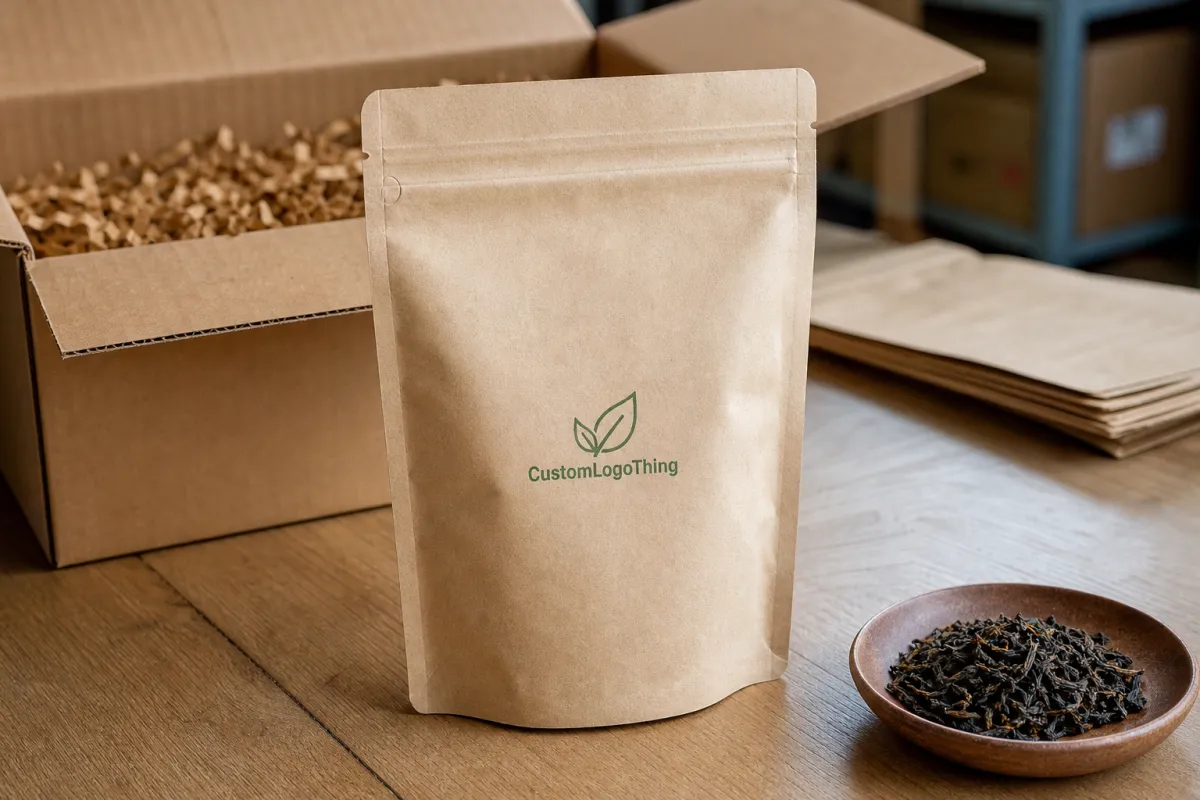
A lot of tea boxes fail at the edges rather than at the center. The carton can be technically strong and still let the product drift, tilt, or grind against itself in transit. A tin that rattles, a sampler that slides into a corner, or a pouch that creases against a seam can create the kind of damage that gets ignored in a spreadsheet but shows up immediately in a customer photo. That is the moment tea brand void fill paper cost stops being a packaging expense and starts acting like damage control.
Tea brand void fill paper cost should be compared with the cost of returns, replacements, and support time, not just with the lowest per-unit quote. One crushed box can erase the savings from a lot of low-cost filler orders. And the softer hits matter too: apology emails, carrier claims, customer frustration, and the very real chance that a premium tea set now feels less premium than it should. In a category built around care and ritual, tiny shipping defects can carry more weight than they should.
There is a freight side to it as well. Too much filler adds weight. Too much bulk can force a larger carton, which bumps dimensional charges and can push the parcel into a more expensive bracket. That gets expensive faster than many buyers expect. The best setup is the one that centers the tea, protects the pack, and still keeps the box as compact as the format allows.
Tea brand void fill paper cost also shows up in the unboxing moment. If the paper is gray, tangled, or inconsistent, the inside of the parcel feels improvised. If it is neat, branded, and easy to clear away, the pack feels more intentional. That detail matters because the filler is not invisible anymore once the lid comes off. It is one of the first things the customer sees.
"We thought we were buying paper. What we were really buying was fewer damages and a better first impression."
That line sums up the economics well. Tea brand void fill paper cost is best treated like a small insurance policy with a presentation benefit attached. If the material reduces damage from 3% to 1%, or keeps a premium assortment from shifting inside the shipper, the spend can pay back quickly. If the right paper lets the team step down a carton size, the freight savings may show up long before the marketing team notices the design change.
For buyers comparing packaging case studies, the pattern is usually the same: the lowest filler price almost never stays the lowest total cost once breakage, reshipments, and carton resizing are counted. Tea brand void fill paper cost should be read as a protection decision, not a paper purchase.
And when the product value is high, the math gets even less forgiving. A single damaged tea gift set can cost more to replace than a whole batch of filler. So the right question is not "What is the cheapest paper?" It is "What keeps the tea still, keeps the box compact, and keeps the customer happy?"
What Tea Brands Actually Need from Void Fill Paper
Not every tea pack needs the same level of support. A rigid tin behaves differently from a stand-up pouch. A sampler tray with several SKUs creates different pressure points than a single-item mailer. A Magnetic Gift Box closes differently than a standard tuck-top carton. That is why tea brand void fill paper cost shifts with the format, not just with the supplier.
Tea brand void fill paper cost stays lower when the material matches the product instead of being overbuilt. A light pouch might only need a softer fill with moderate loft to stop side-to-side drift. A glass tea jar or a heavier tin may need a more structured sheet that springs back better after compression. The point is not to stuff the carton full. The point is to immobilize the product without making the inside feel overpacked or wasteful.
From a buyer's point of view, tea brand void fill paper cost should track actual movement risk. If the product sits flush and the carton closes cleanly, a lighter spec can do the job. If there is dead space in the corners or a gap above the lid, the fill needs more body and better recovery. Sample packs are useful here. One test carton can reveal a lot about whether the filler survives a short drop, a corner squeeze, or a day on a busy packing bench.
Presentation still matters, though. Customers notice how the paper looks the second the box opens. Neutral kraft can feel earthy and practical. Bright white can feel cleaner and more retail-friendly. A printed repeat can connect the inside of the box to the outer sleeve and strengthen brand recognition without turning the filler into a showpiece. In tea packaging, the filler is often seen for only a few seconds, but those seconds count.
The best spec usually balances three things: product restraint, low waste, and visual branding. Tea brand void fill paper cost should support all three, because tea is one of those categories where the customer touches the packaging before they get to the product. That touch leaves a mark.
For teams comparing formats, real order examples are worth more than supplier claims. Our tea packaging case studies show how different fill densities affect packout speed, carton appearance, and replacement rates across retail and e-commerce programs.
Material Specs, Print Options, and Performance Tradeoffs
The material choice is where tea brand void fill paper cost starts splitting into real pricing tiers. Recycled kraft is usually the baseline. It is familiar, it signals fiber-based recyclability, and it tends to stay competitive on price. Virgin kraft can look cleaner and often behaves more consistently in strength. Blended paper can strike a nice middle ground between stiffness and cost. Higher-loft formats create more volume with less mass, which can help when the goal is to fill space without adding unnecessary weight.
Tea brand void fill paper cost changes with paper grade, basis weight, width, and fold geometry. A narrow strip behaves differently from a wider folded sheet, even when the raw paper is similar. A 35-50 gsm paper might be fine for light packs, while a heavier converted spec can be a better fit for premium tins or mixed-SKU kits. The converting step matters because the same fiber can perform very differently once it has been slit, folded, crimped, or bundled. Buyers sometimes compare a raw paper price to a finished void fill quote and assume the gap is just markup. It usually is not. The converting is doing real work.
Print is the next decision. One-color logos, simple repeats, and low ink coverage usually keep tea brand void fill paper cost manageable. Dense coverage, tight registration, and multi-panel artwork raise setup time and production complexity. A short message inside the box is often enough. You do not need to print a whole campaign on the filler for it to support brand consistency. In most tea programs, a restrained pattern does more for recognition than a loud graphic ever could.
There is also a sustainability angle, and it should be handled honestly. Fiber-based fill is usually easier to recycle than plastic alternatives, provided it is clean, dry, and not laminated. For fiber sourcing, the FSC standard gives buyers a better signal than vague green language. For shipment testing, ISTA protocols are the more useful reference because they focus on distribution performance, not just how a carton looks on a shelf. ASTM methods are also helpful when you need a broader framework for compression or handling.
Tea brand void fill paper cost rises when you add more ink, tighter tolerances, or special finishes. That does not mean branded fill is a bad idea. It means the design should be intentional. A minimal repeat pattern often gives the best balance of presentation and cost. If the filler is only visible for a moment during unpacking, it should make that moment count without creating avoidable production friction.
Each design choice has a cost effect.
- Heavier paper usually improves resistance and consistency, but tea brand void fill paper cost goes up.
- More print coverage strengthens visual branding, but unit cost rises with ink, setup, and spoilage.
- Higher loft can reduce the amount of material needed per carton, but converting complexity may offset some savings.
- Custom sizing can reduce wasted space, but it may require a higher MOQ or a longer approval cycle.
If the goal is a cleaner customer perception without overspending, the best move is usually a restrained spec that is easy to repeat. Tea brand void fill paper cost should reward clarity, not novelty.
Tea Brand Void Fill Paper Cost, MOQ, and Unit Economics
This is the part where the quote sheet finally meets the calculator. Tea brand void fill paper cost is not only the paper itself. It includes the material grade, converting, print setup, packaging format, and freight. If a supplier only gives you a per-bundle number and leaves out the setup component, the real unit cost can be hard to compare across options.
MOQ changes tea brand void fill paper cost more than many buyers expect. Lower minimums usually carry a higher unit price because setup, plates, conversion, and handling are spread across fewer pieces. A 500-piece run might be perfect for a launch test, but the per-carton number can be noticeably higher than a 5,000-piece order. That is not a bad quote. It is just how production math works.
Tea brand void fill paper cost can also look different depending on how the supplier packages the product. Some buyers want loose fill by the carton. Others want pre-converted bundles or branded paper forms packed for faster warehouse use. Each route changes labor, packout speed, and freight efficiency. If your team is filling orders in a small warehouse, a cleaner bundle format can save time even when the unit price is a little higher. That is why the cheapest number on the page is not always the cheapest outcome.
Below is a practical comparison to help buyers frame tea brand void fill paper cost across common options. The ranges are directional, because print coverage, paper width, carton size, and order volume all move the numbers.
| Option | Typical MOQ | Indicative Unit Cost | Best Fit | Cost Notes |
|---|---|---|---|---|
| Plain recycled kraft fill | 500-1,000 units | $0.08-$0.14 | Light tea mailers and test runs | Lowest setup, simpler look, less brand impact |
| Custom converted unprinted fill | 1,000-2,500 units | $0.10-$0.18 | Cartons that need better restraint | Better fit can reduce damage and carton upsizing |
| Printed branded fill | 2,500-5,000 units | $0.16-$0.28 | Premium tea gifts and subscription packs | More setup, but stronger visual branding and brand consistency |
| Higher-loft premium format | 5,000+ units | $0.20-$0.34 | Fragile tins, mixed SKU kits, export orders | Reduces movement with less material mass in some cartons |
Those numbers only make sense if you look at them beside the packout data. Tea brand void fill paper cost may increase by a few cents, but if the carton size drops by even one tier, the freight result can improve. That matters a lot on subscription packs, where dimensional weight can punish a box that is only slightly oversized. A paper spec that keeps the tea centered and the carton compact can be more economical than a thinner filler that forces a bigger shipper.
Tea brand void fill paper cost also gets better when buyers simplify the design. Standard paper color, one-color repeat print, and a consistent sheet geometry all help. Batching the order instead of splitting it into several small releases helps too. The first run often looks more expensive than the reorder because setup charges sit up front. That is normal. The math usually improves once the system is stable and the line knows exactly how the material behaves.
One thing gets missed a lot: the cheapest filler is not always the lowest unit cost over time. If a lower-grade paper creates more damage, more returns, or more packer rework, the true unit cost climbs. For tea brands, that hidden labor and replacement burden can eat through the apparent savings. Tea brand void fill paper cost should be treated as a total-cost decision, not a race to the bottom.
Production Steps, Lead Time, and Approval Flow
Production is usually where a buyer gains or loses time. Tea brand void fill paper cost is shaped by how many steps sit between the first inquiry and the finished carton-ready bundle. If the spec is vague, the project slows down. If the spec is clean, the process stays much more predictable. The smoothest orders are the ones where the supplier can immediately see carton dimensions, fill purpose, print requirements, and target quantity.
Tea brand void fill paper cost becomes easier to forecast once you map the path from spec review to sample approval to production. A stock-style paper moves faster because the paper, width, and conversion method are already established. A custom print or a unique fold pattern adds a proof stage. A special packaging format may need a physical sample before the run can start. None of that is unusual. It just needs to be planned instead of discovered halfway through the order.
For most custom jobs, a practical lead time is often 12-15 business days from proof approval, though more complex projects can run longer if artwork changes or the paper spec gets revised after sampling. The schedule driver is usually not the press itself. It is the approval chain. If the buyer waits to finalize carton measurements, or if the artwork team keeps changing the repeat pattern, tea brand void fill paper cost may stay the same while the launch date slips. That is the kind of delay that hurts more than the quote does.
The simplest approval flow usually looks like this:
- Share carton dimensions, product weight, and the fill objective.
- Request a plain sample or mockup so the conversion can be checked in the box.
- Review artwork for repeat size, ink coverage, and color expectations.
- Confirm sustainability claims, recycling language, and any required documentation.
- Approve the final proof and lock the production quantity.
Tea brand void fill paper cost can also shift with seasonality. Gift-heavy tea programs usually peak before holidays, and production slots get tight. If a brand waits until the last minute, the vendor may have fewer options for batching or scheduling. That can affect price, though more often it affects lead time and freight timing. In other words, the cost of delay is not always visible in the quote.
Buyers who want tighter control should ask for two things before they approve the run: a sample that reflects the actual carton, and a reorder expectation that shows how the unit cost changes at higher volume. That keeps tea brand void fill paper cost tied to real operations instead of rough guesses.
For more examples of structured approval paths and packaging launch timing, review our case studies and look for the projects where carton fit was adjusted after the first sample.
Why Choose Us for Tea Brand Void Fill Paper Orders
Tea brands do not need a supplier that just sells paper by the pallet. They need a packaging partner that understands how filler affects packout, damage, and the final unboxing experience. That is the real difference. Tea brand void fill paper cost only makes sense when the material performs the same way on the first box and the five-hundredth box. Repeatability matters just as much as price.
We focus on consistent output, stable sourcing, and controlled converting because those are the factors that keep tea brand void fill paper cost predictable across reorder cycles. If one shipment arrives too loose and the next one arrives too tight, the packing line loses time. If a branded repeat shifts color from run to run, customer perception takes the hit. That is why the process matters as much as the paper spec.
Another reason tea brands look for a specialist is SKU change. Tea ranges are rarely static. Seasonal blends, trial packs, and limited editions all change carton dimensions and pack weight. A supplier that can respond quickly reduces operational friction. Tea brand void fill paper cost becomes easier to justify when the same vendor can handle adjustment notes, sample revisions, and small spec tweaks instead of forcing the buyer to restart the sourcing process from scratch.
There is also a clear commercial benefit in keeping the conversation specific. A good supplier should be able to explain what drives the unit cost, where MOQ changes the economics, and which spec changes will actually improve protection. If the answer is only "more paper costs more," that is not much help. Tea brand void fill paper cost deserves a more detailed answer because the variables are measurable.
The strongest supplier relationships usually follow a simple pattern:
- consistent material quality that supports brand consistency
- print and converting choices that protect the visual branding
- clear MOQ guidance with realistic reorder planning
- sample support that shows the filler inside the actual carton
- honest advice when a lower-cost format would create more damage risk
That last point matters. Sometimes the cheapest answer is not the smartest one. If a lower-grade fill creates rework, extra shipping weight, or a premium pack that feels underbuilt, the real expense is larger than the invoice suggests. Tea brand void fill paper cost is easier to defend when the supplier thinks about the whole shipment, not just the paper roll.
For buyers wanting to benchmark against similar packaging projects, our packaging case studies are a useful place to see how different fill formats affected repeat orders, carton fit, and shipping outcomes.
How to Request a Quote and Place the First Run
The fastest way to get a useful quote is to send the right inputs at the start. Tea brand void fill paper cost is difficult to compare if the supplier does not know the carton size, product shape, target quantity, and whether the filler needs branding. The more complete the brief, the cleaner the quote.
Start with the basics: carton dimensions, tea product photos, average product weight, expected monthly volume, and the sustainability claim you want to support. If the fill must be recyclable, say so. If the pack needs to feel premium, say that too. Tea brand void fill paper cost will be more accurate if the supplier understands whether the goal is protection, presentation, or both. That little bit of clarity saves a lot of back-and-forth later.
Then ask for two quotes side by side. One should be a plain baseline option. The other should be the branded version. That gives you a clean way to compare tea brand void fill paper cost against value. If the branded option only adds a few cents but cuts down on damage complaints and improves customer perception, the choice gets clearer. If the price gap is too wide, the plain version may be the better test run.
Before you approve the order, confirm these items:
- sample timing and how the sample will be packed
- lead time from proof approval to shipment
- freight terms and whether packaging is palletized
- reorder MOQ and how pricing changes at higher volume
- any print limits tied to color, coverage, or registration
Tea brand void fill paper cost should also be reviewed against the packout result, not just the supplier's promise. Put the sample in a real carton. Shake it. Close it. Open it. Check whether the tea shifts, whether the lid still sits cleanly, and whether the paper looks intentional after handling. That quick test tells you more than a polished PDF ever will.
If the first run performs well, lock the spec and document it. That makes the next reorder easier and keeps tea brand void fill paper cost from drifting because someone on the team "improved" the spec later. Consistency is a financial asset in packaging. Small filler changes can create big shifts in warehouse behavior.
To compare options with real-world order examples before you request pricing, review the case studies and note how carton size, paper style, and print coverage affected each project.
FAQ
What drives tea brand void fill paper cost the most?
Paper grade, width, and converted shape usually move the price more than the logo itself. MOQ and print setup can raise the unit cost on smaller runs, and freight matters because bulky fill can ship inefficiently. In practice, the landed number tells a more honest story than the paper price alone.
Is custom void fill paper worth it for tea packaging?
Yes, when the filler prevents movement in tins, pouches, or gift sets and reduces breakage. It is most useful when the unboxing experience matters as much as protection. The value is strongest when one damaged order would cost more to replace than the premium for custom fill.
What MOQ should I expect for branded tea void fill paper?
MOQ depends on whether the paper is stock-sized or custom converted. Printed runs usually need a higher minimum than plain paper, and lower-volume tests almost always carry a higher unit cost. Ask for tiered pricing so you can compare a pilot run with a full production run.
How long does the production process take?
Standard orders move faster than custom printed jobs. Artwork approval and sampling are the usual schedule drivers, and freight time should be included when you plan launch dates or seasonal tea drops. If the carton spec changes after proofing, the schedule usually moves before the price does.
Can void fill paper be recycled with tea cartons?
Usually yes, if the paper is clean, dry, and not laminated. Minimal ink coverage and recyclable paper grades improve end-of-life handling. Local recycling rules still vary, so it is smart to verify the destination market before you make claims on pack.
What should I compare before approving a quote?
Compare tea brand void fill paper cost against damage risk, packout speed, carton size, and the visual effect inside the box. A quote that looks cheaper on paper can become more expensive if it forces rework or increases shipping weight. The right decision is the one that protects the tea and the margin at the same time.


