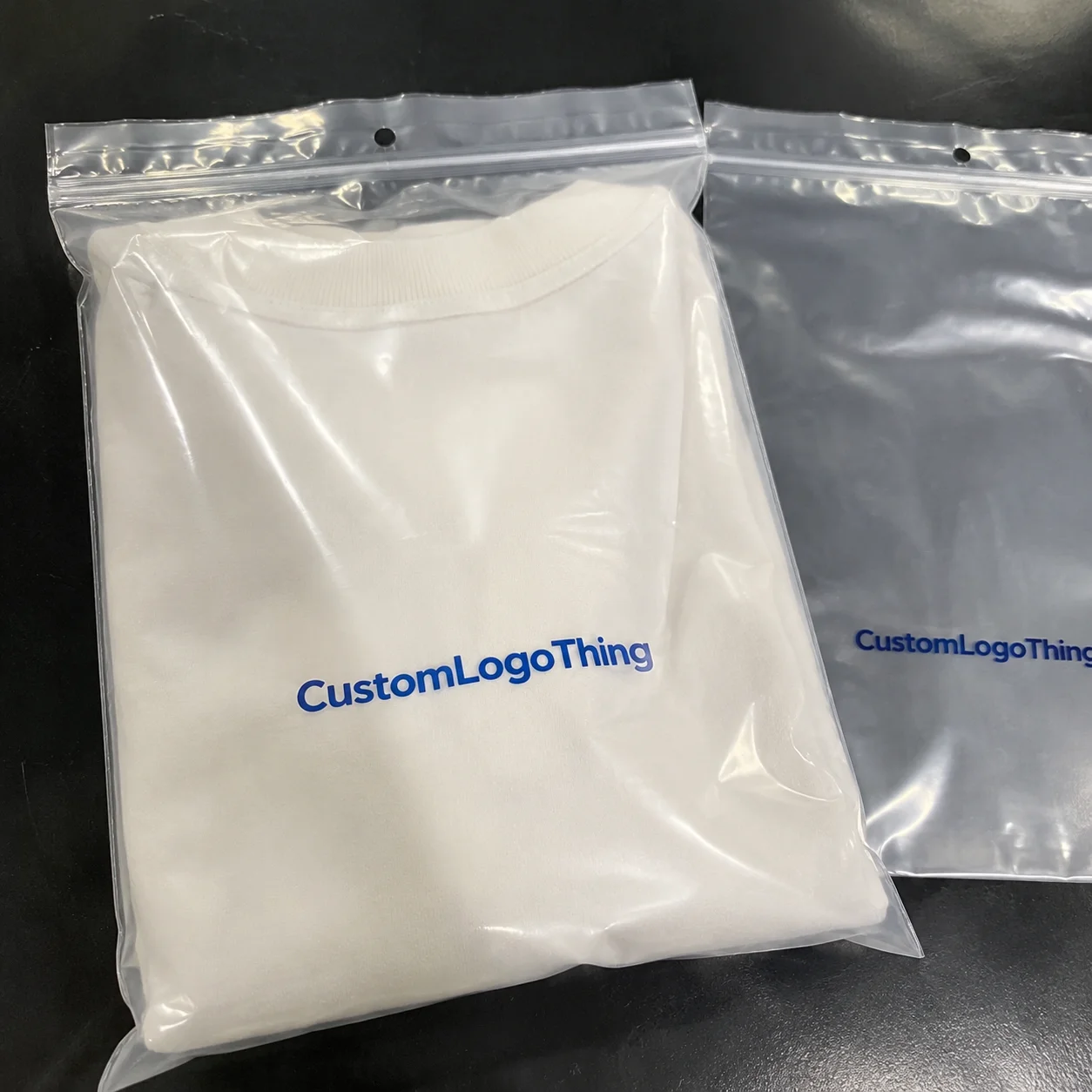
Buyer Fit Snapshot
| Best fit | Packaging Branding Supplier projects where brand print, material claims, artwork control, MOQ, and repeat-order consistency need to be specified before quoting. |
|---|---|
| Quote inputs | Share finished size, material target, print colors, finish, packing count, annual reorder estimate, ship-to region, and any compliance wording. |
| Proofing check | Approve dieline scale, logo placement, barcode or warning zones, color tolerance, closure strength, and carton packing before bulk production. |
| Main risk | Vague material claims, crowded artwork, missing packing details, or unclear freight terms can make a low unit price expensive after revisions. |
Fast answer: Packaging Branding Supplier: Production Review should be specified like a repeatable production item. The safest quote records material, print method, finish, artwork proof, packing count, and reorder notes in one written spec.
Production checks before approval
Compare the actual filled-product size with the drawing, then confirm tolerance on folds, seals, hang holes, label areas, and retail display edges. Reserve space for logos, QR codes, warning copy, and material claims before decorative graphics fill the panel.
Quote comparison points
Review material grade, print process, finish, sampling route, tooling charges, carton quantity, and freight assumptions side by side. A quote is only useful when the supplier can repeat the same color, closure quality, and packing count on the next order.
Packaging Branding Supplier Guide for Smarter Buying
If the mockup looks polished and the shipment shows up with crushed corners, muddy foil, or a color that wandered off somewhere during production, the launch already took a hit. That is the whole point of a packaging branding supplier guide. It keeps attention on the supplier's actual job: structure, print, finish, and delivery. Pretty renders are easy. Packaging that survives production and still looks like the brand asked for it is the part that matters.
I have seen beautiful packaging concepts fail for dumb reasons. The board was too weak. The adhesive gave up in transit. The foil sat too close to the trim line and chipped. None of that came from bad creative. It came from a supplier mismatch, and that is exactly what this packaging branding supplier guide is meant to catch before money disappears into reprints.
Custom packaging is never just one decision. It is material, dieline, print method, finish, sampling, packing, freight, and whoever forgot to check the proof. If one piece slips, the final unboxing experience pays for it. This packaging branding supplier guide is built to cut through guesswork and force the useful questions onto the table.
Packaging branding supplier guide: what it really means
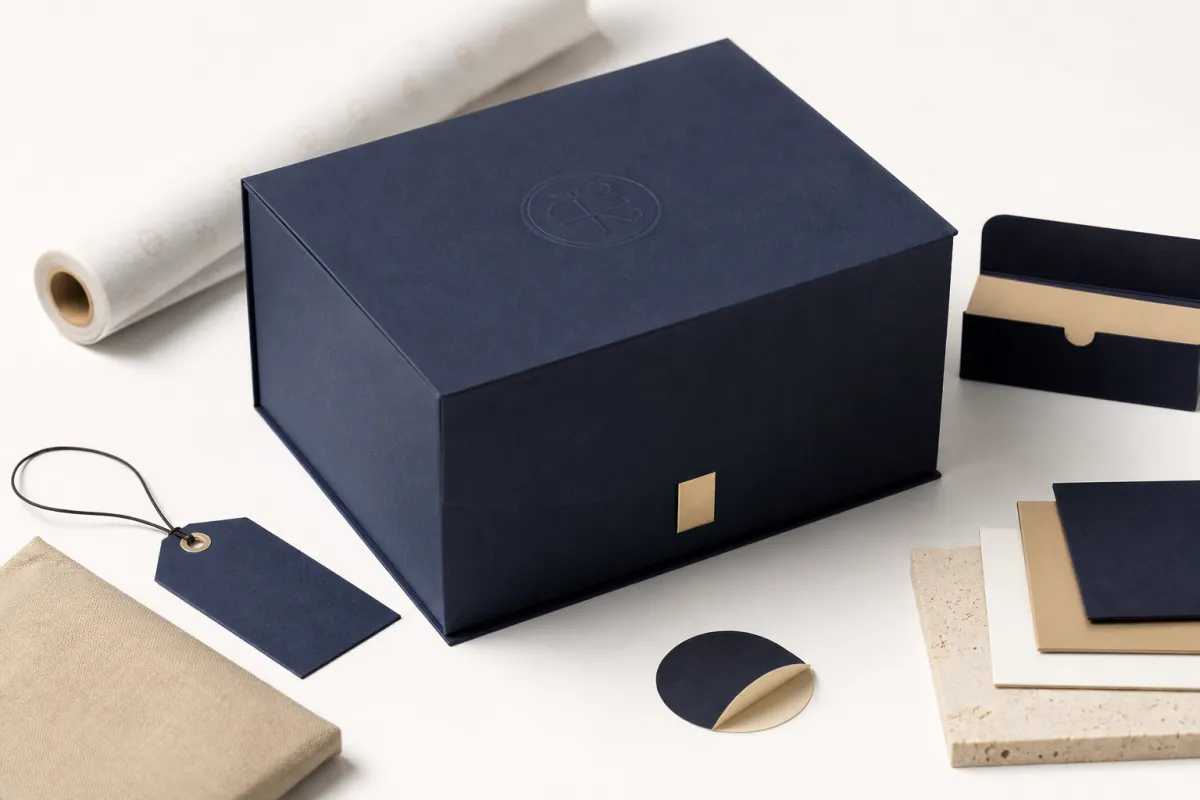
A packaging branding supplier guide starts with a blunt truth: the supplier is not just "the place that prints boxes." A real supplier handles sourcing, print translation, material selection, finishing, kitting, and production control. That is a lot more than many buyers expect, especially when the job moves from plain cartons to Custom Printed Boxes with foil, embossing, inserts, or nested components.
It helps to separate the roles. A designer creates the visual system. A printer puts ink on board or paper. A converter turns flat stock into a finished structure. A full-service supplier can cover several of those steps, which often saves time and cuts down on handoff mistakes. A good packaging branding supplier guide makes it easier to decide whether one partner should own the whole process or whether a specialist makes more sense for one stage.
The usual failure point is simple. Artwork looks perfect on screen and falls apart in production. The board is too weak for the product weight. The color shifts because the substrate was never matched properly. The foil sits too close to the edge and chips. Those are not design problems. They are supplier-fit problems.
For buyers, the real goal is not the cheapest box. It is the supplier who can repeat the same result on run one, run two, and the reorder six months later. Consistency is the product. Everything else is decoration.
"The nicest packaging on day one is useless if the supplier cannot reproduce it on day fifty. Consistency is the brand promise."
Technical standards help keep this honest. The ISTA test protocols are widely used for distribution testing, and organizations like PMMI, the Association for Packaging and Processing Technologies, publish practical resources that help buyers ask better questions. A packaging branding supplier guide should be grounded in that kind of reality, not sales fluff with a nice font.
Packaging branding supplier guide: how the process works
The process usually starts with discovery. The supplier needs the product details, shipping method, retail environment, and visual goal. Shelf packaging has different priorities than warehouse packaging. Direct-to-consumer boxes care more about protection and branding in the hand. A packaging branding supplier guide keeps those differences visible before anyone starts tossing around quotes like they mean the same thing.
Next comes the spec phase. That is where the idea becomes dimensions, materials, print method, and finish options. Sampling follows. Sometimes that is a plain structural prototype. Sometimes it is a full visual proof. Then proofing. Then production. Then quality checks. Then freight. Every step can slow down if the brief is vague, which is why vague briefs are expensive in such a boring way.
Delays show up in the same places over and over. Dielines are incomplete. Artwork still has font problems. Someone decides the finish should change after approval. Sample revisions keep piling up because no one agreed on the color reference. It does not take a dramatic disaster to see the problem. One skipped detail and the schedule starts acting smug. A practical packaging branding supplier guide saves time by pinning those details down early.
Lead times depend on complexity and where the work is being done. Simple folding cartons can often land in the 2-4 week range after proof approval when materials are standard and artwork is ready. Premium rigid boxes with specialty wrapping, inserts, and finishing can stretch to 4-8 weeks, sometimes longer if tooling or imported materials are involved. Heavily customized kits may need 6-10 weeks or more. That is not slow. That is what production actually looks like.
If speed matters, send a proper brief. Include:
- Exact dimensions, product weight, and any inserts needed
- Target quantity and expected reorder volume
- Artwork files, logo assets, and brand color references
- Finish preferences such as matte, soft-touch, foil, or embossing
- Delivery deadline, destination, and shipping terms
- Budget range so the quote lands in the right zone
That list looks obvious, yet a shocking number of projects start without it. A packaging branding supplier guide should make one thing clear: suppliers can solve problems, not read minds. If you want to compare related packaging components after the structural decision, browse Custom Packaging Products and Custom Labels & Tags for more context on how branding elements connect across a package family.
Key factors in a packaging branding supplier guide
Material choice is where a lot of packaging branding supplier guide advice gets vague. It should not. Paperboard works well for lighter retail items, cosmetics, supplements, and small consumer goods where presentation matters more than crush resistance. Corrugated fits shipping strength, subscription packaging, and heavier products. Rigid board gives the premium feel people expect for gifts, luxury items, and higher-value launches. Specialty papers help a brand stand apart, but they can raise costs and shrink tolerance for handling mistakes. Fancy is not free. Shocking, I know.
Finish matters too. Finish is not frosting. Finish changes how the package feels in the hand and how the brand reads from three feet away. Foil can sharpen logos and signal premium positioning. Embossing adds depth. Spot UV creates contrast. Soft-touch lamination gives a matte, velvety feel, though it can show scuffs in rough handling. Window patches help with visibility, but they need careful placement or they start looking like a compromise someone hoped you would not notice. A packaging branding supplier guide should connect each finish to a goal, not just a mood board.
MOQ matters more than many first-time buyers expect. A supplier may offer nice unit pricing at 5,000 pieces, then get awkward at 500 pieces because setup costs do not shrink in a friendly little line. Color tolerance matters too. If the brand has strict Pantone requirements, ask how the supplier handles calibration, press checks, and substrate differences. Structural strength matters because some beautiful boxes collapse the moment a heavier item goes in. Print compatibility matters because not every board handles every method equally well.
Brand consistency is where problems show up fast. Logo placement drifting by a few millimeters looks sloppy. Typography compressed to fit the panel hurts clarity. Rough textures can soften tiny type and fine lines. A packaging branding supplier guide should push buyers to think about the finished surface, not just the render. A strong box is readable, repeatable, and durable enough to arrive looking like the approved sample.
For formal quality and sustainability checks, buyers often reference the FSC chain-of-custody system for responsibly sourced fiber and the EPA recycling guidance when discussing material choices that may affect disposal or recyclability. Those references do not replace supplier judgment, but they do keep a packaging branding supplier guide tied to standards instead of sales language.
| Packaging option | Typical use | Common price range | Lead time range | Best fit |
|---|---|---|---|---|
| Simple folding carton | Light products, retail shelves, e-commerce inserts | $0.18-$0.45 per unit at 5,000 pieces | 2-4 weeks after proof approval | Brands that need controlled cost and clean print |
| Custom mailer box | Subscription, direct-to-consumer, shipment packaging | $0.65-$1.50 per unit at 3,000 pieces | 3-6 weeks | Brands balancing shipping strength and branding |
| Rigid gift box | Luxury goods, kits, premium retail packaging | $1.80-$5.50 per unit at 1,000 pieces | 4-8 weeks | Launches where presentation drives perception |
| Custom insert system | Protecting fragile items, sets, electronics | $0.20-$1.25 per unit depending on material | 2-5 weeks | Products that need fit, protection, and order inside the box |
Notice how the price range climbs as the structure gets fancier. That is not a coincidence. It is the bill for better materials, more setup, and tighter tolerances. A packaging branding supplier guide is supposed to make those tradeoffs visible before the quote turns into a surprise.
Cost and pricing in a packaging branding supplier guide
Price is the easiest thing to compare and the least useful thing to compare by itself. A low quote can hide tooling, plates, sampling, revisions, rush fees, and freight surcharges. That is why a packaging branding supplier guide should spell out cost drivers instead of pretending every quote is a clean apples-to-apples match. It usually is not. One supplier may include prepress support, another may not. One may quote FOB, another may include delivery. Those details matter more than the headline number.
The biggest price drivers are straightforward: quantity, board grade, box style, number of print colors, finish complexity, and shipping distance. If the job needs foil plus embossing plus spot UV, labor and setup climb quickly. If the box needs a custom insert or specialty paper, material waste often climbs too. If you need tight color control across multiple runs, expect more proofing and possible plate or setup changes. A packaging branding supplier guide should translate those variables into actual budget pressure, not just adjectives that sound expensive.
Here is the practical buying logic. Basic branded cartons are usually the lowest-cost route for fast-moving products and repeat orders. Mid-range branded boxes, especially custom printed boxes with one or two finishes, usually sit in the middle. Premium packaging with rigid construction, specialty wraps, or multiple finishing steps can cost several times more per unit. The packaging branding supplier guide question is not "What is cheapest?" It is "What is the right spend for this product's price point and margin?"
Hidden costs are where buyers get annoyed. Sampling charges may be credited back later or may not. Revision fees can appear if artwork changes after proofing. Plate or die-cut tooling costs can be one-time or per update depending on the supplier. Rush production often adds a premium because it disrupts the schedule. Freight can swing hard, especially for larger runs or international shipments. A packaging branding supplier guide that ignores those variables is not much of a guide. It is a trap with a quote attached.
Comparing bids works best with a like-for-like checklist:
- Material specification and board thickness
- Print process and number of colors
- Finish details, not just the word "premium"
- Sampling and tooling charges
- Lead time from approval, not from the first phone call
- Freight terms, duties, and delivery location
One more thing. A supplier that explains why a quote is higher usually deserves more trust than one that just says "best price." Clear pricing is a sign the supplier understands the job. That is exactly what you want from a packaging branding supplier guide.
Step-by-step packaging branding supplier guide for choosing well
Step 1 is defining the packaging job before supplier hunting starts. A packaging branding supplier guide works best when you know whether the package needs to protect a fragile product, stand out on a retail shelf, fit a shipping system, or create a premium unboxing moment. Those are different jobs. They do not always belong in the same structure.
Step 2 is building a real spec sheet. Keep it simple but complete. Include dimensions, product weight, artwork files, quantity, finish preferences, and delivery deadline. If there are nested pieces, list them. If there are variant SKUs, list them too. Every missing detail makes the quote fuzzier. A packaging branding supplier guide should push specificity because precision cuts rework. Rework is where margin goes to die.
Step 3 is requesting samples, prior work, and a quote breakdown. Do not judge a supplier only by polished renderings. Ask for physical examples of similar materials, similar finishes, or similar structures. A packaging branding supplier guide should reward proof. A sample tells you more about board stiffness, print fidelity, and finish quality than a pile of sales claims ever will.
Step 4 is scoring suppliers by behavior, not brochure language. Communication speed matters because slow clarification usually turns into slow production. Quality control matters because a supplier without inspection discipline can ship mixed color lots or slightly off-spec dimensions. Production capability matters because some suppliers are brokers who outsource most of the work. That can still work, but it should be obvious before the order goes out. A packaging branding supplier guide is really a fit test for how the supplier thinks under pressure.
Step 5 is locking approvals. Confirm who signs off on artwork, who approves structure, who owns dielines, and who handles freight. Put the approval checkpoints in writing. Confirm production dates before the deposit goes out. If the project has a hard launch date, leave a buffer. The best packaging branding supplier guide advice is simple: do not confuse confidence with control. A supplier can sound sure right up until a late change turns the schedule into confetti.
For brands that want to see how packaging choices translate into finished work, reviewing Case Studies can help because real examples show how finish, structure, and timing intersect under actual production conditions. That tends to teach more than a sales deck stuffed with stock photos and optimism.
Common mistakes in packaging branding supplier selection
The first mistake is choosing on price alone. Cheap can work if the job is truly simple. Cheap is a bad plan if the box has to carry the brand story, protect a delicate item, and arrive on time. A packaging branding supplier guide exists because buyers keep learning that lesson the expensive way. The quote looks fine. Then the corners crush, the ink shifts, or the foil peels. The bargain starts talking back.
The second mistake is skipping physical samples. A screen mockup cannot show how finish will reflect light, how texture will feel, or how color behaves on a specific board. It cannot. If a supplier only offers digital previews for a complex package, slow down. A packaging branding supplier guide should make samples non-negotiable for any job where finish or texture affects brand perception.
The third mistake is ignoring production limits until late. MOQ, lead time, available materials, and machine capability are not fine print. They are the guardrails. If you need a specialty paper that the supplier cannot source reliably, the job stalls. If the quantity is too low, setup cost blows up the quote. If the deadline is too tight, the supplier may push a faster process that leaves less room for revisions. A packaging branding supplier guide should force those constraints into view early.
The fourth mistake is changing artwork after proof approval and then acting shocked when the schedule slips. Printing does not care about optimism. Once plates are made, cuts are locked, or finishing tools are set, changes cost time and money. A packaging branding supplier guide should draw a hard line between revision time and production time. Cross it, and the clock starts again.
The fifth mistake is fuzzy ownership. Who owns the dieline? Who approves the color? Who books freight? If nobody can answer those questions, the order is already wobbling. The blame loop starts right there. A packaging branding supplier guide should protect against that with a written workflow and named contacts.
One practical warning: a packaging branding supplier may be excellent at print but weak at logistics, or strong at structural packaging but weak at brand color management. That is normal. Not every supplier does everything well. The job is to spot the gap before it turns into an emergency.
Expert tips and next steps for packaging branding supplier decisions
Use a scorecard. Keep it basic: quality, speed, communication, price clarity, and flexibility. Rate each supplier from 1 to 5. Add one line for notes. That sounds too simple, which is usually a sign it will work. A packaging branding supplier guide needs a method that survives comparison fatigue and late-night indecision.
Ask for one sample that shows the exact finish stack you want. Not a generic showroom piece. Not a pretty object that has nothing to do with your job. You want the exact combination: board, print method, finish, insert, and closure style. If the supplier cannot produce that sample, or cannot explain why not, you just learned something valuable before the deposit disappeared.
Build a backup plan for launches with hard deadlines. That does not mean placing duplicate orders for the thrill of it. It means having a second supplier ready if the first one slips. For seasonal launches, trade shows, and retail rollout dates, a two-supplier backup can save the schedule. A packaging branding supplier guide is not paranoid if it assumes production can go sideways. It is experienced.
Here is a useful comparison point for buyers: some projects need packaging strength first, while others need visual impact first. If the box is going through courier networks, test assumptions against ASTM or ISTA-style performance criteria. If the project is mostly about shelf appeal, prioritize color accuracy, finish quality, and retail readability. Both matter, just not in the same order. That distinction keeps the supplier conversation honest.
Final checklist:
- Freeze dimensions and product weight.
- Confirm the finish stack and target look.
- Request sample photos and physical samples.
- Compare quotes line by line, not by total only.
- Verify lead time from proof approval.
- Assign approval and freight responsibility in writing.
That is the practical end of a packaging branding supplier guide: not picking the fanciest vendor, but picking the supplier who can deliver the brand promise on schedule and make the packaging work in the real world. If the box has to protect the product, carry the design, and show up on time, then the buying decision should be built around those three facts, not a glossy PDF and a hopeful email thread.
How do I choose the right packaging branding supplier for my product?
Match the supplier to the packaging format you actually need: cartons, rigid boxes, mailers, or inserts. Check real samples, not just renderings, for print quality, finish accuracy, and structural strength. Compare communication speed and spec understanding, because slow clarification usually turns into slow production. A good packaging branding supplier guide will always point you back to fit, not hype.
What should a packaging branding supplier quote include?
It should list material type, box style, print method, finish options, quantity, and unit price. It should also cover sampling or tooling costs, setup fees, revision charges, and freight terms. You also want a realistic lead time plus the approval milestones that can affect delivery. If those pieces are missing, the quote is incomplete.
How long does a packaging branding supplier process usually take?
Simple jobs can move in a few weeks if artwork is ready and no custom tooling is needed. Premium or highly finished packaging usually needs more time for sampling, proofing, and production. Rush timelines are possible, but they usually cost more and leave less room for revisions. A packaging branding supplier guide should help you protect the schedule with buffers.
How much budget should I set for branded packaging?
Start with a range based on quantity and finish level, then compare quotes line by line. Expect premium materials and specialty finishes to increase cost faster than most people guess. Always include shipping, samples, and a contingency for artwork or structural changes. Budgeting that way keeps the project from drifting off the rails.
What is the biggest mistake in a packaging branding supplier guide?
Treating the supplier search like a price hunt instead of a fit check for quality, timeline, and brand needs. Approving without samples or ignoring MOQ and lead time limits also causes expensive failures. Waiting too long to freeze artwork and specs turns a manageable job into a fire drill. That is exactly what a packaging branding supplier guide is meant to prevent.