Buyer Fit Snapshot
| Best fit | Packaging Cost Bulk Order Pricing projects where brand print, material claims, artwork control, MOQ, and repeat-order consistency need to be specified before quoting. |
|---|---|
| Quote inputs | Share finished size, material target, print colors, finish, packing count, annual reorder estimate, ship-to region, and any compliance wording. |
| Proofing check | Approve dieline scale, logo placement, barcode or warning zones, color tolerance, closure strength, and carton packing before bulk production. |
| Main risk | Vague material claims, crowded artwork, missing packing details, or unclear freight terms can make a low unit price expensive after revisions. |
Fast answer: Packaging Cost Bulk Order Pricing: Material, Print, Proofing, and Reorder Risk should be specified like a repeatable production item. The safest quote records material, print method, finish, artwork proof, packing count, and reorder notes in one written spec.
Production checks before approval
Compare the actual filled-product size with the drawing, then confirm tolerance on folds, seals, hang holes, label areas, and retail display edges. Reserve space for logos, QR codes, warning copy, and material claims before decorative graphics fill the panel.
Quote comparison points
Review material grade, print process, finish, sampling route, tooling charges, carton quantity, and freight assumptions side by side. A quote is only useful when the supplier can repeat the same color, closure quality, and packing count on the next order.
Compare packaging cost bulk order options, separate real production drivers from noise, and move from quote to delivery with fewer surprises and a clearer landed cost.
A packaging cost bulk order request usually begins with a number that feels reassuringly simple: 10,000 cartons, 25,000 sleeves, 5,000 rigid sets. More units should mean less cost per piece, right? Sometimes yes. Often, not quite. A tiny change in board grade, a deeper insert, a special coating, or a last-minute size tweak can move the total faster than quantity can bring it down. Packaging cost Bulk Order Pricing works like a production system, not a grocery receipt.
The smartest way to read a packaging cost bulk order quote is to trace the full path from material to pallet. A low unit price means very little if the package dents in transit, slips on a shelf, or triggers a second production run because the spec was fuzzy. The best number is not the cheapest printed figure. It is the lowest dependable landed cost for the finished package, the one that still makes sense after freight, setup, and waste are counted.
That matters for retail packaging, product packaging, and branded packaging that has to look the same on reorder six months later. Stable specs, clean artwork, and a structure that actually suits the product usually do more for packaging cost bulk order performance than haggling ever will. If you want fewer surprises, you need to understand the real cost drivers first. Otherwise the quote can look tidy and still be kinda misleading.
Why packaging cost bulk order pricing changes so much
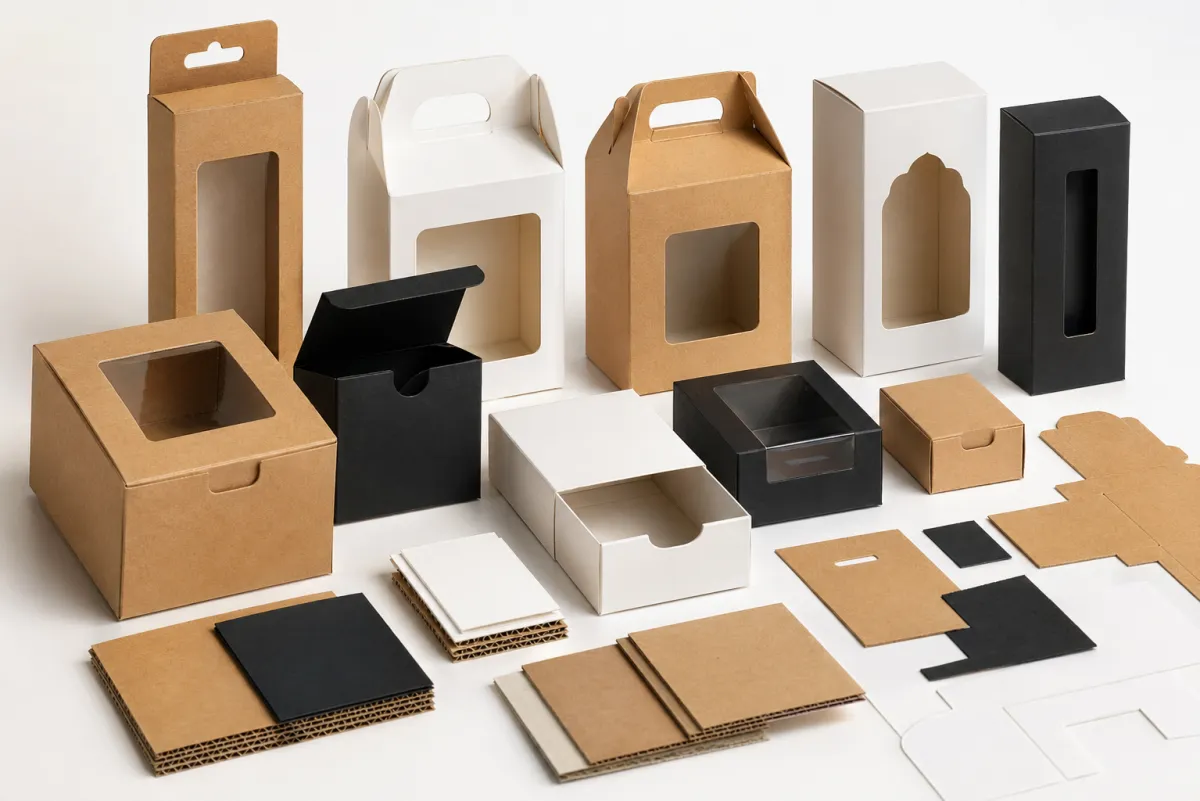
Two buyers can request the same quantity and still get different pricing, because packaging cost bulk order numbers follow the job details first and the quantity second. A plain folding carton with one-color print and a standard tuck closure uses a very different production path from a rigid presentation box with foil, embossing, and a custom insert. Quantity matters, but consistency usually matters more. A run that moves cleanly through the press, die cutter, and packout tends to cost less, even when it is not the largest order on the schedule.
Material choice is one of the first places the price starts moving. Paperboard, SBS, C1S, corrugated board, and specialty stocks each carry different sheet costs, waste rates, and converting behavior. A stock that looks only slightly more expensive on paper can create less trim waste and fewer machine slowdowns, which changes the actual packaging cost bulk order outcome. Print coverage adds another layer. Full-bleed graphics, heavy ink laydowns, and multiple spot colors increase setup time and can affect yield. A buyer chasing a better number should ask a hard question: does the design truly need every effect, or is some of that visual weight just habit?
Structure has the same power to move the quote. A straight tuck box is efficient. A crash-lock bottom, window patch, sleeve, insert, or multi-panel mailer adds tooling, handwork, or slower production speed. None of those choices are wrong by default. They simply need to be paid for honestly. In a plant, time counts like material. Every minute spent on setup, adjustment, inspection, or packing has to be distributed across the run, and that spread is one reason packaging cost bulk order pricing can change so quickly when the format gets more complex.
Freight often surprises buyers more than the print line does, especially on bulky Product Packaging That moves by pallet rather than by carton. A quote that looks attractive at the factory gate may not stay attractive after delivery zone, pallet count, storage, and handling are added. I have seen a job save four cents per box on paper and lose all of it in freight because the final carton size pushed the pallet count up. That is why a smart packaging cost bulk order comparison always asks for landed cost, not just the printed piece price.
Bulk pricing is not a pure volume discount. That idea sounds tidy, and it is wrong often enough to cost money. A larger order helps because it spreads fixed expense across more units, but only if the spec stays steady. Change the size, and the die may change. Change the finish, and the press setup shifts. Change the artwork, and the proofing or plate work may shift again. Packaging cost bulk order pricing rewards repeatability, not just a big purchase order.
"The strongest quote is the one that still makes sense after production, inspection, and freight are all accounted for."
Product details that affect bulk packaging costs
Packaging cost usually gets discussed as one bucket, but the product type underneath it determines most of the outcome. Folding cartons, rigid boxes, corrugated mailers, inserts, sleeves, labels, and printed bags do not share the same machine path or material logic, so packaging cost bulk order pricing naturally moves from one format to another. A sleeve might be very inexpensive per unit, while a rigid presentation box can require board wrapping, lining, and careful assembly that adds labor at every step.
Folding cartons are often a strong fit for lightweight retail packaging and high-volume shelf goods. They can run efficiently with offset or flexographic printing, then convert quickly once the die is set. Corrugated mailers sit in a different category because their job is protection first. Flute selection, board strength, and crush resistance matter more than decorative finishing. Rigid boxes live closer to premium presentation packaging. They tend to cost more because the board thickness, wrap material, and labor all move upward together.
The right format depends on the product, not on a familiar habit. A beauty item may need a rigid box because the package itself is part of the unboxing experience, yet the same item may be fully served by a custom printed SBS box with a well-designed insert. That choice can swing packaging cost bulk order numbers fast. Print method matters too. Digital printing suits short and medium runs, offset printing is efficient for detailed graphics at scale, and flexographic printing often fits long runs on corrugated or simpler paperboard styles. Each method has a different setup profile, and each one rewards different order sizes.
Material family changes the conversation as well. Paperboard is usually the first choice for lightweight retail boxes. Corrugated board brings stronger transit protection and better stacking performance. Specialty papers, soft-touch wraps, metallic stocks, and textured cover materials improve presentation but raise the unit cost. None of those choices are automatically excessive. They simply need to match the use case. The Packaging That Fits the job best is often the one that avoids paying for features the product never uses.
The most useful packaging cost bulk order comparison is not "which box is cheapest?" It is "which format gives the best total value for this product, this channel, and this shipping method?" That question forces practical thinking, and practical thinking tends to produce cleaner pricing. It also cuts down on redesigns later. Redesign is expensive in packaging because it touches the die, the artwork, the proof, and often the production schedule too.
I still remember a cosmetics run where the team wanted a more premium lid finish, but the containers inside were already driving the budget. We ran the numbers twice. The varnish looked great in the mockup, sure, but it added cost without helping the shelf performance. The client dropped that one upgrade and used the savings to improve the insert fit. The box looked just as polished to shoppers, and the product stopped rattling in transit. That tradeoff is the real work of packaging cost bulk order planning.
Specifications that shape a better quote
Accurate pricing starts with exact specifications. If a buyer wants packaging cost bulk order numbers that hold up under scrutiny, the quote request needs dimensions, board caliper or thickness, print sides, coating, insert requirements, and finishing choices. A manufacturer can estimate from a sketch, but an estimate is not a production quote. The more complete the spec sheet, the less room there is for confusion once the job moves into tooling and production.
Dimensions matter more than most teams expect. A small shift in width or depth can change how many blanks fit on a sheet, how the die nests, how much trim waste is produced, and how easily cartons stack on a pallet. That is why a packaging cost bulk order quote can move even when the artwork stays untouched. Material utilization is a real cost, and efficient layout often matters more than the face value of the stock itself. A box that saves 2 millimeters in one direction can sometimes unlock a better sheet yield, while a box that grows by the same amount may push waste into a range the buyer never saw on the first estimate.
Artwork deserves the same discipline. The number of ink colors, full-bleed coverage, varnish, foil, embossing, spot UV, and window patches all change the process flow. A one-color logo job is not comparable to a package with metallic accents and soft-touch lamination. Buyers sometimes ask for a premium look without identifying which premium effect actually matters most. That makes packaging cost bulk order comparisons fuzzy. If the budget is fixed, the cleaner move is to rank the effects by priority, keep the ones that support package branding, and cut the rest with intent rather than guesswork.
Structural choices should be written clearly too. A tuck style carton is very different from an auto-lock bottom, and a mailer for e-commerce has different depth and crush requirements than a shelf display box. If the package has to survive transit, the spec should mention stacking strength, fit tolerance, and whether the product needs corner protection or a molded insert. That is how product packaging stays functional instead of turning into an expensive redesign project after the first damage report comes in.
When possible, send a sample of the product or list the fill weight. A perfume bottle, a glass jar, a skincare kit, and a small electronic component may all fit in what looks like the same box size, yet they behave very differently in shipping. A packaging cost bulk order quote that ignores weight, fragility, or center of gravity can look good and still fail in the field. A physical sample gives the supplier a better chance of recommending the right board grade, closure style, and cushioning strategy. The material can be a little heavier and still be cheaper overall if it prevents breakage, replacements, and claims.
For teams building custom printed boxes at scale, the strongest quote comes from a file set that includes dieline, artwork, finish notes, and actual product measurements. That level of clarity gives the buyer a sharper comparison and makes packaging cost bulk order planning easier across reorders. It also reduces the chances of a proof cycle stretching into a delay that eats the savings the larger order was supposed to create.
Honestly, this is where experienced buyers save the most money. They do not send a vague PDF and hope for the best. They send a spec that a plant can actually build from. That one habit trims back-and-forth, and it avoids the kind of production drama that turns a good quote into an ugly invoice.
Packaging cost bulk order: pricing, MOQ, and hidden fees
Packaging cost bulk order pricing gets easier to read once it is split into parts. Most quotes reflect materials, tooling or setup, printing, finishing, assembly, quality checks, and freight. Each line exists for a reason. Materials cover board, paper, film, or label stock. Tooling includes dies, plates, and any custom setup needed for the structure. Printing and finishing cover the press time and the visual effects. Assembly and inspection cover the work that turns raw stock into usable packaging. Freight carries the boxes from the plant to the dock. A quote that hides one of these pieces is not simpler. It is just harder to judge.
MOQ exists because setup costs must be spread across the run. A press operator still has to load the job, a die still has to be mounted, and make-ready waste still has to be counted whether the order is 500 pieces or 50,000. That is why packaging cost bulk order pricing usually improves as quantity rises. The fixed cost becomes a smaller share of each unit. Still, a larger order increases total spend, inventory carry, and storage pressure. A lower unit cost is not always the right business decision if the boxes will sit in a warehouse for months before they are used.
Here is the part most buyers care about: some charges happen once, while others repeat every time the job runs. Sample production, plates, dies, rush production, split shipments, special packing, and warehouse storage all affect the final number. If those items are buried inside the unit price, the quote becomes hard to compare. Ask for a packaging cost bulk order quote that separates one-time setup from recurring unit cost. That single request gives the buyer a much clearer view of the true landed cost and the actual savings between suppliers.
Not every low price is a good price. A quote that leaves out freight, labels, or prepress adjustments may look attractive until the invoice shows up. That is why buyers should ask whether the quote includes palletization, protective wrap, and delivery to the correct zip code. A more complete packaging cost bulk order offer often looks higher on first glance, then proves cheaper once the full route to the dock is counted. The difference can be large enough to matter. On a 20,000-piece order, a 3-cent surprise is a $600 mistake, and that is before storage or rework enters the picture.
There is also a timing trap. Some suppliers will hold a low unit price for a short quote window, then revise it if the order sits too long or raw material pricing changes. That does not mean the supplier is hiding something; paper markets and freight rates can move. But buyers should ask how long the quote is valid and whether the number includes a material hold. Trust comes from clarity, not from a low number alone.
Below is a straightforward comparison that shows how format, quantity, and finishing choices influence the number.
| Packaging Format | Typical Use | Common MOQ | Approx. Unit Cost Range | Main Cost Driver |
|---|---|---|---|---|
| Folding cartons | Retail packaging, cosmetics, supplements, lightweight goods | 2,500 to 10,000 pcs | $0.18 to $0.42 each | Print coverage and board grade |
| Corrugated mailers | E-commerce shipper boxes, subscription kits, transit protection | 1,000 to 5,000 pcs | $0.55 to $1.25 each | Board thickness and box size |
| Rigid boxes | Premium presentation and gift packaging | 500 to 2,000 pcs | $1.10 to $3.80 each | Labor, wrapping, and specialty finishing |
| Paperboard inserts | Product retention and interior support | 2,500 to 10,000 pcs | $0.07 to $0.28 each | Cut complexity and fit tolerance |
| Printed sleeves or labels | Branding overlays, secondary packaging, promotions | 5,000 to 25,000 pcs | $0.03 to $0.18 each | Ink coverage and application method |
A useful rule: if the quote does not show what is one-time and what repeats, the packaging cost bulk order comparison is incomplete. A buyer should be able to read the quote and understand where the money goes without guessing. If the answer takes three follow-up emails, the quote is probably doing too much hiding.
For buyers who want a broader view of print and converting standards, the ISTA testing standards are a useful reference for shipment performance, and the FSC system helps when the job calls for responsibly sourced paper materials. Those references do not replace a quote, but they do sharpen quality expectations in a practical way.
Process and timeline from quote to delivery
The buying process is usually more predictable than people assume, as long as the project starts with good information. A clean packaging cost bulk order process begins with inquiry, then spec review, pricing, proofing, sample approval if needed, production, inspection, packing, and shipment. Each stage has a clear job. The first stage checks fit. The middle stages check accuracy. The final stages check consistency and delivery. Miss one of them and the schedule tends to expose the gap quickly.
Timing depends on the package type and the amount of finishing involved. Straightforward printed mailers can move faster than custom structures with foil, embossing, or special wraps. A simple run may take roughly 10 to 15 business days after proof approval, while a more complex rigid box program can take 20 business days or more, especially if tooling or hand assembly is part of the work. Those ranges are not promises. They are planning windows that help teams build inventory and avoid the familiar scramble that comes from assuming production will move faster than the files allow.
Most delays happen for familiar reasons. Artwork is incomplete. The dieline is not confirmed. The buyer changes a dimension after quoting. Or the approval loop takes longer than expected because too many people need to review the same file. Every delay matters because print calendars, material availability, and freight booking all affect a packaging cost bulk order launch date. A supplier can often move quickly once the file set is final, but not before. A project that reaches production with a clean file set often saves days, sometimes weeks, simply because it avoids rework.
Planning around lead time belongs to packaging design, not the margin notes. If the package must arrive before a product launch, the buyer should work backward from the need date rather than forward from the quote date. Building in a buffer matters even more for branded packaging that has to match a campaign, a new product release, or a seasonal retail reset. One missed approval can push the whole schedule back by days or weeks, and the final cost can climb when that delay forces rushed freight or a split shipment.
Good scheduling also protects cash flow. A larger packaging cost bulk order may lower unit cost, but it can raise the upfront commitment enough to tie up working capital. If inventory turns slowly, that money sits longer than planned. A better plan aligns order quantity with real sales velocity, reorder cadence, and warehouse capacity. That is a more durable way to manage cost than chasing the biggest possible run and hoping the stock moves fast enough to justify it.
From a buyer's point of view, the best production partner communicates clearly at each stage: what is approved, what is pending, what can still change, and what can no longer change without a cost impact. That discipline keeps packaging cost bulk order planning anchored in the real schedule instead of in optimistic guesses that collapse at the first late proof.
Why choose us for bulk packaging orders
Custom Logo Things is built for buyers who want practical answers, not inflated claims. A strong packaging cost bulk order partner should help you shape a better spec, not just send back a number. That means clear communication, repeatable construction, and enough manufacturing knowledge to spot problems before they turn expensive. If a box is overbuilt, the quote should say so. If a finish adds cost without helping the product, that should be visible too. Quiet corrections early tend to cost less than loud fixes after production starts.
One reason buyers stay with a supplier is consistency. Repeat orders only work when the package arrives looking and performing like the last one. That matters for custom printed boxes, retail packaging, and any Product Packaging That sits on a shelf or moves through fulfillment in a predictable way. A dependable partner understands that package branding has to survive not only the first run, but the second, third, and tenth. A retailer with two color shifts across a year may not complain in a memo, but they notice immediately on the shelf.
Another advantage is production discipline. A good quote should reflect a real production path, not an optimistic guess. The material should be appropriate. The artwork should match the process. The finishing should fit the use case. Those basics sound plain, yet they are exactly where many packaging cost bulk order jobs go sideways. A supplier who asks the right questions early can reduce revision cycles, material waste, and avoidable rush charges. That has a direct effect on the final invoice, not just on how organized the project feels.
For buyers comparing options, the most useful support is often not a long sales pitch. It is a clear explanation of why one format is better than another, or why a small change in board grade can protect the product more reliably without driving the unit cost into a worse range. That kind of guidance is especially valuable for wholesale packaging programs, where a few cents matter across large volumes and a small mistake can repeat across several reorders. Explore our Custom Packaging Products to see the formats we support, review our Wholesale Programs for larger recurring needs, and keep our FAQ handy if you want quick answers before sending files.
In practice, the best supplier relationship feels less like a transaction and more like a technical review with clear business outcomes. That is how packaging cost bulk order work gets easier over time. The buyer gets cleaner pricing, the production team gets better data, and the finished package does its job without drama. A partnership built on those habits usually handles reorders better than one built on price alone.
Quality control matters here as much as price. A packaging cost bulk order quote is only useful if the shipment arrives with the right dimensions, the right print color, and the right fold. A supplier that checks board, print, trim, glue, and count before shipment removes a lot of risk from the process. That kind of discipline matters most at scale, when a small defect can multiply across thousands of units before anyone notices.
There is a trust angle here too. If a supplier cannot explain why a quote changed, or if the answer shifts every time you ask, the relationship is already expensive. Buyers do not need perfect certainty; they need honest uncertainty. That is a much better place to build from.
How can you reduce packaging cost bulk order waste?
The fastest way to improve packaging cost bulk order results is to send complete information the first time. Confirm dimensions, target quantity, product weight, artwork files, finish preferences, and delivery zip code before asking for quotes. If the package has to protect a fragile item, say so. If the box needs to sit on a retail shelf, say so. If the design must support a particular display standard, say so. Clear inputs lead to cleaner numbers, and cleaner numbers are easier to trust.
Buyers should also compare like-for-like offers. One quote may include tooling and freight while another leaves them out. One may use a heavier board grade that improves compression strength. Another may quote a lighter board and then require an insert. Those are not equal offers. A good packaging cost bulk order comparison separates one-time costs from recurring unit cost, then adds freight, storage, and any special packing charges. Only then does the real difference become obvious. A cheaper number can disappear once the missing pieces are restored.
Samples are worth the time when the package has to fit a specific product or protect something fragile. A pre-production proof or physical sample can catch alignment issues, color concerns, fit problems, and closure weaknesses before the full run starts. That may add time up front, but it usually saves far more by preventing a full-run correction. The same logic applies to product packaging with tight tolerances or premium package branding requirements. A $75 sample can save a $7,500 mistake, and sometimes much more when the run is large.
Planning reorder timing early is another simple way to lower waste. A rushed packaging cost bulk order often forces buyers into less efficient schedules, split shipments, and last-minute artwork changes. Stable specs are cheaper than emergency changes. If the same box will be needed again, keep the dieline, materials, and print file locked so the next run can move quickly and repeatably. That is where bulk ordering really pays off: fewer surprises, fewer revisions, and less waste at every stage of the job.
One more practical step: review the pack-out method before you approve the box. A design that looks elegant in a mockup can become expensive if it takes extra handwork to fill or seal. I have watched teams spend money on a beautiful carton and then lose it all to awkward assembly. The better approach is simple. Make the package efficient to build, efficient to ship, and efficient to reorder. That is where the savings usually live.
If the goal is a better packaging cost bulk order, think in terms of dependable landed cost, not just a low printed piece price. Start with the spec sheet, compare the structure options, and choose the format that fits the product without waste. For many programs, that means standardizing dimensions, keeping finishes purposeful, and planning the reorder before inventory gets tight. A cleaner packaging cost bulk order is usually the result of good inputs, good timing, and a production partner who knows how packaging actually gets made.
Frequently Asked Questions
How is packaging cost bulk order pricing calculated?
Pricing usually starts with material choice, then adds printing, tooling, finishing, quality checks, and freight. Quantity matters because setup costs are spread across more units as volume rises. A complete spec sheet usually produces the most accurate packaging cost bulk order quote. If one part of the spec is vague, the price often becomes a moving target.
What MOQ should I expect for a bulk packaging order?
MOQ depends on the package type, print method, and finishing requirements. Simple stock-style items can have lower MOQs than fully custom printed packaging. A supplier should explain the MOQ in terms of production efficiency, not guesswork or a round number pulled from nowhere. If the minimum seems high, ask what setup step is driving it.
Which packaging details most affect bulk order cost?
Dimensions, board grade, print coverage, and special finishes are usually the biggest cost drivers. Complex structures and custom inserts raise setup time and material use. Freight and storage can also affect the total landed cost of a packaging cost bulk order, especially when the boxes are bulky or the warehouse is already full. A tiny change in footprint can have a surprisingly large ripple effect.
How can I lower packaging cost on a bulk order without hurting quality?
Use standard materials and avoid unnecessary finishing steps. Keep dimensions consistent so the design uses material efficiently. Share complete artwork and product specs early to avoid revision costs and keep packaging cost bulk order pricing under control. The cheapest path is not always the smartest one, but the clearest path usually is. That is the real trick.
How long does a bulk packaging order usually take?
Lead time depends on the package type, approval speed, and production complexity. Straightforward orders move faster than custom structures with specialty printing or finishing. The quickest path is to approve specs and proofs promptly before production starts, because every late change has a way of extending the schedule. A clean file set is still the best shortcut.
What should I ask before approving a quote?
Ask what is included, what is excluded, whether tooling is one-time or recurring, and how freight is handled. Confirm the board grade, print method, and finish details. If the project is time-sensitive, ask for the lead time in writing and make sure the quote window is still valid. Those questions are not picky; they are what keep a packaging cost bulk order from turning into a second round of surprise math.

