Retail packaging is judged in the hand. A bag that looks fine in a mock-up can still fail at checkout if the handles cut into fingers, the print scuffs, or the film feels too flimsy once product weight is added. That is why buyers comparing Personalised Plastic Bags wholesale should start with use case, not artwork.
A well-specified bag carries the purchase safely, presents the brand cleanly, and keeps store operations moving without adding handling time. The best choice is rarely the flashiest or the cheapest. It is the one that matches weight, appearance, storage space, and reorder volume without waste.
A low quote can hide the wrong specification. If the bag splits, stretches, or arrives with poor registration, the real cost shows up later in complaints, repacking, and lost confidence in the supplier.
Why retail buyers still spec plastic bags carefully
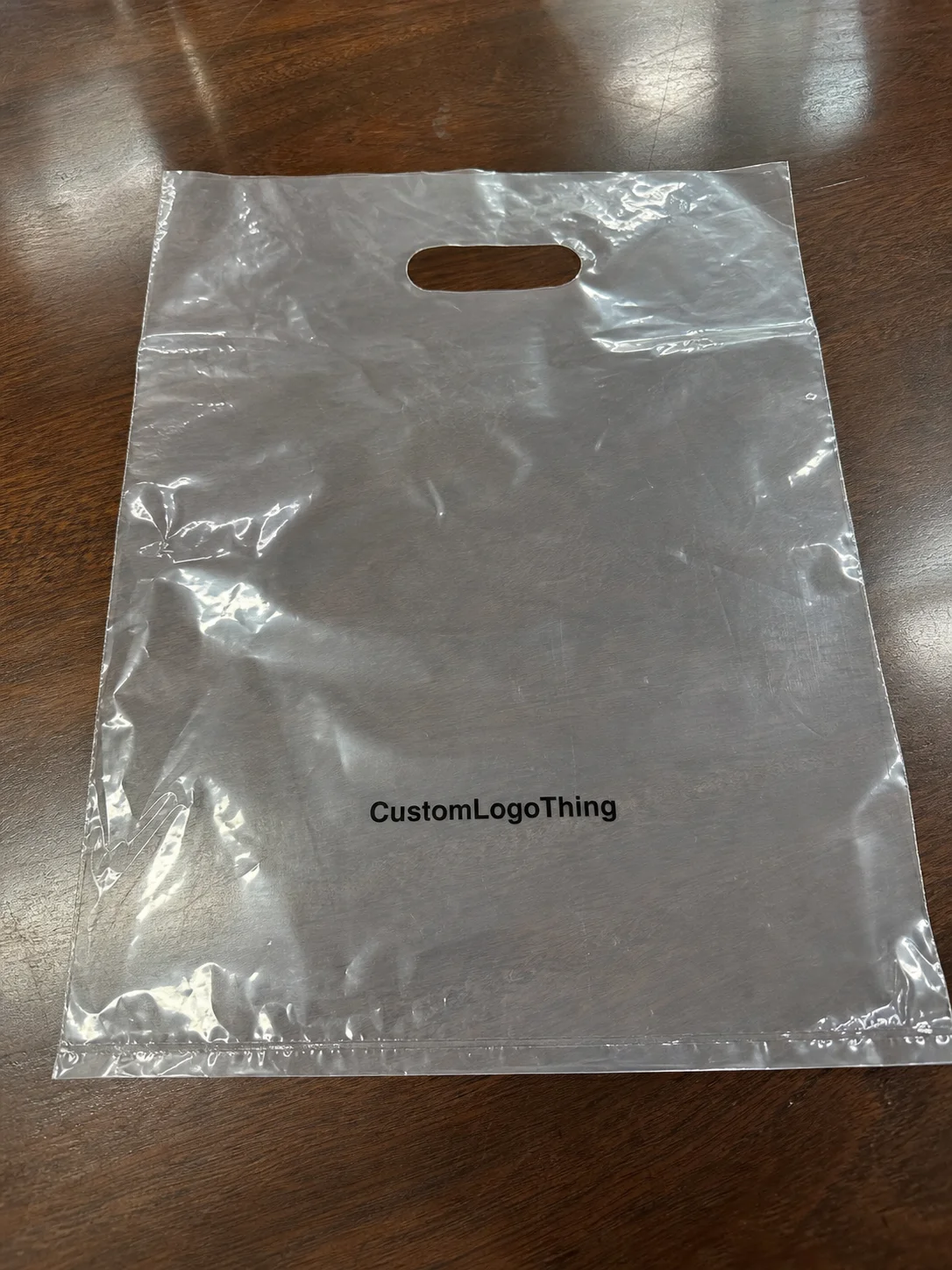
There is a temptation to treat carry bags as a commodity. For some applications they are. For retail, though, the bag often carries more than merchandise. It carries the brand in a form the customer physically handles, which changes the buying logic.
Stores using personalised bags get a consistent handover at the till, cleaner presentation on the sales floor, and better visibility every time the bag is reused. A clear logo, the right finish, and a good handle style make the purchase feel intentional. Cheap-looking packaging does the opposite, even when the product inside is strong.
For multi-site retailers, consistency matters as much as the artwork. If one branch receives a slightly different size, a thinner film, or a handle that feels weaker than the previous run, the issue is not just cosmetic. Staff notice. Receiving teams notice. Customers usually notice first. That is why repeatable specifications matter more than a marginal price cut on a single order.
The wrong bag size also creates operational friction. A bag that is too narrow for folded garments or boxed goods slows the counter, while an oversized bag wastes material and storage space. Small mismatches like that are how “cheap” packaging becomes expensive.
If you are already comparing wider supply options, our Wholesale Programs page is a useful reference point for repeat orders and broader purchasing structures.
Choosing the right bag style for the job
The right format depends on what is going inside the bag and how the customer will carry it. Retail, trade shows, boutique gifting, and heavier takeaway orders all benefit from different structures. A bag that works for folded T-shirts may be a poor choice for boxed cosmetics or catalogue packs.
Vest bags are the workhorse option for fast-moving counters. They are compact, quick to open, and usually the least expensive format. That makes them suitable for lighter goods and high-throughput environments where speed matters. The downside is simple: they rarely feel premium.
Patch-handle bags are usually chosen for a more polished presentation. The reinforced handle area improves comfort and gives the bag a sturdier feel in hand. They suit apparel, gifts, and boutique retail where the packaging has to carry a stronger brand impression.
Die-cut handle bags are common for promotional retail, events, and flat product packs. They present a clean front panel for print and can look sharp on shelf or at point of issue. They are not the best answer for heavier loads unless the material and reinforcement are specified carefully.
Gusseted carry bags add room and help square off boxed items. If a product needs a little breathing space, or if the load is awkward rather than heavy, the gusset often solves the problem better than simply choosing a thicker film.
Material choice changes the bag’s character. LDPE is softer, more flexible, and generally better when stretch and a smoother feel matter. HDPE is crisper, lighter, and often better where cost and basic carry performance matter more than a premium touch. A transparent or semi-transparent bag can suit product visibility, while opaque films hide contents and usually present a more controlled brand surface.
| Bag style | Best use | Typical strengths | Common tradeoff |
|---|---|---|---|
| Vest bag | Fast checkout, light retail goods | Low cost, quick handling, compact storage | Less premium feel |
| Patch-handle bag | Boutiques, gifts, apparel | Stronger handle area, better presentation | Higher unit cost |
| Die-cut handle bag | Events, retail handouts, promo packs | Clean look, easy branding area | Not ideal for heavy loads |
| Gusseted carry bag | Boxed goods, mixed-size orders | More internal space, better load accommodation | Uses more film |
Finish changes perception more than many buyers expect. Gloss makes colour and contrast stand out, which helps bold logos and simple artwork. Matte reduces glare and tends to suit more restrained retail brands. Transparent film can be useful, but it exposes the contents as well as the printing, so it is not always the right answer for stores that want a more composed look.
Material, gauge, and print details that set the cost
Before asking for quotes, lock the specification. Dimensions, film thickness, handle style, gusset depth, print area, and quantity should all be clear. If any of those are vague, suppliers will price different assumptions and the comparison becomes unreliable.
Thickness should follow the load, not habit. A light apparel bag can often be thinner than a bag for boxed goods, but once a customer adds weight and carries it a distance, under-spec film is exposed quickly. Over-spec film creates another problem: unnecessary material usage and a higher unit cost without any real benefit.
Many buyers talk in microns or gauge bands because those numbers are easier to compare than words like “light” or “strong.” That is not just technical habit. It reduces ambiguity. A bag that feels acceptable in a sample may still be too thin for a heavier retail mix, especially when handles are pulled sideways or the contents have corners.
Print is the other major driver. One-colour logos are usually the most economical and often look cleanest when the branding relies on shape rather than shading. Multi-colour printing can lift shelf impact, but it also increases setup complexity and can expose registration issues. On plastic film, fine lines, small type, and tight logo details need closer checking than they would on coated paper.
There are a few practical details that often get missed. Tolerance matters if the bag has to fit a dispenser or a standard carton. Handle reinforcement matters if staff will carry the bag by the handles rather than cradle it from the base. If the artwork contains a small web address or legal text, ask for proof at final size, not a scaled-down mock-up that hides legibility issues.
For terminology and packaging standards references, industry bodies such as Packaging.org are useful for checking language and material concepts. If the bag forms part of a broader shipping system, ISTA provides a useful frame for transit and handling expectations.
Pricing, MOQ, and landed cost
Pricing for personalised plastic bags wholesale usually comes down to five things: size, material grade, thickness, print complexity, and quantity. Those variables matter more than the headline description. Two bags can both be called “custom Printed Plastic Bags” and still have very different costs once the spec is written properly.
MOQ affects the unit price because setup costs are spread across the order. Artwork prep, printing plates or screens, press setup, packing, and carton handling all have to be covered before the first saleable unit is dispatched. At 5,000 pieces, that overhead is visible. At 50,000 pieces, it dilutes much more effectively.
For a practical benchmark, a straightforward one-colour branded bag in a common retail size may fall around $0.08-$0.18 per unit at higher volumes. More complex artwork, thicker film, reinforced handles, or premium finishes can move the price into the $0.18-$0.45 range, sometimes higher if the order is small or the print coverage is heavy. Freight, sampling, tooling, and revision costs should be checked separately because they can change the landed cost more than the headline unit rate suggests.
Buyers should compare quotes line by line. Confirm whether the price includes one-side or two-side print, whether artwork changes are included, how many proof rounds are covered, and how the goods are packed. A quote with a lower unit price but separate freight, smaller carton counts, or extra setup fees may not be the better deal once all costs are visible.
- Match quantities exactly across quotes so the comparison is fair.
- Ask how print setup is charged and whether it is a one-time or per-order cost.
- Check freight terms before comparing landed cost.
- Confirm carton pack size if warehouse handling is part of the decision.
One more caveat: the lowest price can still be expensive if the bag arrives off-spec. A slightly higher quote from a supplier who checks dimensions, print placement, and handle integrity may save money once rejected stock and rework are accounted for.
Production, proofing, and lead time
Most orders follow a predictable path: enquiry, specification review, proof, approval, production, inspection, packing, and dispatch. The sequence is simple. The delays usually are not. Missing artwork details, unclear dimensions, or late changes after proof approval tend to slow things down more than machine capacity does.
For straightforward custom runs, a realistic lead time is often 12-15 business days from proof approval. Larger quantities, more colours, special finishes, or complex handle structures can push that longer. Repeat orders are usually faster because the supplier already has the artwork and specification on file. If your launch date or store opening is fixed, say so at the start rather than halfway through the order.
Proofing deserves more attention than it usually gets. A digital mock-up is useful, but it is not a substitute for checking the final size, placement, and legibility of the artwork. Text that seems fine on screen can become cramped on film. Thin lines can disappear. Dark colours can shift against transparent or lightly tinted film.
Sampling is worth asking for when the order is new or the product load is uncertain. A plain sample can confirm size and feel. A printed sample confirms more, especially if the logo is small or the finish matters to the brand. A bag that looks close enough online can still feel wrong in the hand.
If the bag is part of a broader pack-and-ship workflow, the same practical discipline applies as it does in transit packaging. Confirm the product weight, the route from counter to customer, and whether the bag needs to handle short carry distance or longer transport. Standards bodies like ISTA are useful when the packaging must survive more than a simple handover.
What a dependable supplier should prove
The cheapest quote is not the same as the best supply. A dependable supplier asks more questions upfront because they are trying to prevent a bad run, not just close an order. If they want to know the load weight, bag use, storage conditions, reorder pattern, and carton needs, that is a positive sign.
Good suppliers also speak plainly about limitations. If your logo is too detailed for a small print area, they should say so. If the film thickness you requested is too light for the intended weight, they should challenge it. If a different handle format would improve carry comfort or presentation, that should be part of the conversation. Quiet, specific advice is more useful than generic reassurance.
Quality control should include more than a visual check. Buyers should expect verification of dimensions, film thickness, print alignment, colour consistency, handle sealing, and carton quantity. A bag that passes visually but arrives with weak seals or the wrong width is still a failure. Consistency across repeat orders matters too. Once a retailer settles on a format, the next run should match the last one closely enough that staff do not have to adapt.
There is another signal worth watching: how the supplier handles records. If they can keep the same artwork version, dimensions, pack count, and print position on file, reorders become faster and less risky. That is a practical advantage, not a sales slogan. For multi-site retail, the difference compounds across seasons and branches.
What to send for an accurate quote
The cleaner the brief, the faster the quote. Send the bag type, exact dimensions, material preference, thickness target, print colours, quantity, and delivery location. If the bag is for apparel, boxed goods, gifts, or trade giveaways, include that too. Each use case changes the recommendation slightly.
Artwork should be supplied in a usable format, ideally vector, along with brand colours and any notes on print placement. If the logo has thin strokes, small text, or a detailed mark, say so early. That lets the supplier tell you whether the design will hold up at the intended size. Waiting until after proofing to discover the artwork is too fine is an easy way to lose time.
It also helps to be explicit about the retail context. A bag used for low-weight checkout items is not specified the same way as a bag used for heavier carry-home purchases. That context affects handle style, gusset depth, and film choice more than many buyers expect.
If this is the first order, ask for a specification check before production begins. If it is a reorder, confirm the previous run number or approved spec so the new batch matches the last one. That is the cleanest route to a stable supply of personalised plastic bags wholesale without unnecessary back-and-forth.
Frequently Asked Questions
What is the usual MOQ for personalised plastic bags wholesale?
MOQ varies by bag style, print method, and supplier setup, but the order size matters because setup costs are spread across the run. Smaller trial quantities are sometimes available, though the unit price will be higher. The most useful comparison is to ask for pricing at two or three quantity breaks so you can see where the cost starts to settle.
How long does production usually take?
For standard custom runs, a common lead time is around 12-15 business days from proof approval. More colours, larger quantities, special finishes, or late artwork changes can extend that. Repeat orders are usually quicker because the spec is already approved.
Which material is better for retail bags, LDPE or HDPE?
LDPE is softer and more flexible, which suits bags that need a smoother feel or more stretch. HDPE is lighter and crisper, and it often suits simple carry bags where cost control and basic strength matter most. The better choice depends on product weight, presentation goals, and the way the bag will be used at checkout.
Can I get a sample before placing a full order?
Yes, and it is usually the safest way to check size, print placement, handle feel, and overall finish. A sample often reveals issues that are hard to see on screen, especially with film thickness and colour coverage. If a printed sample is not practical, ask for a plain sample and a final proof at exact size.
What should I prepare for an accurate quote?
Prepare the bag type, exact dimensions, thickness target, print colours, quantity, and delivery location. Send artwork in a usable format and include any brand colour references. If you can describe the retail use case clearly, the supplier can recommend a spec that fits the load instead of guessing.


