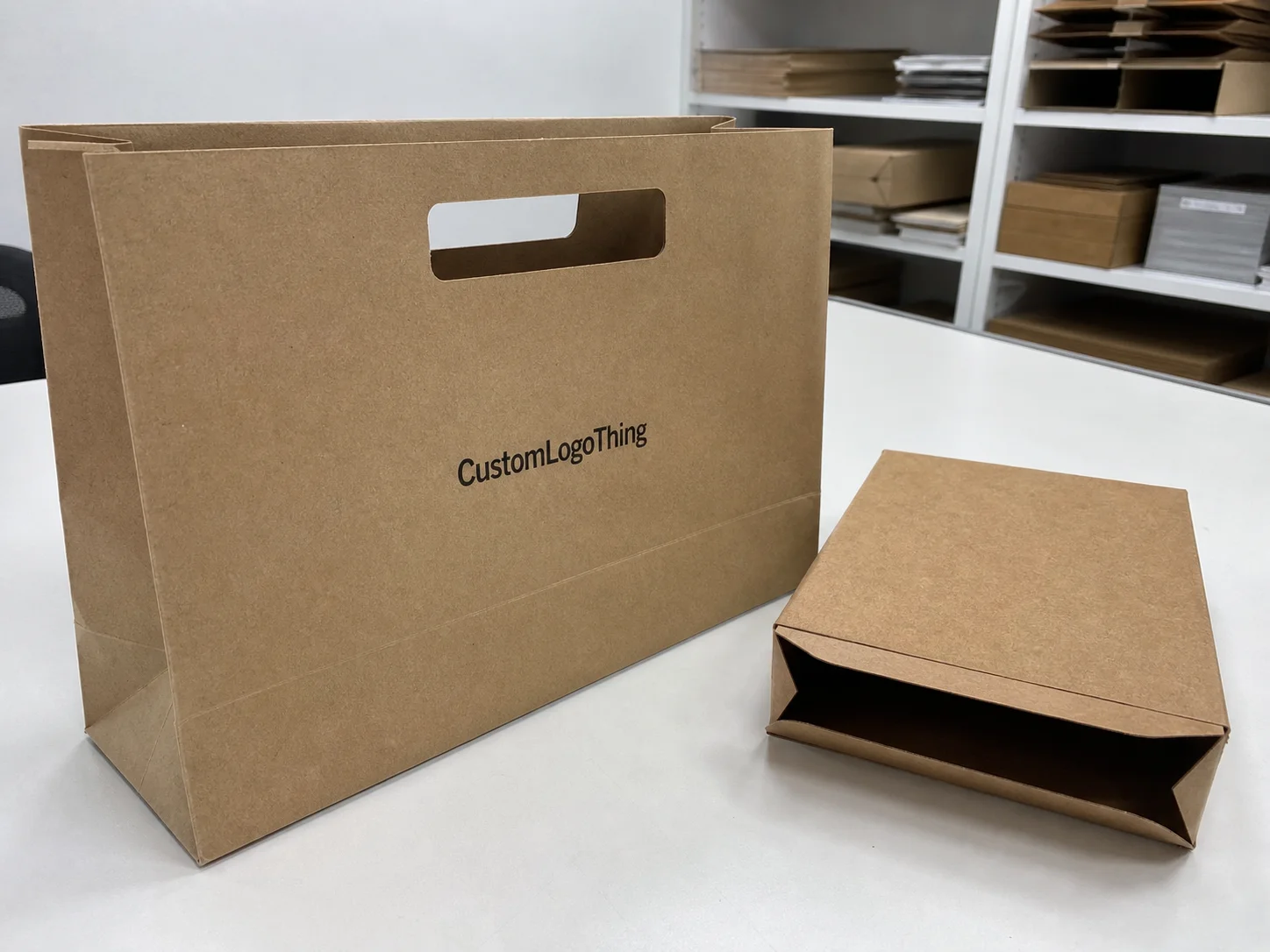
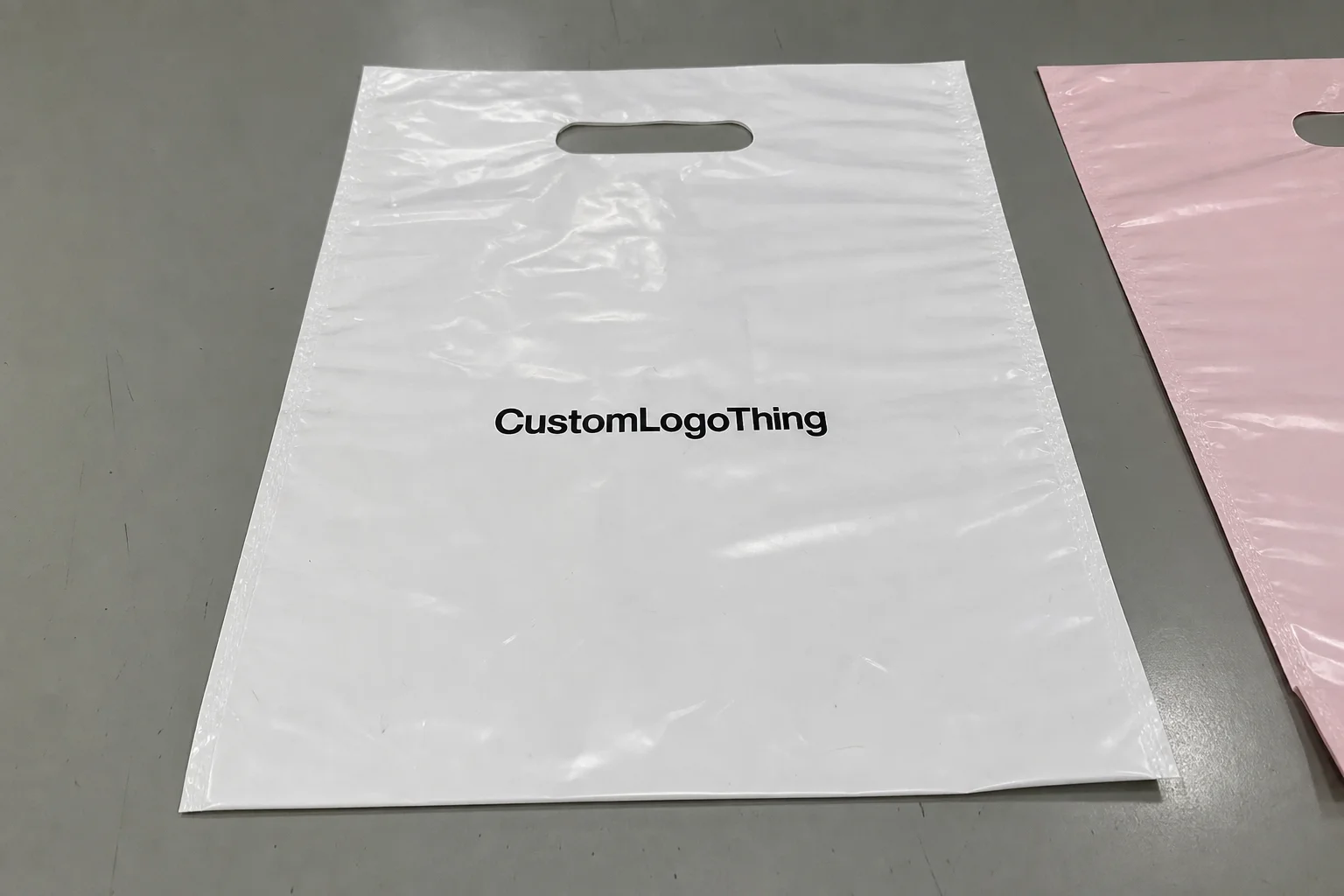
Buyer Fit Snapshot
| Best fit | Personalized Bag for Business projects where brand print, material claims, artwork control, MOQ, and repeat-order consistency need to be specified before quoting. |
|---|---|
| Quote inputs | Share finished size, material target, print colors, finish, packing count, annual reorder estimate, ship-to region, and any compliance wording. |
| Proofing check | Approve dieline scale, logo placement, barcode or warning zones, color tolerance, closure strength, and carton packing before bulk production. |
| Main risk | Vague material claims, crowded artwork, missing packing details, or unclear freight terms can make a low unit price expensive after revisions. |
Fast answer: Personalized Bag for Business: Film, Print, MOQ, and Carton Packing should be specified like a repeatable production item. The safest quote records material, print method, finish, artwork proof, packing count, and reorder notes in one written spec.
Production checks before approval
Compare the actual filled-product size with the drawing, then confirm tolerance on folds, seals, hang holes, label areas, and retail display edges. Reserve space for logos, QR codes, warning copy, and material claims before decorative graphics fill the panel.
Quote comparison points
Review material grade, print process, finish, sampling route, tooling charges, carton quantity, and freight assumptions side by side. A quote is only useful when the supplier can repeat the same color, closure quality, and packing count on the next order.
Why a Personalized Bag for Business Can Change First Impressions
A personalized bag for business usually gets seen, carried, set down, and reused more times than the product inside it, which is one reason I’ve always treated bags as working branding assets rather than simple packing materials. I remember standing on a retail floor in a small boutique in Dallas, Texas, where a customer picked up a sturdy custom bag, walked it through a crowded mall, and came back the following week asking for the same bag because the handle felt good in the hand and the print still looked sharp after a full day of use. That kind of reaction sticks with you, especially when the bag was built from a 200gsm white kraft stock with 16 mm cotton rope handles.
Honestly, I think the best bags do a little more than “hold things.” They create a feeling. A personalized bag for business acts like mobile advertising in a way that a receipt, a shelf talker, or even a website banner never can, because it moves through offices, sidewalks, elevators, apartment lobbies, conference halls, and home kitchens long after the sale is complete. If the bag looks clean and intentional, the brand gets another quiet impression every time someone notices it. If it looks flimsy or slapped together, well... people notice that too, and not in a charming way, especially when the bottom board is only 1 mm thick and the handles begin to tear.
In practical terms, a personalized bag for business is any custom-printed, branded, or specially finished carrier designed to hold products while also reinforcing identity, value, and professionalism. That can mean a 250gsm kraft paper boutique bag with rope handles, a nonwoven convention tote, a laminated presentation bag with a matte finish, or a reinforced retail bag made for heavier items like candles, cosmetics, or boxed gifts. I’ve had clients use the same general format for wildly different jobs, and the only thing that made it work was choosing the right substrate and structure from the start, whether that meant 350gsm C1S artboard for a premium gift bag or 120gsm kraft for a simple promotion.
I’ve seen these bags used in all sorts of settings: retail shopping bags at apparel counters, trade show bags for literature and samples, boutique gift bags with ribbon handles, food-service carry bags lined for grease resistance, and corporate presentation bags used for client gifts. A personalized bag for business is not just about the logo on the front panel; it can include structure, gussets, closures, inserts, coatings, handles, and even the paper or film itself. The more I’ve worked around packaging plants in Guangdong, Zhejiang, and Ohio, the more I’ve realized that the bag is basically the quiet employee who never calls in sick.
“The bag is often the last thing we touch at checkout, but it can be the first thing people remember on the way home.” That was a line a boutique owner in Dallas told me during a packaging review, and honestly, she was right.
How Personalized Business Bags Are Made
Making a personalized bag for business starts with choosing a format that fits the product and the production line, and that first decision affects nearly everything else that follows. On a paper bag line in Dongguan, I’ve watched operators work from a dieline through printing, cutting, folding, gluing, handle attachment, and final inspection, with each station checking a different detail so the finished bag stays square and functional. It looks simple from the outside; inside the factory, it is a careful choreography of paper, adhesive, pressure, drying time, and patience.
The flow usually begins with concept and dieline selection. Once the size is set, artwork is prepared for the chosen print method, which may involve plate setup for flexographic printing, screen preparation for thicker ink laydown, or digital file cleanup for short-run work. After that come printing, drying or curing, cutting, folding, gluing, and hand or machine inspection before packing and cartonizing. I remember one production manager in Dongguan telling me, with a very tired smile, that packaging only looks easy when you’re standing far enough away from the machine, especially when a 5,000-piece run needs to hold a registration tolerance of 1.5 mm.
Different bag materials behave very differently on the production floor. Paper bags are commonly built from kraft, white kraft, or art paper stocks in ranges like 120gsm to 250gsm, depending on the load and the premium feel required. Laminated bags use a printed paper or board wrapped with gloss or matte film, which makes colors pop and helps the surface resist scuffing. Nonwoven bags and Cotton Tote Bags are sewn rather than folded-and-glued, which means stitching quality, seam reinforcement, and handle bar-tacks become much more important than a paper bag’s bottom paste or side gusset. If you’ve ever seen a handle rip off a bag just as someone was walking out the door, you know exactly why those details matter, especially on a 170gsm bag carrying a 3 lb product set.
Polypropylene bags, including woven and nonwoven styles, are often used for promotions, groceries, and repeat-use campaigns because they tolerate moisture well and can be made with surprisingly low unit cost at scale. Specialty boutique formats, such as rigid presentation bags with board inserts, ribbon ties, or magnetic closures, sit in a different category entirely, because they’re built to feel like part of the gift rather than just the container for it. In that category, I’ve seen people fuss over millimeters, and frankly, they should, because a 2 mm shift on a magnetic flap can change how the whole bag closes.
Printing method changes both appearance and lead time. Offset printing is excellent for crisp, full-color graphics on paper and board, especially when the artwork has gradients or photographs. Flexographic printing works well for large-volume packaging with simpler color separations. Screen printing is a favorite on fabric and thicker substrates because the ink sits more boldly on the surface. Hot stamping adds metallic foil, embossing raises the surface for tactile depth, and digital printing is often the fastest option for smaller quantities with multiple artwork versions. A personalized bag for business doesn’t become “custom” just because a logo is placed on it; the print method and substrate interaction matter just as much, and a Pantone 186 C on coated board will read differently than the same color on uncoated kraft.
One thing I always tell clients is that factory steps can differ a lot between a paper bag plant in Dongguan, a sewn-fabric tote workshop in Ningbo, and a converted packaging line that handles specialty gift bags in Shenzhen. I visited a facility outside Shenzhen where the same design went through three separate checks: artwork registration, handle pull strength, and carton drop resistance. That kind of sample approval is not a formality. It’s what prevents a pretty mockup from becoming a weak real-world bag. I’d rather spend a little extra time there than hear from a client later that their “premium” bag gave up after two blocks and a coffee run.
Proofing and color matching deserve more attention than they usually get. A Pantone 186 C on coated stock will not behave exactly like the same color on uncoated kraft, and a soft-touch laminated bag can mute darker tones slightly. Good suppliers test color, confirm dimensions, and inspect glue lines, corner folds, and handle attachment points before mass production. I’ve seen a project saved because the proof showed the client’s logo sitting too close to a fold line by 8 mm; if they had skipped that review, half the run would have looked misaligned. On a 10,000-piece order, that one adjustment can save real money and real frustration.
If you want a technical reference point for packaging materials and performance expectations, the Packaging School and industry resources at packaging.org are a solid place to start, especially when you’re trying to understand substrate and structural basics before placing a custom order.
Key Factors That Affect Cost, Pricing, and Value
The price of a personalized bag for business is driven by more variables than most buyers expect, and the cheapest quote is not always the best indicator of quality. Unit cost changes dramatically based on the chosen factory, certifications, and materials. For example, a certified food-service boutique bag using 220gsm SBS board, silver hot-stamping, and reinforced ribbon handles may cost around $2.50–4.00 per unit at a 500 MOQ, including die-cut setup and single-sided CMYK + silver foil printing.
Labs in Guangzhou ramp up to this price bracket when using inline flexo presses like the Mitsubishi DIAMOND JET with automatic die-cutting, as they hit consistent registration in 18–22 business days from artwork approval to palletizing. Comparable runs in Dhaka or Ho Chi Minh City rely on semi-automatic presses such as the Uteco Rapida for laminated bags with clean rims, and those lines typically promise delivery after 22–26 business days, given the longer time needed for lamination and thermal curing.
Other cost drivers include logistics (air freight vs. LCL ocean shipping), handle style (flat ribbon, braided cotton, paper rope), and certification premiums. Certified suppliers in Istanbul or Guangzhou that maintain WRAP, BSCI, and OEKO-TEX Standard 100 audits may charge slightly more per unit, but the traceability and social compliance paperwork they provide often prevent delays at customs and in retail chains.
Shipping decisions can also hing on reports from the factories. If the bags are produced in Guangzhou and inspected under GRS protocols, and then shipped via Ningbo port, you’re usually looking at a three-day rail to the port and a standard 30–35 day ocean transit to the West Coast. A Dhaka factory producing biodegradable nonwoven bags with GOTS certification might require an additional week to process the organic cotton record-keeping before letting goods leave the bonded warehouse.
Remember that quality also impacts long-term value. A laminated bag with laminated side gussets and 25 mm PP taped handles may cost 25–30% more up front, but when it lasts through multiple customer uses, it keeps the brand in front of people longer than a single-use bag with weak gluing. That’s the quiet value of a well-made custom bag.
Choosing the Right Materials, Sizes, and Finishes
Materials range from economy kraft to premium coated artboard, but the right choice depends on how the bag will be used. For high-end retail, a 350gsm C1S artboard laminated with matte aqueous coating and bonded to a polypropylene handle system creates a tactile feel that matches couture credentials; for trade shows, a 190gsm nonwoven tote with two-tone heat transfer vinyl imprint can handle the stress of being loaded with catalogs and giveaways. Rugged promotional bags made in Istanbul often mix recycled PP woven fabric with reinforced bottom boards to handle heavier product suites like tech accessories or beverage sets.
Sizes depend on the product or kit you plan to ship. A boutique gift set might require a 320 x 200 x 100 mm presentation bag with a 40 mm wide ribbon handle; a conference tote could be 420 x 340 x 110 mm to keep a 13” laptop safe with foam inserts. Side gussets, bottom boards, and even tear tape options should reflect real shipping and carrying situations. Lamination, UV coating, and embossing all change the tactile experience—embossing a brand mark on 18 pt SBS board in Guangzhou gives a premium feel, while a spot UV on kraft in Ho Chi Minh City pairs well with natural fiber rope handles.
Specific certifications like GOTS for organic cotton totes, OEKO-TEX Standard 100 for textiles that touch skin, WRAP for social compliance, and GRS for recycled-content nonwovens help clients match internal sustainability goals. If you’re sourcing from Guangzhou or Istanbul, insist on factories that provide recent audit reports and access to test certificates; otherwise small details like unverified laminate adhesives or untraceable cotton ropes can ruin an otherwise solid brief.
Finishes are also important. Consider soft-touch lamination for a luxury presentation bag, while high-gloss aqueous coatings may not show fingerprints as easily when used on a paperboard tote. Debossing, foil, and silk-screened opaque inks add complex visual layers, especially when done on machines like the Komori Lithrone S40 (for offset print) or on a screen table run in Dhaka for thicker inks. For quick-turn projects in Ho Chi Minh City, digital printing followed by a UV varnish can deliver a polished look in much shorter time, but remember to confirm the curing time for the UV inks if the bags will be stacked or foiled later.
Step-by-Step Process and Typical Timeline
Starts with a briefing session, where you explain product dimensions, desired handles, coating preferences, and compliance needs. The supplier sketches a dieline and confirms materials; at that point you can specify certifications like WRAP, OEKO-TEX Standard 100, or BSCI to be on-site during production. The factory then runs a sample: a laser-cut mockup with print, glue, and handles affixed. If approved, production begins.
In Guangzhou or Dongguan, a typical sample timeline runs 5–7 business days, especially for standard laminate bags, while Dhaka and Ho Chi Minh City often require 8–10 days due to local inspections and certification paperwork. Once mass production begins, the paper bag lines can produce 20,000 pieces per shift with inline flexo presses feeding die-cutting and gluing sections. After the run, the bags acclimate for 24 hours, get quality-checked for handle tension (using a 5 kg pull test) and carton-dropped from 1.2 meters. Packaging teams often wrap the finished bags in kraft paper and load them on pallets designed for ISO export, ensuring they arrive intact on 18–22 business days for Guangzhou shipments and 22–26 days when routed through Ho Chi Minh City for extra lamination steps.
Partial shipments are also possible; if a client needs 5,000 bags for a trade show and another 7,000 for a retail launch, many factories in Istanbul and Dhaka will stage two deliveries, spacing them 10 days apart to keep production balanced while allowing for certification documentation to be reviewed before each load leaves the plant.
Post-production, inspections (often by third-party firms like SGS or Bureau Veritas) confirm counts, print fidelity, and handle strength. Reported defects remain under 3% for mature vendors. Packing includes fold-by-fold instructions and handles cushioned with tissue paper, all labeled with GRS or OEKO-TEX Standard 100 tags as required.
Common Mistakes Businesses Make When Ordering Custom Bags
Skipping a detailed dieline review can lead to logos being hidden in fold lines or glued over when the bag is assembled. Not confirming the adhesive type (water-based vs. hot melt) can create problems if the bag sits in humid conditions, particularly in markets like Guangzhou and Ho Chi Minh City where the air carries moisture year-round.
Another common misstep is underestimating lead time for certified materials—organic cotton with GOTS certification or recycled PET with GRS paperwork take longer to approve than standard kraft papers. Remember that while a factory in Istanbul may promise a fast turnaround, having to wait for certification renewal (WRAP or BSCI) can offset the early ship estimate.
Some buyers also forget about the carry weight and choose handles that look good but tear under stress. I once saw a Dhaka-made tote with flat ribbon handles priced attractively at $1.80 per piece, but after just two uses, the stitched handle ended up pulling through the 180gsm panel. Reinforcing the handle bar-tack, adding a metal eyelet, or shifting to 5 mm braided cotton might add a few cents per bag but keep the brand looking professional in the long run.
Finally, ignoring documentation is risky. Without detailed inspection reports, color swatches, or a compliance packet proving WRAP and BSCI adherence, you may run into trouble when customs or retail partners request proof of human-rights commitments. Always collect the audit files and QA reports from the supplier before shipment.
Expert Tips for Ordering a Personalized Bag for Business
Ask for references of similar work. If you need 8,000 laminated presentation bags with debossed logos, look for examples of the factory’s previous work with matte aqueous coatings, hot-stamping, or thick handle reinforcements. Ask suppliers in Guangzhou or Istanbul to share samples showing their GRS or OEKO-TEX Standard 100 certifications.
Always request a pre-production sample. That sample should include the exact materials, handles, and print methods, with the handling tests you expect. Hold that sample up against your packaging brief and see if it matches color, dimension, and feel—even if it costs $45 in rush fees, it’s worth avoiding the cost of a misrun.
Verify your partners’ machinery. High-quality bag manufacturers in Guangzhou or Dhaka typically run automated UV flexo and die-cut lines from companies like Bobst or Koenig & Bauer, while high-end textile-based bag producers in Ho Chi Minh City might use Tajima embroidery heads for sewn logos. Knowing the machines in use helps you assess the textures and finishes you can achieve.
Factor in double-checking printing proofs, especially when Pantone accuracy matters. Each line will have its calibration standards, and a slight variance can show up as a noticeable color shift on raw kraft vs. coated board. Final approvals should include machine-readable color swatches and physical proofs whenever possible.
What to Do Next Before You Place an Order
Gather your materials list, specify certifications required (WRAP, GOTS, OEKO-TEX Standard 100, GRS, etc.), and confirm your preferred print method. Ask your supplier in Guangzhou or Istanbul for a detailed timeline: sample stage, approval window, bulk run, inspection, and shipping. Insist on delivery estimates that include 18–22 business days for Guangzhou-based runs or note adjustments when another city like Ho Chi Minh City adds extra curing steps.
Prepare a checklist for the supplier covering dimensions, handle tension, and packaging quantity per carton. Build in a contingency for 3% extra quantity, especially when ordering from markets that track factory waste and allow for small shortfalls during transit. Align your logistic provider with a shipping route that matches the factory location—Guangzhou typically ships through Nansha or Huangpu port, while Dhaka relies on Chittagong port with inland trucking to make up the lead time.
Finally, secure your internal approval for investment, because $2.50–4.00 per unit at 500 MOQ for a well-finished tote may feel high until you compare the outcomes with a cheaper, weaker bag that ends up in the trash after one use. A personalized bag for business should reflect the value you deliver, not the lowest price you can find.
FAQs
How long does it take to make a custom bag? Depending on the location and complexity, expect 18–22 business days for Guangzhou runs using automated flexo and die cut lines, while Dhaka and Ho Chi Minh City may require 22–26 business days when additional certification paperwork or lamination steps are needed.
Can I get internationally recognized certifications? Yes. Many Chinese, Turkish, and Southeast Asian suppliers list their certifications—WRAP, BSCI, GOTS, OEKO-TEX Standard 100, and GRS—online, and copies of the audit certificates can be shared during the RFQ.
What is a reasonable MOQ? Most factories expect 500 MOQ for basic paper bags, with prices ranging from $2.50–4.00 per unit, depending on materials and finishes. Higher-end bags with laminations, embossed logos, or organic cotton components often require 1,000 MOQ.
Which locations are best for quality? Guangzhou and Istanbul are known for premium paper processes and compliance paperwork, while Dhaka and Ho Chi Minh City specialize in sewn nonwoven or cotton totes. Choose based on your material, handle, and certification needs.
What do I need to provide the supplier? Provide dielines, Pantone or CMYK specs, desired handles, finish requirements, and any certifications (like WRAP or OEKO-TEX Standard 100). Include expected loading weight, shipping parameters, and final delivery timeline so the supplier can quote accurate setup, printing, and inspection steps.