Slider Lock Bags for Outdoor Brands: Wholesale Pricing, Specs, and Buying Notes
For outdoor brands, packaging has to do more than hold a product. It needs to survive dust, moisture, repeated handling, and rough transport without making the item harder to sell or ship. That is why buyers comparing slider lock Bags for Outdoor Brands wholesale pricing usually care about more than unit cost. They need a format that protects the product, presents cleanly, and does not add labor downstream.
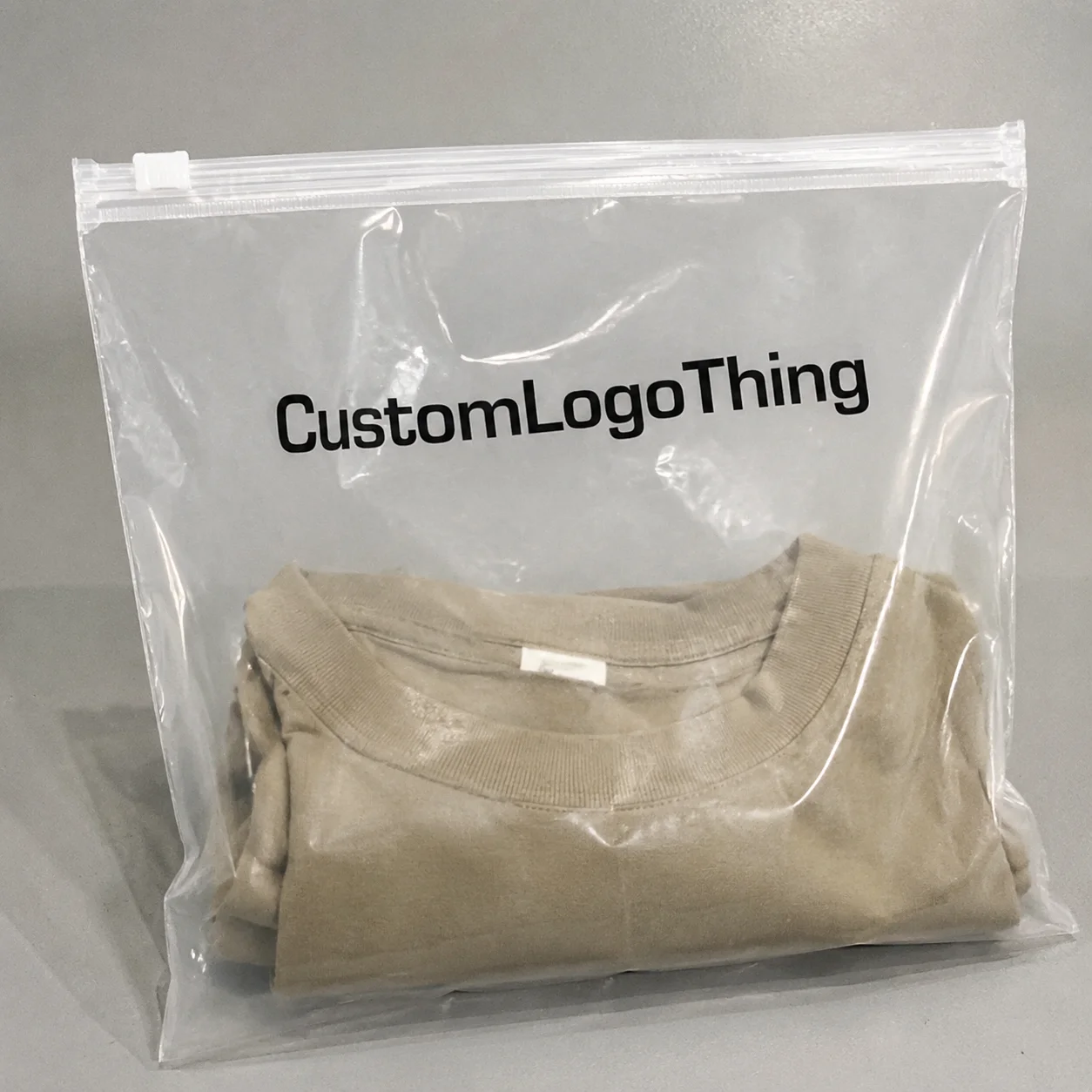
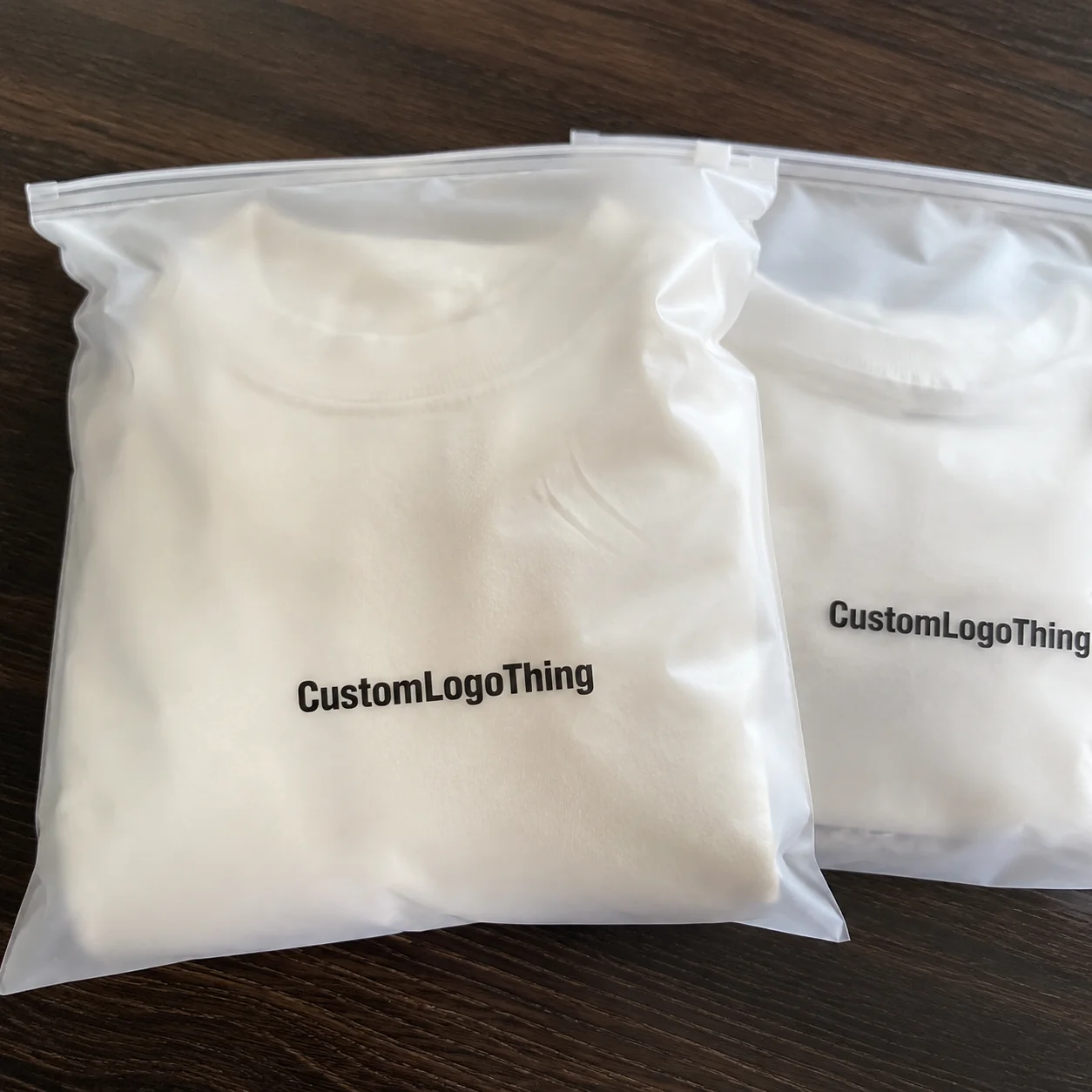
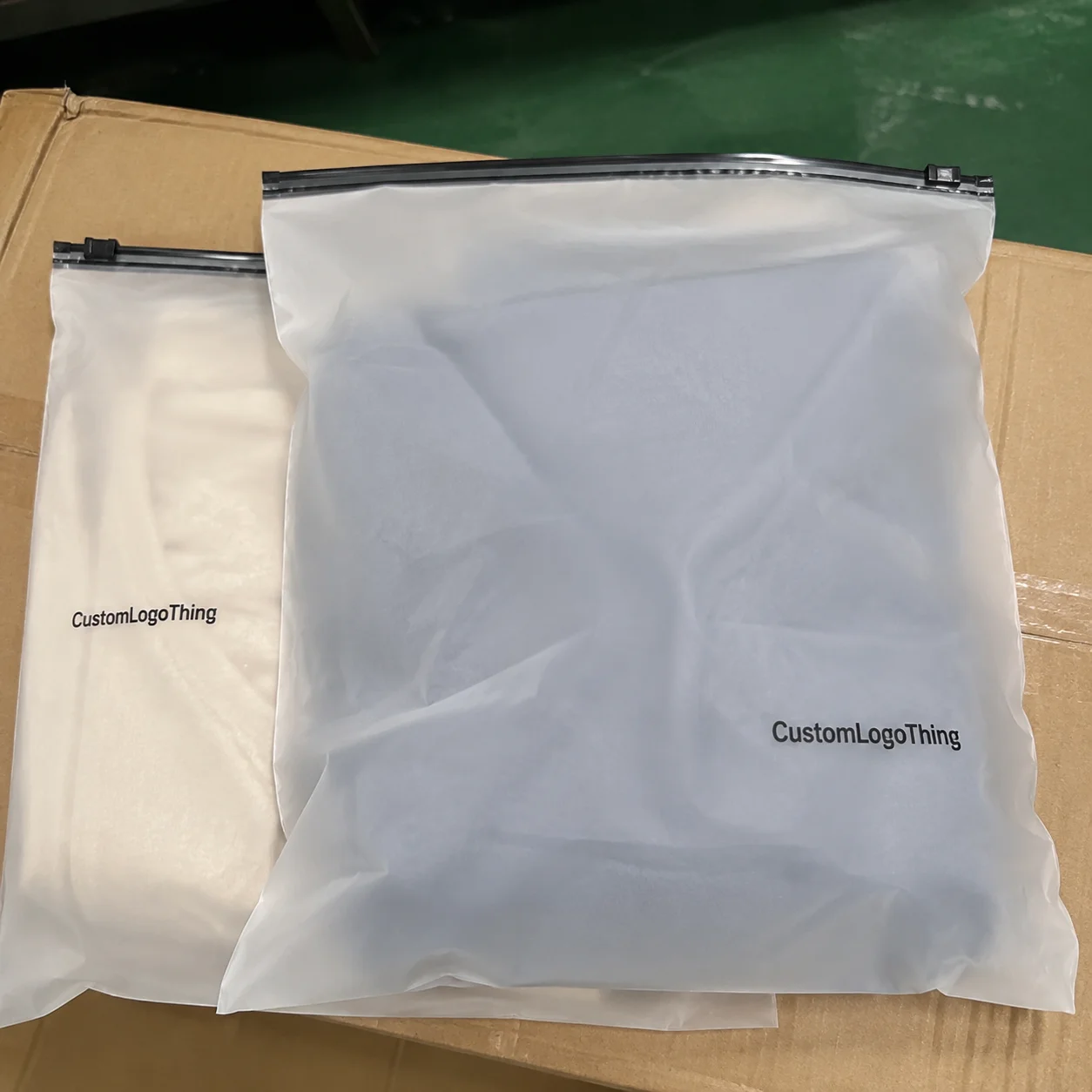
Slider Lock Bags work well for compact gear and accessories because they display the product, keep parts together, and reopen without tearing the package apart. That matters for retail staff, fulfillment teams, and customers who want packaging they can actually reuse.
The best buying decisions start with the use case. If the product will be handled with wet hands, tossed into a pack, or stored with metal hardware, the closure and film choice matter more than print embellishment. That is where the real economics sit.
Slider Lock Bags for Outdoor Brands That Need Durability
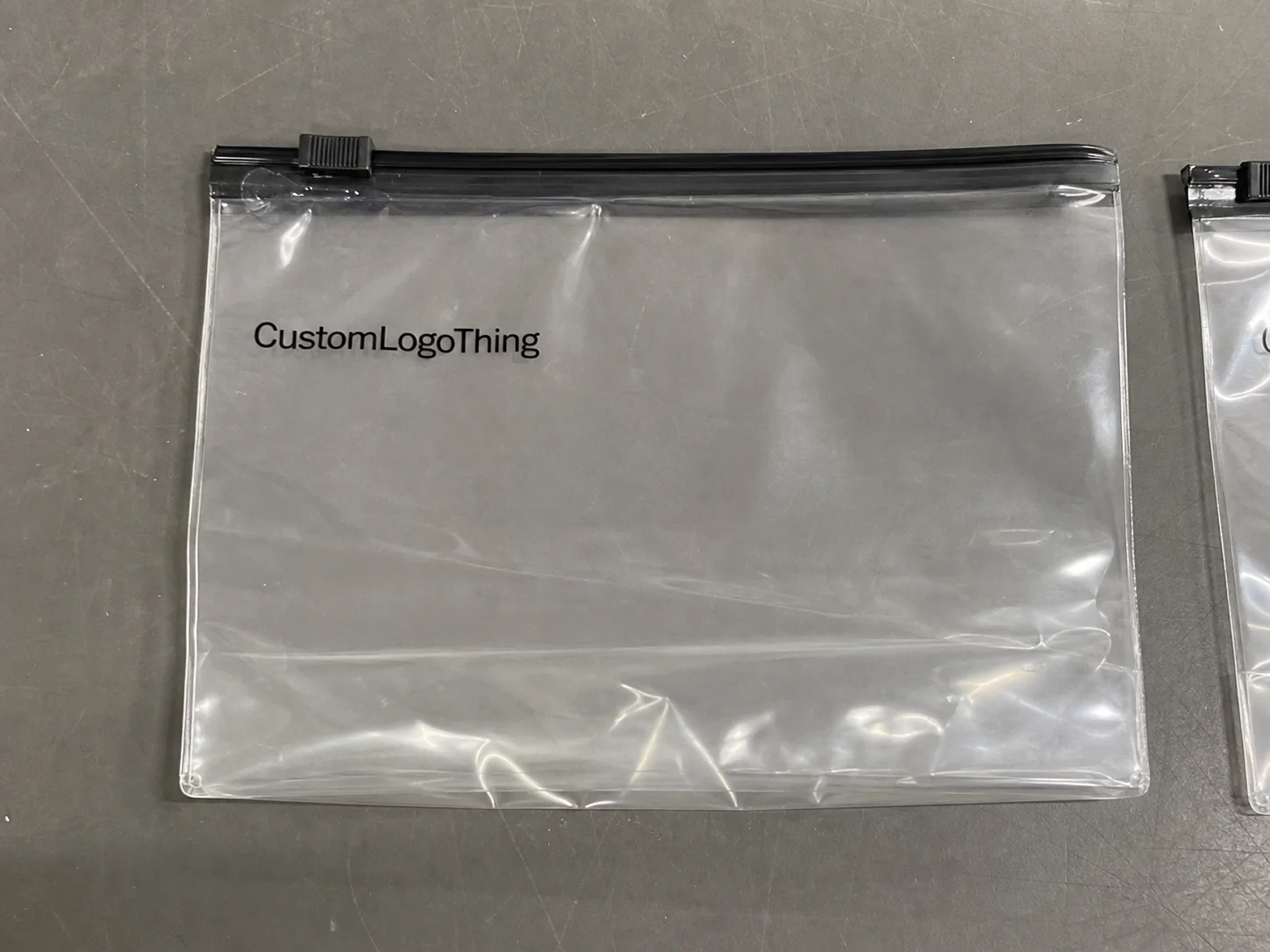
Outdoor packaging lives a harder life than most brands assume. It gets squeezed in transit, opened in poor weather, restocked in a hurry, and reused by customers who are not gentle with it. A bag that looks fine in a sample photo can still fail if the slider catches, the seal line is too narrow, or the film scuffs too easily.
That is why slider lock Bags for Outdoor brands wholesale pricing should be judged against actual use, not just a price sheet. The format makes the most sense for small products that need visibility and organization more than crush resistance. Common fits include first-aid refills, repair kits, spare buckles, batteries, patches, stove accessories, compact apparel add-ons, and mixed hardware assortments.
The format can also replace more than one packaging component. In the right program, one bag can take the place of a carton, an inner polybag, and a loose seal label. That reduces assembly steps and keeps the shelf face cleaner.
A bag that survives the second opening is more useful than one that only looks good in a sample photo.
Durability still has to be balanced with cost. Heavier film and premium closure hardware can improve performance, but the right spec is the one that matches the product, the retail channel, and the expected handling pattern.
Material and Seal Choices That Survive Trail Use
Material selection drives both performance and price. For many compact outdoor items, clear polyethylene is enough. It offers visibility, a familiar feel, and a relatively stable cost base. When a product needs more stiffness, stronger puncture resistance, or better barrier performance, buyers move into heavier-gauge or multilayer structures.
There is no universal best material. Dry accessories and apparel add-ons can often use a simpler construction. Moisture-sensitive items, metal hardware, or kits that may ride in damp packs need more attention to film thickness, seal integrity, and closure reliability. If the product will be handled with gloves or cold hands, the slider action should be tested for that too.
Print durability deserves the same attention. Outdoor gear is handled and stacked more often than commodity retail items, so ink systems and surface treatments should be selected for scuff resistance and color stability. If a package is going through e-commerce fulfillment, many buyers ask suppliers to align sample checks with ISTA methods because the bag may pass through several touchpoints before it reaches the customer.
Material choice also affects shelf perception. Thicker film can look more premium, but only if the rest of the package is proportioned well. For programs that include paper inserts or hang tags, responsible sourcing may matter too; if those components are part of the spec, FSC-certified materials are a straightforward way to document that choice.
One detail that should not be glossed over is closure tension. If the slider is too tight, repeat opening becomes frustrating. If it is too loose, the bag feels weak and may not protect the contents as intended. Samples are necessary because that balance rarely shows up in a photo.
Sizing and Spec Decisions That Change the Final Fit
Size mistakes are expensive because they are often hidden until the product is already packed. The finished dimensions on a quote are not the same as usable internal space. A bag can be technically correct and still fail because the zipper line pinches the product, the print area is too crowded, or the item sits in a way that makes the front panel look empty.
For outdoor brands, compact items usually fit best. Repair kits, spare parts, hydration accessories, sunscreen pouches, patches, and small apparel components are strong candidates. Longer items can work too, but they need more careful attention to mouth width, zipper position, and how easily the customer will reopen the bag without damaging the package.
Size also changes brand presentation. A tall bag gives you a narrow vertical print field, which works for wordmarks and simple labeling but can crowd graphics, barcodes, and QR codes. A wider format provides more room, but it also leaves more film visible, so the layout has to be disciplined.
The most reliable approach is to map the product to the dieline before artwork is finalized. Too many teams do the opposite. They approve graphics first, then discover the product needs a different usable area. That leads to tiny logos, misplaced barcodes, or a design that looks good in proof but awkward in production.
Before approving a proof, check these details:
- Finished dimensions and usable internal volume
- Closure width and slider direction
- Bleed and safe area for artwork
- Barcode, QR code, and legal copy placement
- Front and back branding rules for multi-SKU programs
If the program has several sizes, ask for a separate spec file for each SKU. One artwork layout rarely works cleanly across an entire line unless the products are nearly identical.
Wholesale Pricing, MOQ, and Unit-Cost Drivers
For buyers comparing slider lock Bags for Outdoor Brands Wholesale pricing, the quote should be broken into clear components. Film cost, slider hardware, print coverage, packaging configuration, and freight all affect the final unit price. A useful supplier should show which parts are fixed and which parts move with volume or spec changes.
Quantity is still the biggest price lever. Setup and tooling get spread across the run, so a 3,000-piece order carries more overhead per bag than a 20,000-piece run. After that, bag size and film thickness matter. Full-color print, matte finishes, specialty textures, and upgraded closure hardware all add cost.
| Program Type | Typical MOQ | Typical Unit Range | Best For |
|---|---|---|---|
| Clear bag, one-color print | 3,000-5,000 pcs | $0.18-$0.30 | Accessories, refill packs, light gear |
| Custom printed, higher-gauge film | 5,000-10,000 pcs | $0.24-$0.42 | Retail-ready SKUs with stronger shelf presence |
| Premium finish, complex print, specialty closure | 10,000+ pcs | $0.34-$0.58 | Hero products, seasonal kits, premium bundles |
Those ranges are directional. A small format with limited print can come in below them, while a larger bag with thicker film and more demanding print can sit above them. The useful question is whether the package supports the retail price and reduces the risk of damage, returns, or repacking labor.
MOQ needs the same clarity. Many custom programs land at 5,000 units per size, but mixed-size orders can raise the effective minimum because each size typically requires separate setup. If your line includes several SKUs, ask for both a single-SKU quote and a blended-program quote.
There is a trap at the low end of the market. The cheapest quote can become the most expensive program if it leads to rework, slower packing, or a weaker retail face. On outdoor goods, presentation and function are tied together.
Production Process and Lead Time From Artwork to Shipment
Good production runs follow the same sequence: quote, dieline confirmation, artwork proof, sample approval, production, inspection, packing, and shipment. Delays usually happen when one step is rushed or skipped. Low-resolution files, missing barcode specifications, or late internal approvals can slow a project without changing the supplier’s actual capacity.
For a first order, a realistic production window is often 12-18 business days after proof approval. Sampling and freight add time on top of that. If the project uses custom closure hardware or a more complex material structure, the schedule can stretch further. Repeat runs usually move faster because the dieline and artwork are already locked.
A serious supplier should have three things approved in writing before production starts: dimensions, artwork, and material spec. Anything less leaves room for avoidable mistakes. If the launch date is fixed, rush jobs are possible, but they should be treated as exceptions.
Quality control should be specific, not vague. Ask whether the supplier checks print registration, seal consistency, zipper alignment, and carton packing before shipment. Those checkpoints matter because a small defect in a single bag can turn into a large issue across thousands of units.
Calendar discipline matters too. Seasonal drops, replenishment runs, and bundle launches all compete for the same packaging window. The bag may be a small line item in the BOM, but it can become a bottleneck if the wrong version is stuck in approval.
What Makes a Packaging Partner Worth a Reorder
There is a difference between a printer that can make a bag and a packaging partner that understands outdoor merchandising. The first can produce units. The second helps reduce friction across retail, fulfillment, and customer use. That difference shows up in details like color consistency across reorder lots, clean dieline execution, and realistic advice about what the closure can handle in practice.
Consistency matters because outdoor brands often run related colors across multiple seasons. Buyers notice when a second run drifts from the first one. If the packaging is part of a broader product family, it should feel like a system, not a one-off.
Reorders are where weak suppliers show themselves. A good sample is not enough. The real test is whether the supplier can repeat the same result months later without trimming corners. If the package has to match a previous launch, that consistency is not optional.
A better partner also prevents avoidable mistakes before production starts. Strong proof review catches barcode placement problems, avoids crowded layouts, and flags print areas that may scuff. Some suppliers will simply print what is sent; others will point out weak specs before the order is locked. The second type usually saves money, even if the quote is not the absolute lowest.
In outdoor packaging, service quality shows up in operational outcomes: fewer reprints, cleaner launches, less repacking labor, and easier expansion into bundled kits or display-ready formats.
What to Send for a Fast Quote and a Clean First Run
If you want accurate pricing, send the full picture up front. The fastest quote is not the one with the fewest details. It is the one that removes guesswork. For slider lock Bags for Outdoor brands wholesale pricing, the supplier needs finished dimensions, estimated quantity, preferred material, number of print colors, and shipping destination. If you have a target channel, include that too, because shelf display and e-commerce shipping do not always call for the same build.
It also helps to explain the use case in plain language. Is the product exposed to moisture? Will it be handled with gloves? Does it need a clean retail face or a more utility-driven look? Those details affect the recommendation more than the logo file does.
A clean decision order keeps the process moving:
- Choose the size based on the product, not the old box.
- Choose the material based on moisture, abrasion, and shelf needs.
- Confirm the print method and artwork placement.
- Compare pricing, MOQ, and lead time against launch timing.
Send vector artwork if possible. Include barcode, QR code, and any compliance copy that must appear on the bag. If you are planning a wider rollout, ask the supplier to quote multiple sizes together so you can compare the economics of a single-SKU run against a full program.
The cleanest path from concept to purchase order is straightforward: request pricing with full specs, review the proof against the dieline, and approve only after the material and closure behavior are confirmed. That is how you get a first run that supports the product instead of distracting from it.
What affects slider lock bag wholesale pricing for outdoor brands most?
Order volume usually has the biggest effect because setup and tooling costs spread out as quantity rises. Bag size, film thickness, print colors, and slider style can all move the unit price. Freight and carton configuration matter too, especially for brands shipping bulkier retail programs.
What MOQ should I expect for custom outdoor slider bags?
MOQ depends on bag size, material, and print complexity, so there is rarely one fixed number for every program. Single-SKU runs are usually simpler to price than mixed-size orders, which can raise the effective minimum. If you need several outdoor products packaged together, ask for both single-SKU and blended-program quotes.
How long does production usually take after artwork approval?
First orders usually take longer because proofing, approval, and setup steps have to be completed before full production. A common production window is 12-18 business days after proof approval, with sampling and freight added on top. Repeat runs are often faster if the dieline, colors, and artwork are already locked.
Can slider lock bags work for apparel accessories and small gear?
Yes. They are a strong fit for zippers, repair kits, hardware, patches, and other compact outdoor items. The resealable closure helps keep small parts organized during retail handling and customer use. For moisture-sensitive products, the film choice should be matched to the exposure risk before quoting.
What do you need from me to quote custom slider bags accurately?
Provide finished dimensions, estimated quantity, preferred material, print colors, and shipping location. Include the product type and use case so the recommendation matches moisture, abrasion, or display requirements. Send vector artwork if possible, plus any barcode, QR code, or placement rules that affect the layout.