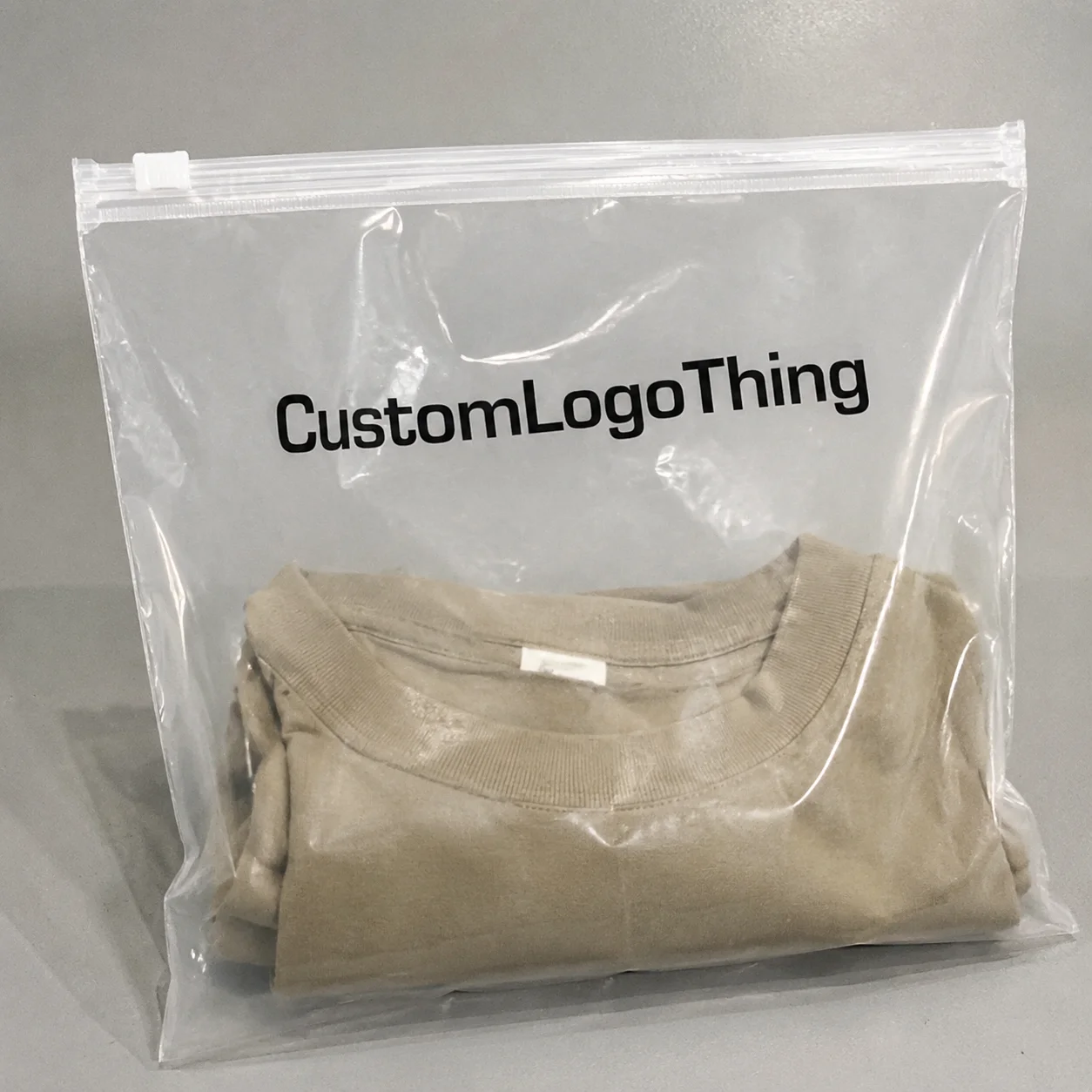
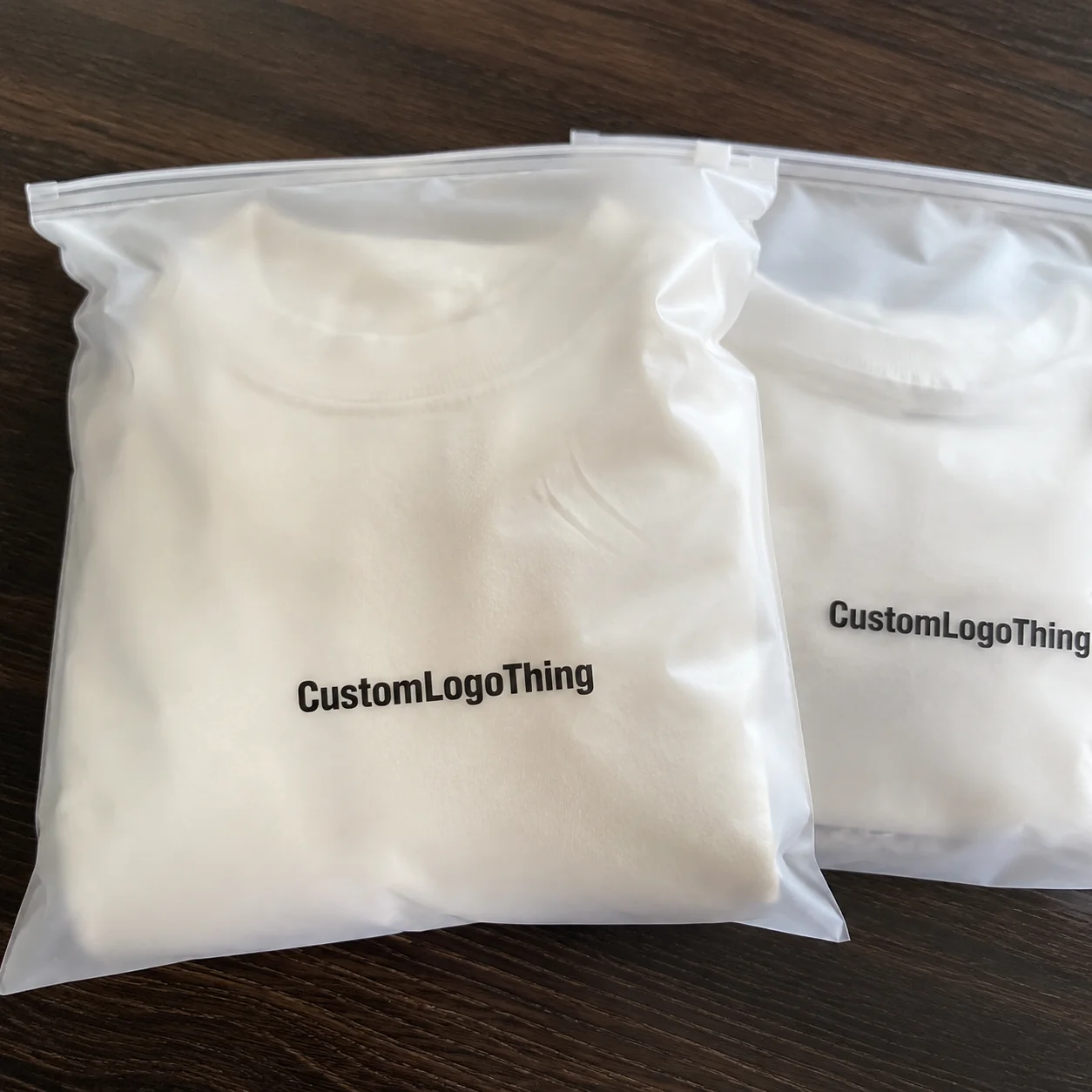
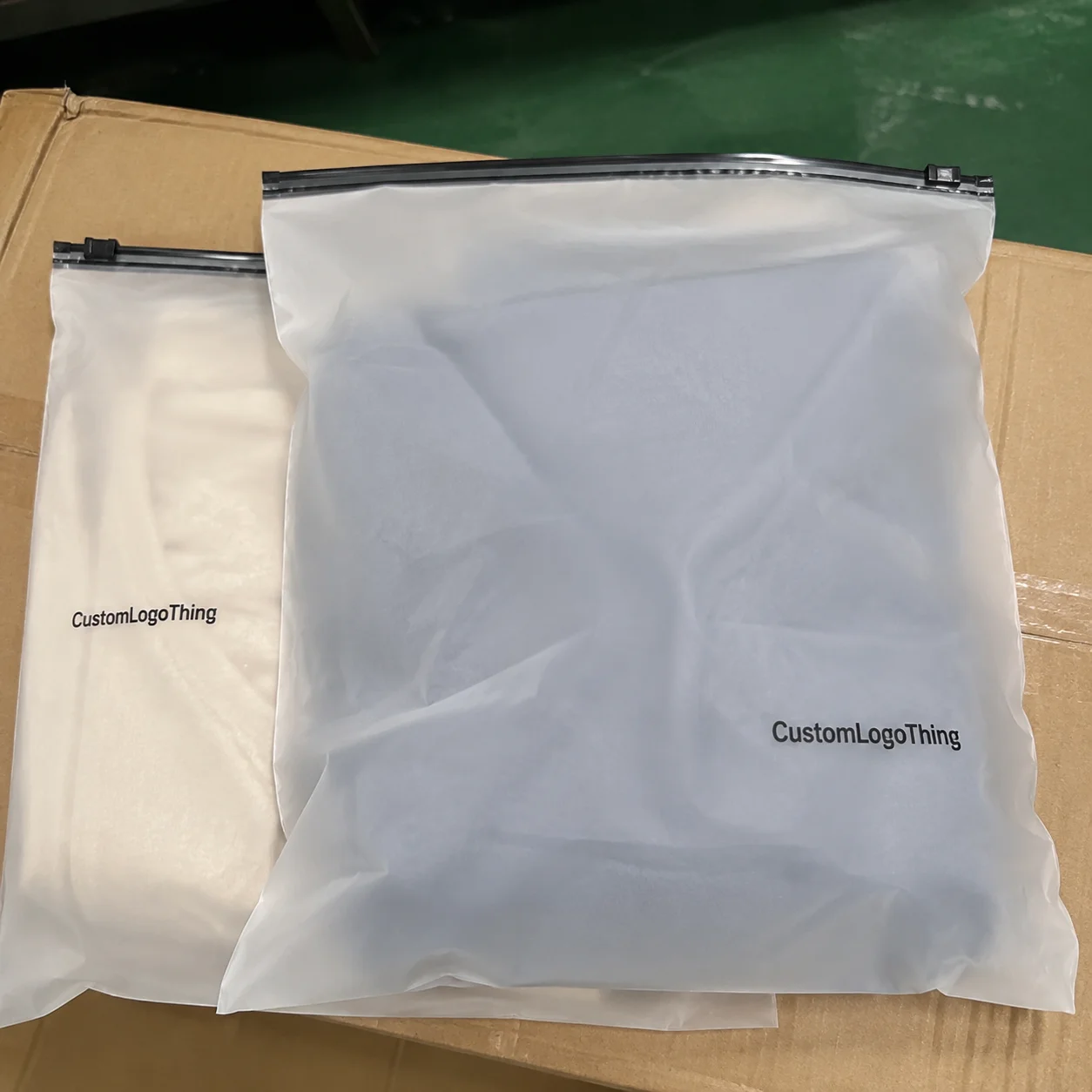
If you’re comparing frosted zipper Bags for Outdoor brands wholesale pricing, the useful question is not whether the lowest quote exists. It’s whether the bag protects the product, looks credible on a shelf, and still leaves room for margin after freight and packaging waste are counted. Those are usually the three tests that decide whether a packaging choice survives a real season.
Outdoor brands tend to ask a lot from one bag. It has to hold up in transit, hide handling marks, make the product look more finished, and fit into a retail or DTC workflow without adding extra labor. Frosted Zipper Bags do that better than plain poly in many cases because the matte surface softens glare and scuffs while the zipper keeps the pack reusable. That combination is especially useful for trail accessories, socks, gloves, repair kits, small apparel items, and sample sets.
The point is not to make packaging feel luxurious for its own sake. The point is to make a lower-cost item look deliberate. Packaging can change perceived value faster than many brands expect. A customer may not know the material spec, but they do notice whether the bag looks clean or cheap.
There is also a practical side that buyers appreciate once a product goes live. Frosted film photographs better under mixed lighting, which matters for ecommerce. It also tends to hide fingerprints and minor surface wear better than crystal-clear poly. That doesn’t make it the right choice for every product, but it explains why it shows up so often in outdoor retail packaging.
“A slightly better bag can do more for perceived value than a louder design that costs more and solves less.”
For brands deciding between frosted and clear, the tradeoff is simple. Clear bags maximize visibility. Frosted bags soften the look and usually appear more premium. If a buyer needs immediate identification on a peg wall, a clear window or printed label may still be the better option. If the package is part of a retail presentation, frosted usually wins.
Product Details That Matter: Material, Zipper, and Finish
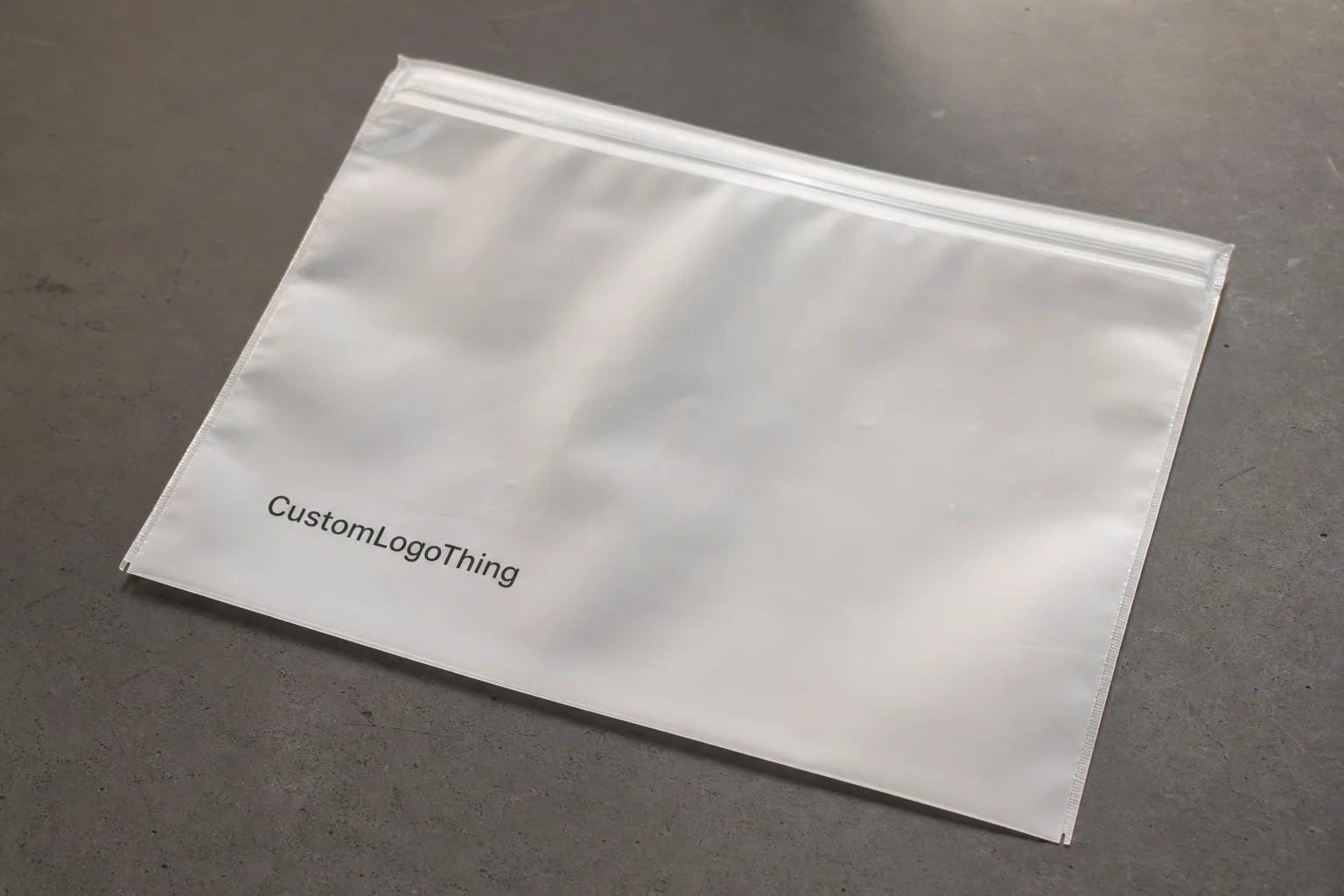
The most common build is frosted PE film with a zipper closure. PE is widely used because it is flexible, light, and generally cost-effective at scale. Most buyers will choose between single-track and double-track zippers. Single-track is common for lighter accessories and retail packs. Double-track adds a firmer closure and a more premium feel, but it also adds cost and can increase bulk slightly.
Film thickness matters more than many first-time buyers expect. A 2 mil bag may be enough for lightweight items, samples, or products that are packed once and opened rarely. Move to 3 mil or 4 mil if the bag will be handled often, reopened many times, or used for products with edges, hardware, or a bit of weight. Thicker film usually feels better in hand and reduces complaints about weak closure support, but it raises unit cost and can affect shipping weight.
There are a few add-ons worth considering because they change how the bag functions in retail and fulfillment:
- Hang holes for peg display and store hooks
- Tear notches for a cleaner opening point
- Gussets for folded apparel or extra volume
- Printable panels for logo, SKU, size, or care information
Finish is not a cosmetic afterthought. Fully frosted bags create the most muted, consistent appearance. Semi-translucent versions sit between clear and opaque, which can help when the product needs to be seen without exposing every fold and surface mark. A frosted body with a clear window is useful when the buyer needs both presentation and product recognition. Each version changes the quote a little, but the bigger issue is how the bag fits the product category.
Apparel, gloves, and soft accessories usually benefit from a clean frosted look. Repair kits and small gear packs need easy-to-read labeling. Products that will be returned, opened frequently, or stocked in backrooms often do better with a simple, durable closure and restrained printing. More decoration is not automatically more effective. In packaging, a clear layout with one logo and one size mark often outperforms a crowded panel that adds cost without improving usability.
For companies sourcing through Wholesale Programs, standardization is one of the easiest ways to lower hassle. Once a brand locks in a few bag constructions, reorders become more predictable, artwork revisions drop, and purchasing teams spend less time re-quoting the same package from scratch.
Size, Thickness, and Print Specs to Lock In Early
If you want a meaningful quote for frosted zipper Bags for Outdoor Brands wholesale pricing, start with the finished dimensions. Width, height, and gusset depth should be listed clearly if the bag has one. “About medium size” does not help a supplier calculate material usage, closure fit, or carton packing. It usually creates more back-and-forth than it saves.
Buyers should also confirm whether extra headroom is needed for retail folding, a hang card, or an inner insert. A bag that fits a loose product may become too short once you add folded fabric or a branded header. Even a 10 mm to 15 mm change can alter the fit enough to force a different bag size or a different pack method. That small gap is where many quote revisions start.
Thickness should follow use, not preference. For sample packs and lightweight accessories, 2 mil is often acceptable. For products shipped through fulfillment centers, stored in cartons, or handled repeatedly at retail, 3 mil or thicker is usually the safer choice. If the contents have hard edges or hardware, a thicker film helps reduce puncture risk and zipper stress.
Printing has a real effect on both price and consistency. A one-color logo on one side is usually the most economical branded setup. Add more colors, larger coverage, or printing on both sides, and the cost climbs. Full-bleed layouts can look strong, but they also raise setup complexity and make small registration shifts more visible. In practice, outdoor brands often get the best balance from restrained artwork: logo, size, and maybe a product line name. That approach keeps the pack clean and easier to reorder.
Before requesting quotes, confirm any compliance issues that matter to the product. If the bag touches food or supplement-like items, ask about food-contact suitability. If recycled content is part of the brief, say so before artwork starts. If the packaging needs to carry barcodes or regulatory text, check printable area and placement early. For general packaging and material references, The Packaging Institute resources are a useful starting point, though supplier confirmation still matters for the exact spec.
Here is a simple comparison of common build choices:
| Option | Typical Use | Cost Impact | Buyer Tradeoff |
|---|---|---|---|
| 2 mil frosted PE, single-track zipper | Light accessories, sample packs | Lowest | Good for budget control, less durable under repeated handling |
| 3 mil frosted PE, single-track zipper | Apparel, trail accessories, retail packs | Moderate | Useful balance for many outdoor brands |
| 3-4 mil frosted PE, double-track zipper | Premium kits, heavier items, repeat-open packaging | Higher | Stronger feel, better closure, more pressure on margin |
| Frosted body with clear window | Mixed retail and display needs | Moderate to higher | Better visibility, less uniform look |
Wholesale Pricing, MOQ, and Unit Cost Breakpoints
The main drivers of frosted Zipper Bags for Outdoor brands wholesale pricing are quantity, bag size, thickness, zipper style, and print coverage. Freight terms matter too, and so does the way cartons are packed. A quote can look attractive until shipping, samples, and any setup charges are included. That is usually where the real landed cost appears.
MOQ is tied to setup economics. Artwork prep, material preparation, print plates or cylinders, and machine adjustment all create fixed costs. A small order has to absorb those costs across fewer bags, which pushes the unit price up. Larger orders spread those costs out and usually lower the per-unit number. That’s why the difference between 1,000 pieces and 5,000 pieces can be sharper than buyers expect.
As a practical range, standard frosted zipper bags at higher volumes may land around $0.12-$0.20 per unit. Printed or heavier-spec bags often sit closer to $0.18-$0.35 per unit, depending on size and complexity. Small orders can easily run higher than those figures. If a quote looks unusually low, check what was omitted. It may exclude printing, freight, sample charges, or even a realistic setup allowance.
Breakpoints usually appear once the run is large enough to dilute setup cost. A 1,000-piece order may be notably more expensive per unit than a 5,000-piece order. At 10,000 pieces, standard sizing and simple printing often create a better buying position again. If the product is new, request two or three quantity levels in the same quote so the cost curve becomes visible. Guessing from a single number is one of the easiest ways to overpay or underorder.
Freight can move the final landed cost more than a buyer expects. A low unit price is not useful if shipping inflates the total. Ask whether the quotation is FOB, EXW, or delivered. Clarify whether samples are free, credited on order, or billed separately. Reorder pricing may improve if the specification stays identical, which is why it helps to freeze the dimensions, film thickness, and print layout early.
If your team needs a sense of how repeatable specs reduce buying friction, review Case Studies for examples of how standardization usually makes reorders easier. The pattern is simple: fewer spec changes, fewer delays, fewer surprises.
Production Steps, Lead Time, and Approval Milestones
The usual order flow is straightforward: inquiry, spec review, artwork check, proof approval, sample sign-off, production, inspection, and shipment. Production itself is rarely the slowest part. The delays usually happen before the run starts, especially when dimensions are unclear, artwork is incomplete, or the buyer revises the zipper style after proofing has already begun.
For a standard printed frosted bag, lead time is often around 12-15 business days after proof approval. More customized structures, multiple print colors, or special features can push the schedule to 15-25 business days or longer. Shipping is separate. International freight can add a meaningful amount of time, and that should be planned as its own stage rather than folded into a single optimistic estimate.
Approval milestones should be treated as real checkpoints, not paperwork. Before approving a proof, confirm the following:
- Dimensions
- Material thickness
- Zipper type
- Print placement
- Color references
- Carton pack count
If you skip sample review, you are accepting more risk than most launches can afford. A small mismatch in zipper feel, artwork placement, or film finish can be easy to ignore on a screen and obvious on a shelf. For seasonal outdoor launches, event kits, or retail resets, a missed date is usually more expensive than a modest spec upgrade.
Testing matters too. If the bags will ship with heavier goods or be stacked in cartons, ask about seal strength and handling resistance. Packaging references from ISTA are useful when the bag has to survive distribution abuse, not just look clean in a product photo. The bag does not need to be overbuilt, but it does need to survive the route it is asked to travel.
What Outdoor Brands Should Expect From a Reliable Supplier
A reliable supplier is not the one with the lowest headline number. It is the one that can repeat the same bag on reorder. Consistency matters more than a tiny price gap when the packaging is tied to retail presentation and fulfillment. Outdoor brands need stable film quality, predictable zipper performance, and print alignment that does not drift from one run to the next.
The first order is only useful if the second order matches it. That sounds obvious, but buyers still run into problems when the sample version and mass-production version are different in thickness, closure feel, or print registration. A good supplier can confirm those points clearly before production starts and keep the spec stable after the initial run.
Quality control should cover a few concrete checks:
- Material check for thickness and finish consistency
- Seal integrity so the zipper closes properly
- Print alignment so logos stay in position
- Sample approval records for traceability on repeat orders
Communication is part of quality control too. A useful supplier breaks down the quote instead of handing over one vague price. Separate line items for bag spec, printing, sample cost, and freight make comparison much easier. That is the difference between an informed buying decision and a number that only looks clean because half the variables were hidden.
At scale, organization matters more than a small discount. A supplier that keeps drawings, proofs, and reorder notes clear will save time on future runs and reduce error risk. That matters for brands that restock frequently or manage several SKUs with similar packaging. If your ordering process is getting messy, Wholesale Programs tend to fit better than one-off purchasing habits.
FSC certification applies to paper-based packaging, not frosted PE bags themselves, but the broader packaging mix still matters. If your brand uses inserts, cartons, or headers, it helps to understand what happens to each material after purchase. For general recycling guidance, the EPA recycling resources are a practical reference point when your team is aligning packaging decisions with disposal expectations.
Next Steps to Get a Quote Without Back-and-Forth
If you want an accurate response, send the full spec once. Not in fragments. Not after a half-dozen follow-up messages. A complete request produces a better quote for frosted zipper Bags for Outdoor brands wholesale pricing because the supplier can price material, print, labor, and freight in one pass.
Include these details:
- Finished width and height
- Gusset depth, if any
- Thickness target
- Zipper style
- Print count and placement
- Quantity
- Artwork file
- Shipping destination
- Target in-hand date
If the bag will hold premium apparel, gear, or retail-facing accessories, ask for a sample or production proof before committing to a full run. That is the lowest-cost way to check zipper feel, print clarity, and how the frosted finish behaves under real lighting. A digital mockup cannot show those things. It can suggest them, but it cannot replace them.
It also helps to compare two quote scenarios side by side. Standard spec versus upgraded film. One-color logo versus fuller coverage. Single-track versus double-track zipper. That comparison usually reveals where the real price movement comes from. Most brands save more by standardizing the size and closure than by chasing a tiny discount on decoration.
One final point: ask for a quote that separates product cost, print cost, sample cost, and freight. That gives you a true landed cost rather than a headline number designed to look pleasant. Once those pieces are visible, the buying decision gets much easier and the risk of rework drops.
What is the MOQ for frosted zipper bags for outdoor brands?
MOQ usually depends on bag size, film thickness, and print complexity rather than just the bag category. Smaller runs are possible, but unit pricing usually improves once the order volume covers setup costs. Ask for quotes at two quantity levels so you can see the breakpoint instead of guessing.
Are frosted zipper bags suitable for apparel and outdoor gear?
Yes. They work well for apparel, accessories, repair kits, samples, and small retail items. The frosted finish gives a cleaner retail look than plain clear poly and helps hide handling marks. If the product needs extra protection, specify thicker film or a stronger zipper closure.
How does printing affect frosted zipper bag unit cost?
More print colors, larger ink coverage, and printing on both sides all raise the price. Simple one-color logos usually cost less and are easier to keep consistent across reorders. Most buyers get the best value by standardizing size, layout, and print coverage before requesting samples.
What details do I need for an accurate frosted zipper bag quote?
Send finished dimensions, thickness target, zipper style, print requirement, quantity, and delivery location. Include artwork files and note whether the bag is for retail display, storage, or shipping. If timing matters, add your target in-hand date so lead time and freight can be priced correctly.
How long does production usually take after approval?
Production time depends on order size, print setup, and the current schedule. Proof approval and sample sign-off are usually the points that slow things down, not the actual bag run. For a realistic timeline, ask for production time and shipping time separately instead of one combined estimate.