Buyer Fit Snapshot
| Best fit | Personalized Packaging for Corporate Gifts projects where brand print, material claims, artwork control, MOQ, and repeat-order consistency need to be specified before quoting. |
|---|---|
| Quote inputs | Share finished size, material target, print colors, finish, packing count, annual reorder estimate, ship-to region, and any compliance wording. |
| Proofing check | Approve dieline scale, logo placement, barcode or warning zones, color tolerance, closure strength, and carton packing before bulk production. |
| Main risk | Vague material claims, crowded artwork, missing packing details, or unclear freight terms can make a low unit price expensive after revisions. |
Fast answer: Personalized Packaging for Corporate Gifts: Material, Print, Proofing, and Reorder Risk should be specified like a repeatable production item. The safest quote records material, print method, finish, artwork proof, packing count, and reorder notes in one written spec.
Production checks before approval
Compare the actual filled-product size with the drawing, then confirm tolerance on folds, seals, hang holes, label areas, and retail display edges. Reserve space for logos, QR codes, warning copy, and material claims before decorative graphics fill the panel.
Quote comparison points
Review material grade, print process, finish, sampling route, tooling charges, carton quantity, and freight assumptions side by side. A quote is only useful when the supplier can repeat the same color, closure quality, and packing count on the next order.
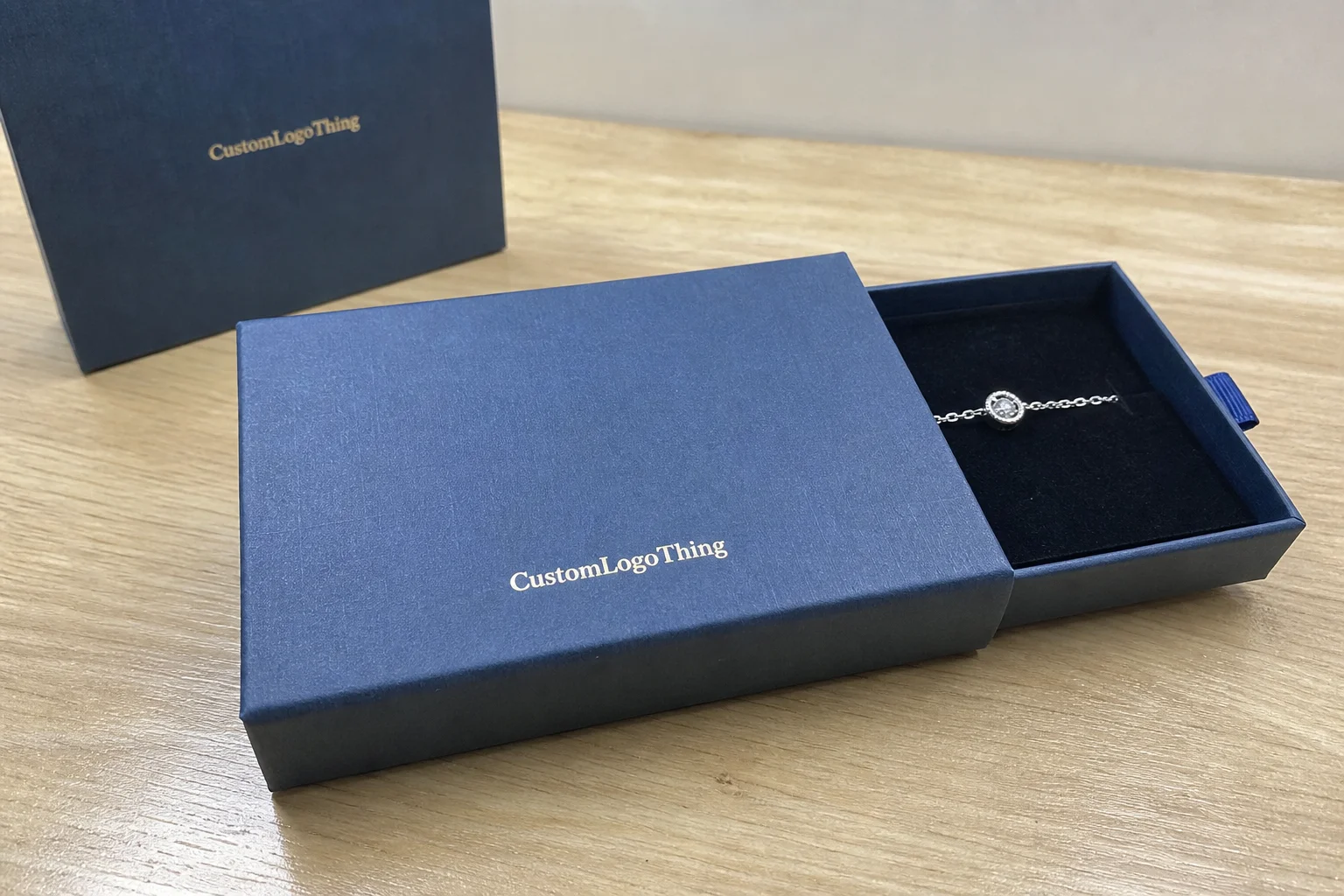
I still remember a client who nearly shipped 800 bland gift sets in plain white mailers from a fulfillment center in Atlanta, Georgia. We changed the plan and used Personalized Packaging for Corporate gifts with a matte black rigid box, a foil-stamped logo, and a printed insert card. Same chocolate, same notebook, same budget panic. The gifts landed, the client got three renewal meetings, and the box did half the selling. That is not magic. That is packaging doing its job, usually in the first 12 seconds after the lid opens.
Hi, I’m Sarah Chen. I spent 12 years in custom printing, sat in enough factory offices in Shenzhen and Dongguan to make my tea go cold, and have negotiated more box quotes than I care to count. Honestly, I think Personalized Packaging for Corporate gifts is one of those things people dismiss as “just packaging” right up until they see how much it changes the perceived value of a gift. Then suddenly everyone wants the recipient’s name, the event logo, the embossed mark, and a ribbon the color of somebody’s brand guide. Fair enough. Now we’re talking about a box that may cost $1.80 instead of $0.65, but feels five times more expensive.
What follows is the practical version, not the fluffy version. I’ll walk through how Personalized Packaging for Corporate Gifts works, what it actually costs, where the hidden charges hide, and how to avoid the expensive mistakes I’ve seen from both sides of the table. I’ll also give you the kind of numbers suppliers usually hand over after three follow-up emails and one “can you sharpen this spec?” message. On a standard run, that means quotes like $0.15 per unit for 5,000 pieces on a simple printed insert, or a 12-15 business day turnaround from proof approval for a common mailer box. Yes, the details matter.
Personalized Packaging for Corporate Gifts: What It Really Means
Personalized Packaging for Corporate gifts means packaging built around the recipient, the occasion, or the business relationship—not just your logo slapped on a box and called branded packaging. That can include Custom Printed Boxes, sleeves, inserts, tissue, labels, belly bands, foam inserts, and message cards. Sometimes it’s elegant. Sometimes it’s overdesigned. The good versions feel intentional. The bad versions feel like a sales rep got access to Photoshop and a caffeine problem at 10:30 p.m.
Here’s the plain-English difference: generic branded packaging says, “Our company made this.” True personalized packaging for corporate gifts says, “We thought about you specifically.” That difference matters in B2B gifting because the unboxing is part of the message. A client opening a gift in a rigid box with a soft-touch finish and a foil logo feels something different than someone peeling open a plain mailer with a sticker seal. One says effort. The other says budget line item, usually a very small one.
In my experience, the strongest corporate gift packages usually do three things at once. They protect the product, they elevate the perceived value, and they reinforce package branding without shouting. That can be as simple as a kraft mailer with a custom insert and a clean spot-color print, or as premium as a magnetic closure box with embossing and a satin ribbon. The trick is matching the format to the relationship. I’ve seen people overshoot so hard here that the packaging looked like it was trying to win an Oscar in Los Angeles. Not the goal.
I once visited a Shenzhen packing line where a team was testing a luxury client kit for a financial services firm in Singapore. The original version used a standard folding carton, and the gift itself was fine—useful items, decent quality, nothing wrong. Then we switched to a 1200gsm rigid box with 157gsm art paper wrap, a debossed logo, and a two-piece insert tray. Same contents. Different reaction. The sales director told me later their top account mentioned the packaging in the renewal meeting. That’s the sort of thing personalized packaging for corporate gifts can do when it’s built properly.
Common use cases include holiday gifts, onboarding kits, client thank-yous, event swag, executive gifts, and sales closes. I’ve also seen it used for partner launches, board gifts, conference VIP kits, and product sample sends. The format changes, but the goal stays the same: make the recipient feel like the gift was made for them, not for a warehouse in New Jersey or a stockroom in Leeds.
“We thought the box was extra. Then clients started keeping it on their desks.” — a sales VP who finally understood why personalized packaging for corporate gifts is not decoration, it’s positioning.
If you’re already planning branded packaging for a campaign, think one level deeper. Ask: what should the recipient feel when they open it? Calm? Impressed? Recognized? That answer shapes the package design, the insert copy, and the finish choices better than any trend deck ever will. A white-lid box with a black logo may be enough for a 50-piece internal gift drop, while a VIP send to 20 clients in Dubai might justify foil, ribbon, and a custom insert tray.
How Personalized Packaging for Corporate Gifts Works
The process behind personalized packaging for corporate gifts is simple on paper and annoying in real life, which is basically every packaging project ever. It starts with a brief. Then you choose structure, develop artwork, review proofs, sample the pack, run production, then pack and ship. Each step sounds tidy until someone changes the gift dimensions after the dieline is approved. And yes, that happens constantly, usually after someone says, “It’s only 8 millimeters different.”
The first decision is structure. Rigid boxes are the premium pick for presentation-focused gifts and are often built from 1200gsm or 1400gsm greyboard wrapped in 157gsm art paper or 128gsm coated art paper. Mailer boxes are better for shipping and a better fit for e-commerce-style delivery, especially in corrugated E-flute or B-flute stock. Folding cartons are cost-efficient for lighter items and retail packaging-style presentations, commonly using 300gsm to 350gsm C1S artboard. Sleeves and belly bands work well when you want a quick branding layer without redesigning the whole container. Tissue wraps, custom tape, and printed inserts add smaller touches that still matter inside the box, especially when the item itself is plain.
For personalized packaging for corporate gifts, suppliers usually split the job across printing, converting, and fulfillment. A custom box manufacturer may handle the structure and wrap, then a print shop may do insert cards or variable name printing, and a kitting partner may assemble everything. If you’re using a single supplier, good. If not, someone needs to coordinate the mess. Otherwise the box arrives one shade off and the ribbon is sitting in another country. I wish I were joking, but I am not; I’ve seen ribbons stranded in Ho Chi Minh City while the boxes were already in Chicago.
Artwork setup is where many projects wobble. You’ll need a dieline, print-ready files, PMS color references, logo placement notes, and any personalization fields. If you’re doing recipient names, those files need to be cleaned, spell-checked, and mapped before production starts. I’ve seen a 500-piece VIP run delayed because someone uploaded a spreadsheet with three different spellings of the same executive’s surname. Nothing says premium like a typo on the lid of a $7.50 rigid box.
The approval process usually includes digital proofs and, for bigger jobs, a physical sample. A screen proof can confirm layout, but it won’t show you how a soft-touch laminate feels or whether the foil stamping reads too dark under warm light. That’s why I push for physical samples whenever the order value crosses about $2,000 or the client is fussy about finish. Which, to be fair, is most clients after the second revision and one procurement meeting in Houston.
Lead times vary by structure and finish, but here’s a realistic range:
- Sample creation: 3-7 business days for standard structures, longer for custom molds or specialty inserts
- Production: 10-20 business days after proof approval for common box styles, with 12-15 business days being typical for standard mailers and folding cartons
- Shipping: 3-12 business days depending on domestic freight from cities like Los Angeles, Chicago, or Dallas, or on international routes from Shenzhen or Ningbo
- Kitting/assembly: 2-7 business days for simple sets, more for variable name personalization, ribbon tying, or multi-item inserts
If you want the short version: personalized packaging for corporate gifts works best when the packaging supplier, print method, and fulfillment plan are aligned before artwork is finalized. If they aren’t, the project becomes a relay race with no baton, and usually one missing pallet in transit.
For suppliers and materials, I always tell clients to ask about compliance and testing. If a shipment is going by air or crosses borders, carton performance, moisture resistance, and print durability matter. For transport testing, many suppliers reference ISTA standards. For paper sourcing, FSC certification is a common ask, and you can verify more at fsc.org. If a vendor cannot speak clearly about those basics, keep shopping. Ask whether they can quote a 350gsm C1S artboard sample or a 157gsm art paper wrap with matte lamination, because vague material talk is rarely a good sign.
Key Factors That Affect Design, Cost, and Pricing
Personalized packaging for corporate gifts can cost very little or very much. That sounds useless, but it’s true. A 500-piece run of a one-color mailer with a custom insert might land around $1.20 to $2.20 per unit. A premium rigid box with foil, embossing, and a two-piece insert can jump to $4.50 to $9.00 per unit, sometimes more if the quantity is tiny. Volume matters. Materials matter. Finish choices matter. Surprise: everything matters, especially if you want the cartons produced in Guangzhou, Dongguan, or Xiamen instead of an in-house local run.
Material type is the biggest driver. Corrugated mailers are cheaper than rigid boxes. 300gsm folding carton board is cheaper than 1200gsm greyboard wrapped in 157gsm art paper. If you need durability and a premium feel, rigid construction is often worth it. If you need economical shipping, custom printed boxes in corrugated stock are usually the better move. I’ve seen companies overspend on a heavy structure for a low-value swag kit, then wonder why the freight bill looks like a prank from a carrier in Memphis.
Size changes the bill fast. One client wanted a “standard” gift box until we measured the actual contents: a ceramic tumbler, a notebook, a power bank, and a metal pen. The box footprint doubled, inserts had to be redesigned, and unit cost jumped by about $0.68 before print changes even started. In packaging, a few millimeters can become a few hundred dollars. That’s not me being dramatic. That’s die-cut math, and it shows up immediately when a 210mm x 160mm box becomes 250mm x 190mm.
Finish upgrades are where budgets go to feel fancy. Foil stamping adds shine and usually a tooling charge of $50 to $250 depending on the plate size and location count. Embossing adds tactile depth. Soft-touch lamination gives you that velvety feel everyone likes to touch twice. Spot UV adds contrast. Magnetic closures add structure and price. Custom inserts add protection and cost. You don’t need every finish. One hero finish is usually enough. Two if the audience is high value. Three if someone in marketing got emotionally attached to a mood board and refused to let it go after a 9 a.m. Zoom call.
Here’s a simple comparison that helps clients decide where to spend:
| Packaging Option | Typical Unit Cost | Best Use | Pros | Tradeoffs |
|---|---|---|---|---|
| Printed mailer box | $0.95-$2.40 | Shipping-friendly gift kits | Lower freight, good branding, easy assembly | Less premium than rigid packaging |
| Folding carton with insert | $0.75-$1.80 | Lighter corporate gifts | Cost-efficient, compact, flexible | Not ideal for heavy or fragile products |
| Rigid presentation box | $3.50-$8.50 | Executive and VIP gifts | High perceived value, strong unboxing | Higher setup, more freight, more storage |
| Custom sleeve + standard box | $0.60-$1.60 | Short campaigns or fast branding | Flexible, lower setup cost | Less durable, less structural impact |
Hidden costs catch people off guard. Sample fees can run $30 to $150 per prototype, depending on structure and complexity. Setup charges for plates or tooling might be $50 to $250. Freight can be a pain in the neck, especially on bulky rigid boxes shipped from Shenzhen to Los Angeles or Rotterdam. Warehousing and assembly labor matter too, especially if your personalized packaging for corporate gifts includes name cards, ribbons, or multiple components. I’ve seen a project with a neat $2.10 box become a $5.80 landed cost after assembly and air freight. The box itself was not the problem. The planning was.
My rule: choose one premium touch that people will actually notice. Soft-touch feels great. Foil shows well in photos. Embossing gives depth. Pick one hero detail and support it with strong structure and clean printing. That’s smarter than loading every possible upgrade onto a low-margin gift program, especially when the target is 300 recipients in London or Toronto and not 30 executives in Manhattan.
If you need a place to start comparing structure options, browse Custom Packaging Products and request similar specs from two or three vendors. Apples-to-apples quotes save a ridiculous amount of time. “Premium packaging” is not a spec. It’s a wish. “350gsm C1S artboard, matte lamination, one-color print, 500 units, delivered to Austin in 15 business days” is a spec.
Step-by-Step Process to Create Personalized Packaging for Corporate Gifts
Step 1: define the gifting goal. Are you trying to retain a client, welcome a new hire, thank a partner, or close a sale? Personalized packaging for corporate gifts should support one purpose. Not four. When the objective is unclear, the box becomes a compromise package, and compromise packages rarely look expensive, no matter how many ribbon colors you test.
Step 2: match the package style to the item. A shipping-safe package should survive transit, a presentation package should impress in the room, and a hybrid should do both reasonably well. If the gift is fragile—glass, ceramics, food jars, tech devices—insert design matters as much as the outer box. I once saw a beautiful gift box with no internal support. The candle arrived cracked in 19 out of 100 units. Gorgeous failure. The replacement insert added $0.22 per unit and saved the program.
Step 3: build the visual system. This is where package branding becomes more than a logo. Decide on colors, typography, logo use, personalization fields, and inside messaging. Maybe the outer lid is restrained and the interior panel carries the thank-you message. Maybe the client name appears on the insert card. Maybe the event title sits on a sleeve. Personalized packaging for corporate gifts works best in layers. Outer box, inner reveal, message card, and product arrangement all tell the same story, whether the run is 75 boxes in Boston or 750 in Berlin.
Step 4: request samples and check them like you mean it. Don’t just look at them. Measure them. Open and close them 20 times. Check if the lid bows. Check if the insert is too tight or too loose. Review color against your brand standard under daylight and office lighting. A lot of packaging looks fine under one lamp and odd under another. I learned that the hard way in a Guangzhou sample room where a navy blue print suddenly looked purple under fluorescent tubes. Charming, really. A sample that looks good on an iPhone photo can still fail when the board is 1mm too thick.
Step 5: approve production, manage the timeline, and plan receiving. This is the part people always underestimate. If gifts are launching for a conference on Thursday, your packaging should not arrive Wednesday night with no assembly plan. Build in buffer time for proof revisions, freight delays, and any kitting work. For personalized packaging for corporate gifts, I usually advise clients to have the final packaging approved at least two weeks before the gifts need to be in hand, and longer for custom structures or international shipping from Shenzhen, Ningbo, or Ho Chi Minh City.
Here’s a practical workflow I’ve used with clients for years:
- Write the gift brief with quantity, budget, deadline, and recipient type.
- Measure every item in millimeters, not guesses.
- Choose the structure and finish based on shipping method.
- Approve dielines and place artwork carefully.
- Request a physical sample if the order is over $1,000 or includes premium finishes.
- Confirm production and packing schedule before full run starts.
- Inspect the first batch if the project is high value.
That sequence keeps personalized packaging for corporate gifts from turning into a last-minute scramble. It also helps your vendor give you accurate numbers, which is refreshing because “approximate” has ruined enough budgets already. If a supplier says production is 12-15 business days from proof approval, write that down and back-plan the freight, instead of assuming the boxes will teleport from the factory floor.
One more thing: if your gifting program includes sustainability claims, make sure the materials and wording are defensible. Recycled content, FSC-certified paper, and reduced-plastic inserts are common requests, but don’t print eco language you cannot support. The EPA has helpful background on materials and waste reduction at epa.gov/recycle. Clean claims are better than vague green talk, and they hold up better if procurement asks for documentation.
Common Mistakes When Ordering Personalized Packaging for Corporate Gifts
The first mistake is trying to personalize everything. I get it. Everyone wants names, quotes, icons, color bands, foil, embossing, custom tissue, and a ribbon printed with the event hashtag. But every extra layer adds cost and complexity. Personalized packaging for corporate gifts should feel thoughtful, not crowded. The cleaner the brief, the better the result, especially when the box is only 180mm square and the message card is already using 40% of the inside lid.
The second mistake is ignoring dimensions. A gift that “basically fits” often does not fit once you add inserts, wrap, or protective padding. Then the item rattles, slides, or crushes the side panel. I’ve seen teams spend $6.20 per box on a presentation piece, only to have the contents arrive looking like they were packed during a power outage in Detroit. Measure every object. Then measure it again. Then check whether the hinge side needs an extra 2mm of tolerance.
Third, people skip samples because they want to save $80. That decision usually costs more later. A sample shows color, texture, fit, and structural integrity. A screen mockup shows hope. Hope is not a production plan. For personalized packaging for corporate gifts, physical approval is usually the cheapest insurance you can buy, especially if the order is going to 1,000 recipients across five offices.
Fourth, they forget the recipient experience. The unboxing sequence matters. Which layer opens first? Where does the brand message appear? Does the thank-you card sit on top or under the product? Does the insert reveal the item in a neat way, or does everything come out at once? The best corporate gift packaging has pacing. It guides the eye. It creates a small reveal. It feels intentional, like a hotel suite in Singapore instead of a supply closet in a hurry.
Fifth, people underestimate lead times and freight. A vendor may quote 12 to 15 business days for production, but that doesn’t include shipping, customs, or kitting time. If you’re bringing in custom printed boxes from overseas, add transit time, buffer for inspection, and one extra day for the inevitable “one carton is missing” email. I’m not being cynical. I’m being experienced, and I’ve watched a pallet sit in customs in Vancouver for four days over a mislabeled HS code.
Here are the common traps I warn clients about in the first call:
- Choosing a box size before the product is final
- Using low-resolution logos that blur in print
- Approving color from a laptop screen only
- Forgetting storage space for bulk cartons
- Assuming every vendor handles assembly
- Not asking about minimum order quantities
The biggest mistake, honestly, is treating personalized packaging for corporate gifts like a last-minute add-on. It’s not an accessory. It’s part of the message. If the gift is for a top client or an executive recipient, the packaging may be the first thing they remember and the last thing they keep. I have seen people keep a rigid box for years and throw away the actual gift within a week.
I once sat across from a procurement manager in Chicago who said, “The box is just a box.” Then I showed him two samples side by side: one plain, one with a custom insert, soft-touch laminate, and debossing. He picked the premium sample in four seconds. Then he approved a budget increase of $1.40 per unit. Amazing how fast opinions change when the sample isn’t theoretical and the logo is actually centered.
Expert Tips to Make Corporate Gift Packaging Feel Premium
If you want personalized packaging for corporate gifts to feel premium, stop trying to make it loud. Premium usually looks controlled. A clean lid, one good finish, and a thoughtful interior often beat a box covered in every branding element available. I’ve designed both. The elegant one wins more often, especially for recipients in finance, legal, consulting, or enterprise sales.
Use one strong tactile upgrade. Soft-touch lamination is a favorite because it immediately changes the feel in-hand. Foil stamping works well when you want the logo to catch light without overpowering the layout. Embossing gives subtle depth. Spot UV is useful for contrast if your base print is matte. Pick one main finish, then let the structure carry the rest. That is how branded packaging stops looking busy and starts looking deliberate.
Keep the outer design restrained and let the inside do the talking. A black box with a minimal logo can open to a branded interior panel, a color pop, or a message printed under the lid. That contrast creates a small moment of surprise. It also photographs well, which matters more than some teams admit. If the recipient posts it, your package branding just earned free impressions, whether the send went to Paris, Seattle, or Sydney.
Layer personalization instead of stuffing it everywhere. For example:
- Company logo on the outer box
- Recipient name on the insert card
- Event or milestone message inside the lid
- Matching tissue or sleeve to tie the system together
That layered approach works beautifully for personalized packaging for corporate gifts because it balances brand consistency with individual recognition. It feels human. It also gives you more flexibility if you’re sending 50 VIP boxes with variable names or 500 onboarding kits with one standard message.
Choose protective materials first. Luxury that arrives dented is just expensive regret. If your box is traveling by courier, test the structure against compression and drop risk. Ask for mailer or transit testing, especially if the contents are fragile. Standards like ISTA exist for a reason, and packaging people who ignore them usually end up reordering rush replacements from a supplier in Atlanta, Raleigh, or Guangzhou.
Work with suppliers early. Don’t finalize copy before you know the structure. Don’t approve the structure before you know the item dimensions. Don’t assume the print method can handle tiny text if you’re planning a metallic finish. I’ve had better results when designers, box manufacturers, and fulfillment teams are all in the same thread from day one. Less drama. Fewer surprises. Fewer “we’ll fix it in post” fantasies. A well-run project can move from proof approval to production in 12-15 business days, but only if everyone stops revising the brief at the last minute.
One of my favorite wins came from a SaaS company in Austin that wanted a fast, premium onboarding kit. We kept the outer box simple, used a custom insert tray, and printed the onboarding URL inside the lid. No extra nonsense. Their HR team told me new hires mentioned the package on day one, which is exactly what personalized packaging for corporate gifts is supposed to do: make the company feel deliberate. The insert was 350gsm C1S artboard, the box was a mailer made from E-flute corrugated, and the per-unit cost stayed under $2.00 at 2,000 units.
If you’re comparing packaging suppliers, ask for exact specs. Not “good quality.” Ask for 1200gsm greyboard, 157gsm art paper, matte lamination, and foil on one location only. Ask for the MOQ, setup fee, sample fee, and production lead time. Good vendors answer clearly. Weak vendors hide behind vague language. I know which one I prefer, and it’s not the one with the prettiest sales deck. I prefer the supplier who can tell me the box will ship from Dongguan on a Thursday and arrive in Los Angeles the following week by ocean freight.
What to Do Next Before You Order
Before you place an order for personalized packaging for corporate gifts, build a one-page brief. Include quantity, budget, deadline, target recipients, gift dimensions, shipping method, and the level of personalization you want. If you can’t summarize the project on one page, your supplier probably can’t quote it cleanly either. I usually see the best results when clients include a target landed cost, such as $3.25 per unit for 1,000 pieces delivered to Dallas.
Measure the products carefully. List the exact width, height, and depth in millimeters. Note whether the item is fragile, magnetic, liquid-filled, oddly shaped, or likely to scratch. Add photos from different angles. Those details help with insert design and reduce the chance of surprise adjustments that cost time and money. A 148mm x 92mm notebook sounds simple until you discover the cover buckle and needs 4mm of clearance.
Get two or three quotes using the same spec sheet. Same box style. Same material. Same finish. Same quantity. Otherwise, you’re comparing apples, oranges, and one vendor’s optimistic fantasy. I’ve seen quote gaps of 30% simply because one supplier included assembly and another did not. Ask for the landed cost, not just the box cost. That’s the number that matters, especially if the packaging is being produced in Shanghai and shipped to New York in one consolidated freight lane.
Ask for a physical prototype whenever the project is premium, custom-shaped, or time-sensitive. If the supplier can’t provide one, ask exactly why. A good sample catches fit issues, printing issues, and finish issues before you commit to full production. In my experience, a $75 sample can save a $7,500 mistake. I’d take that trade all day, particularly when the recipient is a client you’ve been courting for six months.
Then build a simple schedule with clear milestones:
- Brief approved
- Artwork submitted
- Proof revised and signed off
- Sample approved
- Production started
- Packaging received
- Kitting and shipping completed
That timeline is boring, yes. It also works. And boring is underrated in production. Boring means your personalized packaging for corporate gifts shows up on time, the box fits, the logo is correct, and nobody is frantically reprinting sleeves at 2 a.m. in a warehouse outside Nashville.
If you need a practical starting point, browse our Custom Packaging Products and compare structure options before you fall in love with a finish. Finish is the frosting. Structure is the cake. I’ve seen enough collapsed cakes to know which one matters first. A rigid box with 1200gsm greyboard and a clean one-color print often outperforms a heavily decorated structure that is too weak to ship.
Frequently Asked Questions
How much does personalized packaging for corporate gifts usually cost?
Cost depends on quantity, box style, printing method, and finishes. A simple printed mailer can start around $0.95 to $2.40 per unit, while a premium rigid box can run $3.50 to $8.50 or more depending on inserts and decoration. Small runs with premium finishes cost more per unit than larger bulk orders, and you should always budget for samples, setup charges, freight, and assembly labor. For example, a 5,000-piece run with a one-color insert might get as low as $0.15 per unit, while a 300-piece VIP box can land near $7.00 per unit.
How long does personalized packaging for corporate gifts take to produce?
Simple orders can move in 10 to 15 business days after proof approval, but samples, revisions, shipping, and kitting add time. Custom structures and premium finishes usually extend the timeline. If the order includes recipient names or multiple components, build in extra buffer for data checks, assembly, and freight delays. A realistic plan for a standard order is 12-15 business days from proof approval plus transit time from the factory in Shenzhen or Dongguan.
What packaging style works best for corporate gifts?
Rigid boxes work well for premium presentation and executive gifting. Mailer boxes are better for shipping and protecting the contents during transit. Folding cartons are useful for lighter items and budget-conscious programs. The best choice depends on the gift size, fragility, delivery method, and how premium you want the unboxing to feel. A 350gsm C1S artboard carton can work for lightweight kits, while a 1200gsm rigid setup is better for executive sends.
Can personalized packaging for corporate gifts include recipient names?
Yes, recipient names can be added through variable printing, labels, sleeves, or insert cards. This works especially well for VIP clients, executive gifts, and smaller curated runs. The personalization method should be planned early so the files, production method, and assembly process all match cleanly. If you have 200 names, build the spreadsheet before proofing; if you have 2,000 names, check each field twice.
What should I ask a supplier before placing an order?
Ask about minimum order quantities, sample costs, lead times, freight, material options, and available finishes. Confirm whether they handle printing, structure, and assembly in-house or through separate partners. Request proof approval steps and ask for a sample before full production so there are no unpleasant surprises halfway through the project. A good supplier can quote a rigid box from Dongguan, a mailer from Shanghai, or an insert card printed on 350gsm C1S artboard without hedging.
Personalized packaging for corporate gifts works because people notice effort. Not fake effort. Real effort. The kind that shows up in the structure, the fit, the finish, and the message. If you want the packaging to do its job, start with the gift dimensions, pick one finish that supports the brand, and approve a sample before production. That one discipline usually saves more money than any last-minute rush order ever will.