Personalized Tote Bags for family reunions tend to outlast the event itself because they do a job people still need afterward. They carry snacks to the park, sunscreen to the beach, extra clothes for children, chargers, souvenirs, or the pile of papers that always ends up in someone's lap on the drive home. A keepsake is nice, but a keepsake that gets used again is better.
From a buyer's perspective, the appeal is straightforward. These bags sit in a useful middle ground between a commemorative item and an everyday carryall, which makes them more practical than novelty gifts and less disposable than most printed giveaways. You can customize them with a family name, reunion date, location, crest-style artwork, or a short slogan, then choose a base material that fits the budget and the tone of the event. Common options include nonwoven polypropylene for larger orders, cotton for a softer hand, and canvas-style fabric when the goal is a more substantial gift bag.
The best orders are rarely the most elaborate ones. They are the ones that match the bag size to the contents, keep the artwork readable, and use a print method that suits the quantity. If the bag feels thoughtful in person and still looks good after a few months of use, the project usually succeeded where it mattered.
Why personalized tote bags for family reunions stand out
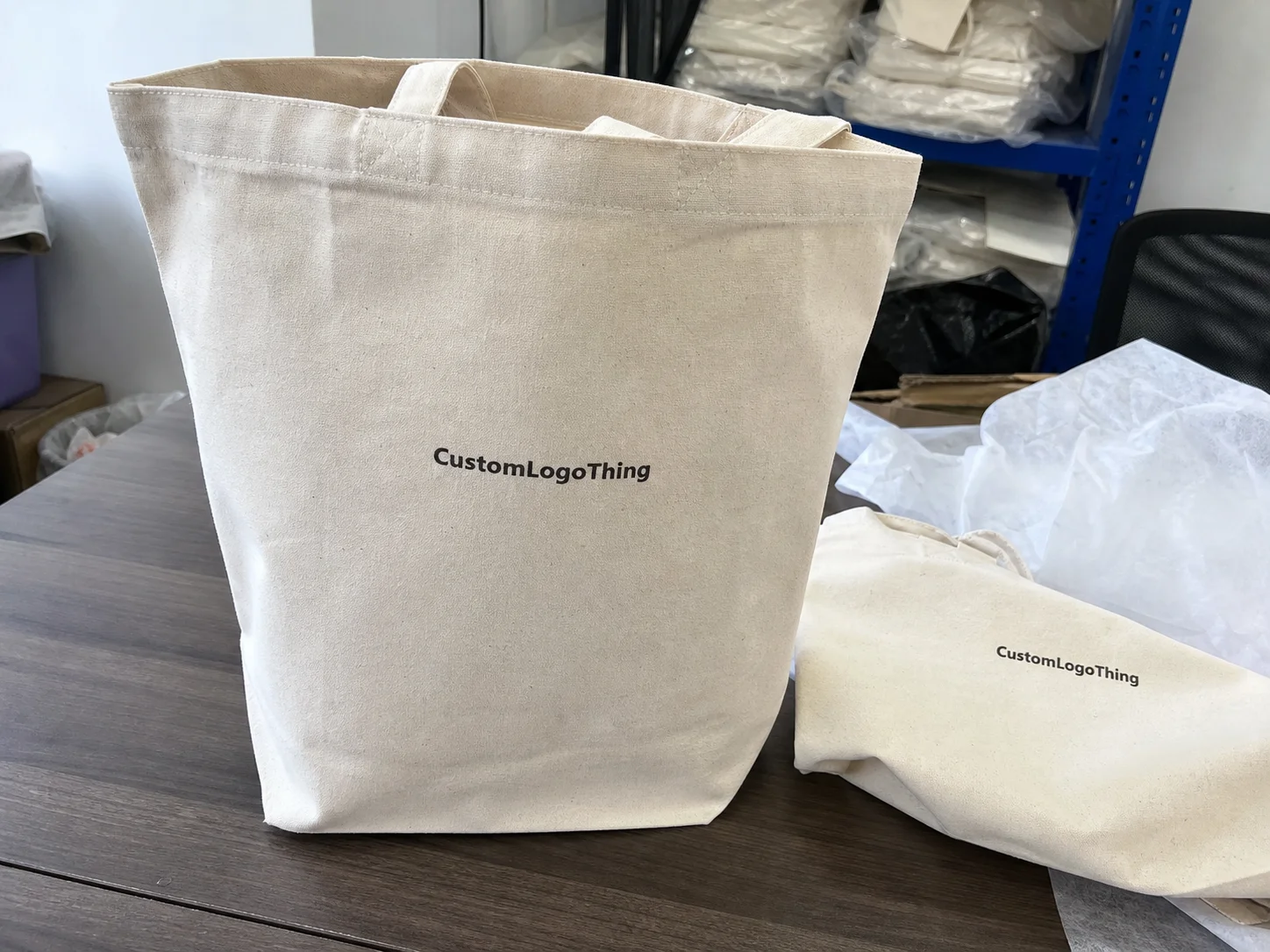
What makes Personalized Tote Bags for family reunions stand out is that they are useful without losing the commemorative value. A reunion T-shirt is worn once and tucked away. A tote gets folded into luggage, carried to a grocery store, reused for weekend errands, or packed with family photos on the way home. That repeated visibility gives the print a longer life and makes the event feel more present in everyday routines.
There is also a practical advantage for large gatherings. Reunions often need a way to organize handouts, name badges, schedules, small gifts, or welcome materials. A tote handles all of that while giving the event a unified look. For planners, that means fewer loose items on tables and fewer awkward handoffs when people arrive at different times.
Size and material matter more than people expect. A bag that looks attractive in a mockup can still fail if it is too shallow for bottles, too thin for repeated use, or too small to hold the actual contents of the welcome kit. In most family settings, a medium tote with a gusseted bottom and reinforced handles is the sweet spot. It is large enough to be useful, but not so oversized that it becomes cumbersome for children or older guests.
The material choice changes the feel immediately:
- Nonwoven polypropylene is lightweight, budget-friendly, and common for bulk orders.
- Cotton has a softer feel and a more natural look, though it costs more than nonwoven stock.
- Canvas-style bags are sturdier and read as giftable, especially when the reunion is smaller or the bag is meant to serve as a host gift.
Most buyers are trying to balance three things at once: visual appeal, cost, and actual use. When those line up, the tote does more than carry items. It becomes part of the reunion identity and keeps circulating after everyone has gone home.
"If the bag can handle one real errand after the reunion, it usually earned its keep."
How the customization process works from artwork to print
The customization process is usually simple on paper, but each step affects both cost and timing. It starts with choosing the bag style, confirming quantity, sending artwork, approving a proof, and then moving into production and shipping. If any of those details are vague, the order slows down quickly, often right when the event timeline is least forgiving.
Artwork is the place where most of the quality difference begins. Screen printing is a strong fit for simple wording, one- or two-color logos, and larger quantities because the setup cost is spread across more pieces. Heat transfer can handle more detailed graphics or multiple colors, though the surface finish may feel different from a direct print. Digital printing is useful when the design has fine detail, gradients, or photographic elements, but it is not always the cheapest option for large runs.
For family reunion orders, the best artwork is usually the cleanest artwork. A family name, reunion year, location, and one short line of copy usually print better than a crowded design that tries to tell the whole family story in one image. If there is a crest, monogram, or heritage-inspired mark, supply the highest-resolution version available. A blurry screenshot or a low-resolution image pulled from social media can turn into extra proof rounds, and extra rounds are where schedules start slipping.
Color choice also matters more than it appears on a computer screen. Dark ink on a dark bag can disappear in poor light, while thin lines can vanish in print if the stock has a textured surface. Strong contrast and simple typefaces usually produce the most reliable results. If you need a more detailed design, ask for a sample or a production proof that shows the actual placement, scale, and color treatment before the full run begins.
There are a few items that should be settled before the first quote comes back:
- Bag size and material
- Estimated quantity, including a small overage
- Artwork in vector format when available, such as AI, EPS, or PDF
- Exact wording for family names, dates, and location lines
- Any theme colors or type preferences tied to the reunion
For personalized tote bags for family reunions, that first set of details usually determines whether the project runs smoothly or turns into a chain of revisions. The clearer the brief, the cleaner the proof and the faster the order moves.
Cost, pricing, and MOQ factors to compare
Pricing comes down to a handful of variables that are easy to overlook if you only compare the headline number. Material, bag size, print method, number of ink colors, imprint locations, and total quantity all affect the final unit cost. A one-color print on a standard nonwoven bag will sit in a very different range from a multi-color design on a heavy canvas tote.
Minimum order quantity, or MOQ, is one of the biggest drivers of price. It is simply the smallest run a supplier will produce at a given rate. Lower quantities usually cost more per bag because the setup work, proofing, and labor are spread across fewer pieces. That is not a penalty; it is how production economics work. For a large family gathering, ordering a few extra bags can reduce the per-unit cost and create a buffer for late RSVPs or unexpected guests.
It is also easy to miss the smaller line items that affect the real total. Setup fees, additional print colors, proof revisions, rush fees, and shipping can all change the number. A quote that looks inexpensive at first can become less attractive once those details are added. The best comparison is not "Which quote is cheapest?" but "Which quote is built on the same material, the same bag size, the same imprint size, and the same decoration method?"
| Bag option | Typical use | Estimated unit cost | Best for |
|---|---|---|---|
| Nonwoven polypropylene, one-color print | Welcome bags, larger family groups | $0.90-$2.25 | Budget-conscious bulk orders |
| Cotton tote, one- to two-color print | Reusable keepsake bags | $2.25-$5.50 | Smaller reunions, premium feel |
| Canvas-style bag, multi-color print | Gift bags, host gifts | $4.50-$8.50+ | High-visibility keepsakes |
Those ranges are broad on purpose. A 75-piece family order behaves very differently from a 5,000-piece run, and the same is true for a simple logo versus a print that wraps across both sides of the bag. If you want a cleaner comparison, ask each supplier to quote the same spec sheet, including material weight, handle length, gusset depth, and print location.
Material specs matter because they change both the look and the durability. Nonwoven bags are often measured in GSM, while cotton and canvas-style bags may be discussed in ounces per square yard or by fabric weight. Heavier stock usually costs more, but it also feels more substantial in hand and holds up better when people actually use the bag.
For buyers who care about reuse and material sourcing, organizations such as the Packaging Machinery Manufacturers Institute, the EPA recycling resources, and the FSC website can be useful starting points for understanding packaging claims, recycled-content language, and responsible material choices. If sustainability matters to the family, ask for documentation rather than relying on loose wording in a sales quote.
Production steps and turnaround for reunion tote orders
Once the order is approved, the production flow usually follows a predictable path: request quote, review proof, confirm payment, enter production, complete decoration, inspect, pack, and ship. That sounds straightforward, but each stage can absorb time if the artwork changes or the deadline is tight.
Turnaround depends on bag type and decoration method. A standard tote with a simple one-color imprint can move faster than a custom bag with a multi-color graphic or a special finish. In practice, many reunion projects land in the 12 to 15 business day range after proof approval, though larger quantities, unusual materials, or more complex decoration can push that longer. Shipping time is separate from production time, which matters when the event date is fixed and there is no room for a late arrival.
The real pressure points are usually predictable. Proof approvals slow down when several relatives want a say in fonts, colors, or wording. Production time stretches when the order lands during peak summer scheduling or holiday backlog. Transit adds another layer, especially for reunions that are being planned across state lines or packed into a tight venue setup window.
Quality control is the part buyers do not always see, but it is where the final order gets judged. A proper check should look at print registration, color consistency, stitch quality, handle attachment, seam strength, and final count. For reunion totes, I would also want to know whether the supplier checks for misprints, ink smudging, or bag damage before packing. If the order is large enough, a small sample should be pulled from the run and compared to the approved proof.
One practical warning: family projects often stall not because the supplier is slow, but because the family is still deciding between versions. That is normal, but it should be planned for. If the bags are going into welcome kits, order earlier than you think you need to. If they need to be stacked at check-in, build in enough time for sorting, labeling, and any last-minute counts.
Standard colors and simple artwork usually move faster. Custom dye colors, metallic ink, oversized prints, and unusual constructions add time. If the reunion date is fixed, ask for a schedule that includes proof approval, production, packing, and transit so there is no guessing about where the order sits on the calendar.
Common mistakes that make reunion totes miss the mark
Overcrowded artwork is the most common problem. Families want to include every surname, a decorative border, a map, a quote, and a handful of icons, all in the same space. On a computer, that can look festive. On a tote, it often becomes hard to read from arm's length. Simpler designs usually age better and print more cleanly.
Size mistakes are just as common. A tote that is too small cannot handle water bottles, folded shirts, or welcome materials. One that is too large may feel awkward for children or older guests. The right size depends on what is going inside the bag, not just how it looks in a mockup. For a standard reunion kit, a medium gusseted tote is often the most useful choice because it balances capacity and portability.
Printability can also derail a good concept. Low-resolution files, thin strokes, and low-contrast color combinations can look fine on a screen and still print poorly on fabric or nonwoven stock. Dark navy text on charcoal, for example, may disappear in shade. Fine script fonts can lose detail on textured material. The safest route is strong contrast, clean line work, and a proof that reflects the real bag surface rather than a generic mockup.
Underordering creates its own problems. Once the first batch is complete, adding more bags later may mean a higher unit cost, a different lot color, or a slight variation in material. That gets expensive fast if the bag is supposed to be the matching item every guest takes home. A modest overage is usually better than trying to solve a shortfall after production has closed.
Another issue is ignoring what the bag has to carry. If the tote will hold bottled drinks, heavier snacks, or stacked printed pieces, the handles and seams need to be strong enough for real use. Reinforced stitching, a stable bottom panel, and handles that sit comfortably on the shoulder make a bigger difference than people expect once the event begins.
"The cheapest order is not the cheapest project if you have to reorder half of it."
For personalized tote bags for family reunions, the strongest results usually come from readable artwork, a practical size, and an order quantity that leaves room for late additions without forcing a second production run.
Expert tips for durable, giftable reunion bags
If the goal is a bag that feels special without becoming fussy, keep the design restrained. A family name, reunion year, location line, and a simple mark are usually enough. A tote that says "The Johnson Family Reunion" or "Smith Family Gathering at Lakeview" already feels personal if the layout is balanced and the print is clean. More elements do not automatically make it more meaningful.
Durability should be part of the design brief from the start. Reinforced handles, gusseted sides, a flat bottom, and a surface that can be wiped clean all help the bag survive real use. Those details matter more than ornamental extras, especially if the tote is expected to carry drinks, sunscreen, snacks, or folded clothes. For a bag that people will keep using, the structure matters as much as the artwork.
Color choice deserves a practical approach. Bright colors stand out in photos and make bags easier to spot when they are stacked together or left on a picnic table. Neutral tones can feel more elevated and may hide minor scuffs better over time. If the reunion photos will be shared digitally or printed later, choose colors that read well both indoors and in daylight.
Handle length is another small detail that can affect how the bag gets used. A short handle makes hand-carrying easy, while a longer shoulder drop helps when guests have their hands full. If the bag is for grandparents, younger children, or anyone expected to walk with it for a while, comfort matters.
I also like to think about the second life of the bag. A tote that can become a grocery bag, library bag, or weekend travel bag delivers more value than one that only looks good on the event table. That is especially true for personalized tote bags for family reunions, where the printed message matters, but repeated use is what makes the item memorable.
If the family wants to be more deliberate about materials, ask whether the supplier can document recycled content where applicable or provide information about any packaging inserts. It is better to ask for the specifics than to assume a sustainability claim means the same thing across every product line.
Next steps for ordering the right reunion tote
Start with the numbers that actually control the order: quantity, event date, and budget. Those three details narrow the field quickly. Once you know how many bags you need and when they have to arrive, it becomes much easier to decide whether a nonwoven tote, cotton bag, or heavier canvas-style option fits the project.
Then gather the artwork and wording in one place. Decide whether the bag needs names, dates, location details, a slogan, or just the family surname. The cleaner the brief, the fewer proof changes you will need later. That keeps the schedule under control and reduces the risk of small errors becoming expensive reprints.
Ask for a proof that shows imprint size, placement, and color treatment. Review it with a single decision-maker if possible. Family projects can get delayed when too many people try to approve the final version at once. A simple sign-off process is usually the fastest way to keep production moving.
Before releasing the order, check the practical details one more time: handle length, gusset depth, decoration method, shipping date, and any allowance for extras. If the bags are being packed into welcome kits, leave enough time for labeling and sorting. If they are being handed out at check-in, make sure they arrive early enough that the event team is not opening cartons while guests are already on site.
Done well, personalized tote bags for family reunions become part of the event rather than just another printed item. They show up in photos, hold the things people actually need, and stay in circulation long after the reunion is over. That combination of utility, memory, and durability is what makes the format worth choosing in the first place.
FAQs
How many personalized tote bags for family reunions should I order?
Start with a count of confirmed attendees, then add a buffer for late RSVPs, host gifts, and a few extras for organizers. If the reunion has multiple family branches, it helps to reserve a small overage for each branch so no one is left out when the bags are handed out.
What is the best material for family reunion tote bags?
Nonwoven polypropylene is usually the best value for larger orders because it is lightweight, easy to print, and economical in bulk. Cotton and canvas-style bags cost more, but they feel more substantial and are often the better choice when the reunion is smaller or the tote is meant to function as a keepsake.
How far in advance should I order custom reunion totes?
Order as soon as the event date and design direction are known, because both proof approval and production need room in the schedule. For larger runs or more detailed artwork, early ordering also lowers the risk of rush fees and shipping stress.
Can I put names or individual roles on family reunion tote bags?
Yes, but individual personalization changes the workflow and can increase cost because each version needs its own setup or variable-data handling. For large groups, a shared family design with space for optional name inserts is often the more efficient approach.
How do I keep personalized tote bags for family reunions within budget?
Keep the design simple, limit the number of print colors, and choose a standard bag size to avoid unnecessary upcharges. Ask each supplier to quote the same material, imprint size, and decoration method so you can compare real unit cost instead of mismatched offers.